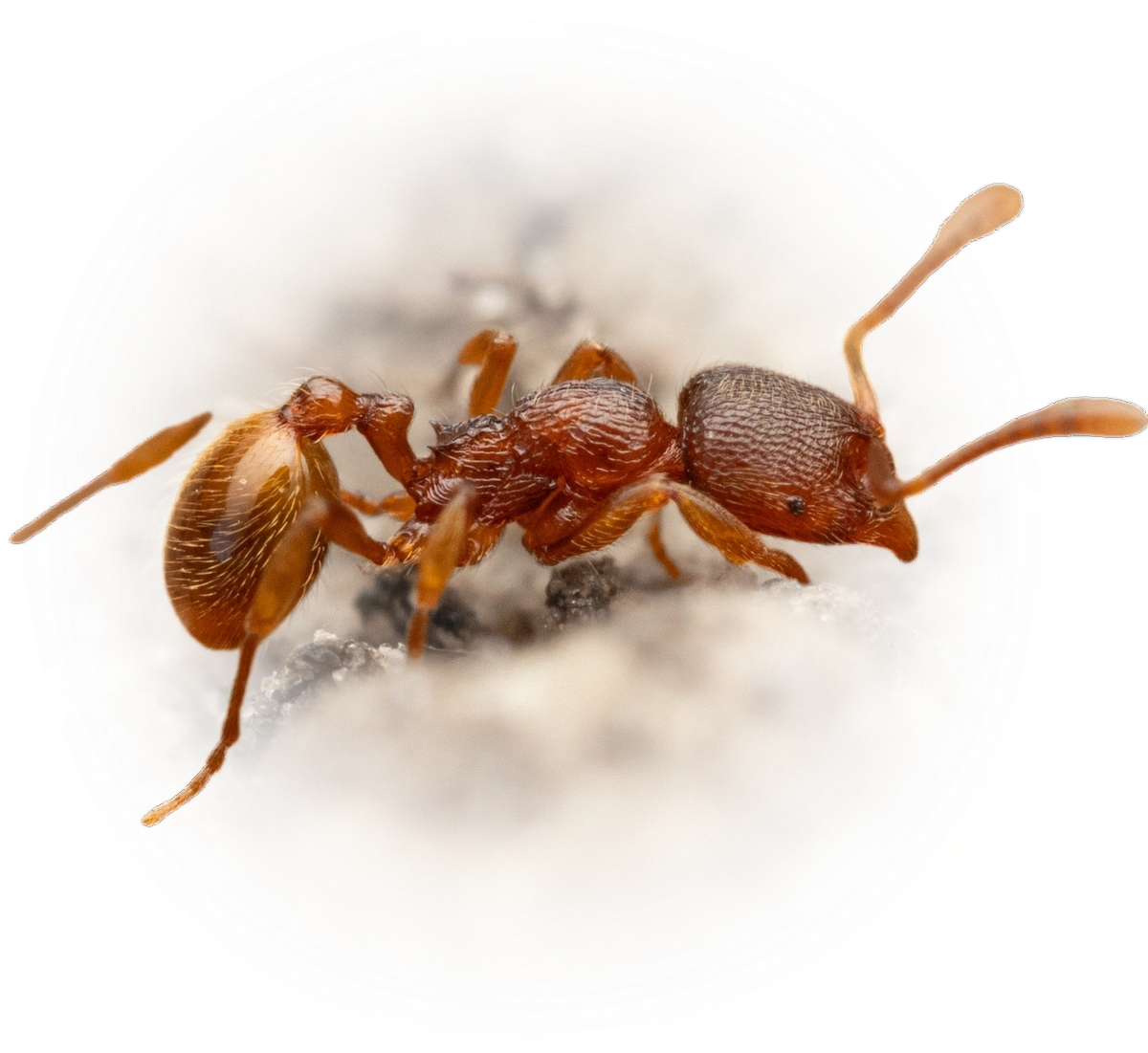
Stenamma debile
- Sci. Name
- Stenamma debile
- Tribe
- Stenammini
- Subfamily
- Myrmicinae
- Author
- Foerster, 1850
- Distribution
- Found in 10 countries
Introduction
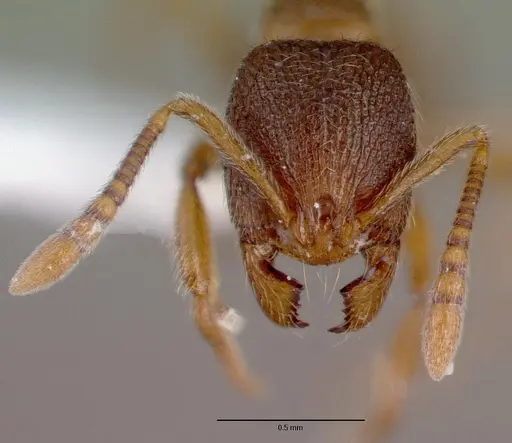
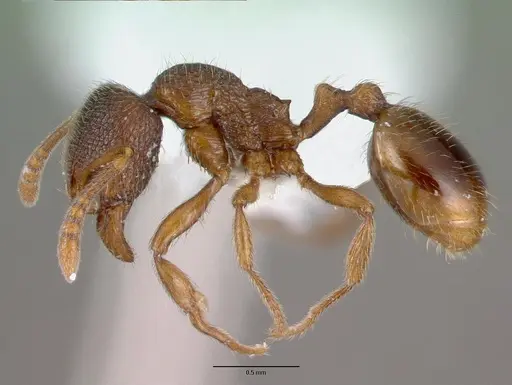
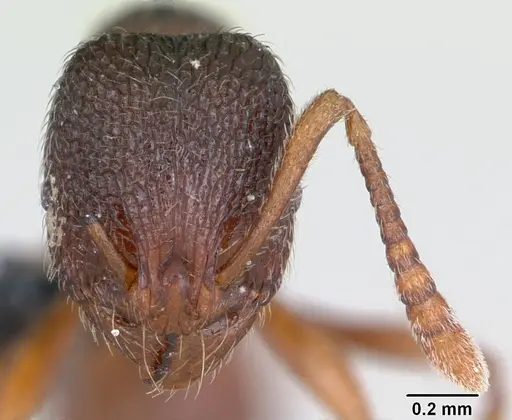
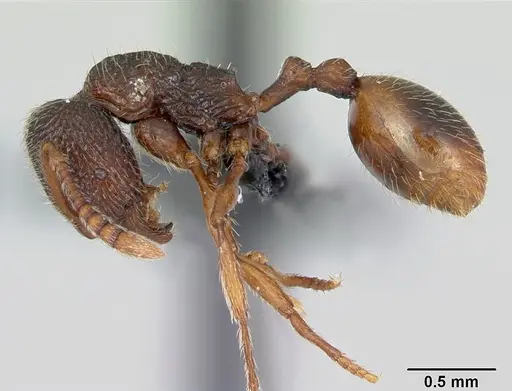
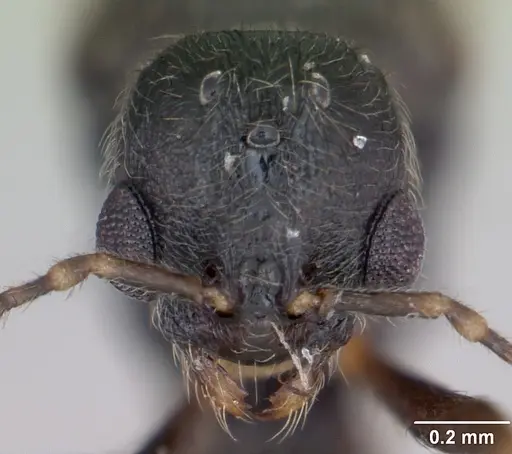
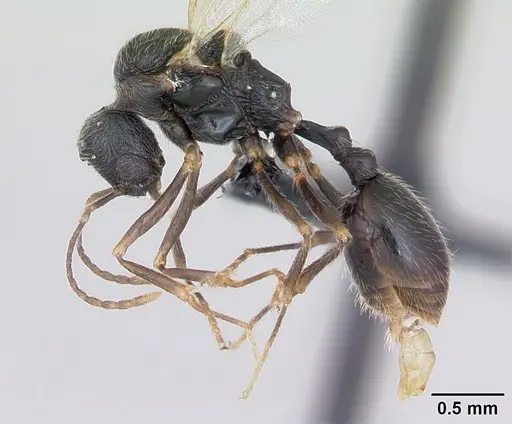
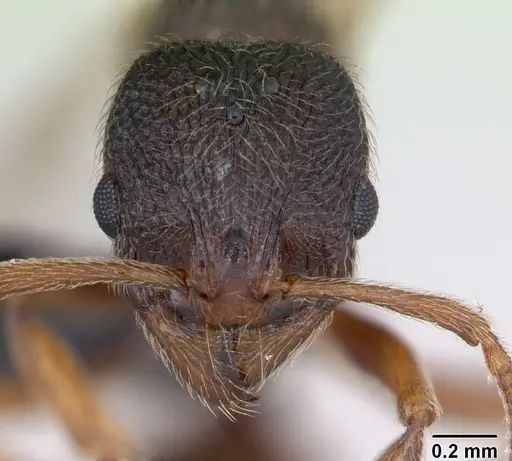
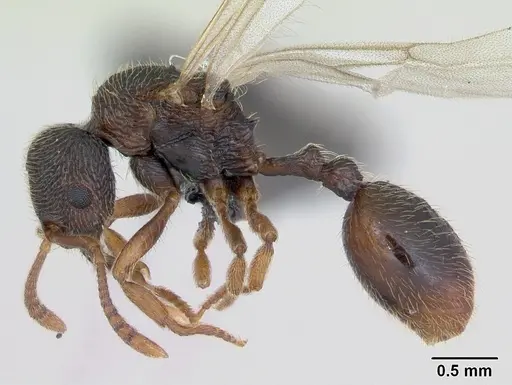
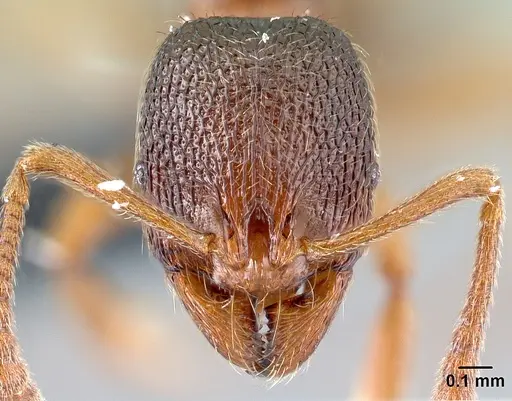
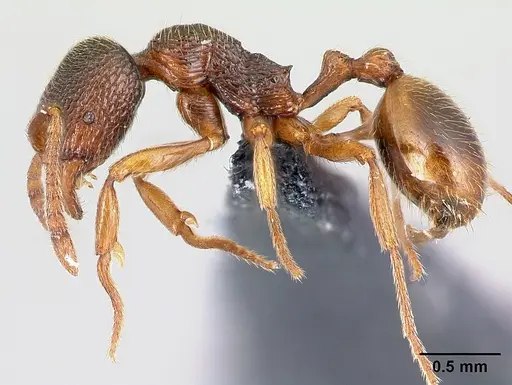
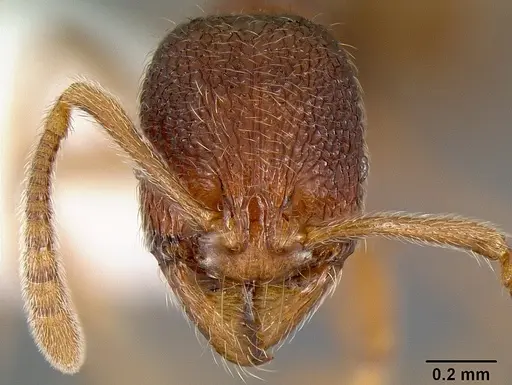
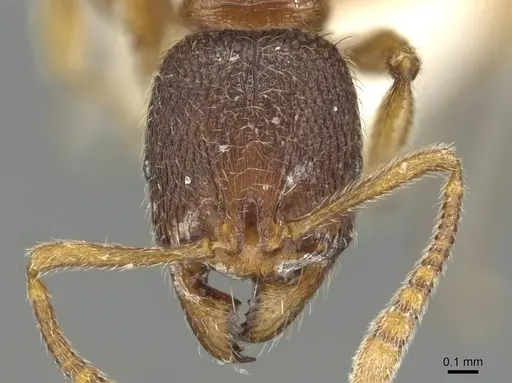
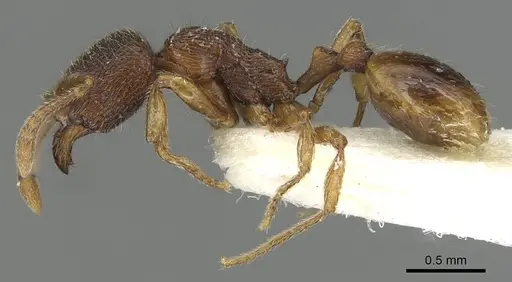
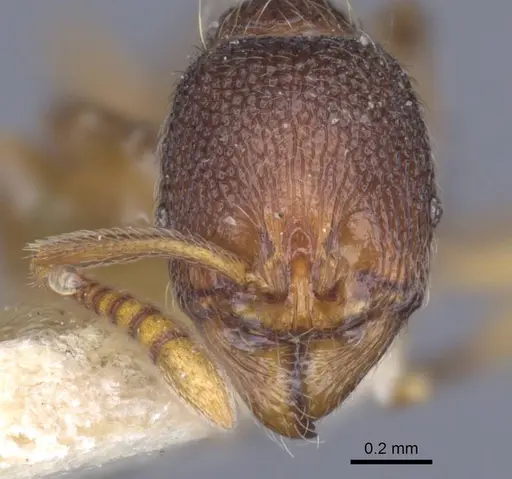
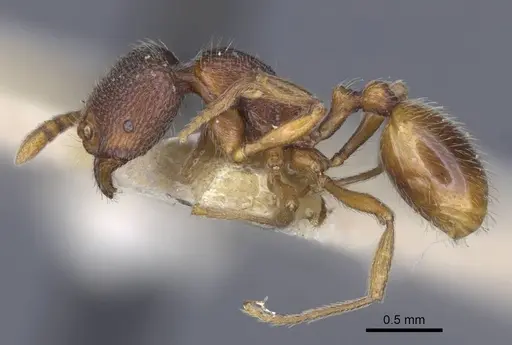
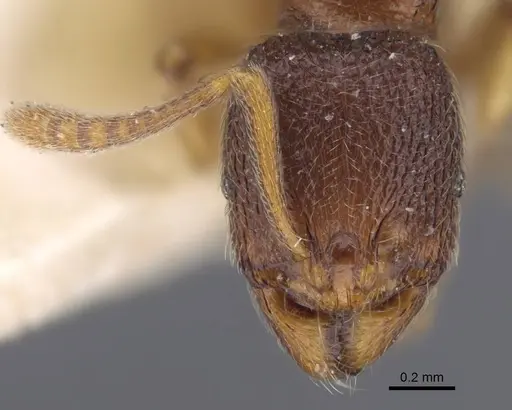
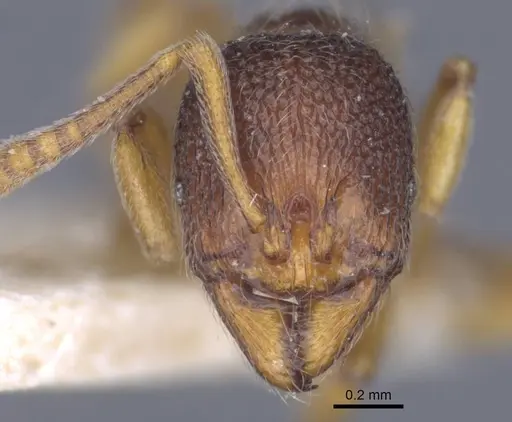
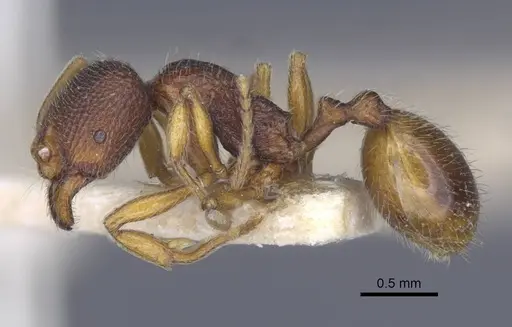
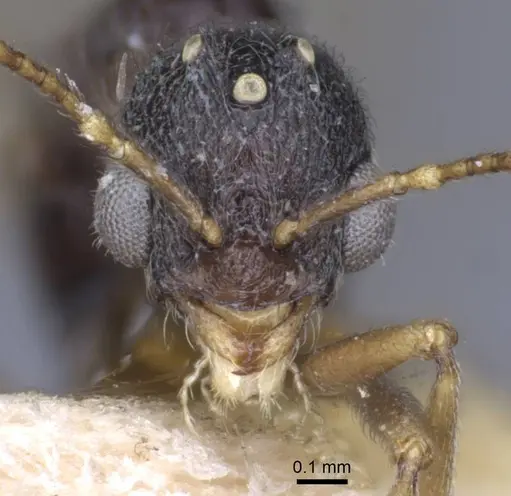
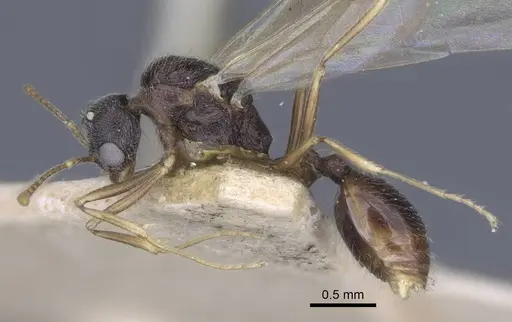
Stenamma debile is a small, cryptic ant native to forests across Europe. Workers are 2.9-4.3 mm long and dark reddish-brown, with strong sculpturing on the head and thorax . Until the 1990s it was confused with the closely related Stenamma westwoodii, but S. debile is now known to be the widespread European species, while S. westwoodii is limited to Britain and parts of Western Europe . These ants live hidden in leaf litter and soil, rarely coming to the surface. Colonies are small, up to 150 workers, and usually have one queen .
Quick Summary
- Difficulty: Medium
- Origin & Habitat: Widespread across Western and Central Europe, from Spain and Portugal east to Turkey and the Caucasus. Also found in Britain, France, Germany, Italy, Poland, Czechia, Austria, and Scandinavia. Lives in deciduous and mixed forests with well‑developed leaf litter, especially in shady, moist spots [5][3][6].
- Colony Type: Colonies are usually monogynous (single queen), but polygynous (multiple queens) colonies have been documented in some populations. Colony size is up to 150 workers [3][4][7].
- Size & Growth:
- Queen: 4.0-4.7 mm [1]
- Worker: 2.9-4.3 mm [1]
- Colony: Up to 150 workers [3][4]
- Growth: Slow
- Development: Estimated 8-12 weeks at room temperature, based on life‑history classification [8][9] (Semi‑claustral founding, the queen must leave the nest to forage for food. Larval diapause occurs in the final instar, and the first batch of eggs is laid only after diapause. Development is slower than in many common Myrmicinae ants [8][9].)
- Antkeeping:
- Temperature: Keep at 18-22 °C (room temperature). As a forest‑floor species from temperate Europe, they prefer cool, stable conditions. Avoid temperatures above 25 °C, they are not heat‑tolerant [10][11].
- Humidity: High humidity is essential. These ants live naturally in damp leaf litter and soil. Keep the nest substrate consistently moist but not waterlogged. Provide a gradient from damp to slightly drier areas [12][13].
- Diapause: Yes, a winter rest period is required. Reduce the temperature to 5-10 °C from November to February. This matches their natural cycle, with nuptial flights in September-October and a larval diapause stage [13][4][8].
- Nesting: Y‑tong (AAC) nests or plaster nests work well because they hold humidity. The nest must be dark, these ants strongly avoid light. Use a naturalistic setup with soil and leaf litter. Workers are tiny (2.9-4.3 mm) and can squeeze through tiny gaps, so use fine mesh on all openings [10][12][14].
- Behavior: Extremely timid and non‑aggressive. Workers move very slowly, forage individually under the leaf litter, and never form visible trails. When disturbed they curl into a ball and play dead, a defensive behaviour called thanatosis [13][15][10][14]. They are scavengers and predators of tiny arthropods (mites, springtails) and avoid contact with other ant species. Because they are so small, escape prevention is critical, use fine‑mesh barriers [10][14].
- Common Issues: colonies are small and grow slowly, beginners may lose patience and overfeed, which causes mould, cryptic lifestyle means workers are rarely visible, this is normal, not a sign of colony decline, high humidity requirements can lead to mould problems if ventilation is poor, they play dead when disturbed, this looks like dying but is a normal defensive behaviour, test‑tube setups can flood if the water reservoir is too large, use appropriately sized setups
Housing and Nest Setup
Stenamma debile is a leaf‑litter specialist that needs dark, humid conditions. Y‑tong (AAC) nests or plaster nests hold humidity well, but make sure there is some ventilation to prevent mould. These ants are tiny (workers 2.9-4.3 mm) and can escape through standard test‑tube barriers, use fine mesh on all openings. A naturalistic setup with a soil layer topped with leaf litter mimics their wild habitat and allows more natural foraging. Cover the entire setup or keep it in a shaded spot, because the ants avoid light and will stay hidden under bright conditions [10][12][14].
Feeding and Diet
In the wild, Stenamma debile scavenges and hunts small arthropods in the leaf litter, plus collects honeydew. In captivity, offer small live prey such as springtails, fruit flies, and tiny crickets. They accept protein readily but recruit slowly, so place prey near foragers rather than expecting a mass response. Sugar water (e.g., honey diluted 1:4) is occasionally taken but is not a main food. Feed small amounts every 2-3 days and remove leftovers to avoid mould. Because they move slowly, all food must be appropriately sized, they cannot tackle large prey [13][4][16].
Temperature and Seasonal Care
Stenamma debile is a temperate forest species that prefers cool, stable conditions. Aim for 18-22 °C (room temperature), avoid direct heat sources and rooms above 25 °C [10][11]. Winter hibernation is essential: reduce the temperature to 5-10 °C from November through February. This matches their natural cycle: nuptial flights occur in September-October, and the larvae enter diapause in the final instar, with the first eggs laid only after hibernation [13][4][8][9]. Do not skip the rest period, it is important for long‑term colony health and reproduction.
Behavior and Temperament
This is one of the most timid ant species you can keep. Workers move slowly, forage individually in the leaf litter, and always avoid open spaces and other ants. Their signature defence is thanatosis, when threatened they curl into a ball and play dead, sometimes for minutes [13][15][10][14]. This is normal, not a sign of illness. Colonies are small and quiet, you won’t see constant activity like you would with Lasius or Formica. Workers hunt tiny prey (mites, springtails) and scavenge dead insects. They are subordinate in ant communities and will retreat from any confrontation [10][14].
Frequently Asked Questions
How long does it take for Stenamma debile to raise first workers?
Expect about 8-12 weeks from egg to worker at room temperature (around 20 °C). This is slow compared to many common ant pets. Because the founding is semi‑claustral, the queen must leave the nest to forage, which also adds time [8][9].
Can I keep multiple Stenamma debile queens together?
In the wild, this species sometimes forms polygynous colonies (multiple queens), but combining unrelated foundresses in captivity is risky and not well studied. It is safer to house each queen separately. If you have several queens, set up individual colonies [7][16].
Why is my Stenamma debile colony so small?
That is normal, Stenamma debile naturally keeps small colonies, up to about 150 workers. They are not a fast‑growing species and will never produce the large colonies typical of Lasius or Formica. A colony with 50-100 workers is already mature and healthy [3][4].
Do Stenamma debile ants sting?
No. Like all Myrmicinae they have a stinger, but it is rarely used and not effective for defence. Their main defence is thanatosis, rolling into a ball and playing dead when threatened [10].
Why are my ants always hiding?
This is completely normal. Stenamma debile is a cryptic leaf‑litter species that avoids light and open spaces. In the wild they are active mainly in early morning and on overcast days. In captivity they will stay in the dark parts of the nest and only briefly emerge to collect food. It does not mean they are sick [13][10][4].
What is the best food for Stenamma debile?
Small live prey is best, springtails, fruit flies, and tiny crickets are readily taken. They are slow foragers, so place food near the nest entrance. A drop of honey water is occasionally accepted but is not a staple. Avoid large prey, they cannot handle it [13][4].
Do Stenamma debile need hibernation?
Yes, a winter rest is essential. Reduce the temperature to 5-10 °C from November to February. This matches their natural life cycle, nuptial flights in September-October and larval diapause. Skipping hibernation can harm colony health and prevent reproduction [13][4][8].
Are Stenamma debile good for beginners?
They are moderate difficulty, not the easiest but not expert‑level. The main challenges are their slow growth, small colony size (which can be discouraging), and the need for high humidity. They are fascinating to watch but require patience. Their cryptic behaviour may disappoint keepers expecting constantly visible, active ants [10].
Report an Issue
The current care sheet is based fully on literature. See inconsistencies, or something that's incorrect? Please , it will be resolved after review from an admin. Contributing to the blogs tab also helps providing information, to make us be able to further improve the caresheets. Thank you for your support!
References

This caresheet is licensed under CC BY-SA 4.0 .
Community Blogs
CASENT0010691
View on AntWeb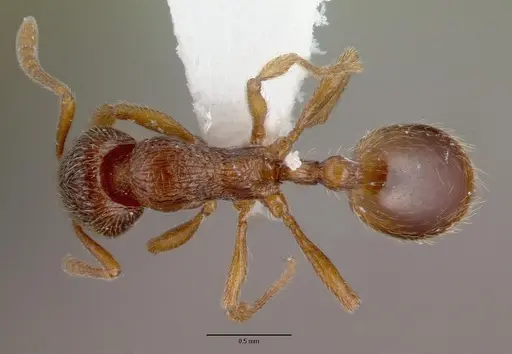
CASENT0173189
View on AntWeb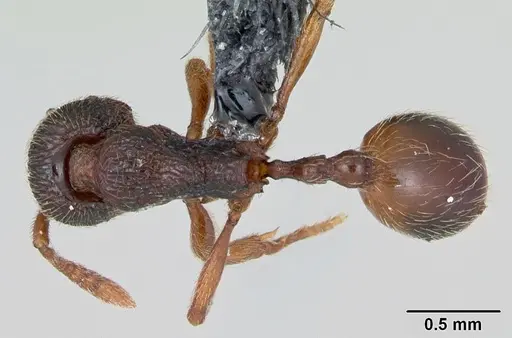
CASENT0173193
View on AntWeb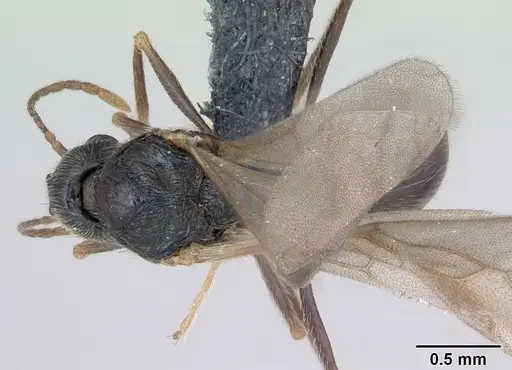
CASENT0173194
View on AntWeb
CASENT0179908
View on AntWeb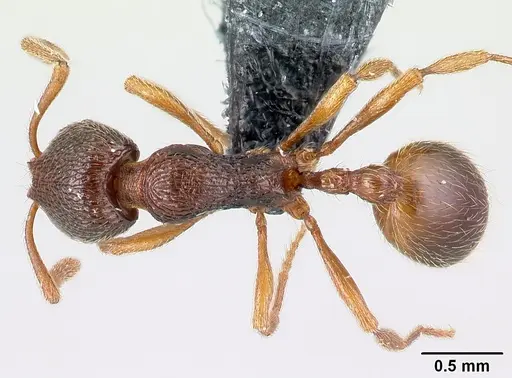
CASENT0605171
View on AntWeb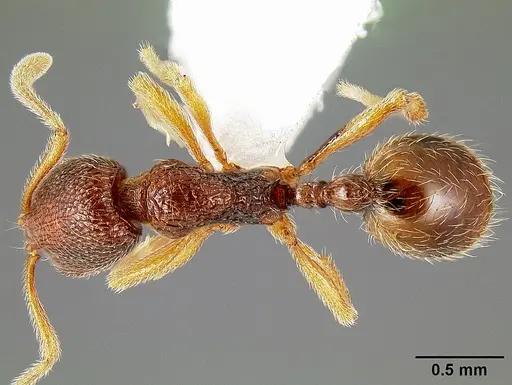
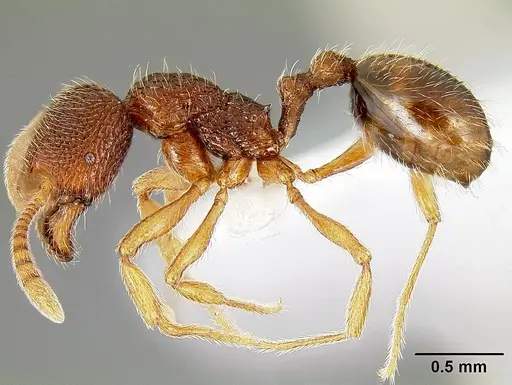
CASENT0884269
View on AntWeb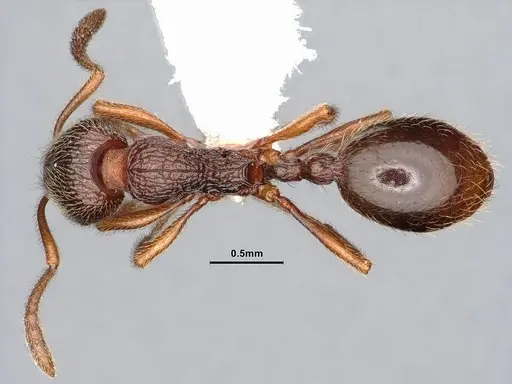
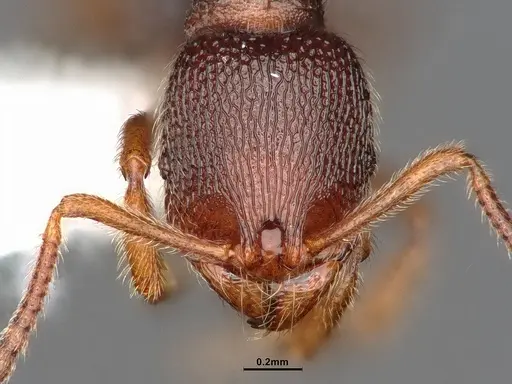
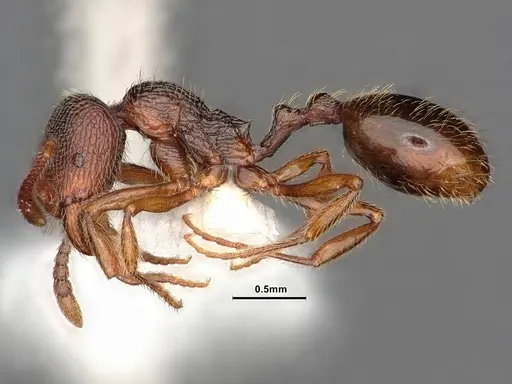
CASENT0915430
View on AntWeb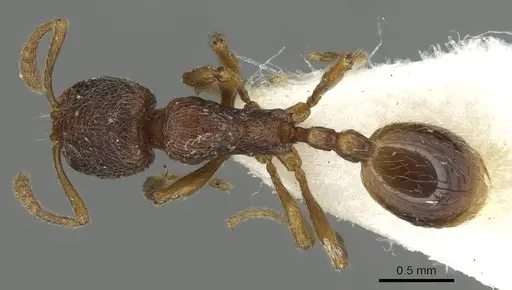
CASENT0916916
View on AntWeb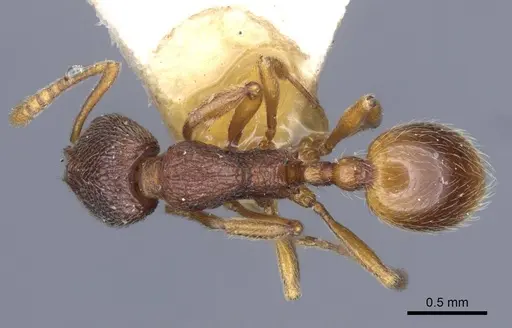
CASENT0916917
View on AntWeb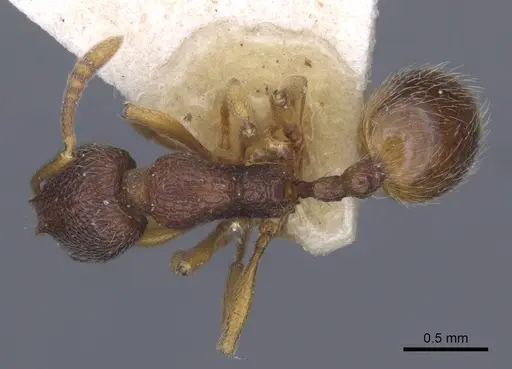
CASENT0916919
View on AntWeb
Literature
Loading distribution map...Loading products...