
Stenamma catracho
- Sci. Name
- Stenamma catracho
- Tribe
- Stenammini
- Subfamily
- Myrmicinae
- Author
- Branstetter, 2013
- Distribution
- Found in 1 countries
Introduction
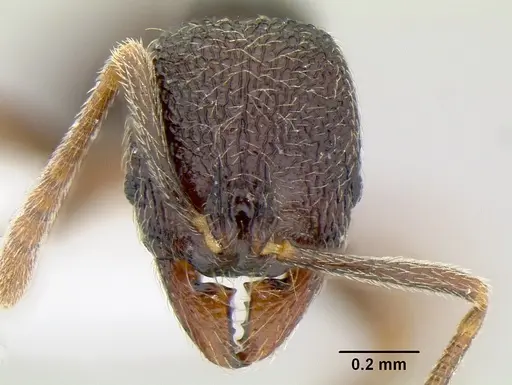
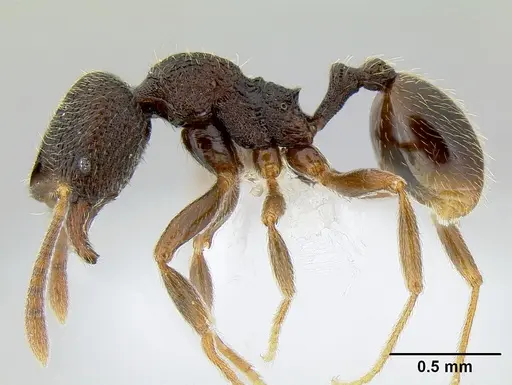
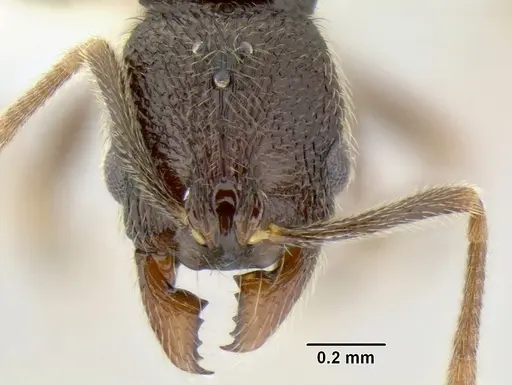
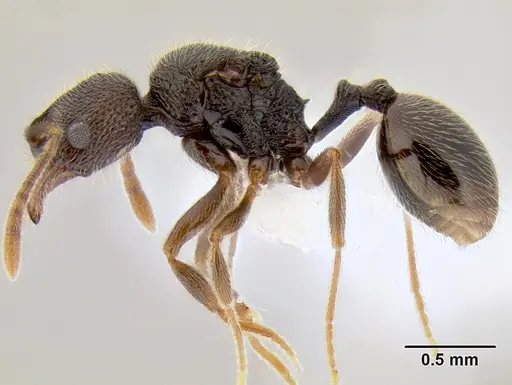
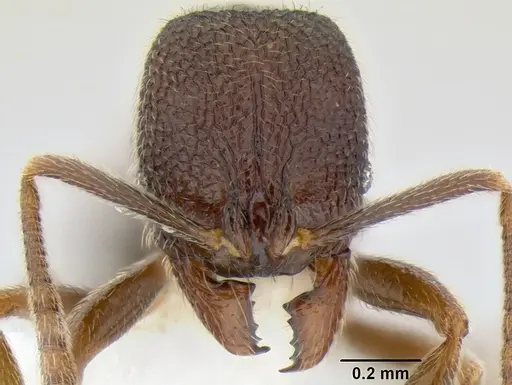
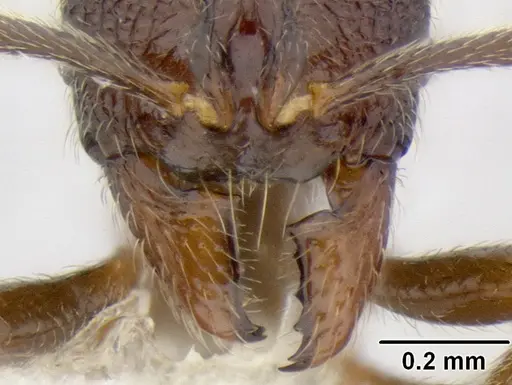
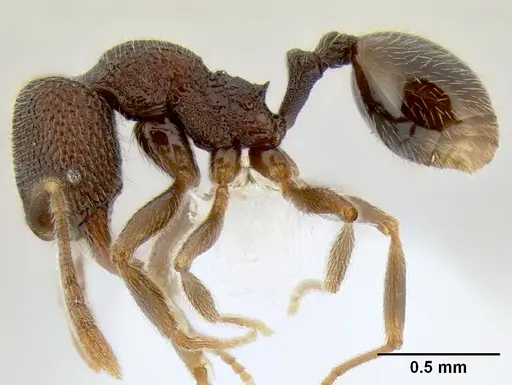
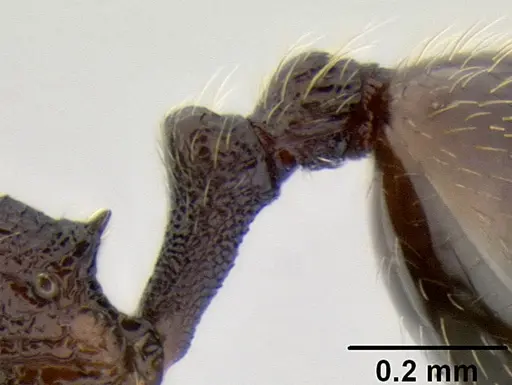
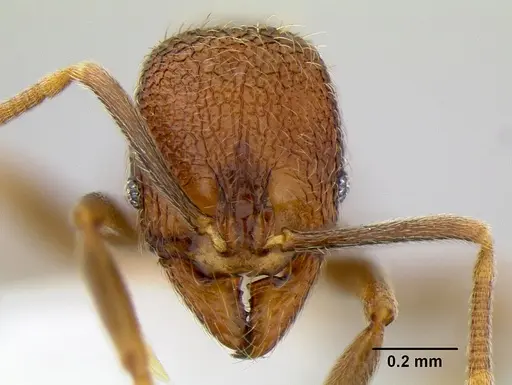
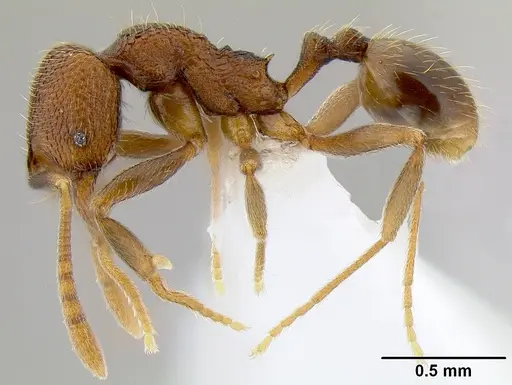
Stenamma catracho is a tiny ant species native to the cloud forests of Honduras and eastern Guatemala . The name 'catracho' refers to the people of Honduras, who call themselves Catrachos . Their body coloration is distinctive - dark red-brown to orange-brown with darker patches on the gaster, and lighter brown to yellow-brown legs and antennae . The head and thorax are densely sculptured with a wrinkled (rugoreticulate) texture, and they have relatively small eyes with only 4-5 lenses . Total body length is not documented in the literature, but based on head length (0.61-0.68 mm) and thorax length (0.75-0.82 mm) they are clearly very small ants .This species is part of the Stenamma Middle American clade and is known only from sifted leaf litter collected at elevations between 1100-1900 meters in montane wet forest habitats . Males have never been collected, suggesting their reproductive behavior may be unusual or simply understudied . As a litter-dwelling species, they prefer the cool, humid microclimates found in decomposing leaves on the forest floor.
Quick Summary
- Difficulty: Medium
- Origin & Habitat: Native to Honduras and eastern Guatemala, found in montane wet forest (cloud forest) habitats at 1100-1900 m elevation [1][3]. Collected from sifted leaf litter on the forest floor.
- Colony Type: Colony structure is unconfirmed. No males have been collected, making it difficult to determine queen number. Likely monogyne (single queen) based on related Stenamma species, but this is speculative.
- Size & Growth:
- Queen: Total body length not documented. Head length ~0.67-0.69 mm, thorax length ~0.92-1.00 mm [3].
- Worker: Total body length not documented. Head length ~0.61-0.68 mm, thorax length ~0.75-0.82 mm [1].
- Colony: Unknown, no colony size data exists for this species. Typical Stenamma colonies are small (under 500 workers), but this is unconfirmed for S. catracho.
- Growth: Unknown, no data available. Likely slow to moderate given their small size and montane origin.
- Development: Unknown, no specific data exists for this species. Any estimates would be speculation. (Development times are likely slower than lowland tropical species due to cool native elevations.)
- Antkeeping:
- Temperature: Keep them cool, 18-22°C is ideal. They come from montane cloud forests with stable, mild temperatures. Never use heating cables or heat mats. Room temperature is often perfect. Avoid sudden temperature swings [1].
- Humidity: High humidity required, think damp forest floor. Keep the nest substrate consistently moist but not waterlogged. Provide a humidity gradient so ants can choose their preferred zone. Montane cloud forests are constantly humid [1].
- Diapause: Unknown, as a tropical montane species, true cold diapause is unlikely. A mild seasonal slowdown may occur during dry months, but this is not confirmed.
- Nesting: Natural nesting occurs in leaf litter and rotting wood on the forest floor. In captivity, use small, tight spaces like plaster nests, Y-tong (AAC) blocks, or naturalistic setups with moist soil and leaf litter. Avoid large, open formicaria, they prefer cramped chambers scaled to their tiny size.
- Behavior: Generally peaceful and non-aggressive. As tiny litter-dwelling ants, they are not defensive and rarely sting. Workers forage individually through leaf litter and soil, searching for small prey and honeydew. Their small size means excellent escape prevention is essential, they can squeeze through remarkably small gaps. They are slow-moving and secretive, preferring to stay within the nest and foraging areas. Males have never been collected, so their reproductive behavior is unknown [2].
- Common Issues: escape prevention is critical due to tiny size, use fine mesh and tight-fitting lids., high humidity needs can lead to mold problems if ventilation is poor., slow or unknown colony growth can be frustrating for keepers expecting rapid expansion., sensitive to temperature extremes, keep cool, never heat., wild-caught colonies may be stressed from collection, founding success is uncertain.
Housing and Nest Setup
Stenamma catracho is a litter-dwelling species that thrives in small, humid spaces. For founding colonies, a test tube setup works well, just ensure the cotton is packed tightly since these tiny ants can squeeze through gaps that would stop larger species. As colonies grow, consider a small naturalistic setup with a layer of moist soil and leaf litter mixture, or a custom plaster or Y-tong nest with chambers sized appropriately for their tiny workers [3].The key is scale, their chambers should be tight, not spacious. These ants feel secure in compact spaces and may struggle in large, open formicaria. A small plaster nest with narrow galleries works better than expansive setups. Always provide a water tube and keep the nest area humidified. Cover the nest partially to create darker, more secure conditions that mimic their leaf litter environment. Avoid acrylic nests, they are inappropriate for species that need high humidity and tight spaces.
Feeding and Diet
In the wild, Stenamma species are generalist foragers that hunt small prey and collect honeydew from aphids and scale insects. For your colony, offer small protein sources like fruit flies, pinhead crickets, or tiny mealworms, prey should be no larger than the ants themselves. Since they have small mandibles and are tiny, they cannot tackle large prey items.For sugar, offer a drop of sugar water or honey diluted with water, placed on a tiny piece of cotton or sponge. They will also tend aphids if you have any on plants in the outworld. Feed small amounts 2-3 times per week, removing any uneaten prey after 24 hours to prevent mold. Because they are small and secretive, they may not consume food immediately, be patient and check the next day.
Temperature and Seasonal Care
This is one of the most important aspects of keeping S. catracho successfully. They come from montane cloud forests at 1100-1900 m elevation in Honduras and Guatemala, this means they are adapted to cool, stable temperatures [1]. Unlike most ants kept in captivity, they do not want warmth.Keep them at room temperature or slightly below, aim for 18-22°C. Never use heating cables or heat mats on their nest. If your room runs warm in summer, this species may struggle. In winter, they may naturally slow down slightly, which is fine, just do not cool them dramatically. The key is consistency: avoid temperature swings and keep them away from windows, air vents, and electronics that generate heat.
Humidity Management
Montane cloud forests are constantly humid environments, so your S. catracho colony needs high humidity to thrive. Keep the nest substrate consistently moist, it should feel damp to the touch but never have standing water. A water tube connected to the nest helps maintain humidity through evaporation.However, balance is key: too little humidity and the colony will desiccate, too much with poor ventilation leads to mold that can kill the colony. Use adequate ventilation holes that allow air flow without drying the nest. If you see condensation constantly dripping inside the nest, that is too wet, open up more ventilation. If the substrate dries quickly between refills, you may need to add more water or reduce ventilation. [1]
Behavior and Observation
These are not flashy ants, they are subtle, secretive, and fascinating to watch in their quiet way. Workers forage individually rather than in trails, picking through the substrate searching for tiny prey. They are not aggressive and will flee rather than fight when disturbed. You likely will not see dramatic territorial behavior or large-scale foraging expeditions.Because they are small and dark-colored, they can be hard to see against some substrates. Use a light-colored outworld background to make them more visible for observation. Their small size and quiet nature make them a 'watching' species rather than an 'interacting' species, you will enjoy observing their subtle behaviors rather than handling them. No males have ever been collected, so the full picture of their social behavior remains unknown [2].
Frequently Asked Questions
Can I keep Stenamma catracho in a test tube?
Yes, test tubes work well for founding colonies. Use a small test tube with a tight cotton plug, these tiny ants can escape through gaps that stop larger species. Keep the water section moderate and ensure the tube is placed in a humid setup, not in direct airflow.
What temperature do Stenamma catracho ants need?
Keep them cool, 18-22°C is ideal. They come from montane cloud forests in Honduras where temperatures are mild year-round. Never use heating pads or heat cables. Room temperature is often perfect for this species [1].
How long does it take for Stenamma catracho to develop from egg to worker?
That is unknown, no specific studies exist for this species. Their development is likely slower than lowland tropical ants due to their cool mountain origin, but any precise estimate would be speculation.
Are Stenamma catracho ants aggressive?
No, they are generally peaceful and non-defensive. Workers are tiny and will typically flee rather than engage. They are not known to sting and pose no danger to keepers.
How big do Stenamma catracho colonies get?
Unknown, there is no data on colony size for this species. Based on related Stenamma species, they likely stay small (under a few hundred workers), but this is unconfirmed [1][3].
Do Stenamma catracho ants need hibernation?
Probably not true hibernation, but they may slow down during cooler months based on their tropical montane origin. A mild seasonal reduction in activity is likely, but they do not require cold diapause like temperate species.
What do Stenamma catracho ants eat?
Small protein sources like fruit flies, tiny mealworms, or pinhead crickets, plus sugar water or honey for carbohydrates. Prey items should be small enough for their tiny mandibles to handle. Remove uneaten prey within 24 hours.
Why are my Stenamma catracho ants dying?
Common causes include: too high temperature (they need cool conditions), low humidity (they need damp substrate), poor escape prevention (they are tiny and can escape through almost any gap), or stress from wild collection. Check these parameters first.
Are Stenamma catracho good for beginners?
They are moderate difficulty, not the easiest but not the hardest. Their main challenges are escape prevention due to tiny size and temperature sensitivity. Experienced antkeepers who can maintain cool, humid conditions will have success.
When should I move my colony to a formicarium?
Wait until the colony has a good number of workers (at least 20-30) and the test tube is becoming crowded. For this small species, a small plaster or Y-tong nest works better than a large formicarium. They prefer tight spaces.
Report an Issue
The current care sheet is based fully on literature. See inconsistencies, or something that's incorrect? Please , it will be resolved after review from an admin. Contributing to the blogs tab also helps providing information, to make us be able to further improve the caresheets. Thank you for your support!
References

This caresheet is licensed under CC BY-SA 4.0 .
Community Blogs
CASENT0621281
View on AntWeb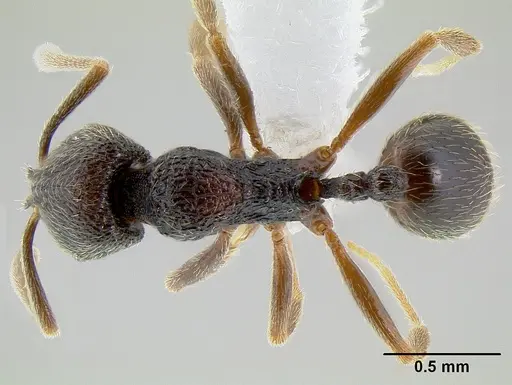
CASENT0621305
View on AntWeb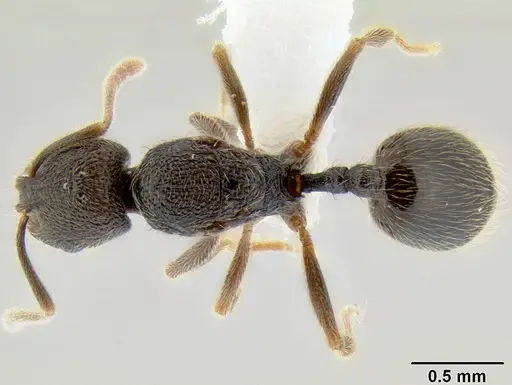
CASENT0621306
View on AntWeb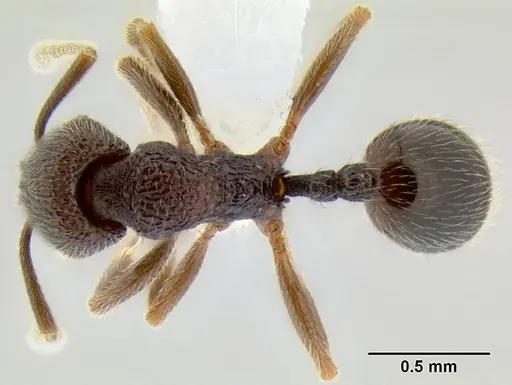
CASENT0621563
View on AntWeb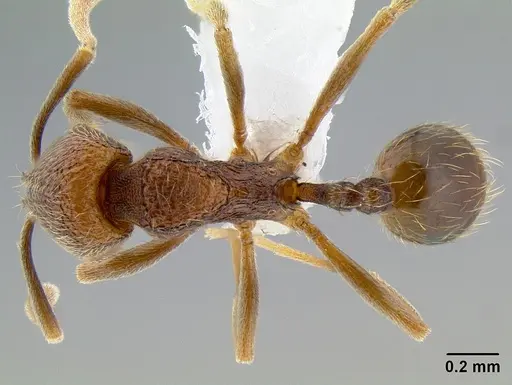
Literature
Loading distribution map...Loading products...