
Stenamma africanum
- Sci. Name
- Stenamma africanum
- Tribe
- Stenammini
- Subfamily
- Myrmicinae
- Author
- Santschi, 1939
- Distribution
- Found in 1 countries
Introduction
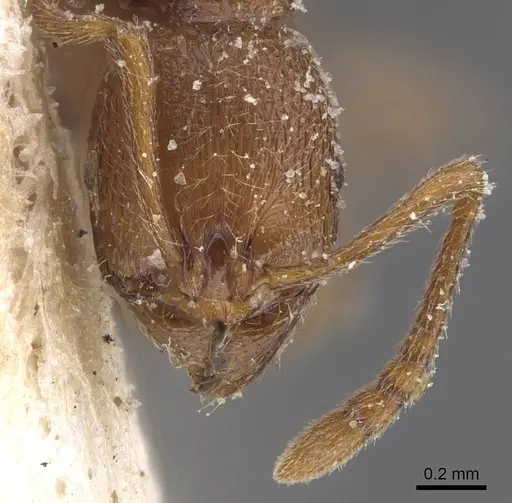
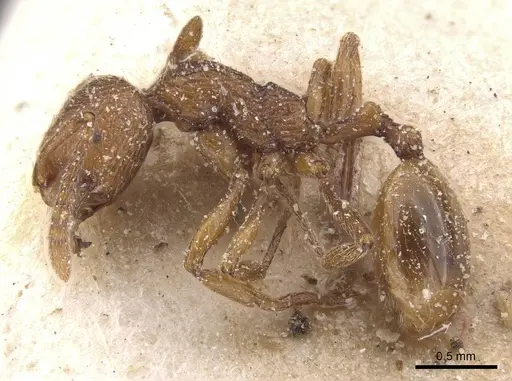
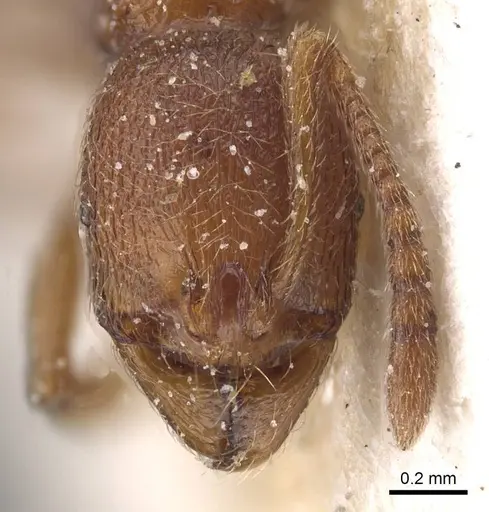
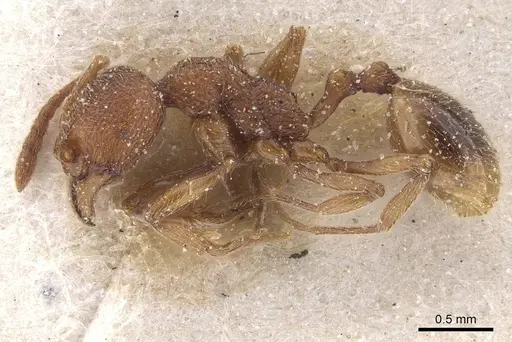
Stenamma africanum is a relatively large species in its genus, native to North Africa (Algeria, Tunisia, Morocco) in the Palearctic region . Workers measure 3.5-4.1 mm in total length, with unusually long scapes (antenna segments) that nearly reach the back of the head when folded back, and a shallow but distinct notch under the petiole . The entire body is ferrugineous (reddish-brown), and the postpetiole (the second waist segment) is low and longer than tall . This species was once considered a synonym of *Stenamma msilanum* but was resurrected as valid by Rigato in 2011,who also placed *S. africanum submuticum* as its junior synonym . Basic ecology and behavior in the wild remain undocumented, but based on related species, they are likely forest-dwelling ants that nest in soil or rotting wood.
Quick Summary
- Difficulty: Medium
- Origin & Habitat: North Africa (Algeria, Tunisia, Morocco) in the Palearctic region, around 34.57°N latitude [2][1]. Likely inhabits forested areas with damp soil, though specific habitat data is unavailable.
- Colony Type: Unconfirmed, likely monogyne (single queen) based on typical *Stenamma* patterns, but no direct evidence exists.
- Size & Growth:
- Queen: 4.9 mm (total length) [1]
- Worker: 3.5-4.1 mm (total length) [1]
- Colony: Unknown, likely small to moderate (under a few hundred workers) based on inferred genus patterns, but unconfirmed.
- Growth: Unconfirmed, estimated moderate based on typical *Stenamma* development, but no captive data available.
- Development: Unconfirmed, typical Myrmicinae development at 20-24°C is often 6-10 weeks, but this is only a rough estimate. (No specific timeline has been recorded for this species, all figures are inferred from related temperate myrmicines.)
- Antkeeping:
- Temperature: Room temperature (20-24°C) is likely suitable, based on the species' North African origin. A slight temperature gradient may help the colony self-regulate. Avoid overheating above 28°C.
- Humidity: Moderate to high humidity is recommended, keep the nest substrate damp but not waterlogged, mimicking a forest floor. This is inferred from related species that require moist conditions.
- Diapause: Likely yes, as a Palearctic species, a cool winter period (10-15°C, duration unknown) probably benefits colony health. Exact requirements are unconfirmed.
- Nesting: In nature they likely nest in soil or rotting wood. In captivity, a Y-tong (AAC) nest or plaster nest with good moisture retention works well. Provide a small, snug nest chamber.
- Behavior: Behavior is unconfirmed, but based on typical *Stenamma* patterns, they are likely docile, non-aggressive, and forage individually for small prey and honeydew. Worker size (3.5-4.1 mm) means escape risk is moderate, ensure tight sealing. They are not known to sting.
- Common Issues: limited availability, this species is rarely kept or sold in the hobby, specific care requirements are poorly documented, many details are inferred, may be sensitive to dry conditions, monitor humidity closely, winter cooling requirements are unconfirmed but likely, beginners may overlook them, wild-caught colonies may carry parasites that are difficult to treat
Housing and Nest Setup
No specific nesting preferences are documented for Stenamma africanum, so general antkeeping principles for forest-dwelling myrmicines apply [3]. A nest that retains moisture (Y-tong or plaster) is recommended, as the species likely inhabits damp forest floors. For founding, a standard test-tube setup with a water reservoir and cotton plug works well. Ensure the nest is not too large, Stenamma colonies are small, so snug chambers prevent stress. Escape prevention should be thorough: workers are 3.5-4.1 mm and can squeeze through tiny gaps [1].
Feeding and Diet
Based on typical Stenamma feeding behavior (unconfirmed for this species), they likely accept a varied diet [3]. Offer small live prey such as fruit flies, pinhead crickets, or small mealworms, along with a constant supply of sugar water or honey water. Provide protein 2-3 times per week. Remove uneaten prey within 24-48 hours to prevent mold. Since workers are small, prey should be no larger than the ants themselves.
Temperature and Seasonal Care
Maintain temperatures around 20-24°C during normal activity. As a North African Palearctic species, they likely experience seasonal temperature swings and will benefit from a winter cooling period [2]. Cool gradually over 1-2 weeks to 10-15°C during winter (roughly November-February) to simulate dormancy. Specific duration is unconfirmed, observe colony response. Avoid rapid temperature changes.
Humidity Requirements
Keep the nest substrate consistently damp (but not waterlogged) to mimic a forest floor environment [3]. If using a test tube, a standard water reservoir with a cotton plug provides adequate humidity. In a formicarium, monitor for condensation, if absent, the nest is too dry, if water pools, it's too wet. Room humidity around 50-70% is a good target, but this is an estimate.
Colony Development and Growth
Colony growth is likely slow, and maximum size is unknown but probably under a few hundred workers based on genus patterns [3]. Development from egg to worker is unconfirmed, a rough estimate for temperate myrmicines is 6-10 weeks at 20-24°C. First workers (nanitics) may be smaller. Do not overfeed during founding, a small piece of protein and constant sugar water is sufficient. Patience is required.
Frequently Asked Questions
How long does it take for Stenamma africanum to produce first workers?
This is unconfirmed for this species. As a general estimate for temperate myrmicine ants at 20-24°C, development can take 6-10 weeks, but this is not based on direct data.
Can I keep Stenamma africanum in a test tube?
Yes, a standard test-tube setup with water reservoir and cotton plug is suitable for founding. Move to a proper nest (Y-tong or plaster) once the colony outgrows the tube.
Do Stenamma africanum ants sting?
No, they are not known to sting and are generally docile. At most, they may give a negligible bite if threatened.
What do Stenamma africanum eat?
Likely small live prey (fruit flies, small crickets) and sugar water/honey. This is based on typical Stenamma feeding habits. Offer protein 2-3 times per week and keep sugar water available always.
Do Stenamma africanum need hibernation?
Likely yes, as a North African Palearctic species. A winter cooling period (10-15°C, duration unconfirmed) may be beneficial. This is inferred from geographic range and genus patterns [2].
How big do Stenamma africanum colonies get?
Colony size is unconfirmed but probably under a few hundred workers, typical for the genus. No records exist for mature colony sizes.
Are Stenamma africanum good for beginners?
This species is rated medium difficulty. They are docile and manageable, but specific care details are poorly documented. Beginners should be comfortable with uncertainty and able to provide seasonal cooling.
When should I move my colony to a formicarium?
Move from a test tube to a proper nest when the colony has outgrown the tube (usually when many workers cannot fit comfortably). No exact worker count, avoid oversized nests.
Can I keep multiple Stenamma africanum queens together?
This is unconfirmed. Polygyny is not documented for this species. It is safest to keep a single queen colony.
Why is my Stenamma africanum colony dying?
Possible causes include: insufficient humidity (most common), temperature stress, mold from overfeeding, or parasites from wild-caught colonies. Review moisture levels, keep stable 20-24°C, and avoid overfeeding.
Report an Issue
The current care sheet is based fully on literature. See inconsistencies, or something that's incorrect? Please , it will be resolved after review from an admin. Contributing to the blogs tab also helps providing information, to make us be able to further improve the caresheets. Thank you for your support!
References

This caresheet is licensed under CC BY-SA 4.0 .
Community Blogs
CASENT0913969
View on AntWeb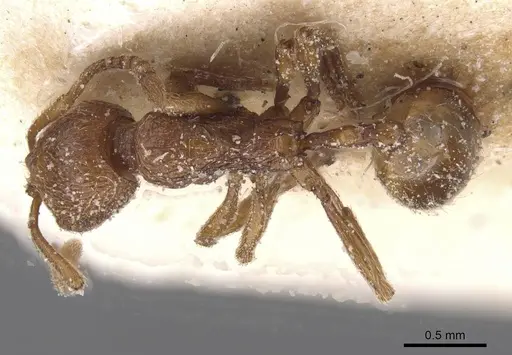
CASENT0913970
View on AntWeb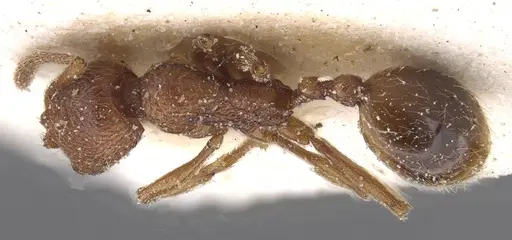
Literature
Loading distribution map...Loading products...