
Stegomyrmex vizottoi
- Sci. Name
- Stegomyrmex vizottoi
- Tribe
- Solenopsidini
- Subfamily
- Myrmicinae
- Author
- Diniz, 1990
- Distribution
- Found in 1 countries
Introduction
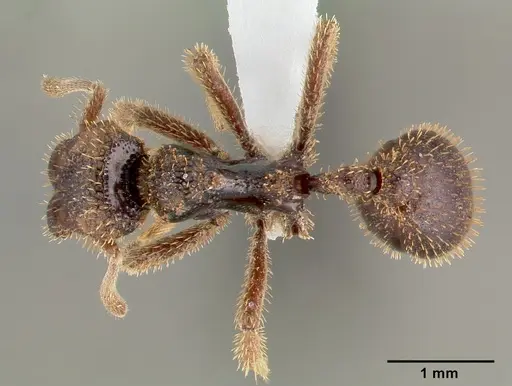
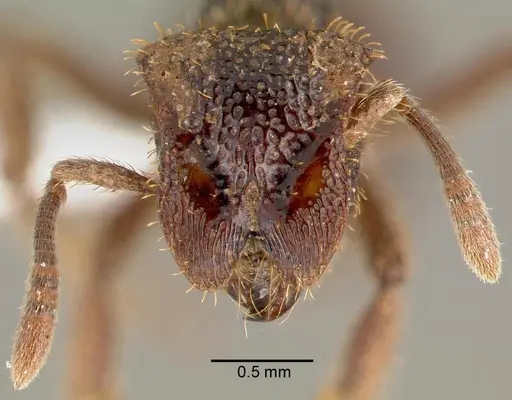
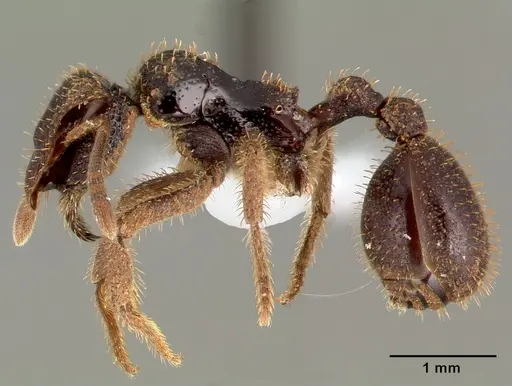
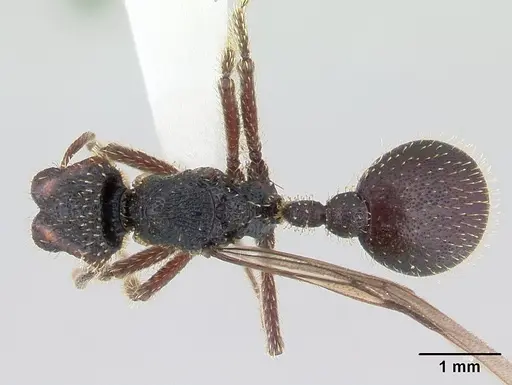
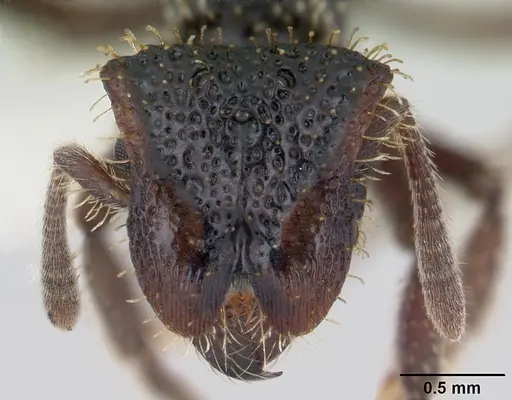
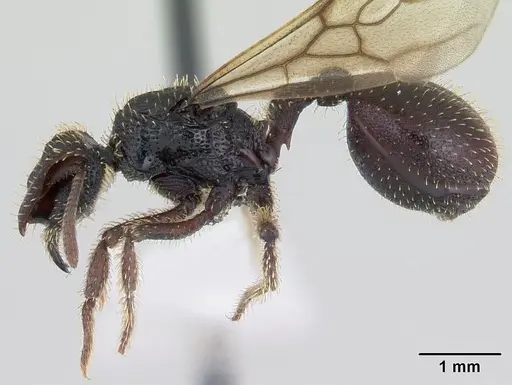
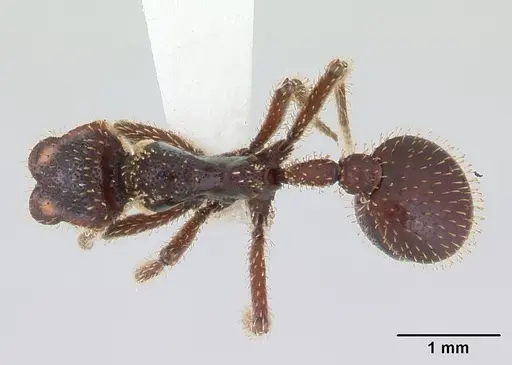
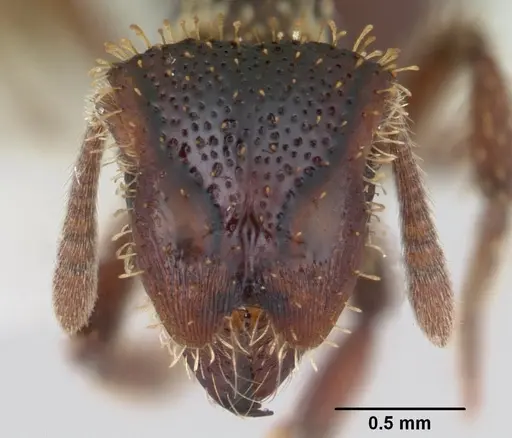
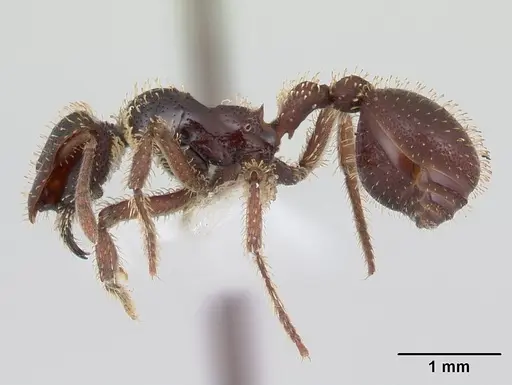
Stegomyrmex vizottoi is a medium-sized Neotropical ant measuring 5.7-6.5 mm for workers and 7.3 mm for queens . Workers are dark brown to black with rusty-colored legs and antennae . This species is uniquely characterized by its relatively large size, partially sculptured mesosoma with mostly smooth lateral surfaces, and narrow propodeum when viewed from above . Found across northern Argentina, Paraguay, and southeastern Brazil (Santa Catarina, Paraná, and São Paulo) , these ants are habitat specialists restricted to primary forest environments . What makes S. vizottoi extraordinary is its extremely specialized diet: it is the only ant species known to hunt and eat spirobolid millipede eggs almost exclusively . This specialized predation is so unique that this genus stands alone among ants with this specific dietary niche.
Quick Summary
- Difficulty: Expert
- Origin & Habitat: Native to northern Argentina, Paraguay, and southeastern Brazil (states of Santa Catarina, Paraná, and São Paulo) [1]. This is a primary forest specialist, research shows they occupy primary forest habitats and are not found in secondary forest or rubber plantations [2]. They nest in vertical soil banks in shaded areas.
- Colony Type: Polygyne (multiple queens) colonies have been documented. One studied nest contained seven dealate gynes (mated queens) alongside 22 alate gynes, workers, and brood [1].
- Size & Growth:
- Queen: 7.31 mm (TL) [1]
- Worker: 5.7-6.5 mm (TL) [1]
- Colony: Up to about 300 workers in established colonies [1]
- Growth: Moderate, based on related Myrmicinae development patterns.
- Development: Estimated 6-10 weeks at optimal temperature, based on genus-level inference. (Direct development data unavailable, estimate based on typical Myrmicinae patterns at tropical temperatures (24-28°C).)
- Antkeeping:
- Temperature: Keep at 24-28°C. These are tropical ants from southeastern Brazil where temperatures stay warm year-round. Provide a gentle gradient so workers can self-regulate.
- Humidity: Keep the nest substrate consistently moist but not waterlogged. Their natural habitat in primary forest has consistent moisture.
- Diapause: Partial dormancy in winter. In their native range (mild subtropical winters of southeastern Brazil), colonies reduce activity and close their nest entrance, relying on stored millipede eggs collected during warmer months [1]. Simulate by lowering temperature slightly (around 20°C) and reducing feeding frequency during winter.
- Nesting: Natural nests are in vertical soil banks with a small, perfectly rounded entrance (0.4 cm diameter). A single sinuous tunnel extends about 40 cm to a secondary chamber, connected to the main chamber by a funnel-like structure [1]. In captivity, use a naturalistic setup with compact, humid soil or a gypsum formicarium with narrow tunnels. They will build their characteristic funnel structures if given appropriate materials.
- Behavior: Workers are solitary foragers that move slowly through shaded areas, probing small cracks and cavities in the soil [1]. They are not aggressive and will feign death (thanatosis) for several minutes when disturbed, this behavior, combined with their slow movement and muddy coating, makes them nearly invisible in the wild [1]. They use their faces like shovels, tucking antennae into antennal scrobes and pushing soil away to access millipede eggs [1]. When they find an egg, they grasp it with the undersurface of their mandibles and press it against the hairy underside of their head, then carry it back to the nest [1]. Escape risk is moderate, they are not particularly fast or small, but good escape prevention is still recommended.
- Common Issues: extreme dietary specialization makes this species extremely difficult to keep, they will not accept standard ant foods like sugar water, honey, or feeder insects., colonies may decline sharply in winter even in captivity, as they rely on stored millipede eggs., difficulty sourcing live spirobolid millipede eggs as a permanent food source., their cryptic behavior and small colony sizes make them easy to overlook or lose track of in the nest., slow growth rate compared to generalist ant species.
The Millipede Egg Specialist
Stegomyrmex vizottoi holds the unique distinction of being the only ant species known to specialize almost exclusively on hunting spirobolid millipede eggs [1][4]. This extraordinary dietary specialization means these ants will NOT accept standard ant foods like sugar water, honey, or mealworms in captivity. You must commit to providing a constant supply of millipede eggs, specifically from spirobolid millipedes, a particular group of millipedes. Workers retrieve eggs by holding them between the ventral surface of their opened, curved mandibles and the hairy anteroventral region of their head [3]. Without a reliable source of millipede eggs, colonies will starve. This level of dietary specialization makes S. vizottoi suitable only for expert antkeepers who can source this specific food long-term.
Foraging Behavior
Workers forage solitarily, moving slowly through shaded areas and probing small cracks and cavities in the soil [1]. Unlike most ants that use chemical trails to recruit nestmates, S. vizottoi workers hunt alone. Their slow, deliberate movements combined with their dark coloration and the layer of mud that coats their bodies as they age makes them virtually invisible to the naked eye in the wild [1]. They use a remarkable technique to dig, tucking their antennae into special grooves (antennal scrobes) on their head and using their face like a shovel to push soil away [1]. When they find a millipede egg, they grasp it with the underside of their mandibles and press it against the hairy underside of their head, then carefully carry it back to the nest. Returning workers stop at enlargements along the tunnel to clean the eggs before bringing them to the main chamber [1]. Expect this cryptic behavior, you won't see active, visible hunting.
Nest Architecture
In the wild, S. vizottoi builds distinctive nests in vertical soil banks. The entrance is small and perfectly rounded, about 0.4 cm in diameter [1]. From there, a single sinuous tunnel extends approximately 40 cm downward to a secondary chamber. A unique funnel-like structure connects the secondary chamber to the main chamber above [1]. The main chamber contains the queen, brood, and a carefully maintained pile of fully cleaned millipede eggs. The secondary chamber serves as a waste disposal area containing only empty millipede egg shells, these are never found in the main chamber [1]. This separation of clean eggs from shells suggests sophisticated food handling behavior. In captivity, colonies transferred to gypsum laboratory nests with similar architecture adapted easily and even built their own funnel-like structures [1]. Use a naturalistic setup with compact, humid soil or a gypsum formicarium with appropriately scaled tunnels.
Winter Behavior and Seasonal Care
Unlike many temperate ants that undergo full hibernation, S. vizottoi exhibits a unique winter strategy adapted to the mild subtropical winters of southeastern Brazil. Even in laboratory conditions, populations decrease sharply during winter months, and the ants close their nest entrance entirely [1]. During this period, they rely exclusively on the millipede eggs they collected during the previous season. The entire colony arranges in a circle around the egg pile, consuming the eggs one at a time [1]. This behavior contributes to their rarity, they are virtually unnoticed for several months each year because they remain sealed in their nests [1]. In captivity, simulate this seasonal slowdown by reducing temperature slightly (to around 20°C) and reducing feeding frequency during winter. Don't panic if the colony becomes less active and seals the entrance, this is normal.
Defense and Temperament
When threatened, S. vizottoi workers employ a remarkable defense: they feign death (thanatosis) for several minutes, remaining completely motionless [1]. Combined with their slow movements, dark coloration, and the layer of mud that coats older workers, this makes them extremely hard to detect in the wild [1]. While they possess a sting apparatus, it is weakly sclerotized and not effectively perforating, meaning they probably cannot deliver venom effectively [1]. They are not aggressive toward keepers and pose no real danger. Their primary defense is avoidance and concealment rather than active confrontation. This docile temperament makes them safe to handle, but their cryptic nature means you may not see much of them once they settle in.
Frequently Asked Questions
Can Stegomyrmex vizottoi be kept in a test tube?
Yes, test tubes can work for founding colonies, but these ants prefer more complex tunnel systems. Once the colony grows, transition to a naturalistic setup with compact soil or a gypsum formicarium that allows them to build their characteristic tunnel architecture. They need humidity, so ensure the test tube water reservoir is adequate.
What do Stegomyrmex vizottoi eat?
This is the most critical question for keeping this species. S. vizottoi is an obligate specialist that only eats spirobolid millipede eggs [1][3]. They will not accept sugar water, honey, fruit, or feeder insects. Without a constant supply of millipede eggs, the colony will starve. This extreme dietary specialization makes this species suitable only for expert antkeepers who can source this specific food.
How long does it take for the first workers to emerge?
Direct development data is not available for this species. Based on typical Myrmicinae patterns at tropical temperatures (24-28°C), expect roughly 6-10 weeks from egg to first worker. Growth is likely slower than for generalist ant species due to their specialized biology.
Are Stegomyrmex vizottoi good for beginners?
No. This species is rated Expert difficulty because of its extreme dietary specialization. You need a constant supply of live millipede eggs, which are hard to obtain and maintain. The species also has specific humidity requirements and unusual winter behavior. Only recommended for experienced antkeepers with access to millipede egg sources.
How big do Stegomyrmex vizottoi colonies get?
Colonies can reach about 300 workers in established nests [1]. One documented nest contained roughly 300 workers,22 alate gynes (virgin queens), seven dealate gynes (mated queens), and brood [1]. This is a relatively small colony size compared to many Myrmicinae species.
Do Stegomyrmex vizottoi need hibernation?
They do not require full hibernation like temperate species. In their native range (southeastern Brazil), winters are mild. However, they reduce activity and close their nest entrance during winter, relying on stored millipede eggs [1]. In captivity, reduce temperature slightly (to around 20°C) and reduce feeding frequency during winter to mimic their natural seasonal cycle.
Can I keep multiple Stegomyrmex vizottoi queens together?
Yes, this species appears to be polygyne. One studied nest contained seven dealate gynes (mated queens) together with 22 alate gynes and brood [1]. This suggests multiple queens can coexist peacefully. However, combining unrelated queens has not been studied, so caution is advised.
Why are my Stegomyrmex vizottoi dying?
The most likely cause is starvation, they will not eat standard ant foods and need millipede eggs. Other common issues include incorrect humidity (too dry), temperatures outside their preferred range (24-28°C), and stress from excessive disturbance. Their slow movements and cryptic behavior can also make it hard to notice problems until they become severe.
Where does Stegomyrmex vizottoi live in the wild?
This species is found in northern Argentina, Paraguay, and southeastern Brazil (specifically the states of Santa Catarina, Paraná, and São Paulo) [1]. They are a primary forest specialist, research shows they only occupy primary forest habitats and are not found in secondary forest or rubber plantations [2]. They nest in vertical soil banks in shaded areas.
Report an Issue
The current care sheet is based fully on literature. See inconsistencies, or something that's incorrect? Please , it will be resolved after review from an admin. Contributing to the blogs tab also helps providing information, to make us be able to further improve the caresheets. Thank you for your support!
References

This caresheet is licensed under CC BY-SA 4.0 .
Community Blogs
Literature
Loading distribution map...Loading products...