
Solenopsis tenuis
- Sci. Name
- Solenopsis tenuis
- Tribe
- Solenopsidini
- Subfamily
- Myrmicinae
- Author
- Mayr, 1878
- Distribution
- Found in 5 countries
Introduction
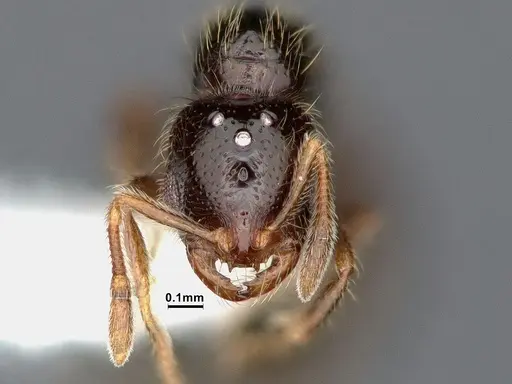
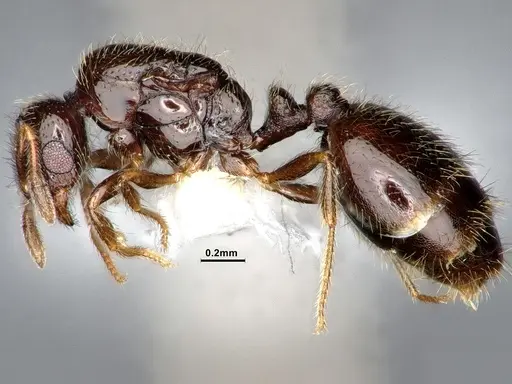
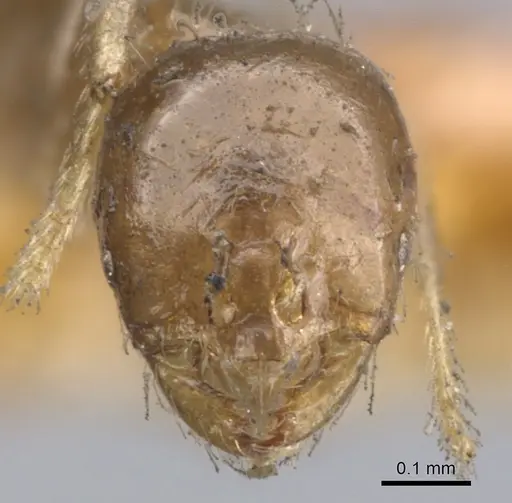
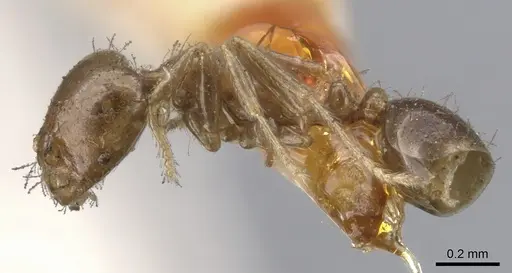
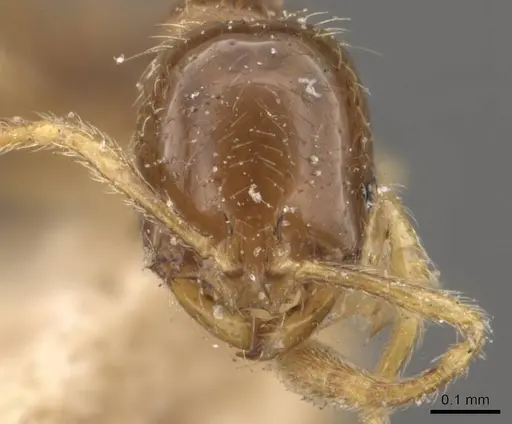
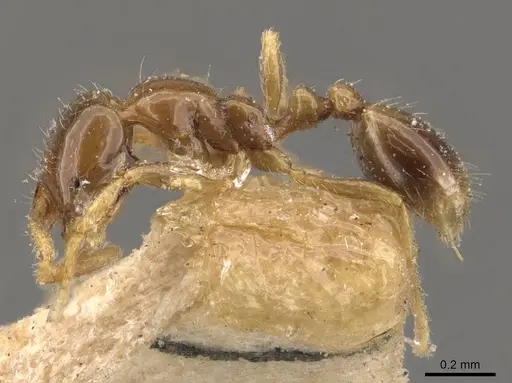
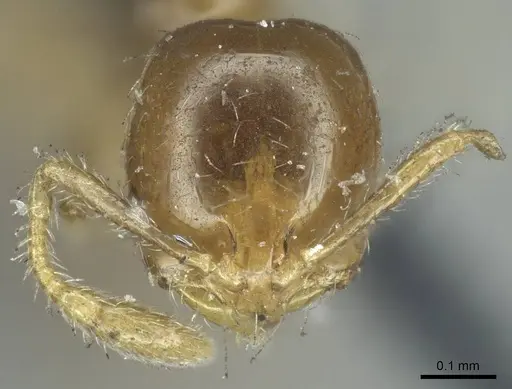
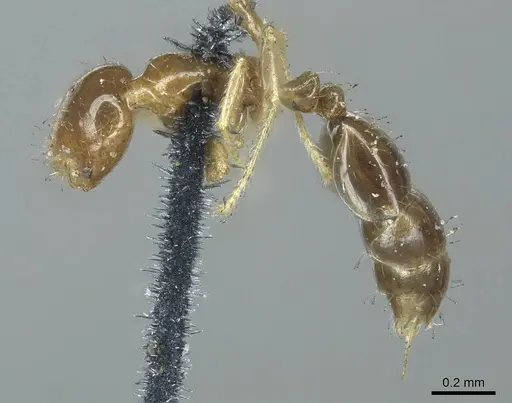
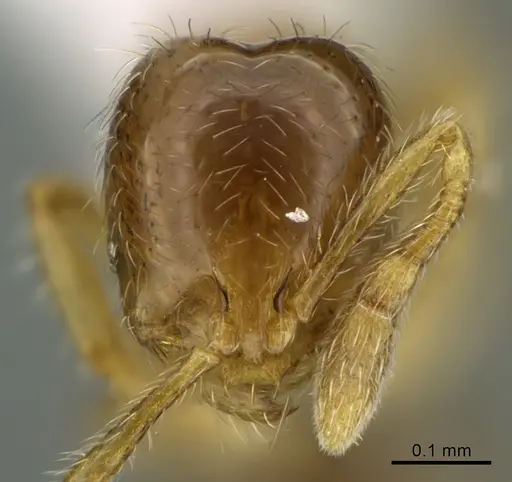
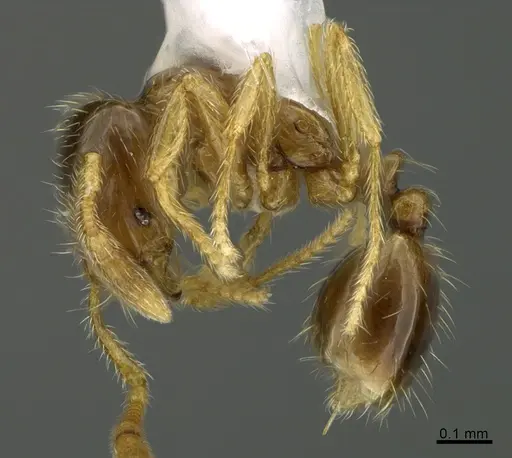
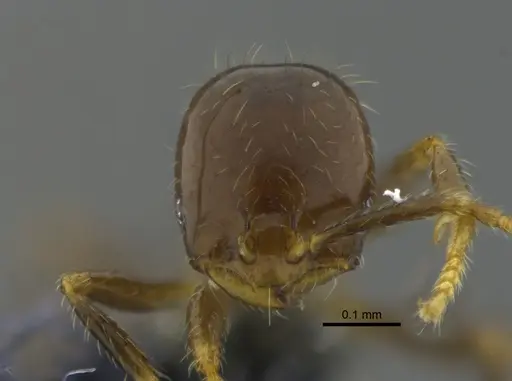
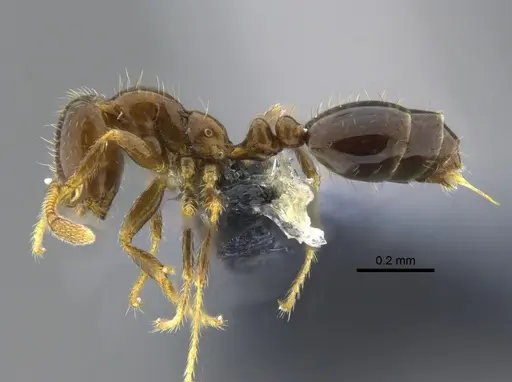
Solenopsis tenuis is a tiny thief ant with workers measuring just 1.14-1.32 mm total length . Workers are uniformly pale to medium brown, with a slightly longer-than-wide head and relatively large eyes. This species belongs to the Solenopsis molesta complex, a group of small ants known for sneaking into other ant colonies to steal brood and food . Queen size data are not available in the literature, but queens are presumed larger and medium brown; males are small and black . These ants range from Mexico down through Central America to Brazil and Argentina . They live in a wide variety of forests - from wet montane cloud forests and tropical rainforests to oak and pine forests, as well as riparian areas . They nest underground and under logs, and sexuals appear in nests around June in rocky shale soils (Mexico) . Their tiny size lets them exploit food sources that larger ants can’t reach, and they are regularly collected using protein baits such as tuna and Vienna sausage .
Quick Summary
- Difficulty: Medium
- Origin & Habitat: Neotropical: Mexico, Central America (Guatemala, Costa Rica, Panama), Caribbean (Trinidad and Tobago), South America (Brazil, Colombia, Argentina). Found in diverse habitats: riparian oak/cottonwood forest, wet montane cloud forest, tropical rainforest, pine forest with hardwoods, and montane hardwood forest [1].
- Colony Type: Unconfirmed, thought to be monogyne (single queen) based on typical Solenopsis patterns, but not documented.
- Size & Growth:
- Queen: size data unavailable, no published total length for queens, presumed larger than workers based on genus.
- Worker: 1.14-1.32 mm [1]
- Colony: Unknown, not documented in the literature.
- Growth: Unknown, presumed moderate based on related Solenopsis species.
- Development: Unknown, no documented data for this species. (Based on typical small Myrmicinae, development may take 6-8 weeks at warm temperatures, but this is an estimate.)
- Antkeeping:
- Temperature: Keep warm at 24-28°C based on tropical habitat. Use a heating cable on one side of the nest to create a temperature gradient. Avoid prolonged temperatures below 20°C [1].
- Humidity: Keep the nest substrate consistently moist but not waterlogged, mirroring the wet forests they naturally inhabit (e.g., cloud forest, riparian areas) [1].
- Diapause: No, as a tropical species, true hibernation is not needed. Slight winter temperature drop (to around 22°C) is optional but not required [1].
- Nesting: Do well in test tubes or Y-tong (AAC) nests with small, dark chambers. They require tight spaces and stable high humidity. Because workers are just over 1 mm, use fine mesh (≤0.5 mm) and seal all gaps to prevent escapes. Never use acrylic nests [1].
- Behavior: Thief ants are named for their habit of raiding other ant colonies for brood and resources. Workers are active foragers but quickly retreat if disturbed. They have a sting containing piperidine alkaloids (typical of Solenopsidini), but it is negligible to humans. Their tiny size makes escape a constant risk, use fine mesh barriers and tight-fitting lids at all times [1].
- Common Issues: tiny size makes escape prevention critical, use mesh ≤0.5 mm and seal every gap., high humidity requirements, if the nest dries out the colony can die quickly., protein-heavy diet is important, they are strongly attracted to protein baits in the wild., colony growth may be slow and the founding queen requires patience, avoid disturbing her during the first weeks.
Housing and Nest Setup
Because Solenopsis tenuis workers are only 1.14-1.32 mm long, escape prevention is your top priority. Use test tubes with a water reservoir and cotton plug, or small Y-tong (AAC) nests with chambers sized for tiny ants. The nest area must stay consistently moist, these ants come from wet habitats like cloud forests and riparian zones [1]. Do not use acrylic nests. For the outworld, a small plastic container works, but coat the edges with fluon or a similar barrier and ensure the lid is absolutely tight. Check for any gaps around tubing or connectors, a gap of even 0.5 mm can be an escape route [1].
Feeding and Diet
In the wild, Solenopsis tenuis is regularly attracted to protein baits such as Vienna sausage and tuna [1]. In captivity, offer tiny portions of protein-rich foods: fruit flies, pinhead crickets, small mealworm pieces, or other soft‑bodied insects. They may also take small amounts of honey or sugar water, but protein should be the mainstay. Because of their tiny size, even a small prey item is substantial. Feed every 2-3 days and remove leftovers to prevent mold [1].
Temperature and Seasonal Care
Solenopsis tenuis is a tropical species from Mexico down through South America [2][3]. Keep the nest at 24-28°C. A heating cable placed on one side gives the ants a choice of temperature. Avoid prolonged temperatures below 20°C. These ants do not need a true hibernation (diapause), but you may reduce feeding slightly in winter if you wish. Stable warmth is more important than seasonal changes [1].
Colony Founding
Based on typical Solenopsis biology, queens are presumed claustral, they seal themselves in a small chamber and raise the first workers using only stored reserves. This behavior has not been confirmed for S. tenuis. If you obtain a newly mated queen, place her in a clean test tube with water and keep it dark and warm. Do not disturb her during the founding phase. After the first workers (nanitics) appear, begin offering tiny protein foods near the nest entrance. The founding period may take several weeks, patience is key [1].
Behavior and Temperament
These are secretive ants that prefer to stay hidden. Workers are active foragers but will quickly retreat when disturbed. They rarely sting humans and any sting is negligible due to their tiny size, the sting apparatus is typical of the tribe Solenopsidini (piperidine alkaloids) but scarcely noticeable. The “thief ant” reputation comes from their habit of raiding other ant nests, not from aggression toward keepers. In captivity they are peaceful and easy to handle if you control escapes [1].
Frequently Asked Questions
How long does it take for Solenopsis tenuis to get their first workers?
This is not documented for S. tenuis. Based on related small Solenopsis, development from egg to worker likely takes 6-8 weeks at 24-28°C, but this is an estimate. The claustral queen needs a quiet, dark place during founding [1].
Can I keep Solenopsis tenuis in a test tube?
Yes, test tubes work well. Fill one-third with water, plug with tightly packed cotton, and place the queen inside. Because workers are tiny, ensure the cotton is dense and consider adding a secondary barrier such as fluon on the tube rim [1].
What do Solenopsis tenuis ants eat?
They strongly prefer protein-rich foods. Offer fruit flies, pinhead crickets, or tiny mealworm pieces. They may also accept honey or sugar water but protein should be the main diet. In the wild they are attracted to tuna and Vienna sausage [1].
Are Solenopsis tenuis good for beginners?
They are moderate difficulty. Their minuscule size makes escape prevention challenging, and they need stable tropical warmth and high humidity. However, they are peaceful and do not require special handling. They are better suited to keepers with some experience in keeping tiny Myrmicinae.
How big do Solenopsis tenuis colonies get?
Colony size is not documented in the literature. Based on other thief ants in the Solenopsis molesta complex, colonies are probably modest (up to a few hundred workers), but this is an estimate [1].
Do Solenopsis tenuis need hibernation?
No. As a tropical species from Mexico through South America, they do not require a diapause. Keep them warm year-round, a slight drop in winter (to about 22°C) is harmless but optional [2][3].
Why are my Solenopsis tenuis escaping?
Because they are only ~1.2 mm long, they can slip through impossibly small gaps. Check all lid seams, tubing connections, and use fine mesh (0.5 mm or smaller). Applying fluon to the top edges of your formicarium is also recommended [1].
What temperature is best for Solenopsis tenuis?
Keep them warm at 24-28°C. These are tropical ants from Mexico, Central America, and South America. A heating cable on one side of the nest creates a gradient. Avoid prolonged temperatures below 20°C [2][3].
Where is Solenopsis tenuis found in the wild?
Across the Neotropics: from Mexico through Central America (Guatemala, Costa Rica, Panama), the Caribbean (Trinidad and Tobago), and South America (Brazil, Colombia, Argentina) [2][3][4].
Report an Issue
The current care sheet is based fully on literature. See inconsistencies, or something that's incorrect? Please , it will be resolved after review from an admin. Contributing to the blogs tab also helps providing information, to make us be able to further improve the caresheets. Thank you for your support!
References

This caresheet is licensed under CC BY-SA 4.0 .
Community Blogs
CASENT0884410
View on AntWeb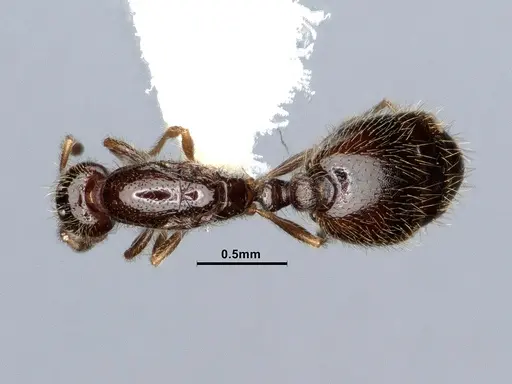
CASENT0902341
View on AntWeb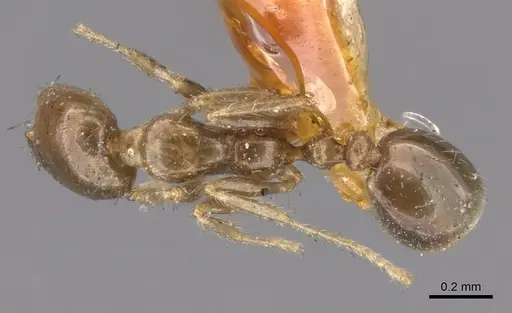
CASENT0908851
View on AntWeb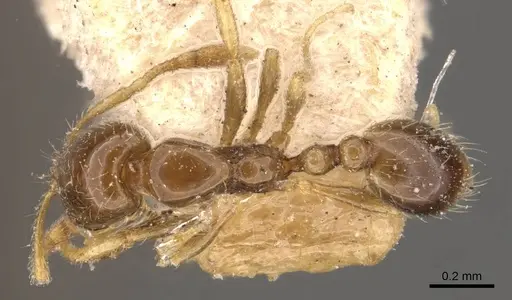
CASENT0916030
View on AntWeb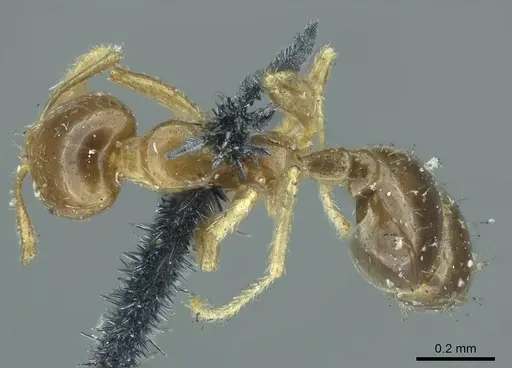
CASENT0923562
View on AntWeb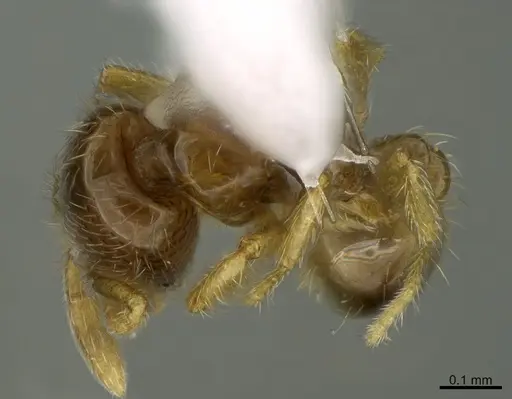
CBUMAGENT42079
View on AntWeb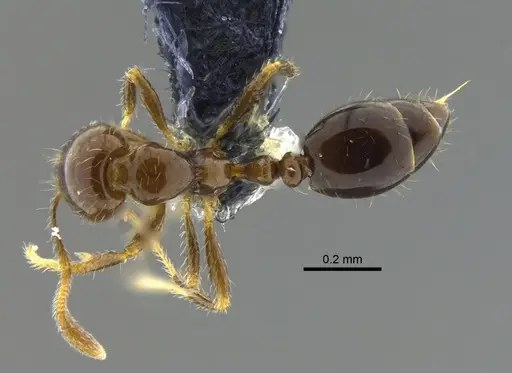
Literature
Loading distribution map...Loading products...