
Solenopsis stricta
- Sci. Name
- Solenopsis stricta
- Tribe
- Solenopsidini
- Subfamily
- Myrmicinae
- Author
- Emery, 1896
- Distribution
- Found in 8 countries
Introduction
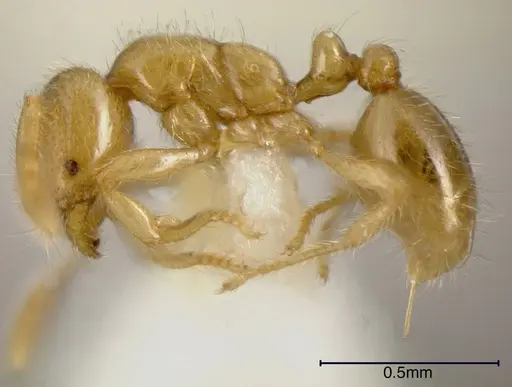
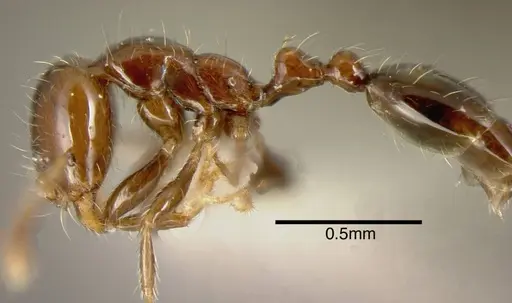
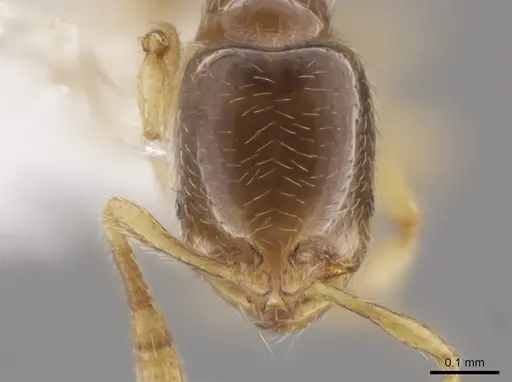
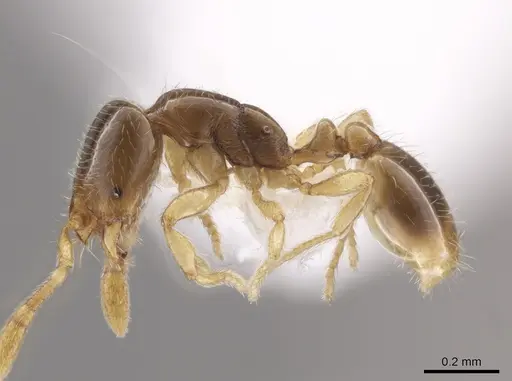
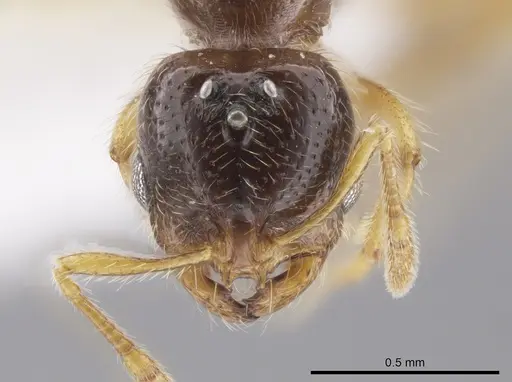
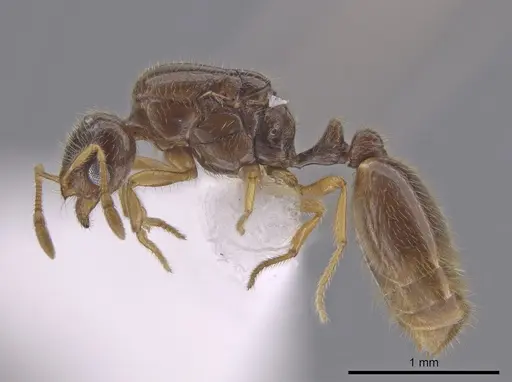
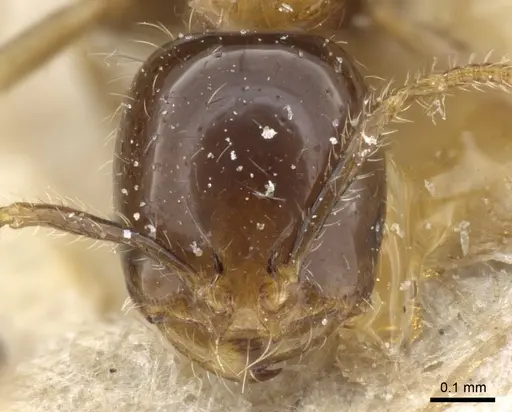
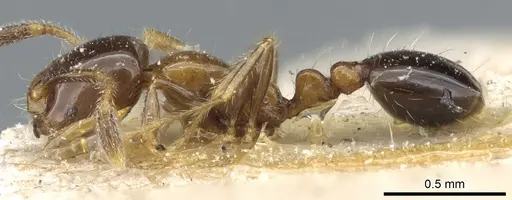
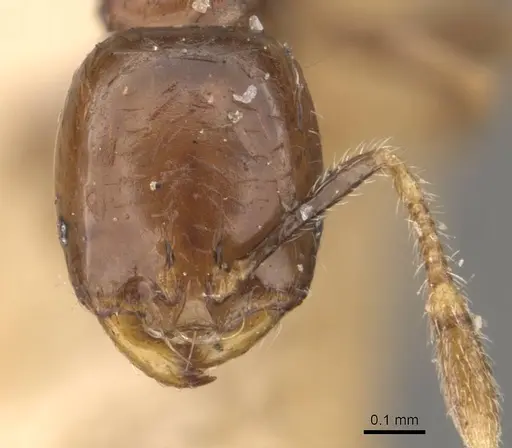
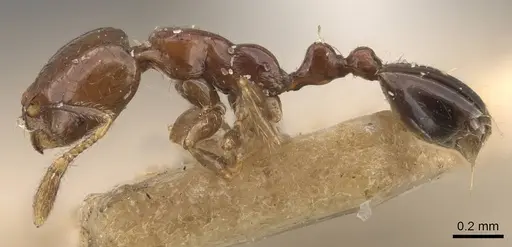
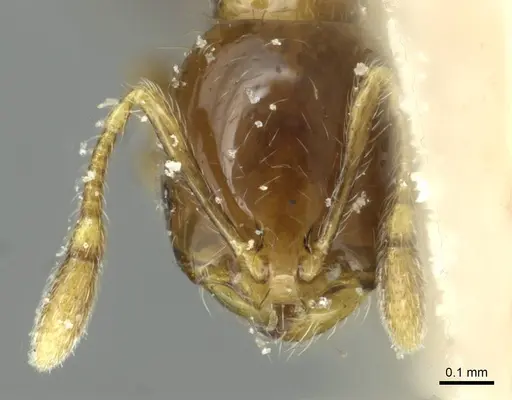
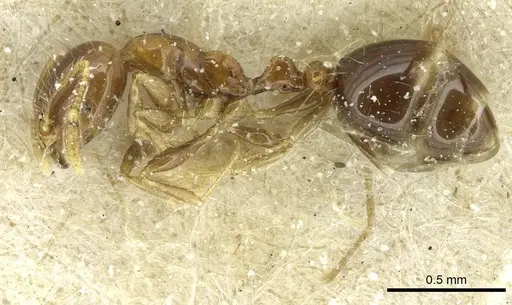
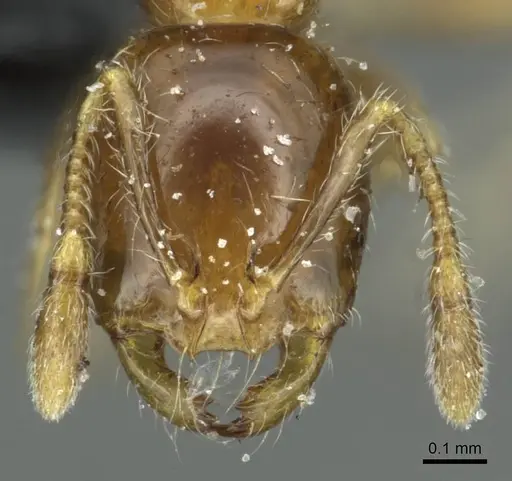
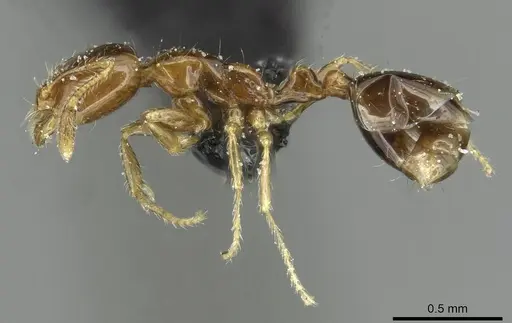
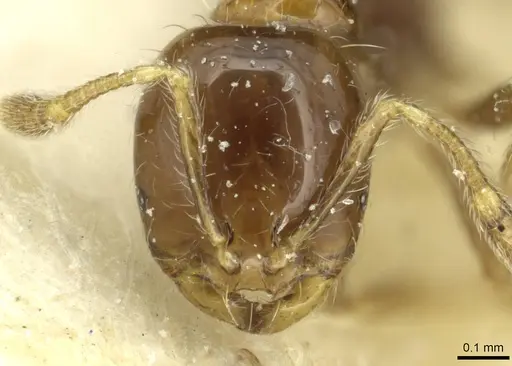
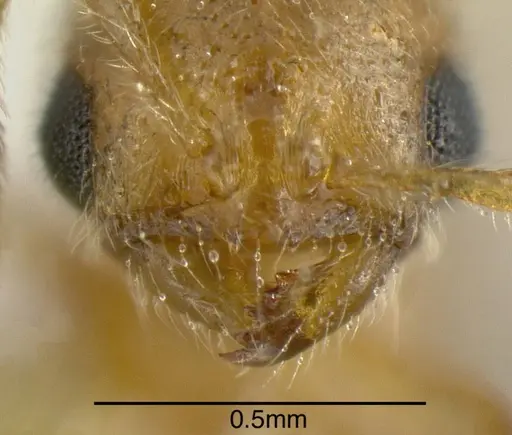
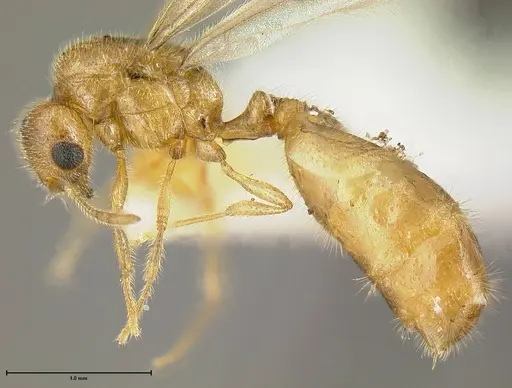
Solenopsis stricta is a tiny thief ant native to the Neotropical region, ranging from Panama down through Colombia, Ecuador, Peru, Brazil, and into Paraguay and Argentina . Workers measure about 1.8-2.0 mm and are golden brown, while queens are larger at 3.4-3.7 mm and dark brown . These ants belong to the Solenopsis stricta species complex and are identified by their wide, arched petiolar node when viewed from the side . These ants are surprisingly adaptable - they thrive in habitats as varied as humid subtropical low forests, primary tropical rainforests at 500-650 m elevation, and even urban environments. They nest exclusively in dead twigs . Studies in southern Brazil found them in all ten cities surveyed, where they were described as dominant, omnivorous, and generalist foragers . This flexibility suggests they can handle captive conditions better than many tropical species.
Quick Summary
- Difficulty: Medium
- Origin & Habitat: Neotropical region, found in Argentina, Bolivia, Brazil, Colombia, Costa Rica, Ecuador, Panama, Paraguay, and Peru. Lives in humid subtropical forests, primary tropical rainforests, and secondary growth forests at 500-650 m elevation. Nests in dead twigs [1].
- Colony Type: Colony structure is not directly studied. Based on typical Solenopsis patterns, likely single-queen colonies, but this is unconfirmed. Males have never been collected [1].
- Size & Growth:
- Queen: 3.36-3.72 mm [1]
- Worker: 1.80-2.04 mm [1]
- Colony: Unknown, likely up to a few hundred workers based on related species
- Growth: Unknown, likely moderate based on typical small Myrmicinae patterns
- Development: Estimated 5-8 weeks at 25-28°C (not directly documented) (Development time is unconfirmed for this species. Estimate is based on general Solenopsis patterns.)
- Antkeeping:
- Temperature: Keep at 24-28°C to match their tropical and subtropical origin. A temperature gradient (warm side ~28°C, cooler side ~24°C) lets them choose [1].
- Humidity: Keep moderately humid, aim for moist but not waterlogged substrate. Their natural habitat includes humid forests, but they nest in twigs which can dry out between rains. Provide a water tube and occasional misting, allowing the outworld to dry a bit between water additions.
- Diapause: Unknown, as a tropical species from the Neotropics, they likely do not require true hibernation. They may slow down during cooler periods but maintain stable warmth year-round.
- Nesting: Use a small nest that mimics their natural twig-nesting preference. Small Y-tong, plaster, or test tube setups with narrow passages work well. Scale chambers to their tiny 2 mm worker size, low ceiling height (3-4 mm) is better than tall chambers.
- Behavior: As thief ants, they are opportunistic feeders that scavenge and likely steal from other ant colonies. They are active foragers but their tiny size (1.8-2.0 mm workers) means excellent escape prevention is essential, they can squeeze through surprisingly small gaps. Use fine mesh (0.5 mm or tighter) and tight seals. They are generally non-aggressive to humans due to their small size.
- Common Issues: escape prevention is critical due to their very small 2 mm size, they can squeeze through standard barrier gaps, colonies may be slow to establish initially, patience is needed during founding, twig-nesting preference means they may reject larger nest chambers if too spacious, as generalist omnivores, overfeeding can lead to mold issues in small setups, wild-caught colonies may carry parasites that can devastate small colonies
Housing and Nest Setup
Solenopsis stricta naturally nests in dead twigs, which is an unusual nesting preference among ant species [1]. For captive care, replicate this by providing a small, tight-fitting nest chamber. Small Y-tong nests, plaster nests with narrow passages, or even modified test tube setups work well. The key is matching the nest scale to their tiny 1.8-2.0 mm worker size, chambers that would suit larger ants will feel too spacious and may be rejected.
Because they nest in twigs in the wild, these ants prefer nests with relatively low ceiling heights. A gap of 3-4 mm between the nest ceiling and floor works better than taller chambers. The outworld should be simple, a small foraging area where you can offer food. Escape prevention is critical due to their minute size, standard barrier methods may not work. Use fine mesh (at least 0.5 mm or tighter) on any ventilation holes and ensure all connections are tight-fitting.
Feeding and Diet
As thief ants in the Solenopsis genus, these ants are omnivorous and opportunistic. They likely scavenge small insects, collect honeydew from aphids, and accept various protein and sugar sources. In captivity, offer small protein sources like fruit flies, small mealworms, or other tiny insects appropriate to their 2 mm size. Sugar water, honey diluted with water, or commercial ant nectar products work well as energy sources.
Their small size means even tiny prey items are appropriate. Live prey is preferred when possible, as this stimulates natural foraging behavior. Remove any uneaten prey after 24-48 hours to prevent mold. Feed small amounts several times per week rather than large meals less frequently. The generalist feeding habits documented in urban Brazilian populations suggest they are adaptable and will accept a wide variety of foods [2].
Temperature and Humidity
Keep your colony at 24-28°C to match their tropical and subtropical origin. They have been found in humid, subtropical environments in Paraguay and Ecuador, as well as primary tropical rainforests at 600-650 m elevation [1]. A temperature gradient is beneficial, place a heating cable on one side of the nest to create a warm zone (around 28°C) and allow the other side to stay cooler (around 24°C).
For humidity, aim for a moist but not waterlogged substrate. Their natural habitat in humid forests provides consistent moisture, but since they nest in twigs, the nest itself doesn't need to be soaking wet. Provide a water tube for drinking and occasionally mist the outworld. Allow the substrate to dry partially between water additions to prevent mold, which can be deadly for small colonies in enclosed nests.
Colony Founding and Growth
The founding behavior of Solenopsis stricta has not been directly documented, but based on typical Solenopsis patterns, the queen likely seals herself in a small chamber (claustral founding) and lives off her stored fat reserves until the first workers emerge. The first workers, called nanitics, will be smaller than mature workers.
Colony growth rate is unknown but likely moderate for a small Myrmicinae. Based on related species, expect 5-8 weeks from egg to first worker at optimal temperatures of 25-28°C. Once established, colonies likely grow to several hundred workers. Males have never been collected for this species, which is unusual and suggests either flightless males, specific seasonal timing, or that this aspect of their biology remains undocumented [1]. Be patient during the founding phase, small colonies are vulnerable and should be disturbed as little as possible.
Behavior and Temperament
Solenopsis stricta is characterized as a dominant, omnivorous, generalist species in studies of urban ant assemblages in southern Brazil [2]. This suggests they are adaptable and relatively confident foragers. However, their tiny 1.8-2.0 mm worker size means they are not aggressive toward larger threats, they will flee rather than fight.
Their small size also means excellent escape prevention is essential. Standard ant keeping barriers may not contain them. Use fine mesh on all ventilation, check all connections for gaps, and consider using fluon or other barrier gels on the rim of the outworld. They are likely most active during warmer parts of the day, matching their tropical activity patterns.
Seasonal Care
As a species from the Neotropical region (Panama to Argentina), Solenopsis stricta does not experience cold winters in their native range. They likely do not require a true hibernation period. However, they may show reduced activity during cooler periods.
In captivity, maintain stable temperatures year-round. If your room temperature drops below 20°C during winter, consider using a small heat mat to maintain at least 24°C. The species has been found in wind farms in Paraná, Brazil, with positive associations with fall sampling, suggesting some seasonal variation in activity [3]. Monitor your colony, if workers become less active and cluster together, slightly reduce feeding and avoid disturbing them, but maintain temperature.
Frequently Asked Questions
How long does it take for Solenopsis stricta to produce first workers?
The exact timeline is not documented for this species. Based on typical Solenopsis development patterns, expect 5-8 weeks from egg to first worker at optimal temperatures of 25-28°C. Be patient during founding, disturbing the queen can cause her to eat her brood or abandon the nest.
What do Solenopsis stricta ants eat?
These are omnivorous thief ants that will accept both protein and sugar sources. Offer small insects like fruit flies or tiny mealworms for protein, and sugar water, honey water, or commercial ant nectar for carbohydrates. Their small size means even very small prey items are appropriate. Remove uneaten food after 24-48 hours to prevent mold.
Are Solenopsis stricta ants good for beginners?
This species is rated as Medium difficulty. They are adaptable and have been found in urban environments, which suggests some tolerance for captive conditions. However, their very small size makes escape prevention critical, and they require specific twig-like nesting conditions. Beginners should be prepared for excellent escape barriers and patience during the slow founding phase.
What size nest do Solenopsis stricta need?
These ants naturally nest in dead twigs, so they prefer small, tight-fitting nest chambers scaled to their tiny 1.8-2.0 mm worker size. Small Y-tong nests, plaster nests with narrow passages, or modified test tube setups work well. Avoid chambers that are too spacious, these ants seem to prefer enclosed, twig-like spaces.
What temperature should I keep Solenopsis stricta at?
Keep them at 24-28°C to match their tropical and subtropical origin. A temperature gradient is beneficial, a warm zone around 28°C on one side and cooler area around 24°C on the other allows the ants to regulate their own temperature. They come from humid forests in Paraguay and Ecuador, so stable warmth is important [1].
How big do Solenopsis stricta colonies get?
The maximum colony size is not documented for this species. Based on related Solenopsis species and their small worker size, colonies likely reach several hundred workers. They are characterized as dominant in their native range, suggesting they can establish substantial colonies [2].
Why are my Solenopsis stricta escaping?
Their tiny 1.8-2.0 mm worker size means they can squeeze through gaps that would contain larger ants. Use fine mesh (0.5 mm or tighter) on all ventilation, ensure all connections are tight-fitting, and consider using barrier gels like fluon on the rim of the outworld. Check all tubing connections and lid seals, if there's any gap, they will find it.
Do Solenopsis stricta need hibernation?
No, they do not require hibernation. As a tropical species from the Neotropical region (Panama to Argentina), they experience warm temperatures year-round. Maintain stable temperatures of 24-28°C throughout the year. They may show slightly reduced activity during cooler periods, but no special winter care is needed [1].
Can I keep multiple Solenopsis stricta queens together?
The colony structure of this species has not been directly studied. Based on typical Solenopsis patterns, they likely form single-queen colonies. Combining unrelated queens is not recommended as it often leads to fighting. If you acquire a wild colony, it likely has only one functional queen.
What humidity level do Solenopsis stricta need?
Keep humidity at a level where the substrate is moist but not waterlogged. This matches their humid subtropical forest origin. Provide a water tube for drinking and occasionally mist the outworld. Allow the nest to dry partially between water additions, they nest in twigs which can experience drying. Avoid both waterlogging and complete drying [1].
Where is Solenopsis stricta found in the wild?
This species ranges from Panama through Colombia, Ecuador, Peru, Brazil, Paraguay, and into Argentina. They inhabit humid subtropical forests, primary tropical rainforests, and secondary growth forests at elevations of 500-650 m. They nest exclusively in dead twigs [1].
Report an Issue
The current care sheet is based fully on literature. See inconsistencies, or something that's incorrect? Please , it will be resolved after review from an admin. Contributing to the blogs tab also helps providing information, to make us be able to further improve the caresheets. Thank you for your support!
References

This caresheet is licensed under CC BY-SA 4.0 .
Community Blogs
CASENT0103204
View on AntWeb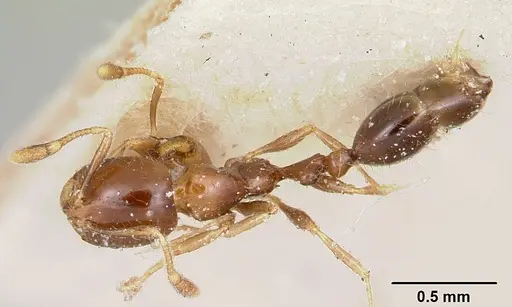
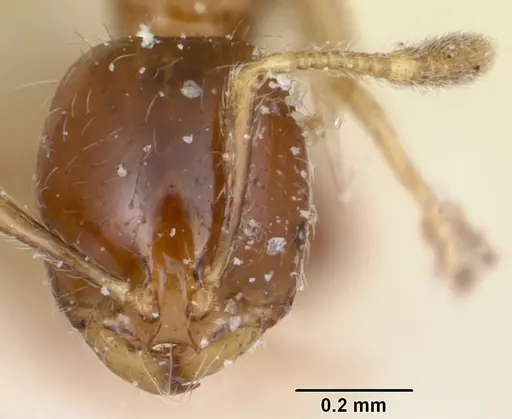
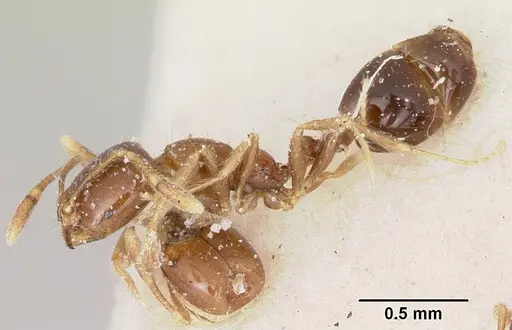
CASENT0178147
View on AntWeb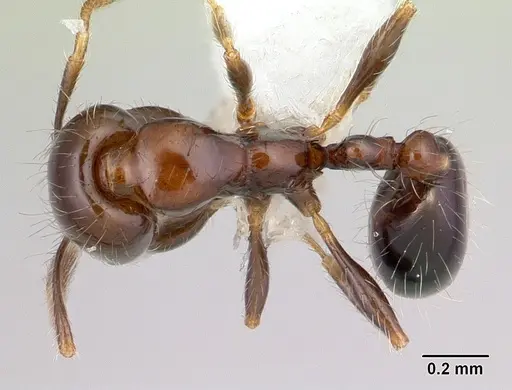
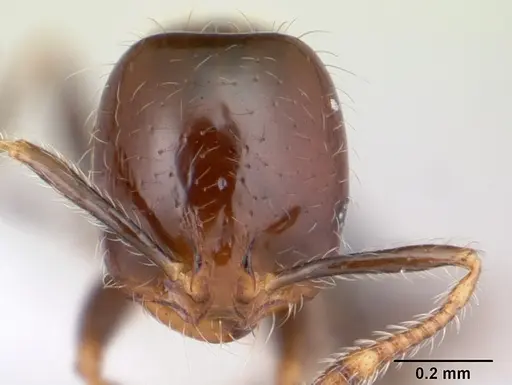
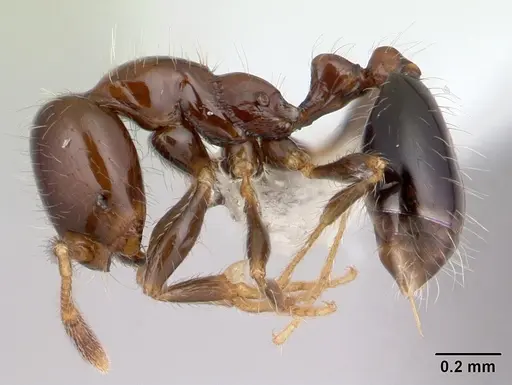
CASENT0636199
View on AntWeb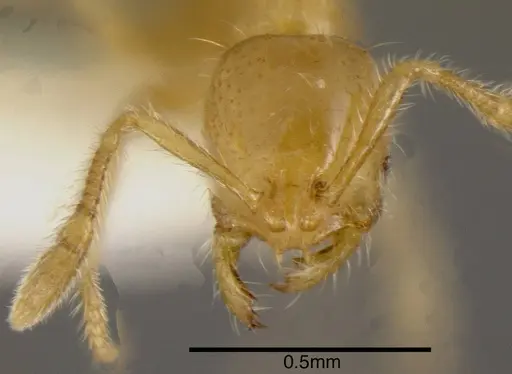
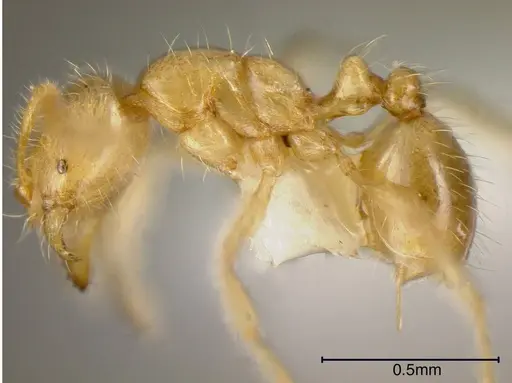
CASENT0636200
View on AntWeb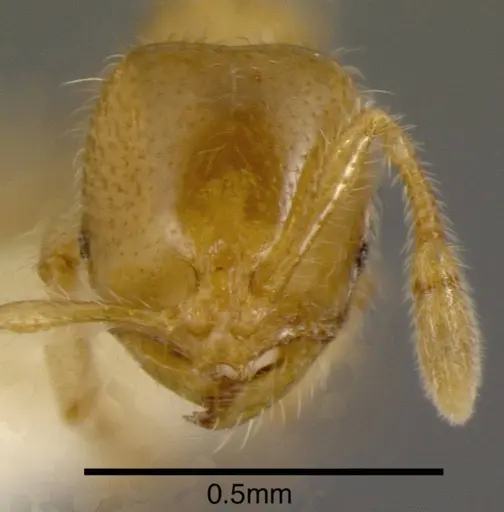
CASENT0636201
View on AntWeb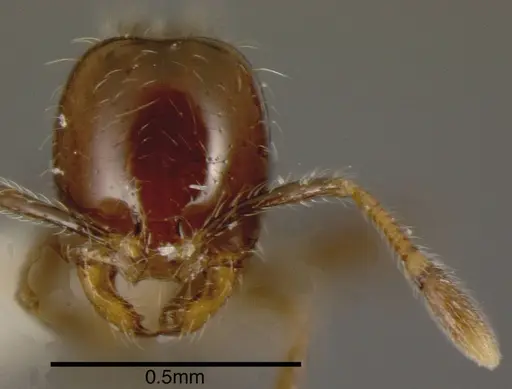
CASENT0655953
View on AntWeb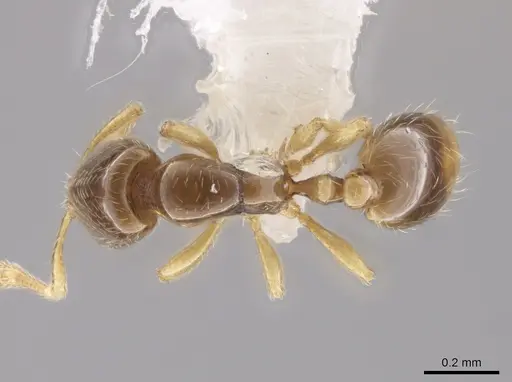
CASENT0656027
View on AntWeb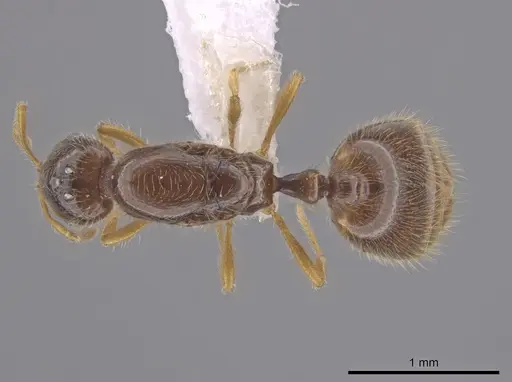
CASENT0904635
View on AntWeb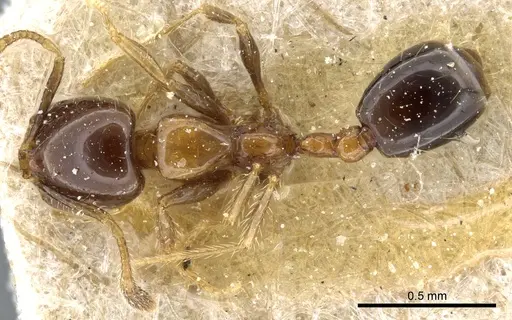
CASENT0908837
View on AntWeb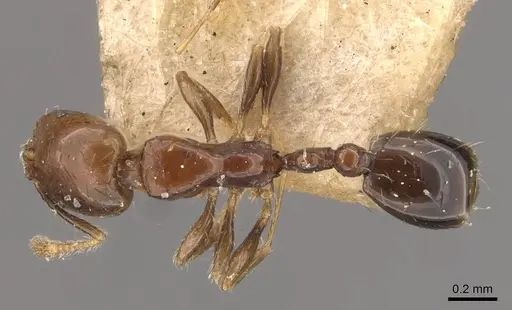
CASENT0913938
View on AntWeb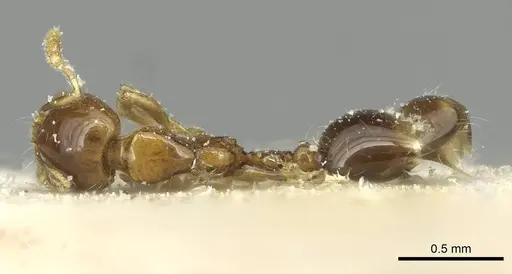
CASENT0913939
View on AntWeb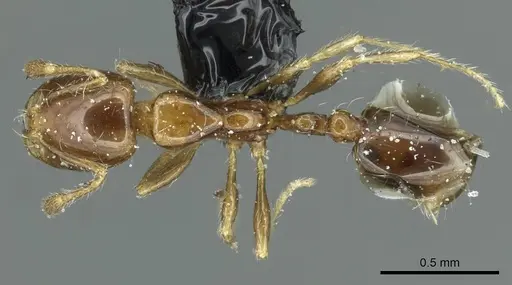
CASENT0913940
View on AntWeb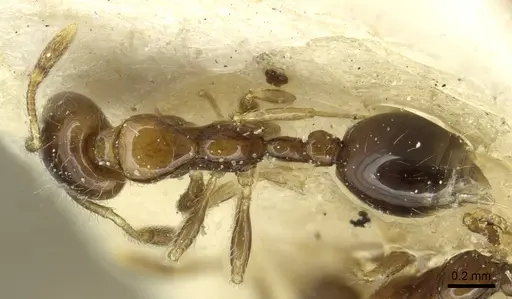
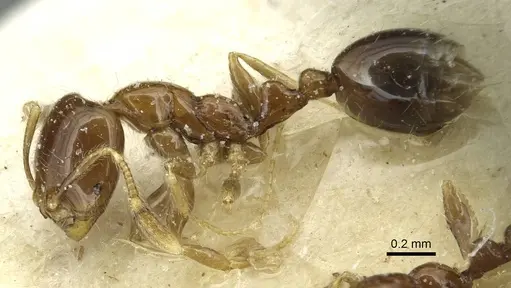
CBUMAGENT42013
View on AntWeb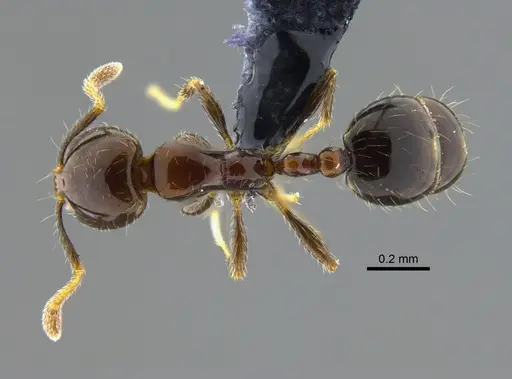
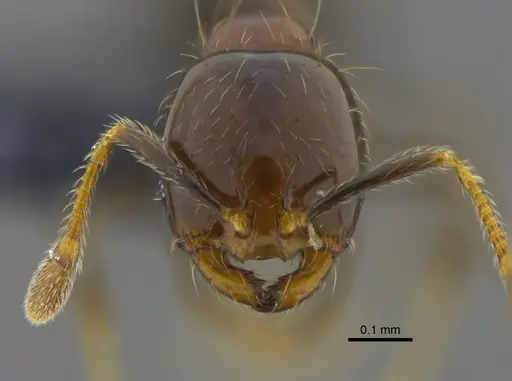
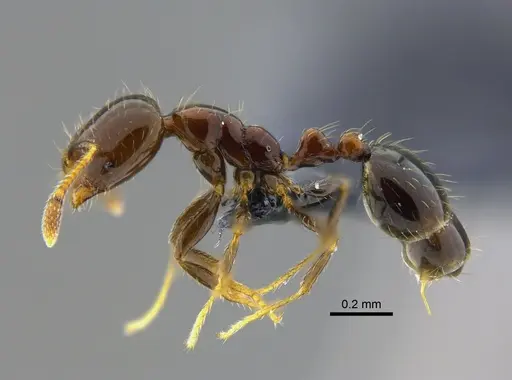
JTLC000007603
View on AntWeb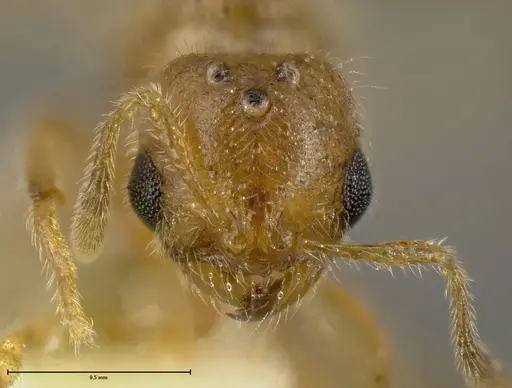
Literature
Loading distribution map...Loading products...