
Solenopsis santschii
- Sci. Name
- Solenopsis santschii
- Tribe
- Solenopsidini
- Subfamily
- Myrmicinae
- Author
- Forel, 1905
- Distribution
- Found in 1 countries
Introduction
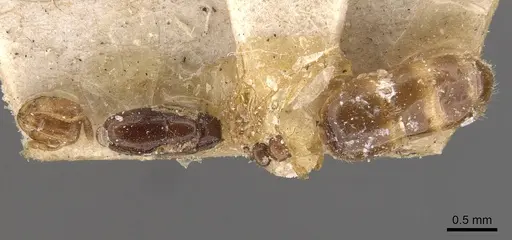
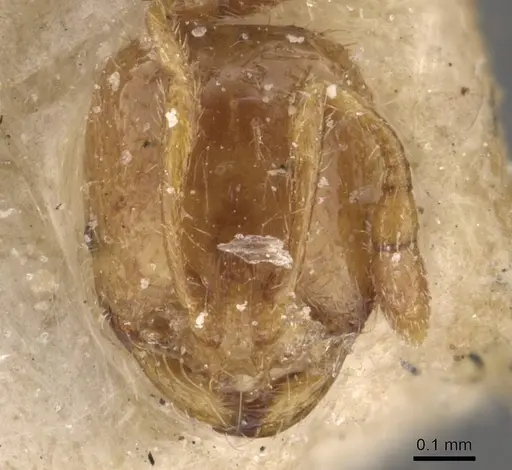
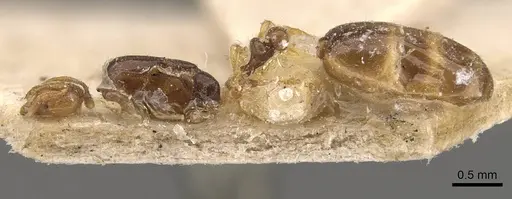
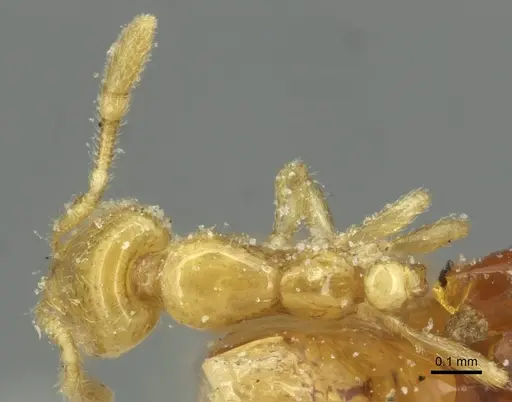
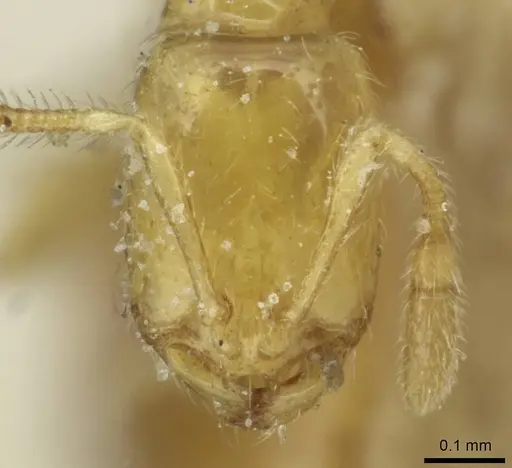
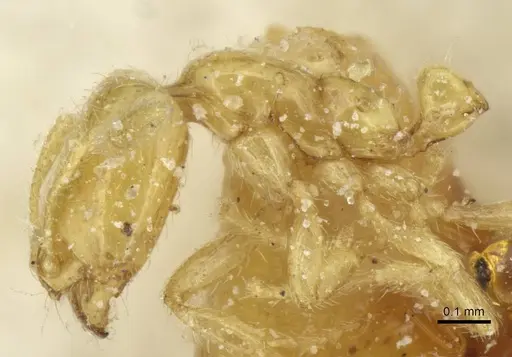
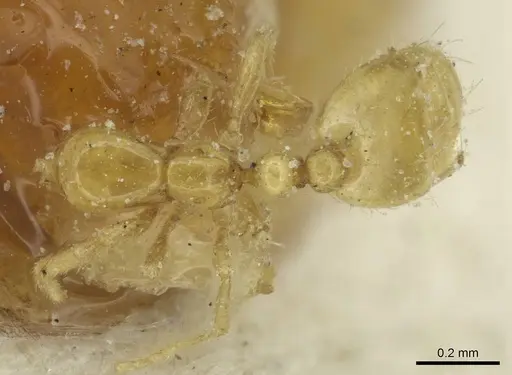
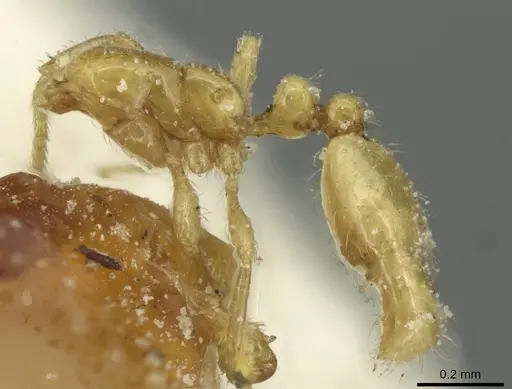
Solenopsis santschii is a small myrmicine ant native to the Mediterranean region, with records from Tunisia, Malta, Sicily, and Israel . The species belongs to the tribe Solenopsidini, which means it has a functional stinger used for hunting and defense. Its exact size isn't formally documented - workers are tiny, estimated around 2-4 mm based on related Solenopsis. They share the two-segmented waist and 10-segmented antennae typical of the genus. This ant lives in warm, dry Circum-Mediterranean habitats . Despite being a Solenopsis, S. santschii is much less studied than infamous relatives like the fire ant. Its natural history remains largely unknown. Like most Solenopsis, it's probably omnivorous - hunting small invertebrates and tending honeydew insects. Their small size and secretive habits make them a challenging species to keep, but they can form moderate colonies over time if given proper conditions.
Quick Summary
- Difficulty: Medium
- Origin & Habitat: Circum-Mediterranean region, Tunisia, Malta, Italy (Sicily), and Israel. Found in warm, dry habitats typical of the Mediterranean zone [2][1].
- Colony Type: Unknown, most Solenopsis species are monogyne (single queen), but polygyny occurs in some relatives. No specific data for this species.
- Size & Growth:
- Queen: Size data unavailable, no published measurements found.
- Worker: ~2-4 mm, inferred from genus patterns.
- Colony: Unknown, likely up to several hundred workers, based on related species.
- Growth: Moderate, estimated from typical Solenopsis patterns.
- Development: Estimated 5-8 weeks at 24-28°C based on related species. (Development timeline is not directly studied, estimates based on genus patterns.)
- Antkeeping:
- Temperature: Keep at 24-28°C, matching their Mediterranean origin. Use a heating cable on top of the nest (not underneath) to create a gradient. Room temperature may work in warm climates, but supplemental heating improves brood development.
- Humidity: Low to moderate, these are dry-adapted ants. Keep the nest substrate slightly moist but allow parts to dry out. Avoid constant saturation, provide a water tube for humidity, but don't wet the nest.
- Diapause: Unknown for this species. Mediterranean ants may tolerate brief cool periods but usually don't require true hibernation. If you live in a temperate region, you could try a mild reduction (15-18°C for 2-3 months) but it's not proven necessary.
- Nesting: Natural nesting is unconfirmed. Related Solenopsis often nest in soil under stones or in decaying wood. In captivity, use a Y-tong (AAC) nest, plaster nest, or test tube setup. Keep it dry with small, tight chambers.
- Behavior: Secretive and cryptic, workers are small and likely nocturnal or crepuscular. They have a functional stinger and can deliver a painful sting. Escape prevention is critical: workers can squeeze through tiny gaps, use fine mesh (0.5mm or smaller) and tight barriers. They are probably predatory, hunting small invertebrates.
- Common Issues: escape prevention is critical, tiny workers can squeeze through standard barriers, limited available information makes specific care requirements uncertain, sting can cause irritation, handle with care, wild-caught colonies may carry mites or other parasites
Temperature and Care
Solenopsis santschii comes from the warm Mediterranean, so they prefer heat. Keep the nest at 24-28°C, a heating cable on top of the nest (never underneath, which dries out moisture) helps maintain this. Provide a temperature gradient so ants can choose what they need. Unlike tropical ants, they don't need high humidity: aim for a dry to moderately moist nest. Room temperature may work in warm rooms, but heating usually boosts activity and brood growth. [2]
Feeding and Diet
Diet is unconfirmed for this species, but like other Solenopsis they're probably omnivorous with a protein preference. Offer small live prey like fruit flies, springtails, pinhead crickets, and tiny mealworms. They'll also accept honey water or sugar water, keep a source available. Feed protein 2-3 times a week, removing leftovers after 24 hours to avoid mold. Because of their tiny size, prey must be very small.
Nesting Preferences
Natural nesting habits are unconfirmed. Related Solenopsis nest in soil, under stones, or in rotting wood in dry areas. In captivity, a Y-tong (AAC) nest or test tube setup works well, small chambers suit these tiny ants. Keep the nesting area dry with only a small water tube for humidity. Avoid wet substrates, these ants prefer dry conditions.
Behavior and Temperament
Workers are secretive and likely nocturnal. They have a functional stinger, despite their size, the sting can be painful. Avoid bare-handed contact. They aren't aggressive but will defend if threatened. Their tiny size makes them excellent escape artists: use fine mesh (0.5mm or smaller) and check all gaps in your setup.
Colony Establishment
Founding behavior is unconfirmed. Most Solenopsis queens are claustral, they seal themselves in a chamber and live off stored reserves until the first workers emerge. Expect first workers in 5-8 weeks at 24-28°C, but this is an estimate. Keep founding colonies dark and undisturbed. Once nanitics appear, offer tiny food. Growth is typically moderate, taking months to reach a dozen workers and years to build a larger colony.
Seasonal Care
Overwintering needs are unknown. Mediterranean species are adapted to mild winters and may not need true diapause. Trying a cool period (15-18°C) for 2-3 months might help synchronize the colony's cycle, but it's not proven necessary. Don't let temperatures drop below 10°C. If your room stays above 20°C year-round, the colony may continue slow growth through winter, this is acceptable but not necessarily optimal.
Frequently Asked Questions
How long does it take for Solenopsis santschii to develop from egg to worker?
The exact development time is unconfirmed for this species. Based on typical Solenopsis patterns, expect 5-8 weeks from egg to first worker at optimal temperatures (24-28°C). The first workers (nanitics) will be smaller than mature workers.
Can I keep Solenopsis santschii in a test tube?
Yes, test tubes work well for founding colonies. Use a small test tube with a cotton water plug. Keep it dark and undisturbed until workers emerge. Once the colony has a few dozen workers, consider moving to a small formicarium like a Y-tong nest.
Do Solenopsis santschii ants sting?
Yes, they have a functional stinger. They can deliver a painful sting despite their small size, avoid bare-handed contact.
What do Solenopsis santschii eat?
They are probably omnivorous with a protein preference. Offer small live prey like fruit flies, springtails, and tiny crickets. They'll also accept sugar water or diluted honey. Feed protein 2-3 times per week and keep sugar water always available.
Are Solenopsis santschii good for beginners?
This species is rated medium difficulty. Their tiny size and escape risk make them more challenging than larger, docile species. The lack of specific care information also adds difficulty. Experienced antkeepers will have more success, beginners may struggle with escape prevention and colony establishment.
How big do Solenopsis santschii colonies get?
Colony size is not documented. Based on related Solenopsis, expect colonies to reach hundreds to possibly low thousands of workers over several years. Growth is moderate, patience required.
Do Solenopsis santschii need hibernation?
Hibernation requirements are unconfirmed. As a Mediterranean species, they may not need true diapause. A cool period (15-18°C) for 2-3 months might be beneficial but isn't proven necessary. If kept at room temperature year-round, they will continue slow growth, which is acceptable though not ideal.
When should I move Solenopsis santschii to a formicarium?
Move from test tube to formicarium once the colony has at least 20-30 workers and you notice condensation or mold issues. A small Y-tong nest works well, they prefer tight chambers due to their small size.
Why are my Solenopsis santschii dying?
Common causes include: escape (check for tiny gaps), too much moisture (they prefer dry conditions), disturbance during founding (keep dark and quiet), and parasites from wild-caught colonies. Ensure temperatures are 24-28°C and humidity is low to moderate.
Can I keep multiple Solenopsis santschii queens together?
Colony structure is unconfirmed for this species. Most Solenopsis are monogyne (single queen). Without evidence of polygyny, it's best to keep foundresses separate until you determine the colony's social structure.
What temperature is best for Solenopsis santschii?
Keep nest temperatures at 24-28°C, this warm range matches their Mediterranean origin and supports brood development. Use a heating cable on top of the nest to maintain these temperatures, especially in cooler rooms.
Is Solenopsis santschii invasive anywhere?
Based on available data, S. santschii is native to the Mediterranean region (Tunisia, Malta, Sicily, Israel) and has not been documented as invasive elsewhere.
Report an Issue
The current care sheet is based fully on literature. See inconsistencies, or something that's incorrect? Please , it will be resolved after review from an admin. Contributing to the blogs tab also helps providing information, to make us be able to further improve the caresheets. Thank you for your support!
References

This caresheet is licensed under CC BY-SA 4.0 .
Community Blogs
Literature
Loading distribution map...Loading products...