
Black Imported Fire Ant
Solenopsis richteri
- Sci. Name
- Solenopsis richteri
- Tribe
- Solenopsidini
- Subfamily
- Myrmicinae
- Author
- Forel, 1909
- Common Name
- Black Imported Fire Ant
- Distribution
- Found in 4 countries
Introduction
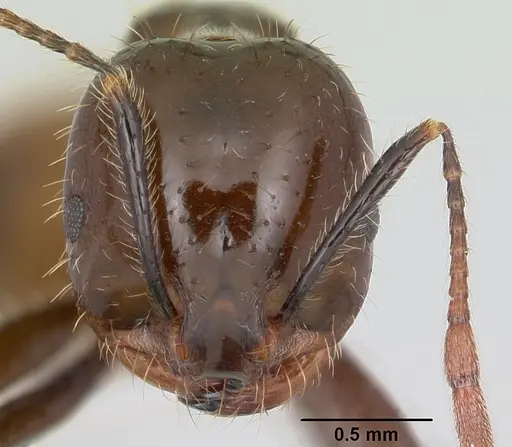
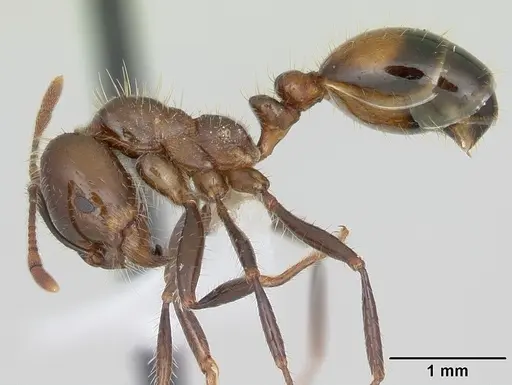
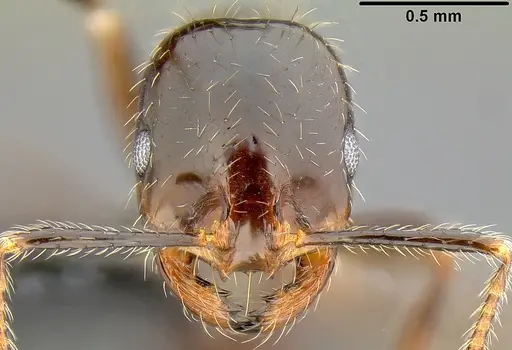
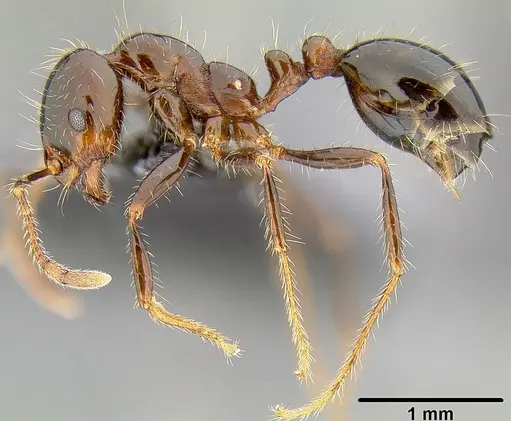
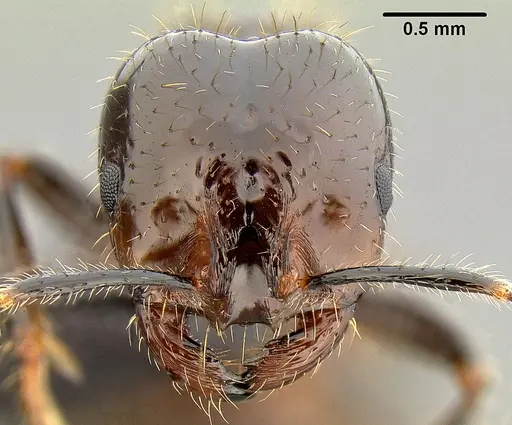
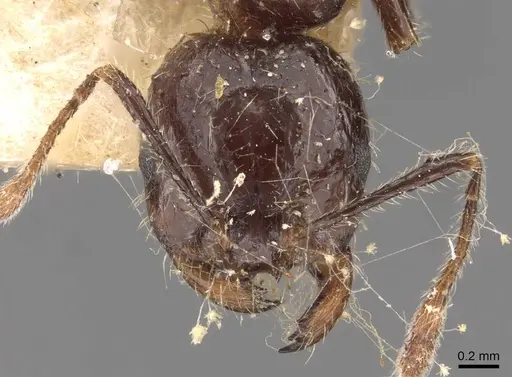
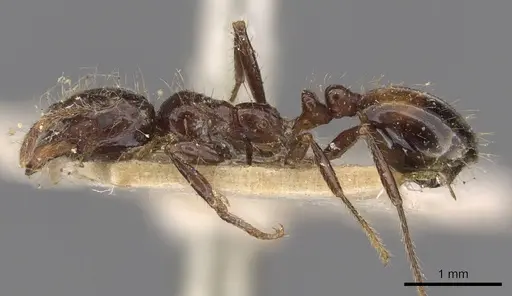
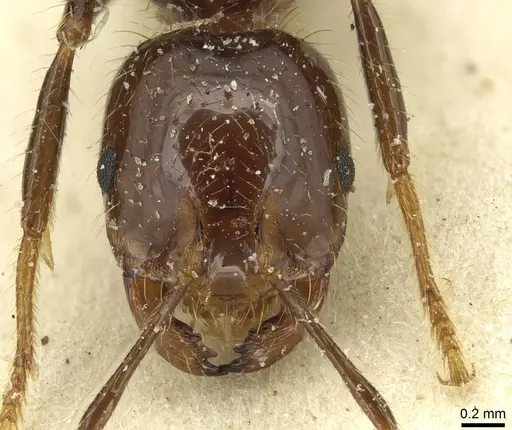
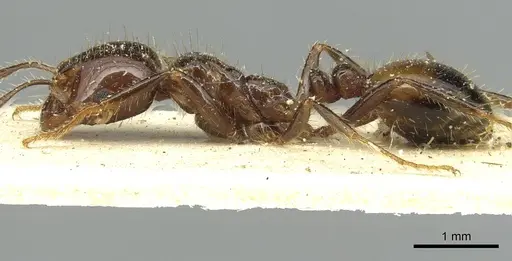
Solenopsis richteri is a medium-sized fire ant native to South America, ranging from southern Brazil through Uruguay to central Argentina. Workers are polymorphic, measuring 1.0-4.0 mm, with majors (~3.6 mm) larger than minors (~2.5 mm) . They are dark brownish-black with a distinctive reddish-orange spot on the first gastral segment, which gives them the common name 'black imported fire ant'. Queens are larger but exact body length data is unavailable. This species was accidentally introduced into the United States around 1918 through Mobile, Alabama, and now occupies a limited range in northeastern Mississippi, northwestern Alabama, south-central Tennessee, and southwest Kentucky, where it hybridizes with *Solenopsis invicta* . It builds large conical dirt mounds that can exceed 60 liters in volume and reach one meter in diameter .
Quick Summary
- Difficulty: Expert
- Origin & Habitat: Native to southern South America (Argentina, Uruguay, Paraguay, southern Brazil). Introduced to the southeastern United States around 1918. Currently restricted to northeastern Mississippi, northwestern Alabama, south-central Tennessee, and southwest Kentucky [3][1][4]. Prefers open, sunny, disturbed habitats such as pastures, lawns, roadsides, and field edges [1].
- Colony Type: Facultatively polygyne, both monogyne (single queen) and polygyne (multiple queens) colonies occur in native and introduced ranges [6][7]. Monogyne colonies are territorial, in polygyne form, workers and queens move freely between interconnected mounds [8].
- Size & Growth:
- Queen: Size data unavailable, no body length (TL) reported in available literature
- Worker: 1.0-4.0 mm, polymorphic (minors ~2.5 mm, majors ~3.6 mm) [1][2]
- Colony: Up to 250,000 workers, mature colonies can exceed 500,000 [5][4]
- Growth: Fast
- Development: Approximately 20-30 days under optimal conditions (inferred from Solenopsis invicta) [8] (Eggs hatch in 7-10 days, larvae develop in 6-10 days, pupae in 9-15 days [8]. Optimal development at 24-30°C.)
- Antkeeping:
- Temperature: Optimal nest temperature 24-30°C. More cold-tolerant than *S. invicta*, colonies remain active but reduce foraging below 18°C [9][10]. Provide a temperature gradient using a heat source on one side.
- Humidity: Provide a humidity gradient. The nest chamber should be mostly dry with one small moist area. The mound naturally drains well, waterlogging must be avoided [11].
- Diapause: No, colonies are active year-round in their native southern range, but activity slows in cooler months. In captivity, reduce feeding and lower temperature to ~20°C during winter to simulate natural seasonal slowdown [9].
- Nesting: Large soil mounds with extensive tunnel networks. In captivity, requires a spacious formicarium with deep soil substrate (minimum 10-15 cm) to accommodate mound-building. Test tubes alone are insufficient for established colonies [1][8]. Y-tong, plaster, or 3D-printed nests with deep soil chambers work well.
- Behavior: 0.5 mm.
- Common Issues: potent sting causes intense pain, pustules, and can trigger life-threatening anaphylaxis, extreme caution required [14][8]., colonies can reach 250,000+ workers, requiring very large enclosures and frequent maintenance [5]., aggressive defense leads to mass stinging incidents, protective gear (gloves, long sleeves, eye protection) essential [8]., regulated as an invasive species, illegal to keep, breed, or trade in the EU since summer 2022, check local laws before acquiring [16][5]., hybridizes with Solenopsis invicta in the U.S., complicating identification and potential for broader invasiveness [1][17]., susceptible to multiple parasites, including the microsporidium *Kneallhazia solenopsae* and phorid flies (*Pseudacteon* spp.) [6][9]., large colony size and mound-building behavior can damage infrastructure in indoor setups.
Housing and Enclosure Requirements
Solenopsis richteri requires significantly more space than most ant species due to its large colony size and mound-building behavior. A standard test tube works only for founding queens and very small colonies (under 50 workers). Once established, move them to a formicarium with a deep soil chamber (minimum 10-15 cm depth) to allow tunnel construction. The enclosure must have excellent escape prevention, these ants are persistent and will find any gap. Use fluon on all rim edges and ensure ventilation holes are smaller than 0.5 mm. Because colonies can exceed 250,000 workers, plan for significant space expansion. Outdoor setups or large naturalistic terrariums work best for established colonies [1][8].
Feeding and Diet
Solenopsis richteri is omnivorous with a strong preference for protein. In captivity, feed live or frozen insects (crickets, mealworms, roaches) 2-3 times per week for growing colonies. Provide constant access to sugar water, honey, or maple syrup as an energy source. They will also accept seeds (up to 139 plant species in the wild) and scavenge carrion [1][12]. Remove uneaten food after 24-48 hours to prevent mold. They also tend aphids for honeydew, which can be simulated in captivity if desired [13].
Temperature and Seasonal Care
Keep colonies at 24-30°C for optimal development and brood growth. S. richteri is more cold-tolerant than S. invicta and can forage at temperatures as low as 18°C, though activity peaks in warm conditions [9][10]. During winter in temperate climates, reduce feeding and lower the temperature to around 20°C to simulate a seasonal slowdown. Do not allow temperatures to drop below 15°C for extended periods. Provide a heat source on one side of the enclosure to create a thermal gradient, mimicking the sun-warmed mound [5][11].
Defense and Sting Management
This species has one of the most potent ant stings in the world. Workers can sting repeatedly and will aggressively defend their nest. The venom (a complex mix of piperidine alkaloids) causes an intense burning sensation, followed by white pustules that form within 24-48 hours. In sensitive individuals, stings can trigger anaphylaxis requiring immediate medical attention [14][8]. When working with S. richteri, always wear protective clothing including gloves, long sleeves, and eye protection. Use smoke or gentle air flow to calm ants before opening enclosures. Never work without a clear escape plan. Keep an epinephrine auto-injector accessible if anyone in the household has known Hymenoptera venom allergies [8][15].
Legal and Ethical Considerations
Solenopsis richteri is a regulated invasive species in many jurisdictions. In the United Kingdom and the European Union, it was placed on the Union list of invasive alien species in summer 2022,making it illegal to possess, trade, breed, transport, or import [16][5]. In the United States, it is under federal quarantine in some states due to its agricultural and medical impact [8]. Before acquiring this species, check all local and national regulations. Even where legal, consider the ethical responsibility: escapes can have severe ecological consequences. Many antkeepers recommend avoiding this species entirely due to the combination of sting danger, legal restrictions, and invasive potential [16][5].
Health Concerns and Allergies
Fire ant stings are a serious public health concern. Symptoms include intense burning and itching, followed by the formation of white pustules within 24-48 hours. These pustules can become infected if scratched. Approximately 1% of stung individuals experience anaphylactic reactions, including difficulty breathing, chest pain, nausea, and swelling that can become life-threatening [14][8]. Multiple stings increase the severity of the reaction. Anyone with known Hymenoptera venom allergies should never handle this species. If you develop any systemic symptoms after a sting, seek emergency medical care immediately. Allergen extracts from S. richteri are used in immunotherapy alongside S. invicta because of cross-reactivity [17].
Frequently Asked Questions
Is Solenopsis richteri legal to keep as a pet?
It depends on your location. In the European Union, it has been illegal to keep, breed, or trade since summer 2022 due to its listing as an invasive species [16][5]. In the United States, it is subject to quarantine regulations in some states, check with local authorities. Always verify your local laws before acquiring this species.
How fast do Solenopsis richteri colonies grow?
Colonies grow rapidly. A newly mated queen can produce her first workers in about 3-4 weeks. Under optimal conditions (24-30°C), colonies can reach 100,000+ workers within 2-3 years. Maximum colony size exceeds 250,000 workers and can reach 500,000 [5][4][8].
Can I keep Solenopsis richteri in a test tube?
Only for founding colonies. Once a colony reaches 50+ workers, they need significantly more space. A test tube cannot accommodate their mound-building behavior or large colony size. You will need a deep soil formicarium (minimum 10-15 cm depth) for established colonies [1][8].
Do Solenopsis richteri ants need hibernation?
No, they do not require true hibernation. In their native South American range, they are active year-round with reduced activity during cooler months. In captivity, you can lower the temperature to around 20°C in winter to simulate a natural seasonal slowdown, but full diapause is not necessary [9].
What do Solenopsis richteri eat?
They are omnivorous with a preference for protein. Feed live or frozen insects (crickets, mealworms) 2-3 times per week. Provide constant access to sugar water, honey, or maple syrup. They also eat seeds and scavenge carrion. Remove uneaten food after 24-48 hours [1][8].
How big do Solenopsis richteri colonies get?
Mature colonies can exceed 250,000 workers and build mounds up to one meter in diameter and over 60 cm tall. In the wild, mound densities of 20-40 per acre are typical, with large colonies spaced 30-40 feet apart [5][11].
Are Solenopsis richteri good for beginners?
Absolutely not. This species is recommended only for expert antkeepers due to several factors: extremely painful and potentially dangerous sting, large colony size requiring significant space, aggressive defense behavior, legal restrictions in many areas, and the need for specialized housing. Beginners should start with much easier species [8].
Report an Issue
The current care sheet is based fully on literature. See inconsistencies, or something that's incorrect? Please , it will be resolved after review from an admin. Contributing to the blogs tab also helps providing information, to make us be able to further improve the caresheets. Thank you for your support!
References

This caresheet is licensed under CC BY-SA 4.0 .
Community Blogs
CASENT0103101
View on AntWeb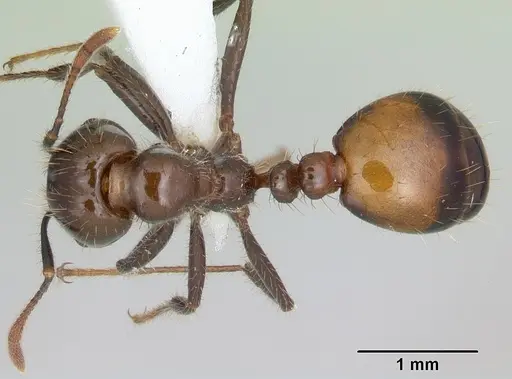
CASENT0171080
View on AntWeb
CASENT0171123
View on AntWeb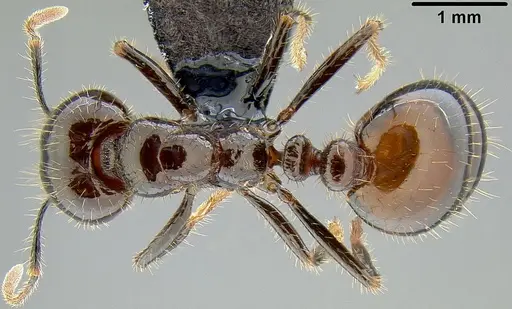
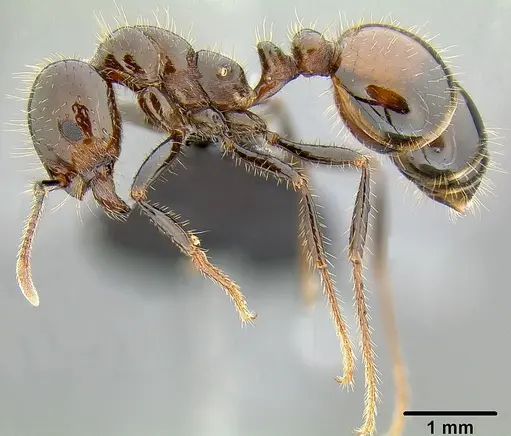
CASENT0908801
View on AntWeb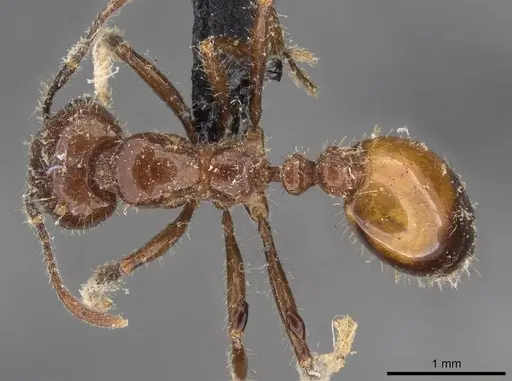
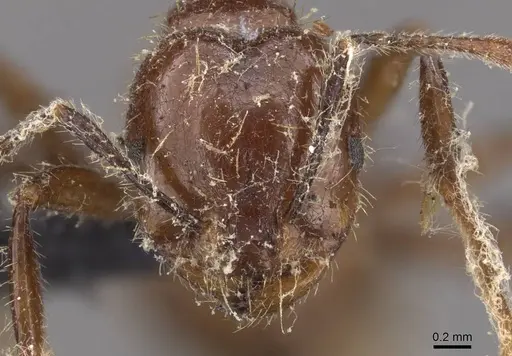
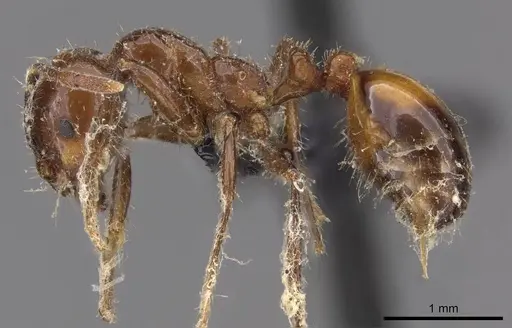
CASENT0908802
View on AntWeb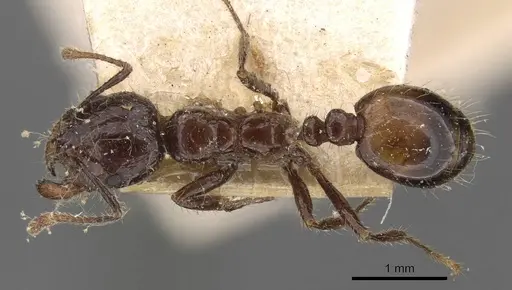
CASENT0913928
View on AntWeb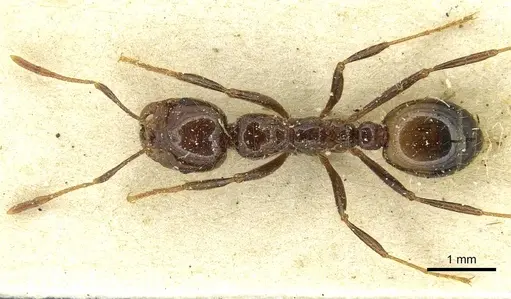
Literature
Loading distribution map...Loading products...