
Solenopsis pygmaea
- Sci. Name
- Solenopsis pygmaea
- Tribe
- Solenopsidini
- Subfamily
- Myrmicinae
- Author
- Forel, 1901
- Distribution
- Found in 12 countries
Introduction
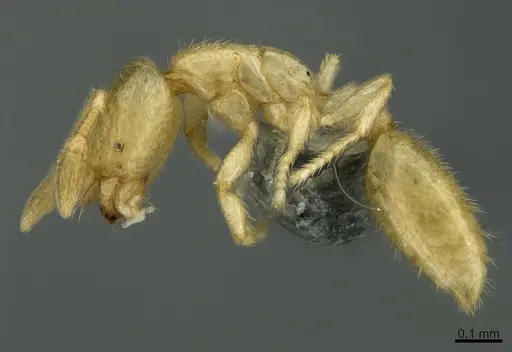
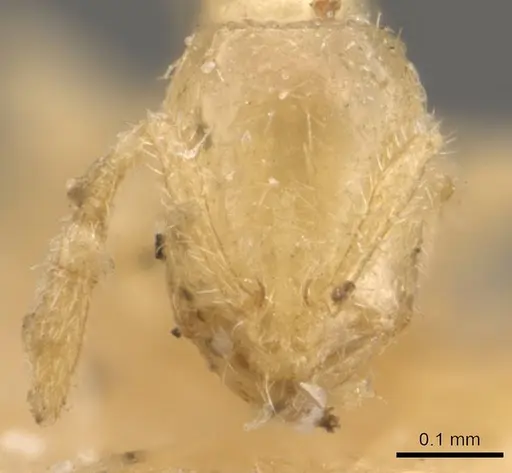
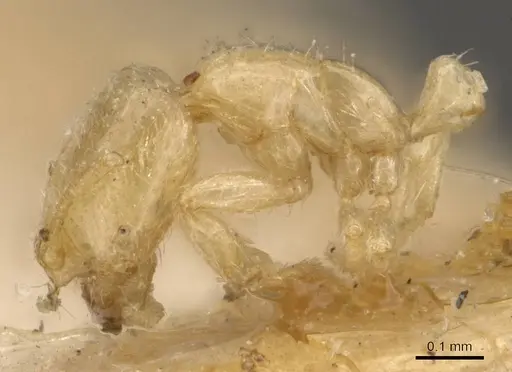
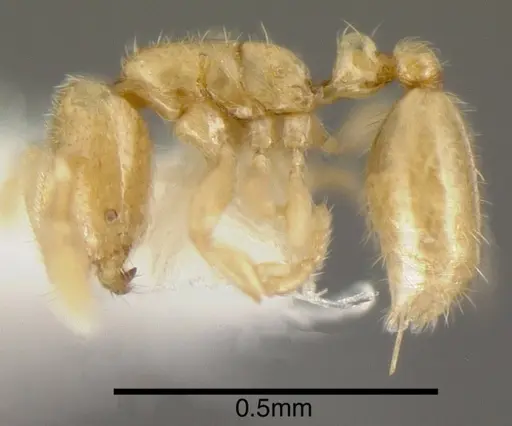
Solenopsis pygmaea is a tiny thief ant native to the Neotropical region, found across the Caribbean islands and Central America from Texas to Colombia . Workers are among the smallest ants you'll encounter - they measure just under 1.1 mm and are a pale, concolorous yellow . Queens are much larger at around 5 mm and are medium brown with a lighter brown to black gaster . This species nests underground in soil, typically in tropical rainforest habitats at low elevations . What sets them apart is their extremely small size and classic thief ant behavior - they raid the nests of other ant species to steal brood and food, and they defend themselves with a sting .
Quick Summary
- Difficulty: Medium
- Origin & Habitat: Native to the Neotropical region, found across the Caribbean (Barbados, Grenada, Guadeloupe, Haiti, Puerto Rico, Saint Vincent and the Grenadines) and Central America (Guatemala, Mexico) [1]. They live in tropical rainforest environments, nesting in soil at low elevations of 11-69 m [1]. They have been collected using subterranean baits in clay and rocky loam soils [1].
- Colony Type: Unconfirmed, likely monogyne (single queen) based on typical Solenopsis patterns, but not directly documented. The original type material described 'several nests of perhaps 150 each' [1].
- Size & Growth:
- Queen: Approximately 5 mm (4.92 mm in total length) [1]
- Worker: 0.96-1.08 mm (total length) [1], with one source reporting an average of 1.03 mm [2]
- Colony: Up to approximately 150 workers based on original nest descriptions [1]
- Growth: Moderate, small colony size suggests moderate growth rate
- Development: Unknown, no documented data for this species, estimated 6-8 weeks based on typical small Solenopsis development at tropical temperatures. (Development timeline is not directly documented. The estimate is based on genus-level data for similar small Solenopsis species.)
- Antkeeping:
- Temperature: 24-28°C, these are tropical ants that need warm conditions [1]. Room temperature (22-24°C) often works, but a heating cable on one side of the nest helps maintain optimal warmth. Avoid prolonged temperatures below 20°C.
- Humidity: Keep the nest substrate consistently moist but not waterlogged. They come from tropical rainforests, so moderate to high humidity is best. A test tube setup with a water reservoir or a soil nest that holds moisture works well [1].
- Diapause: No, as a tropical species from the Caribbean and Central America, they do not require hibernation. Keep warm year-round [1].
- Nesting: Underground nester, in captivity they do well in test tube setups or small plaster or Y-tong nests with narrow chambers. Provide a moist substrate layer (sand or soil mix) for them to burrow in. Because of their tiny size, chambers should be small and passages narrow [1].
- Behavior: These are thief ants, they are predatory and raid the nests of other ant species to steal brood and food [1]. Workers are very small and pale yellow, making them nearly invisible. They have a sting but use it rarely and are not aggressive toward humans [1]. They are most active at night and prefer to stay hidden. Escape prevention is critical due to their extremely small size, they can squeeze through gaps smaller than 1 mm.
- Common Issues: escape prevention is critical, they are under 1 mm and can slip through gaps that other ants cannot., their tiny size makes standard ant-keeping barriers ineffective, use fine mesh (0.5 mm or smaller) on all openings., wild-caught colonies may carry parasites, given their habit of raiding other ant nests., slow growth can frustrate keepers, colonies max out at around 150 workers., they need a steady supply of live prey (fruit flies, pinhead crickets), sugar alone is not enough.
Housing and Nest Setup
Solenopsis pygmaea is best housed in small test tube setups or tiny plaster or Y-tong nests because of its minute size. Workers are under 1.1 mm, so standard ant-keeping equipment may have gaps that allow escape [1]. Use test tubes with tightly packed cotton plugs and seal all connections between the outworld and nest with fine mesh (0.5 mm or smaller). A small formicarium with chambers scaled to their tiny size works well, avoid tall, open spaces. Keep the nest area humid with a water reservoir, and provide a small outworld for feeding. Because they are subterranean nesters, they do well with a layer of moist substrate (sand or soil mix) in part of the nest area [1].
Feeding and Diet
As thief ants, Solenopsis pygmaea needs protein-rich foods [1]. Offer small live prey such as fruit flies, pinhead crickets, or tiny insects. They will also scavenge from larger prey items. Sugar sources like honey water or sugar water can be offered but should not be the main food, they prefer protein. In the wild, they raid other ant nests to steal brood and food, so captive colonies need regular protein feedings [1]. Feed small prey items 2-3 times per week, and keep a constant supply of sugar water available. Remove uneaten prey after 24 hours to prevent mold.
Temperature and Seasonal Care
These are tropical ants requiring warm temperatures year-round [1]. Maintain the nest at 24-28°C, this mimics their natural habitat in tropical rainforests of Central America and the Caribbean [1]. Unlike temperate species, they do not require hibernation or diapause [1]. A heating cable placed on one side of the nest can help maintain optimal temperatures, but ensure the other side stays slightly cooler so ants can regulate their temperature. Room temperature (22-24°C) is often adequate, but monitor colony activity to make sure they are thriving. Avoid temperatures below 20°C for extended periods.
Behavior and Temperament
Solenopsis pygmaea is a shy, non-aggressive species that rarely stings [1]. Workers are extremely small and pale yellow, often overlooked in the outworld. Their common name 'thief ant' comes from their behavior of raiding other ant nests to steal brood and food, this predatory instinct carries over to captivity where they will attack and consume small insects [1]. They are not defensive and pose minimal sting risk to keepers. However, their tiny size makes them excellent escape artists. Always use fine mesh (0.5 mm or smaller) and check all seals regularly [1]. They are most active at night and prefer to stay hidden in their nest during the day.
Colony Development
Colonies start with a single queen who likely founds claustrally, sealing herself in a small chamber and raising the first workers on her own body reserves [1]. The founding process likely takes 6-8 weeks based on typical Solenopsis development, though this is not directly documented for this species [1]. Initial colonies grow slowly, the first workers (nanitics) will be very small. Mature colonies reach approximately 150 workers based on field observations of natural nests [1]. Growth is moderate, and colonies are not large compared to many other ant species. Queens are significantly larger than workers (5 mm vs 1 mm) and are much more robust. Nuptial flights occur pre-dawn based on one documented queen flight in Puerto Rico [3].
Frequently Asked Questions
Can I keep Solenopsis pygmaea in a test tube?
Yes, test tubes work well for starting colonies. Use a small test tube with a water reservoir and tightly packed cotton plug. However, because workers are extremely small (under 1.1 mm), you must ensure the cotton is packed tightly and consider adding fine mesh over any air holes. Transfer to a small formicarium once the colony reaches 30-50 workers.
How long does it take for Solenopsis pygmaea to produce first workers?
This is not documented for this species. Based on typical patterns for small Solenopsis, it likely takes 6-8 weeks from egg to first worker at optimal tropical temperatures (24-28°C). The queen will seal herself in during founding and raise the first brood alone.
What do Solenopsis pygmaea eat?
They are predatory thief ants that need protein-rich foods [1]. Feed small live prey like fruit flies, tiny crickets, or small insects. They also accept sugar sources like honey water or sugar water, but protein should be their primary food. Remove uneaten prey after 24 hours to prevent mold.
Are Solenopsis pygmaea good for beginners?
They are moderate difficulty, not the best choice for complete beginners because their tiny size makes escape prevention challenging. They are forgiving of temperature variations within the tropical range and do not require hibernation. The main challenge is ensuring they cannot escape.
How big do Solenopsis pygmaea colonies get?
Colonies reach approximately 150 workers based on original type material descriptions of natural nests [1]. This is relatively small compared to many other ant species. They remain compact colonies throughout their life.
Do Solenopsis pygmaea need hibernation?
No, as a tropical species from the Caribbean and Central America, they do not require hibernation [1]. Keep them warm year-round at 24-28°C. Do not expose them to temperatures below 20°C for extended periods.
Why are my Solenopsis pygmaea escaping?
Their extremely small size (under 1.1 mm) allows them to squeeze through gaps that other ants cannot [1]. Use fine mesh (0.5 mm or smaller), pack cotton tightly in test tubes, and check all connections between nest and outworld. Even small gaps around cables or tubing can allow escape.
When should I move Solenopsis pygmaea to a formicarium?
Move them when the colony reaches 30-50 workers or when the test tube water supply needs frequent refilling. Use a small formicarium with appropriately sized chambers, their tiny size means standard chambers may be too large and open.
Can I keep multiple Solenopsis pygmaea queens together?
Not recommended, combining unrelated queens of this species has not been documented. In the wild, colonies appear to have single queens. If you obtain multiple foundress queens, keep them in separate setups until you determine if they will tolerate each other, which is unlikely.
Report an Issue
The current care sheet is based fully on literature. See inconsistencies, or something that's incorrect? Please , it will be resolved after review from an admin. Contributing to the blogs tab also helps providing information, to make us be able to further improve the caresheets. Thank you for your support!
References

This caresheet is licensed under CC BY-SA 4.0 .
Community Blogs
CASENT0766360
View on AntWeb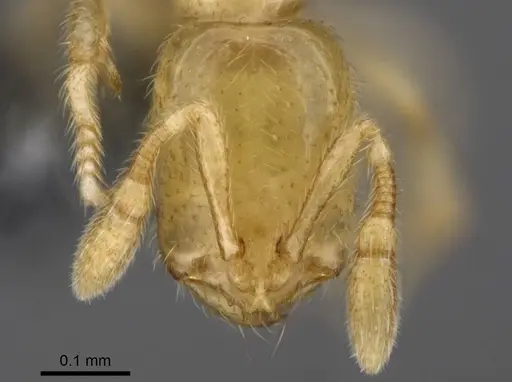
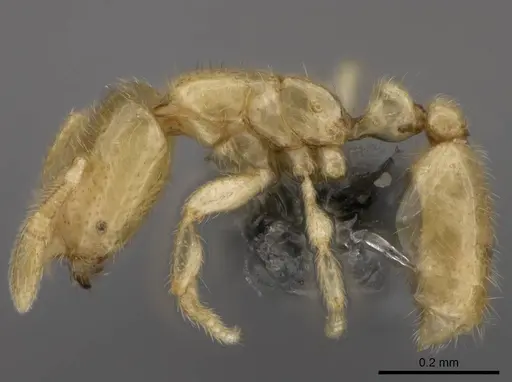
CASENT0767576
View on AntWeb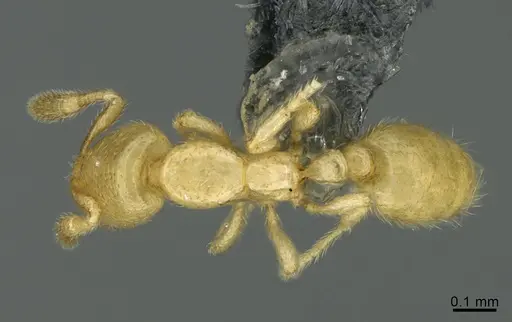
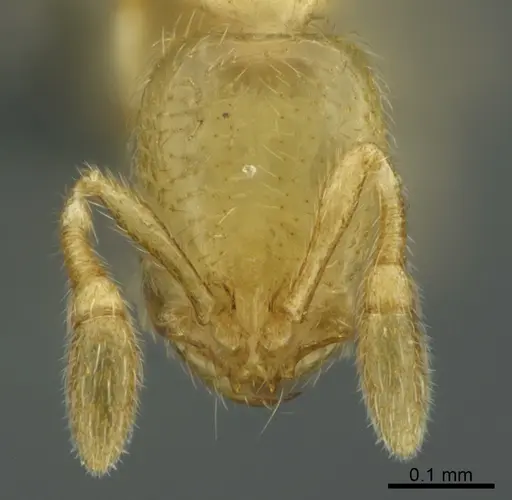
CASENT0908847
View on AntWeb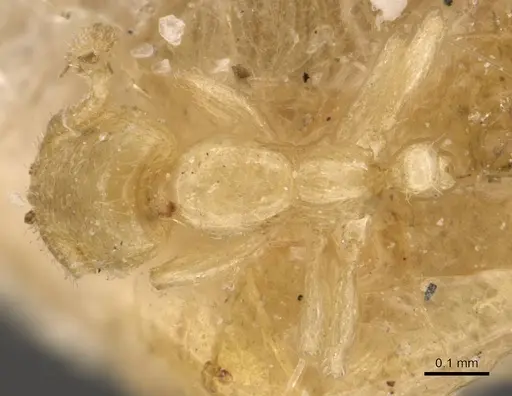
INBIOCRI001281610
View on AntWeb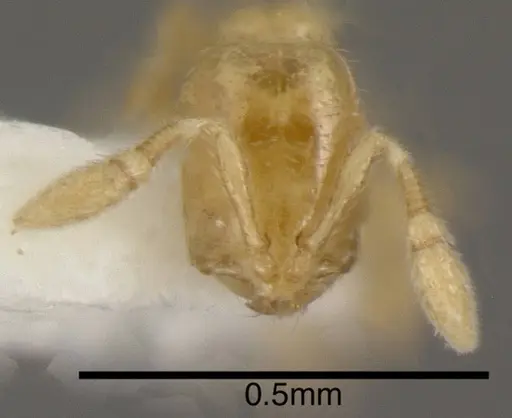
Literature
Loading distribution map...Loading products...