
Yellow Fire Ant
Solenopsis punctaticeps
- Sci. Name
- Solenopsis punctaticeps
- Tribe
- Solenopsidini
- Subfamily
- Myrmicinae
- Author
- Mayr, 1865
- Common Name
- Yellow Fire Ant
- Distribution
- Found in 5 countries
Introduction
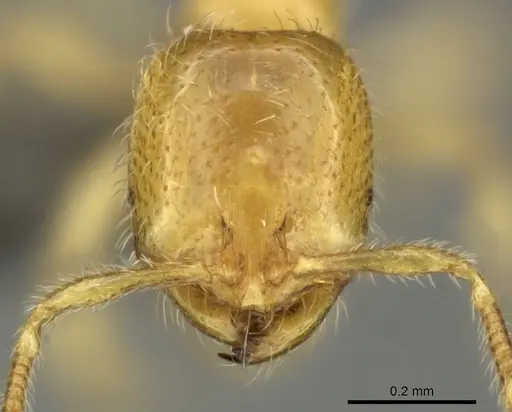
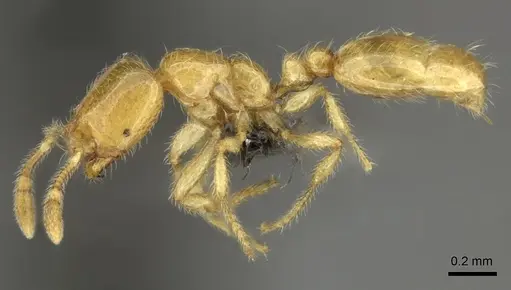
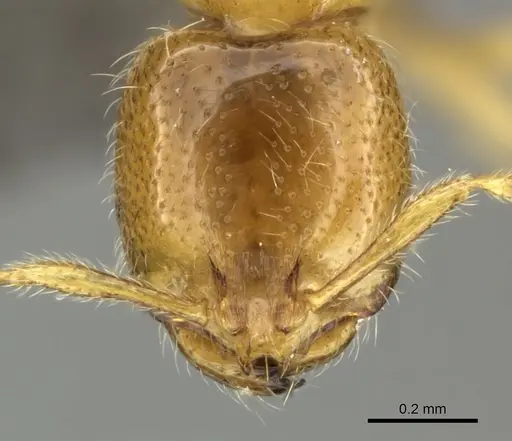
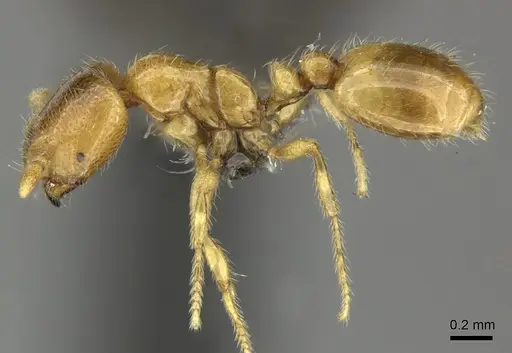
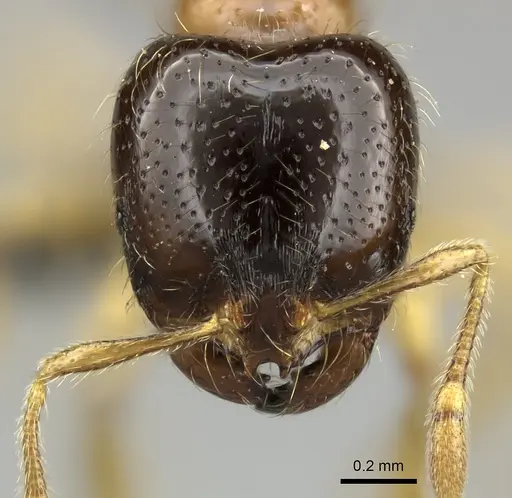
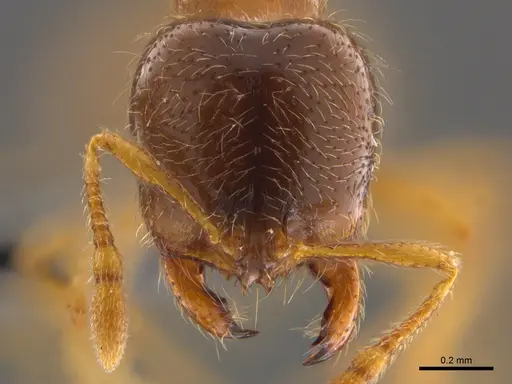
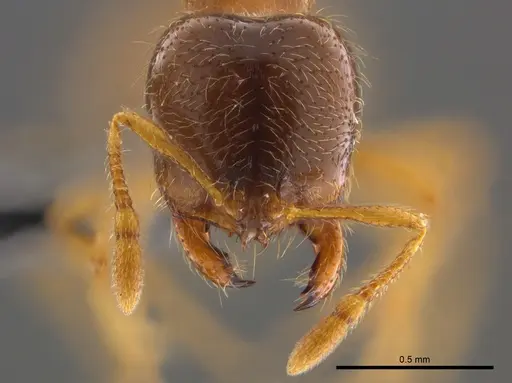
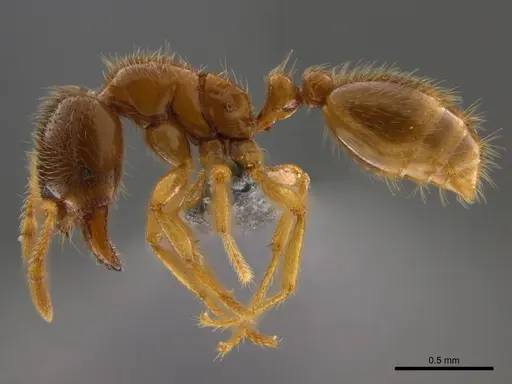
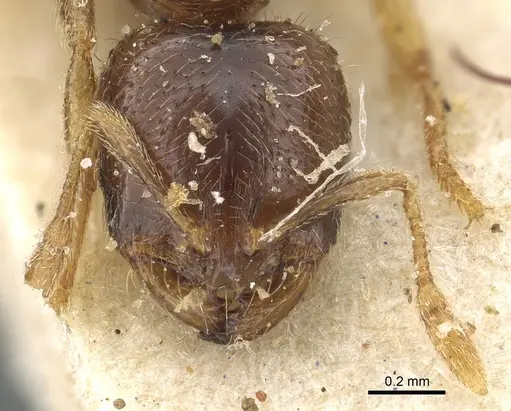
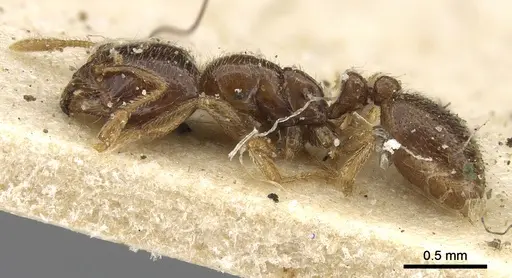
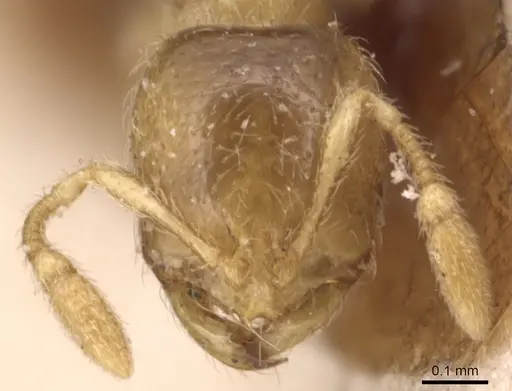
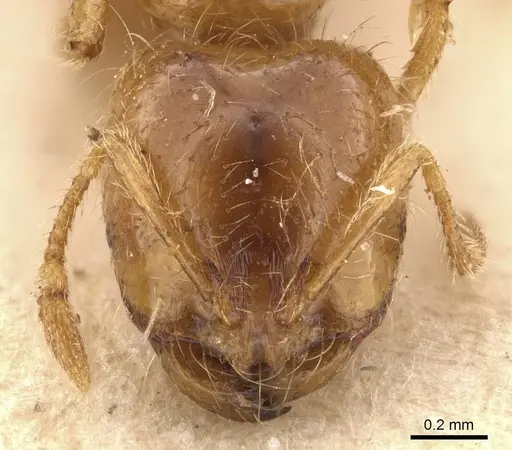
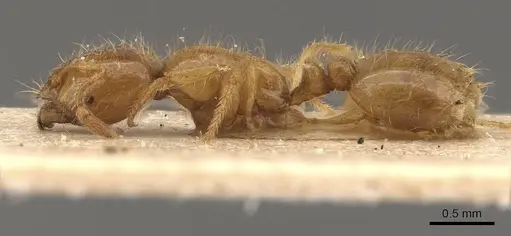
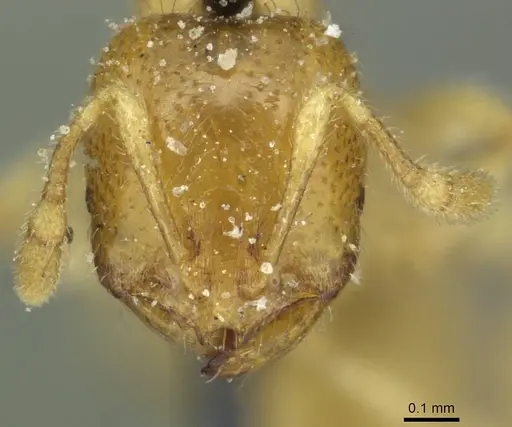
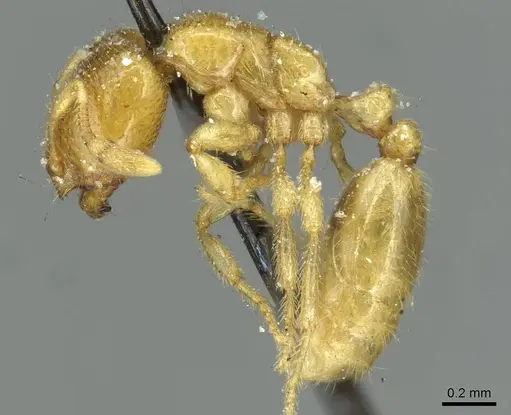
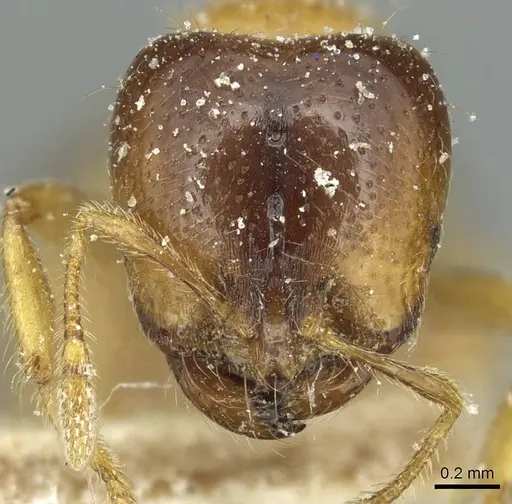
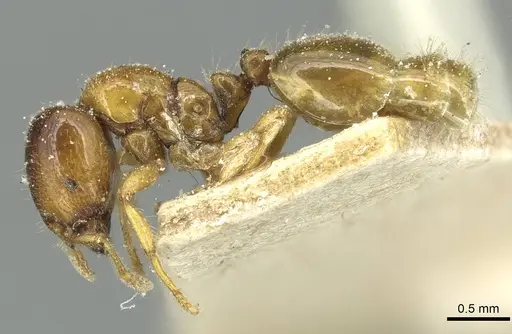
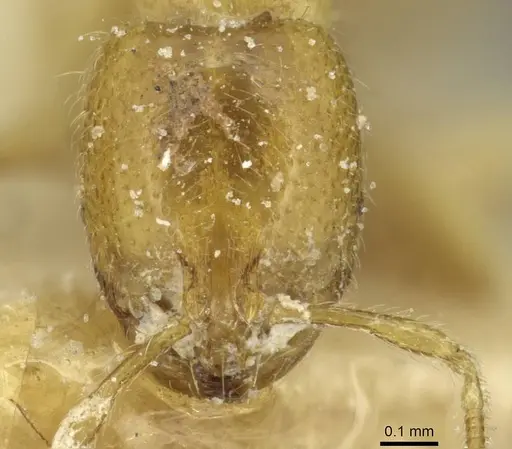
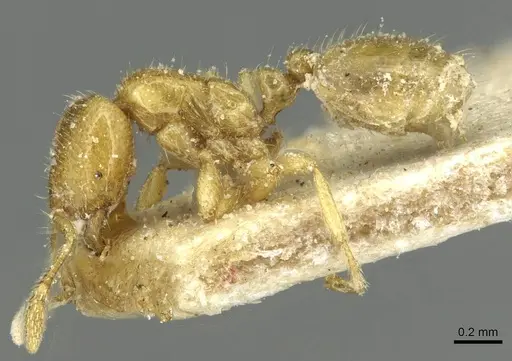
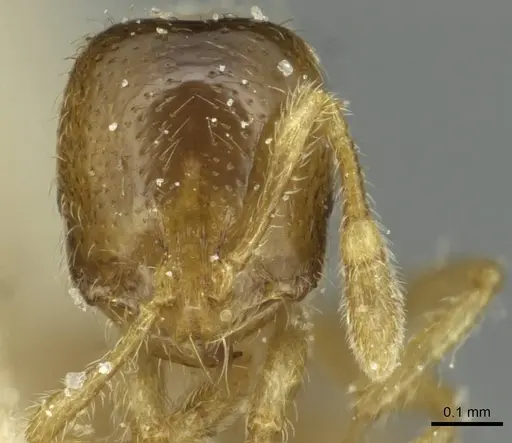
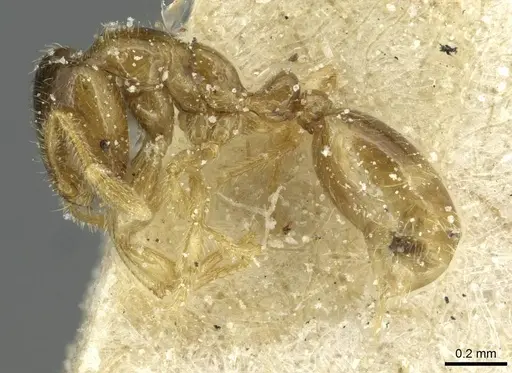
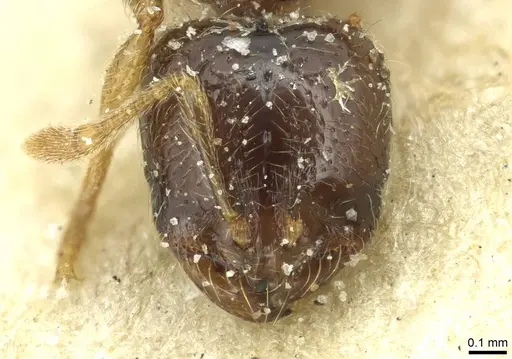
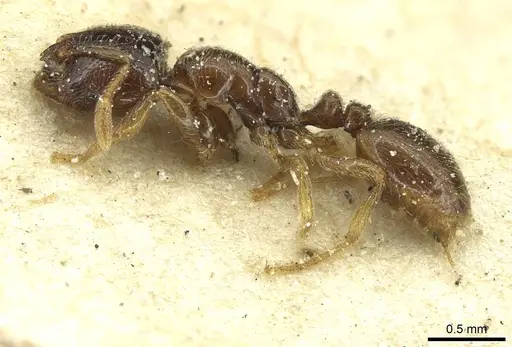
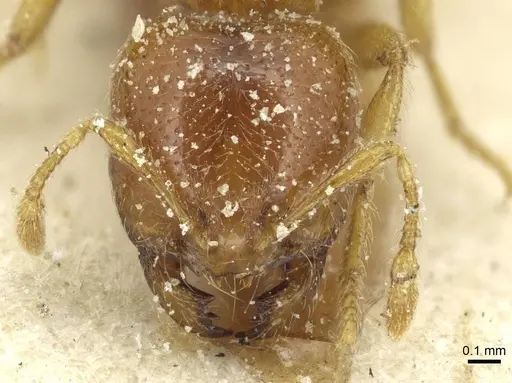
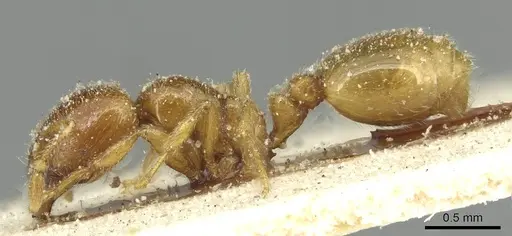
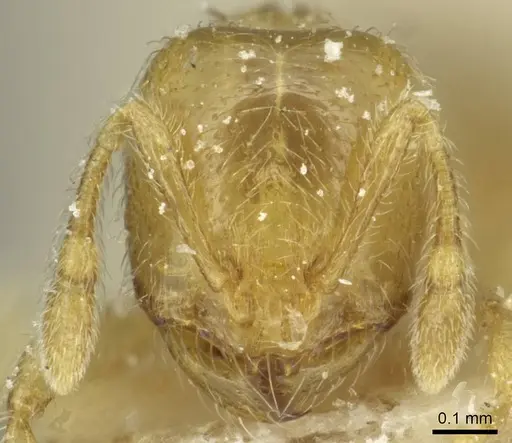
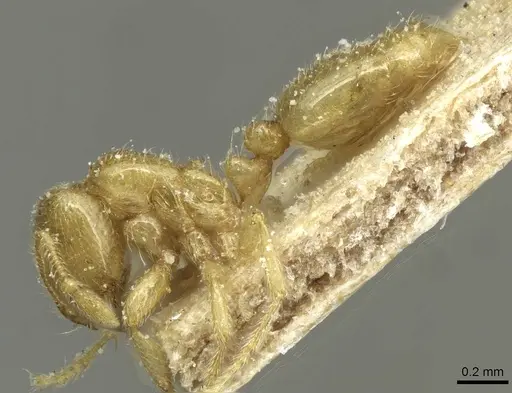
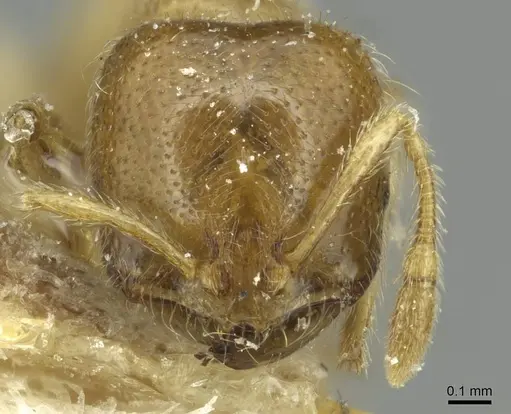
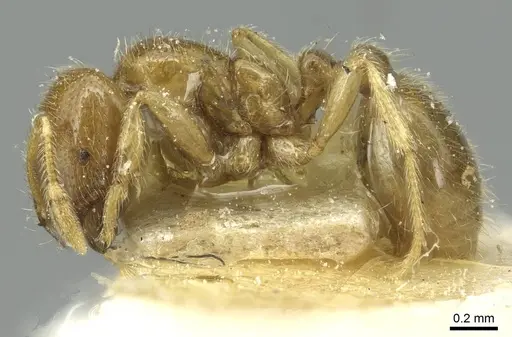
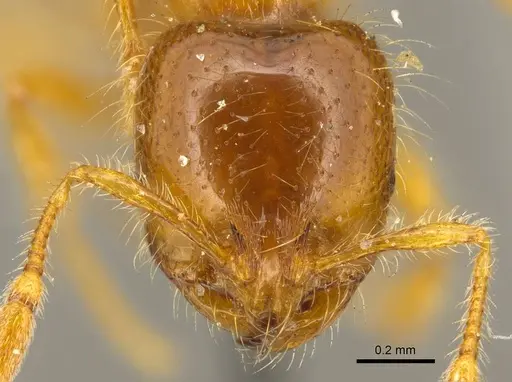
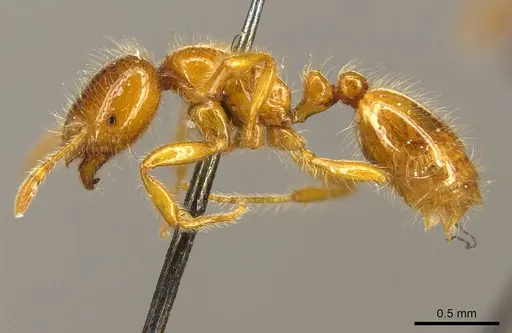
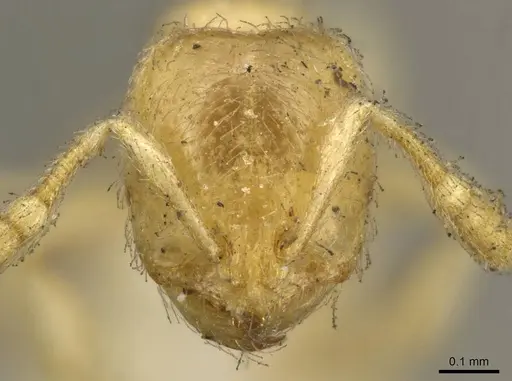
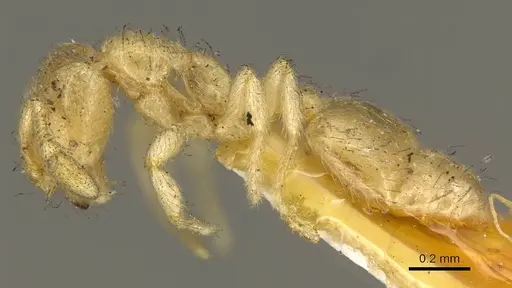
Solenopsis punctaticeps is a small ant species native to the Afrotropical region, found across southern and eastern Africa including South Africa, Rwanda, Kenya, and the Democratic Republic of Congo . Workers have the typical reddish-yellow to brown coloration common in fire ants. This species belongs to the Myrmicinae subfamily and the Solenopsidini tribe, a group known for aggressive, stinging ants . Solenopsis punctaticeps has been documented in a wide range of habitats, from fynbos vegetation in the South African Cape Floristic Region to tropical rainforests in Rwanda . It is found in both natural and disturbed areas, including rehabilitated grasslands and ash dams, suggesting it adapts well to human-modified landscapes .
Quick Summary
- Difficulty: Medium
- Origin & Habitat: Afrotropical region, native to southern and eastern Africa including South Africa, Rwanda, Kenya, Democratic Republic of Congo, Mozambique, Tanzania, and Guinea [1]. Found in fynbos habitats (Strandveld, Restioid Fynbos, Proteoid Fynbos, Ericaceous Fynbos, Alpine Fynbos) and tropical rainforests [4][3].
- Colony Type: Colony structure is unconfirmed, not specifically studied for this species. Based on typical Solenopsis patterns, likely single-queen colonies, but this requires verification.
- Size & Growth:
- Queen: Size data unavailable, no direct measurements exist.
- Worker: Size data unavailable, no direct measurements exist.
- Colony: Unknown for this specific species, related fire ants may reach several thousand workers, but no data for Solenopsis punctaticeps.
- Growth: Unknown, not documented. Inferred to be moderate based on related species, but unconfirmed.
- Development: Unknown, not documented for this species. Based on related Solenopsis, may take 5-8 weeks, but this is speculative. (No species-specific development data is available. All estimates are from related fire ants and may not apply.)
- Antkeeping:
- Temperature: Exact temperature needs are unknown. Based on warm African habitats, likely 24-28°C. Use a heating cable to create a gradient and monitor ant behavior. Avoid extended periods below 20°C.
- Humidity: Provide a humidity gradient: keep the nest substrate moist but not waterlogged, while allowing a drier outworld. The species occurs in both fynbos (often dry) and rainforest (wet), so it likely adapts to various moisture levels [4][3].
- Diapause: No, as an Afrotropical species, it does not require hibernation. Keep warm year-round.
- Nesting: In captivity, use test tubes for founding colonies. For established colonies, Y-tong, plaster, or soil nests work well. Provide dark, enclosed spaces. Use moist substrate for brood chambers, but ensure ventilation.
- Behavior: Solenopsis punctaticeps has a functional stinger (as typical for Myrmicinae/Solenopsidini) and will defend the nest aggressively when disturbed. They recruit heavily to food sources and form visible foraging trails. Workers are small but persistent. Escape prevention is critical: use fluon on test tube rims and fine mesh on all openings.
- Common Issues: escape prevention is critical due to their small size, they can squeeze through tiny gaps., stinging behavior requires caution during maintenance, they will attack when the nest is disturbed., Bacillus thuringiensis toxins are toxic to this species, avoid contaminated food sources [6]., slow colony growth may frustrate beginners, colony development times are unknown and may be slow., specific optimal conditions (temperature, humidity) are not well documented, so adjustments may be needed.
Temperature and Care
Solenopsis punctaticeps comes from warm African habitats, so likely prefers temperatures around 24-28°C, though precise requirements are unknown. Use a heating cable on one side of the nest to create a temperature gradient, allowing ants to regulate themselves. Avoid temperatures below 20°C for extended periods. In cooler climates, supplemental heating may be needed. Their presence in fynbos and rainforest suggests they can tolerate some variation [4][3].
Humidity and Nesting
Provide a humidity gradient: keep the nest substrate consistently moist but not waterlogged, with a drier outworld. This mimics their natural habitat diversity (fynbos and rainforest) [4][3]. For founding colonies, test tubes with an adequate water reservoir work well. Once established, use Y-tong, plaster, or soil nests with a moisture chamber. Avoid acrylic nests. Offer a water tube in the outworld for drinking.
Feeding and Diet
Diet has not been specifically documented for Solenopsis punctaticeps. Based on typical Solenopsis, they are likely omnivores. Offer sugar water, honey, or diluted maple syrup as constant carbohydrate sources. For protein, provide small insects like fruit flies, pinhead crickets, or mealworms. Feed protein 2-3 times per week, and remove uneaten prey after 24 hours to prevent mold. They may also tend aphids for honeydew.
Behavior and Temperament
This species is aggressive and has a functional stinger (Myrmicinae/Solenopsidini). Workers will attack when the nest is disturbed, and their sting can be painful, handle with care. They recruit efficiently to food sources, forming visible trails. Escape prevention is essential due to their small size, use fluon on test tube rims and fine mesh on all openings. Their small size makes them adept at squeezing through gaps. [2]
Colony Development
Colony growth rates are unknown for this species. No specific data on development timelines or colony sizes exist. Be patient and monitor the colony. Early growth may seem slow until the first workers appear. Based on related Solenopsis species, expect at least a few months before the colony is established. Avoid disturbing the queen during founding.
Legal and Ethical Considerations
Solenopsis punctaticeps is native to the Afrotropical region and should not be released outside its native range. If you keep this species, ensure absolute containment, they are not established in Europe, North America, or other regions. Always purchase from reputable suppliers who breed in captivity rather than wild-collecting. Wild collection can harm local ecosystems and may be illegal in protected areas.
Frequently Asked Questions
How long does it take for Solenopsis punctaticeps to produce first workers?
This is not documented for Solenopsis punctaticeps. Based on related Solenopsis species, first workers may emerge in 5-8 weeks after the queen lays eggs at optimal temperatures, but this is speculative. Monitor the colony and wait patiently.
What temperature do Solenopsis punctaticeps need?
Exact temperature requirements are unknown. Based on their native warm African habitats, try to keep them at 24-28°C. Use a heating cable to create a gradient. Avoid temperatures below 20°C.
Are Solenopsis punctaticeps good for beginners?
This species is rated medium difficulty. Their stinging behavior and unknown specific care requirements make them better suited for keepers with some experience. Beginners are advised to start with more docile species.
How big do Solenopsis punctaticeps colonies get?
The maximum colony size is undocumented. Related fire ants may reach several thousand workers, but there is no specific data for this species. Expect moderate growth under good conditions.
Can I keep multiple queens together in one colony?
The colony structure of Solenopsis punctaticeps has not been studied, so multiple queens are not recommended. Most Solenopsis species are single-queen. If you have multiple foundresses, house them separately to avoid conflict.
What do Solenopsis punctaticeps eat?
Their specific diet is not documented. As likely omnivores, offer sugar water, honey, or maple syrup for carbohydrates, and small insects (fruit flies, pinhead crickets) for protein. Feed protein 2-3 times per week.
Do Solenopsis punctaticeps need hibernation?
No, they do not require hibernation. As an Afrotropical species, they prefer warm conditions year-round. Keep them at normal temperatures throughout the year.
Why are my Solenopsis punctaticeps escaping?
Their small size means they can squeeze through tiny gaps. Use fluon on test tube rims, fine mesh on ventilation, and check all seals regularly. Escape prevention is critical for this species.
When should I move my colony to a formicarium?
Specific timing is not documented. Wait until the colony outgrows the test tube or you see workers avoiding the water chamber. A colony of at least 50-100 workers is typically ready for a Y-tong, plaster, or soil nest.
Report an Issue
The current care sheet is based fully on literature. See inconsistencies, or something that's incorrect? Please , it will be resolved after review from an admin. Contributing to the blogs tab also helps providing information, to make us be able to further improve the caresheets. Thank you for your support!
References

This caresheet is licensed under CC BY-SA 4.0 .
Community Blogs
CASENT0235710
View on AntWeb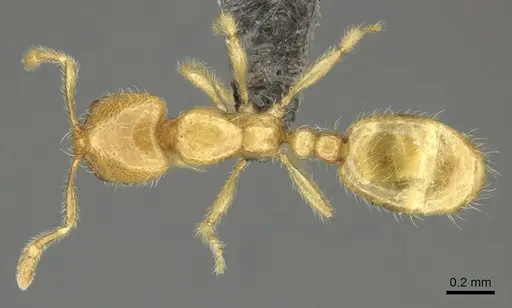
CASENT0235711
View on AntWeb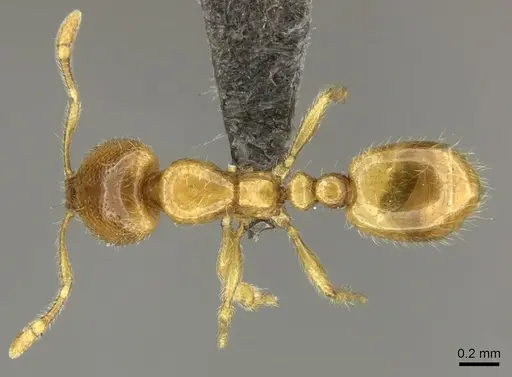
CASENT0235999
View on AntWeb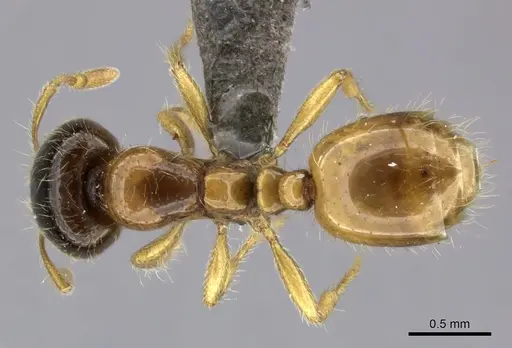
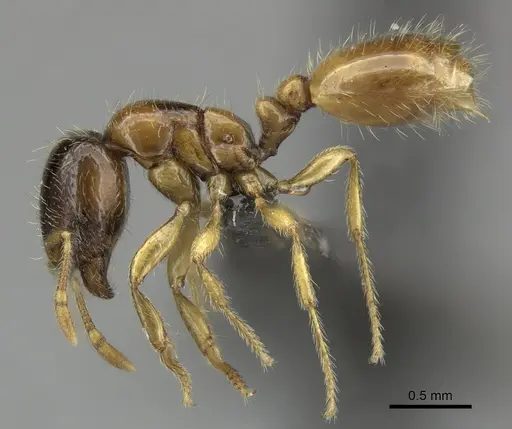
CASENT0249000
View on AntWeb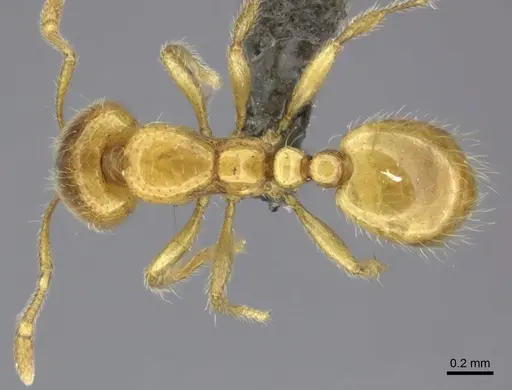
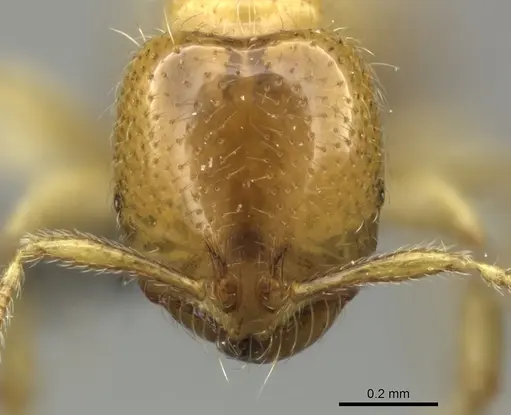
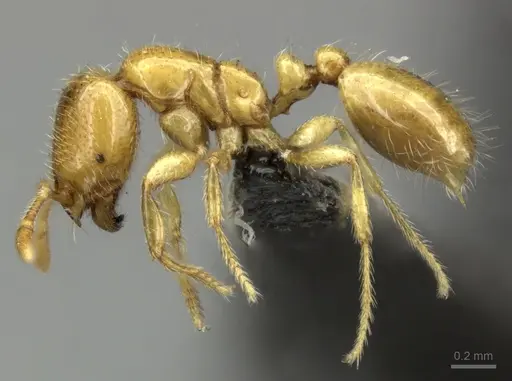
CASENT0258782
View on AntWeb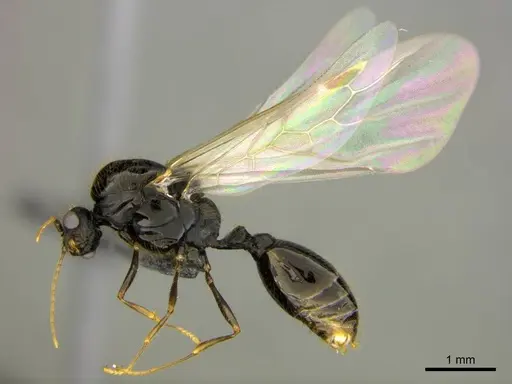
CASENT0258816
View on AntWeb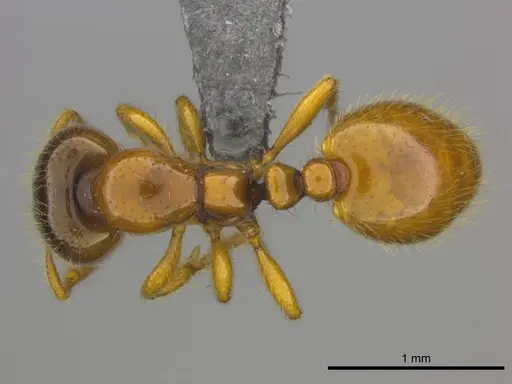
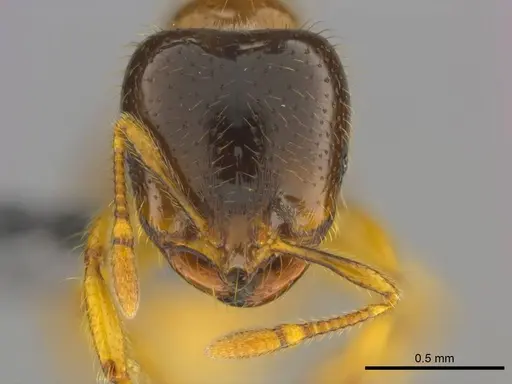
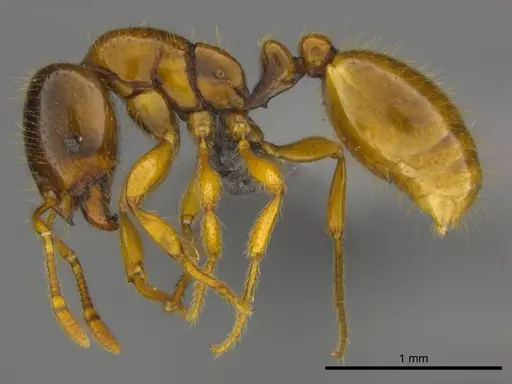
CASENT0774188
View on AntWeb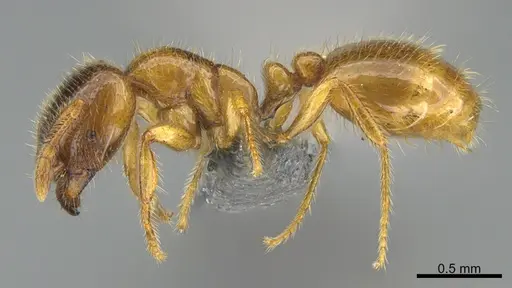
CASENT0812081
View on AntWeb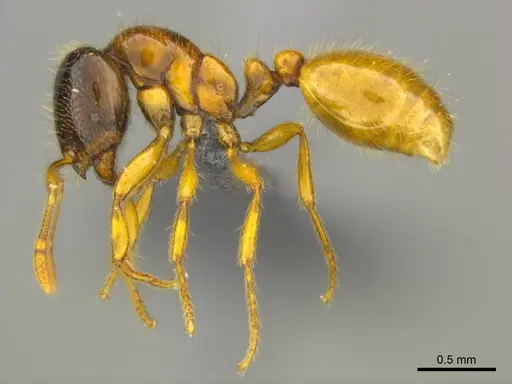
CASENT0812095
View on AntWeb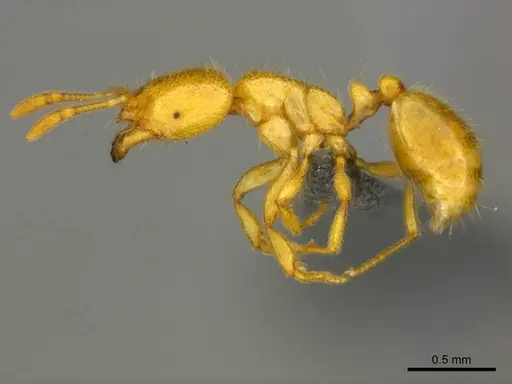
CASENT0812099
View on AntWeb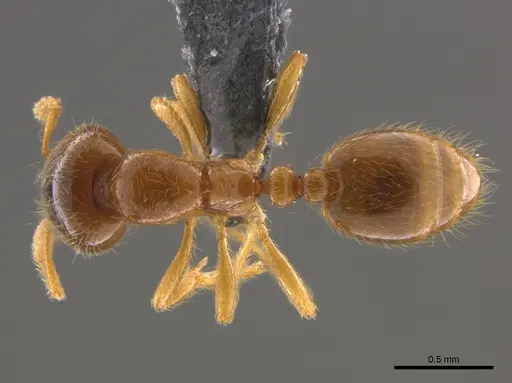
CASENT0812112
View on AntWeb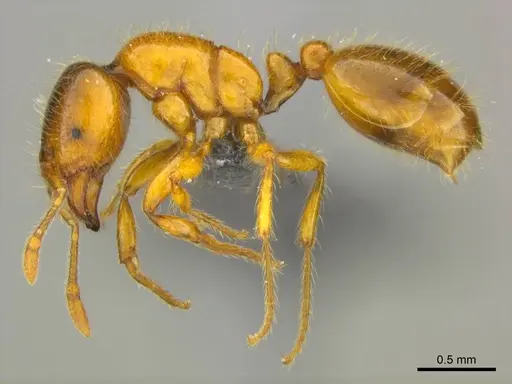
CASENT0812118
View on AntWeb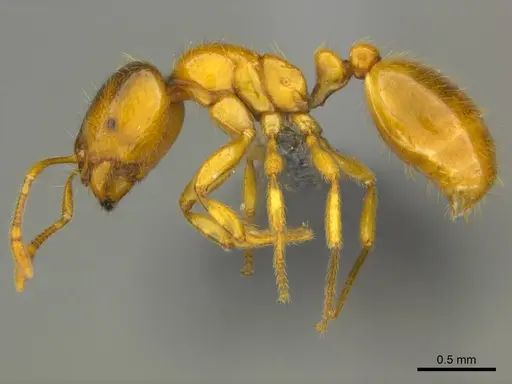
CASENT0902359
View on AntWeb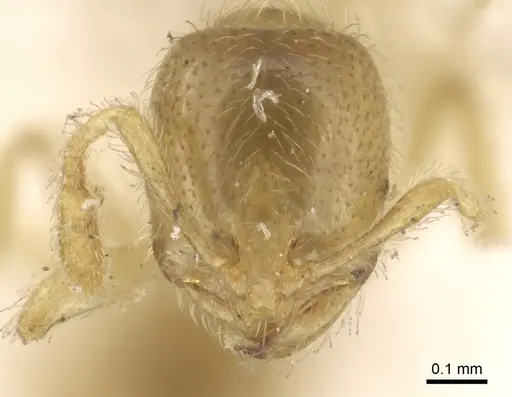
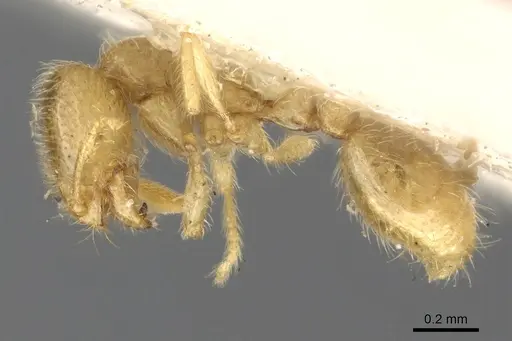
CASENT0902360
View on AntWeb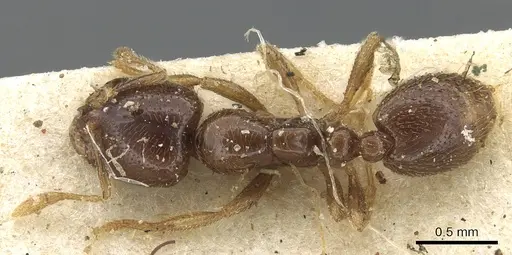
CASENT0904644
View on AntWeb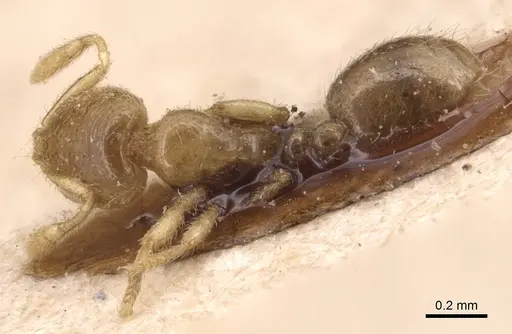
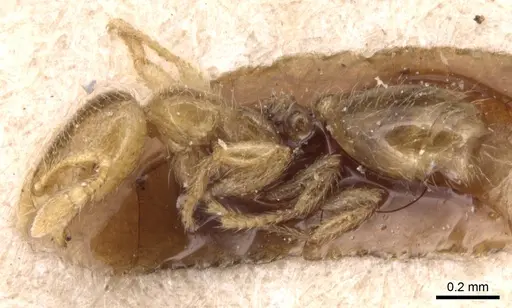
CASENT0908871
View on AntWeb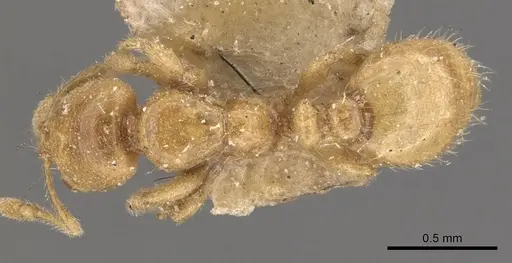
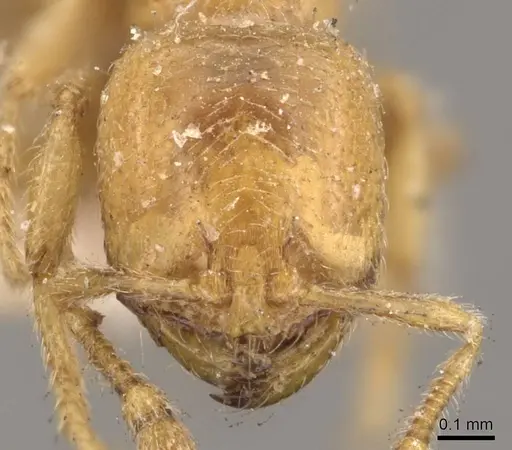
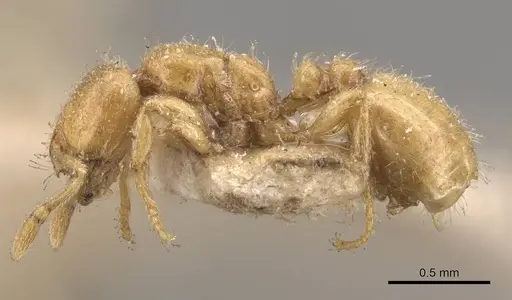
CASENT0908872
View on AntWeb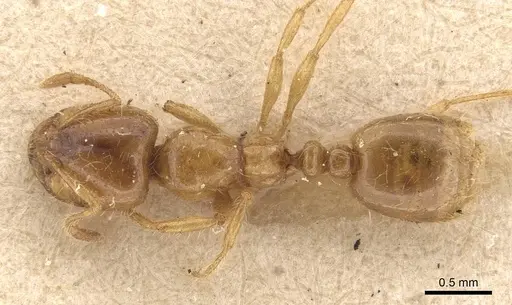
CASENT0913918
View on AntWeb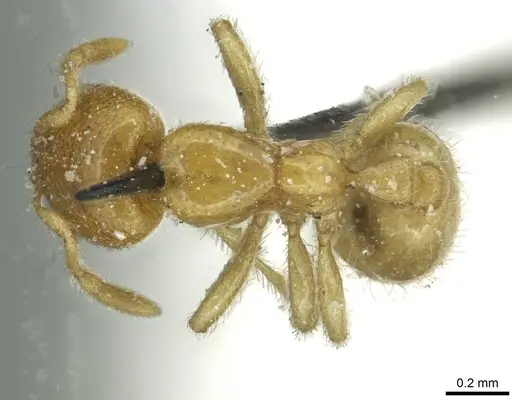
CASENT0913919
View on AntWeb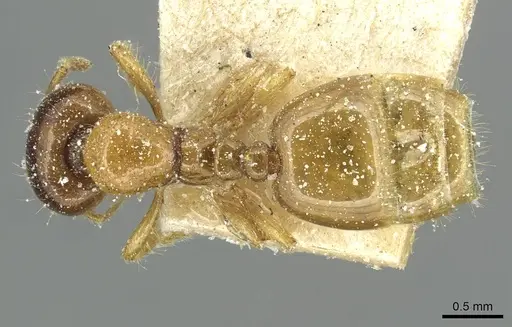
CASENT0913920
View on AntWeb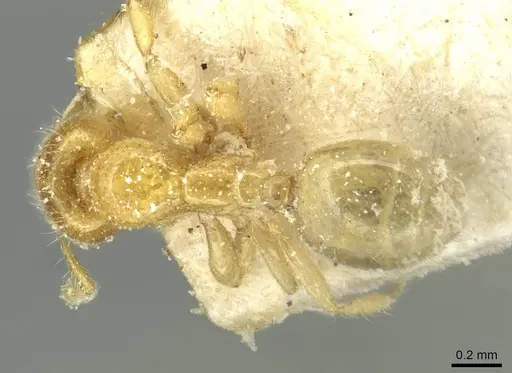
CASENT0913921
View on AntWeb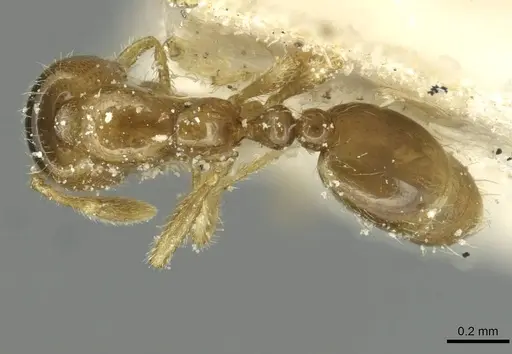
CASENT0913922
View on AntWeb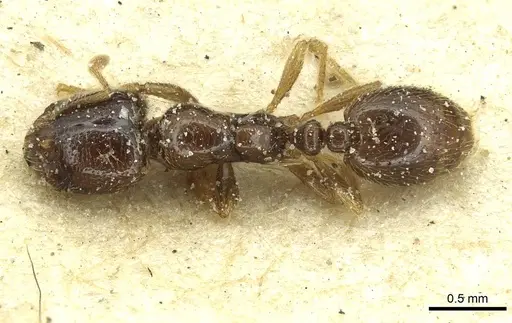
CASENT0913923
View on AntWeb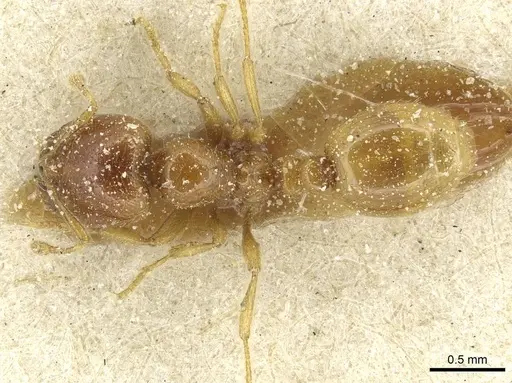
CASENT0913924
View on AntWeb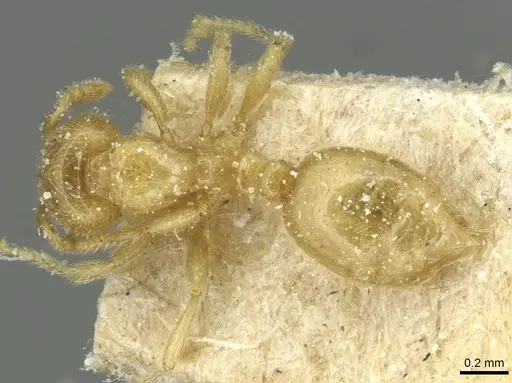
CASENT0913925
View on AntWeb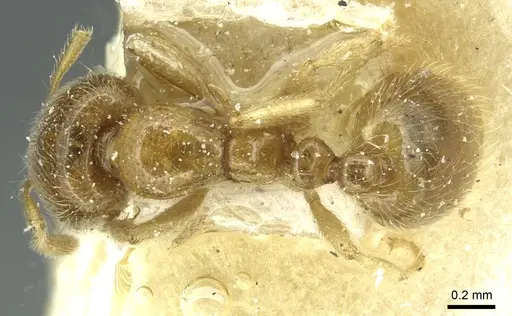
CASENT0916023
View on AntWeb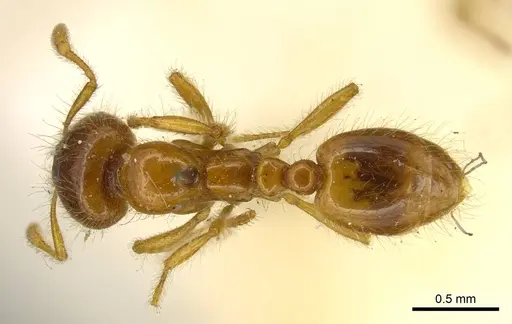
CASENT0916027
View on AntWeb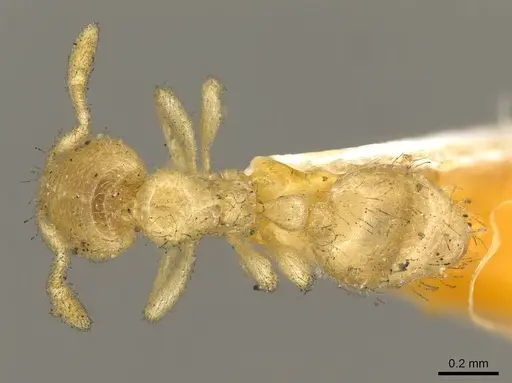
Literature
Loading distribution map...Loading products...