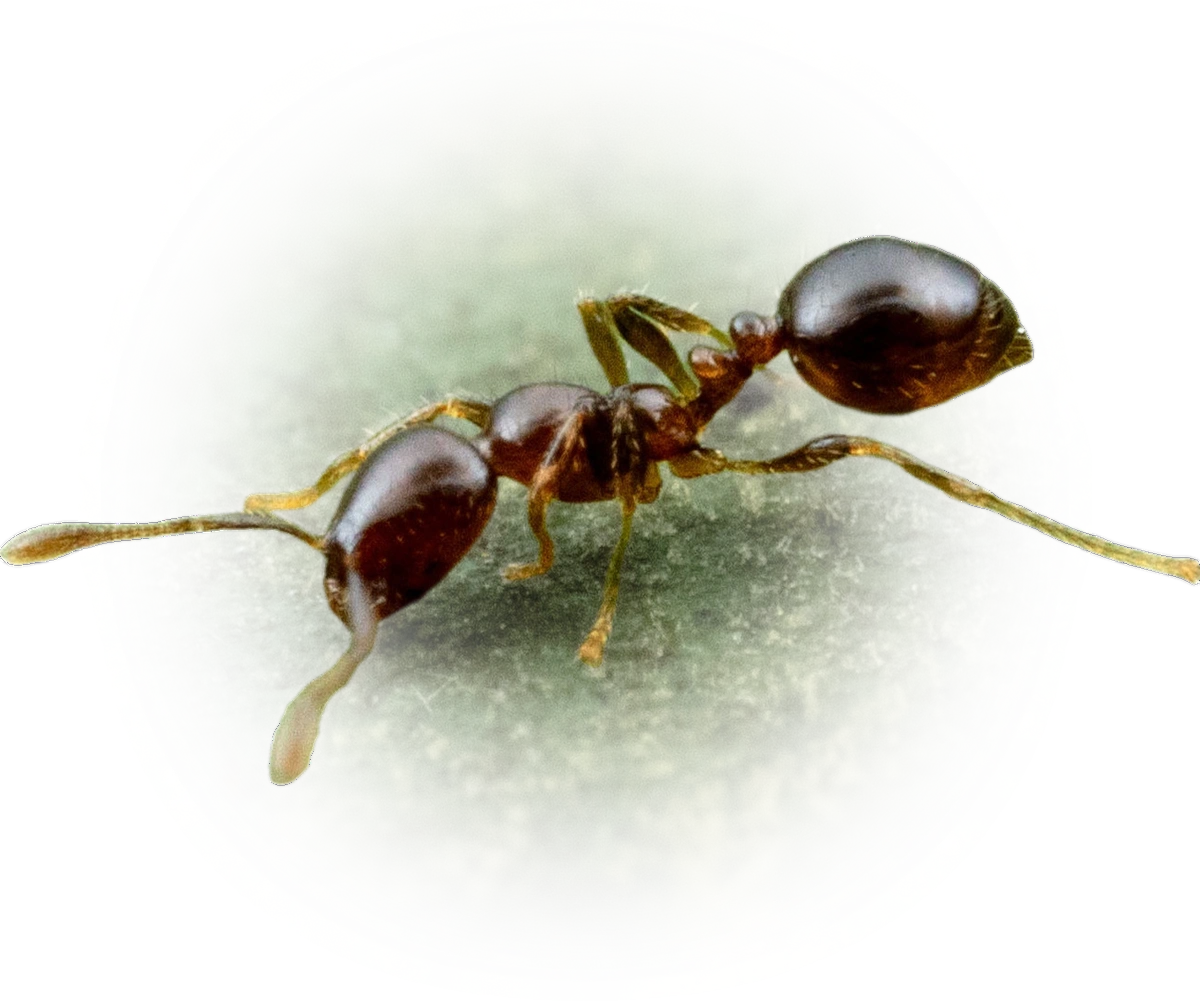
Solenopsis picea
- Sci. Name
- Solenopsis picea
- Tribe
- Solenopsidini
- Subfamily
- Myrmicinae
- Author
- Emery, 1896
- Distribution
- Found in 5 countries
Introduction
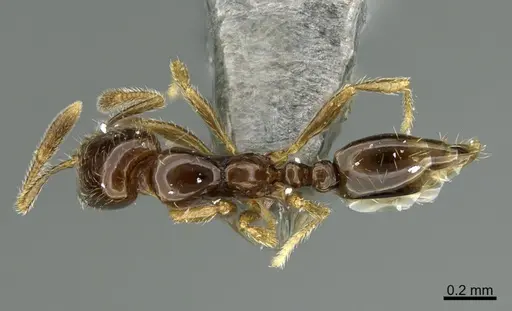
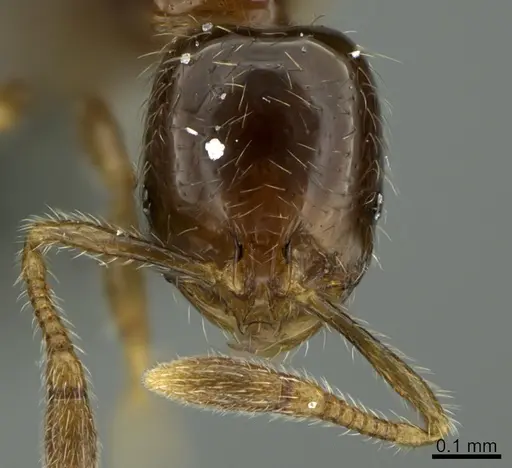
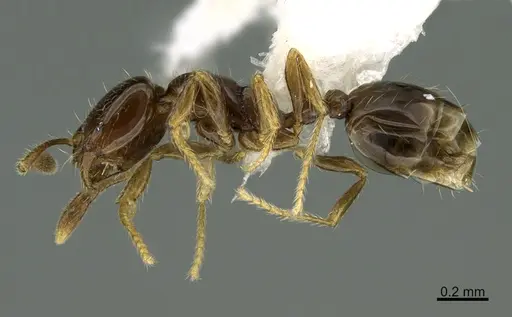
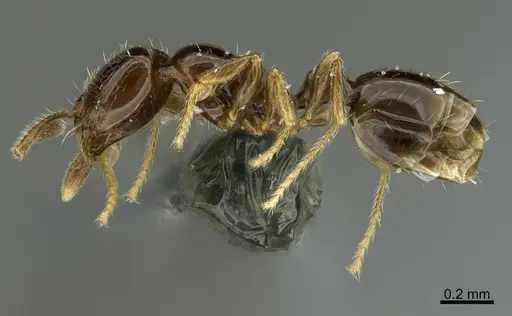
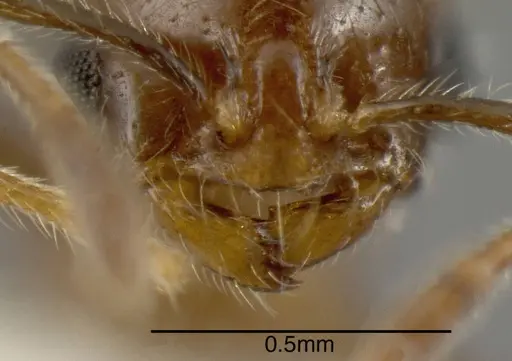
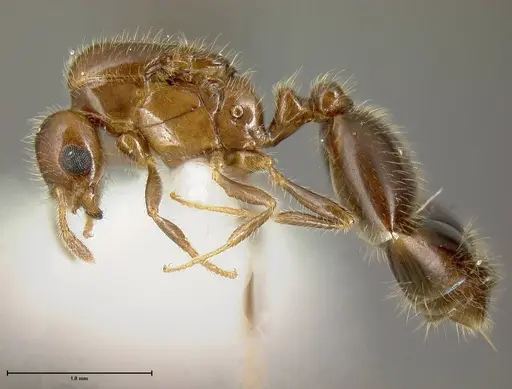
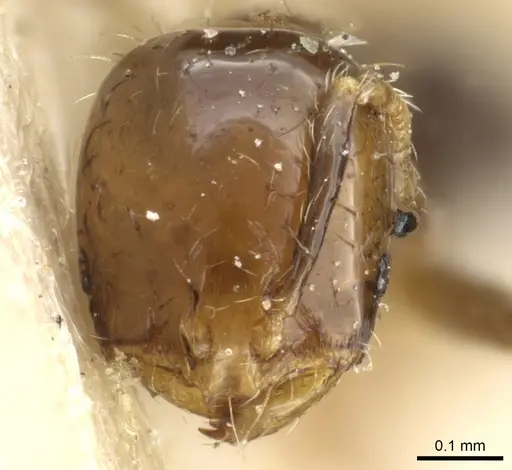
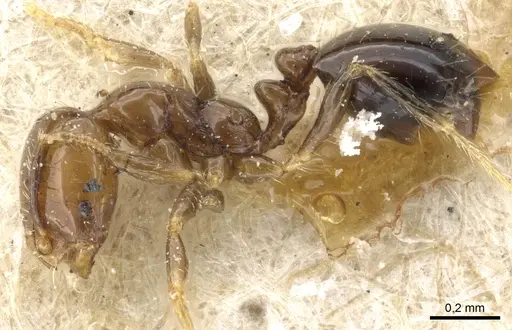
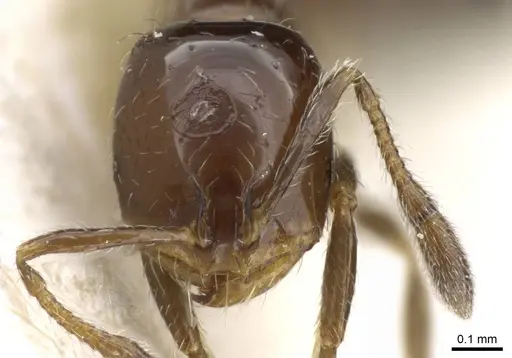
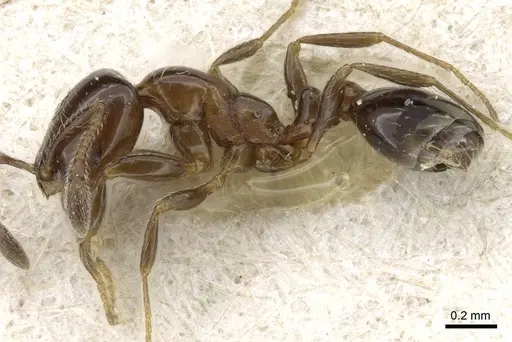
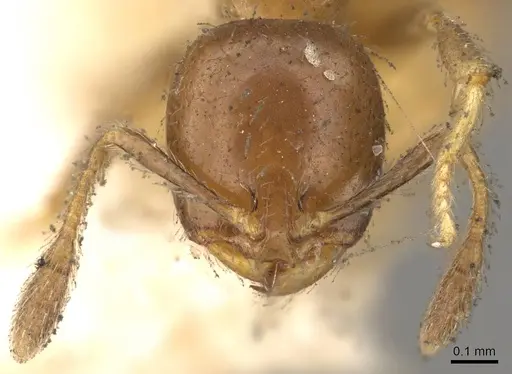
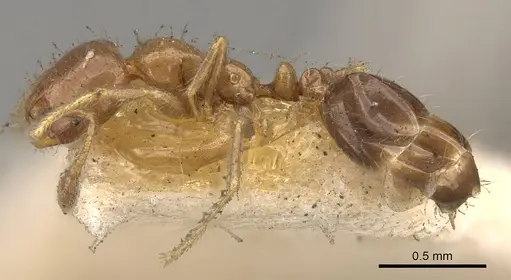
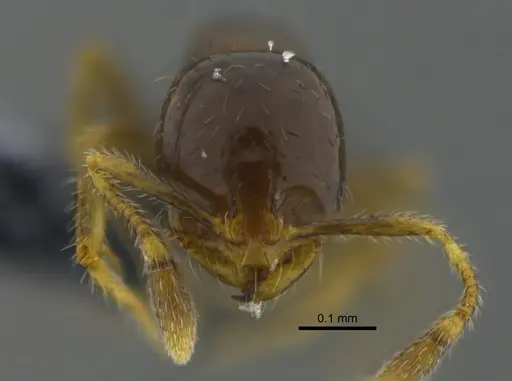
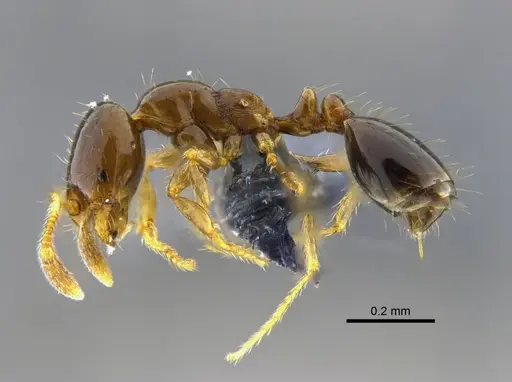
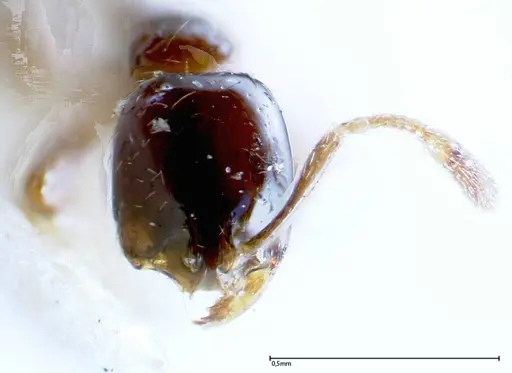
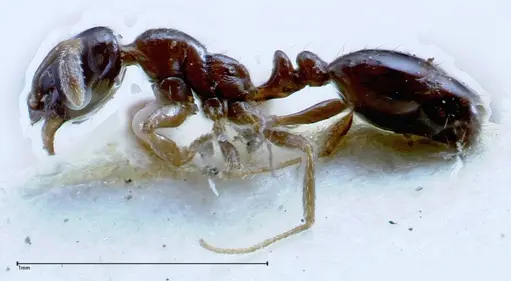
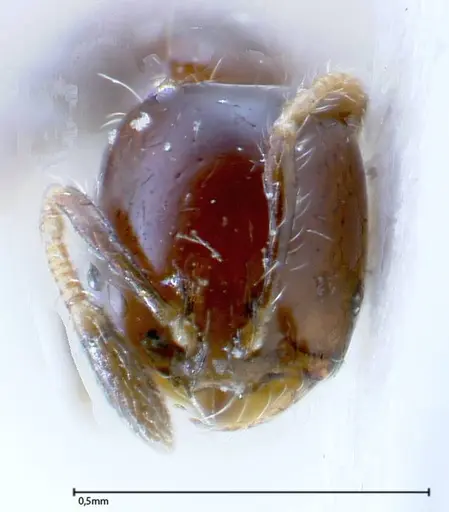
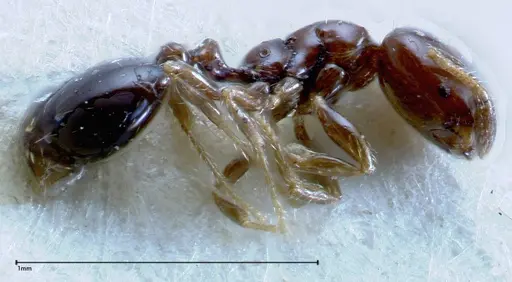
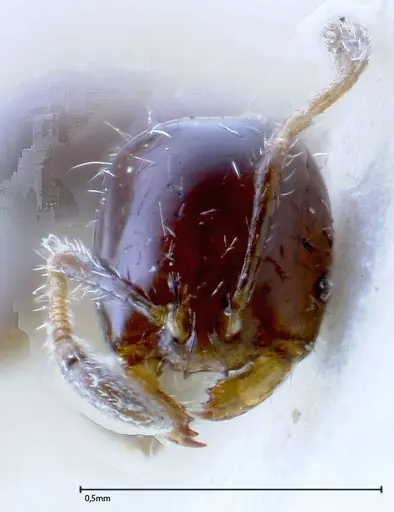
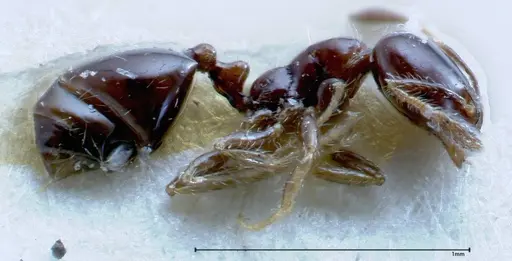
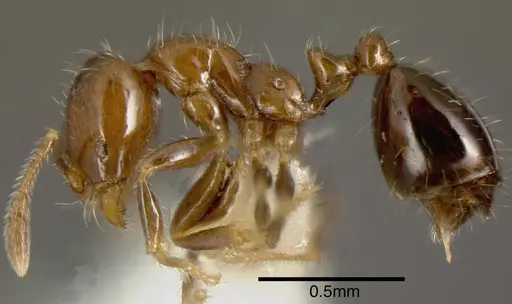
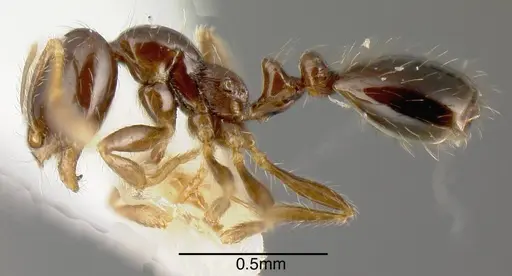
Solenopsis picea is a tiny thief ant from the Solenopsis molesta species complex. Workers are 1.38-2.04 mm long and dark brown to light brown, sometimes with a lighter gaster . Queens are much larger at 3.96-4.68 mm . This species lives across the Neotropics from Mexico to Argentina, Brazil, Guyana, and the Caribbean . It thrives in cloud forests, wet montane forests, coffee plantations, hardwood forests, and other habitats . What makes S. picea particularly interesting is its flexible nesting. It nests under stones in clay loam soil, but also lives in small twigs, hollow stems, and even inside ant gardens as a facultative parasite (a relationship called lestobiosis) with Camponotus femoratus and Crematogaster levior . In coffee ecosystems it is one of the most common twig-nesting ants, often found in arboreal nests on coffee bushes .
Quick Summary
- Difficulty: Medium
- Origin & Habitat: Neotropical region: Mexico through Central America to Argentina, Brazil, Guyana, and the Caribbean (Cuba, Puerto Rico). Found in cloud forests, wet montane forests, coffee plantations, hardwood forests, and transitional bamboo/cloud forest [1].
- Colony Type: Likely polygynous (multiple queens) based on field studies in coffee agroecosystems where colonies were observed occupying multiple nests per plant [4]. Single-queen colonies may also occur, but polygyny appears common.
- Size & Growth:
- Queen: 3.96-4.68 mm (total length) [1]
- Worker: 1.38-2.04 mm (total length) [1]
- Colony: Up to several hundred workers, an estimate based on its abundance in coffee ecosystems where it is one of the most common twig-nesting ants [3][5].
- Growth: Moderate
- Development: Estimated 5-8 weeks at optimal tropical temperatures (24-28°C) (Timing inferred from related Solenopsis species. Higher temperatures speed development.)
- Antkeeping:
- Temperature: Keep at 24-28°C for best growth and activity. Room temperature (20-24°C) is acceptable but will slow development. Avoid prolonged temperatures below 18°C [1].
- Humidity: Moderate to high, keep the nest substrate consistently moist but not waterlogged. These ants naturally live in cloud forests and wet montane forests, so they appreciate moisture [1].
- Diapause: No, as a tropical species, it remains active year-round. You may see reduced activity during cooler months, but no true diapause is needed [1].
- Nesting: Arboreal, does well in small twigs, hollow stems, or natural cavities. In captivity, use narrow test tubes for founding, then transfer to Y‑tong (AAC), plaster, soil, or 3D‑printed nests with small chambers. Avoid acrylic nests, they do not breathe properly. Provide small cork bark pieces or twigs as additional nesting sites [1].
- Behavior: Solenopsis picea is not particularly aggressive [4] and usually avoids conflict. It is a predatory thief ant, workers forage actively for tiny insects. Despite their small size, they can sting (Myrmicinae subfamily) but the sting is mild to humans. Escape prevention is critical: workers are only ~1.5 mm long and can squeeze through tiny gaps. Use tight lids, fine mesh, and Fluon barriers [1].
- Common Issues: escape is a serious risk, workers are tiny and can fit through any gap larger than 0.5 mm, seal all connections., polygynous colonies require careful queen management, if you keep multiple queens, introduce them together before eggs are laid and watch for aggression., wild-caught colonies may bring mites or other parasites, quarantine new colonies if possible., founding phase is slow, first workers take 5-8 weeks and the colony grows gradually, be patient., they prefer arboreal nesting sites, simple test tube setups may be rejected, provide small twigs or cork bark.
Housing and Nest Setup
Because Solenopsis picea is so tiny, you must scale the nest to their size. In nature they nest under stones in clay loam, in small twigs, and even in the thin partitions of ant gardens [2][1]. For a founding colony, a small test tube with water reservoir works fine. Once the colony grows, move them to a Y‑tong (AAC), plaster, soil, or 3D‑printed nest with narrow chambers, avoid acrylic which doesn't regulate humidity well. Their arboreal nature means they appreciate vertical space: include small twigs, cork bark, or hollow stems in the outworld. Always seal all gaps with silicone or putty, and cover ventilation holes with fine mesh (0.5 mm or smaller). [1]
Feeding and Diet
Solenopsis picea is a thief ant, it hunts small arthropods and also scavenges. Feed tiny live prey: fruit flies, springtails, pinhead crickets, or small mealworms. They also accept protein‑based commercial ant foods. For carbohydrates, offer diluted honey, sugar water, or honeydew. Because of their small size, even tiny prey like springtails are a good staple. Provide protein 2-3 times per week and a constant sugar source. Remove uneaten prey after 24 hours to prevent mold. [1]
Temperature and Seasonal Care
This is a tropical species that needs warmth. Keep the colony at 24-28°C for optimal growth and activity. Room temperature (20-24°C) is acceptable but will slow development. Never let the temperature drop below 18°C for extended periods. Unlike temperate ants, they do not require hibernation, they are active year-round. However, you might see a slight slowdown during cooler months if your room temperature dips. A small heating cable on one side of the nest can create a gradient, but make sure the nest doesn't dry out. [1]
Colony Structure and Multi‑Queen Care
Field research suggests Solenopsis picea is likely polygynous (multiple queens per colony) [4]. In coffee plantations, they often occupy multiple nests on the same tree, hinting at a flexible social structure. If you want to keep multiple queens, introduce them together during the founding phase, before they lay eggs. Watch for aggression and separate them if fighting occurs. Established colonies may also accept new queens, but this is riskier. Even a single queen can produce a healthy colony, so don't feel pressured to keep multiple. [4]
Escape Prevention
This is the most critical aspect of keeping Solenopsis picea. Workers are only 1.38-2.04 mm long, they can escape through gaps you'd never notice. Use tightly fitting lids on all containers. Apply Fluon or PTFE barriers to the rims of outworlds. For ventilation, use the finest mesh you can find (0.3-0.5 mm openings). Seal every seam, joint, and tube connection with silicone or hot glue. Inspect the setup daily, especially during the founding stage. A single escaped worker is nearly impossible to recapture. [1]
Frequently Asked Questions
How long does it take for Solenopsis picea to have first workers?
Expect first workers (nanitics) approximately 5-8 weeks after the queen lays eggs, assuming optimal temperatures around 24-28°C. This is typical for small tropical Solenopsis species. The timing depends on temperature, warmer speeds development, cooler slows it.
Can I keep multiple Solenopsis picea queens together?
Likely yes, this species appears to be polygynous in the wild [4]. However, introducing unrelated queens is always risky. If you want a multi‑queen colony, introduce foundresses together before they lay eggs and monitor for aggression. Be ready to separate them if they fight.
What do Solenopsis picea eat?
They are predatory thief ants that hunt small insects and arthropods. Feed tiny live prey like fruit flies, springtails, pinhead crickets, and small mealworms. They also accept protein‑based commercial ant foods. For sugar, offer diluted honey or sugar water. Provide protein 2-3 times per week and a constant sugar source.
Are Solenopsis picea good for beginners?
They are rated Medium difficulty. Not ideal for absolute beginners mainly because of the extreme escape risk, their tiny size requires careful setup. If you have some experience with small ants and can seal your equipment well, they are rewarding and interesting to observe.
What temperature do Solenopsis picea need?
Keep them at 24-28°C for optimal health and development. Room temperature (20-24°C) is acceptable but will slow growth. Avoid temperatures below 18°C. A small heating cable on one side of the nest helps maintain warmth. [1]
How big do Solenopsis picea colonies get?
Colonies can reach up to several hundred workers, based on their abundance in coffee ecosystems where they are among the most common twig‑nesting ants [3][5]. They are not enormous, but established colonies can be quite populous.
Do Solenopsis picea need hibernation?
No, as a Neotropical species, they do not require hibernation. They are active year‑round. You may see reduced activity during cooler months if your room temperature drops, but this is not true diapause. Maintain normal care temperatures year‑round. [1]
Why are my Solenopsis picea escaping?
Workers are extremely small (1.38-2.04 mm) and can squeeze through any gap larger than ~0.5 mm. Check all connections, lids, seams, and ventilation holes. Apply Fluon or similar barriers to all edges. Use fine mesh for ventilation. Even a pinhole‑sized gap is enough. Inspect your setup daily and seal any gaps immediately. [1]
Report an Issue
The current care sheet is based fully on literature. See inconsistencies, or something that's incorrect? Please , it will be resolved after review from an admin. Contributing to the blogs tab also helps providing information, to make us be able to further improve the caresheets. Thank you for your support!
References

This caresheet is licensed under CC BY-SA 4.0 .
Community Blogs
CASENT0217940
View on AntWeb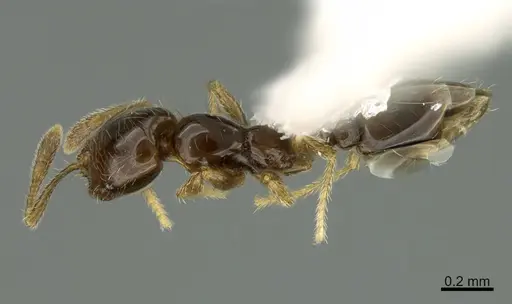
CASENT0636198
View on AntWeb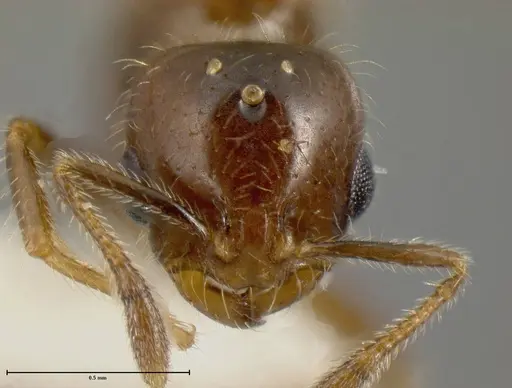
CASENT0904627
View on AntWeb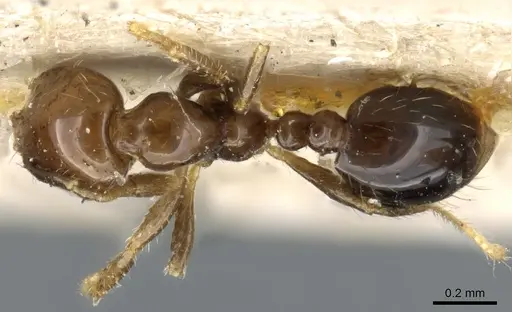
CASENT0905910
View on AntWeb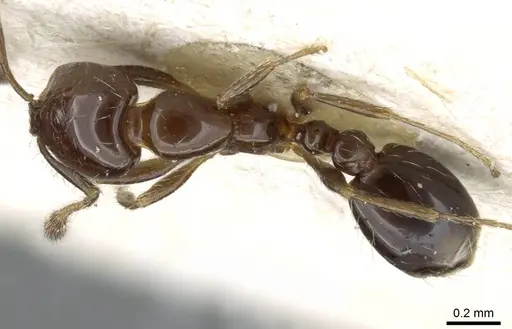
CASENT0908812
View on AntWeb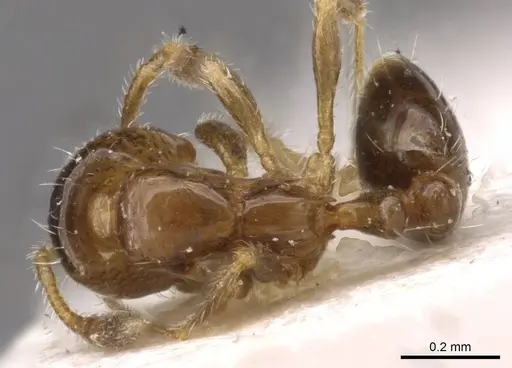
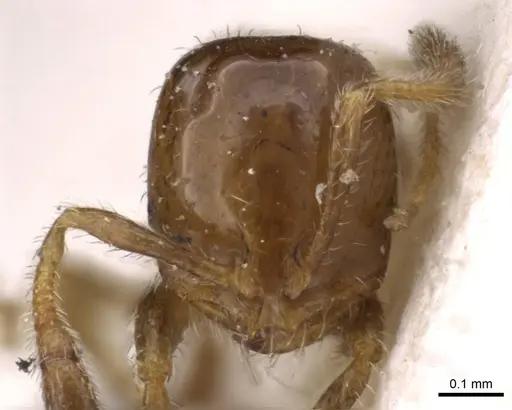
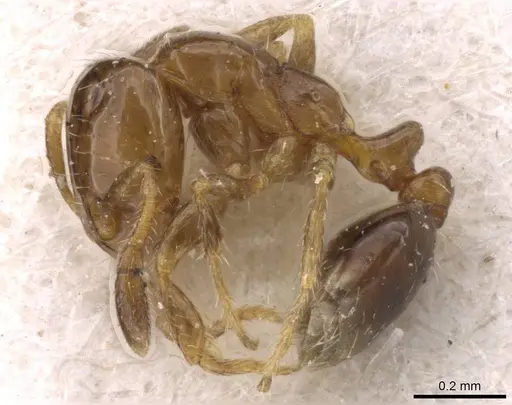
CASENT0908843
View on AntWeb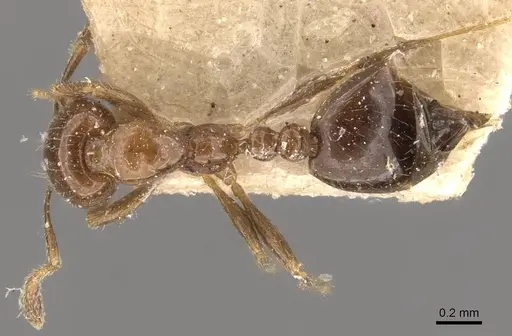
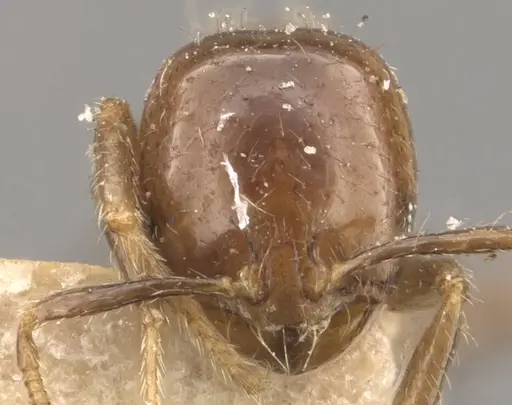
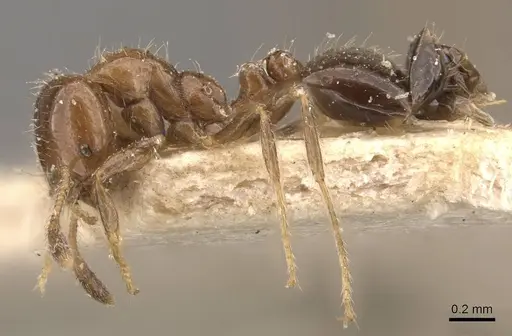
CASENT0913876
View on AntWeb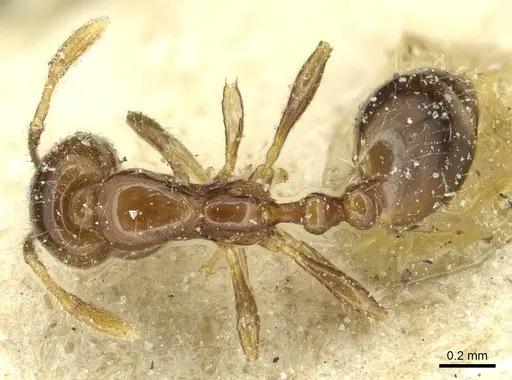
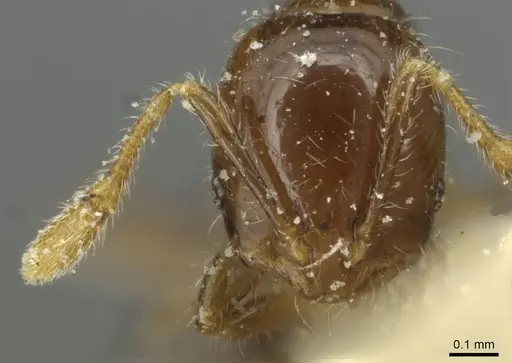
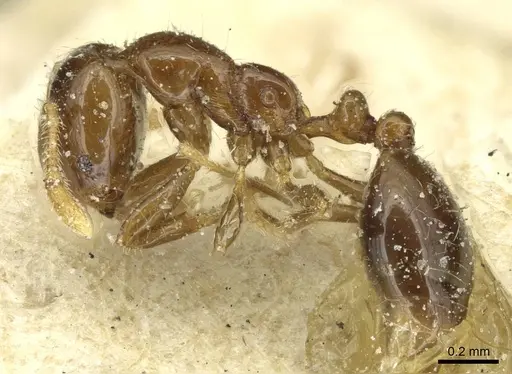
CASENT0914177
View on AntWeb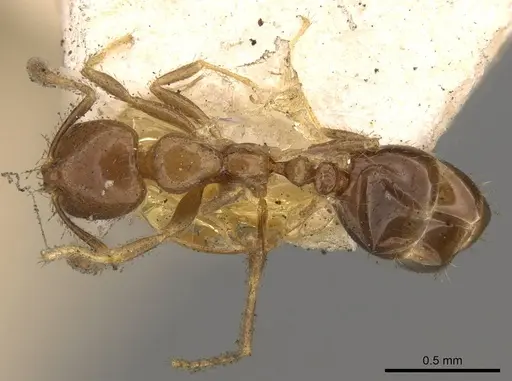
CASENT0917821
View on AntWeb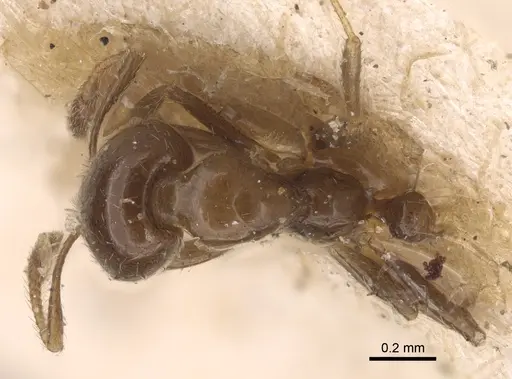
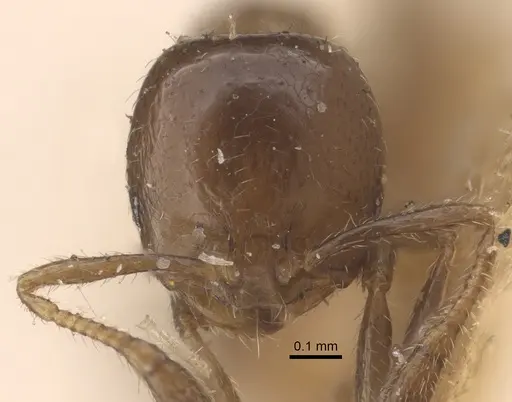
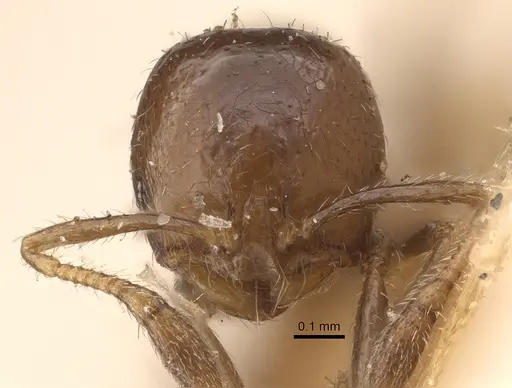
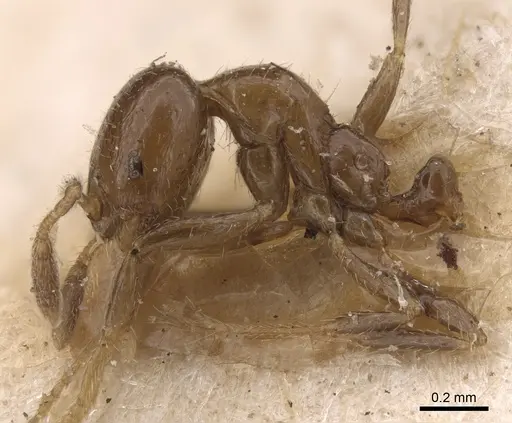
CBUMAGENT42020
View on AntWeb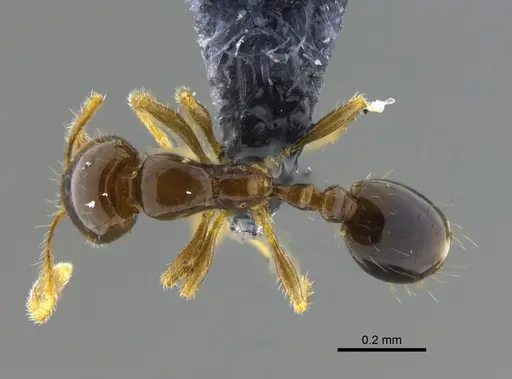
FOCOL0282-1
View on AntWeb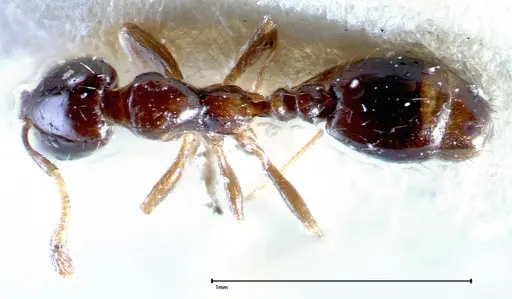
FOCOL0282-2
View on AntWeb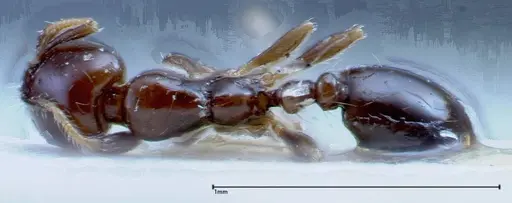
FOCOL0282-3
View on AntWeb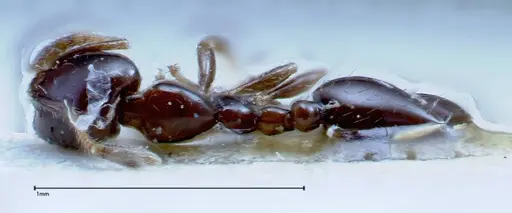
INBIOCRI001282255
View on AntWeb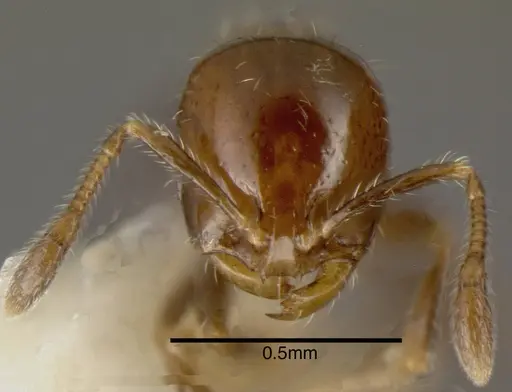
INBIOCRI001282261
View on AntWeb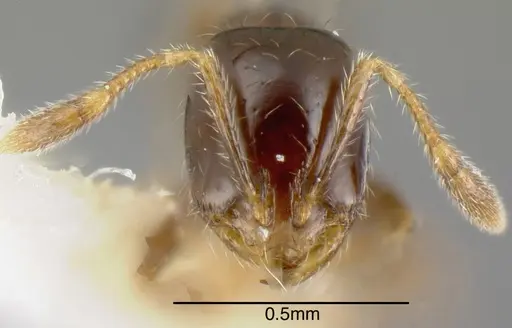
Literature
Loading distribution map...Loading products...