
Pergande's Thief Ant
Solenopsis pergandei
- Sci. Name
- Solenopsis pergandei
- Tribe
- Solenopsidini
- Subfamily
- Myrmicinae
- Author
- Forel, 1901
- Common Name
- Pergande's Thief Ant
- Distribution
- Found in 1 countries
Introduction
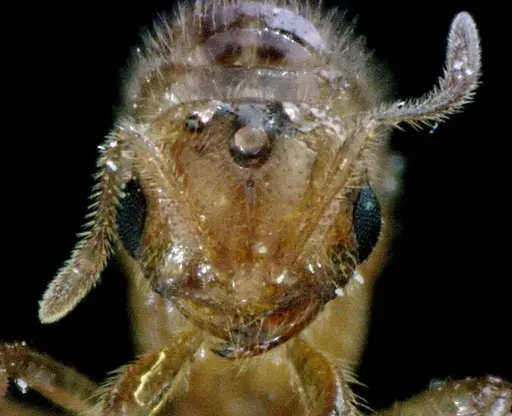
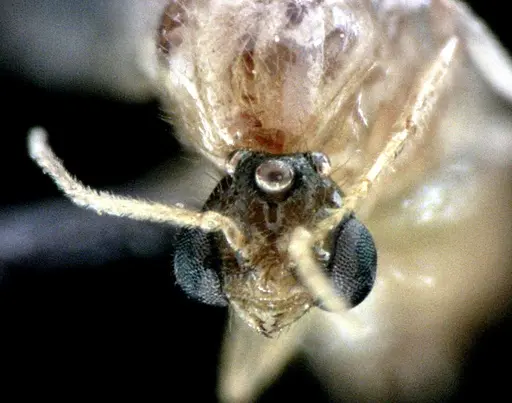
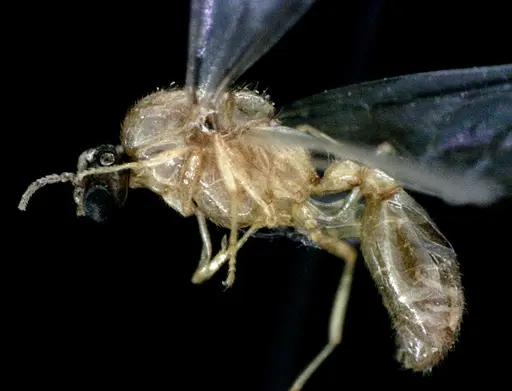
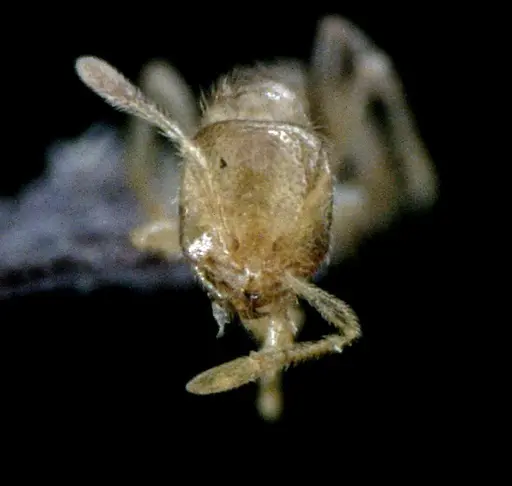
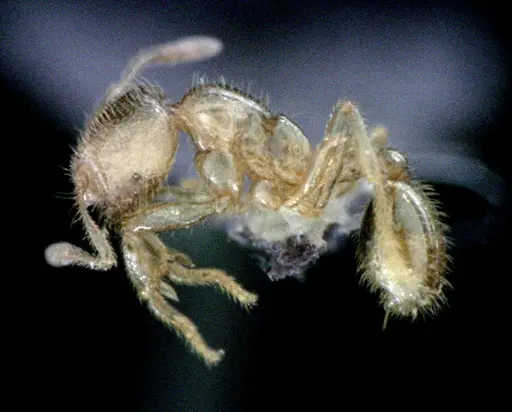
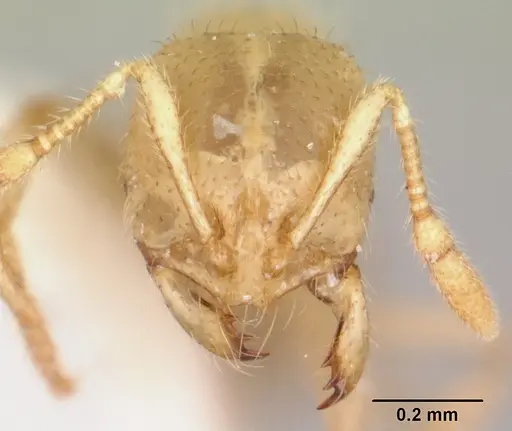
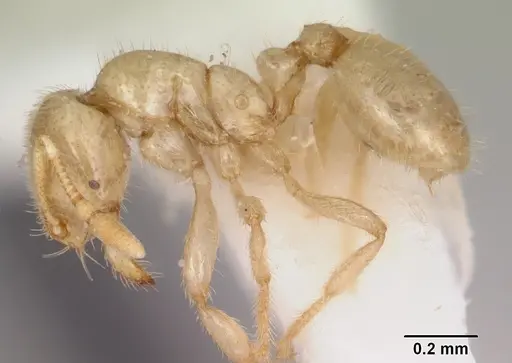
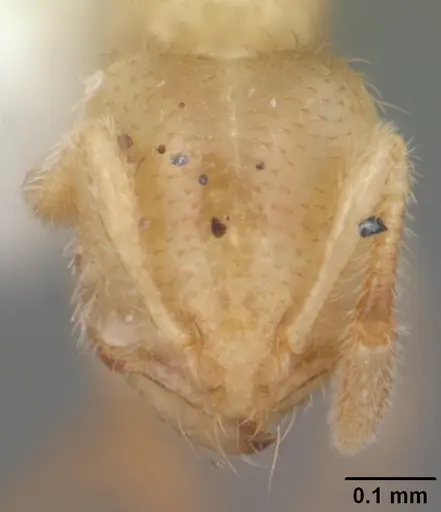
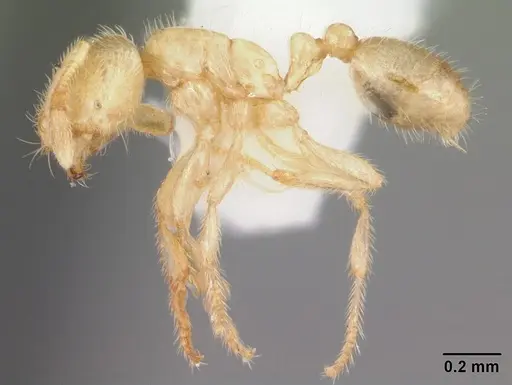
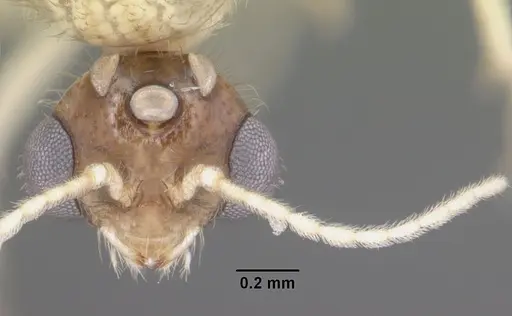
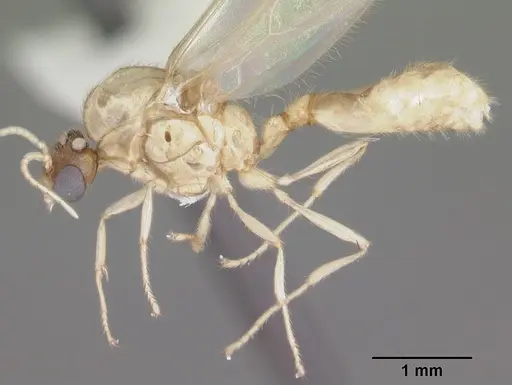
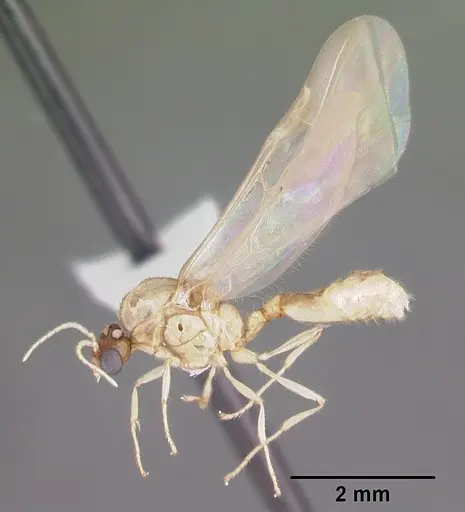
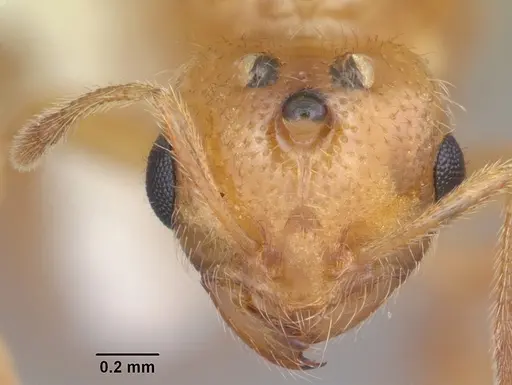
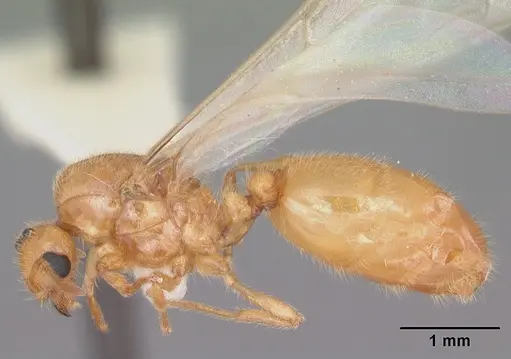
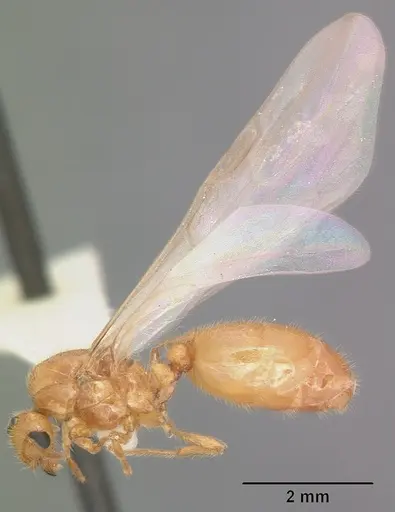
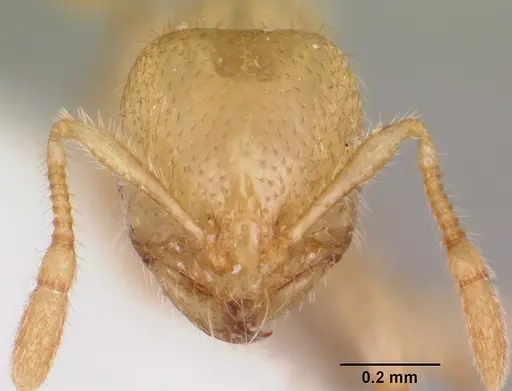
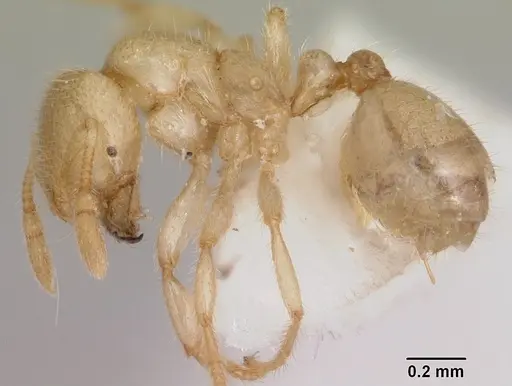
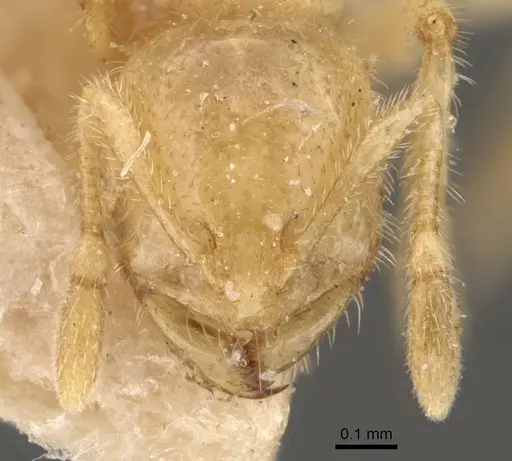
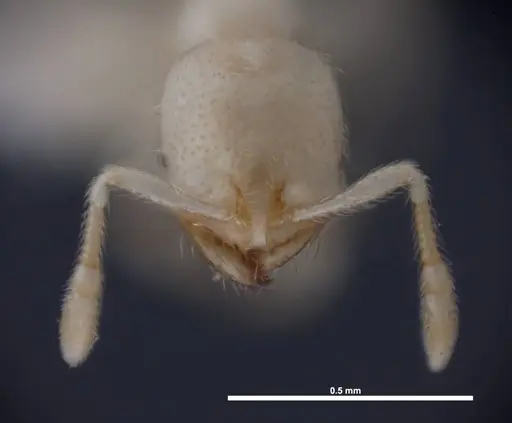
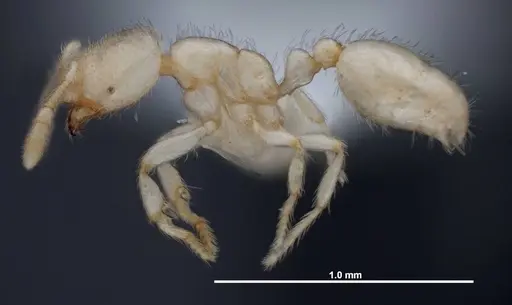
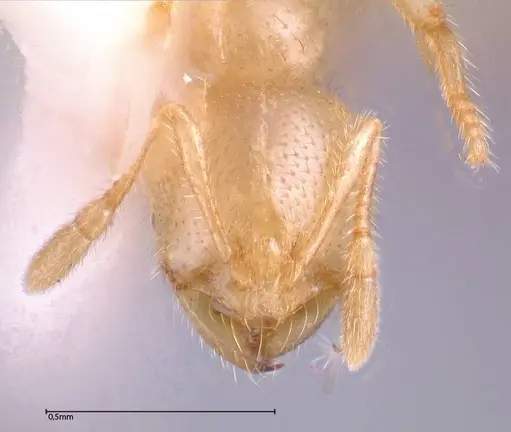
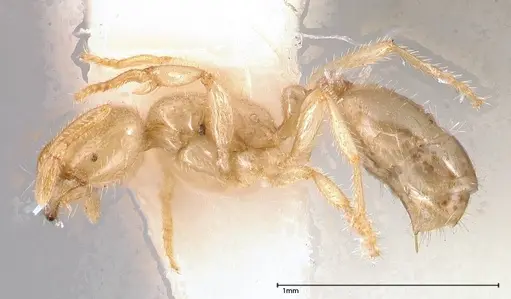
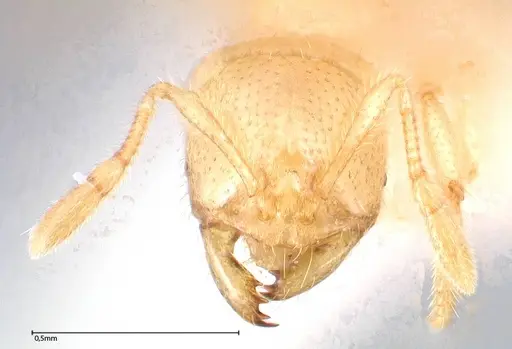
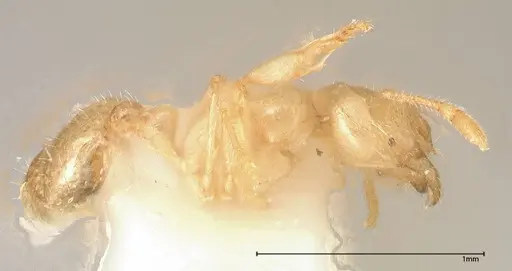
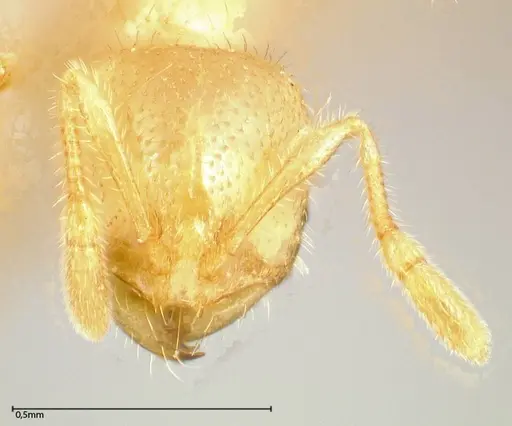
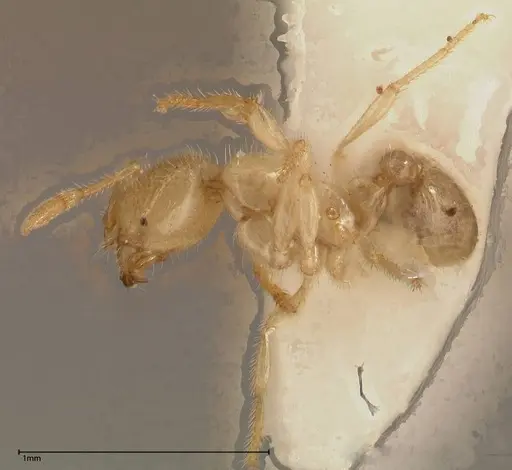
Solenopsis pergandei is a small thief ant native to the southeastern United States, ranging from North Carolina down to Florida and west to Texas and New Mexico . Workers are a uniform light yellow, measure 1.74-1.86 mm, and have a nearly quadrate head with coarse punctures . Their postpetiole is perfectly round when viewed from above, a key identification feature . Queens are larger at 6-7 mm, also pale yellow with black eyes . This species belongs to the Solenopsis fugax species complex and is truly subterranean, living most of its life underground .
Quick Summary
- Difficulty: Medium
- Origin & Habitat: Southeastern United States (North Carolina to Florida, west to Texas and New Mexico). Found in diverse habitats: compact soil, arid sites, lawns, forest trails, sandy areas, and rotting pine stumps [4]. Prefers sandhill habitats over flatwoods and is most common in open sandy areas [5][6]. Also found in partially shaded pine woods, cultivated fields, and roadsides [7].
- Colony Type: Polygynous colonies documented with multiple queens and 1000-4000 workers [7]. Single-queen colonies are unconfirmed but possible based on typical Solenopsis patterns.
- Size & Growth:
- Queen: 6-7 mm [4]
- Worker: 1.74-1.86 mm [3]
- Colony: Up to 4000 workers in polygynous colonies [7]
- Growth: Moderate
- Development: Not directly studied for this species. Based on related Solenopsis species, expect roughly 5-8 weeks at optimal temperature. (Exact development timing is unconfirmed for S. pergandei.)
- Antkeeping:
- Temperature: Keep nest area around 22-26°C. This species is sensitive to soil temperature, its occurrence is influenced by minimum soil temperature in interaction with soil moisture [5]. Provide a gentle temperature gradient so ants can self-regulate.
- Humidity: Moderate to low humidity. Prefers drier conditions, naturally found in arid sites, sandy soils, and sandhills [4][5]. Keep substrate moderately moist but not waterlogged, with some drier areas available.
- Diapause: Yes, likely requires a winter rest period based on its temperate native range. Provide 2-3 months at 10-15°C during winter, with reduced feeding.
- Nesting: Truly subterranean, lives underground and rarely seen on the surface [5]. Use a naturalistic setup with deep substrate (at least 5-10 cm of compact sandy soil) or a Y-tong/plaster nest with moisture chambers. They prefer compact soil over loose substrates [4].
- Behavior: Secretive subterranean species with very small eyes (two ommatidia) [3]. Workers are rarely seen on the surface except during nocturnal foraging or mating flights. They are thief ants that steal food from other colonies rather than foraging openly. Confrontation studies with Solenopsis invicta show S. pergandei will sting and use venom to defend themselves, causing temporary paralysis in fire ant workers [7]. Escape risk is high due to tiny size (under 2 mm), use fine mesh barriers. Has numerous spring and summer mating flights with hundreds to thousands of alates [8].
- Common Issues: subterranean lifestyle means they're rarely visible, keepers may think the colony is dead when it's just underground., small size (under 2 mm) makes escape prevention critical, they can squeeze through tiny gaps., colonies can fail if substrate dries out completely or becomes waterlogged., wild-caught colonies may carry mermithid nematode parasites (5% infection rate in queens documented in Florida) [9]., slow growth compared to more common ant species may lead to keeper impatience and overfeeding.
Housing and Nest Setup
Solenopsis pergandei is truly subterranean, spending most of its life underground [5]. This means standard test tube setups are not ideal, you need to provide depth. A naturalistic setup with at least 5-10 cm of compact sandy soil works best, or a Y-tong/plaster nest with moisture chambers. They prefer compact soil over loose substrates [4]. The nest should have both moist and drier zones so the ants can self-regulate. Because they are rarely visible on the surface, include an outworld where you can place food and watch for foragers. Use excellent escape prevention, workers are under 2 mm and can slip through standard barriers. Fine mesh or fluon on edges is essential.
Feeding and Diet
As thief ants, they primarily steal food from other ant colonies in the wild, but in captivity they will accept a variety of small prey. Offer protein sources like fruit flies, pinhead crickets, and small mealworms 2-3 times per week. Keep sugar water or honey water available at all times. Because they are subterranean, food placed in the outworld may not be discovered quickly, place it near nest entrances when possible. Remove uneaten food after 24-48 hours to prevent mold.
Temperature and Seasonal Care
Keep the nest area at 22-26°C. Research shows that S. pergandei's distribution is influenced by soil temperature and moisture, their occurrence increases with depth (78% more common at 20 cm than at 10 cm) [5]. In low soil moisture conditions, cooler minimum soil temperatures increase their occurrence, while in high moisture soils cooler temperatures decrease it [5]. This suggests they prefer stable, moderate conditions. During winter, provide a diapause period of 2-3 months at 10-15°C to simulate natural seasonal cycles. Reduce feeding during this time.
Behavior and Colony Dynamics
This is a secretive, subterranean species with very small eyes (just two ommatidia) reflecting their underground lifestyle [3]. Workers are rarely seen on the surface except when foraging at night or during mating flights. Colonies are polygynous, documented colonies contain 1000-4000 workers with multiple queens [7]. They have numerous spring and summer mating flights producing hundreds to thousands of alates [8]. When confronted by fire ants (Solenopsis invicta), S. pergandei workers use their sting to inject venom, which can temporarily paralyze the larger fire ant workers [7]. However, they are not aggressive toward humans and will avoid confrontation. Their small size and secretive nature make them a challenging but rewarding species to observe.
Health and Common Problems
Wild-caught colonies may carry mermithid nematode parasites, studies in Florida found 5% of queens and 1.5% of males infected [9]. Quarantine new colonies and watch for signs of parasitism (unusual behavior, sluggish movement). Their small size makes escape prevention critical, use fine mesh and reliable barriers. Colonies can fail if the substrate dries out completely or becomes waterlogged. Growth is moderate but slower than many common ant species, resist the urge to overfeed or disturb the colony. Their subterranean lifestyle means you may rarely see the queen or brood, this is normal, not a sign of colony failure.
Frequently Asked Questions
Can I keep Solenopsis pergandei in a test tube?
Test tubes are not ideal for this species. They are truly subterranean ants that need depth, a test tube does not provide enough vertical space for their natural behavior. Use a naturalistic setup with deep substrate (5-10 cm) or a Y-tong/plaster nest with moisture chambers instead [5].
How long does it take for Solenopsis pergandei to produce first workers?
Exact development time has not been studied for this species. Based on related Solenopsis species, expect roughly 5-8 weeks from egg to first worker at optimal temperature (22-26°C). Growth is moderate, be patient.
Are Solenopsis pergandei good for beginners?
This is a medium-difficulty species. They are not ideal for complete beginners because their subterranean lifestyle makes them hard to observe, and their small size requires careful escape prevention. However, they are not aggressive and do not have complex temperature requirements. Experienced antkeepers who can provide proper housing (deep substrate setups) will have success [5].
How big do Solenopsis pergandei colonies get?
Documented polygynous colonies reach 1000-4000 workers [7]. Single-queen colonies would likely be smaller, but the maximum size for single-queen colonies is unknown. They grow moderately but are slower than many common ant species.
What do Solenopsis pergandei eat?
As thief ants, they steal food from other colonies in the wild, but in captivity they accept most small prey. Feed small insects (fruit flies, pinhead crickets, small mealworms) for protein 2-3 times weekly, and keep sugar water or honey water available at all times.
Do Solenopsis pergandei need hibernation?
Yes, they likely require a winter rest period. As a species native to the temperate southeastern US with seasonal temperature variations, provide 2-3 months at 10-15°C during winter. Reduce feeding during this time.
Why can't I see my Solenopsis pergandei colony?
This is normal, Solenopsis pergandei is a truly subterranean species that spends most of its life underground [5]. You may rarely see workers unless you provide a deep naturalistic setup with an outworld. The colony is likely healthy even if you do not see much activity.
Can I keep multiple queens together in Solenopsis pergandei?
Yes, polygynous (multi-queen) colonies are natural for this species. Documented colonies have 1000-4000 workers with multiple queens [7]. You can keep multiple founding queens together, though some may be eliminated as the colony establishes.
What's the difference between Solenopsis pergandei and fire ants?
Solenopsis pergandei is a thief ant in the Solenopsis genus, related to fire ants, but they are much smaller (1.74-1.86 mm vs 3-6 mm for fire ants), not aggressive toward humans, and live a subterranean lifestyle. They steal food rather than foraging openly. Unlike the invasive fire ant (Solenopsis invicta), this is a native species [8].
Report an Issue
The current care sheet is based fully on literature. See inconsistencies, or something that's incorrect? Please , it will be resolved after review from an admin. Contributing to the blogs tab also helps providing information, to make us be able to further improve the caresheets. Thank you for your support!
References

This caresheet is licensed under CC BY-SA 4.0 .
Community Blogs
ANTWEB1041518
View on AntWeb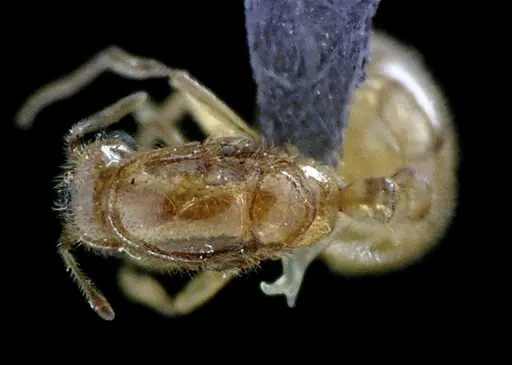
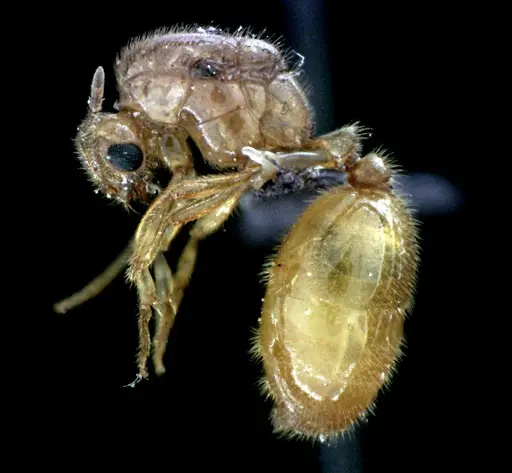
ANTWEB1041519
View on AntWeb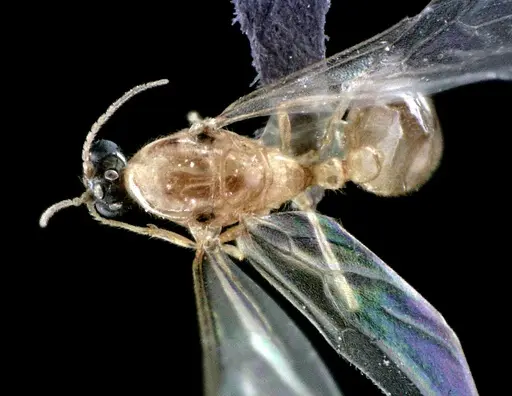
ANTWEB1041520
View on AntWeb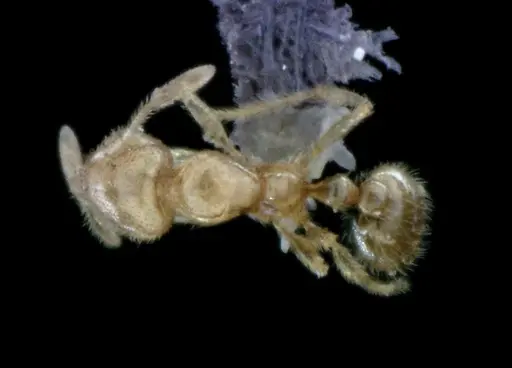
CASENT0103157
View on AntWeb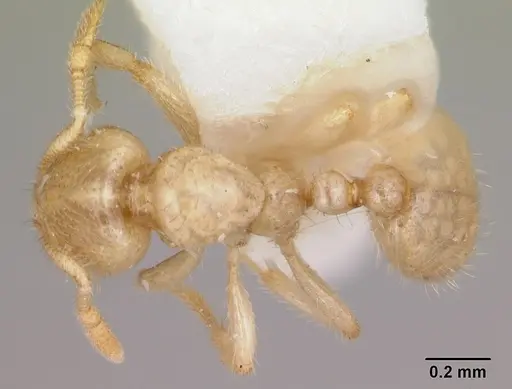
CASENT0104506
View on AntWeb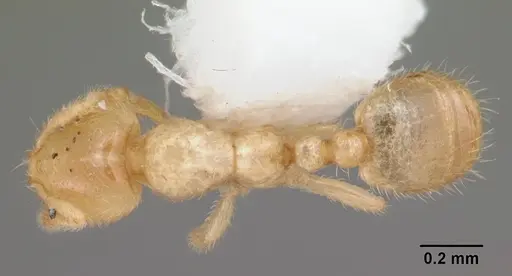
CASENT0104507
View on AntWeb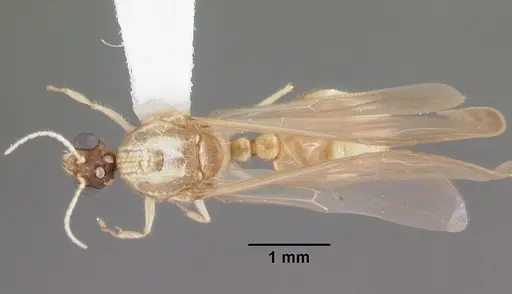
CASENT0104508
View on AntWeb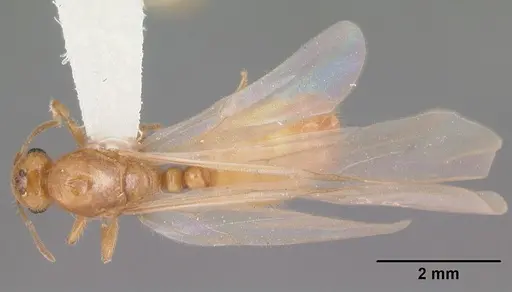
CASENT0105855
View on AntWeb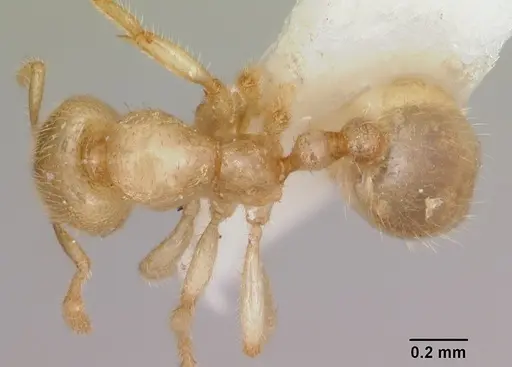
CASENT0908842
View on AntWeb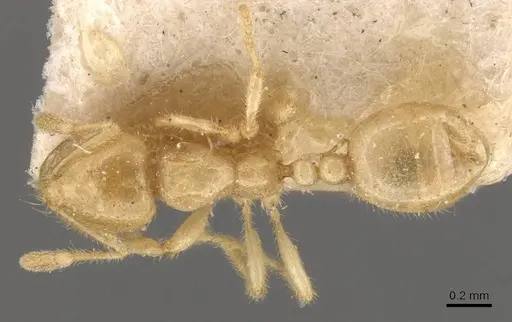
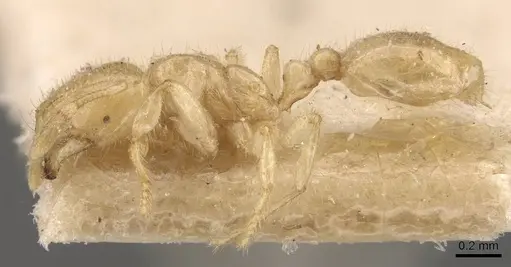
FMNHINS0000049898
View on AntWeb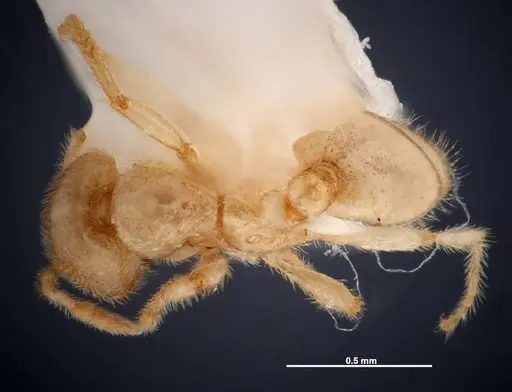
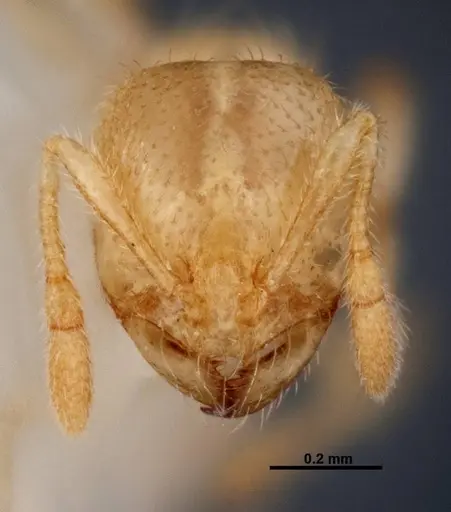
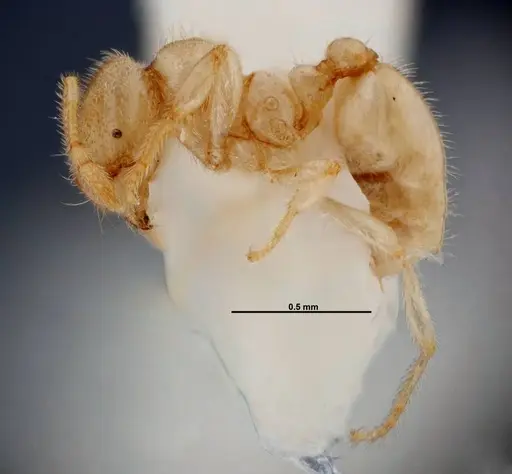
FMNHINS0000078525
View on AntWeb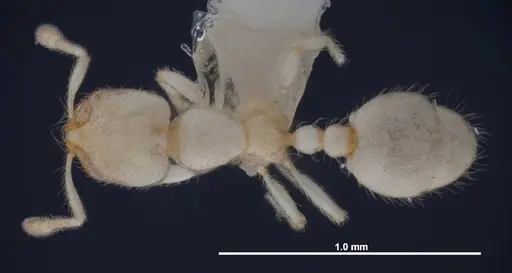
FOCOL0640-1
View on AntWeb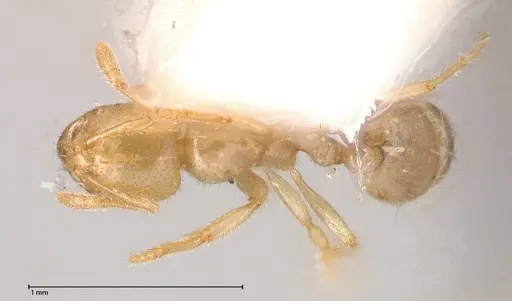
FOCOL0640-2
View on AntWeb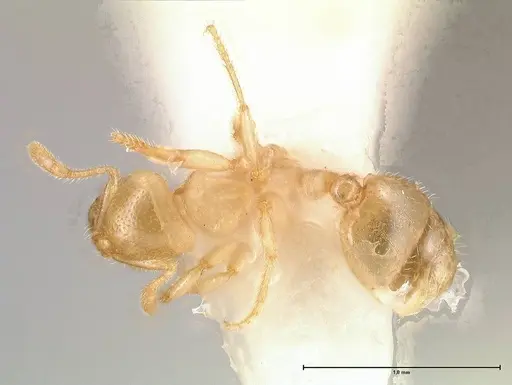
FOCOL0640-3
View on AntWeb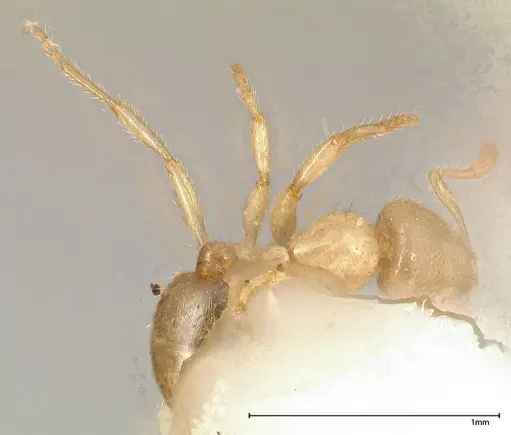
Literature
Loading distribution map...Loading products...