
Solenopsis patagonica
- Sci. Name
- Solenopsis patagonica
- Tribe
- Solenopsidini
- Subfamily
- Myrmicinae
- Author
- Emery, 1906
- Distribution
- Found in 2 countries
Introduction
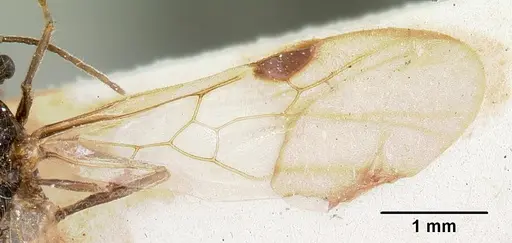
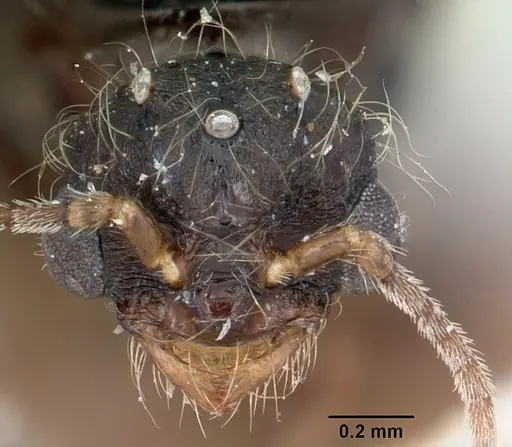
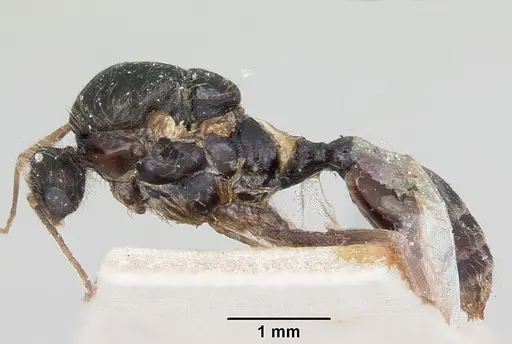
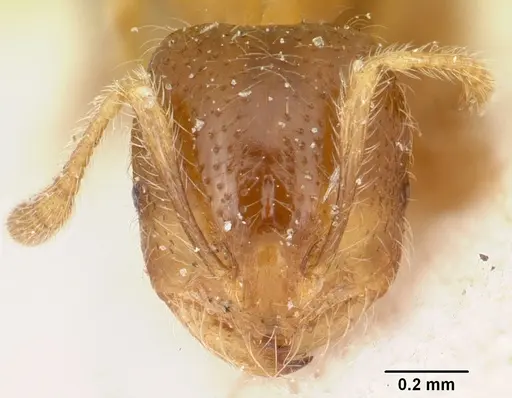
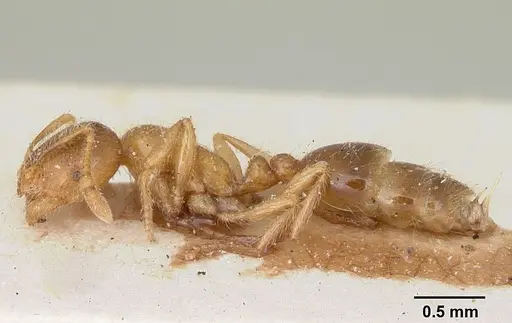
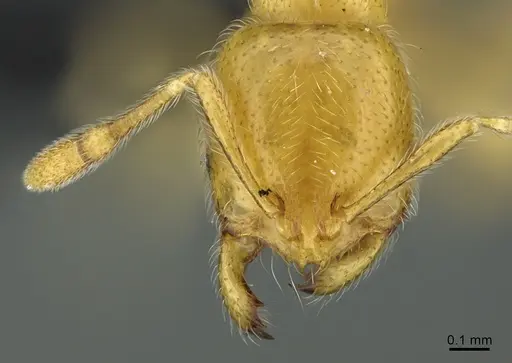
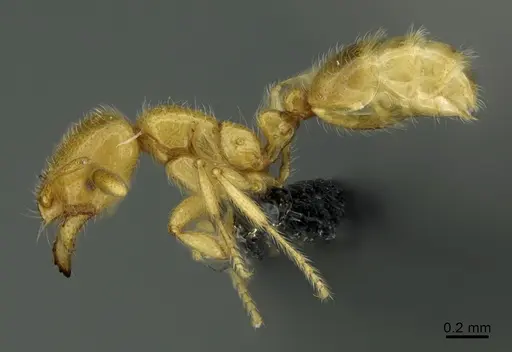
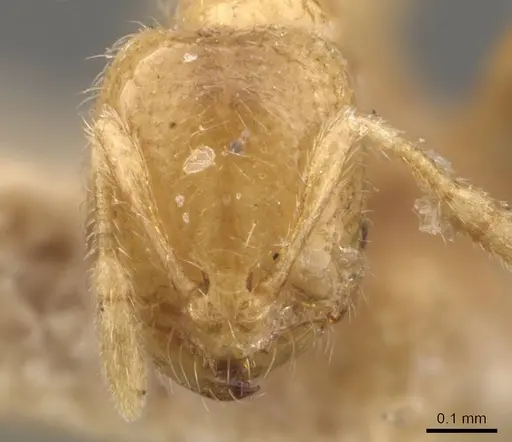
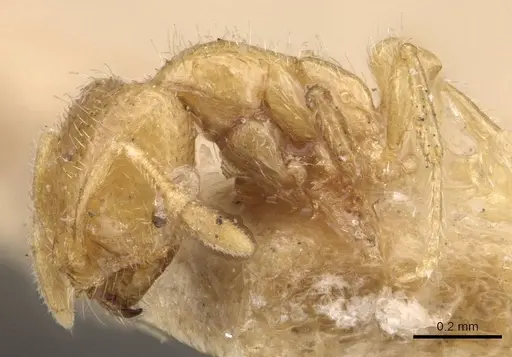
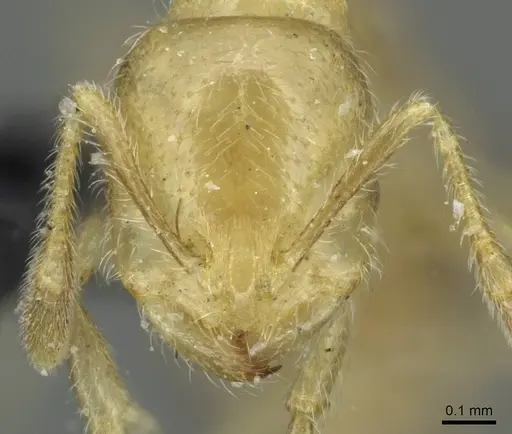
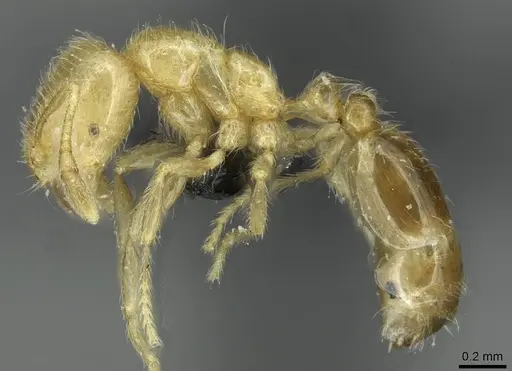
Solenopsis patagonica is a tiny thief ant from the Solenopsis fugax species complex. Workers measure 1.56-1.62 mm and are golden yellow to light brown, with a coarsely punctate head and well-developed clypeal teeth . Queens are much larger at about 6 mm and are dark brown with reddish-brown appendages . This species is native to Argentina, Brazil, and Chile, and is found in a variety of habitats including Nothofagus forests in Patagonia and drier areas like the Caldenal district . They are often collected under rocks and one nest was found inside a colony of Linepithema humile in Brazil . In Patagonia’s Peninsula Valdés, they are the second most abundant ant species, making up about 25% of all ant captures .
Quick Summary
- Difficulty: Medium
- Origin & Habitat: Native to Argentina, Brazil, and Chile. Found under rocks, in soil, and in grassy areas. Recorded in Patagonia (Peninsula Valdés, Nothofagus forests), the Caldenal district, and Santa Fe province [5][4][6][3][2].
- Colony Type: Unconfirmed, colony structure has not been studied for this species.
- Size & Growth:
- Queen: ~6 mm [2]
- Worker: 1.56-1.62 mm [1]
- Colony: Unknown, estimated from related thief ants at up to several hundred workers
- Growth: Not documented, estimated moderate
- Development: Not documented, estimated 6-8 weeks at optimal temperature based on related Solenopsis (Development time inferred from genus-level data, specific timing for this species has not been documented)
- Antkeeping:
- Temperature: Needs are not documented. Based on the wide native range (from Patagonia to Brazil), start at 22-26°C and provide a gentle gradient. Avoid prolonged temperatures below 18°C.
- Humidity: Provide a moisture gradient. As a species from diverse habitats, they likely prefer moderate humidity, keep the nest substrate dry in one area and slightly moist in another.
- Diapause: Unknown, not documented. The range includes temperate and subtropical areas, so requirements may vary, observe your colony.
- Nesting: In nature, they nest under rocks [2]. For captive colonies, use a test tube setup for founding. For larger colonies, a Y-tong (AAC) nest or plaster nest with small, tight chambers works well.
- Behavior: Solenopsis patagonica is a recruiting species, workers lay pheromone trails to food sources [5]. As a thief ant, they likely steal brood and resources from other ant colonies. They are not aggressive toward humans and their tiny size makes their sting barely noticeable. Escape prevention is critical: workers are under 2 mm and can squeeze through very small gaps.
- Common Issues: escape prevention is critical, at 1.5 mm they can bypass standard barriers, temperature management, they need consistent warmth and may fail if kept below 18°C, slow colony growth, the founding stage may be delicate because their specific needs are unknown, social parasitism in the wild, may require special host brood or conditions (unconfirmed), queen may fail to establish if disturbed during the founding phase
Housing and Nest Setup
For founding colonies, a simple test tube setup works well. Fill a test tube with water, plug the wet end with cotton, and place the queen inside. The queen will likely seal herself in (if claustral) and lay eggs. For established colonies with many workers, use a Y-tong (AAC) nest or plaster nest with small, tight chambers, these tiny ants need narrow spaces. Escape prevention is absolutely critical because workers are only 1.5 mm and can squeeze through gaps you wouldn't believe [1]. Apply a thin barrier of fluon or baby powder mixed with alcohol around all openings. A hydration setup that provides a moisture gradient (one dry area, one slightly moist) lets the ants choose their preferred humidity.
Feeding and Diet
As a thief ant in the Solenopsis fugax complex, Solenopsis patagonica is an opportunistic feeder. They eat sugary liquids (honey water, sugar water) and protein sources such as small insects. In the wild, one nest was found inside a colony of Linepithema humile, they likely steal food and brood from their hosts [2]. Offer a drop of sugar water or honey twice a week, and small protein sources like fruit flies, tiny mealworms, or cricket pieces. Remove uneaten food after 24-48 hours to prevent mold. Because they are a recruiting species, once workers find a food source you will see more ants gathering there quickly [5].
Temperature and Seasonal Care
Optimal temperature has not been studied, but the species occurs across a wide range from Patagonia (Nothofagus forests) to subtropical Brazil [6][3]. As a starting point, keep the colony at 22-26°C with a gentle gradient. A heating cable on one side of the nest can create a warm zone, but avoid overheating above 30°C. Avoid temperatures below 18°C for long periods. Diapause requirements are unknown, observe your colony’s activity during winter. If they slow down at cooler room temperatures, reduce feeding slightly, but do not force a cold period unless you have evidence it is necessary.
Colony Development
The queen is about 6 mm and, like most Solenopsis, likely founds claustrally, she seals herself in and lives off stored fat reserves while raising the first brood [2]. Workers emerge as nanitics (first-generation workers) at about 1.5 mm, slightly smaller than mature workers [1]. Development time from egg to worker is not documented, based on related species, expect roughly 6-8 weeks at 22-26°C. Growth is moderate, mature colonies probably number a few hundred workers. Queen lifespan is unknown but likely several years with proper care.
Behavior and Temperament
Solenopsis patagonica is an active forager and a recruiting species, when workers find food, they lay chemical trails that nestmates follow [5]. They are not aggressive toward humans, their sting is very mild due to their tiny size (subfamily Myrmicinae, tribe Solenopsidini). In the wild, they are social parasites of other ants, notably Linepithema humile [2]. In captivity, they are peaceful but may compete with other ant colonies if housed nearby. The most important behavioral note is that their tiny size makes them excellent escape artists, always use fine mesh and tight-fitting barriers.
Frequently Asked Questions
How long does it take for Solenopsis patagonica to get their first workers?
This is not documented for this species. Based on related Solenopsis, expect roughly 6-8 weeks from egg to first worker at 22-26°C. The queen is likely claustral and raises the first brood alone.
Can I keep Solenopsis patagonica in a test tube?
Yes, a test tube setup works well for founding colonies. Just make sure the barrier around the opening is tight, these tiny ants can escape through very small gaps.
What do Solenopsis patagonica eat?
They accept sugar water, honey, and small protein sources like fruit flies, tiny mealworms, or cricket pieces. As thief ants they are opportunistic feeders. Remove uneaten food after 24-48 hours.
Are Solenopsis patagonica good for beginners?
They are medium difficulty. The main challenges are escape prevention (due to tiny size) and managing temperature without specific data. They are rewarding for keepers with some experience.
How big do Solenopsis patagonica colonies get?
Colony size has not been documented. Based on related thief ants, they likely reach up to a few hundred workers at maturity. They are not as large as fire ants.
Do Solenopsis patagonica need hibernation?
This is unknown. They occur from Patagonia (cool temperate) to Brazil (subtropical), so requirements may vary. If your colony slows down in winter, reduce feeding but do not force a cold period unless you have confirmed it is needed.
Why are my Solenopsis patagonica escaping?
Workers are only 1.5 mm and can squeeze through gaps you wouldn't see [1]. Use fine mesh, fluon, or baby powder barriers around all openings. Check tube connections and formicarium edges carefully.
Can I keep multiple queens together?
Not recommended. Colony structure has not been studied, but most Solenopsis species are monogyne. Combining unrelated queens is likely to cause fighting.
What temperature is best for Solenopsis patagonica?
Specific needs are not documented. Based on the native range (Patagonia to Brazil), start at 22-26°C with a gradient. Avoid temperatures above 30°C or below 18°C for extended periods.
Report an Issue
The current care sheet is based fully on literature. See inconsistencies, or something that's incorrect? Please , it will be resolved after review from an admin. Contributing to the blogs tab also helps providing information, to make us be able to further improve the caresheets. Thank you for your support!
References

This caresheet is licensed under CC BY-SA 4.0 .
Community Blogs
CASENT0103220
View on AntWeb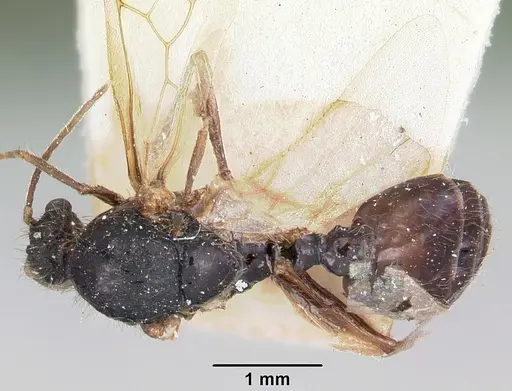
CASENT0103221
View on AntWeb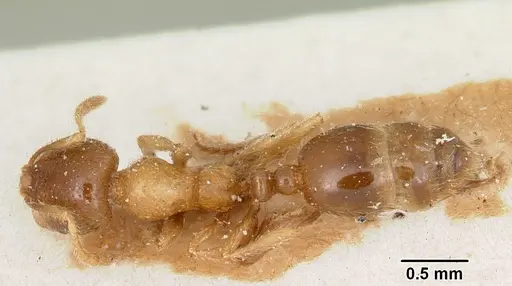
CASENT0203300
View on AntWeb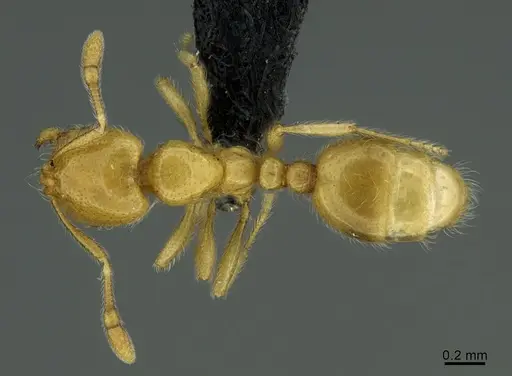
CASENT0908841
View on AntWeb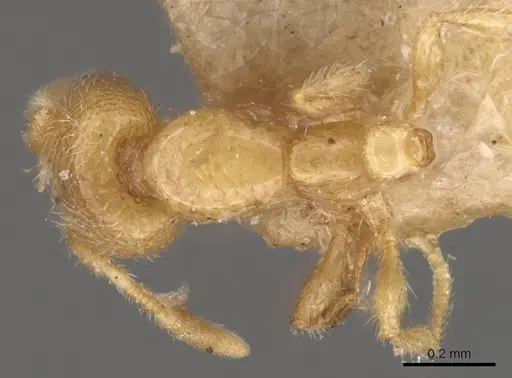
CASENT0913915
View on AntWeb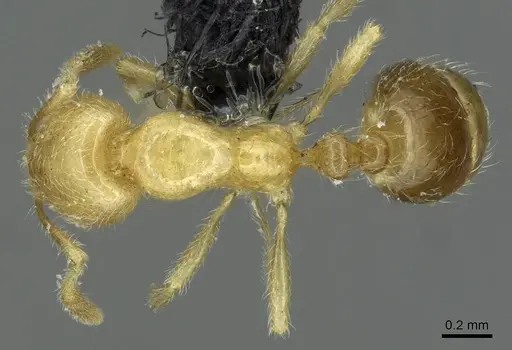
Literature
Loading distribution map...Loading products...