
Solenopsis parva
- Sci. Name
- Solenopsis parva
- Tribe
- Solenopsidini
- Subfamily
- Myrmicinae
- Author
- Mayr, 1868
- Distribution
- Found in 3 countries
Introduction
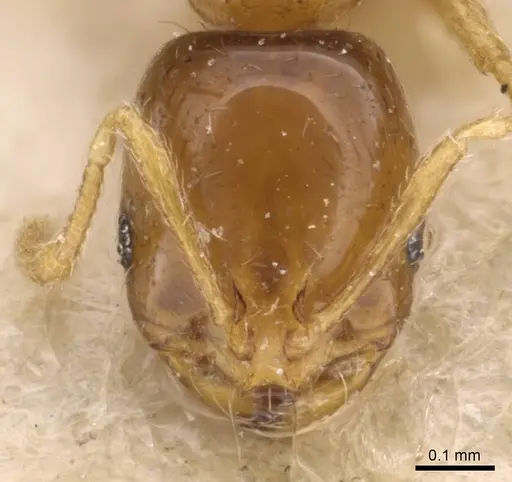
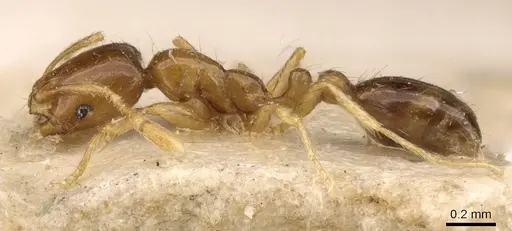
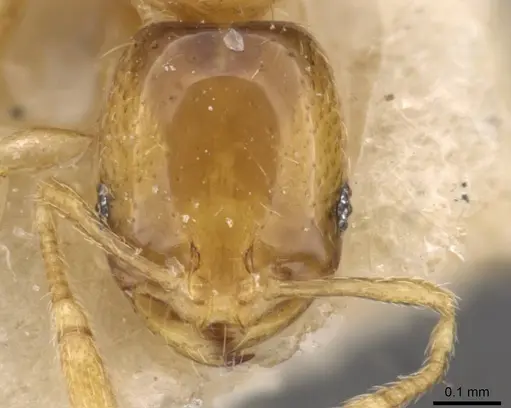
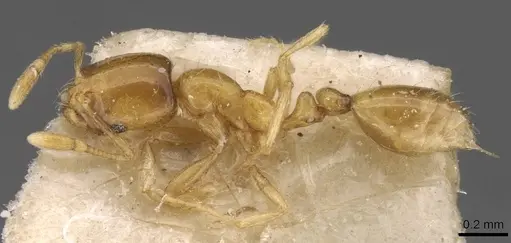
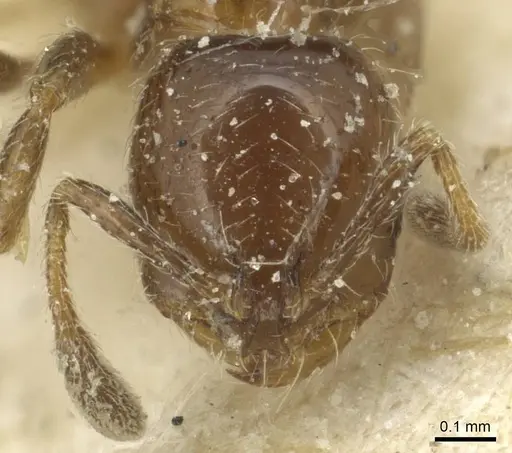
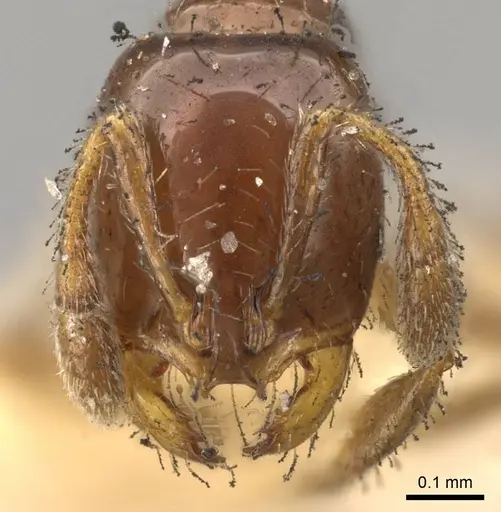
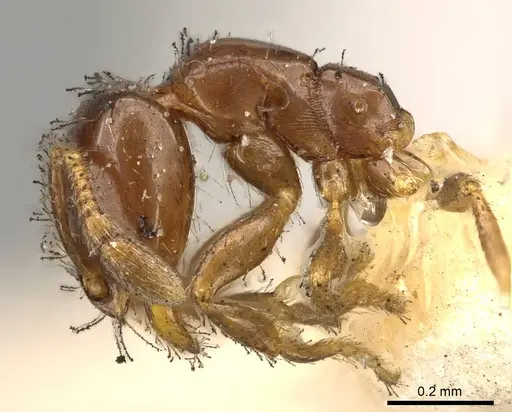
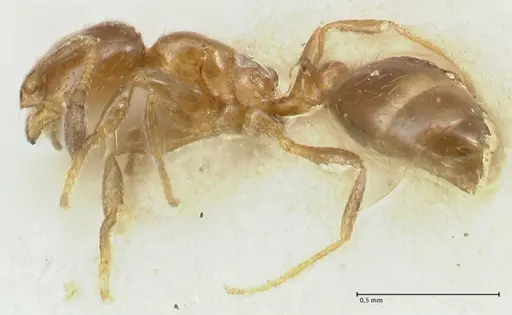
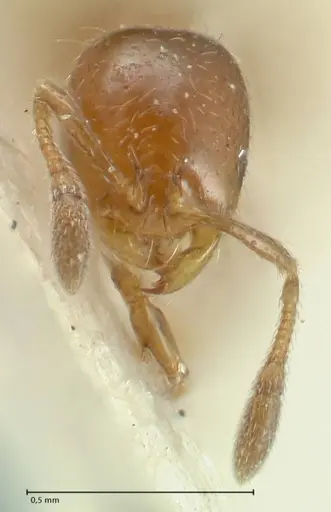
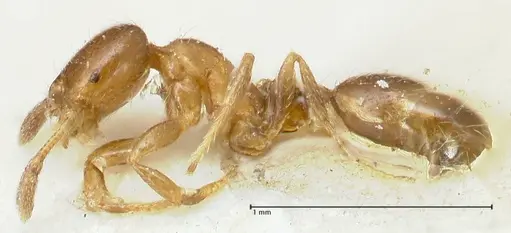
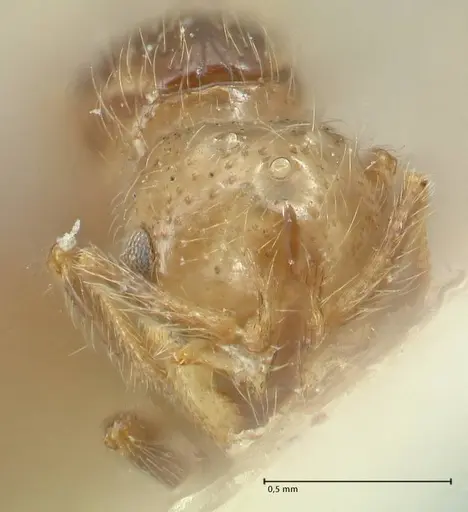
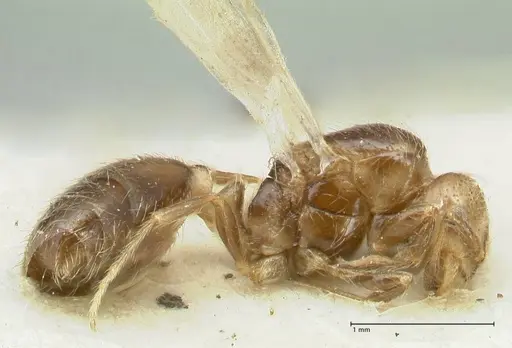
Solenopsis parva is a tiny yellow-brown ant from the Solenopsis molesta species complex, found in Argentina, Brazil, and Uruguay . Workers measure 1.56-1.62mm total length, queens 3.96-4.80mm . The queen has a noticeably thick scape (first antenna segment) that tapers toward the tip . Workers have reduced angulate clypeal teeth and moderately large, kidney-shaped eyes with 5-8 ommatidia . The body is smooth, glossy, and concolorous yellow to brown; queens are concolorous brown . It is a Tropical Climate Specialist inhabiting desert scrub and premontane forest .
Quick Summary
- Difficulty: Easy
- Origin & Habitat: Native to Argentina, Brazil, and Uruguay in the Neotropical region. Found in creosote bush scrub, shrub lands, and premontane forest. Collected in light brown fine sandy soils [1][3].
- Colony Type: Unconfirmed. Males have never been collected, so nuptial flight timing and colony structure remain undocumented [1].
- Size & Growth:
- Antkeeping:
- Temperature: Keep at 22-28°C. As a Tropical Climate Specialist from subtropical South America, they prefer warmth. Use a gentle heat gradient so workers can self-regulate [4].
- Humidity: Moderate, aim for damp but not waterlogged substrate. They come from fine sandy soils in arid to semi-arid regions, so avoid condensation and standing water [1].
- Diapause: Unconfirmed. Subtropical origin suggests reduced activity in cool months but not true hibernation. If activity drops, a 2-3 month cool period at 15-18°C may help.
- Nesting: Use Y-tong (AAC), plaster, or soil nests with tight chambers. Test tubes work well for founding. Avoid overly large spaces, their tiny size requires narrow connections and compact chambers.
- Behavior: A cryptic, non‑aggressive thief ant. Workers flee rather than sting. They forage opportunistically for small prey and sweets. Activity is highest in the evening [1]. Escape prevention is critical due to 1.5mm workers.
- Common Issues: escape prevention is critical, 1.5mm workers slip through gaps you can't see, slow founding phase, first workers take 6-10 weeks, colonies grow slowly, overfeeding leads to mold in small nests, remove uneaten prey within 24 hours, tiny workers drown easily, use water reservoirs with narrow openings, wild colonies may carry mites or parasites that hit small colonies hard
Housing and Nest Setup
Test tubes are ideal for founding colonies, use a tube with a water reservoir no wider than 1cm to prevent drowning. For larger colonies, switch to a Y‑tong, plaster, or soil nest with small chambers and narrow connections. Oversized spaces can stress the colony. Escape prevention is non‑negotiable: apply Fluon or PTFE to all edges, use 0.5mm mesh on ventilation, and seal every joint. A foraging area of 5-10cm is enough for a small colony [2].
Feeding and Diet
Offer small live prey (fruit flies, pinhead crickets, tiny mealworms) and sweet liquids (diluted honey, sugar water). Prey should be no larger than 2mm, a single fruit fly is a big meal for a small colony. Feed small amounts every 2-3 days, removing leftovers within 24 hours to prevent mold. Alternate protein and sugar for steady growth [1].
Temperature and Seasonal Care
Keep the nest at 22-28°C, 24-26°C is best for brood development [4]. Use a heating cable on one side to create a gradient. In winter, if activity drops, you can lower to 15-18°C for 2-3 months, but this is not a strict requirement. Avoid temperatures below 15°C [4].
Humidity and Water
They inhabit fine sandy soils in semi‑arid environments, so aim for moderate humidity, the nest substrate should be lightly moist but never waterlogged. Let parts of the nest dry out between waterings. Use a small water tube in the test tube stage. Watch for condensation: too much can drown workers, too little desiccates them [1].
Colony Establishment and Growth
Queens are 3.96-4.80mm. Their founding behavior has not been observed, but typical Solenopsis queens seal themselves in a chamber and raise the first brood without foraging [2]. Expect nanitics (first workers) after 6-10 weeks at 24-26°C. Growth is slow at first. Avoid disturbing the founding chamber for the first few months, stress can cause the queen to abandon or eat her eggs [2].
Behavior and Temperament
Solenopsis parva is a shy, cryptic ant that avoids conflict. Workers rarely sting and will flee if disturbed. Their small size makes them vulnerable, so they stay hidden and forage mainly at night. They are not aggressive toward keepers. As a thief ant, they may raid other colonies in the wild, but this behavior is unlikely in captivity [1][2].
Frequently Asked Questions
How long does it take for Solenopsis parva to have first workers?
Expect first workers (nanitics) 6-10 weeks after the queen lays eggs at 24-26°C. This is a genus-level estimate, no direct data exists for this species [2].
Can I keep Solenopsis parva in a test tube?
Yes. Use a small‑diameter tube (1cm or less) to prevent drowning. The water reservoir should be cotton‑plugged. Upgrade to a formicarium when the colony reaches 30-50 workers [2].
What do Solenopsis parva eat?
Small live prey (fruit flies, pinhead crickets), diluted honey, and sugar water. Feed small amounts every 2-3 days, remove leftovers within 24 hours. Prey should be under 2mm [1].
Are Solenopsis parva good for beginners?
Yes. They are easy to keep with modest temperature needs and a calm temperament. The main challenges are escape prevention (due to tiny size) and patience during the slow founding phase [2].
Do Solenopsis parva need hibernation?
Unconfirmed. They come from subtropical South America and probably do not require true hibernation. If activity drops in winter, a 2-3 month cool period at 15-18°C may help, but don't force it if the colony is active [4].
How big do Solenopsis parva colonies get?
Not well documented, but likely under 500 workers based on typical thief ant patterns. Growth is slow over 1-2 years [2].
Why are my Solenopsis parva escaping?
Their tiny 1.5mm workers squeeze through gaps that seem impossible. Apply Fluon to all edges, use 0.5mm mesh on vents, and seal every connection point. Even a hairline crack is enough [2].
When should I move Solenopsis parva to a formicarium?
Transfer when the colony reaches 30-50 workers and the test tube feels crowded. Connect the tube to the new nest via tubing and let them move at their own pace. Ensure the new nest has small chambers [2].
Can I keep multiple Solenopsis parva queens together?
Colony structure is unconfirmed. Combining queens is not documented and not recommended. Most Solenopsis are monogyne, house them singly to be safe [2].
Report an Issue
The current care sheet is based fully on literature. See inconsistencies, or something that's incorrect? Please , it will be resolved after review from an admin. Contributing to the blogs tab also helps providing information, to make us be able to further improve the caresheets. Thank you for your support!
References

This caresheet is licensed under CC BY-SA 4.0 .
Community Blogs
CASENT0908810
View on AntWeb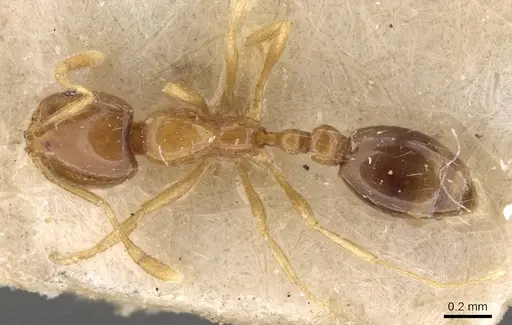
CASENT0908811
View on AntWeb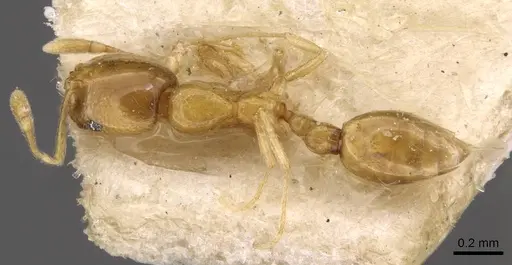
CASENT0913875
View on AntWeb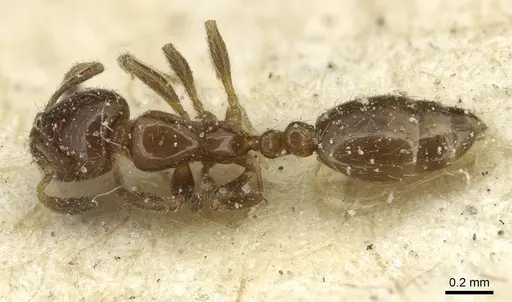
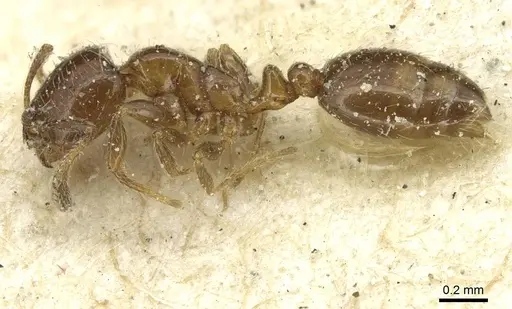
CASENT0913890
View on AntWeb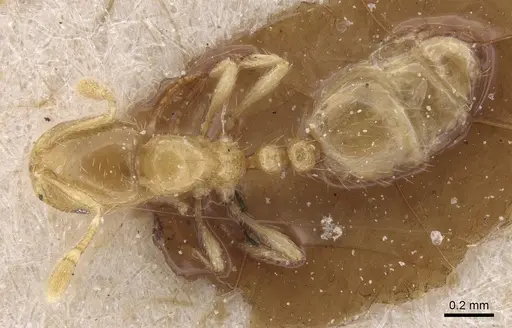
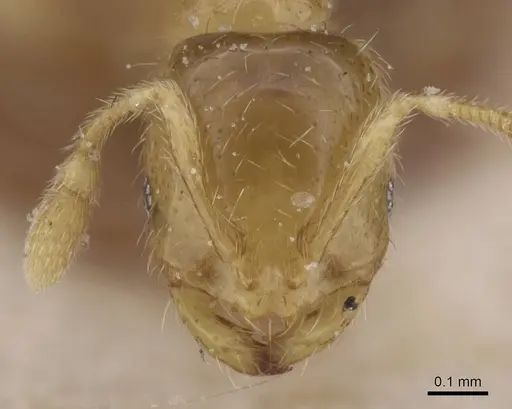
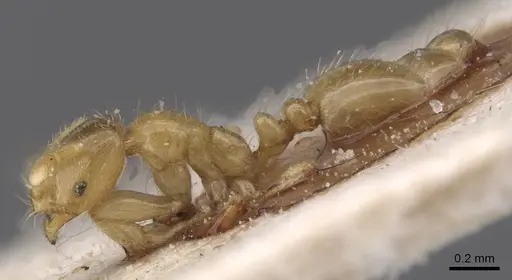
CASENT0914176
View on AntWeb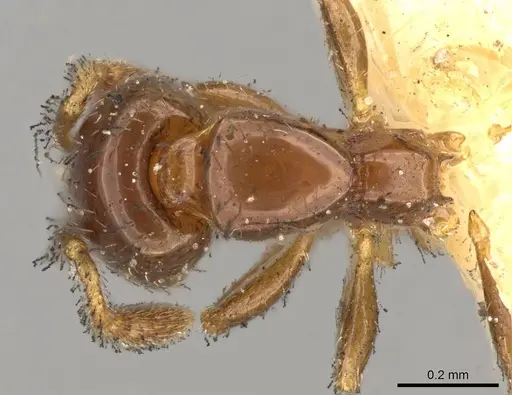
CASENT0916028
View on AntWeb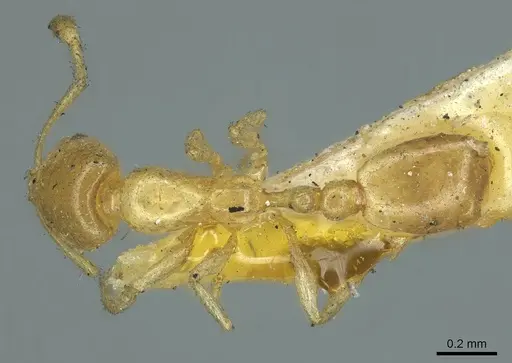
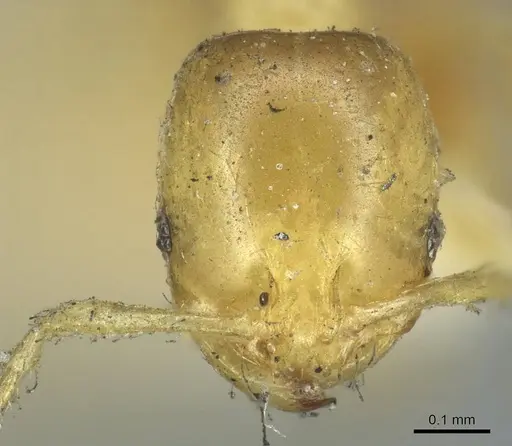
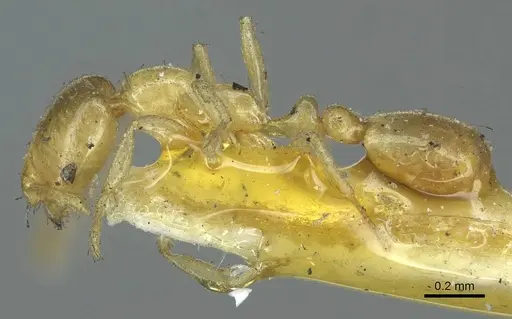
FOCOL1894
View on AntWeb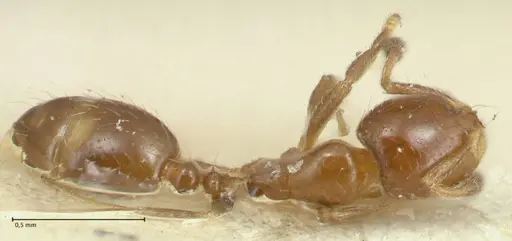
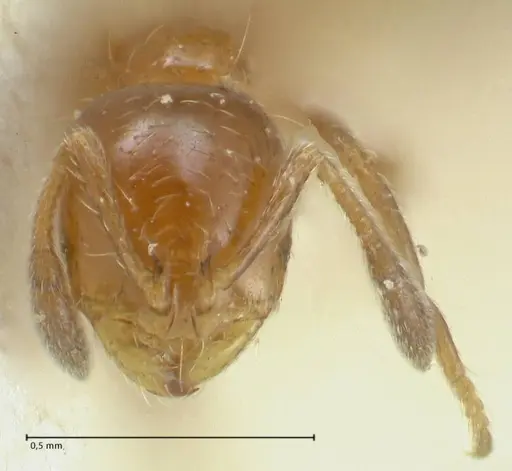
FOCOL1895
View on AntWeb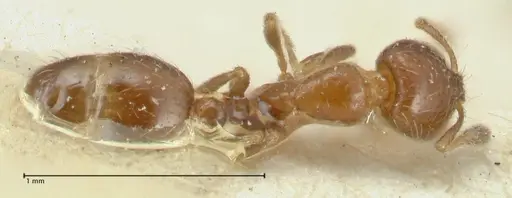
FOCOL1896
View on AntWeb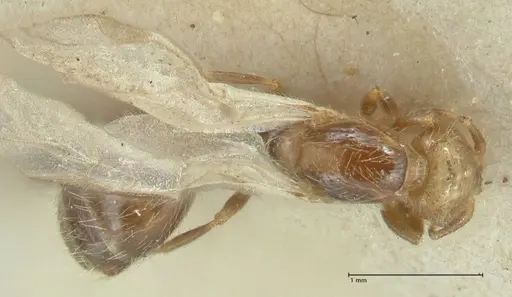
Literature
Loading distribution map...Loading products...