
Solenopsis orbuloides
- Sci. Name
- Solenopsis orbuloides
- Tribe
- Solenopsidini
- Subfamily
- Myrmicinae
- Author
- André, 1890
- Distribution
- Found in 1 countries
Introduction
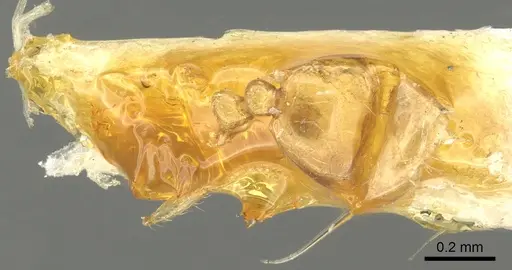
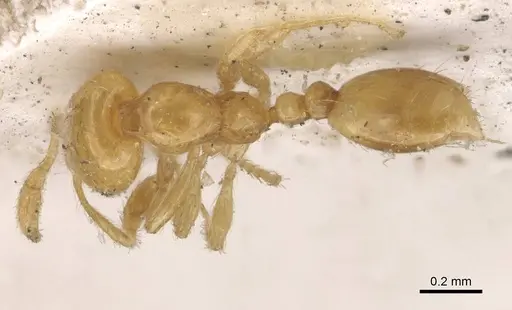
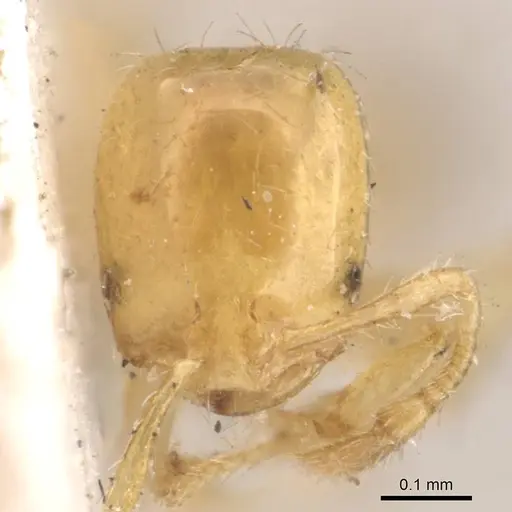
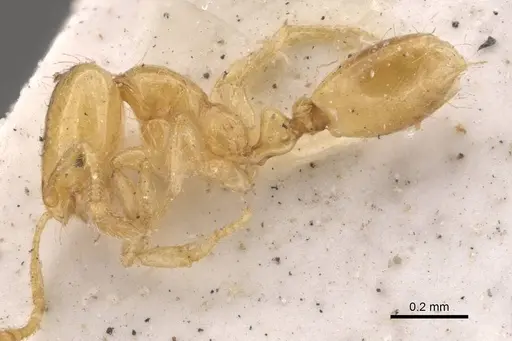
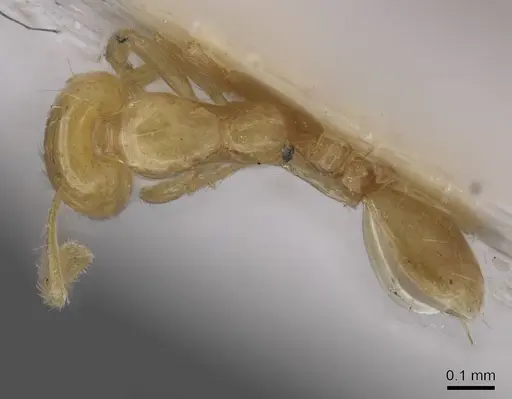
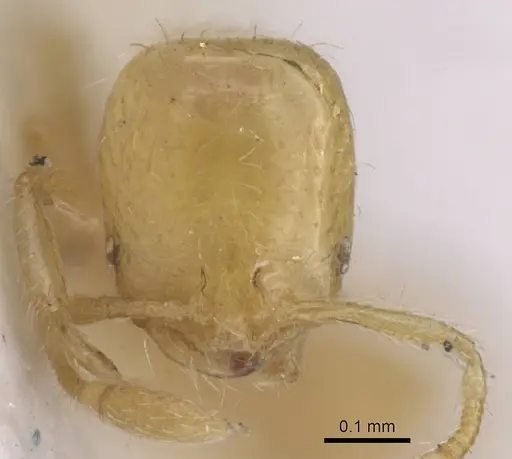
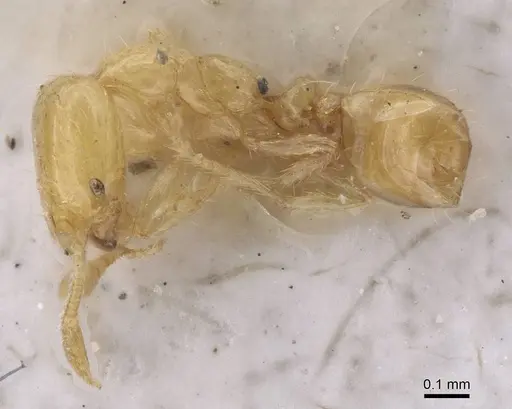
Solenopsis orbuloides is a small fire ant from West Africa, recorded in Nigeria, Senegal, and Sierra Leone . Workers are reddish-brown to dark in color and possess a potent stinger typical of the Solenopsidini tribe. The species was first described by André in 1890 from Sierra Leone, and the queen was later described by Santschi in 1914 . They live in tropical climates and likely nest in soil or under stones.
Quick Summary
- Difficulty: Hard
- Origin & Habitat: West Africa, Nigeria, Senegal, and Sierra Leone [1]. Tropical climate with warm temperatures year-round.
- Colony Type: Unknown, no specific colony structure data available for this species.
- Size & Growth:
- Queen: Unknown, no measurements available in the literature
- Worker: Unknown, no measurements available in the literature
- Colony: Unknown, no colony size data available
- Growth: Unknown
- Development: Unknown, no development studies exist. Based on related fire ant species, expect about 4-8 weeks at warm temperatures. (Estimate based on genus-level data for Solenopsis)
- Antkeeping:
- Temperature: Keep warm, around 24-28°C, based on its tropical origin. Use a heating cable on one side of the nest to create a gradient.
- Humidity: Keep the nest substrate consistently moist but not waterlogged. The substrate should clump when squeezed but not drip water.
- Diapause: Unlikely, as a tropical species, it probably does not require a winter diapause, but a slight temperature drop in winter may be acceptable.
- Nesting: A test tube setup works well for founding. For larger colonies, use a Y‑tong, plaster, or soil nest with dark, enclosed chambers.
- Behavior: Aggressive and quick to defend the nest with a painful sting. Workers are small but numerous and can swarm when threatened. They forage for protein (insects) and sugar sources. Escape prevention is critical due to their tiny size, they can squeeze through very small gaps. Handle with tools, never bare hands.
- Common Issues: stinger pain, this species can inflict a painful sting, avoid bare-hand contact and use tools., small size makes escape prevention critical, even tiny gaps can be exploited., limited species-specific information, most care advice is based on genus-level inference., tropical species may not tolerate cool temperatures, keep above 20°C year-round., aggressive defense requires caution during maintenance or rehousing., susceptible to Cry toxins from Bacillus thuringiensis [1], avoid using pest control sprays containing Bt near the colony.
Temperature and Care
Solenopsis orbuloides comes from West Africa, so it needs warm conditions to thrive. Keep the nest area at 24-28°C, this is ideal for their metabolism and brood development. A heating cable on one side of the nest creates a gentle gradient that lets ants choose their preferred temperature. Unlike temperate species, this fire ant likely does not need a winter diapause. However, slight temperature drops during winter (down to around 22°C) may be appropriate to simulate seasonal changes. Avoid keeping them below 20°C for extended periods as this can weaken the colony. Maintain humidity by keeping the nest substrate moist but not saturated. Fire ants prefer stable conditions, so avoid placing the nest near air conditioning vents or drafty areas.
Feeding and Diet
Like other fire ants, Solenopsis orbuloides is likely omnivorous with a preference for protein. Feed them small insects like fruit flies, pinhead crickets, or mealworms. They will also accept sugar sources, offer sugar water, honey, or diluted honey water in a shallow container. In the wild, these ants are opportunistic feeders that scavenge for dead insects and tend aphids for honeydew. Feed protein sources 2-3 times per week, and keep a sugar source available constantly. Remove uneaten prey after 24-48 hours to prevent mold. Young colonies can be fed small prey items, larger colonies can handle bigger insects. Always provide a water source, a small test tube with a cotton ball works well.
Nesting Preferences
In the wild, Solenopsis species typically nest in soil, often creating visible mounds or nesting under stones and debris. For captive care, a test tube setup works well for founding colonies, fill a test tube halfway with water, stuff with cotton to create a water reservoir, and place the queen in the tube. For established colonies, naturalistic setups with moist soil or Y‑tong/plaster nests work well. Fire ants prefer dark, enclosed spaces and will readily dig through suitable substrates. The nest should have chambers large enough for the colony but not excessively spacious. Keep the nest humid but ensure some areas can dry out slightly so ants can choose their preferred moisture level. Avoid using overly dry substrates as this can cause colony stress.
Behavior and Temperament
This is an aggressive species with a functional stinger, care must be taken when handling. Workers are small but numerous and will swarm to defend the colony when threatened. The sting is painful and can cause localized swelling in humans. When working with this species, use tools rather than your hands, and consider wearing gloves. They are ground-nesting ants that may create extensive tunnel systems in suitable substrates. Foraging activity is typically highest during warmer hours. Colonies grow relatively quickly once established, with workers living several months. This species is not recommended for beginners due to its sting potential and the need for careful escape prevention. However, for keepers experienced with stinging ants, they are rewarding colonies to observe.
Escape Prevention
Fire ants are notorious escape artists due to their small size and persistence. Use excellent escape prevention regardless of your setup. For test tubes, use tight-fitting cotton plugs and consider wrapping parafilm around the opening. For formicariums, apply fluon (insect barrier) to all rim edges and ensure lids fit securely. Check regularly for any gaps or cracks in the housing. Even small gaps that seem insignificant can allow these tiny ants to squeeze through. A second barrier of baby powder mixed with alcohol (applied and dried on surfaces) provides additional protection. Never place food directly on the rim of the enclosure without a barrier. Regular inspection of the outworld and surrounding areas helps catch any escapes early.
Frequently Asked Questions
Does Solenopsis orbuloides sting?
Yes, this species can sting. Like other fire ants, they have a functional stinger and the sting can be painful, causing localized pain and swelling. Handle with care and avoid bare-hand contact.
How long does it take for the first workers to emerge?
The exact timeline is unknown for this species since no development studies exist. Based on related fire ant species, expect first workers (nanitics) to emerge in 4-8 weeks at optimal warm temperatures (around 26°C).
Can I keep multiple queens together?
This is not recommended. While some Solenopsis species can be polygynous (multiple queens), combining unrelated foundress queens typically leads to fighting. Start with a single queen in a test tube setup for best success.
What temperature do they need?
Keep them warm at 24-28°C. This West African species prefers tropical conditions. A heating cable on one side of the nest creates a gradient. Avoid temperatures below 20°C for extended periods.
Are Solenopsis orbuloides good for beginners?
No, this species is not recommended for beginners. The combination of their painful sting, small size (escape risk), and aggressive defense makes them challenging. They are better suited for keepers with experience handling stinging ants.
How big do colonies get?
The maximum colony size is unknown for this specific species. However, related fire ant species can reach several thousand workers. Expect moderate to large colony sizes with proper care over several years.
Do they need hibernation?
Unlikely. Being a tropical West African species, they probably do not require a winter diapause. However, slight temperature reduction during winter months may be appropriate.
What do they eat?
They are omnivorous. Feed small insects (fruit flies, pinhead crickets, mealworms) 2-3 times per week as protein. Keep a sugar source (sugar water, honey water) available constantly. They will also scavenge dead insects and may tend aphids for honeydew.
When should I move them to a formicarium?
Wait until the colony has at least 20-30 workers before moving to a larger setup. Test tubes work well for founding colonies. Move them when the test tube becomes crowded or the water reservoir runs low.
Why are my ants escaping?
Fire ants are small and persistent escape artists. Ensure you have excellent escape prevention: apply fluon to rim edges, use tight-fitting lids, and check for any small gaps. Even tiny gaps that seem insignificant can allow escapes.
Report an Issue
The current care sheet is based fully on literature. See inconsistencies, or something that's incorrect? Please , it will be resolved after review from an admin. Contributing to the blogs tab also helps providing information, to make us be able to further improve the caresheets. Thank you for your support!
References

This caresheet is licensed under CC BY-SA 4.0 .
Community Blogs
Literature
Loading distribution map...Loading products...