
Solenopsis oraniensis
- Sci. Name
- Solenopsis oraniensis
- Tribe
- Solenopsidini
- Subfamily
- Myrmicinae
- Author
- Forel, 1894
- Distribution
- Found in 2 countries
Introduction
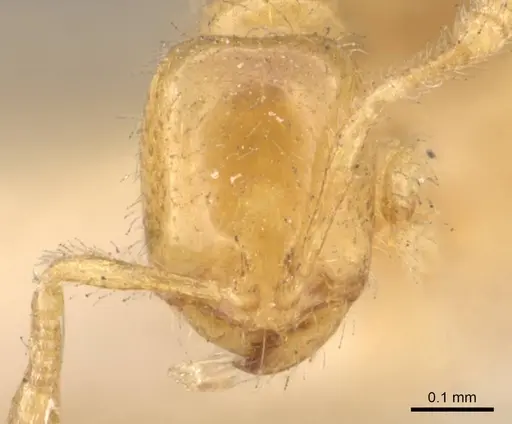
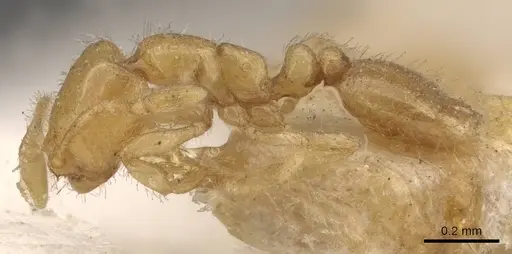
Solenopsis oraniensis is a small ant from the Mediterranean region, recorded in Algeria, Portugal, Spain, and Morocco . Workers are about 2-4 mm long (inferred from typical Solenopsis size) with the yellow to reddish-brown color common in fire ants. They have a functional stinger. The species was first described by Forel in 1894 from Oran, Algeria . These ants are predators and scavengers that forage on the ground. They live in warm, dry, open habitats like Mediterranean garrigue. Very little is known about their biology in the wild, so most care advice is based on patterns from related Solenopsis species.
Quick Summary
- Difficulty: Medium
- Origin & Habitat: Mediterranean region: Algeria, Iberian Peninsula (Portugal, Spain), Morocco. Found in warm, dry, open areas with sandy or loose soil [1][2][3].
- Colony Type: Unconfirmed from literature. Most Solenopsis species are monogyne (single queen), but this has not been studied for S. oraniensis. Keep only one queen per colony unless evidence suggests otherwise.
- Size & Growth:
- Queen: Estimated 5-7 mm based on typical Solenopsis queen sizes (no species-specific measurements available).
- Worker: 2-4 mm [1] (inferred from genus, not directly measured).
- Colony: Unknown. Mature Solenopsis colonies can reach several thousand workers, but no data exists for this species.
- Growth: Moderate (inferred from related species).
- Development: Unknown. Based on typical Solenopsis development, roughly 5-8 weeks at warm temperatures, but this has not been confirmed for S. oraniensis. (Development depends on temperature and food availability. No colony growth observations have been published.)
- Antkeeping:
- Temperature: Warm conditions (around 24-28°C) are recommended based on the Mediterranean origin, but specific requirements are unknown. Provide a temperature gradient so the colony can choose.
- Humidity: Low to moderate, match the dry Mediterranean habitat. Keep the nest substrate slightly dry with a small moist area. Avoid constant saturation.
- Diapause: Unknown. Most Mediterranean ants have a winter diapause, but there is no data for S. oraniensis. If you keep one, you can try a cool rest period (around 10-15°C for 2-3 months) and observe colony response.
- Nesting: Sandy soil or Y-tong (AAC) nests with chambers about 5-8 mm high work well. Provide a dry, warm nesting area. They may also accept plaster nests.
- Behavior: Workers are active foragers that hunt small insects and scavenge. They defend the nest aggressively using their stinger, which delivers a burning sensation typical of fire ants. Because of their small size, they can escape through tiny gaps, use tight connections and Fluon barriers. Avoid direct handling.
- Common Issues: stinging, workers will sting if threatened, causes brief burning pain, handle with care., escape risk, small size means they can slip through loose joints, use tight seals and barriers., mold, can grow if substrate is too wet, let the nest dry out between waterings., unknown colony needs, because so little is known about this species, you may need to adjust care based on observation.
Housing and Nest Setup
Because S. oraniensis has not been studied in captivity, start with a simple setup. A test tube with a water reservoir works for founding or small colonies. For a more natural nest, use a Y-tong (AAC) block with chambers about 5-8 mm high, this matches their typical body size and allows them to move easily. Make sure the substrate is sandy and well-draining to avoid mold. Connect the nest to an outworld with a tight seal, apply Fluon on the outworld walls to prevent escapes. Provide a few small stones or leaf litter in the outworld for cover.
Feeding and Diet
Based on typical Solenopsis behavior, S. oraniensis is likely a predator and scavenger. Offer small live or frozen insects (fruit flies, pinhead crickets, small mealworms) two to three times a week. They may also accept honey water or sugar water, but protein is important for brood development. Remove uneaten prey after 24 hours to prevent mold. Because their dietary preferences are undocumented, watch what the colony eats and adjust accordingly.
Temperature and Seasonal Care
No specific temperature data exists for S. oraniensis, but its Mediterranean origin suggests warmth. Keep the nest area around 24-28°C if you can, use a heating cable on the side or top of the nest, not underneath. A cooler room (around 20-22°C) may also work, but growth will be slower. For winter, many Mediterranean ants need a cool rest period. You can try 2-3 months at 10-15°C with reduced feeding, but this is not confirmed for this species. Monitor the colony's health and adjust.
Behavior and Defense
Like all fire ants, S. oraniensis has a functional stinger and uses it to hunt and defend [1]. Workers are quick and recruit nestmates to food or threats. They can deliver a burning sting, similar to other Solenopsis species. Because they are small and aggressive, always use tools (soft brush, aspirator) for transfers and avoid direct handling. Their natural defense and rapid movement make them interesting but challenging to keep.
Frequently Asked Questions
Do Solenopsis oraniensis ants sting?
Yes, they have a functional stinger and will use it when threatened. The sting causes a brief burning sensation. Handle with care and avoid bare-handed contact [1].
How long does it take for Solenopsis oraniensis to raise first workers?
This has not been studied. Based on similar Solenopsis species, it might take 5-8 weeks at around 26°C, but this is only a guess. Expect that the queen stays sealed with her brood for several weeks without visible activity.
What temperature do Solenopsis oraniensis need?
Specific requirements are unknown. Based on its Mediterranean home, aim for 24-28°C. Provide a gradient so the colony can choose its preferred spot.
Can I keep multiple Solenopsis oraniensis queens together?
Probably not. Most Solenopsis are monogyne (single queen), but this has not been confirmed for S. oraniensis. Keep only one queen per nest to avoid fighting until more is known.
How big do Solenopsis oraniensis colonies get?
No data exists. Related fire ants can form colonies of several thousand workers, but this is only speculation. Start with a single queen and expect a small colony for the first year.
Do Solenopsis oraniensis need hibernation?
Unknown. Many Mediterranean ants require a winter diapause, but this has not been studied. If you choose to provide a cool rest period, keep the colony at 10-15°C for 2-3 months with minimal disturbance, and watch for signs of stress.
What do Solenopsis oraniensis eat?
Based on its genus, it is a predator and scavenger. Offer small insects (fruit flies, small crickets) and sugar water. No species-specific dietary studies exist, so observe and adjust.
Are Solenopsis oraniensis good for beginners?
Medium difficulty. They are small, can sting, and very little is known about their care. Better for keepers with some experience who can adapt based on observation.
When should I move Solenopsis oraniensis to a formicarium?
Since founding type is unknown, it's safer to wait until the colony has at least 30-50 workers before moving from a test tube. Use a nest with small chambers (5-8 mm). Moving too early can stress the colony.
Why is my Solenopsis oraniensis colony dying?
Common issues for small fire ants: too wet (mold), too dry (desiccation), temperature too low, or lack of protein. Check the nest conditions and adjust gradually. Because care data is scarce, try to match Mediterranean conditions and observe.
Report an Issue
The current care sheet is based fully on literature. See inconsistencies, or something that's incorrect? Please , it will be resolved after review from an admin. Contributing to the blogs tab also helps providing information, to make us be able to further improve the caresheets. Thank you for your support!
References

This caresheet is licensed under CC BY-SA 4.0 .
Community Blogs
CASENT0908864
View on AntWeb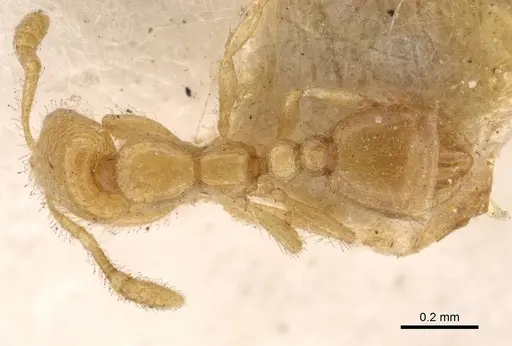
Literature
Loading distribution map...Loading products...