
Solenopsis nitens
- Sci. Name
- Solenopsis nitens
- Tribe
- Solenopsidini
- Subfamily
- Myrmicinae
- Author
- Bingham, 1903
- Distribution
- Found in 1 countries
Introduction
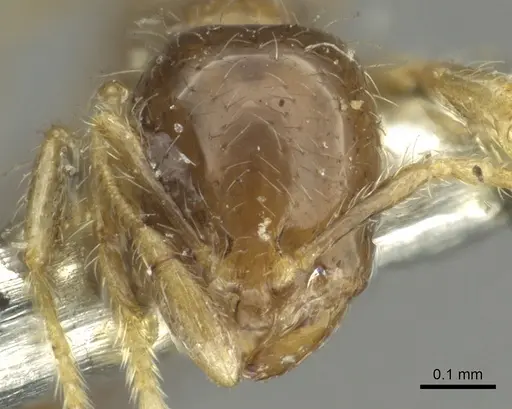
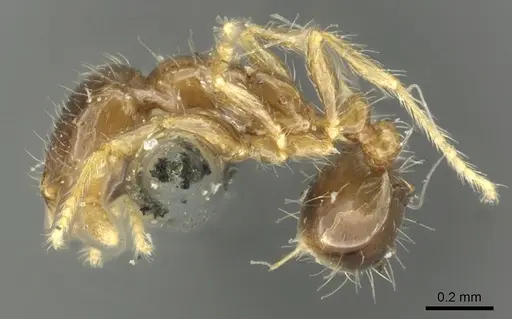
Solenopsis nitens is a tiny ant species native to India and Sri Lanka . Workers measure 1.2-1.5 mm and have a reddish-brown body with smooth, polished surfaces, while their mandibles, antennae, and legs are yellow . The head is proportionally large and rectangular, slightly indented at the back . The species has been recorded in Karnataka and Kerala within India, and it also occurs throughout Sri Lanka . As a member of the Solenopsidini tribe, these ants have a functional stinger and can deliver a painful sting - though they are not aggressive toward humans. They are small, fast-moving foragers that form underground colonies.
Quick Summary
- Difficulty: Medium
- Origin & Habitat: Native to India and Sri Lanka (Indomalaya region), recorded in Karnataka and Kerala [2]. Likely inhabits tropical and subtropical environments with warm, humid conditions.
- Colony Type: Colony structure is unconfirmed. Based on typical Solenopsis patterns, they are likely single-queen (monogyne), but this has not been verified for this species.
- Size & Growth:
- Queen: No specific measurements available. Inferred from Solenopsis genus, queens are probably 4-6 mm, but this is unconfirmed.
- Worker: 1.2-1.5 mm [1]
- Colony: Maximum colony size is unknown. Based on related Solenopsis species, colonies may reach several hundred workers.
- Growth: Moderate (estimated from related species)
- Development: Estimated 5-8 weeks at optimal tropical temperatures (24-28°C), based on related Solenopsis species. (Development time depends on temperature. Warmer conditions accelerate growth.)
- Antkeeping:
- Temperature: Keep at 24-28°C. This tropical species requires consistent warmth. A heating cable on one side of the nest provides a gradient. Temperatures below 22°C may slow colony development and can be harmful.
- Humidity: Keep the nest substrate consistently moist but not waterlogged. These ants come from humid tropical regions, so high humidity is important. Provide a water tube for drinking.
- Diapause: No. As a tropical species, it does not require hibernation. Keep temperatures stable year-round.
- Nesting: In nature, they nest in soil. In captivity, start founding queens in test tubes. For established colonies, use a small formicarium, Y‑tong (AAC) or plaster works well, with very small chambers and tight gaps to match their tiny size.
- Behavior: Active foragers that search for food on the ground. They are omnivorous, feeding on small insects, seeds, and honeydew (typical of the Solenopsis genus). Workers are fast and tiny (1.2-1.5 mm). They have a functional stinger but are not aggressive toward humans unless handled roughly. Escape prevention is critical due to their minute size, they can slip through extremely narrow gaps.
- Common Issues: escape prevention is critical, their 1.2 mm size allows them to squeeze through standard mesh and lid gaps, colonies may struggle or fail if temperatures drop below 22°C for extended periods, overfeeding can cause mold in small test tube setups, in the founding stage, excessive disturbance often leads to queen mortality, parasites from wild‑caught colonies can be a risk, quarantine new colonies if possible
Housing and Setup
For a newly caught queen, a standard test tube setup works well. Fill the tube about one‑third with water, plug the wet end with cotton to create a water reservoir, then add the queen. This maintains a stable, humid environment. Cover the tube with a dark cloth for the first few weeks, queens need darkness to feel secure during the founding phase. Once the first workers (nanitics) appear, you can move the colony to a small formicarium. Because workers are only 1.2-1.5 mm, use nests with very small chambers and narrow passages. Y‑tong (AAC) or plaster nests are suitable. Escape prevention is absolutely critical, these ants can squeeze through gaps that seem impossible. Use fluon on container rims and cover all ventilation holes with fine mesh (0.5 mm or finer). [1]
Feeding and Diet
Solenopsis nitens are omnivorous, like most Solenopsis species. In captivity, offer small live prey such as fruit flies, pinhead crickets, or small mealworms 2-3 times per week. Provide a sugar source, small drops of sugar water or diluted honey (1:4 with water), refeshed every few days. Because the ants are tiny, keep portion sizes very small. Remove any uneaten prey after 24 hours to prevent mold. Fresh water should always be available, for example from a shallow water tube with a cotton wick.
Temperature and Heating
Being a tropical species from India and Sri Lanka, Solenopsis nitens requires warm conditions. Keep the nest area at 24-28°C for optimal brood development. Room temperature alone may be insufficient, especially in cooler climates. A small heating cable or mat on one side of the nest creates a temperature gradient, allowing the ants to self‑regulate. Avoid direct heat that could dry out the nest. Temperatures below 22°C can slow colony growth significantly, and prolonged cold may kill the colony. Monitor with a thermometer near the nest.
Handling and Safety
This species has a functional stinger (typical of the Solenopsidini tribe). While they are not aggressive and usually flee, they will sting if handled roughly or if their nest is disturbed. The sting is painful relative to their tiny size. When working with the colony, use gentle movements and avoid picking up workers with bare hands. If stung, wash the area with soap and water, the pain usually subsides within minutes. For antkeepers, the main safety concern is preventing accidental escapes, so always maintain excellent barrier protection.
Colony Growth Expectations
A founding queen will lay her first eggs within about a week (based on typical Solenopsis patterns). These develop into nanitics over 5-8 weeks at optimal temperatures. Nanitics are usually smaller than mature workers. After the first workers arrive, the colony grows slowly at first, the first 10-20 workers may take several months. Once the colony reaches around 30-50 workers, growth typically accelerates. A mature colony may reach several hundred workers over 1-2 years under good conditions. Be patient: their small size means each worker represents a smaller investment, but the colony still takes time to build.
Frequently Asked Questions
How long does it take for Solenopsis nitens to raise first workers?
At optimal temperatures of 24-28°C, expect first workers (nanitics) in approximately 5-8 weeks after the queen lays eggs. This is typical for tropical Solenopsis species. Cooler temperatures will significantly slow development.
What do Solenopsis nitens eat?
They are omnivorous. Offer small live prey like fruit flies, pinhead crickets, or small mealworms 2-3 times per week. They also accept sugar water or diluted honey. Remove uneaten food after 24 hours to prevent mold.
Are Solenopsis nitens good for beginners?
They are moderate difficulty. The main challenges are escape prevention (due to their tiny 1.2-1.5 mm size) and maintaining proper warmth. If you can provide consistent 24-28°C temperatures and excellent escape barriers, they can be kept by beginners.
What size colony do Solenopsis nitens reach?
Colony size is not well documented but likely reaches several hundred workers based on related Solenopsis species. Expect 1-2 years to reach a mature colony size.
Do Solenopsis nitens need hibernation?
No, they do not hibernate. This is a tropical species from India and Sri Lanka. Keep them warm year‑round at 24-28°C. Hibernation at cold temperatures would likely kill the colony.
How do I prevent Solenopsis nitens from escaping?
Escape prevention is critical due to their tiny 1.2-1.5 mm size. Use fluon on all lid rims, ensure containers have tight‑fitting lids, and cover any ventilation holes with fine mesh (0.5 mm or smaller). Check for gaps daily, especially after feeding.
Can I keep multiple Solenopsis nitens queens together?
Not recommended. While colony structure is not well documented for this species, combining unrelated queens typically leads to fighting. Single‑queen colonies are recommended based on typical Solenopsis patterns.
What temperature is best for Solenopsis nitens?
Keep them at 24-28°C. This tropical species needs consistent warmth. A heating cable on one side of the nest creates a gradient. Temperatures below 22°C will slow growth, and prolonged cold can kill the colony.
When should I move Solenopsis nitens to a formicarium?
Keep founding queens in test tubes until the colony has at least 20-30 workers. Moving too early stresses the colony. Once they outgrow the test tube (typically 30+ workers), transition to a small formicarium with appropriately sized chambers.
Report an Issue
The current care sheet is based fully on literature. See inconsistencies, or something that's incorrect? Please , it will be resolved after review from an admin. Contributing to the blogs tab also helps providing information, to make us be able to further improve the caresheets. Thank you for your support!
References

This caresheet is licensed under CC BY-SA 4.0 .
Community Blogs
CASENT0902364
View on AntWeb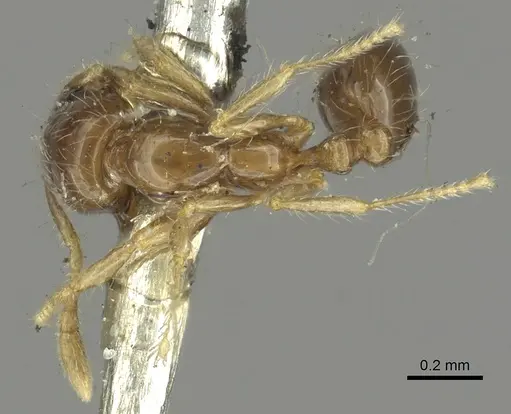
Literature
Loading distribution map...Loading products...