
Solenopsis mameti
- Sci. Name
- Solenopsis mameti
- Tribe
- Solenopsidini
- Subfamily
- Myrmicinae
- Author
- Donisthorpe, 1946
- Distribution
- Found in 4 countries
Introduction
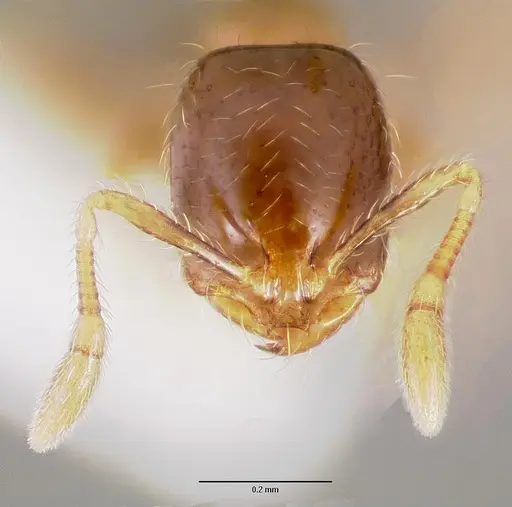
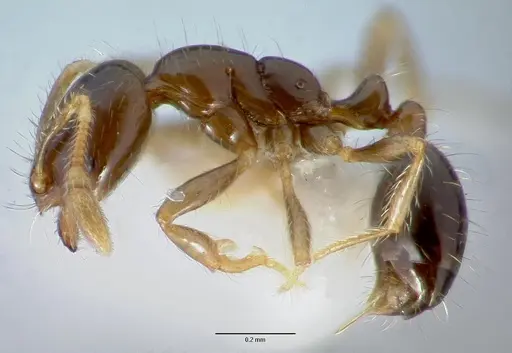
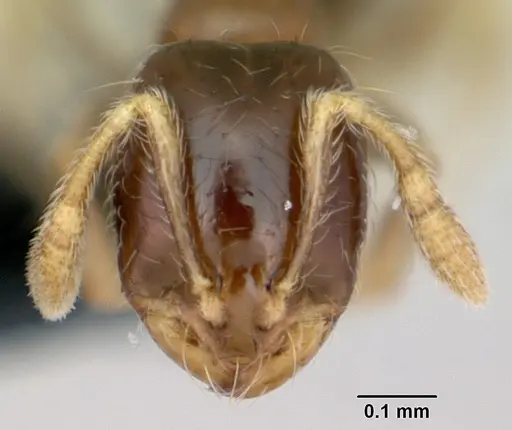
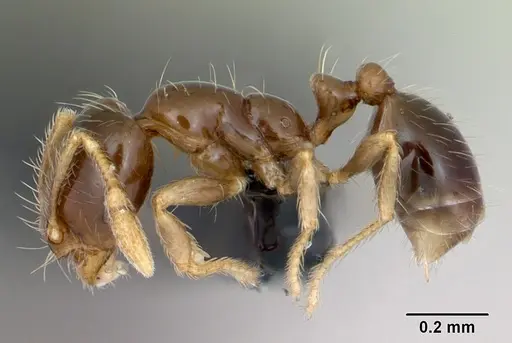
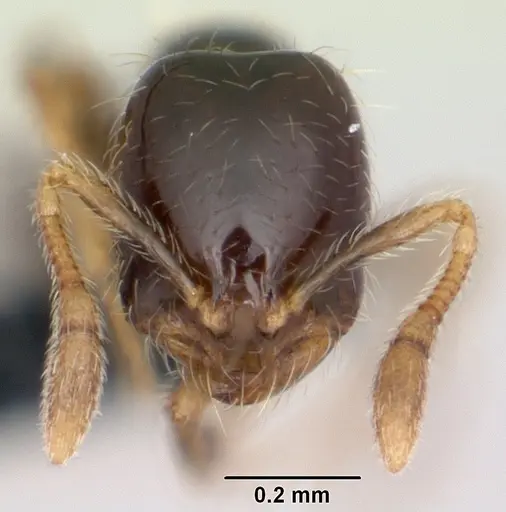
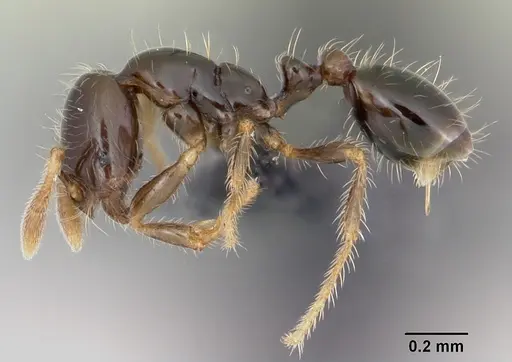
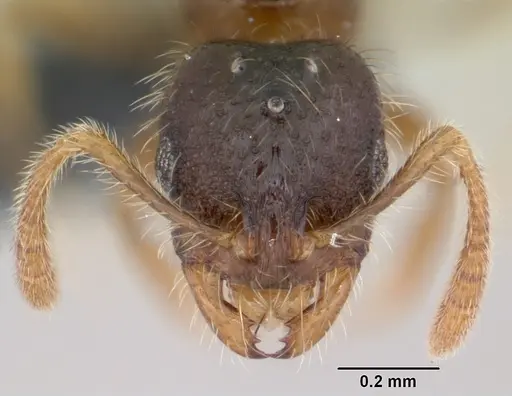
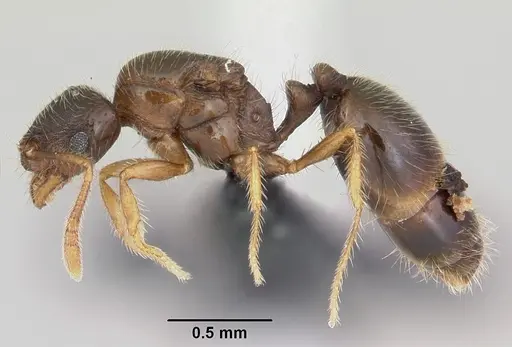
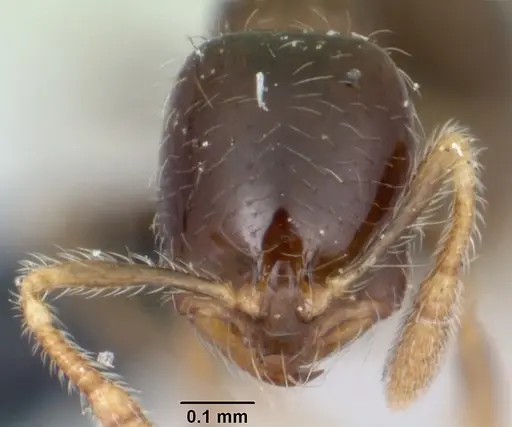
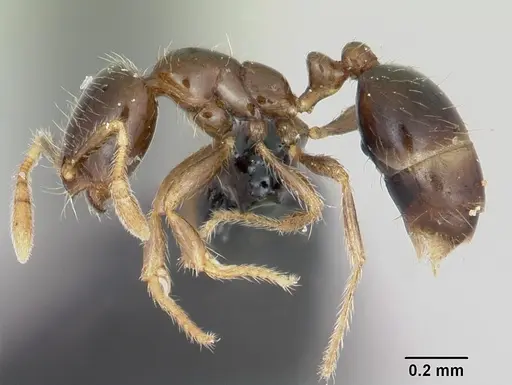
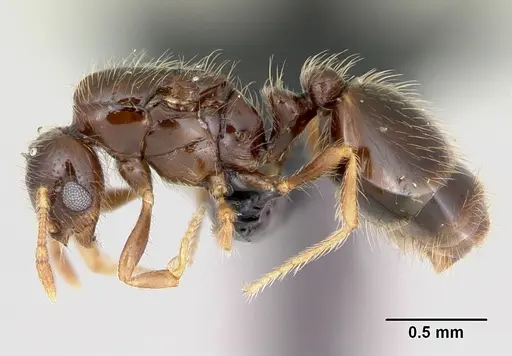
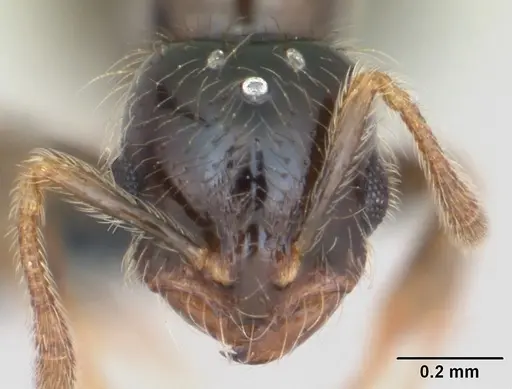
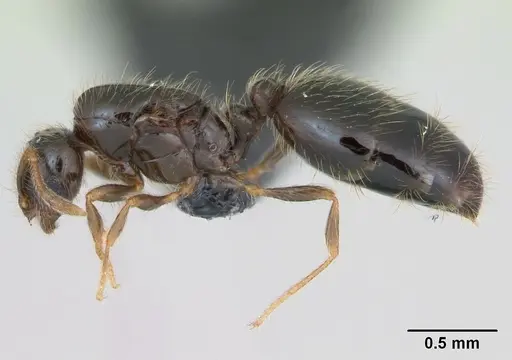
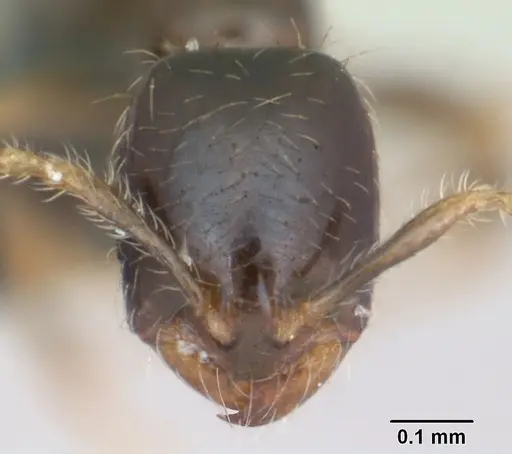
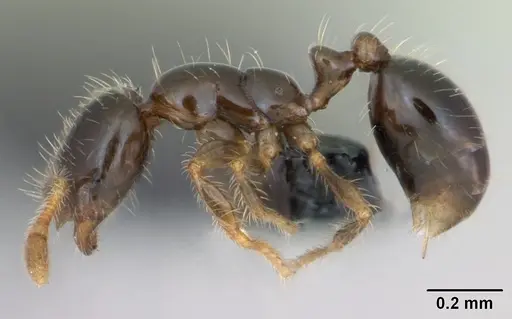
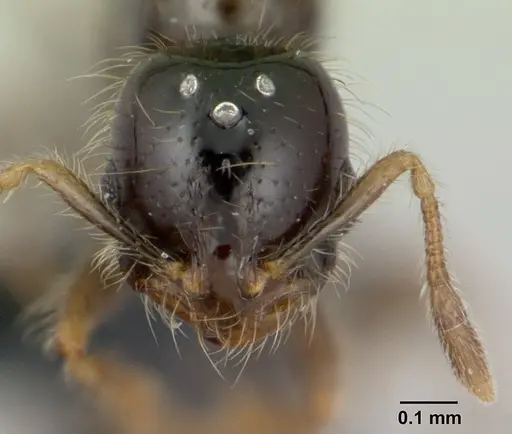
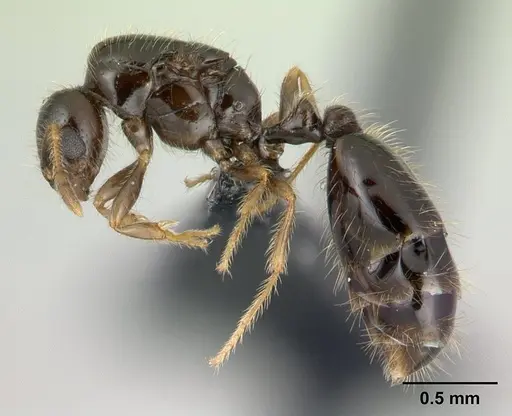
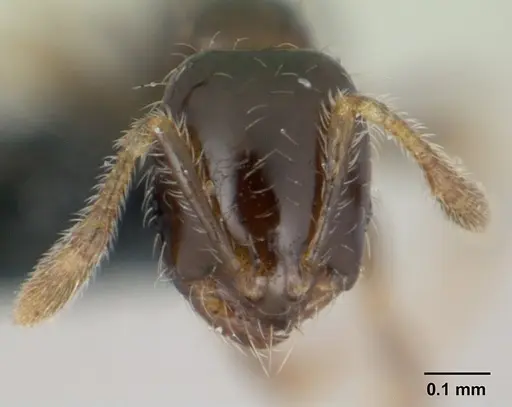
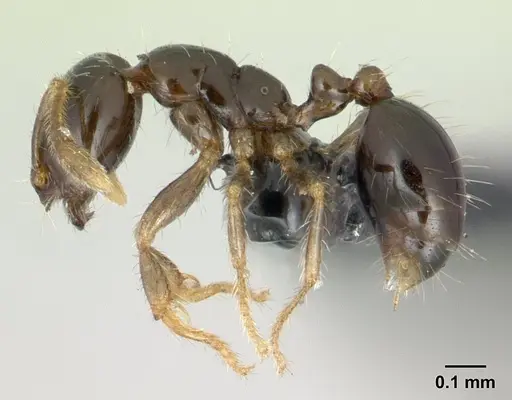
Solenopsis mameti is a small, dark brown ant species native to the Mascarene Islands (Mauritius, Réunion) and Madagascar. Workers have abundant long body hairs and a deep metanotal groove that helps distinguish them from related species . In its native range, this ant nests in leaf litter and rotten stumps . This species has attracted attention because it is a very successful invader in disturbed habitats. It is extremely common in Mauritius and was thought to be endemic there, but genetic studies revealed it also occurs in Madagascar and may be among the most aggressive exotic invaders in areas where it has been introduced .
Quick Summary
- Difficulty: Expert
- Origin & Habitat: Native to the Afrotropical region: Comoros, Madagascar, Mauritius, Réunion [2][4]. Found in disturbed habitats such as forest edges, nesting in leaf litter and rotten stumps [3][2].
- Colony Type: Unknown, colony structure has not been studied.
- Size & Growth:
- Queen: Size data unavailable.
- Worker: Size data unavailable.
- Colony: Unknown.
- Growth: Unknown.
- Development: Unknown. (Development time has not been documented for this species.)
- Antkeeping:
- Temperature: Based on tropical origin, keep at 24-28°C. Use a heating cable on one side to create a gradient. Avoid temperatures above 32°C.
- Humidity: Keep the nest substrate consistently moist but not waterlogged. They naturally inhabit leaf litter and rotten wood, so high humidity is important [2][5].
- Diapause: Unknown, given their tropical origin, they likely do not require a true diapause, but no specific data exists.
- Nesting: Provide dark, humid, enclosed spaces. Use Y-tong (AAC) nests, plaster nests, or test tubes with a water reservoir. A soil or coco peat layer in the outworld helps maintain humidity [2][5].
- Behavior: Solenopsis mameti is an aggressive forager and can sting (typical of the Solenopsidini tribe). Workers are tiny but bold, and colonies can be defensive when disturbed. They are known to be successful invaders in disturbed habitats [3]. Escape prevention is critical due to their small size. This species is not recommended for non-native regions and must never be released.
- Common Issues: escape prevention is critical due to their tiny size, they can squeeze through standard barriers, this species is invasive, it must never be released outside its native range [3], colonies can be defensive and workers can sting, handle with care, overheating can kill colonies quickly, avoid temperatures above 32°C, founding queens are fragile and the colony is sensitive to disturbance in early stages
Temperature and Care
Solenopsis mameti originates from tropical islands, so they prefer warm conditions. Keep the nest area at 24-28°C for optimal activity. Use a heating cable on one side of the nest to create a gentle temperature gradient, allowing workers to move between warmer and cooler areas as they prefer. Avoid temperatures above 32°C. Room temperature in the low-to-mid 20s°C may be sufficient, but warmer conditions promote faster development.
Housing and Nesting
This species nests naturally in leaf litter and rotten stumps [2][3]. In captivity, test tubes with water reservoirs work well for founding colonies, while Y-tong (AAC) nests or plaster nests suit established colonies. The key is maintaining a dark, humid environment. A layer of moist soil or coco peat in the outworld helps keep humidity high [5]. Escape prevention is essential: use fluon on container rims and fine mesh covers, as these tiny ants can squeeze through surprisingly small gaps.
Feeding and Diet
Solenopsis mameti is an active predator [3] and will accept small live prey. Offer fruit flies, pinhead crickets, and small mealworms. They may also accept sugar water or honey as a supplement, though this is not confirmed from research. Feed 2-3 times per week, adjusting based on colony consumption, and remove uneaten prey after 24-48 hours to prevent mold. A constant water source should be available.
Behavior and Temperament
Workers are small but bold and aggressive foragers [3]. They have a functional sting (typical of the Solenopsidini tribe) and can sting if the colony is disturbed. Handle with care and avoid unnecessary nest disturbance. This species is a documented invader in disturbed habitats [3], so it adapts well to captivity but must never be released in non-native regions. Colonies can be defensive, but they are manageable with proper precautions.
Colony Development
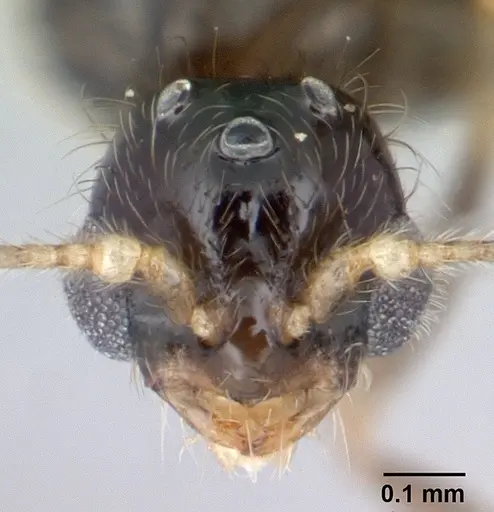
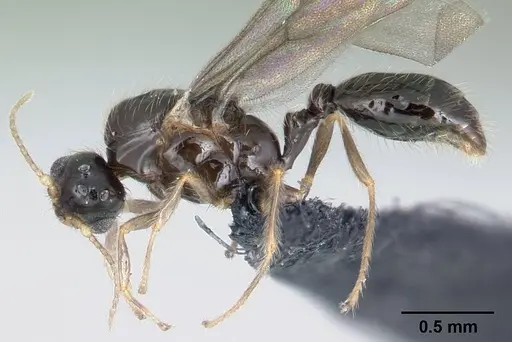
Specific data on colony development for Solenopsis mameti is unavailable. The queen is the only reproductive queen known from the type series (3 syntype queens described) [2], but no size or development timeline has been recorded. Workers are described as dark brown with abundant hair and a deep metanotal groove [1]. Founding and colony growth rates are unknown. General Solenopsis patterns suggest claustral founding is possible, but this is not confirmed for this species.
Frequently Asked Questions
Can I keep Solenopsis mameti in a test tube?
Test tubes are a good option for founding and small colonies, provided they have a water reservoir and are kept dark. However, specific founding behavior for this species has not been studied.
How long does it take for first workers to appear?
The development time from egg to worker has not been documented for this species. Estimates from related Solenopsis suggest 5-7 weeks at warm temperatures, but this is unconfirmed.
Are Solenopsis mameti good for beginners?
No. This species is rated Expert difficulty. Because it is a documented invasive species [3], it must not be released and requires strict containment. Their small size and potential sting also make them challenging. Beginners should start with a less risky species.
What do Solenopsis mameti eat?
They are predators and will accept small live insects like fruit flies, pinhead crickets, and small mealworms. Sugar water or honey may be accepted as a supplement, though not confirmed from research. Feed 2-3 times per week and remove leftover prey.
Do they need hibernation?
Specific data is lacking, but because they come from tropical regions (Mauritius, Réunion, Madagascar), they likely do not require a true hibernation period. They may slow down in cooler conditions, but full diapause is not expected.
When should I move them to a formicarium?
Move to a larger nest when the colony outgrows its test tube or enclosure. Signs include workers clustering outside the nest or the water reservoir running low. However, specific colony size milestones have not been documented.
How big do colonies get?
Colony size has not been documented for Solenopsis mameti. There are no published records of mature colony sizes.
Why are my ants escaping?
Solenopsis mameti is very small and can squeeze through tiny gaps. Use fluon on all container rims, fine mesh for ventilation, and ensure all connections are sealed. Check for gaps around tubing and seams. Excellent escape prevention is essential.
Report an Issue
The current care sheet is based fully on literature. See inconsistencies, or something that's incorrect? Please , it will be resolved after review from an admin. Contributing to the blogs tab also helps providing information, to make us be able to further improve the caresheets. Thank you for your support!
References

This caresheet is licensed under CC BY-SA 4.0 .
Community Blogs
CASENT0005972
View on AntWeb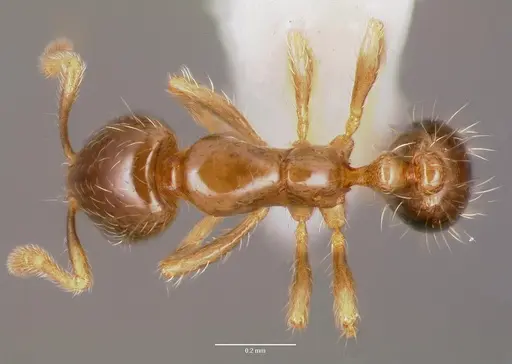
CASENT0006828
View on AntWeb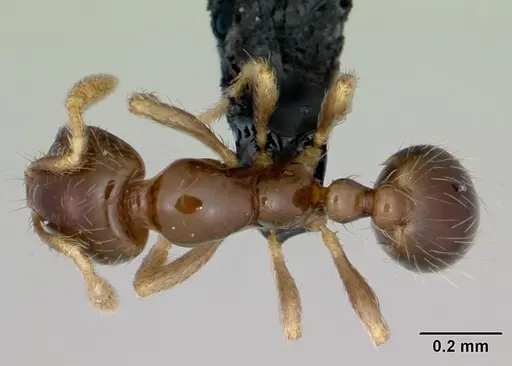
CASENT0060219
View on AntWeb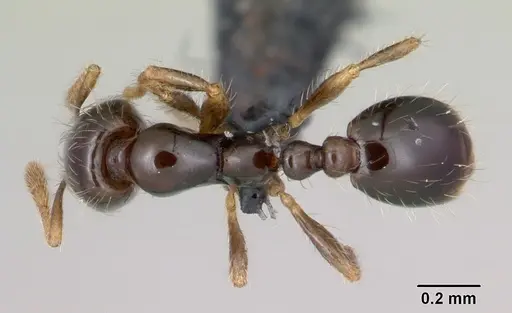
CASENT0060346
View on AntWeb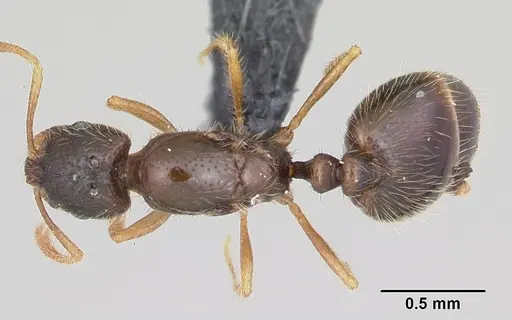
CASENT0064819
View on AntWeb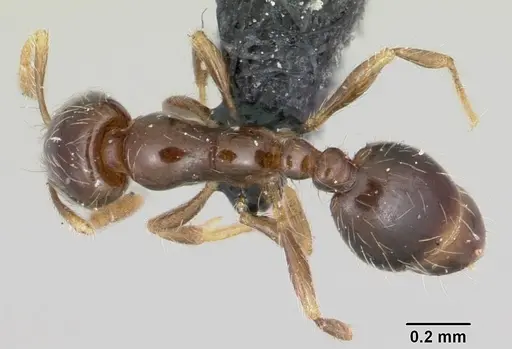
CASENT0102281
View on AntWeb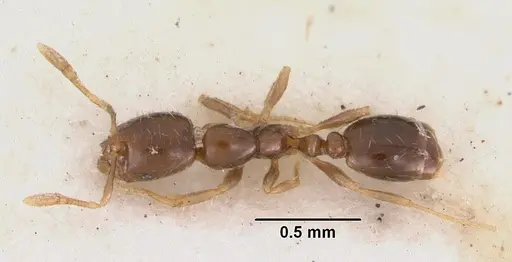
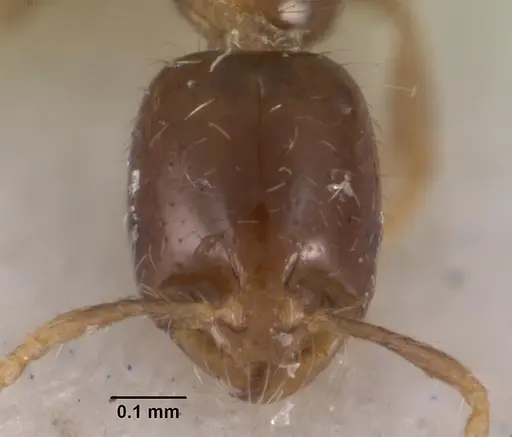
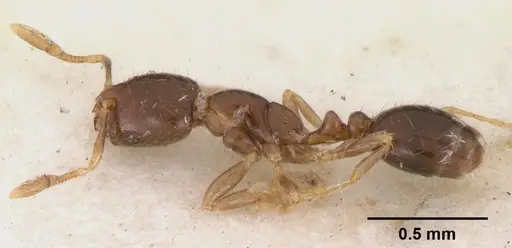
CASENT0103325
View on AntWeb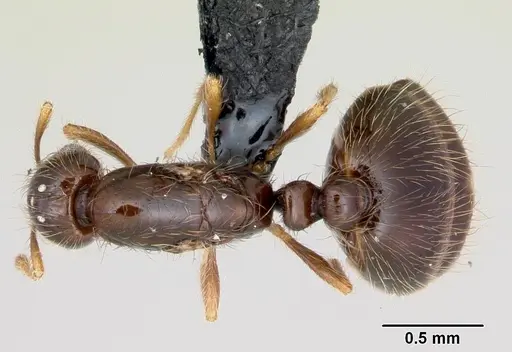
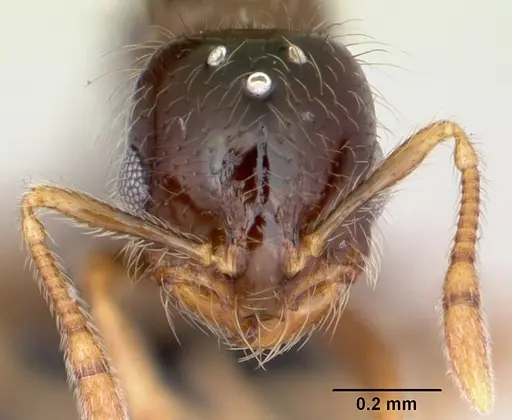
CASENT0109843
View on AntWeb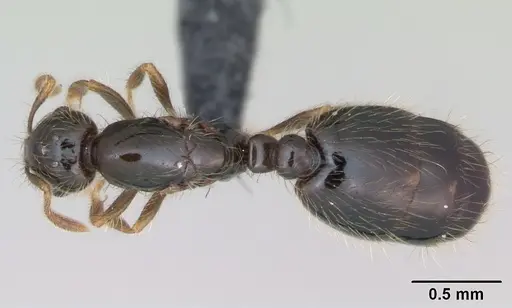
CASENT0124280
View on AntWeb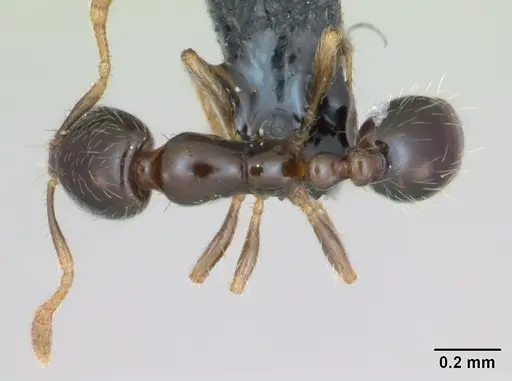
CASENT0135043
View on AntWeb
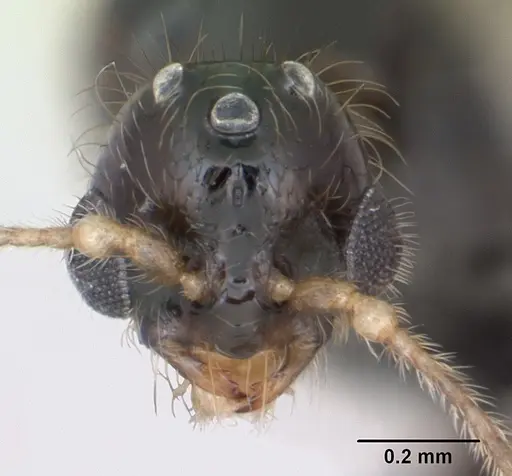
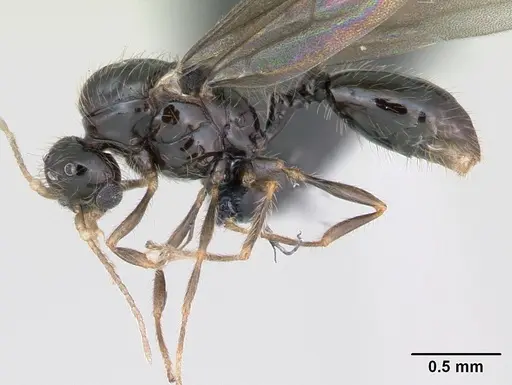
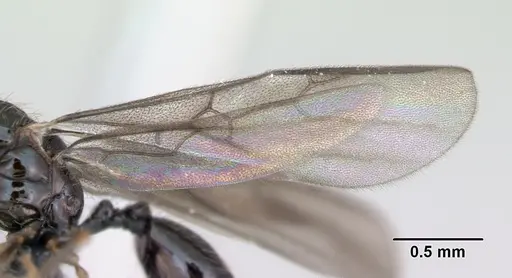
CASENT0135211
View on AntWeb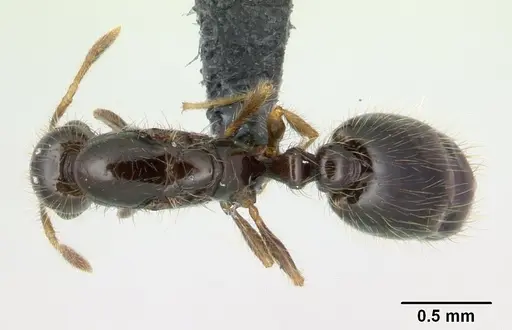
CASENT0135231
View on AntWeb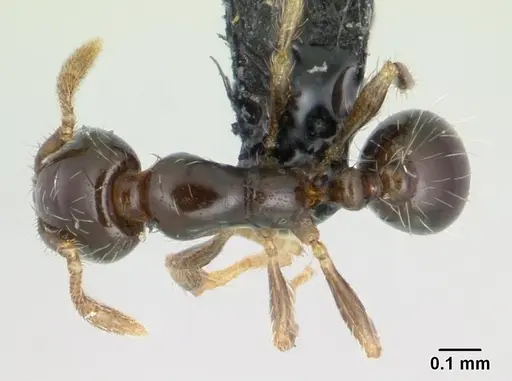
CASENT0147119
View on AntWeb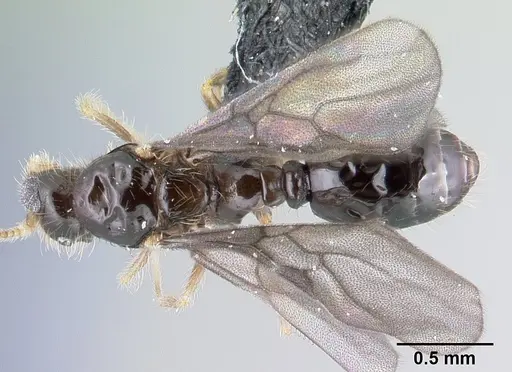
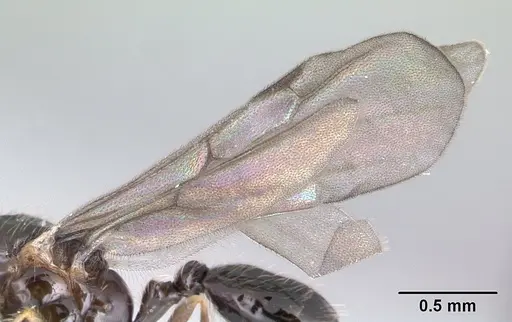
CASENT0147548
View on AntWeb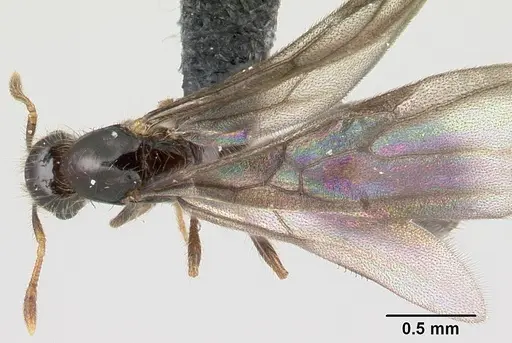
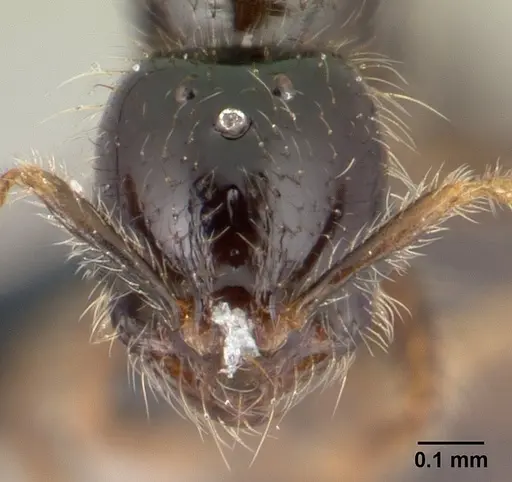
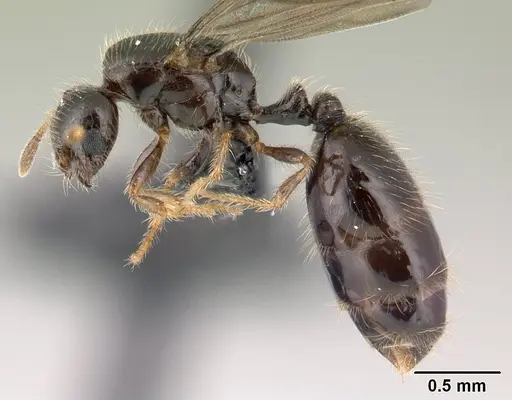
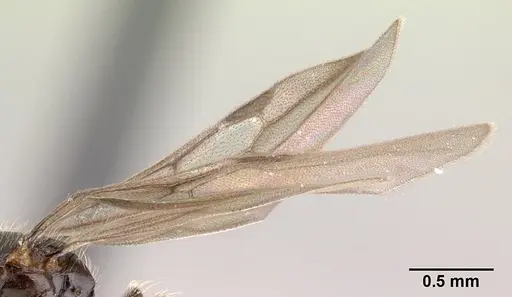
CASENT0887866
View on AntWeb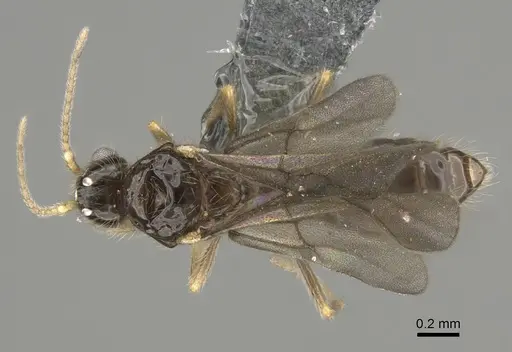
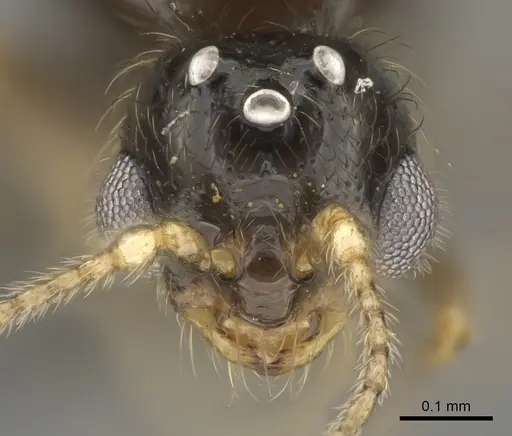
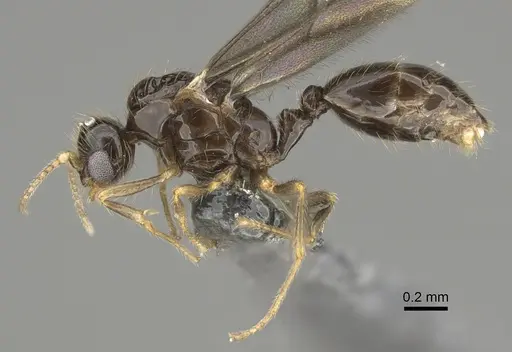
Literature
Loading distribution map...Loading products...