
Solenopsis lou
- Sci. Name
- Solenopsis lou
- Tribe
- Solenopsidini
- Subfamily
- Myrmicinae
- Author
- Forel, 1902
- Distribution
- Found in 2 countries
Introduction
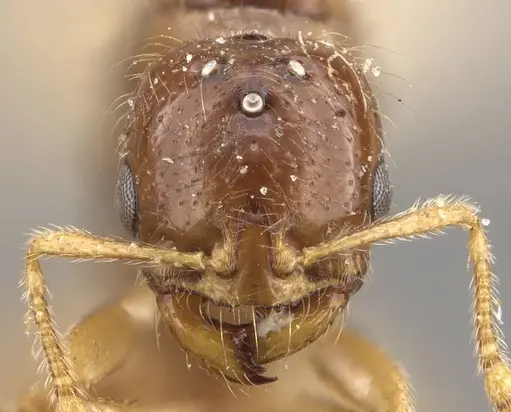
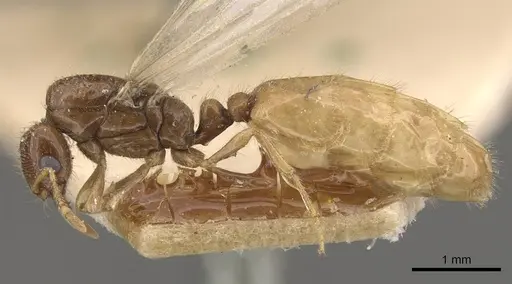
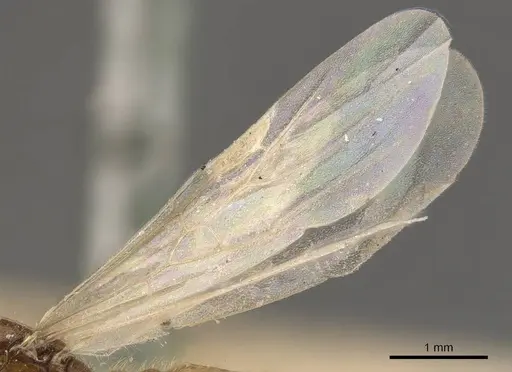
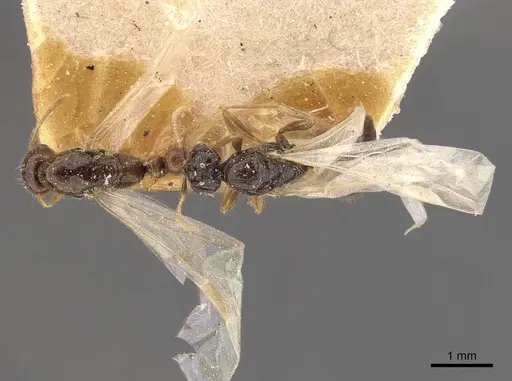
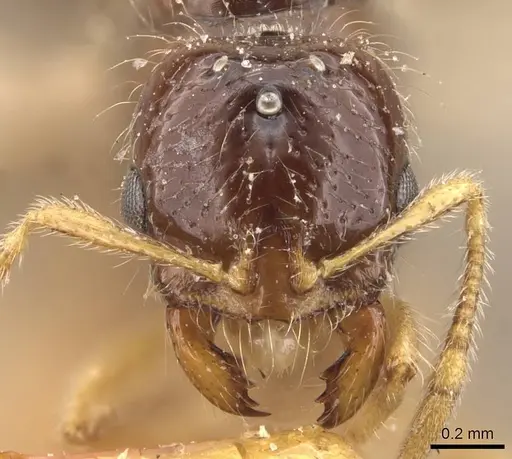
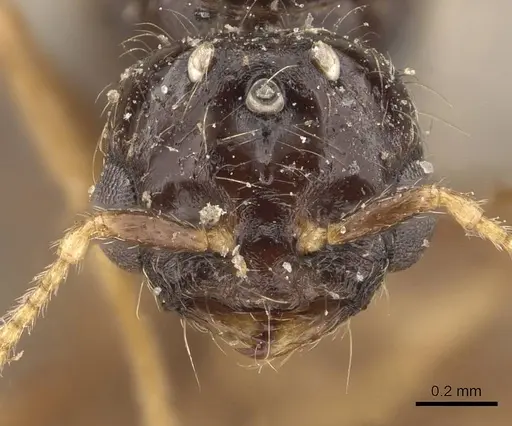
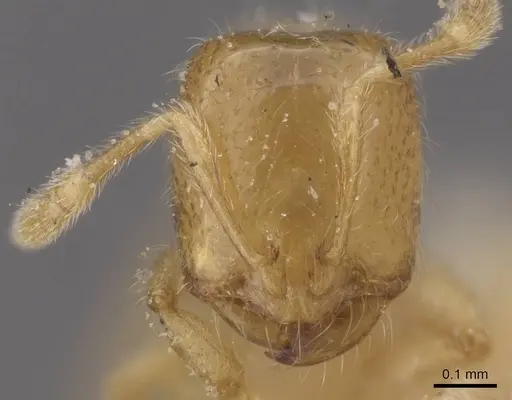
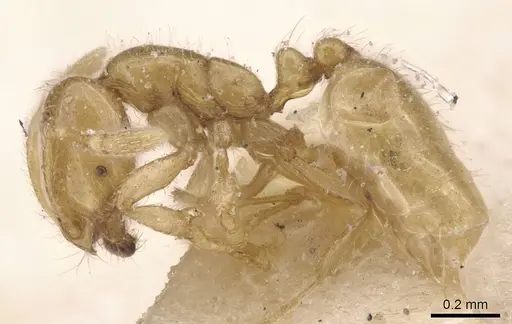
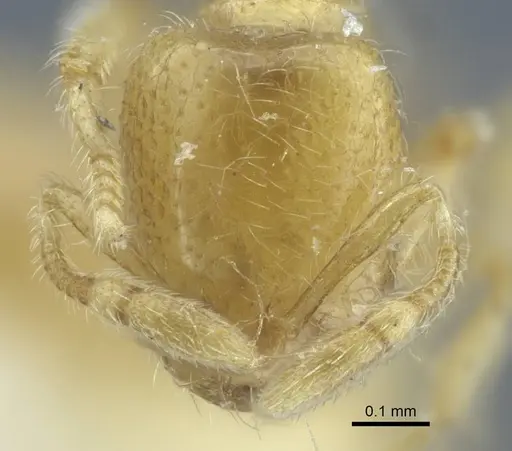
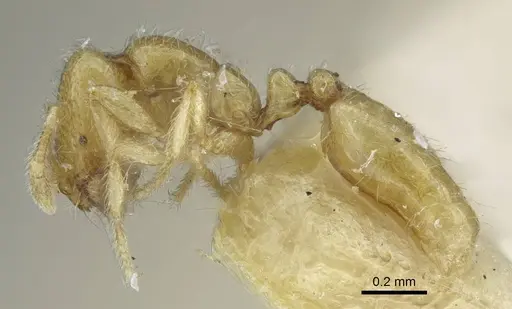
Solenopsis lou is a tiny ant species native to North Africa, found in Algeria and Egypt. Workers measure just 1.5-2.0 mm, making them among the smaller ants you'll encounter. Queens are much larger at 5.3-5.6 mm, and males reach 4.4-5.3 mm . Workers have a uniform dark color, with distinctive 9‑facet eyes and broad mandibles tipped with strong black teeth. The species was originally described from Hammam Salahin near Biskra, Algeria in 1902,and has since been recorded in Egypt, with specimens collected from the Saloga Islands (Aswan) in May and Mafareq (South Sinai) in March . It was previously known as *Solenopsis latro aurata* before being recognized as a synonym of *S. lou* .
Quick Summary
- Difficulty: Medium
- Origin & Habitat: Native to the Palaearctic region, specifically Algeria and Egypt. This is a desert and semi‑arid species adapted to hot, dry conditions in North Africa, ranging from the Sahara border regions (Biskra, Algeria) to southern Egypt (Aswan, South Sinai) [1][2].
- Colony Type: Multiple‑queen colonies (polygynous) have been documented in related *Solenopsis* species, and queens are known to mate multiple times. Polygyny appears to be common in this genus [3][4]. Colony structure for *S. lou* specifically is inferred from these related species.
- Size & Growth:
- Queen: 5.3-5.6 mm [1]
- Worker: 1.5-2.0 mm [1]
- Colony: Unknown for this species, based on similar small *Solenopsis*, colonies may reach several hundred workers. This is an estimate [2].
- Growth: Moderate, based on typical *Solenopsis* development patterns [2].
- Development: Estimated 6-8 weeks at optimal temperature, based on genus‑level data for small *Solenopsis* species [2]. (Development time is inferred from related species, specific data for *S. lou* is not available.)
- Antkeeping:
- Temperature: Keep warm, mimicking their hot North African habitat. A target of 24-28°C is likely ideal. Provide a slight temperature gradient so the ants can choose their own comfort zone [2].
- Humidity: Low to moderate, these are desert‑adapted ants. Keep the nest mostly dry, with just a small water source available. Avoid over‑moistening the substrate, which can kill the colony. Think arid conditions, not tropical humidity [2].
- Diapause: Likely, most North African and Mediterranean ants enter a reduced activity period during winter. A rest at 15-18°C for 2-3 months in winter may be beneficial, but this is inferred from regional climate and not confirmed for this species [2].
- Nesting: Small chambers work best for this tiny species. Use Y‑tong (AAC) nests, plaster nests, or 3D‑printed formicariums with tight‑fitting connections. Escape prevention is critical, use fine mesh (≤0.5 mm) over ventilation holes and fluon barriers. In nature, they likely nest in sandy or loose soil in protected microhabitats [2].
- Behavior: These ants are small but defensive. Like other *Solenopsis*, they have a potent sting and will defend the colony if threatened. Workers are active foragers, likely taking small prey and honeydew. Their tiny size (1.5-2 mm) means they can squeeze through negligible gaps, escape prevention must be excellent. They are probably nocturnal or crepuscular. Founding behavior is unconfirmed, do not assume claustral founding [2].
- Common Issues: escape prevention is critical due to tiny worker size, they can squeeze through standard formicarium gaps., desert species are sensitive to excess humidity, overwatering quickly kills colonies., small colony size means slow growth, beginners may lose patience and disturb founding queens too often., wild‑caught colonies may carry parasites or pathogens that can cause colony collapse.
Housing and Escape Prevention
Solenopsis lou presents a major housing challenge due to its tiny worker size of just 1.5-2 mm [1]. These ants can slip through gaps that seem impossible, so escape prevention is your top priority. Use Y‑tong (AAC) nests, plaster nests, or 3D‑printed formicariums with all connections tightly sealed. Apply fluon (ant barrier) to all rim edges and ensure lid seals are snug. Fine mesh (≤0.5 mm) must cover any ventilation holes. Test tube setups work well for founding colonies, use a small cotton ball to separate the water reservoir and ensure the tube has a tight‑fitting cap. For larger colonies, scale chamber sizes appropriately but avoid large open spaces that can cause stress. The nest substrate should be relatively dry, these are desert ants that prefer arid conditions [2].
Feeding and Diet
Like other Solenopsis species, S. lou is omnivorous with a preference for protein. Feed small live prey such as fruit flies, pinhead crickets, and small mealworms. They will also accept sugar water, honey, or diluted syrup as an energy source. In the wild, they associate with termites (Amitermes desertorum) and weevils (Apion sp.), suggesting they prey on small insects [5]. Feed protein prey 2-3 times per week for established colonies and keep a constant sugar water supply. Remove uneaten prey after 24 hours to prevent mold. Founding queens likely rely on stored fat reserves to raise the first brood, but the specific founding method is unconfirmed, do not attempt to feed the queen during this sensitive period [2].
Temperature and Seasonal Care
Maintain warm temperatures, ideally 24-28°C, throughout the active season. These ants are adapted to the hot climate of North Africa (Algeria and Egypt) and require warmth to thrive [2]. A heating cable on one side of the nest can create a temperature gradient, but ensure the heat is gentle and not excessive. During winter (roughly November to February in the Northern Hemisphere), a rest period at 15-18°C may be beneficial, imitating their natural cycle. This winter rest is not confirmed for this species but is common in ants from this region. Do not feed during diapause, the colony will survive on stored reserves. Resume normal feeding and temperatures gradually in spring [2].
Colony Development and Growth
Queens measure 5.3-5.6 mm [1]. The founding method is unconfirmed, avoid assuming claustral or semi‑claustral behavior. The first brood (eggs to workers) likely takes 6-8 weeks at optimal temperature (~26°C), based on genus‑level data [2]. Initial colonies grow slowly, be patient and avoid disturbing the founding queen. Workers are tiny at 1.5-2 mm but become effective foragers once the colony reaches a sufficient size. Based on related Solenopsis species, colonies likely reach several hundred workers at maturity. The colony structure appears polygynous, multiple queens can coexist, which may lead to faster growth but also possible tension between queens in captivity [3][4].
Frequently Asked Questions
How long does it take for Solenopsis lou to raise their first workers?
Expect 6-8 weeks from egg to first worker at optimal temperature (around 26°C), based on genus‑level data for small Solenopsis. This is an estimate, specific data for S. lou is not available. Be patient during founding and avoid disturbing the queen [2].
Can I keep multiple Solenopsis lou queens together?
Yes, this species is considered polygynous based on studies of related Solenopsis species [3]. However, introducing unrelated queens to an established colony can still cause aggression. If you have a founding colony with multiple queens, let them establish without interference [2].
What is the best nest type for Solenopsis lou?
Y‑tong (AAC) nests, plaster nests, or 3D‑printed formicariums work best. The key is tight connections and fine mesh (≤0.5 mm) for ventilation, these tiny ants will escape through standard gaps. Keep the nest relatively dry, mimicking their desert habitat [2].
Why are my Solenopsis lou dying?
Common causes include: excess humidity (they are desert ants, keep conditions dry), poor escape prevention (they are tiny and will escape), disturbing the queen during founding, and cold temperatures (they need warmth,24-28°C). Check these parameters first before assuming disease [2].
How big do Solenopsis lou colonies get?
Based on similar small Solenopsis species, colonies likely reach several hundred workers at maturity. Growth is moderate, expect several months to reach 50 workers and over a year to reach full size. Patience is key [2].
Do Solenopsis lou need hibernation?
A winter rest period is likely beneficial, though not confirmed for this species. If you provide one, reduce temperatures to 15-18°C for 2-3 months during winter. Do not feed during this period. This mimics their natural cycle in North Africa where winter temperatures drop [2].
What do Solenopsis lou eat?
They are omnivorous with a preference for protein. Feed small live prey like fruit flies, pinhead crickets, or small mealworms 2-3 times per week. Also provide constant access to sugar water, honey, or diluted syrup. Remove uneaten food after 24 hours [2][5].
Are Solenopsis lou good for beginners?
This species is rated Medium difficulty. While not the hardest, their tiny size makes escape prevention challenging, and their desert habitat requirements differ from more common tropical ants. Some antkeeping experience is recommended before trying this species [2].
When should I move Solenopsis lou to a formicarium?
Wait until the colony has at least 50-100 workers before moving from a test‑tube setup. Use a formicarium with tight connections and fine mesh. Moving too early can cause stress and colony failure [2].
Report an Issue
The current care sheet is based fully on literature. See inconsistencies, or something that's incorrect? Please , it will be resolved after review from an admin. Contributing to the blogs tab also helps providing information, to make us be able to further improve the caresheets. Thank you for your support!
References

This caresheet is licensed under CC BY-SA 4.0 .
Community Blogs
CASENT0908866
View on AntWeb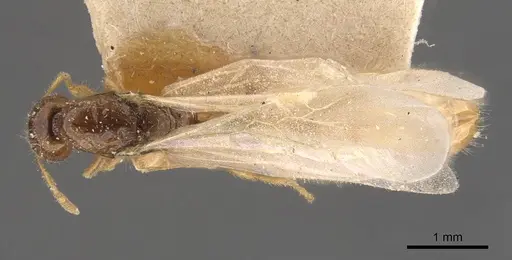
CASENT0908867
View on AntWeb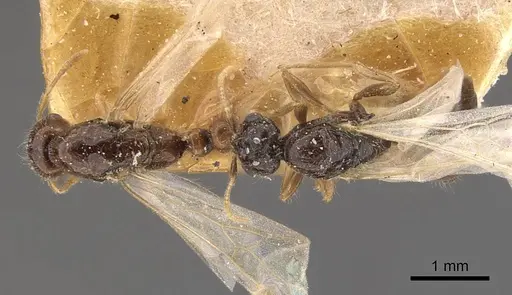
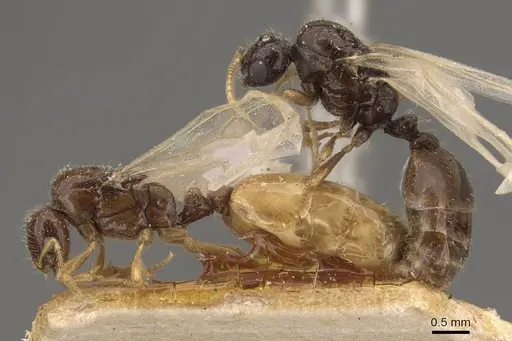
CASENT0908868
View on AntWeb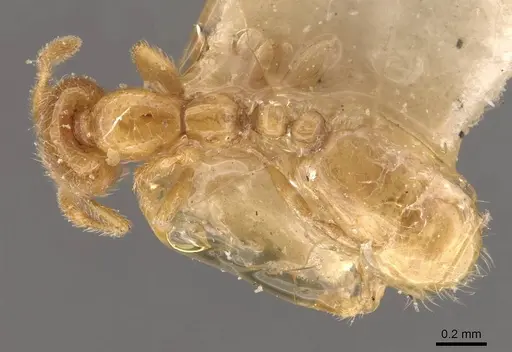
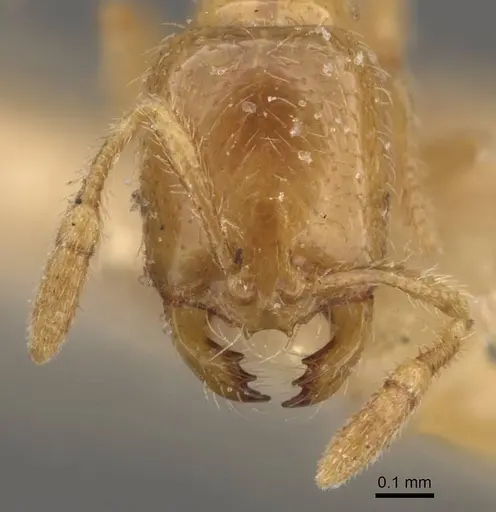
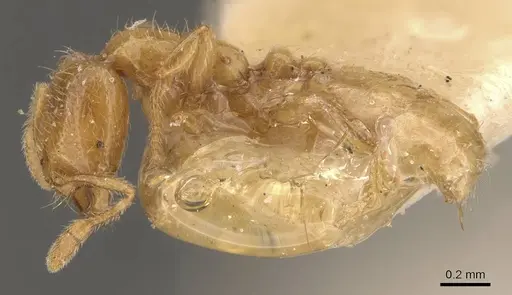
CASENT0913906
View on AntWeb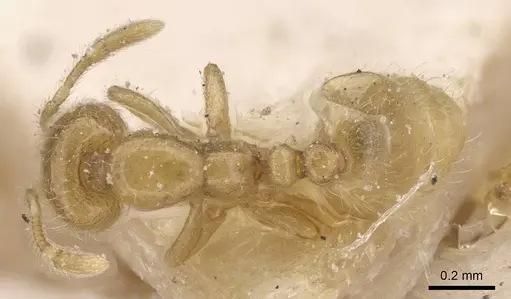
CASENT0917005
View on AntWeb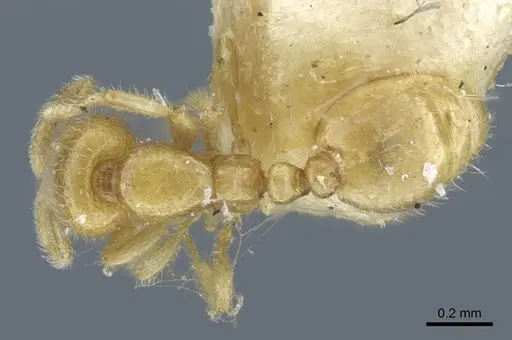
Literature
Loading distribution map...Loading products...