
Solenopsis latastei
- Sci. Name
- Solenopsis latastei
- Tribe
- Solenopsidini
- Subfamily
- Myrmicinae
- Author
- Emery, 1895
- Distribution
- Found in 2 countries
Introduction
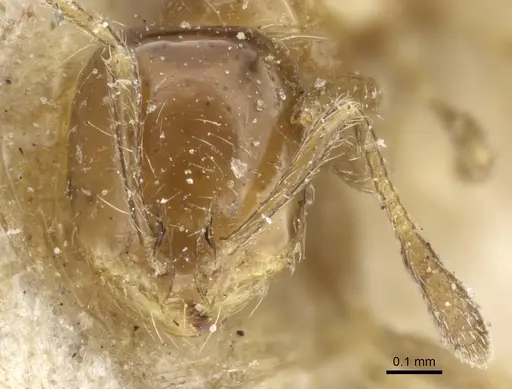
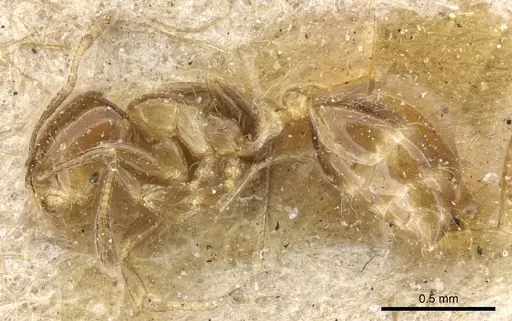
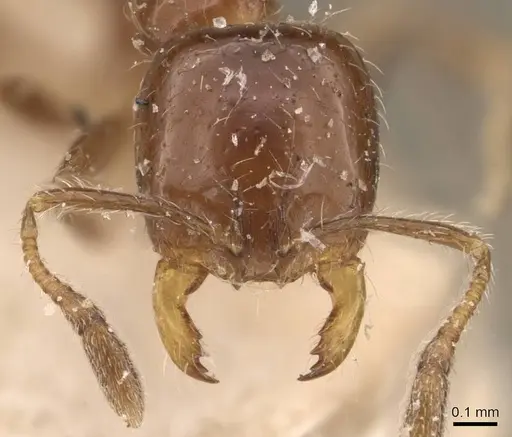
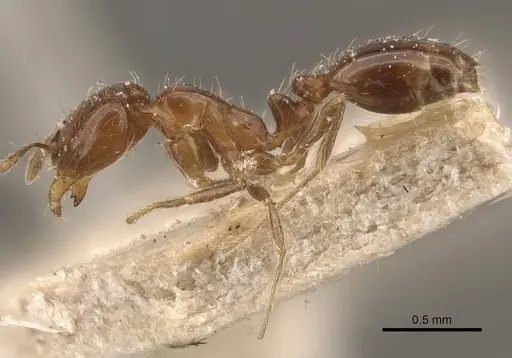
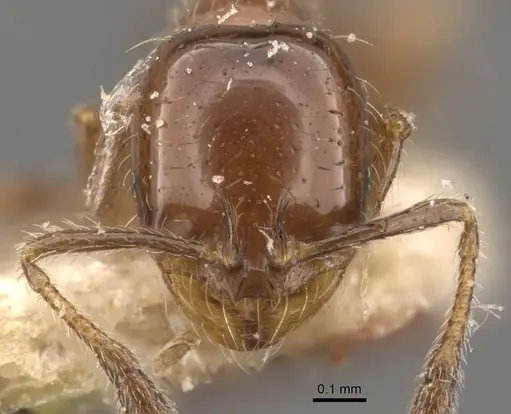
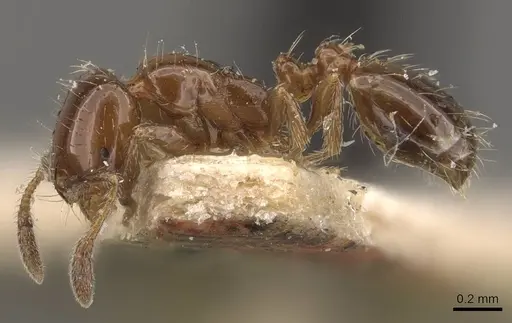
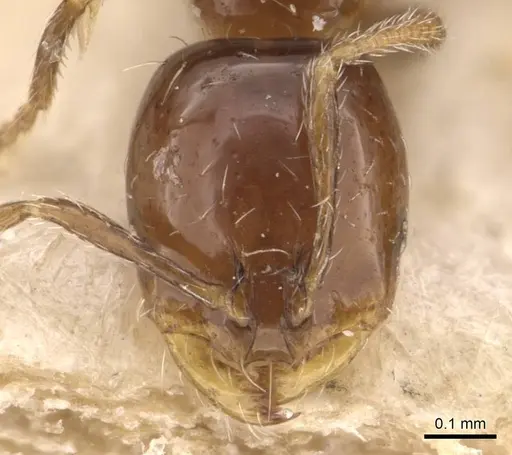
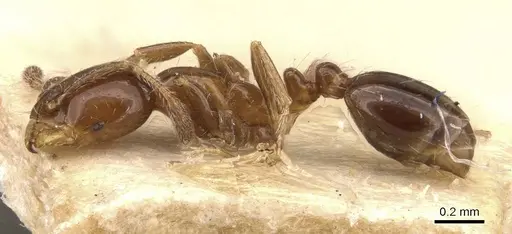
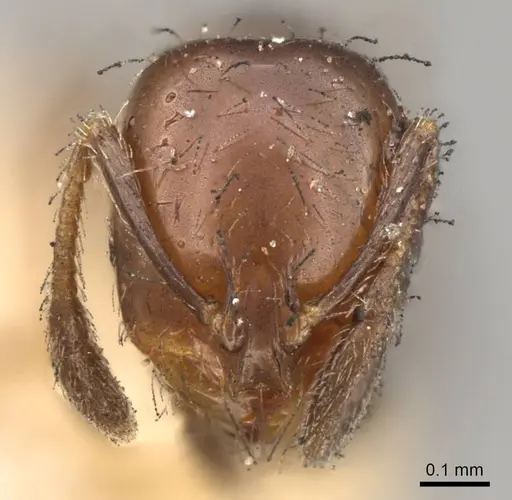
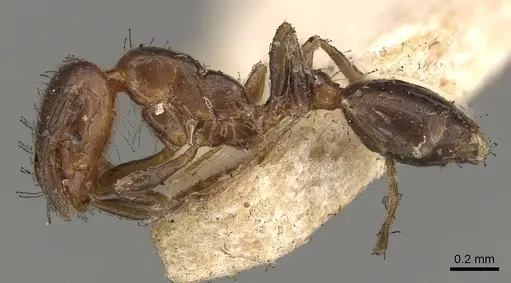
Solenopsis latastei is a small thief ant native to Chile and Argentina, belonging to the Solenopsis molesta species complex. Workers are golden brown and tiny, measuring 1.68-2.18 mm, while queens are large at 4.32-6.00 mm . The species ranges from Huasco to Valdivia in Chile and extends into Argentina’s Entre Ríos province . It was first described by Emery in 1895 . These ants are called thief ants because they steal food from other ant colonies through lestobiosis - they infiltrate nearby nests or set up close to steal brood and food . They are found under rocks in both natural and urban areas, including in Santiago near the Bellas Artes museum . Their ability to persist alongside invasive Argentine ants (Linepithema humile) shows they are resilient in their native range .
Quick Summary
- Difficulty: Medium
- Origin & Habitat: Central Chile (Huasco to Valdivia) and Argentina’s Entre Ríos province. Found in Mediterranean climate zones, typically nesting under rocks in disturbed and urban areas [2][3].
- Colony Type: Unconfirmed. Based on related Solenopsis species, colonies are likely single-queen (monogyne), but no specific data exists.
- Size & Growth:
- Queen: 4.32-6.00 mm [1]
- Worker: 1.68-2.18 mm [1]
- Colony: Unknown, thief ant colonies are typically moderate, but no specific data for this species
- Growth: Moderate
- Development: Estimated 6-8 weeks based on related Solenopsis species (Timeline not directly studied, large queens suggest substantial founding reserves.)
- Antkeeping:
- Temperature: Keep at room temperature, around 20-24 °C. No specific studies exist, this range matches the Mediterranean climate of its native range in central Chile [2].
- Humidity: Moderate humidity preferred. Provide a moisture gradient so ants can self-regulate, natural habitat is relatively dry in summer [2].
- Diapause: Unconfirmed. Central Chile has mild winters, reduce feeding if activity drops in winter, but no forced dormancy is known.
- Nesting: Natural nesting is under rocks or in soil [2]. In captivity, test tubes work for founding. Use a shallow foraging area, these tiny ants prefer tight, dark spaces.
- Behavior: Thief ants are secretive and not aggressive. Workers are tiny (under 2.2 mm) and flee rather than fight. They have a functional sting (typical of Myrmicinae, tribe Solenopsidini) but it is mild and seldom used on humans. Escape risk is high due to size, use fine mesh. Foraging is likely nocturnal or crepuscular.
- Common Issues: tiny workers can escape through very small gaps, use fine mesh (, secretive nature makes colony activity hard to observe, thief ant behavior may lead them to infiltrate other ant nests if kept together, limited research means many care details are estimated from related species, urban tolerance may vary, some colonies might be stressed by captive conditions
Housing and Nest Setup
Because Solenopsis latastei workers are only 1.68-2.18 mm, escape prevention is critical. Start a colony in a standard test tube with a cotton water reservoir, this mimics their natural nesting under rocks. Workers can slip through gaps barely visible to the naked eye, so seal all connections and use fine mesh (≤ 0.5 mm) on any ventilation. Foraging areas should be shallow and enclosed, avoid large open spaces. Keep the nest dark and undisturbed, especially during founding [1].
Feeding and Diet
Thief ants are generalist scavengers. In captivity, offer small protein sources like fruit flies, pinhead crickets, or tiny mealworm pieces, plus sugar water or honey. Feed small amounts twice a week and remove leftovers after 24 hours to prevent mold. They are not granivorous. Their tiny size means even small prey is substantial [1].
Temperature and Seasonal Care
Keep the colony at room temperature (20-24 °C). This matches the Mediterranean climate of central Chile. No specific diapause requirement is documented, reduce feeding if winter activity drops, but do not force dormancy. Avoid placing the nest near heat sources [2].
Behavior and Colony Dynamics
Solenopsis latastei is a thief ant that steals food and brood from other colonies through lestobiosis [2]. Workers are shy and flee rather than attack. They have a sting (like other Solenopsidini), but it is mild. The species can persist even in areas invaded by Argentine ants (Linepithema humile), suggesting some competitive edge [4].
Frequently Asked Questions
How long does it take for Solenopsis latastei to have first workers?
The exact timeline is not known for this species. Based on related Solenopsis, expect about 6-8 weeks from egg to worker at room temperature. The queen's large size suggests she has good reserves, so disturbing her during founding is not recommended.
Can I keep Solenopsis latastei in a test tube?
Yes, test tubes work well, especially during founding. Use a standard setup with a water reservoir separated by cotton. Seal all connections tightly because workers are tiny enough to sneak through small gaps.
What do Solenopsis latastei eat?
They accept small protein sources (fruit flies, tiny crickets, mealworm pieces) and sugar sources (honey water, sugar water). Remove uneaten food within 24 hours to prevent mold.
Are Solenopsis latastei good for beginners?
This is a medium-difficulty species. They are not aggressive, but their tiny size makes escape prevention challenging and they are hard to observe because of their secretive nature. Most care details are based on related species, not specific studies.
How big do Solenopsis latastei colonies get?
Colony size is not documented. Based on other thief ants, a few hundred workers is a reasonable guess, but this is not confirmed. Queen size (5-6 mm) suggests moderate colony potential.
Do Solenopsis latastei need hibernation?
Diapause requirements are unconfirmed. Their native range in central Chile has mild winters, so any winter slowdown is probably short. Reduce feeding if activity drops, but do not force cooling.
Why are my Solenopsis latastei escaping?
Workers are under 2.2 mm and can squeeze through gaps you cannot see. Use fine mesh (0.5 mm or smaller), seal all connections, and apply fluon or similar barriers to escape-prone areas.
Report an Issue
The current care sheet is based fully on literature. See inconsistencies, or something that's incorrect? Please , it will be resolved after review from an admin. Contributing to the blogs tab also helps providing information, to make us be able to further improve the caresheets. Thank you for your support!
References

This caresheet is licensed under CC BY-SA 4.0 .
Community Blogs
CASENT0904631
View on AntWeb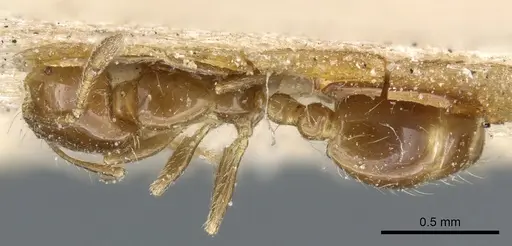
CASENT0908838
View on AntWeb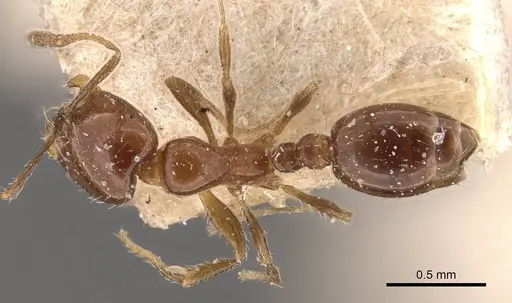
CASENT0908839
View on AntWeb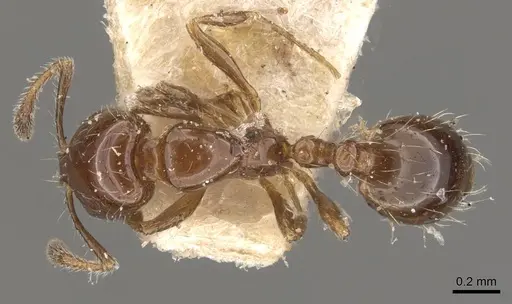
CASENT0908853
View on AntWeb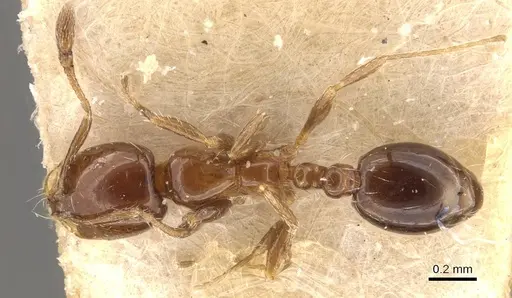
CASENT0914175
View on AntWeb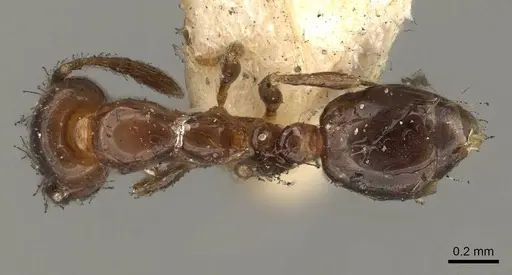
Literature
Loading distribution map...Loading products...