
Solenopsis helena
- Sci. Name
- Solenopsis helena
- Tribe
- Solenopsidini
- Subfamily
- Myrmicinae
- Author
- Emery, 1895
- Distribution
- Found in 5 countries
Introduction
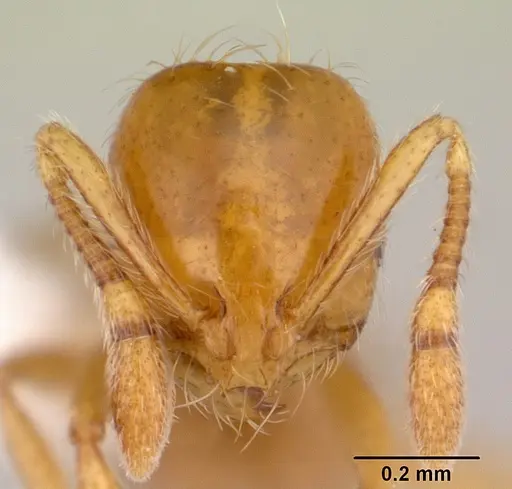
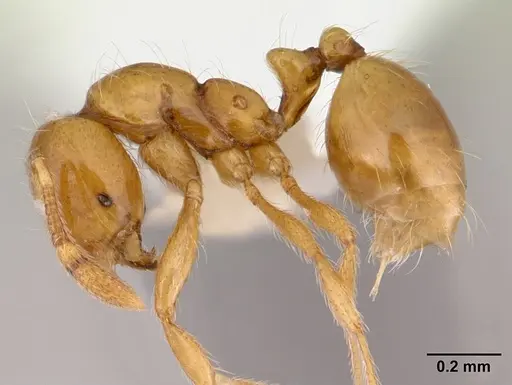
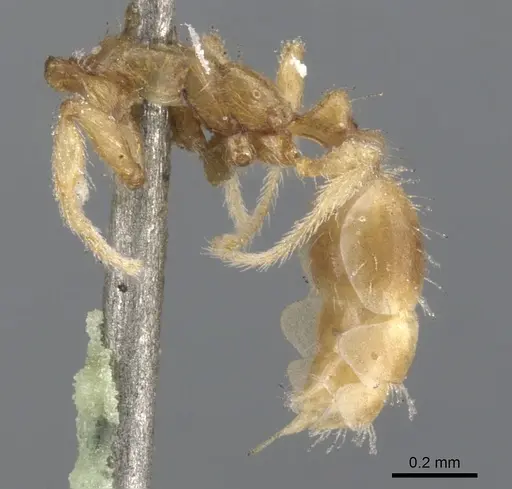
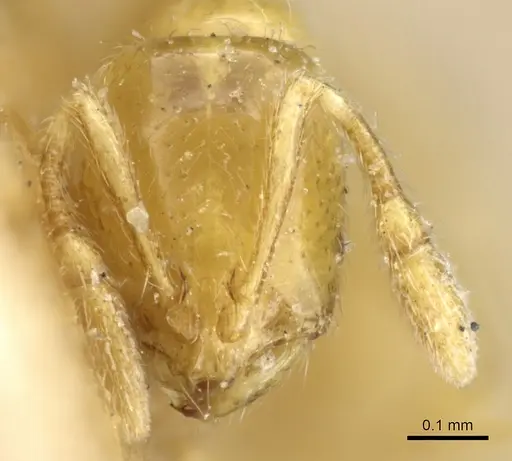
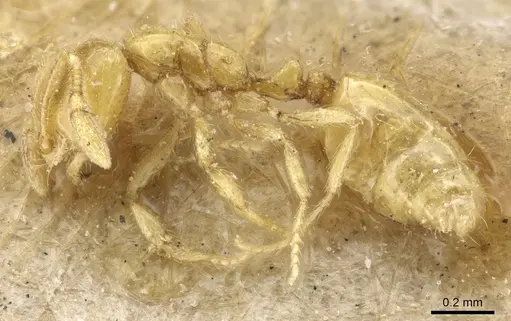
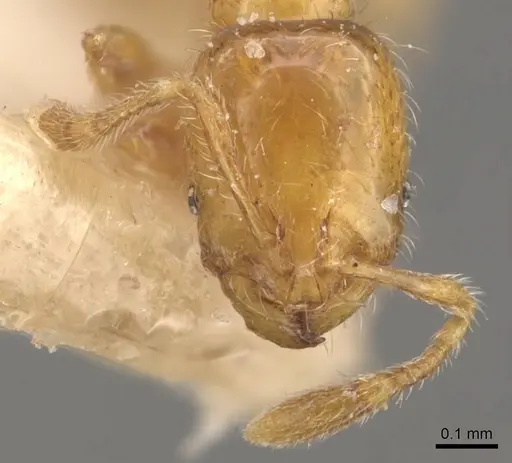
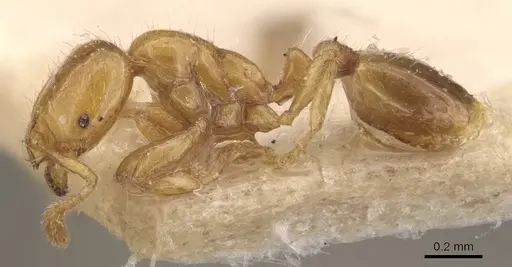
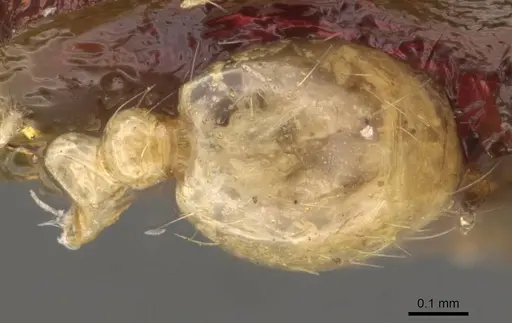
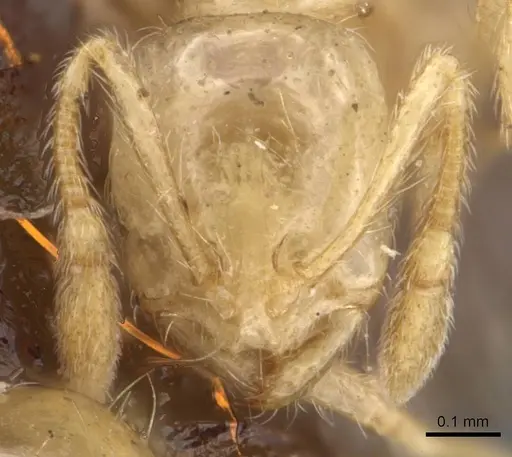
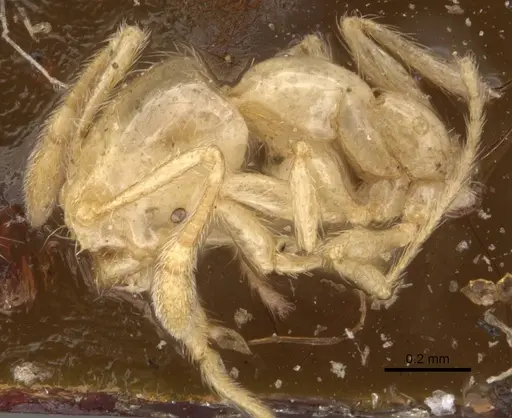
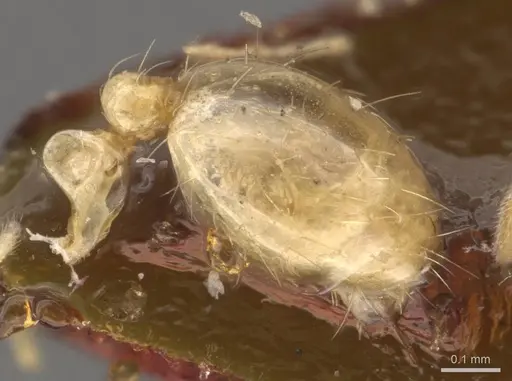
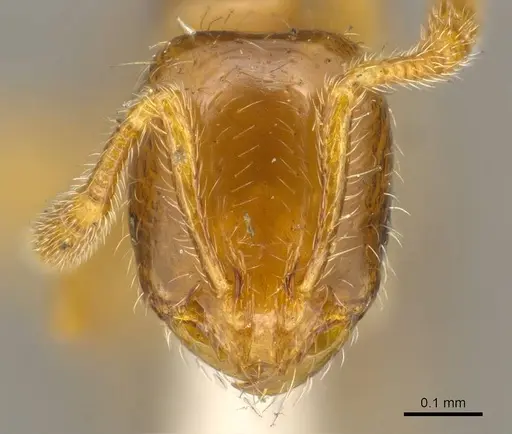
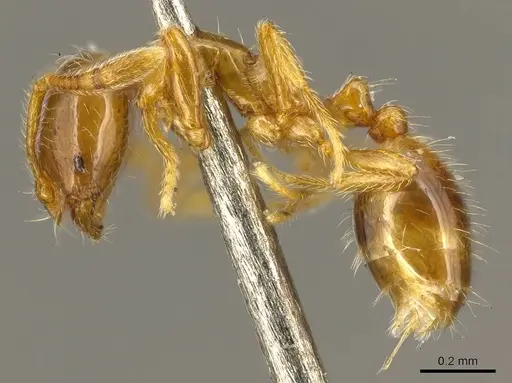
Solenopsis helena is a tiny thief ant in the Solenopsis molesta species complex . Workers are just 1.5-1.7 mm long, pale yellow to light brown . Queens are larger at about 4.5 mm and yellowish-brown . This species is found across the Neotropical region: Chile, Brazil, Argentina, Guyana, Panama, and Paraguay . In Chile it's considered endemic, found only in the Santiago area and Cerro el Roble . The ants nest in hollow twigs and plant stems, including the petioles of young Tachigalia plants . What makes S. helena interesting is its dual nature. It's a thief ant that sneaks into other colonies to steal their food and brood through a behavior called lestobiosis . In southern Brazil, it dominates urban environments as an omnivorous generalist . Yet back in Chile, it's a rare endemic species with a limited range . This contrast between urban success and restricted natural range makes it an unusual ant to keep.
Quick Summary
- Difficulty: Medium
- Origin & Habitat: Neotropical region, Argentina, Brazil, Chile, Guyana, Panama, Paraguay [1]. In Chile: Santiago area and Cerro el Roble [3]. In Brazil: found in urban environments in Abelardo Luz, Chapecó, Pinhalzinho [4] and São Paulo [5]. Nests in hollow twigs and plant stems, often under rocks [1][3].
- Colony Type: Not documented, no literature describes queen number or social structure for this species.
- Size & Growth:
- Queen: ~4.56 mm [1]
- Worker: ~1.5-1.7 mm [1]
- Colony: Unknown, maximum colony size has not been documented.
- Growth: Not documented
- Development: Not documented, no developmental data available for this species. (Development rate is unknown. Inferences from related Solenopsis are speculative and not included here.)
- Antkeeping:
- Temperature: Based on its warm Neotropical distribution, keep at 24-28°C with a heating cable on one side to create a gradient. Avoid prolonged temperatures below 20°C.
- Humidity: Not documented. Their natural nesting in twigs suggests moderate humidity. Provide a gradient: one moist area (e.g., cotton with water) and one dry area so ants can choose.
- Diapause: Not required. As a Neotropical species from tropical and subtropical regions, winter dormancy is unlikely.
- Nesting: Nests in hollow twigs and plant stems in the wild [1]. In captivity, use small test tubes or Y-tong (AAC) nests with narrow chambers. They prefer tight, enclosed spaces that mimic their natural nesting sites.
- Behavior: Thief ant, workers infiltrate other colonies to steal food and brood [3]. In urban Brazil they are dominant, omnivorous generalists [4]. Workers are tiny (1.5 mm) and can squeeze through very small gaps, so escape prevention is critical. They are not aggressive toward humans and their sting is negligible. The colony is secretive and forages discreetly.
- Common Issues: extreme escape risk due to 1.5 mm worker size, seal all gaps with fluon and use fine mesh under 0.5 mm., feeding can be tricky, these ants evolved to steal from other colonies and may be picky about protein sources, try tiny live prey like fruit flies or springtails., slow colony growth may frustrate beginners, no data on colony size, but colonies seem to grow gradually., hard to observe, workers are tiny and secretive, feeding and activity may go unnoticed without close inspection., wild-caught colonies may carry parasites, quarantine and monitor the queen closely during founding.
Housing and Nest Setup
Solenopsis helena nests naturally in hollow twigs and plant stems [1]. In captivity, start with a simple test tube setup, fill one end with water, seal with cotton, and add the queen. The cotton must be packed tightly because workers are only 1.5 mm and can squeeze through gaps. As the colony grows, move to a small Y-tong (AAC) nest with narrow chambers or keep using modified test tubes. Always apply fluon or another barrier to all openings and mating surfaces. These ants will find any gap.
Feeding and Diet
Solenopsis helena is a thief ant that raids other colonies for food and brood [3]. In the wild it's omnivorous and, in urban Brazil, a dominant generalist [4]. In captivity, offer tiny live prey such as fruit flies, springtails, or pinhead crickets. Provide sugar water or honey water once workers are active. Feed protein items 2-3 times per week and remove uneaten food within 24 hours to prevent mold. Because they are used to stealing, some colonies may be hesitant to accept offered food, persist with small portions.
Temperature and Climate
Based on their natural distribution across warm Neotropical regions (Chile, Brazil, Argentina, etc.), Solenopsis helena does best at 24-28°C [1][3][2]. Use a heating cable on one side of the nest to create a temperature gradient. Avoid temperatures below 20°C for extended periods. Since it's a tropical/subtropical species, winter dormancy (diapause) is not required.
Behavior and Colony Dynamics
Solenopsis helena is a thief ant, specialized in exploiting the food and brood of other ants through lestobiosis [3]. Workers are secretive and forage inconspicuously. In Brazil, they successfully colonize urban areas, acting as dominant omnivores [4]. Colonies build nests in hollow twigs, often under rocks [1][3]. Very little is known about colony founding or queen behavior. Workers use a functional sting, but it is negligible to humans due to their tiny size.
Escape Prevention
Escape prevention is the most critical aspect of keeping Solenopsis helena. Workers are only 1.5 mm long, so they can slip through standard test tube cotton, tiny cracks, and ventilation holes that larger ants cannot. Use only very fine mesh (0.5 mm openings or smaller) for ventilation. Apply fluon or PTFE barriers to all edges of the outworld and nest. Check all tubing connections daily, especially during feeding. Even a gap of 1 mm can lead to escapes.
Common Challenges
The main challenges are escape risk (due to tiny size) and the uncertainty around diet and growth. Because the species evolved to steal from other ants, they may reject typical ant food and require live prey. Colonies appear to grow slowly, though no data exists on colony size. Their secretive nature makes observation difficult. Wild-caught colonies may carry mites or other parasites, quarantine new colonies and watch for signs of stress such as workers clustering at the nest entrance or refusing food. Stable temperature and a varied diet usually prevent most issues. [4]
Frequently Asked Questions
Can I keep Solenopsis helena in a test tube?
Yes. Test tubes work well, especially for a founding colony. Use a water reservoir with a tight cotton plug. The plug must be packed very firmly to prevent escapes, these tiny ants can squeeze through any gap. Once the colony grows, you can expand to a small Y‑tong nest or more test tubes.
What do Solenopsis helena eat?
They are omnivorous thief ants [4]. Offer small live prey like fruit flies, springtails, or pinhead crickets. They also accept honey water or sugar water. In the wild, they raid other ant nests for food [3]. Provide protein 2-3 times per week and always remove leftovers after 24 hours.
Do Solenopsis helena sting?
Yes, like other myrmicine ants, they have a functional sting. However, workers are only 1.5 mm, so the sting feels like a tiny pinch at most and is harmless to humans. They rarely sting unless handled roughly.
Are Solenopsis helena good for beginners?
They are rated Medium difficulty. Their tiny size and escape risk require careful setup and daily checks. Colony growth is slow and undocumented, which can be frustrating. Beginners who are comfortable with test‑tube setups and fine mesh can succeed, but the species is not recommended for first‑time antkeepers without guidance.
Do Solenopsis helena need hibernation?
No, as a Neotropical species from warm climates, they do not require winter dormancy. Keeping them at 24-28°C year‑round is fine. A slight drop in temperature during winter is not harmful, but do not let the nest fall below 20°C.
How big do Solenopsis helena colonies get?
The maximum colony size is unknown, no published data exists. Based on their urban dominance in Brazil, they might form moderately large colonies, but that is not confirmed for this species.
Why are my Solenopsis helena escaping?
Their tiny 1.5 mm size lets them go through any gap larger than 0.5 mm. Check all cotton plugs, tube connections, and ventilation holes. Use fluon or PTFE barriers on all outworld walls. Replace any dried‑out cotton that might shrink and create gaps. Daily inspection is essential.
What temperature do Solenopsis helena need?
Keep them at 24-28 °C. Use a heating cable on one side of the nest to create a warm area. Avoid temperatures below 20 °C. This matches their natural Neotropical range [1][3][2].
Report an Issue
The current care sheet is based fully on literature. See inconsistencies, or something that's incorrect? Please , it will be resolved after review from an admin. Contributing to the blogs tab also helps providing information, to make us be able to further improve the caresheets. Thank you for your support!
References

This caresheet is licensed under CC BY-SA 4.0 .
Community Blogs
CASENT0178146
View on AntWeb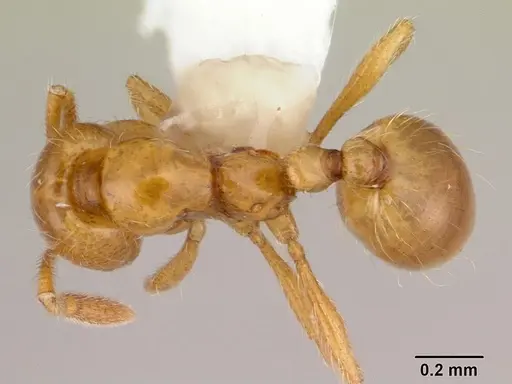
CASENT0902339
View on AntWeb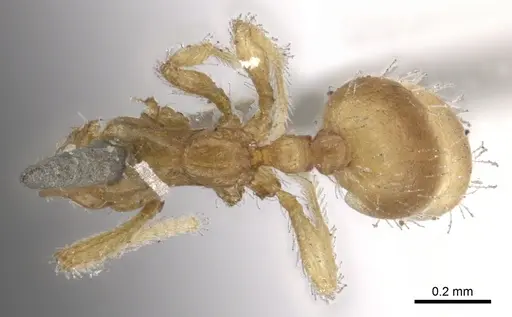
CASENT0904630
View on AntWeb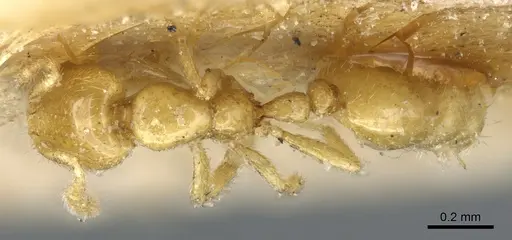
CASENT0908835
View on AntWeb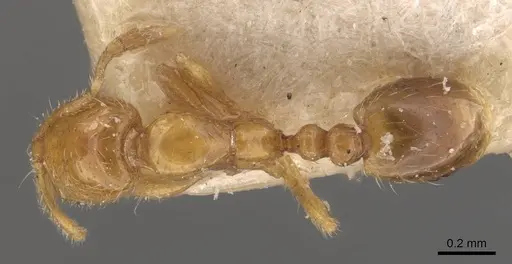
CASENT0908848
View on AntWeb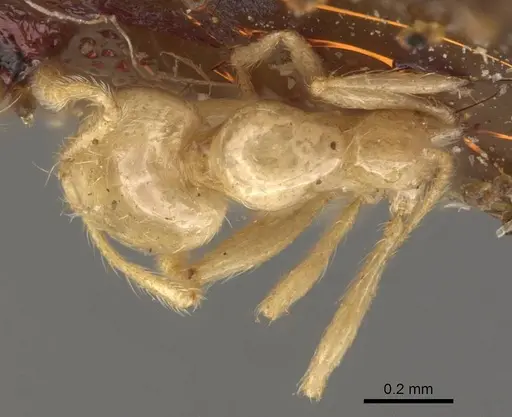
CASENT0916024
View on AntWeb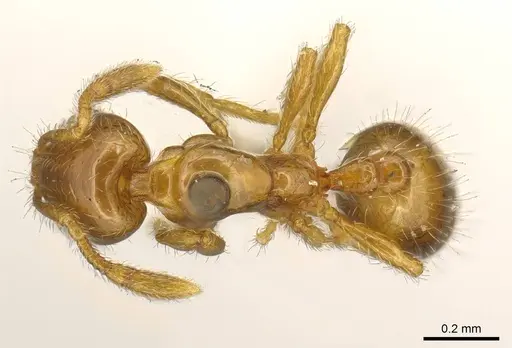
Literature
Loading distribution map...Loading products...