
Solenopsis gnomula
- Sci. Name
- Solenopsis gnomula
- Tribe
- Solenopsidini
- Subfamily
- Myrmicinae
- Author
- Emery, 1915
- Distribution
- Found in 1 countries
Introduction
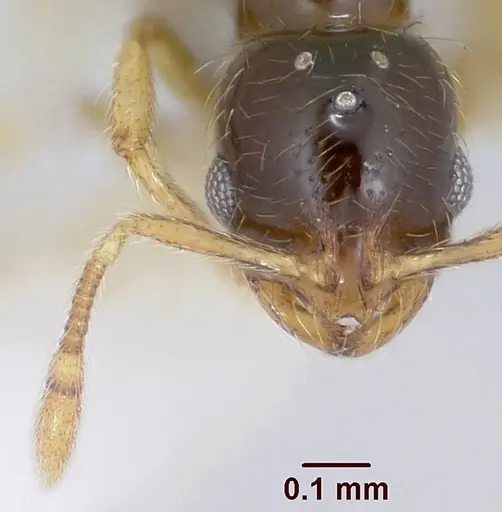
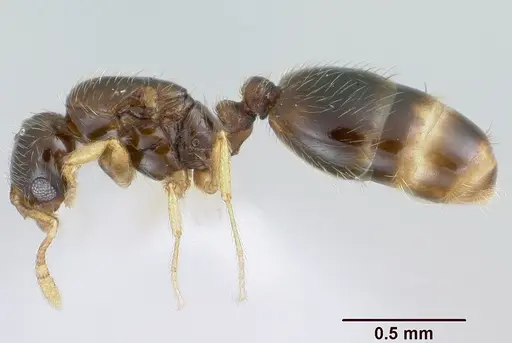
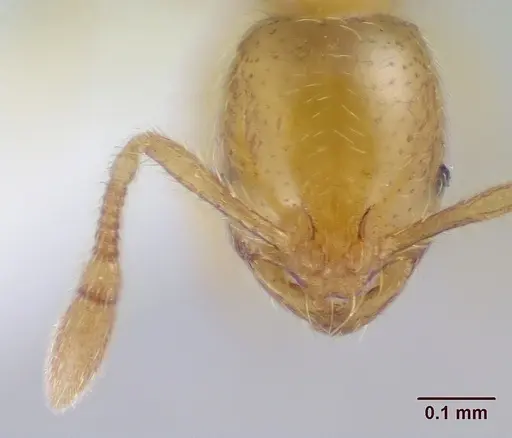
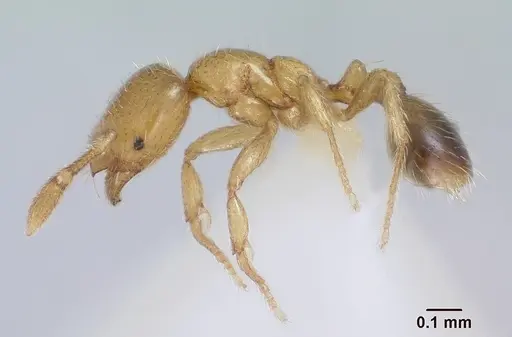
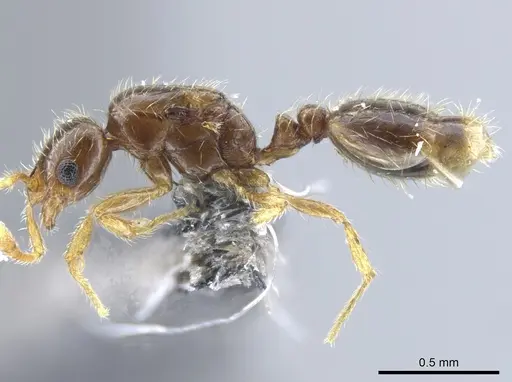
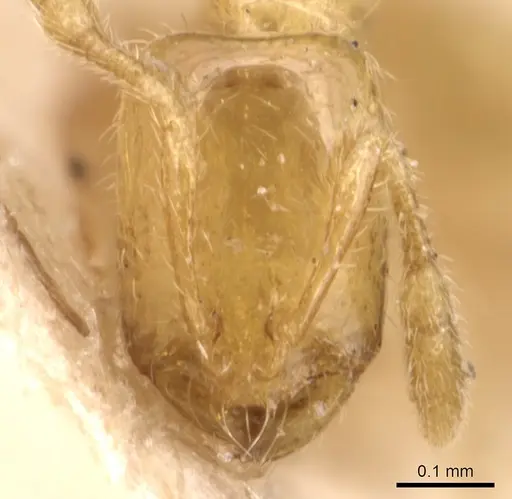
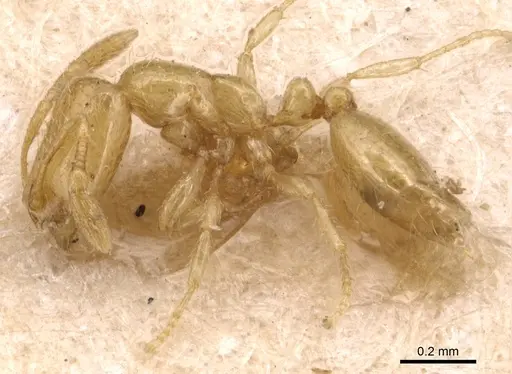
Solenopsis gnomula is a small ant species native to the Horn of Africa, specifically documented from Eritrea and Ethiopia . Workers are tiny, likely around 2-3 mm based on typical small Solenopsis species, but precise measurements are not documented . They have the yellowish to reddish-brown coloration common in the genus. As a member of the subfamily Myrmicinae and tribe Solenopsidini, this species possesses a functional stinger. While not as aggressive as some fire ant relatives, they will sting in defense. The species was first described by Emery in 1915 from Nefasit, Eritrea .
Quick Summary
- Difficulty: Medium
- Origin & Habitat: Native to the Afrotropical region, recorded from Eritrea and Ethiopia [1]. The type locality is Nefasit, a town in the Eritrean highlands [2]. Their specific habitat preferences are unstudied, but like many Solenopsis they likely nest in warm, dry to moderately moist soil, often under stones or in open ground.
- Colony Type: Colony structure is unconfirmed for this species. Based on typical Solenopsis patterns, they are probably monogyne (single-queen), but polygyny (multiple queens) is possible in some related species. No research confirms the social structure of S. gnomula.
- Size & Growth:
- Queen: Size data unavailable, no queen specimens have been measured in available literature.
- Worker: Size data unavailable, the original description includes workers but without measurements. Inferred from genus: likely around 2-3 mm.
- Colony: Unknown, no colony size estimates exist in literature.
- Growth: Unknown, no data available on growth rate.
- Development: Unknown, no documented timing for this species. (Development time is inferred from related Solenopsis species, typically 5-7 weeks at warm temperatures, but this is unconfirmed.)
- Antkeeping:
- Temperature: Unknown specifically for this species. As a tropical species, they likely need warm conditions around 25-28°C. Avoid temperatures below 20°C for extended periods. Use a heating cable with a gradient.
- Humidity: Unknown, based on typical dry-habitat Solenopsis, they likely prefer moderate humidity (40-60%) with a gradient. Keep nest substrate partially dry, avoid waterlogging. More research needed.
- Diapause: No, as a tropical species from the Horn of Africa, they almost certainly do not require winter diapause. They may slow down in cooler room conditions but do not need artificial cooling.
- Nesting: Tiny ants prefer snug chambers. Test tubes work for founding. Transition to Y-tong (AAC) or plaster nests with small chambers matched to their size. Avoid large open spaces. Fine mesh for ventilation and escape prevention is essential.
- Behavior: Workers are active foragers, likely scavenging and hunting small arthropods. They are defensive and will sting if the colony is disturbed. Their small size makes them excellent escape artists, use fine mesh (0.5 mm or smaller). They form trails to food sources. Temperament is moderate-aggressive when defending the nest.
- Common Issues: escape prevention, tiny workers can squeeze through standard gaps, use fine mesh and tight-fitting lids., sting can be painful, handle with care and avoid disturbing the colony., no species-specific care data available, most advice is inferred from related species, adjust based on observations., slow growth expected, patience is required as colony growth rate is unknown but likely similar to other small Solenopsis., unknown nesting preferences, experiment with substrate and chamber size.
Temperature and Care
Solenopsis gnomula comes from the warm climate of East Africa, so they likely need temperatures around 25-28°C for optimal activity. Use a heating cable on one side of the nest to create a gradient. Avoid sudden temperature swings. Since no precise data exists, watch colony behavior: if workers become sluggish, slowly raise the temperature. They are not cold-hardy, keep above 20°C.
Feeding and Diet
Like other Solenopsis, S. gnomula is probably an opportunistic feeder. Offer small protein sources like fruit flies, pinhead crickets, or mealworm pieces. For carbohydrates, provide sugar water or diluted honey. Remove uneaten food after 24-48 hours to prevent mold. Live prey may encourage foraging and brood production.
Nesting Preferences
In captivity, start with a test tube setup. As the colony grows, move them to a Y-tong (AAC) or plaster nest with small, snug chambers. Avoid acrylic formicariums, they do not regulate humidity well and are prone to condensation. Keep the nest relatively dry, with a slightly moist area for humidity. Provide a fine mesh barrier to prevent escapes.
Behavior and Temperament
Workers are small but defensive. They will sting if threatened, delivering a noticeable sting. They are active foragers that form trails. Due to their tiny size, standard barriers may fail, use fine mesh (0.5 mm or smaller) and check for gaps. Handle with care and avoid frequent nest disturbances.
Colony Growth Expectations
Growth rate is unknown for this species. Based on related small Solenopsis, expect a slow start: the first workers (nanitics) may appear after 5-7 weeks at warm temperatures, but this is speculative. Initial broods are small. Patience is essential, do not overfeed or disturb the nest frequently.
Handling and Safety
Always use caution. Their sting is functional and can be painful. Use a soft brush for handling, avoid blowing on them. If stung, wash with soap and water. Keep disturbances minimal to reduce stress on the colony.
Seasonal Care
As a tropical species, no hibernation is needed. They may show reduced activity in cooler months but do not require artificial cooling. Maintain warmth year-round using heating if necessary. Keep temperatures above 20°C.
Acclimation and Introduction
When you first get a queen or colony, give them 2-3 days of minimal disturbance in a dark, warm test tube. Do not feed for the first 48 hours. After workers appear, offer tiny amounts of food. Gradually move them to a larger setup over several weeks. Sudden changes can cause stress.
Frequently Asked Questions
How long does it take for Solenopsis gnomula to produce first workers?
Unknown for this species. Based on related Solenopsis, it might take 5-7 weeks at optimal warmth, but no confirmed data exists.
What do Solenopsis gnomula ants eat?
Likely they accept both protein and sugar sources. Offer small insects (fruit flies, pinhead crickets) and sugar water. Remove leftovers to prevent mold.
Are Solenopsis gnomula good for beginners?
Rated as medium difficulty. Their small size and escape risk, plus the lack of specific care data, make them more suitable for keepers with some experience. Beginners should start with better-documented species.
What temperature do Solenopsis gnomula need?
No exact data, but as a tropical species, keep them warm, around 25-28°C. Avoid conditions below 20°C.
How big do Solenopsis gnomula colonies get?
Unknown. No colony size estimates have been published. Inferred from related species: possibly several hundred workers, but this is speculative.
Do Solenopsis gnomula need hibernation?
No, being from tropical Africa, they do not require diapause. Keep them warm year-round.
Can I keep multiple Solenopsis gnomula queens together?
Not recommended. Colony structure is unconfirmed, and combining queens could lead to aggression. Keep one queen per colony unless polygyny is confirmed.
Why are my Solenopsis gnomula escaping?
Their tiny size makes them excellent escape artists. Check for gaps in your setup, use fine mesh (0.5 mm or smaller) and ensure all connections are tight.
What size nest do Solenopsis gnomula need?
They prefer small, snug chambers. Start with a test tube, then move to a Y-tong or plaster nest with appropriately sized chambers. Avoid large open spaces.
Is Solenopsis gnomula invasive?
No, this species is only recorded from Eritrea and Ethiopia, with no evidence of introduction elsewhere.
How do I set up a test tube for Solenopsis gnomula?
Use a standard test tube with a water reservoir (1/3 filled) blocked by a cotton plug. The ants will use the dry area. Keep the tube dark and warm. Transition to a formicarium once the colony exceeds about 50 workers.
Report an Issue
The current care sheet is based fully on literature. See inconsistencies, or something that's incorrect? Please , it will be resolved after review from an admin. Contributing to the blogs tab also helps providing information, to make us be able to further improve the caresheets. Thank you for your support!
References

This caresheet is licensed under CC BY-SA 4.0 .
Community Blogs
CASENT0104994
View on AntWeb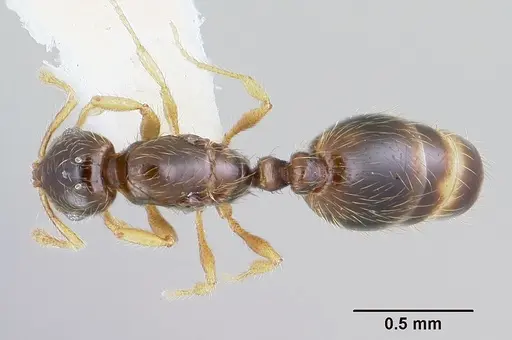
CASENT0104995
View on AntWeb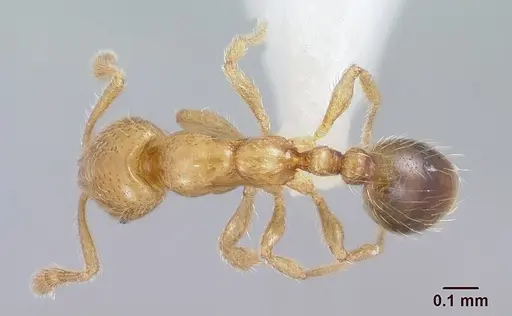
CASENT0751558
View on AntWeb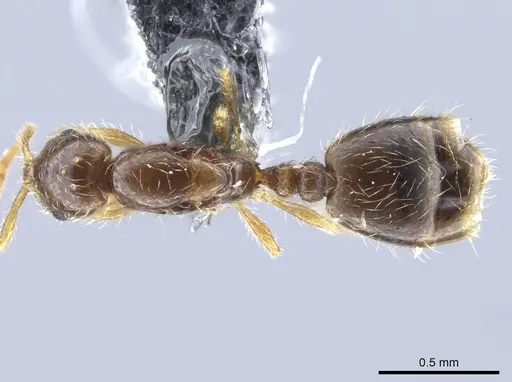
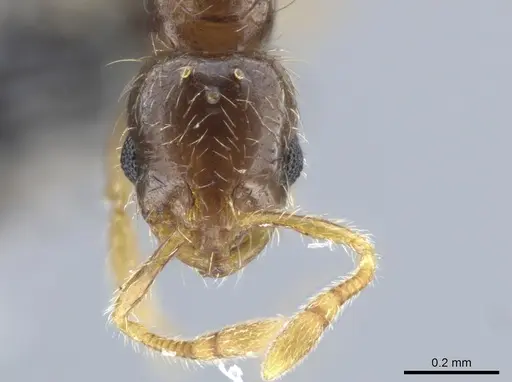
CASENT0904643
View on AntWeb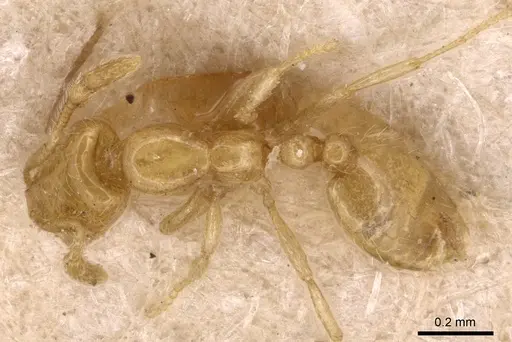
Literature
Loading distribution map...Loading products...