
Globular Thief Ant
Solenopsis globularia
- Sci. Name
- Solenopsis globularia
- Tribe
- Solenopsidini
- Subfamily
- Myrmicinae
- Author
- Smith, 1858
- Common Name
- Globular Thief Ant
- Distribution
- Found in 10 countries
Introduction
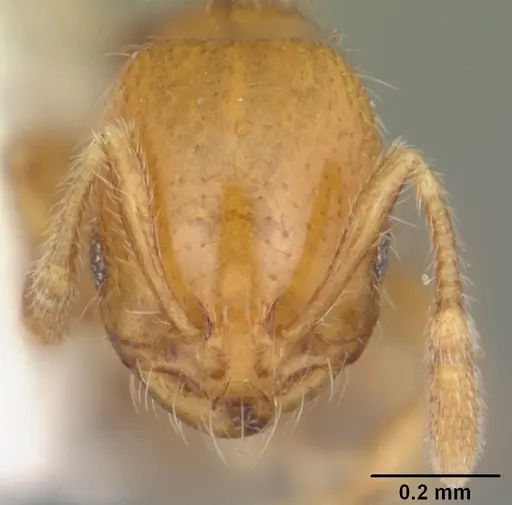
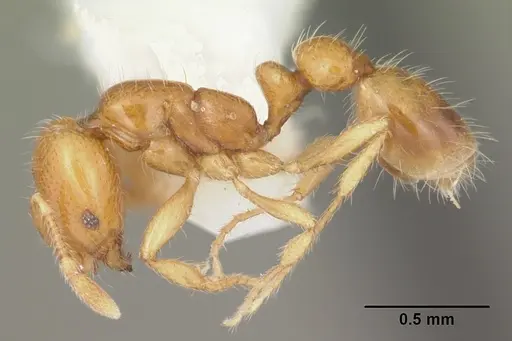
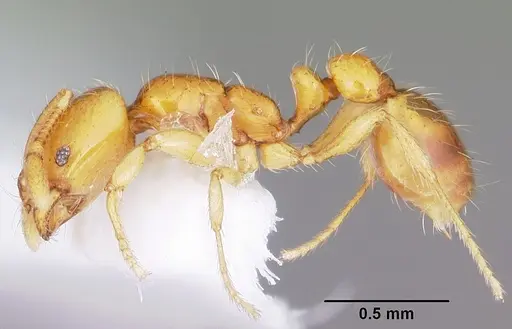
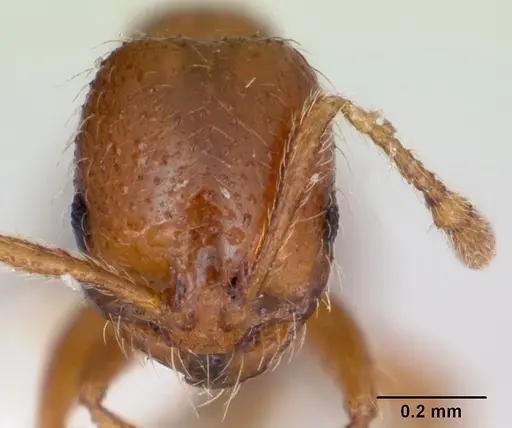
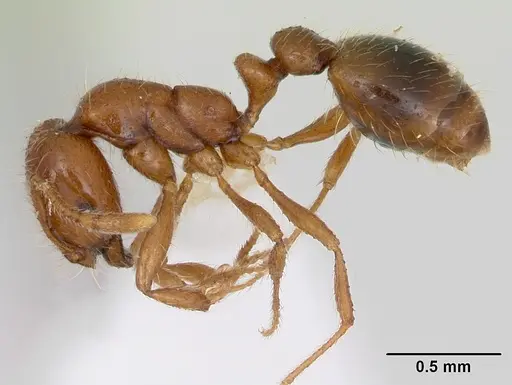
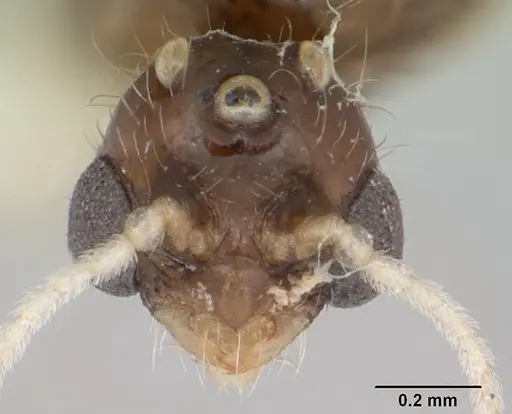
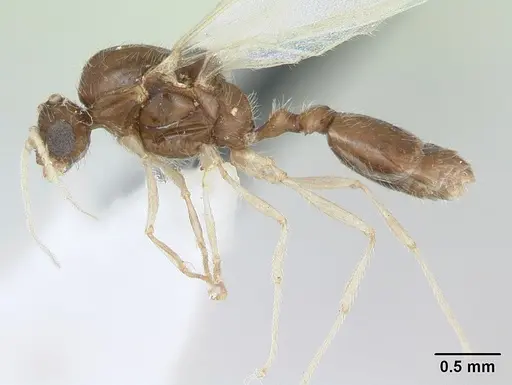
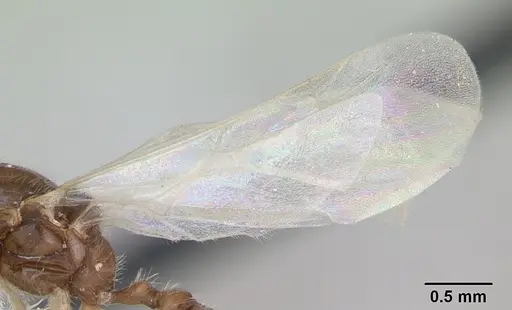
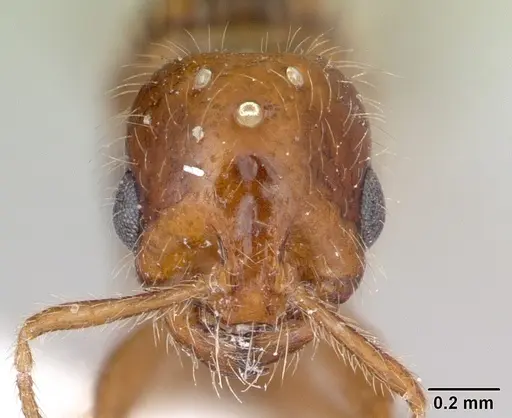
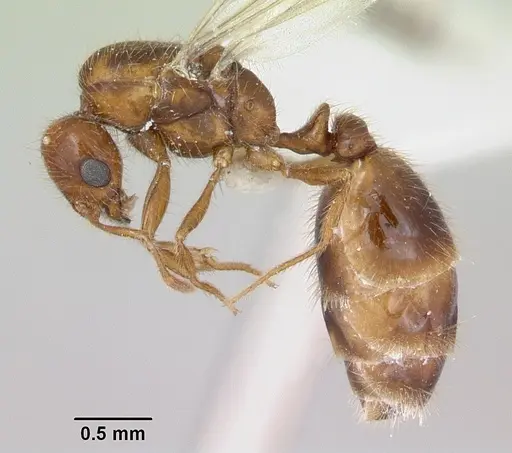
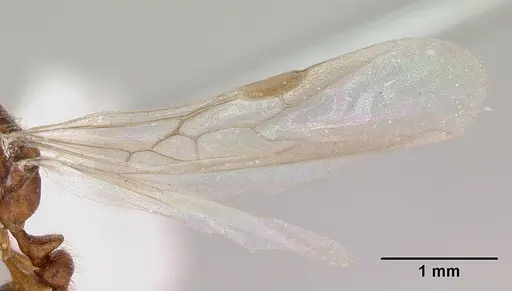
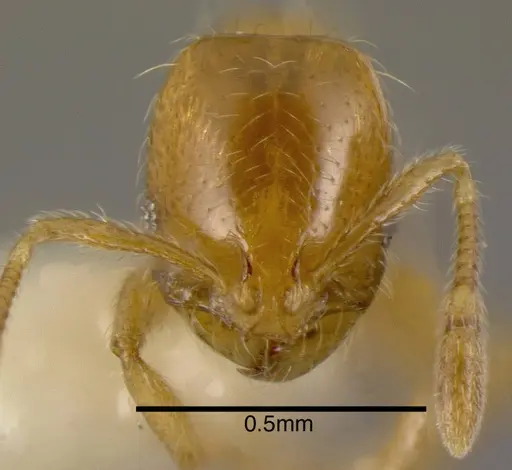
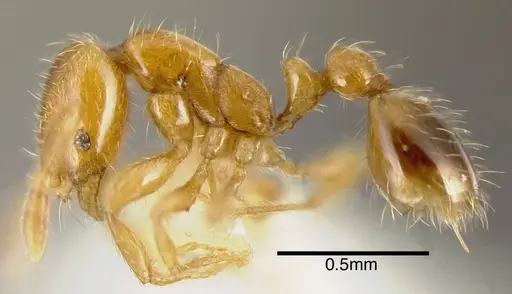
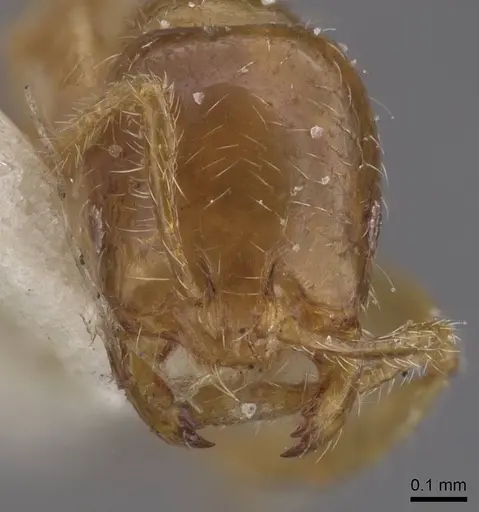
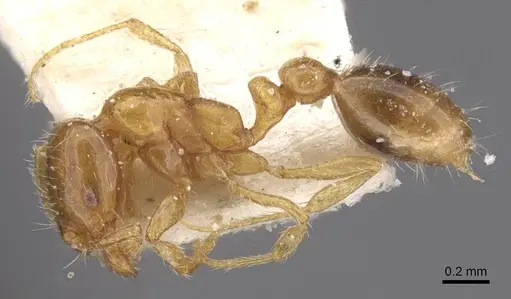
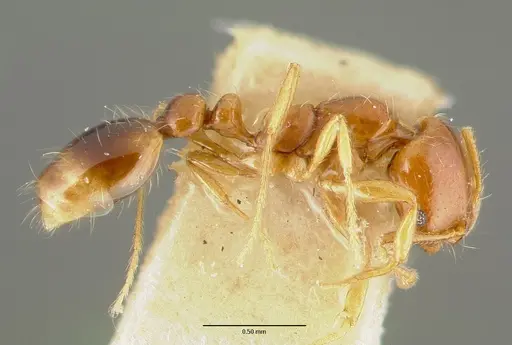
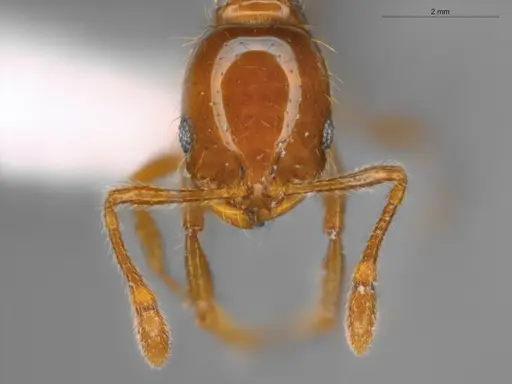
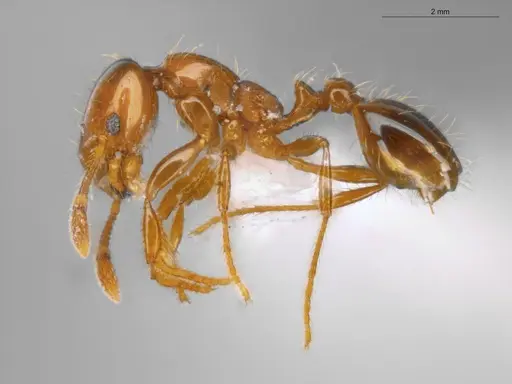
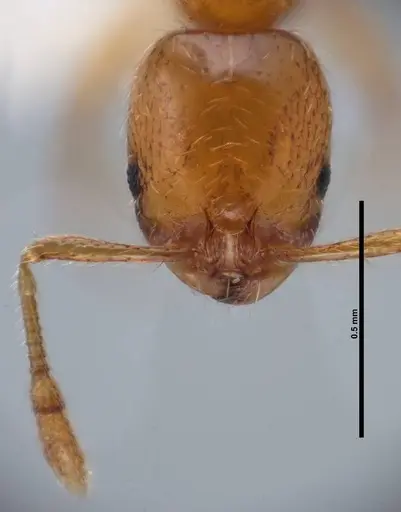
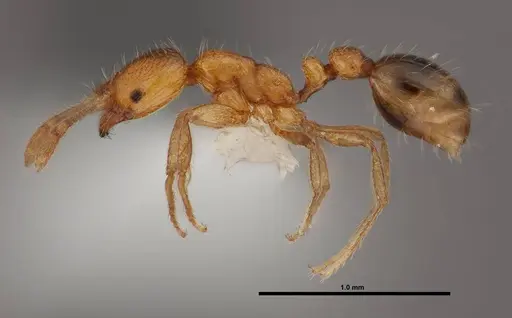
Solenopsis globularia is a small, polymorphic thief ant native to the Americas. Workers range 1.86-2.16 mm, queens are about 3.96 mm, and males about 3 mm . They are easily recognized by their greatly enlarged, bulbous postpetiole . Color varies from light to dark brown. Unlike many tiny thief ants, they forage above ground and actively recruit nestmates to food . They are found throughout the Caribbean, Gulf Coast of the USA, and into Central and South America, often in coastal areas under rocks, in driftwood, and rotten logs on beaches . This species has been introduced to many regions worldwide, including the Galapagos, West Africa, and Pacific islands, where it is considered invasive .
Quick Summary
- Difficulty: Expert
- Origin & Habitat: Native to the Americas: Caribbean, Gulf Coast of the USA, Central and South America. Found in coastal areas, nesting under rocks, in driftwood, and rotten logs on beaches [1][6]. Also occurs in dry forests, thorn scrub, and disturbed areas [7].
- Colony Type: Unconfirmed, colony structure is not documented. Likely single-queen (monogyne) based on typical Solenopsis patterns, but this has not been confirmed.
- Size & Growth:
- Queen: ~4 mm [1].
- Worker: 1.86-2.16 mm (polymorphic) [1].
- Colony: Unknown, not documented. Likely moderate (up to several hundred workers) based on related species.
- Growth: Unknown, not documented.
- Development: Not documented. Based on related Solenopsis, development likely takes 4-8 weeks at warm temperatures. (Specific data on this species is lacking.)
- Antkeeping:
- Temperature: Tropical species: keep at 24-28°C. Provide a gradient so ants can choose their preferred temperature. Avoid prolonged cold below 20°C.
- Humidity: Provide a humidity gradient. The nest should have a dry area and a slightly moist area. They occur in coastal areas with well-drained, not waterlogged, conditions. Do not overwater.
- Diapause: No, tropical species, does not require hibernation. Maintain warm temperatures year-round.
- Nesting: Recommended nest types: Y-tong (AAC), plaster,3D-printed, or naturalistic soil/sand setups. In nature they nest under rocks and in driftwood, so provide a dark, secure chamber [1].
- Behavior: Active foragers that recruit to food [3]. Workers are not known to sting humans [8]. Colonies can be aggressive when disturbed, especially large ones [1]. Polymorphic, with both minor and major workers. Escape risk is high due to small size (~2mm), ensure very tight seals around nest and outworld. Intermediate size for Solenopsis.
- Common Issues: invasive in many regions, never release outside native range. Check local laws., can become a household nuisance in invaded areas, walking up to beds and disturbing sleep [10], small size makes escape easy, use fine mesh or tight seals, colonies may decline if kept too cold, maintain warm temperatures year-round, founding queens are sensitive to disturbance, give them peace, can be outcompeted by larger ant species if housed in mixed setups
Housing and Nest Setup
Solenopsis globularia does well in naturalistic setups. In the wild, they nest under rocks, in driftwood, and rotten logs on beaches [6]. For captivity, use a soil/sand mix that holds moisture but drains well. Recommended nest types: Y-tong (AAC), plaster,3D-printed, or naturalistic soil chambers. Avoid acrylic nests. Keep the nest dark and undisturbed. Workers are only about 2mm, so ensure any connections between outworld and nest are tight, with no gaps. Use fluon or talcum powder barriers on outworld walls to prevent escapes.
Feeding and Diet
Omnivorous generalists. In the wild, they forage on the ground and recruit to protein baits like tuna [1]. They also collect carbohydrates, such as extrafloral nectaries [6]. In captivity, offer protein sources (small insects like fruit flies, tiny mealworms, or crushed crickets) 2-3 times per week, and a constant sugar source (honey water or sugar water). Remove uneaten prey after 24-48 hours to prevent mold. They are attracted to baits and will actively recruit workers [3].
Temperature and Seasonal Care
As a tropical species, keep the nest at 24-28°C year-round. Use a heating cable on one side to create a gradient. Do not allow prolonged temperatures below 20°C. They do not require hibernation. If your home gets cold in winter, provide consistent heat. Monitor activity: if workers become sluggish, increase temperature. [1]
Behavior and Temperament
Unlike many tiny thief ants, Solenopsis globularia workers are bold and forage above ground [3]. They actively recruit nestmates to food. In large colonies they can be aggressive when defending the nest [1]. Not known to sting humans [8]. They are polymorphic, with minor and major workers. Their small size (~2mm) makes escape a serious risk, use fine mesh and tight seals on all connections.
Colony Founding
Founding behavior is not documented for this species. Based on typical Solenopsis patterns, it is likely claustral (queen seals herself in and raises first brood on stored reserves), but this is not confirmed. Queens are about 4mm [1]. Keep founding queens in a quiet, dark place at 24-26°C with moderate humidity. Do not disturb them until the first workers appear. The first workers (nanitics) will be smaller than normal.
Invasive Status and Legal Considerations
Solenopsis globularia has been introduced to the Galapagos, French Polynesia (Tahiti, Moorea), West Africa (Nigeria, Ghana, Ivory Coast, The Gambia), and other regions [4][5][9]. It is considered invasive and can become a household pest, disturbing sleep [10]. In its native range (Americas), it is not problematic. If you keep this species, you must take extreme precautions to prevent escapes. Never release colonies. Check local laws, some regions may restrict keeping invasive species. In introduced areas, it is highly recommended to not keep this species at all.
Frequently Asked Questions
How long does it take for Solenopsis globularia to raise their first workers?
The exact development time is not documented. Based on related Solenopsis species, it likely takes 4-8 weeks from egg to worker at 24-28°C. Be patient during founding, disturbing the queen can cause her to eat the brood.
Can I keep multiple queens together?
Colony structure is not documented. Based on typical Solenopsis patterns, they likely form single-queen colonies. It is safest to house queens separately, as unrelated queens may fight.
What do Solenopsis globularia eat?
They are omnivorous generalists. Offer protein (small insects, crushed crickets) 2-3 times per week and a constant sugar source like honey water. They readily recruit to protein baits [1].
Are Solenopsis globularia good for beginners?
No. This species is invasive and has spread to many non-native regions. Keeping it requires expert-level care to prevent escapes and comply with regulations. It is not recommended for beginners.
How big do Solenopsis globularia colonies get?
Maximum colony size is not documented. Based on related species, expect moderate-sized colonies with up to a few hundred workers. They are polymorphic, showing minor and major workers.
Do they need hibernation?
No. As a tropical species, they do not require hibernation. Keep them warm (24-28°C) year-round.
What temperature is best for Solenopsis globularia?
Keep them at 24-28°C. Provide a heat gradient. Avoid temperatures below 20°C for extended periods.
Why are my ants dying?
Common causes: temperatures too cold (keep above 24°C), humidity extremes (provide a gradient, not waterlogged or bone dry), disturbance during founding (give queens peace), poor nutrition (offer both protein and sugar), or escape (check seals). Small colonies are vulnerable.
Report an Issue
The current care sheet is based fully on literature. See inconsistencies, or something that's incorrect? Please , it will be resolved after review from an admin. Contributing to the blogs tab also helps providing information, to make us be able to further improve the caresheets. Thank you for your support!
References

This caresheet is licensed under CC BY-SA 4.0 .
Community Blogs
CASENT0104501
View on AntWeb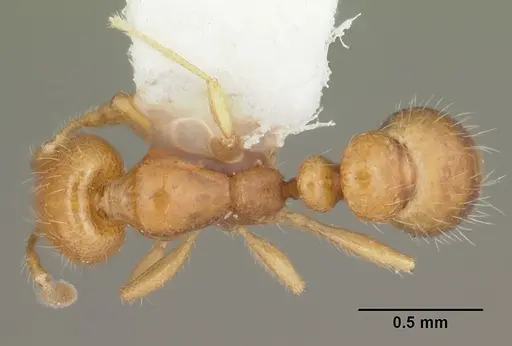
CASENT0104502
View on AntWeb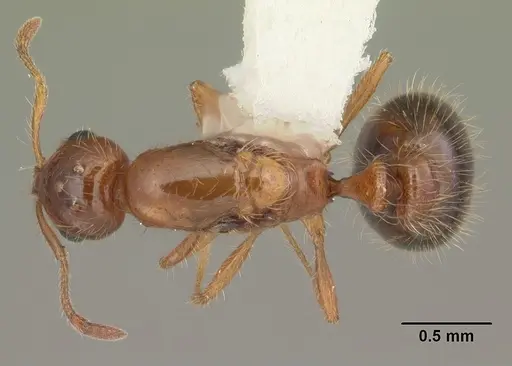
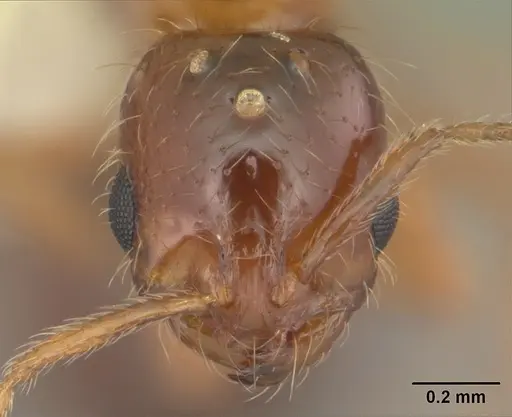
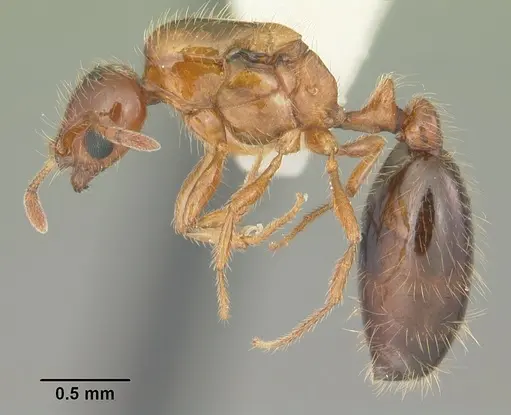
CASENT0104814
View on AntWeb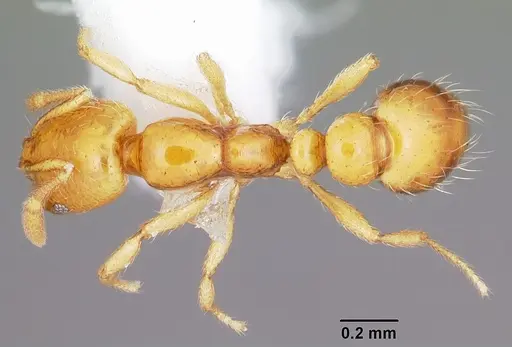
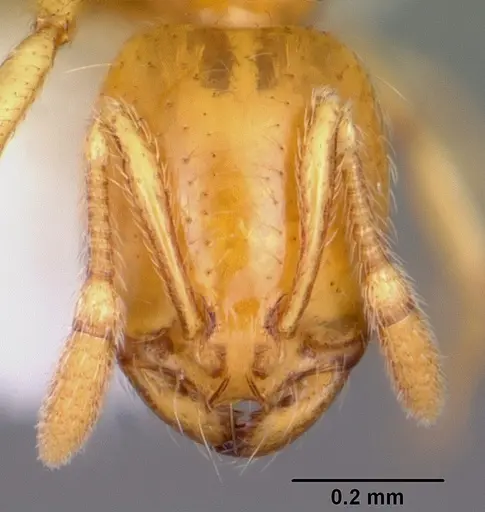
CASENT0173279
View on AntWeb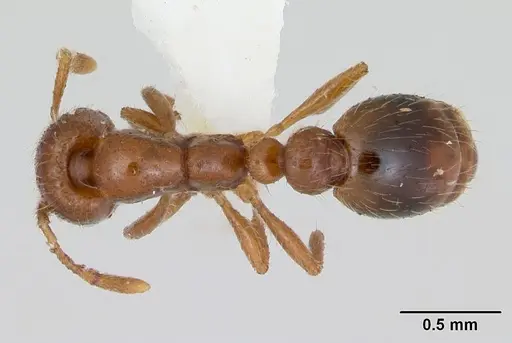
CASENT0173280
View on AntWeb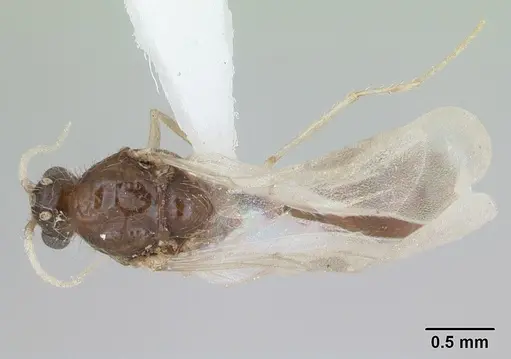
CASENT0173281
View on AntWeb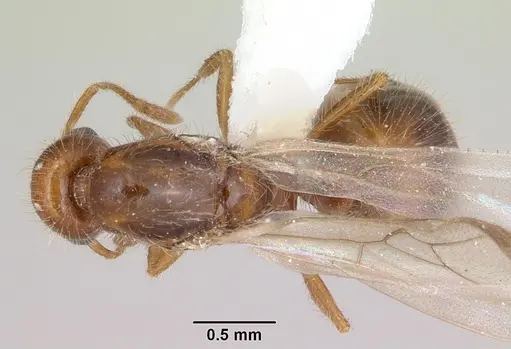
CASENT0636195
View on AntWeb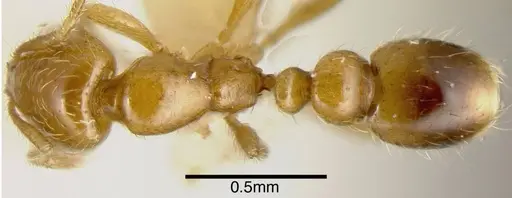
CASENT0729798
View on AntWeb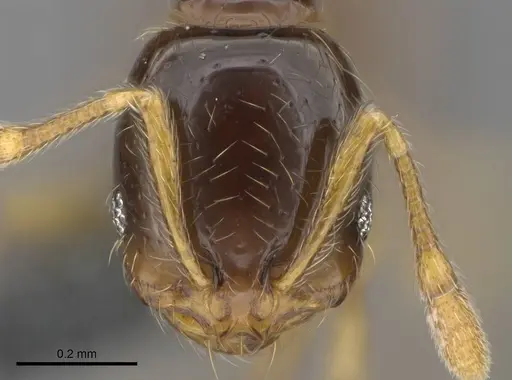
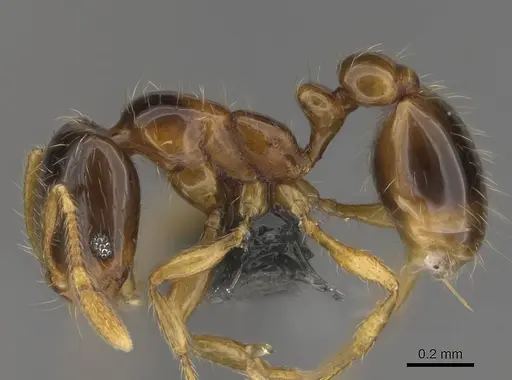
CASENT0766374
View on AntWeb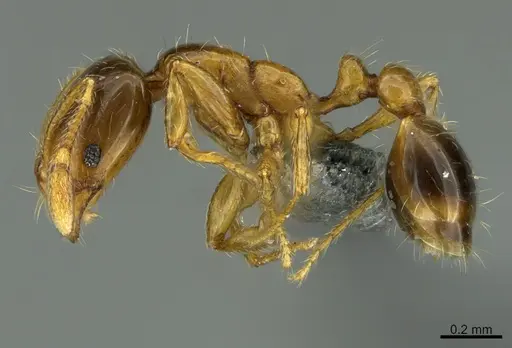
CASENT0902338
View on AntWeb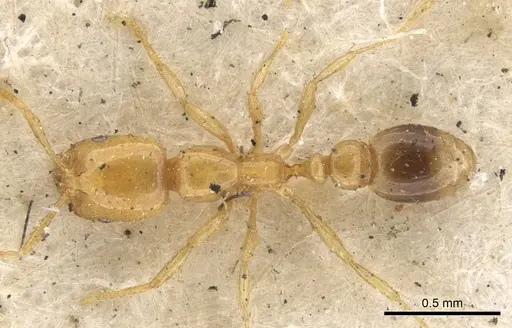
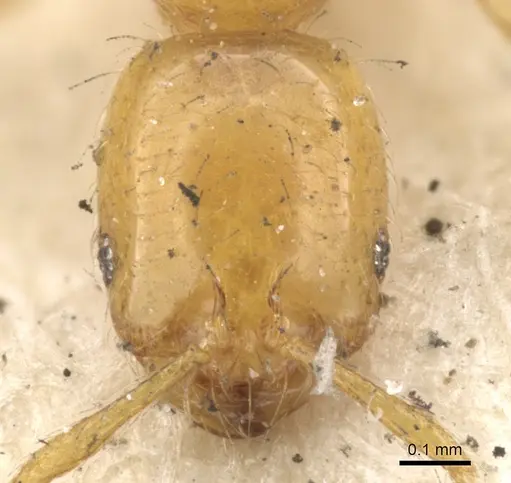
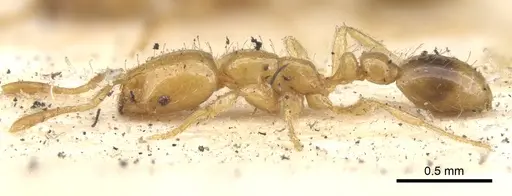
CASENT0908833
View on AntWeb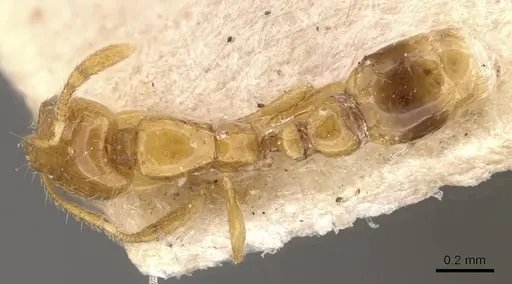
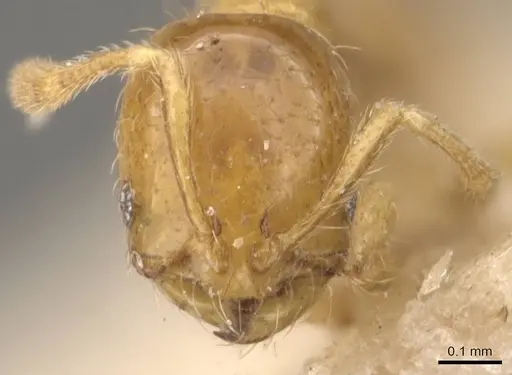
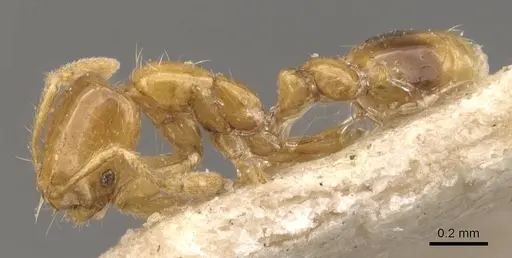
CASENT0913898
View on AntWeb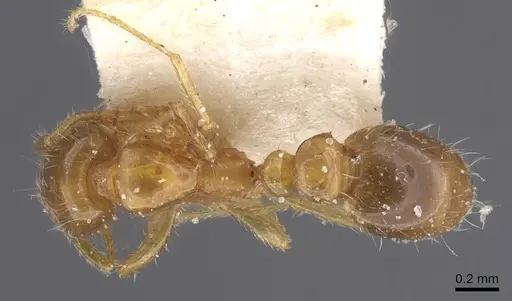
CASTYPE00446
View on AntWeb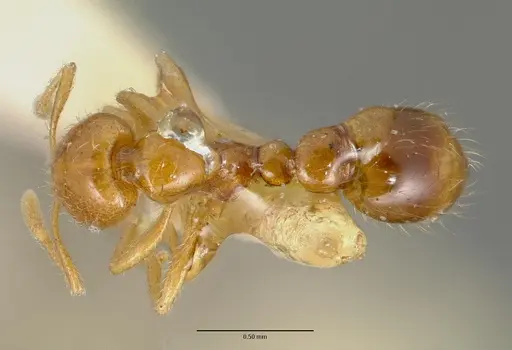
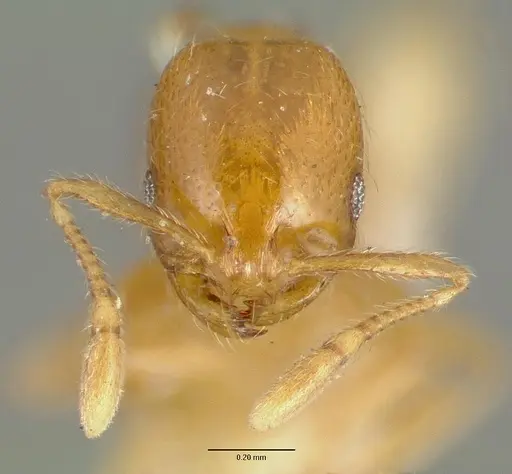
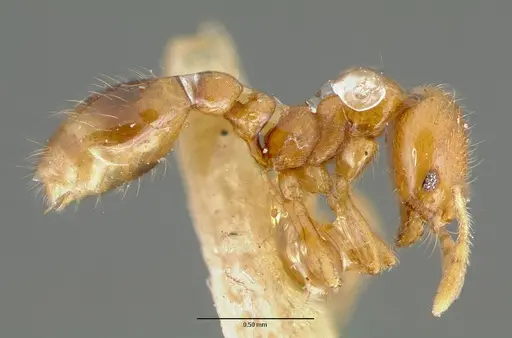
CASTYPE00447
View on AntWeb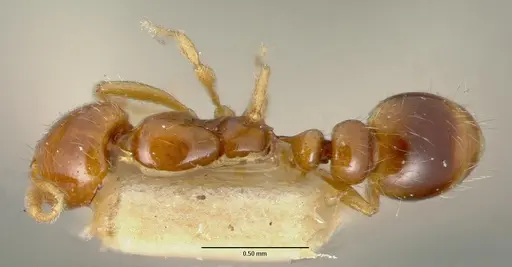
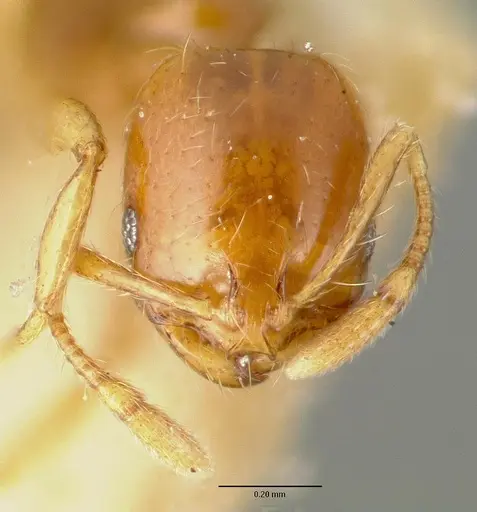
ECOFOG-SAV18-0008-05
View on AntWeb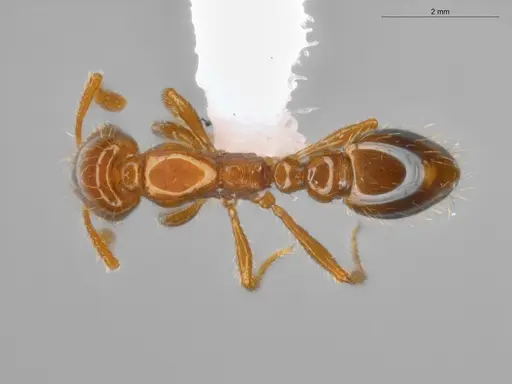
FMNHINS0000078524
View on AntWeb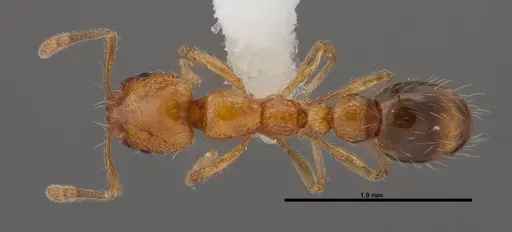
Literature
Loading distribution map...Loading products...