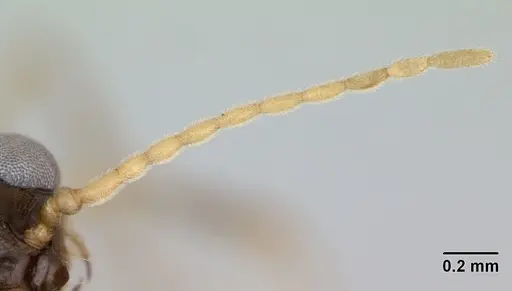
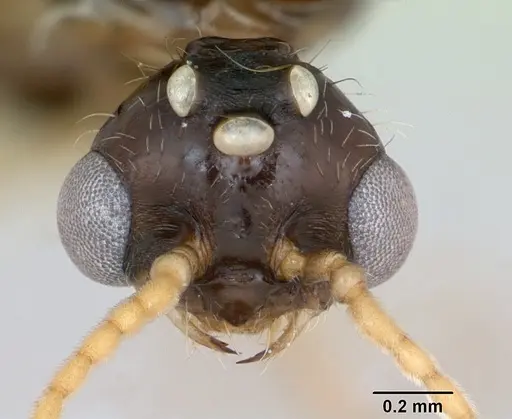
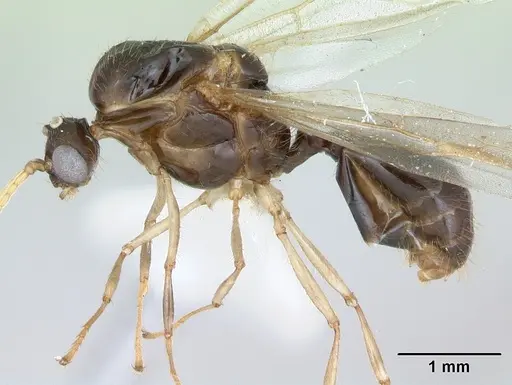
Solenopsis geminata follows a consistent seasonal pattern with peak activity in October. The flight window runs from October to December, providing several months of opportunity for observations.
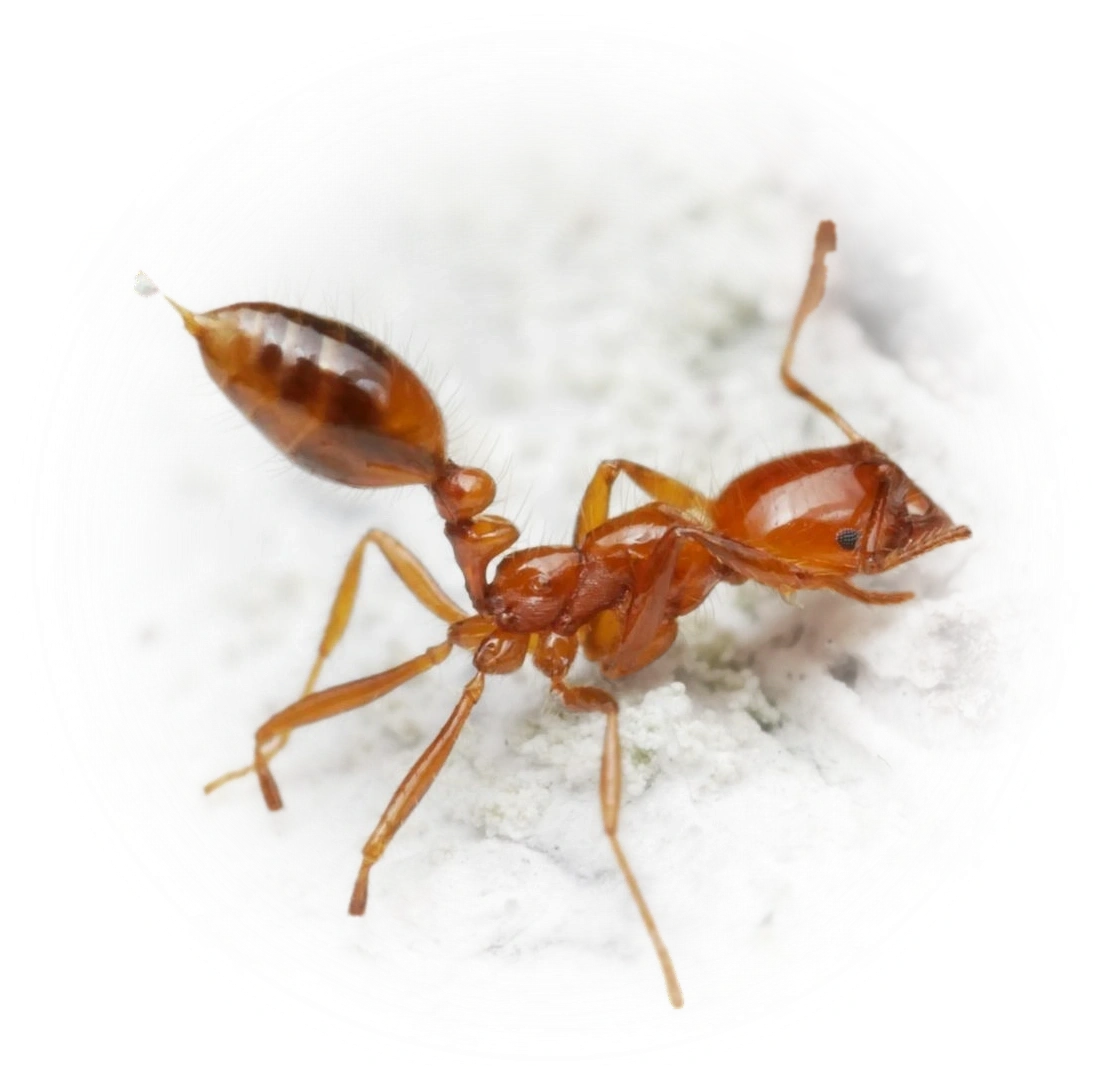
Tropical Fire Ant
Solenopsis geminata
- Sci. Name
- Solenopsis geminata
- Tribe
- Solenopsidini
- Subfamily
- Myrmicinae
- Author
- Fabricius, 1804
- Common Name
- Tropical Fire Ant
- Distribution
- Found in 21 countries
- Nuptial Flight
- From October to December
- Peak flight Time
- 19:00
AI Identifiable
try →
Introduction
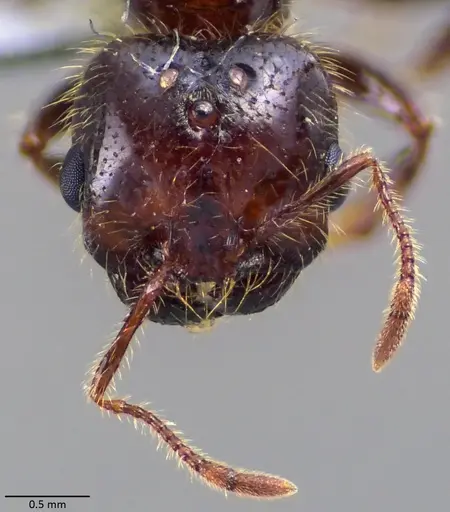
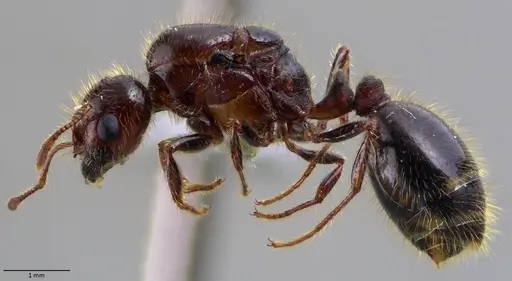
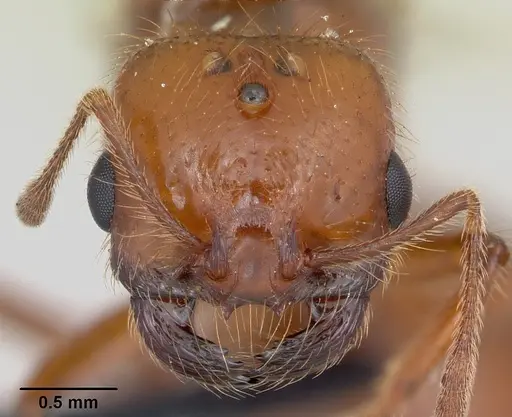
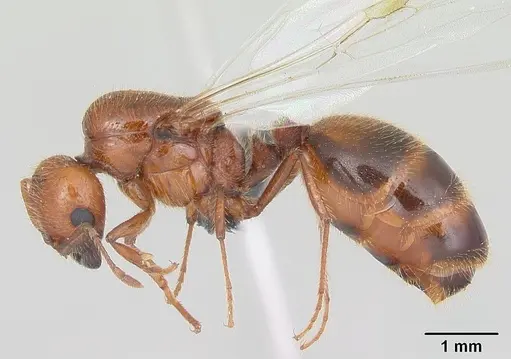
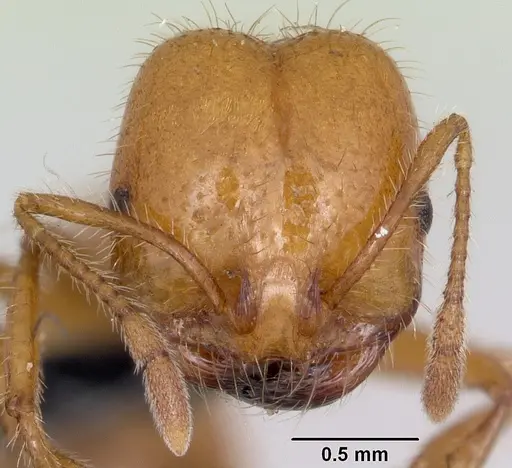
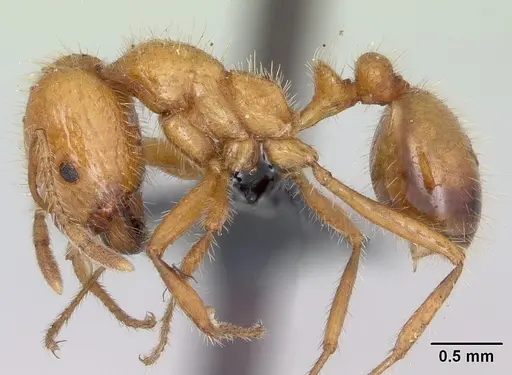
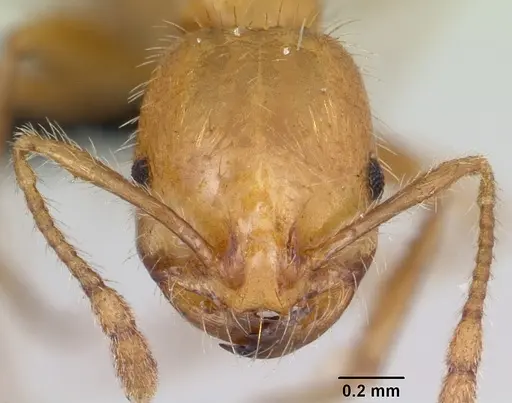
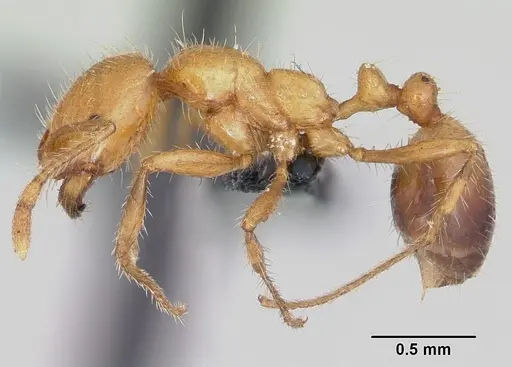
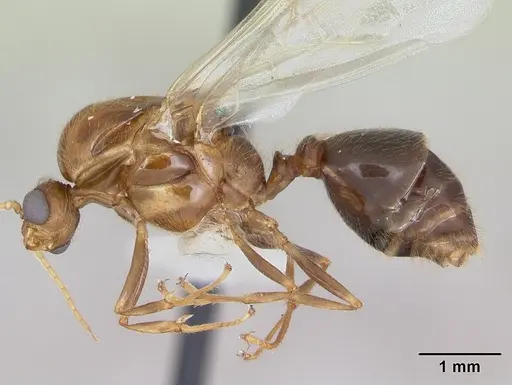
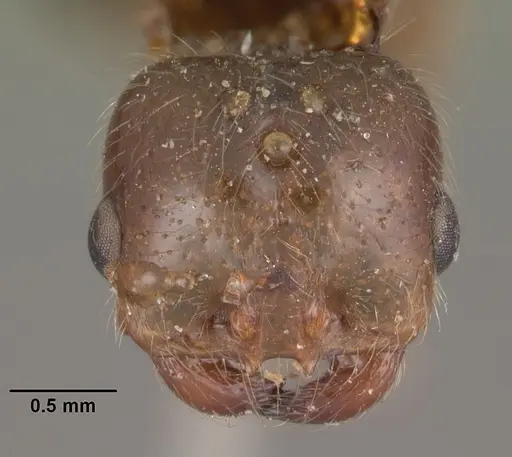
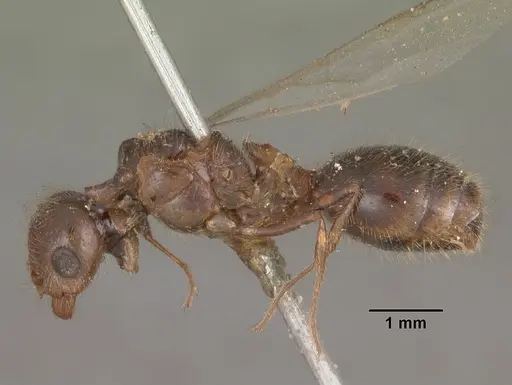
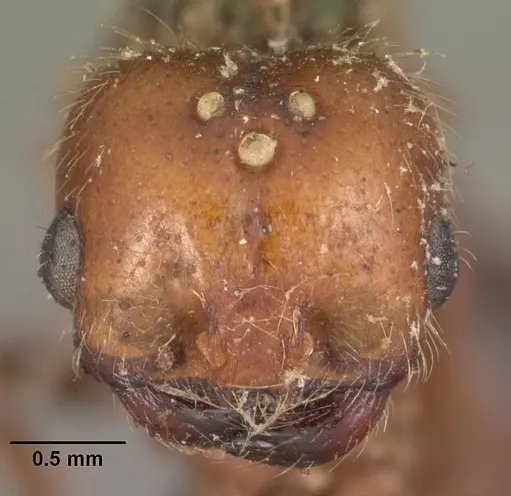
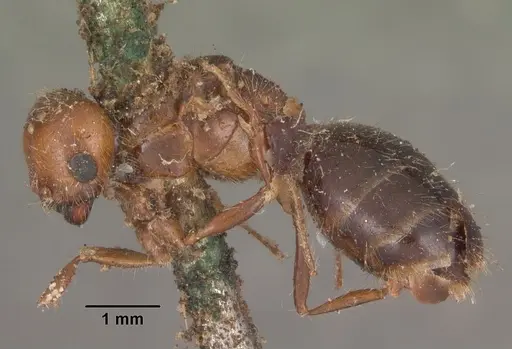
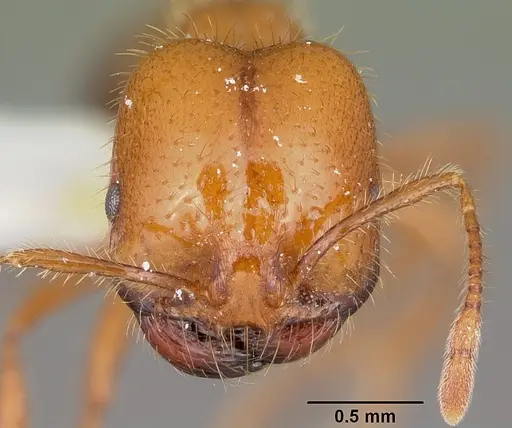
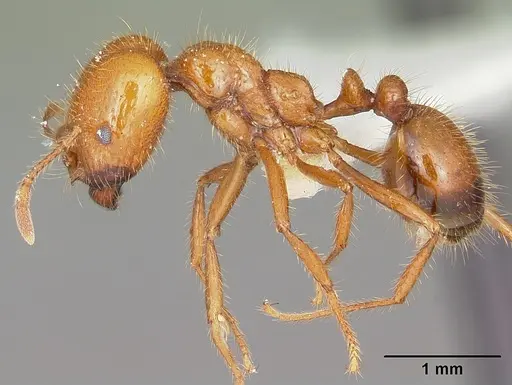
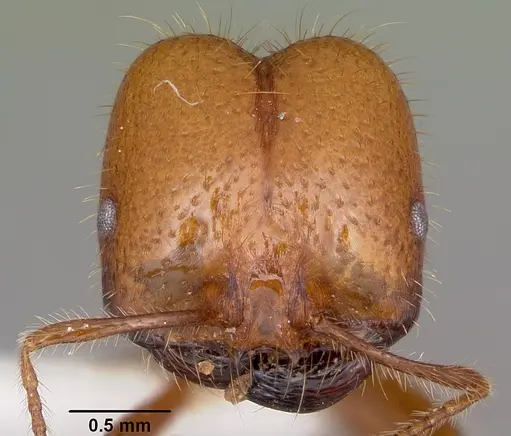
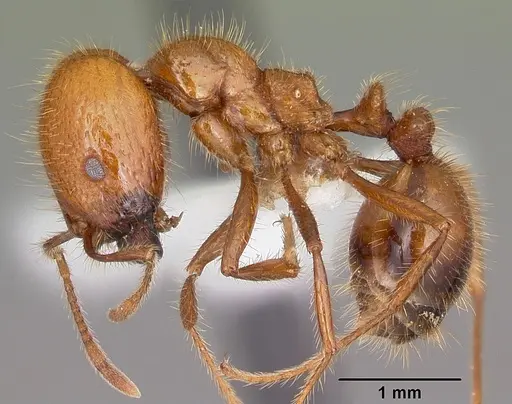
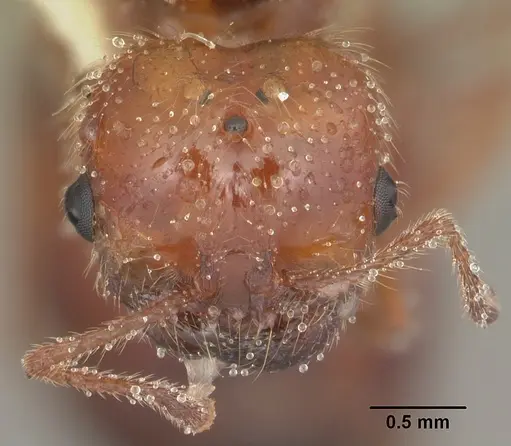
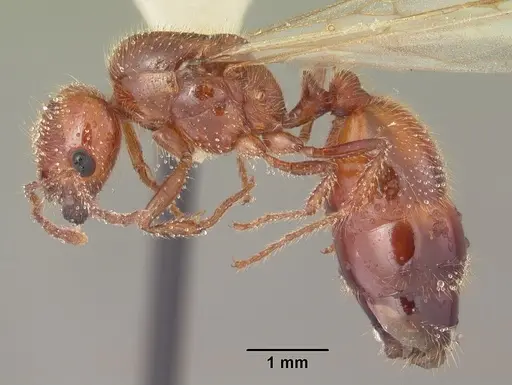
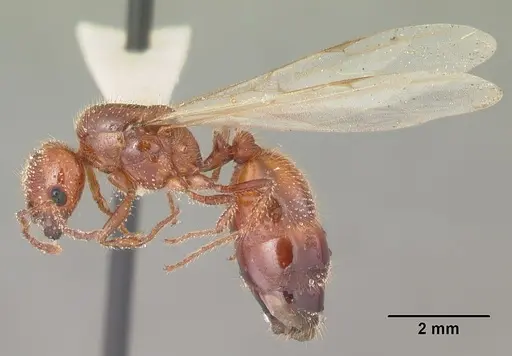
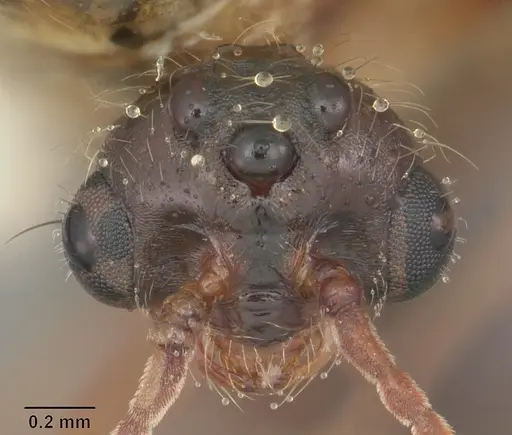
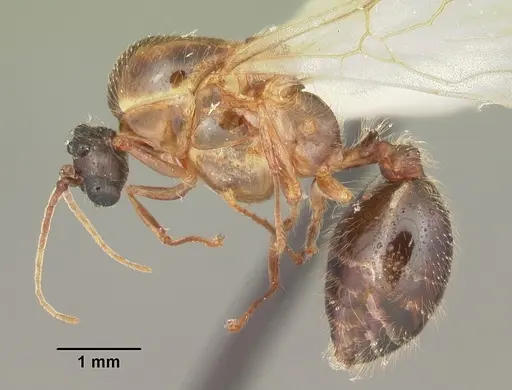
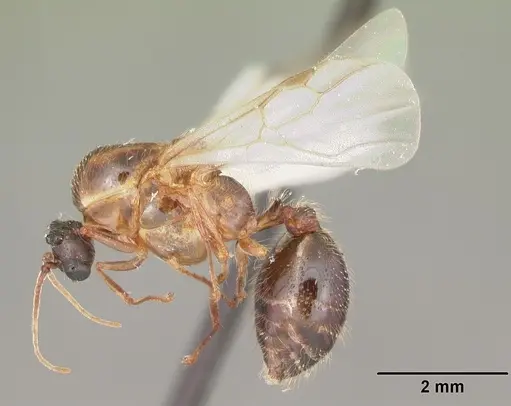
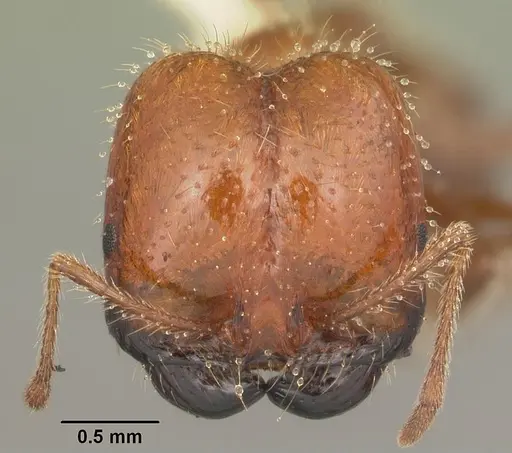
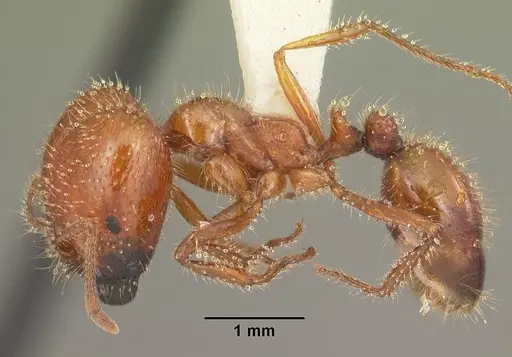
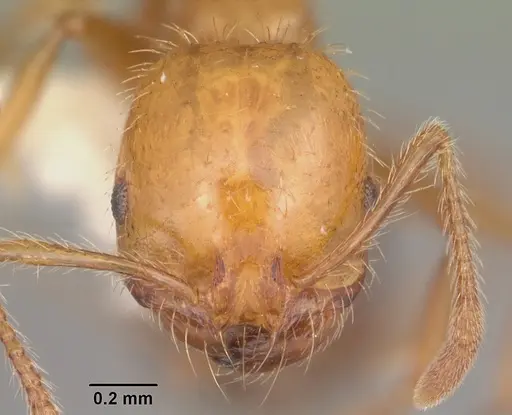
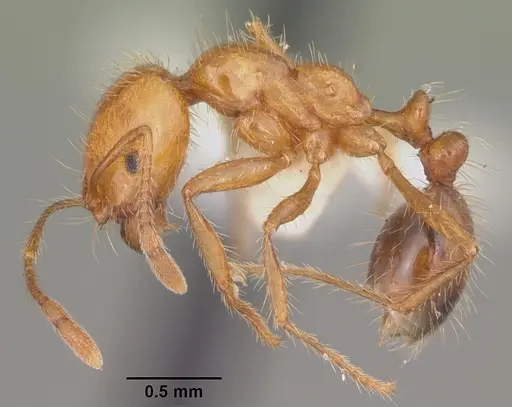
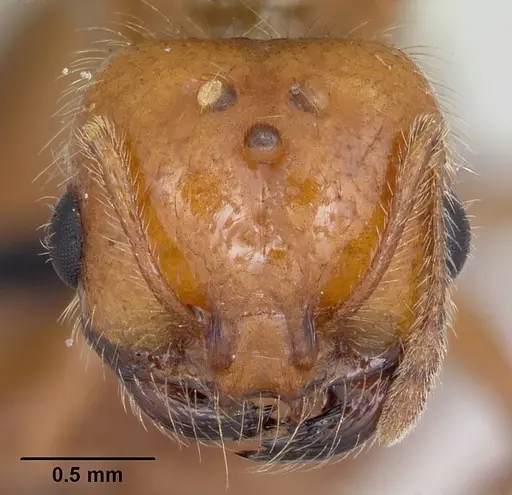
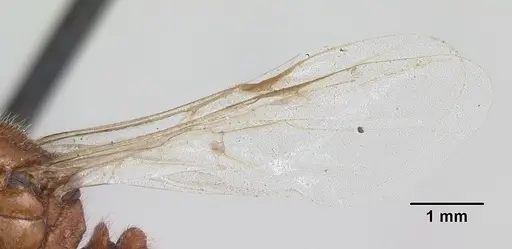
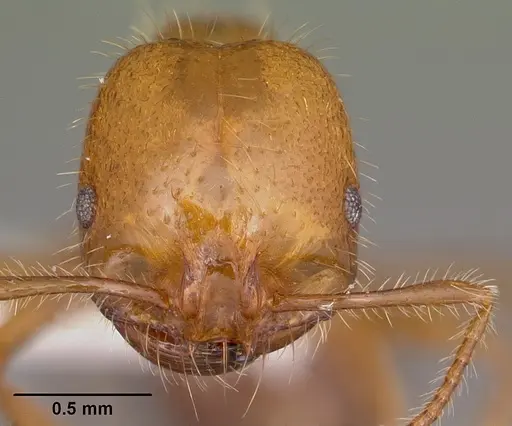
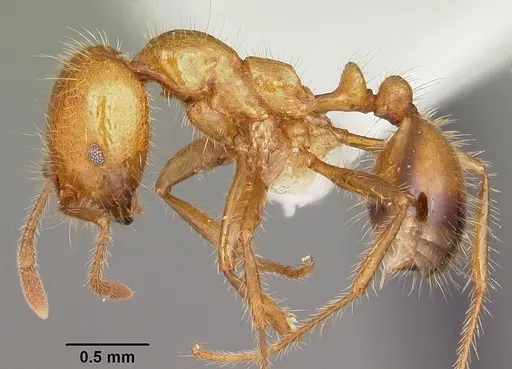
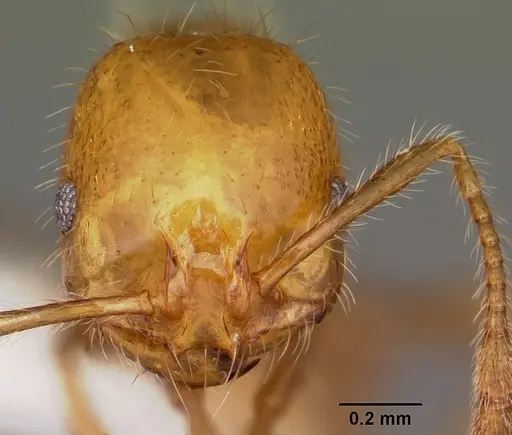
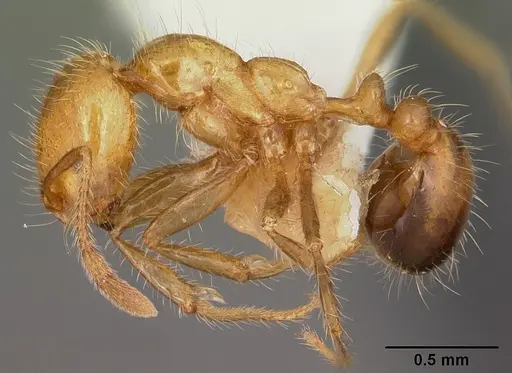
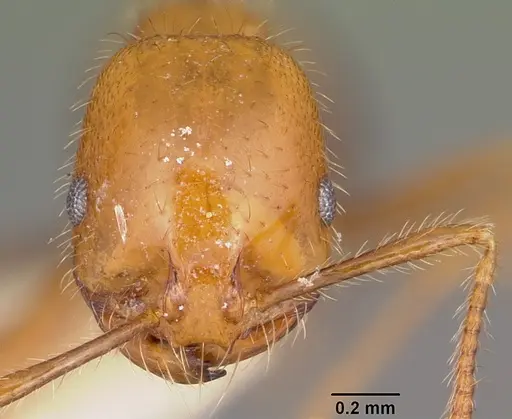
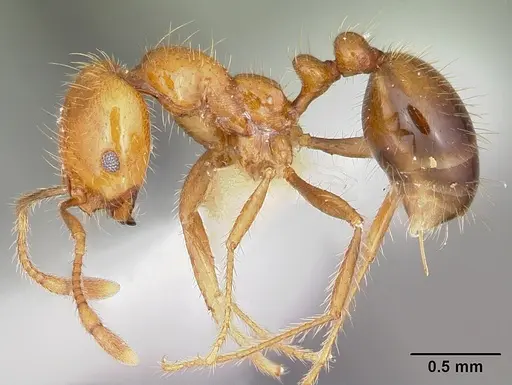
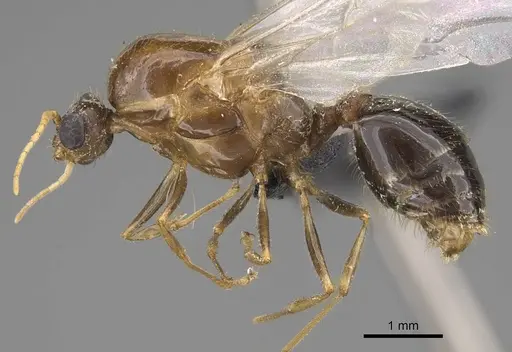
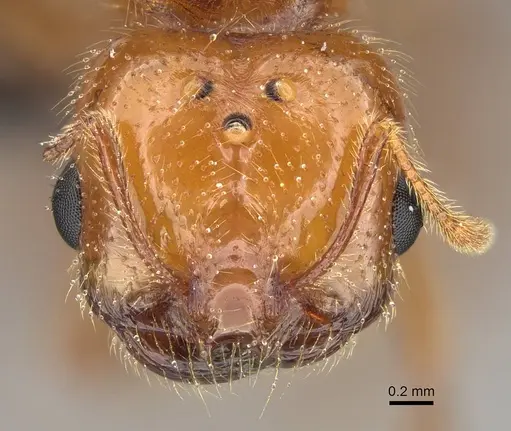
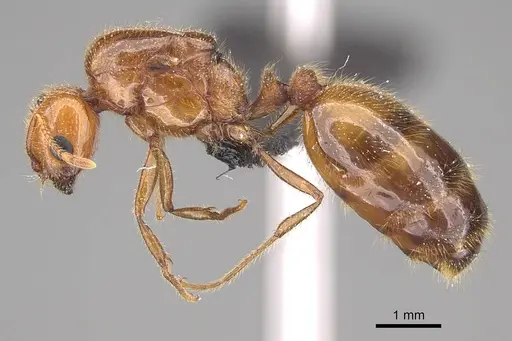
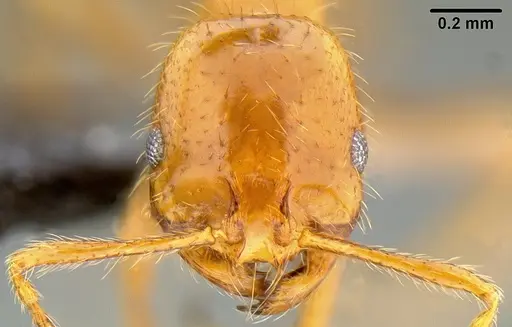
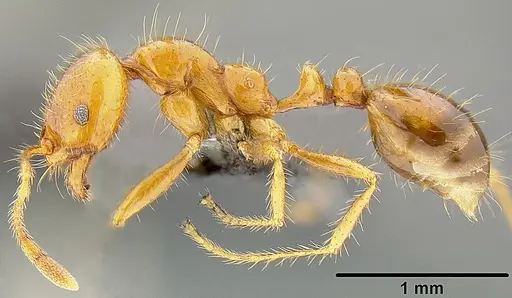
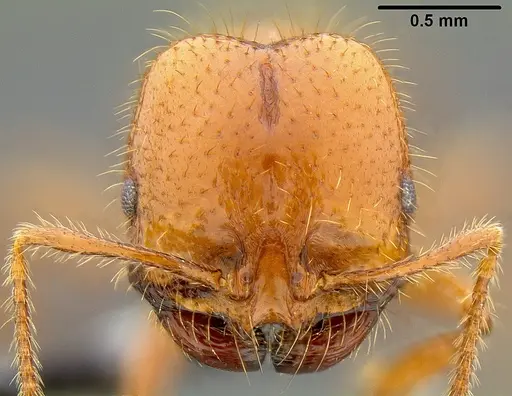
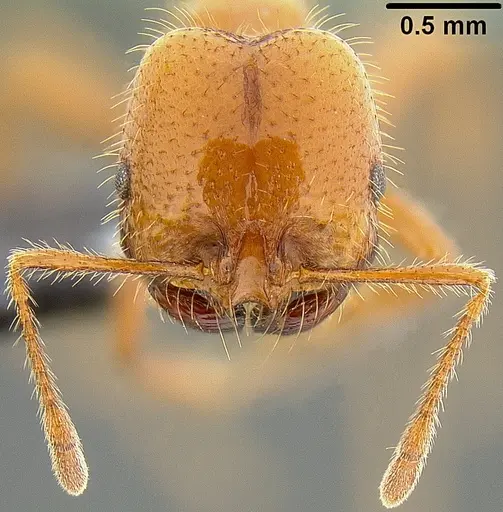
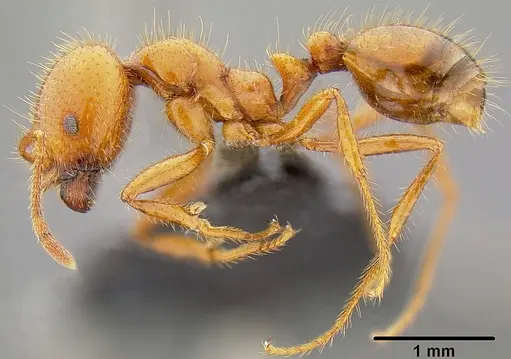
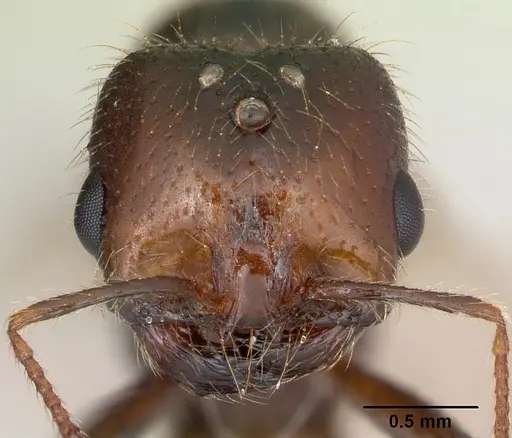
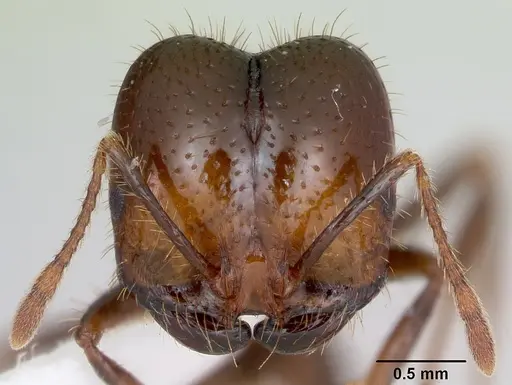
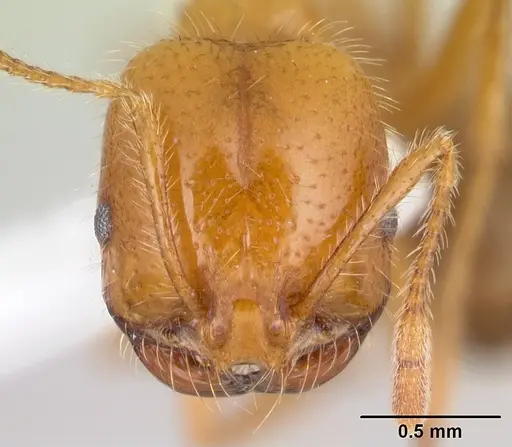
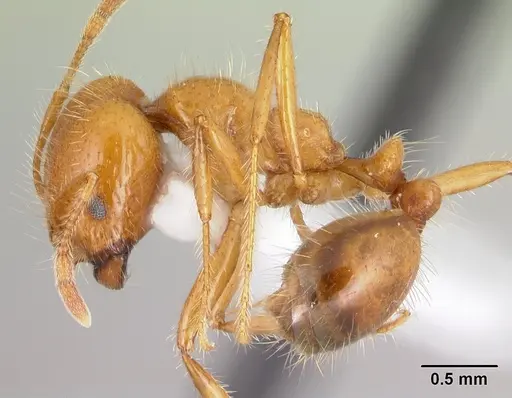
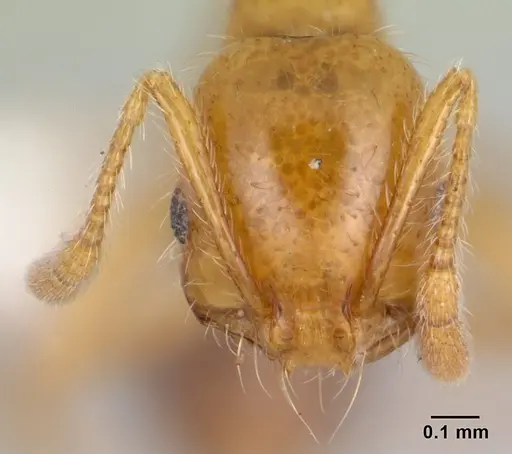
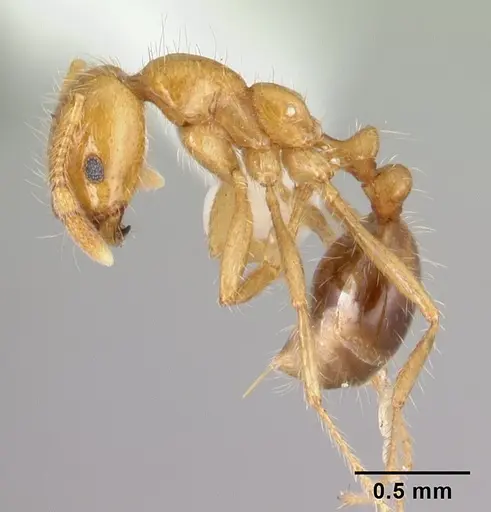
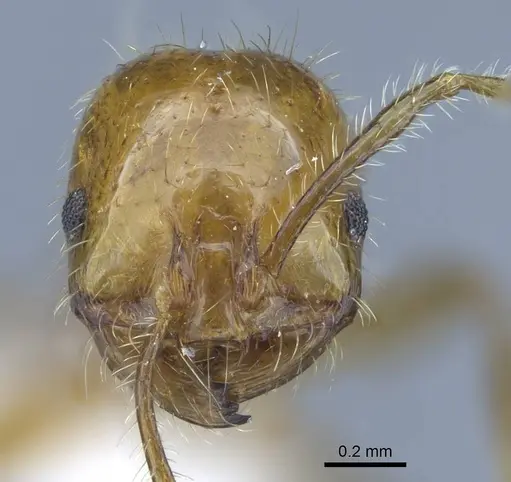
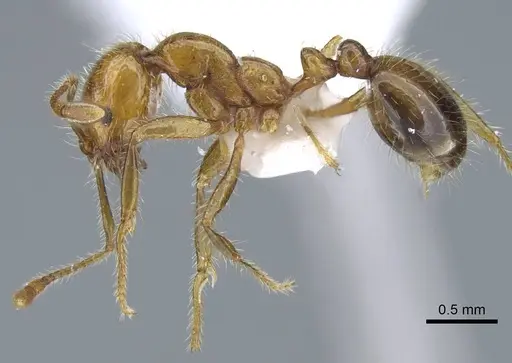
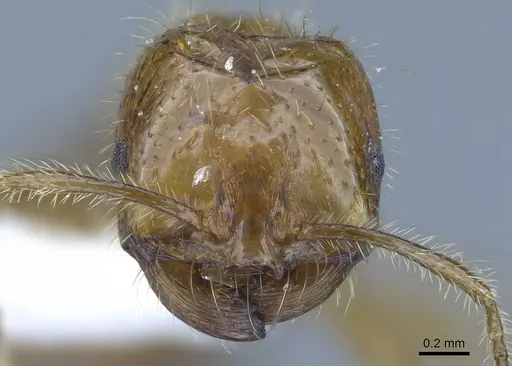
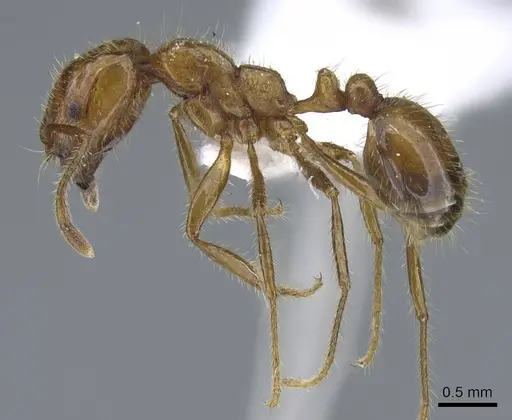
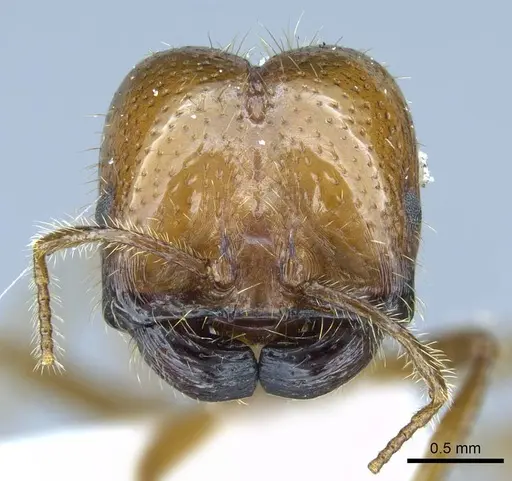
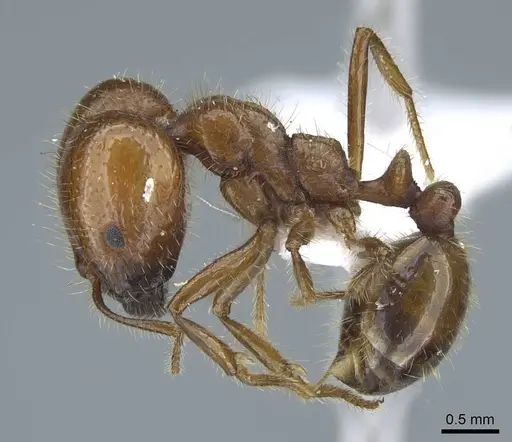
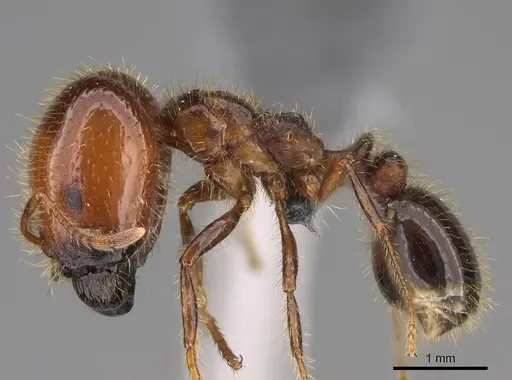
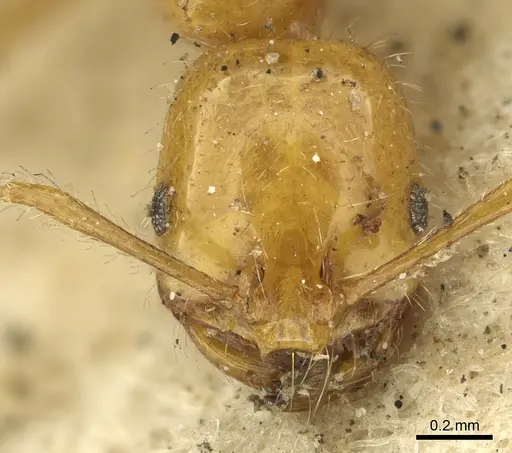
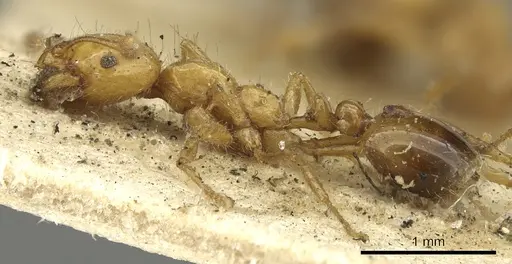
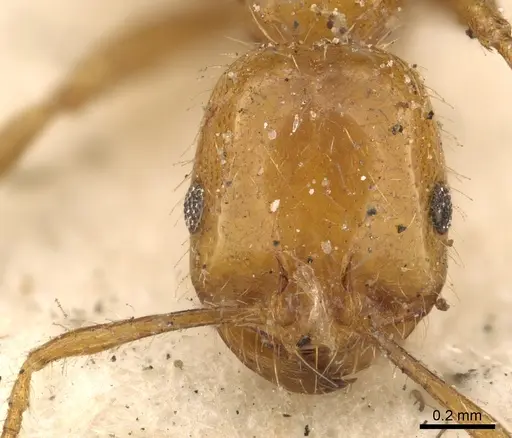
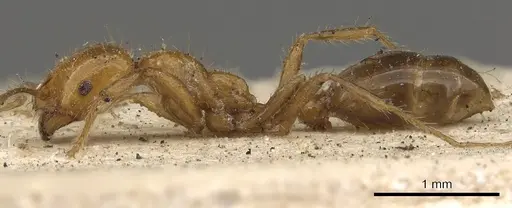
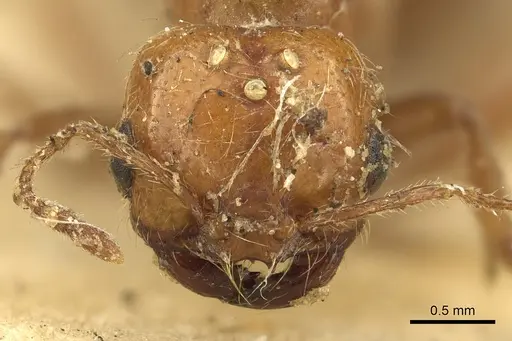
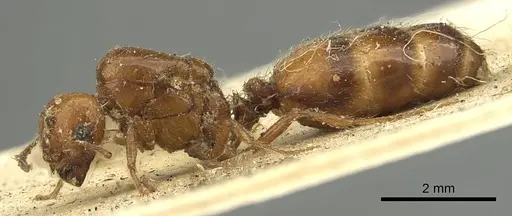
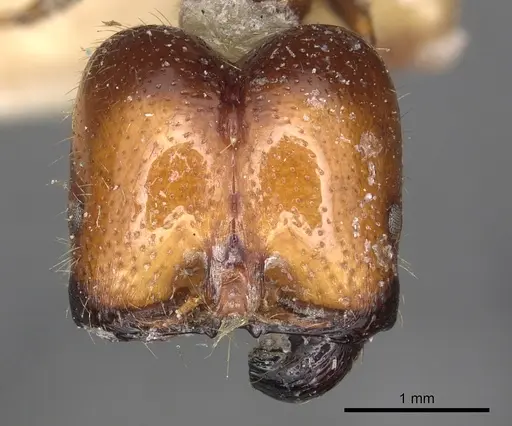
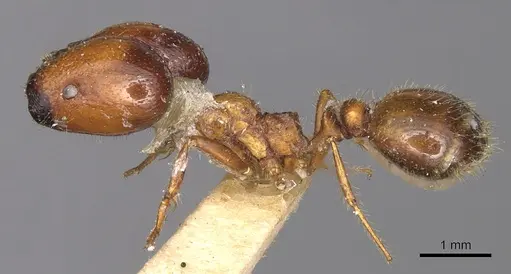
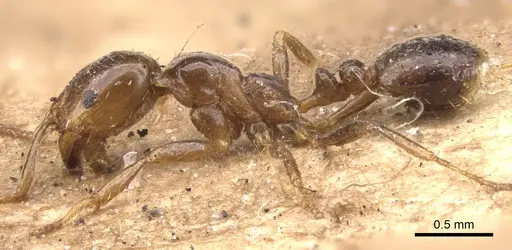
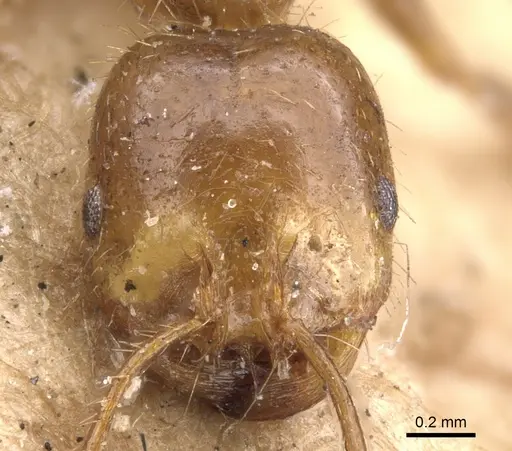
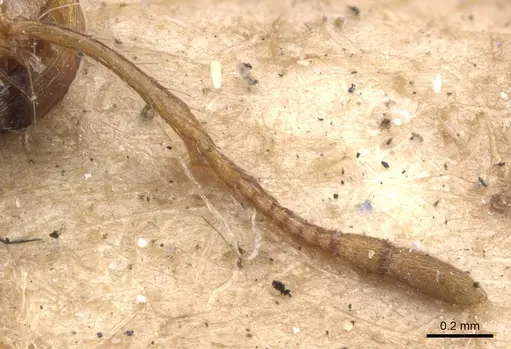
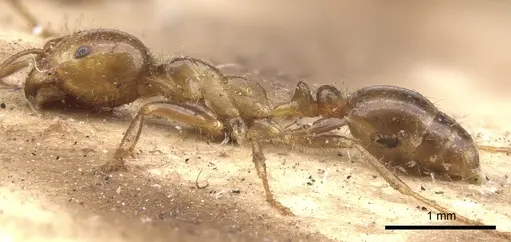
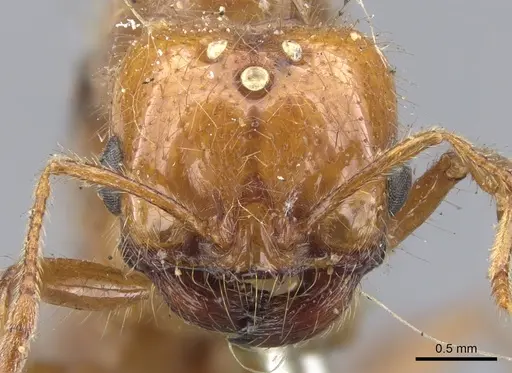
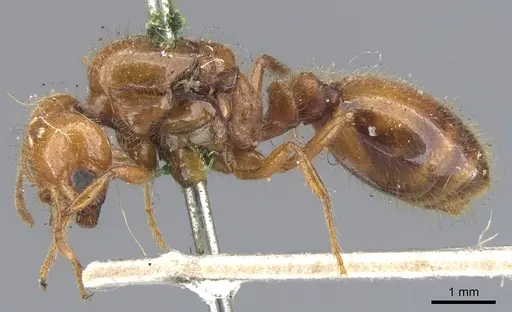
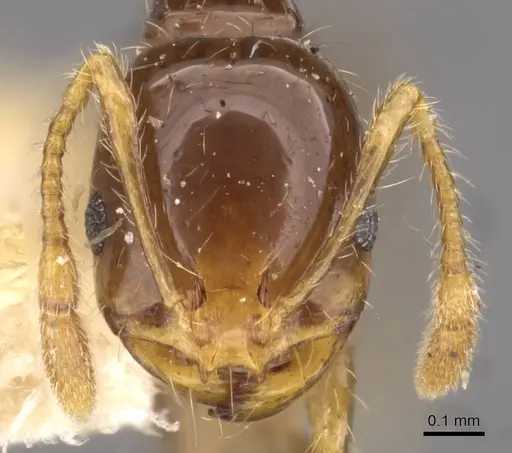
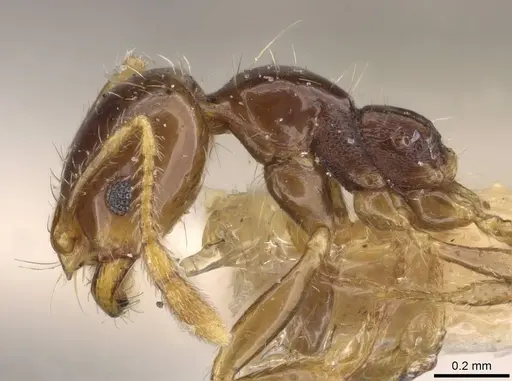
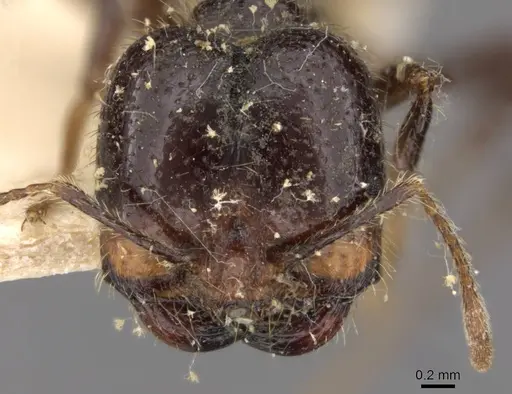
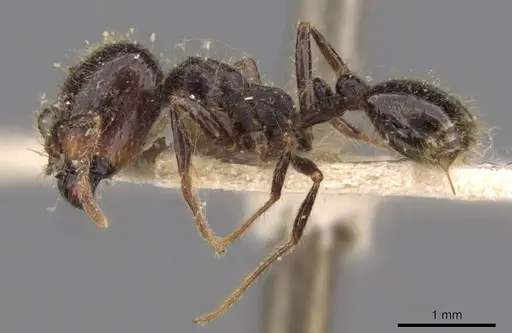
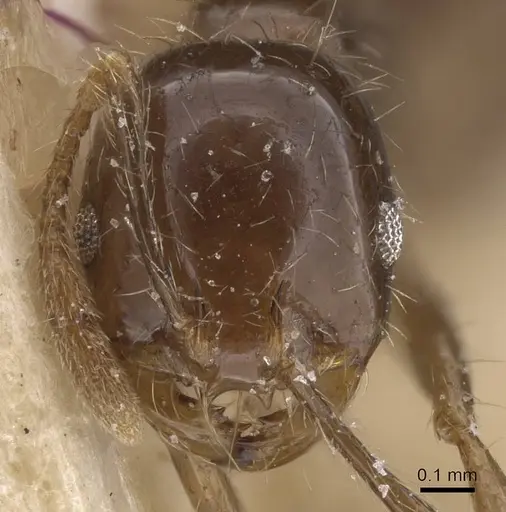
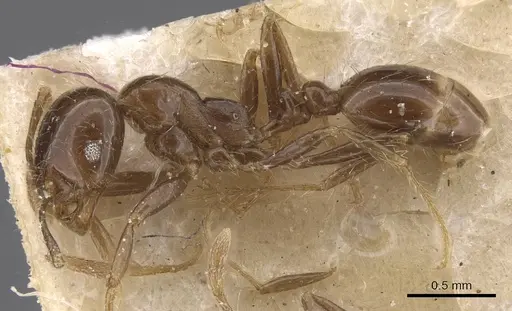
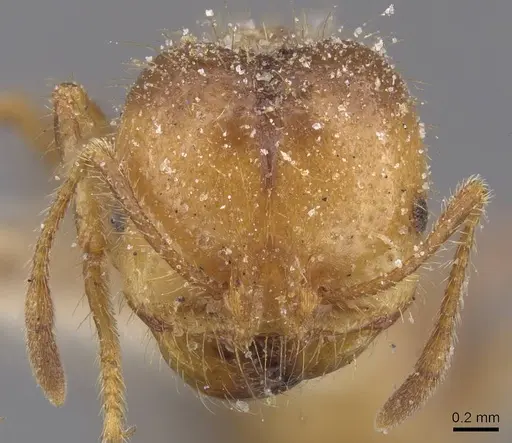
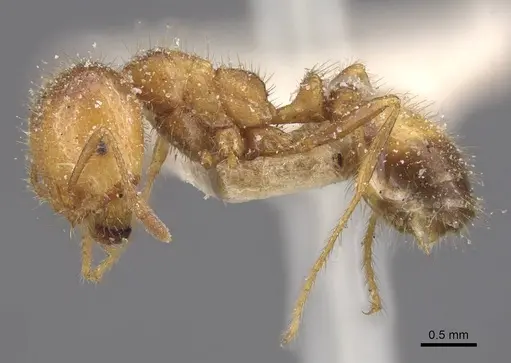
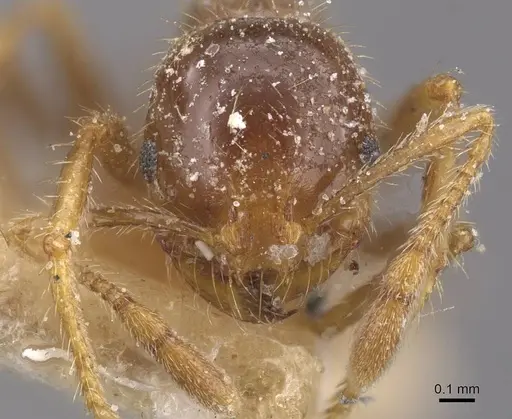
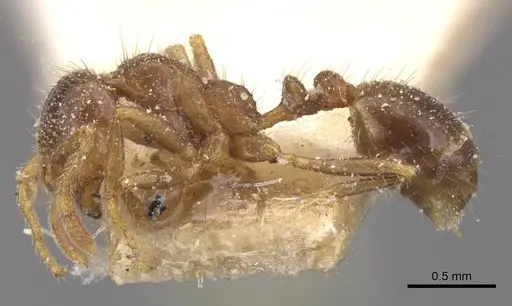
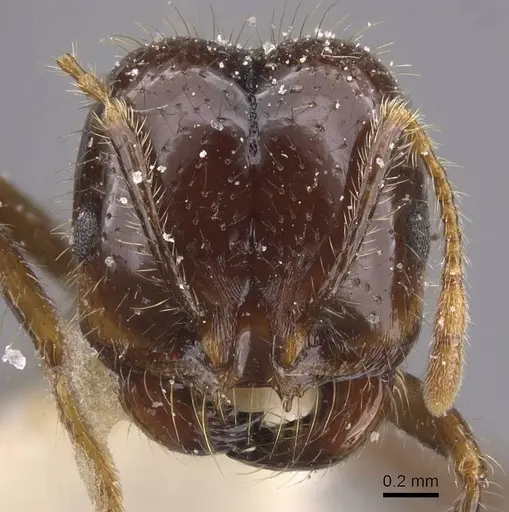
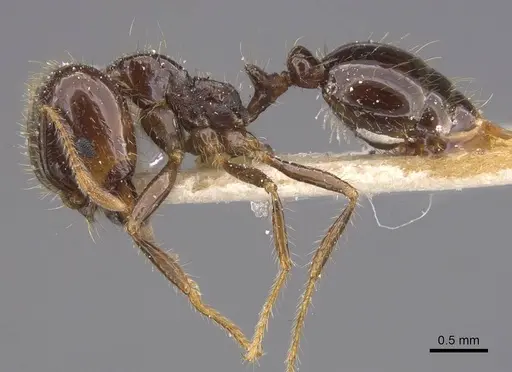
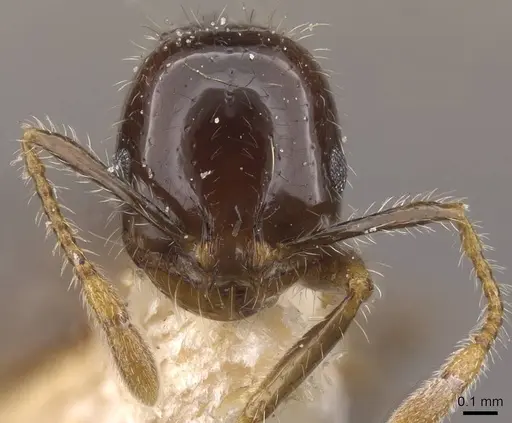
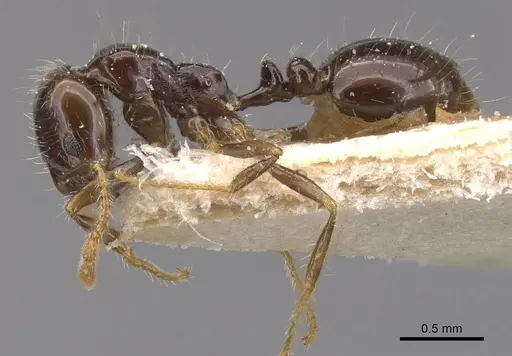
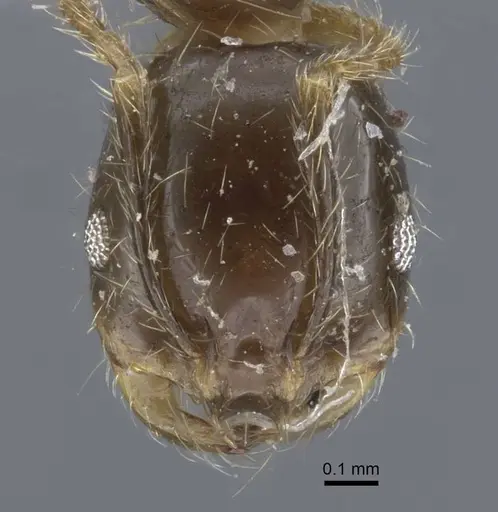
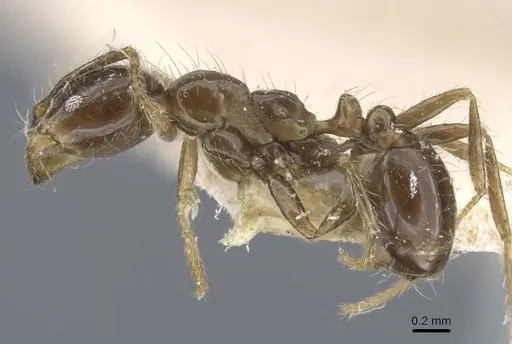
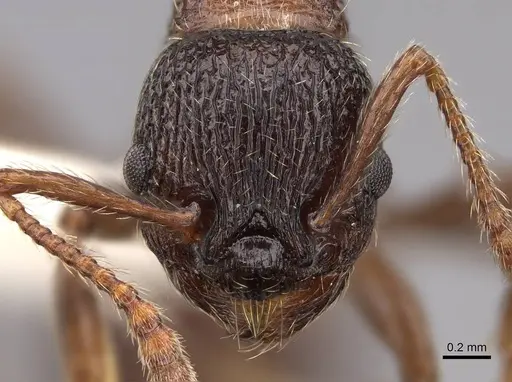
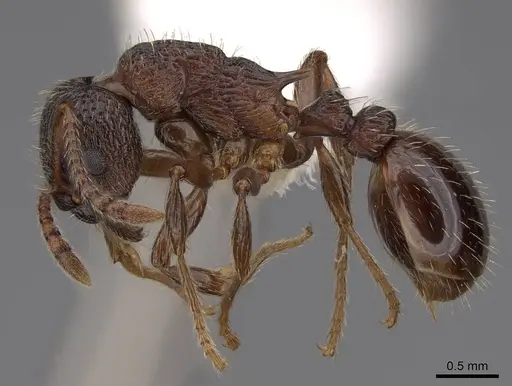
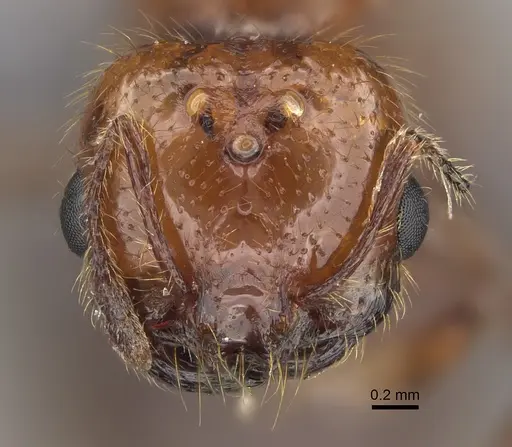
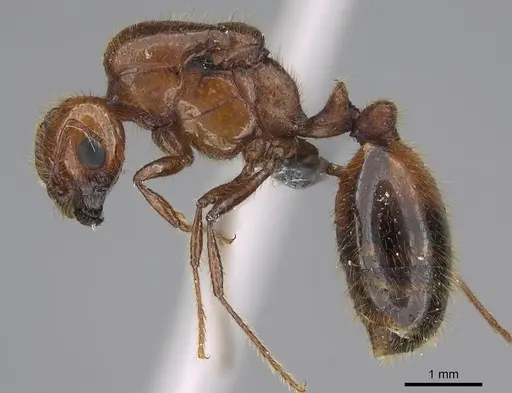
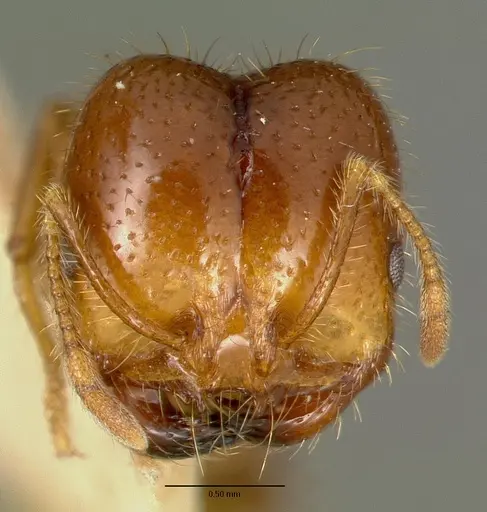
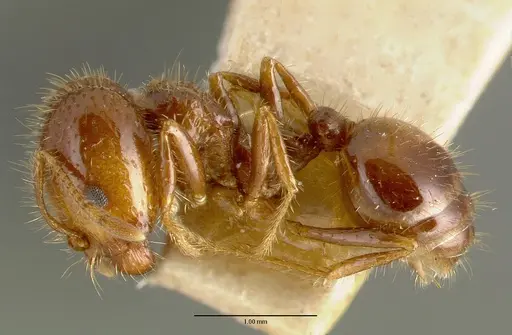
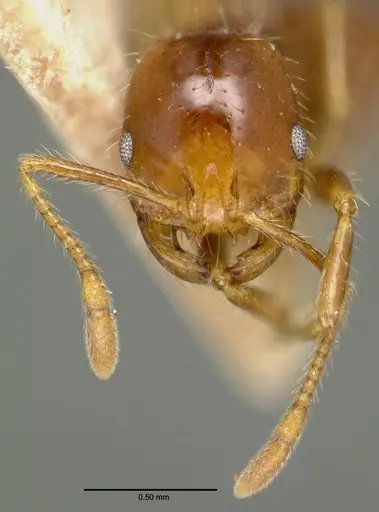
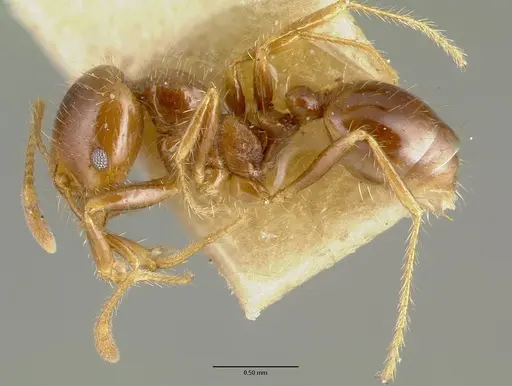
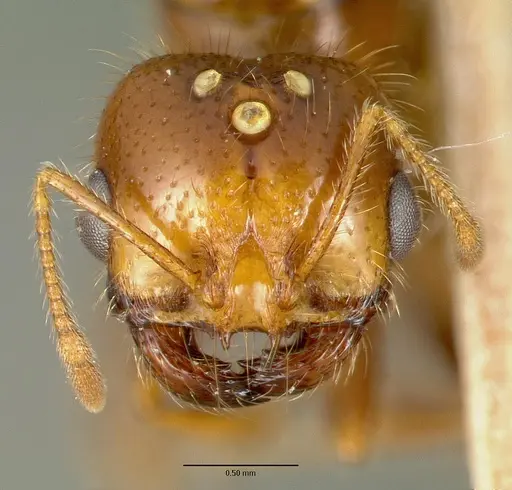
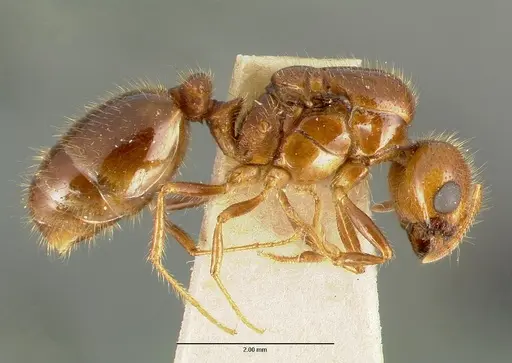
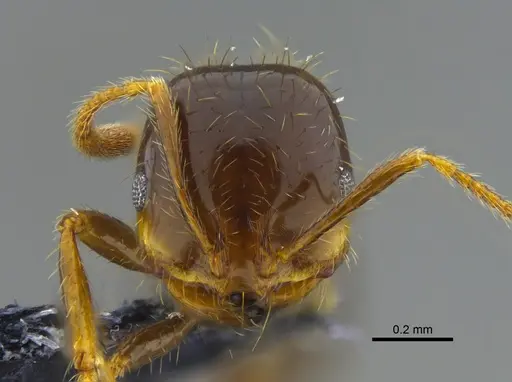
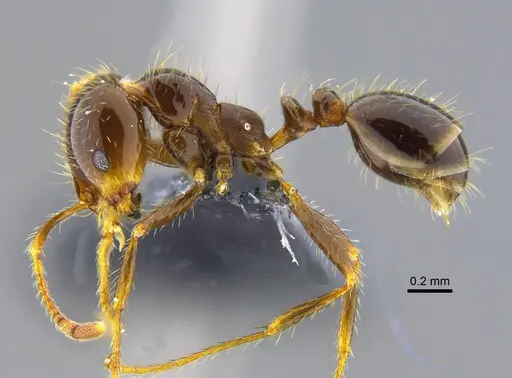
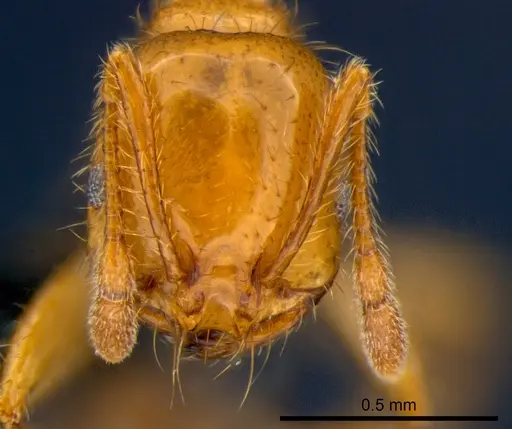
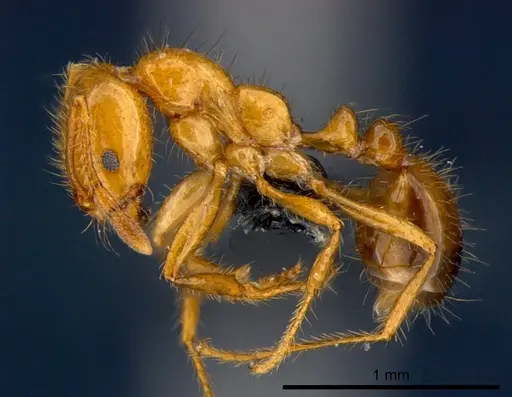
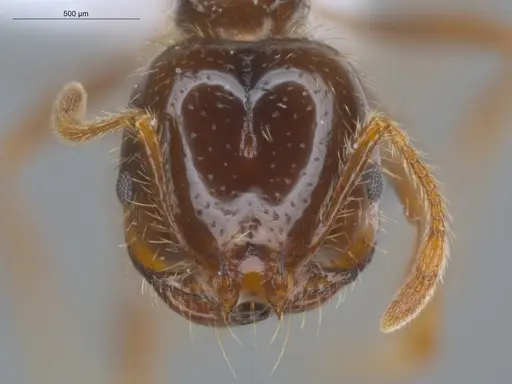
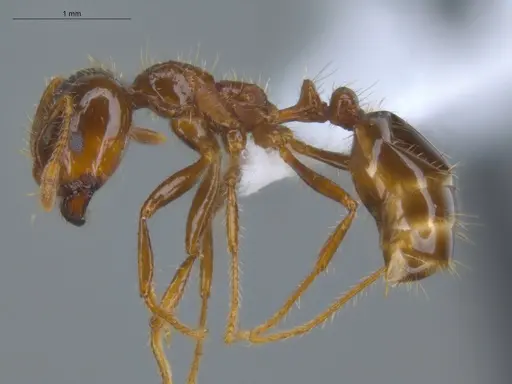
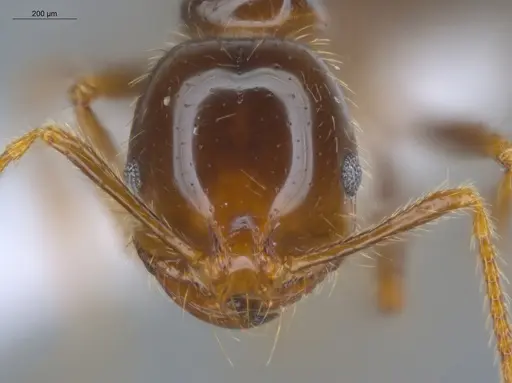
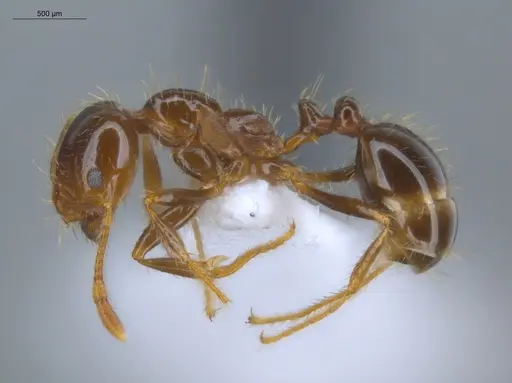
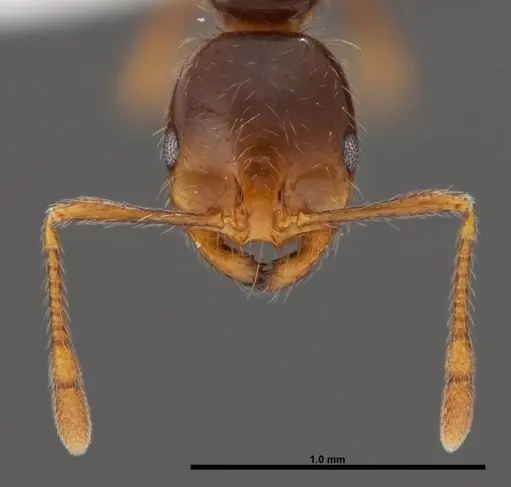
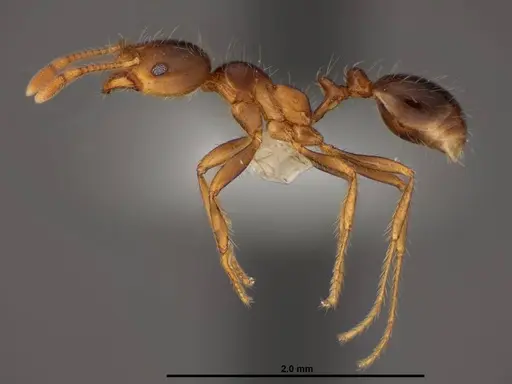
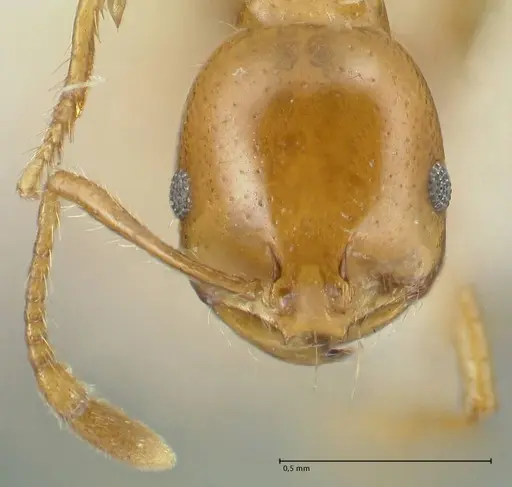
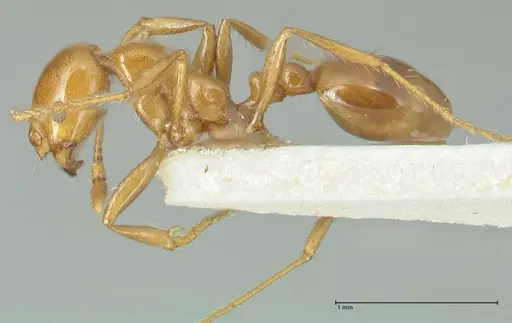
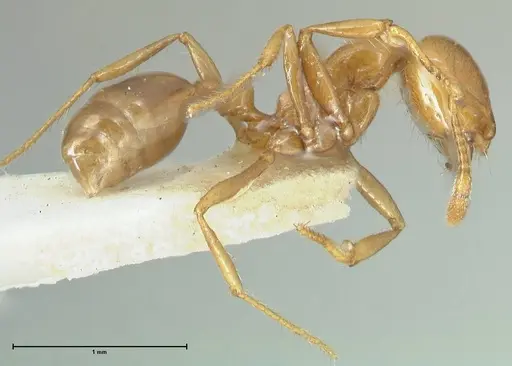
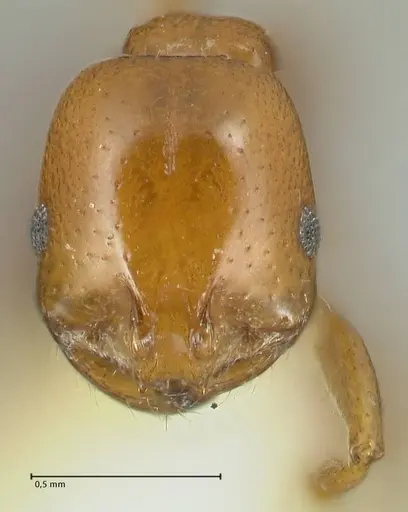
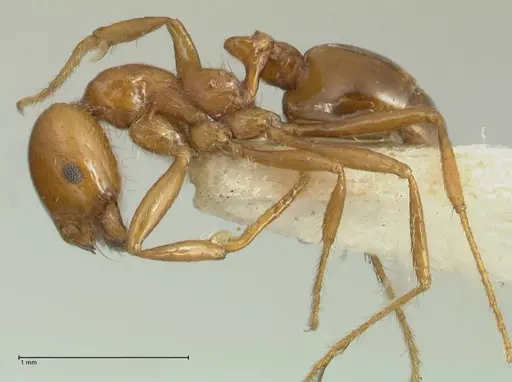
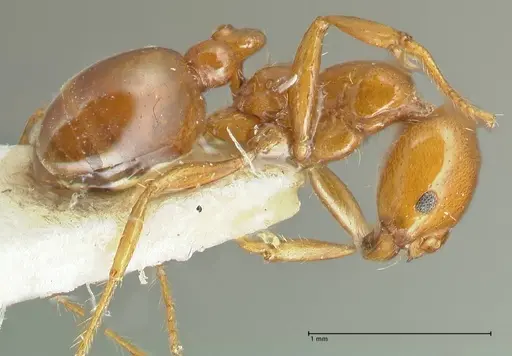
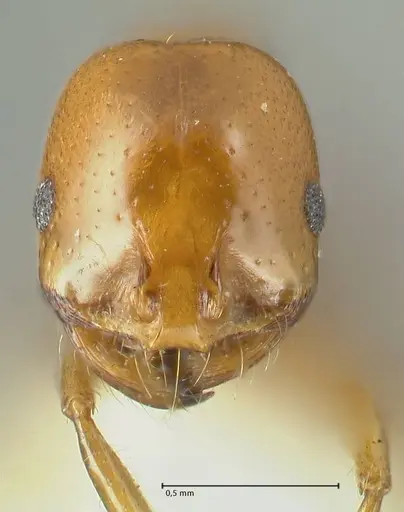
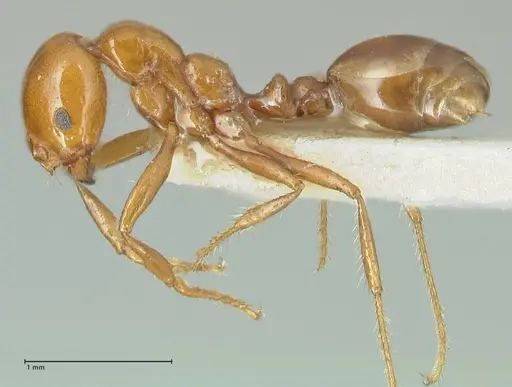
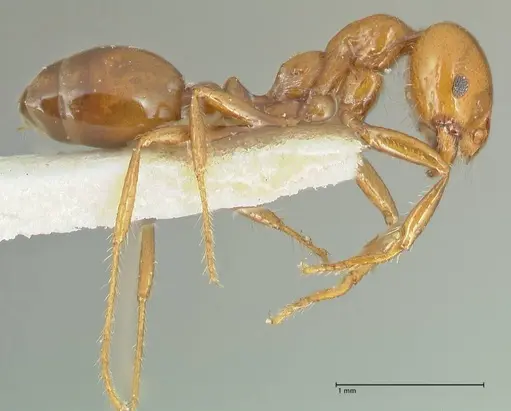
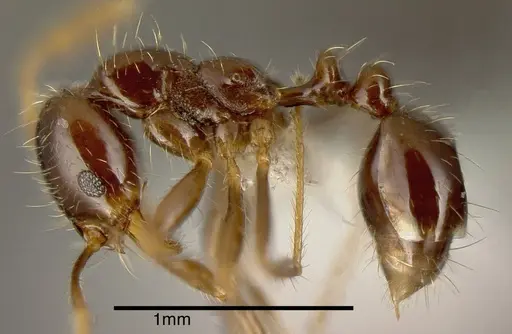
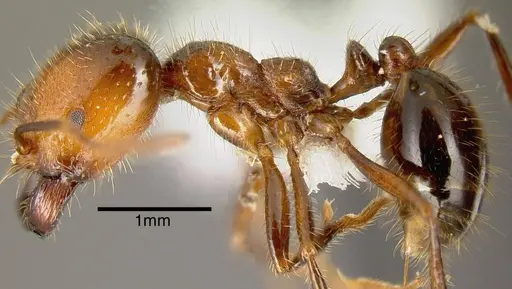
Solenopsis geminata is a highly polymorphic fire ant native to the Americas, now spread across tropical and subtropical regions worldwide. Workers range from 3-8 mm, with major workers sporting a disproportionately large, almost square head with a distinct central groove. Color varies from reddish-yellow to nearly black. This species has a functional sting and belongs to the Myrmicinae subfamily. It is omnivorous, feeding on insects, seeds, and honeydew . S. geminata has a dual reputation: in its native range it helps control crop pests, but as an invasive it displaces native ants and preys on vulnerable wildlife like sea turtle hatchlings. Colonies can be monogyne or polygyne, with mature nests reaching over 100,000 workers. Its painful sting and aggressive behavior make it a challenging species to keep .
Warning: Keeping or buying this species is illegal / banned inside Europe and Japan.
Quick Summary
- Difficulty: Expert
- Origin & Habitat: Native from southern USA through Central America to northern South America [1]. Now found pantropically in Africa, Asia, Australia, Pacific Islands, and southern Europe [1][3]. Prefers open, sunny areas with dry, well-drained soils: pastures, agricultural fields, forest edges, and disturbed sites. Avoids dense shade [1].
- Colony Type: Facultatively polygyne, colonies can have a single queen or multiple queens (2-10+ documented). Both forms occur in native and introduced ranges. Queen polymorphism exists, with macrogynes and microgynes produced in some populations [4][2].
- Size & Growth:
- Queen: 7.5-8.0 mm [5]
- Worker: 3-8 mm, polymorphic (minors 3-4.5 mm, majors 7-8 mm) [6][7]
- Colony: Up to 100,000-140,000 workers in mature colonies [2][1]
- Growth: Fast
- Development: 6-8 weeks at optimal temperature (estimated from related fire ant species) [8] (Workers reach adult stage in approximately 44 days during summer. Development is temperature‑dependent, faster in warmer conditions.)
- Antkeeping:
- Temperature: Keep nest area at 24-28°C. Optimal foraging occurs between 25.5-33°C. Can tolerate brief periods up to ~42°C but avoid extreme heat. Room temperature (20-24°C) reduces activity [9][10].
- Humidity: Prefers relatively dry conditions. Keep substrate moderately moist but not waterlogged. More tolerant of dry conditions than many ants, avoid overly damp setups that encourage mold [10].
- Diapause: No obligatory diapause. In temperate regions, activity may slow in winter, you can reduce feeding and keep slightly cooler (15-18°C) but it's not required for colony health [11].
- Nesting: Soil‑nesting species that builds deep underground chambers. In captivity, a naturalistic setup with compact soil at least 10-15 cm deep works well. Provide a moisture gradient. Avoid completely dry conditions [11].
- Behavior: Highly aggressive when defending food or nest. Sting is painful (Schmidt index 1) and can cause pustules, allergic reactions including anaphylaxis are possible [12][13]. Forages primarily at night, peaking 2-4 hours after sunset [14]. Recruits heavily to food using pheromone trails. Task specialization: small workers forage and care for brood, major workers mill seeds, cut large prey, and defend the colony [15]. Escape risk is moderate, use Fluon on all edges.
- Common Issues: painful sting, handle with extreme caution, can cause anaphylaxis in sensitive individuals., aggressive recruitment to food, quickly overwhelms other species in multi‑species setups., nocturnal foraging, may seem less active during day, this is normal., colony stress from disturbance, may abandon brood if nest is frequently opened or moved., invasive species, check local laws before acquiring, banned in the EU [5][20].
Nuptial Flight Activity Analysis 704 observations
Flight Activity by Hour 704 observations
Solenopsis geminata nuptial flight activity peaks around 19:00 during the evening. Activity is spread across a 24-hour window (00:00–23:00). Times may be influenced by human observation patterns.
Housing and Nest Setup
Solenopsis geminata is a ground‑nesting ant that needs access to soil or a deep nesting area. Use a naturalistic setup with a soil chamber at least 10-15 cm deep, or a Y‑tong nest with a soil‑filled outworld. The species prefers dry to moderately moist conditions, avoid constantly damp substrates that cause mold. Provide a water tube, a small sugar‑water feeder, and protein (insects, seeds) in the outworld. Because they are nocturnal, position the setup away from bright light to encourage foraging. Apply Fluon to all edges, these ants quickly exploit gaps [11][1].
Feeding and Diet
Omnivorous with a strong preference for protein. Offer live or frozen insects (fruit flies, crickets, mealworms), small grass seeds, and sugar water or honey. Studies show they strongly prefer peanut butter and protein‑based baits over pure sugar [18]. They are efficient seed harvesters. Feed protein 2-3 times per week and keep sugar water available constantly. Remove uneaten protein after 24 hours to prevent mold. In the wild they attend aphids and scale insects for honeydew, occasional sugar water offerings mimic this [1].
Temperature and Seasonal Care
Maintain 24-28°C for optimal colony growth. Adapted to warm climates, they become sluggish below 20°C. Use a heating cable to create a temperature gradient. They tolerate brief high temperatures up to ~42°C but not prolonged exposure. No obligatory diapause. In temperate regions you can reduce feeding and lower temperatures to 15-18°C during winter to slow growth, but year‑round warmth supports faster development. The critical thermal minimum is about 2°C and maximum around 49.8°C [9][10].
Behavior and Defense
This is one of the most aggressive ant species commonly kept. Workers readily sting when the colony is disturbed, even slight vibrations or sudden light. The sting is painful (Schmidt pain rating: 1) and can cause pustules [12]. Venom is 90-95% piperidine alkaloids with toxic and hemolytic properties [19]. Allergic reactions including anaphylaxis are possible [13]. Major workers have powerful mandibles and can bite as well as sting. Task specialization is pronounced: small workers handle most foraging and brood care, while large majors mill seeds, cut large prey, and defend the colony [15]. Foraging is primarily nocturnal, peaking 2-4 hours after sunset [14].
Legal and Ethical Considerations
Solenopsis geminata is listed among the world's 100 worst invasive species and is subject to regulatory controls in many regions. In the European Union it was added to the invasive alien species list in 2022, possession, trade, breeding, transport, and import are prohibited [5][20]. Check local regulations before acquiring. Never release any ants outdoors. If you can no longer care for the colony, transfer it to another responsible keeper or humanely dispose of it.
Frequently Asked Questions
Can I keep multiple queens together?
Yes, S. geminata is facultatively polygyne. If you introduce unrelated foundress queens they may fight initially. To keep multiple queens, introduce them before either has laid eggs, or use a large setup with multiple founding chambers. Established polygyne colonies cooperate with 2-10+ queens [2][4].
How long does it take for the first workers to emerge?
Expect 6-8 weeks from egg to first worker at optimal temperature (~28°C). The claustral queen seals herself in and raises the first brood without leaving the nest. Initial nanitic workers are smaller than mature workers but begin foraging and caring for subsequent brood. Colony growth accelerates after the first workers emerge [8][16].
Are Solenopsis geminata good for beginners?
No, this species is not recommended for beginners. They are aggressive, deliver painful stings, and can cause serious allergic reactions. They also require specific conditions (warmth, proper humidity) and are difficult to contain. Legal restrictions exist in many areas. If you are new to ant keeping, start with a less aggressive species like Lasius niger or Messor barbarus [11].
Do they need hibernation?
No true hibernation is required. As a tropical species, they remain active year‑round if kept warm. If you want to simulate a seasonal slowdown, reduce temperature to 15-18°C and feed less, but this is not necessary for colony health. Standard warm conditions will support continued growth [11].
What do they eat in captivity?
Offer protein sources like fruit flies, small crickets, mealworms, or boiled egg yolk, seeds (grass seeds are readily accepted), and sugar water or honey. They strongly prefer protein and peanut butter over pure sugar [18]. Remove uneaten food after 24 hours. They also collect and store seeds. Feed protein 2-3 times per week with constant access to sugar water [1].
How big do colonies get?
Mature colonies can reach 100,000-140,000 workers, making this one of the larger ant species commonly kept. Colony size varies with queen number (polygyne colonies tend to be larger) and environmental conditions. Expect rapid growth once established, a healthy colony can go from founding to 1000+ workers within the first year [2][1].
When will I see alates (reproductives)?
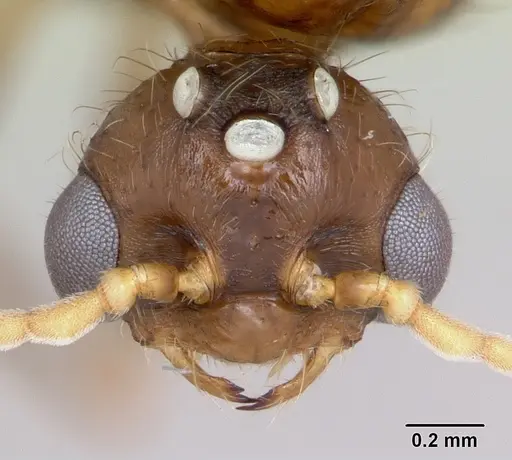
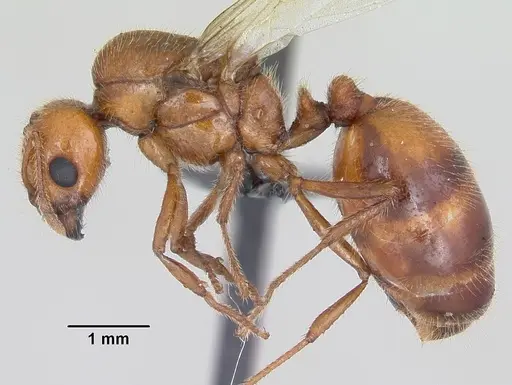
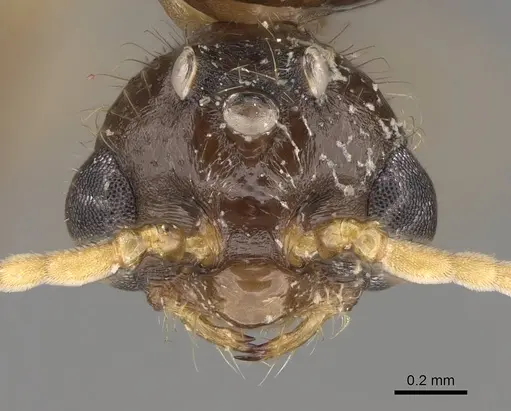
Sexual brood typically appears in larger, established colonies. In Florida, alate production occurs in May, July, and November, though this varies by climate. You will first notice winged males and queens developing inside the colony. Nuptial flights happen in the evening. In captivity, alate production usually indicates a mature, healthy colony [2][21].
Why are they more active at night?
Solenopsis geminata is primarily nocturnal, an adaptation to avoid daytime heat and predators. Foraging peaks 2-4 hours after sunset (around 20:00-midnight) and decreases as temperatures rise during the day. This is normal, don't assume something is wrong if the colony is less active during daylight. Use a red light for observation [14][1].
When is the nuptial flight of Solenopsis geminata?
The nuptial flight of Solenopsis geminata typically occurs From October to December.
What time of day does Solenopsis geminata fly?
The nuptial flight of Solenopsis geminata peaks around 19:00 during the evening, with most activity between 00:00 and 23:00. Times may be influenced by human observation patterns.
Report an Issue
The current care sheet is based fully on literature. See inconsistencies, or something that's incorrect? Please , it will be resolved after review from an admin. Contributing to the blogs tab also helps providing information, to make us be able to further improve the caresheets. Thank you for your support!
References

This caresheet is licensed under CC BY-SA 4.0 .
Community Blogs
ANTWEB1060018
View on AntWeb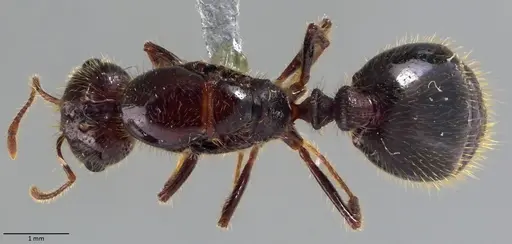
CASENT0055762
View on AntWeb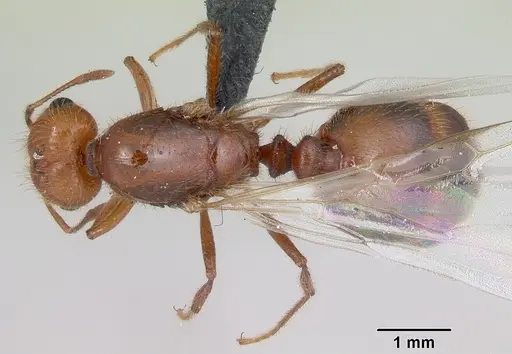
CASENT0063125
View on AntWeb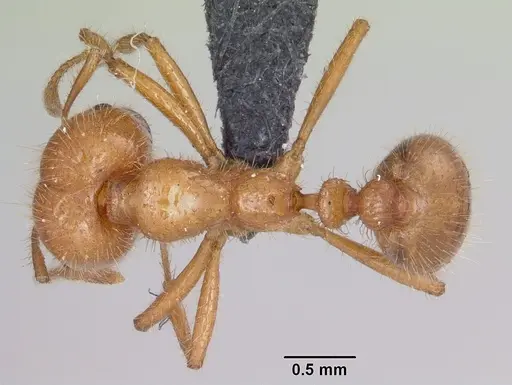
CASENT0063126
View on AntWeb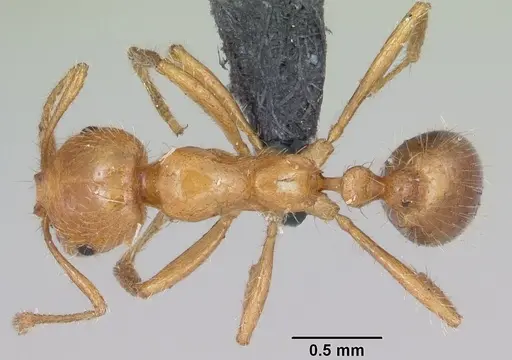
CASENT0100826
View on AntWeb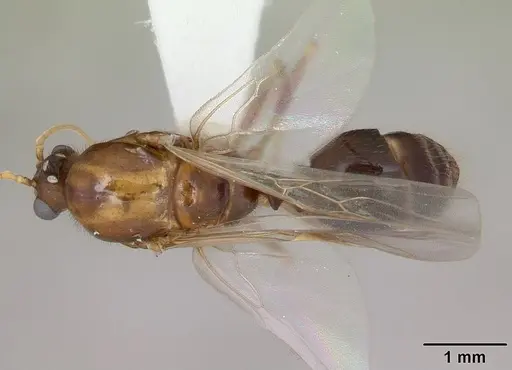
CASENT0102532
View on AntWeb
CASENT0102533
View on AntWeb
CASENT0102535
View on AntWeb
CASENT0102966
View on AntWeb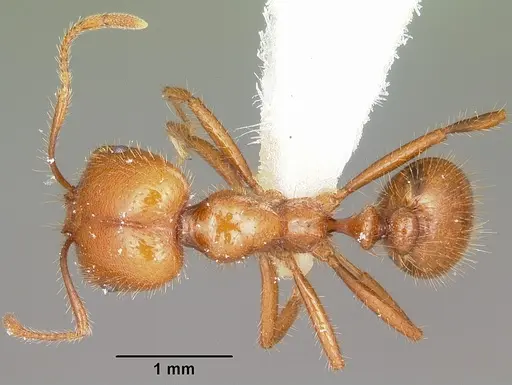
CASENT0102967
View on AntWeb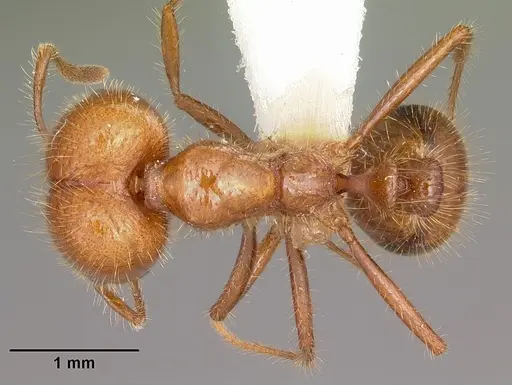
CASENT0104519
View on AntWeb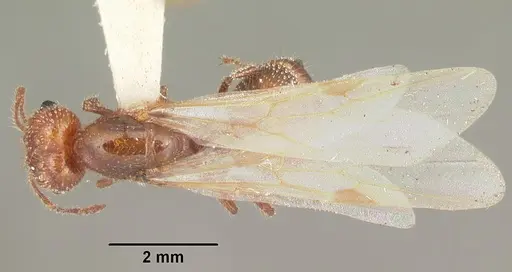
CASENT0104520
View on AntWeb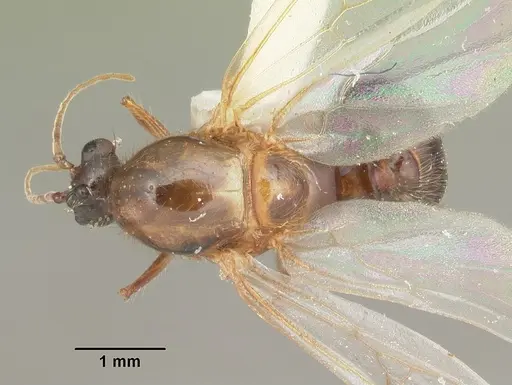
CASENT0104521
View on AntWeb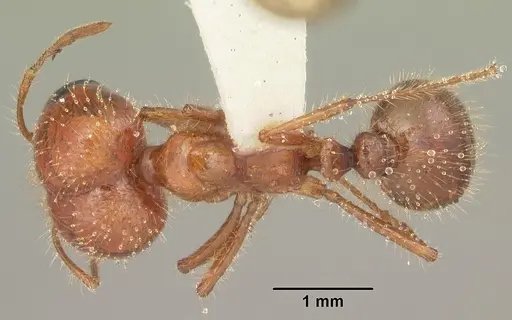
CASENT0104522
View on AntWeb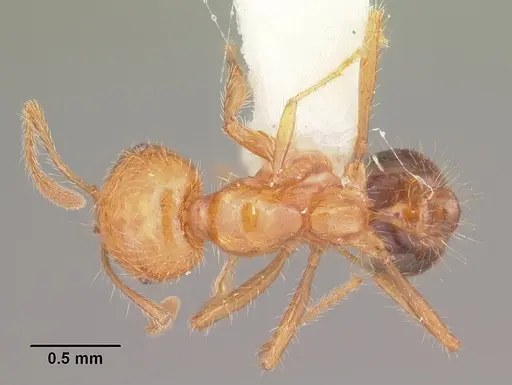
CASENT0104909
View on AntWeb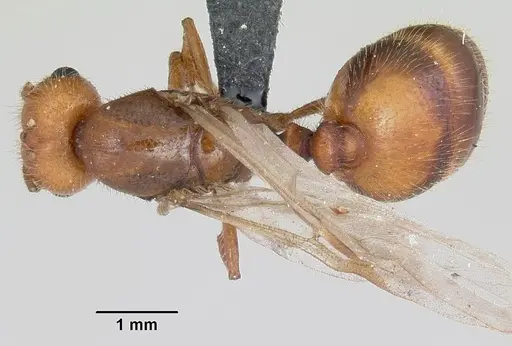
CASENT0104933
View on AntWeb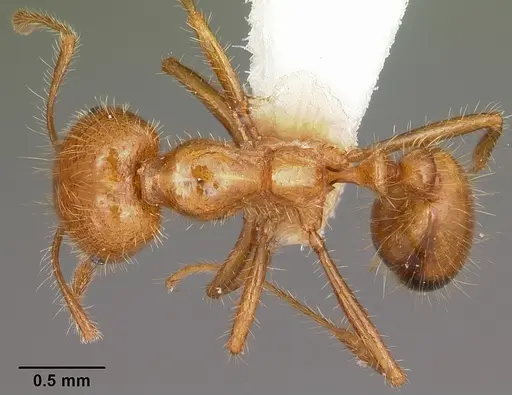
CASENT0104934
View on AntWeb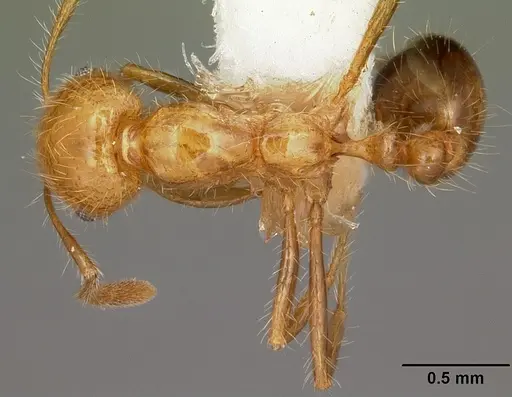
CASENT0104935
View on AntWeb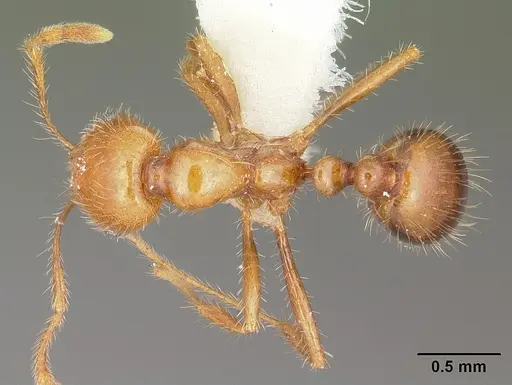
CASENT0125519
View on AntWeb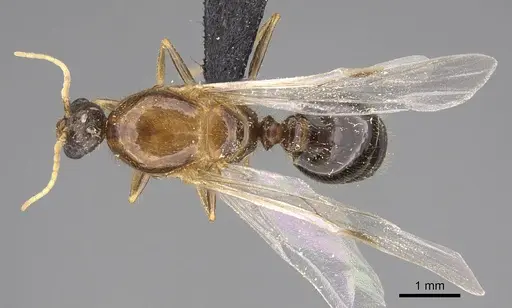
CASENT0125920
View on AntWeb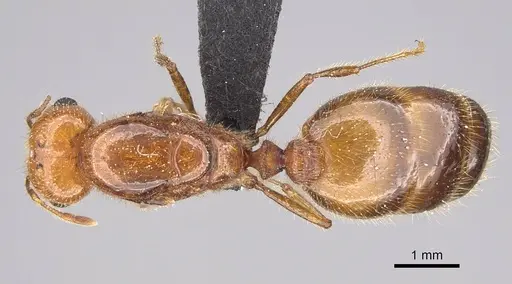
CASENT0171029
View on AntWeb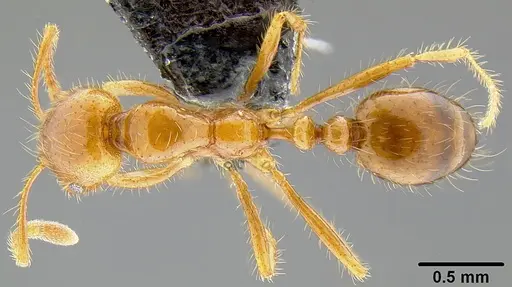
CASENT0171102
View on AntWeb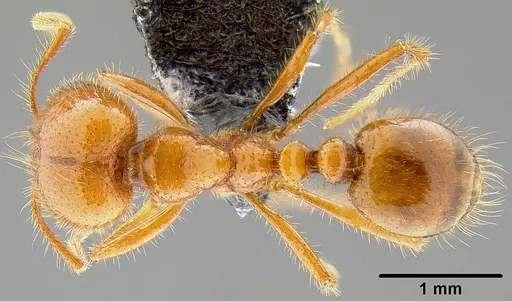
CASENT0173276
View on AntWeb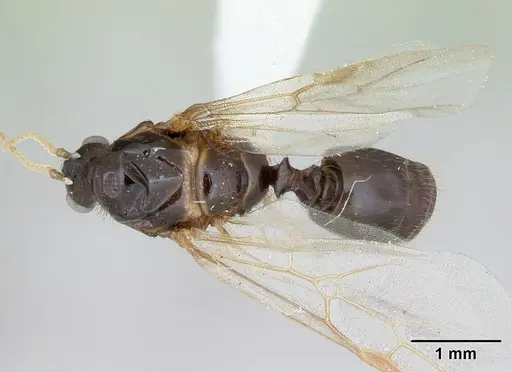
CASENT0173277
View on AntWeb
CASENT0173278
View on AntWeb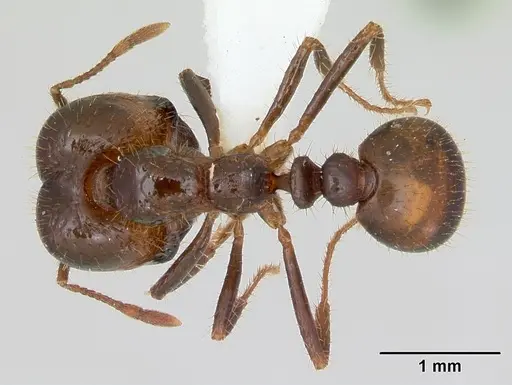
CASENT0178424
View on AntWeb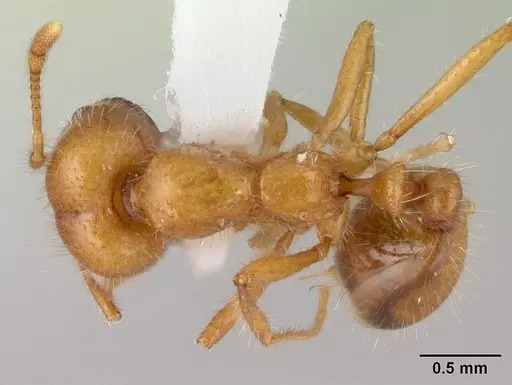
CASENT0178425
View on AntWeb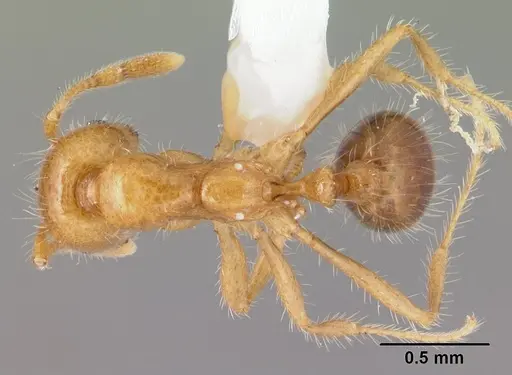
CASENT0740807
View on AntWeb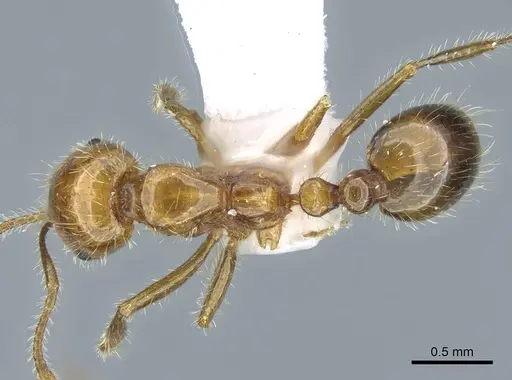
CASENT0740808
View on AntWeb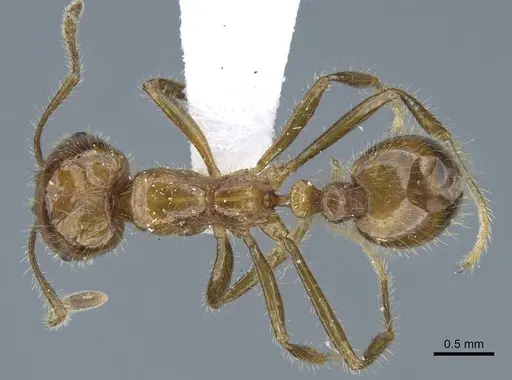
CASENT0740809
View on AntWeb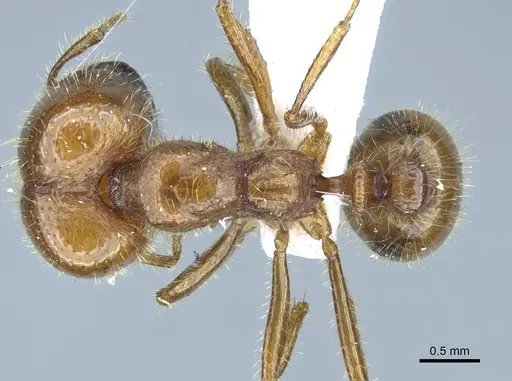
CASENT0766357
View on AntWeb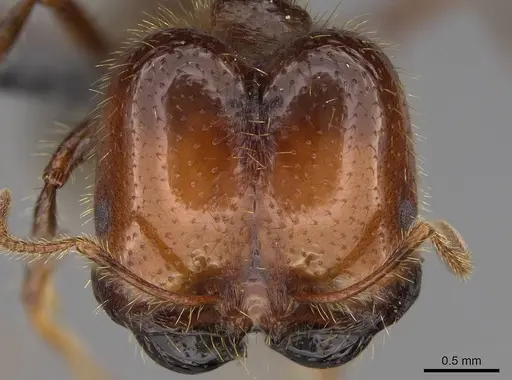
CASENT0901430
View on AntWeb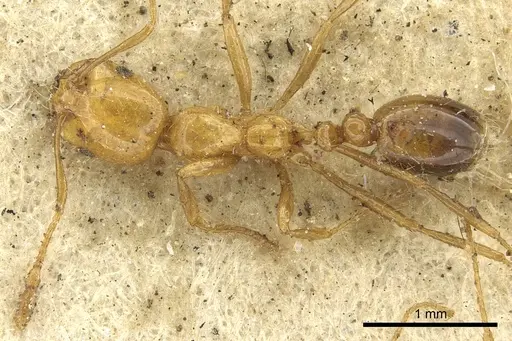
CASENT0901431
View on AntWeb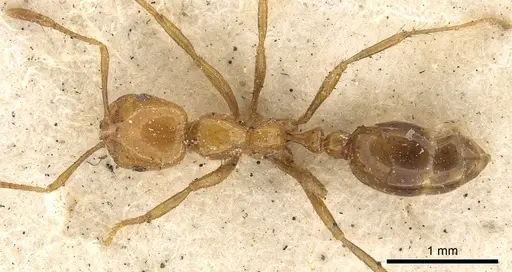
CASENT0901432
View on AntWeb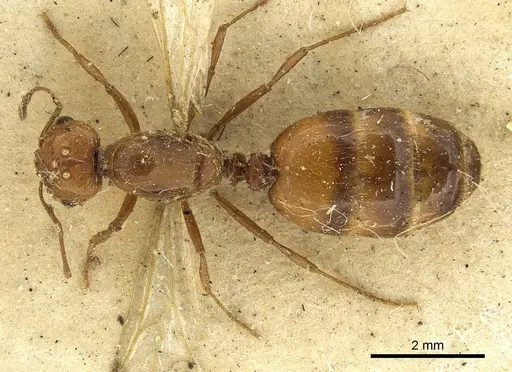
CASENT0901969
View on AntWeb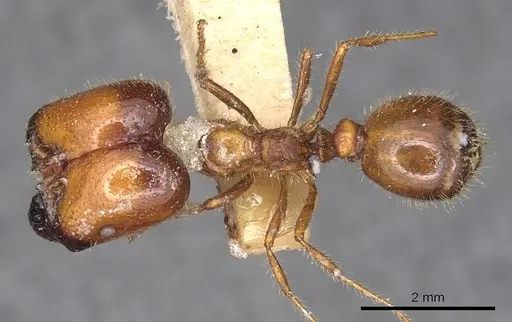
CASENT0902346
View on AntWeb
CASENT0902347
View on AntWeb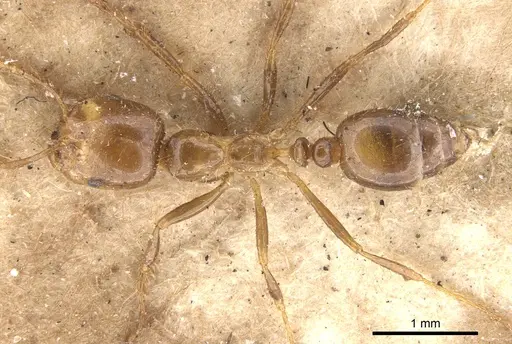
CASENT0902348
View on AntWeb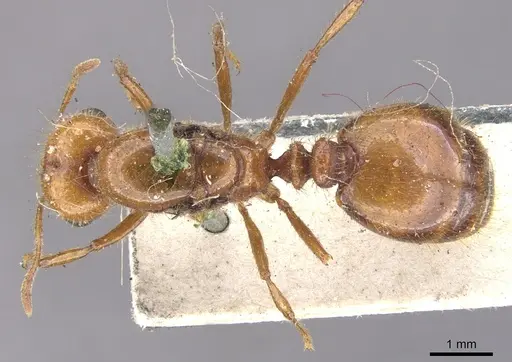
CASENT0908793
View on AntWeb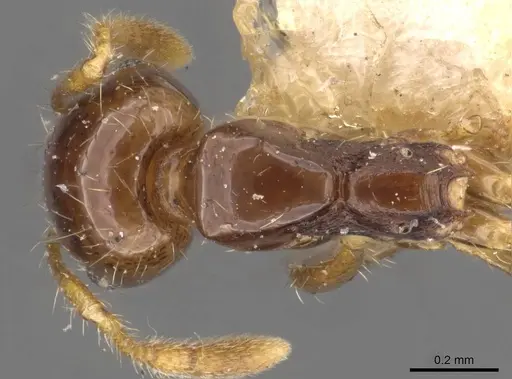
CASENT0908794
View on AntWeb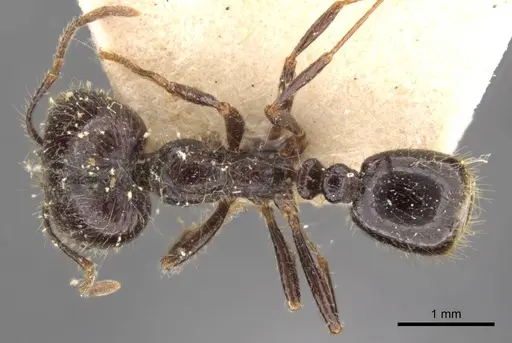
CASENT0913893
View on AntWeb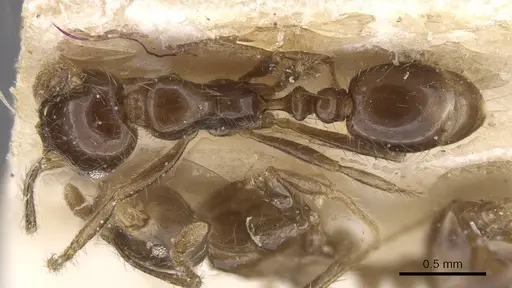
CASENT0913894
View on AntWeb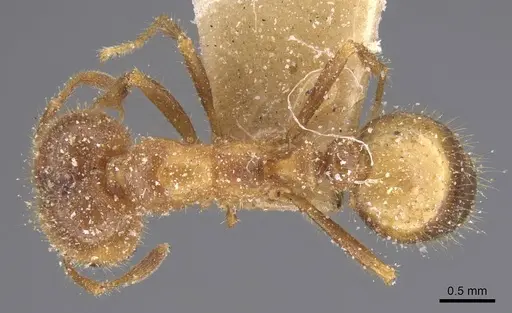
CASENT0913895
View on AntWeb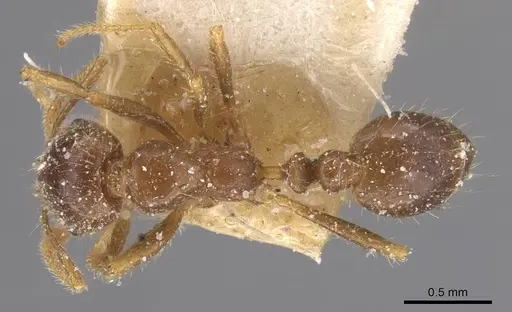
CASENT0913896
View on AntWeb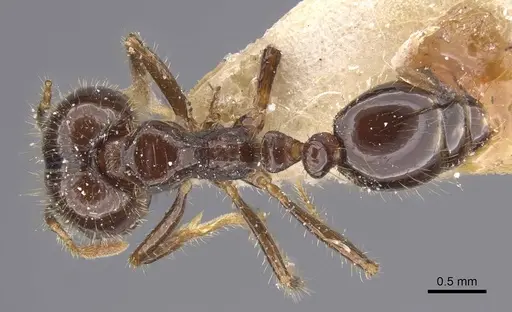
CASENT0913897
View on AntWeb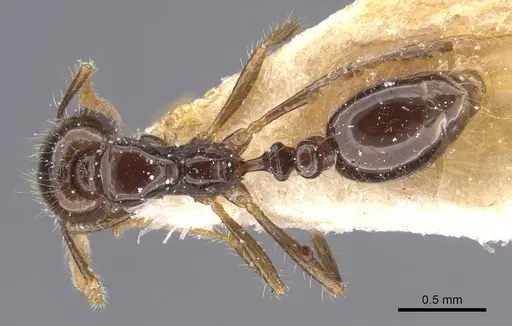
CASENT0917011
View on AntWeb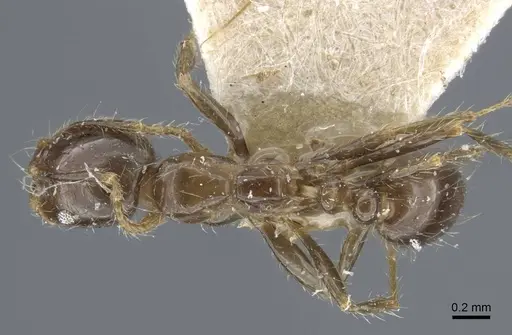
CASENT0922759
View on AntWeb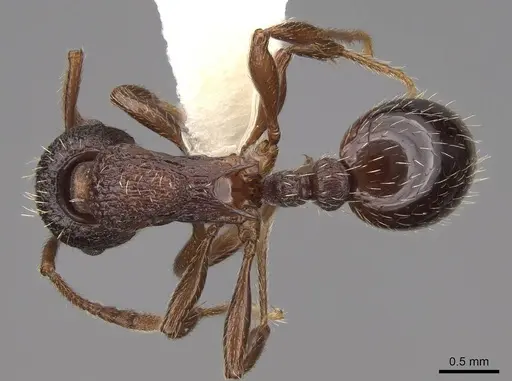
CASENT0923236
View on AntWeb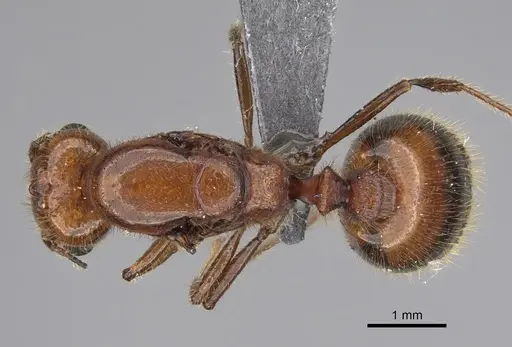
CASTYPE00445-01
View on AntWeb
CASTYPE00445-02
View on AntWeb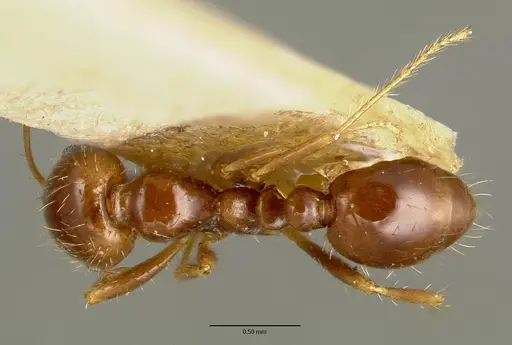
CASTYPE00445-03
View on AntWeb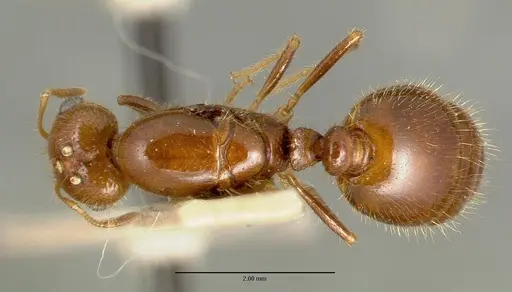
CBUMAGENT42015
View on AntWeb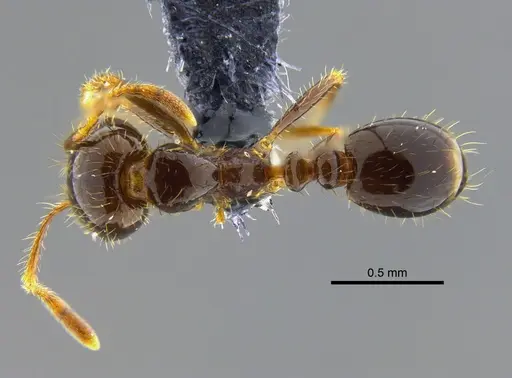
CSIRONC0176
View on AntWeb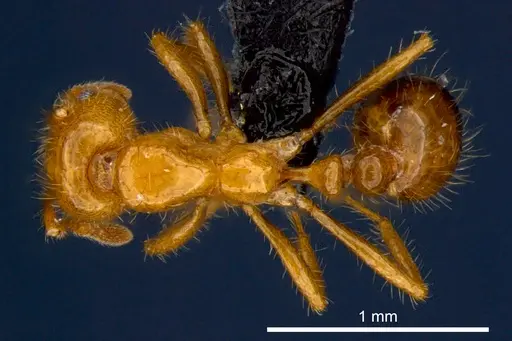
ECOFOG-BUG-0090-03
View on AntWeb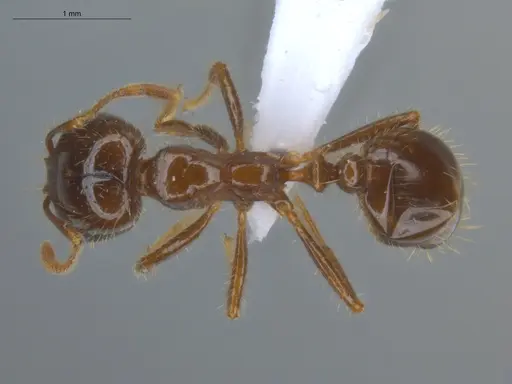
ECOFOG-BUG-0114-03
View on AntWeb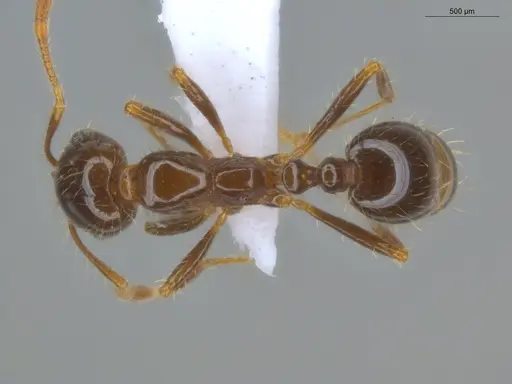
FMNHINS0000078513
View on AntWeb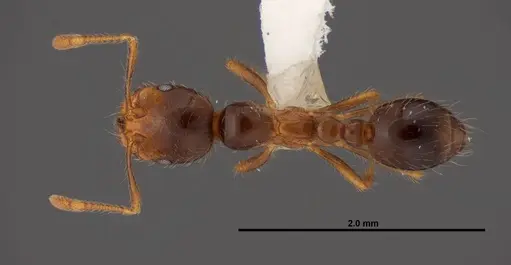
FOCOL1879
View on AntWeb
FOCOL1880
View on AntWeb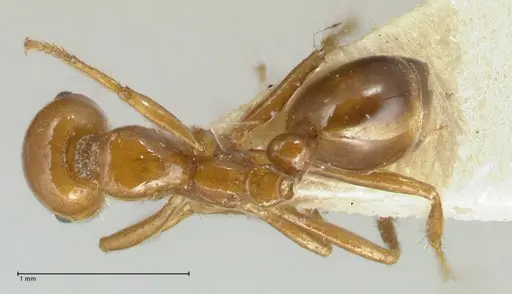
FOCOL1881
View on AntWeb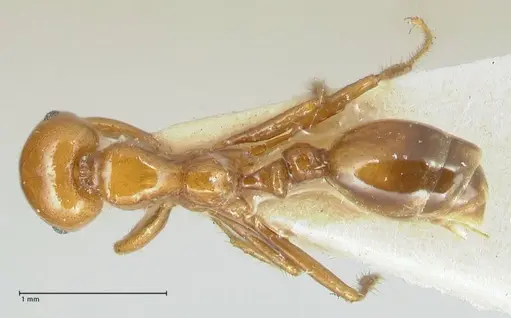
INBIOCRI001283325
View on AntWeb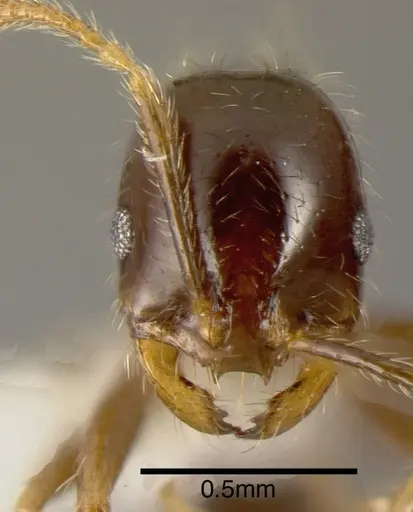
JTLC000004501
View on AntWeb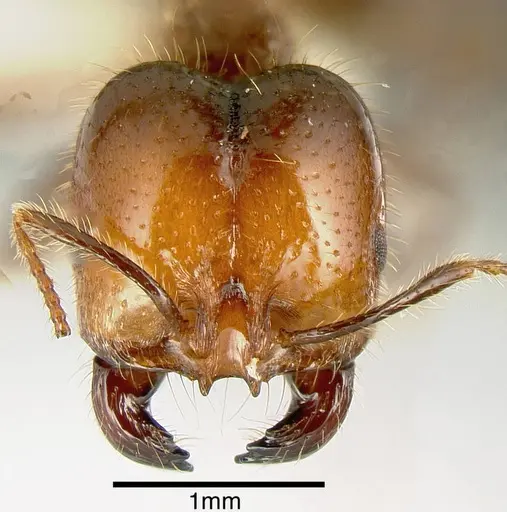
Literature
Loading distribution map...Loading products...