Solenopsis fugax has a tightly defined flight window centered on September. Most nuptial flights occur within just 2 months, making this a highly predictable species for collectors. The concentrated timeframe makes peak months critical for sightings.
Common European Thief Ant
Solenopsis fugax
- Sci. Name
- Solenopsis fugax
- Tribe
- Solenopsidini
- Subfamily
- Myrmicinae
- Author
- Latreille, 1798
- Common Name
- Common European Thief Ant
- Distribution
- Found in 16 countries
- Nuptial Flight
- From August to September
- Peak flight Time
- 13:00
AI Identifiable
try →
Introduction
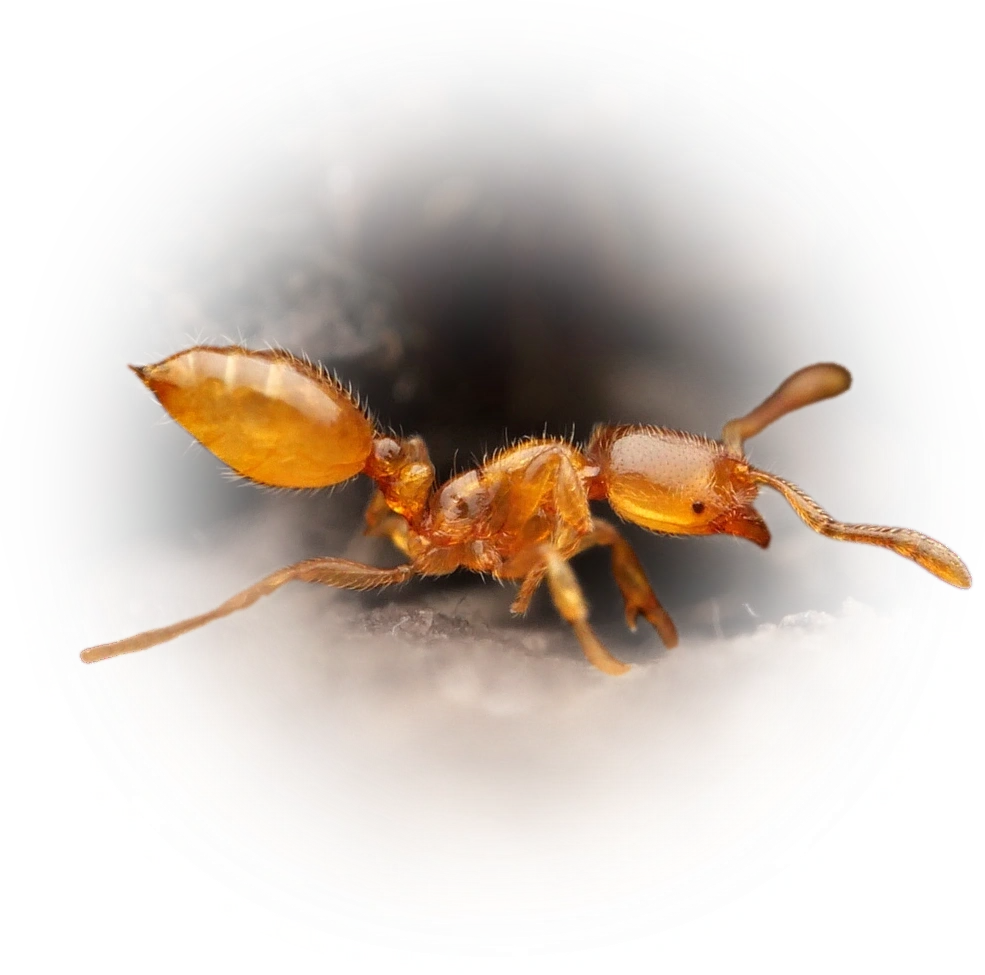
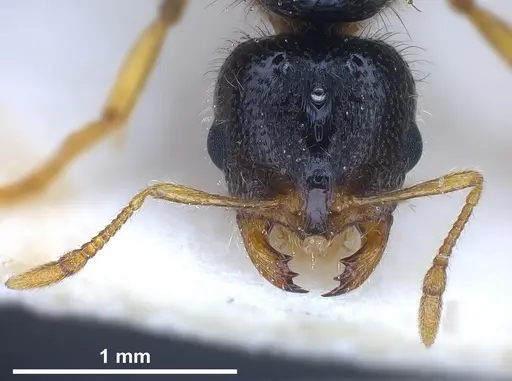
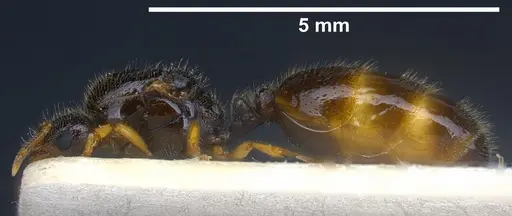
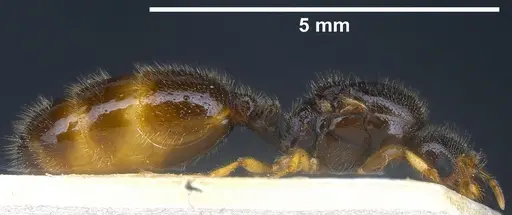
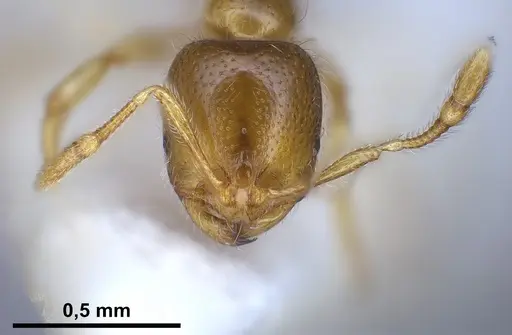
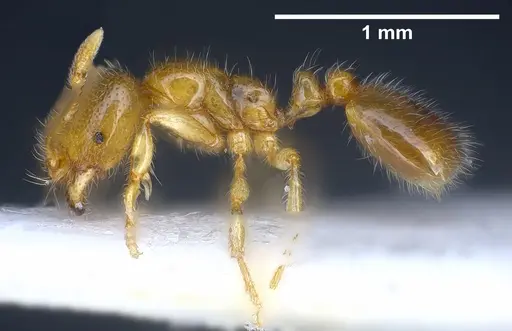
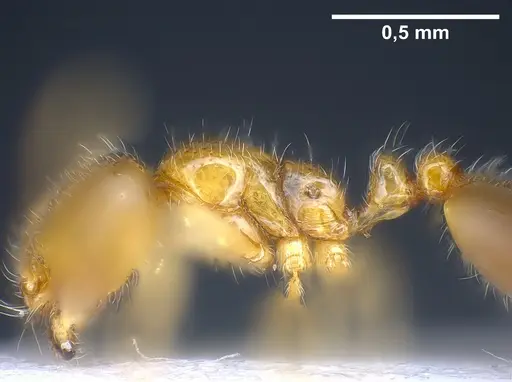
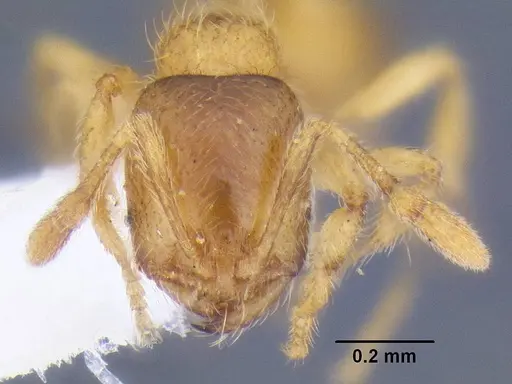
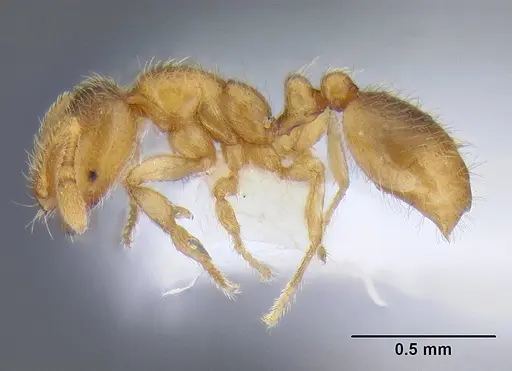
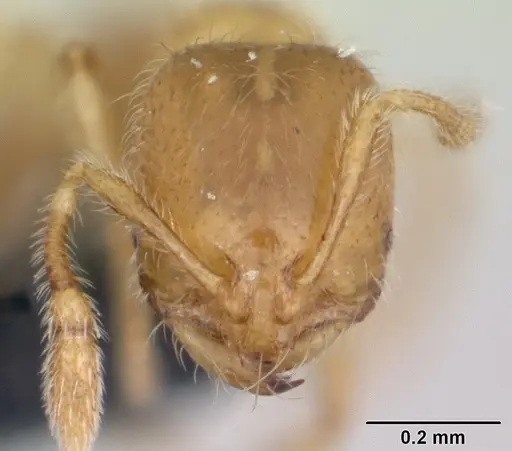
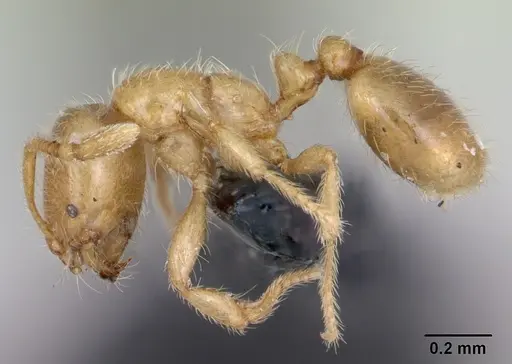
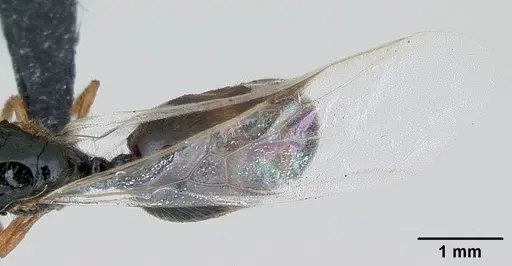
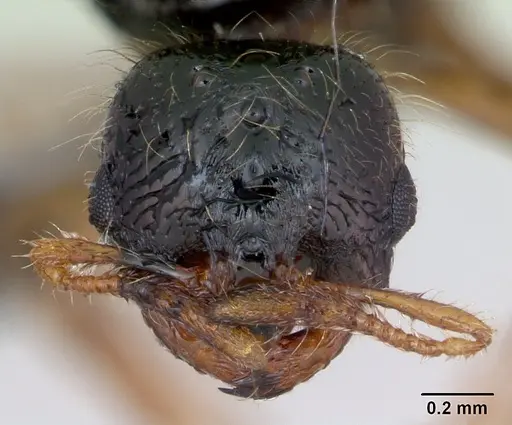
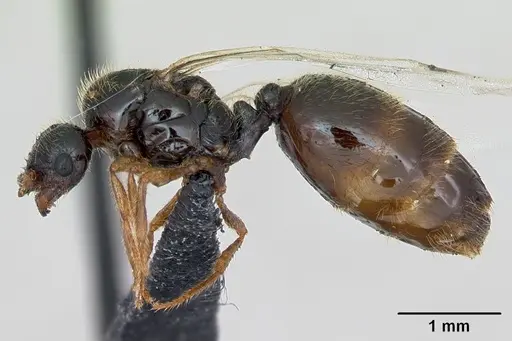
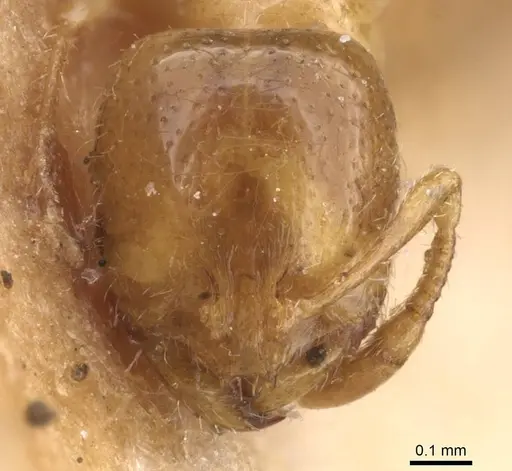
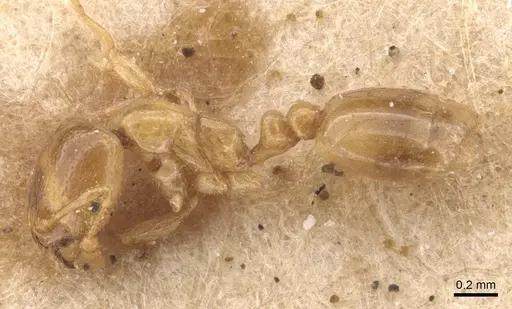
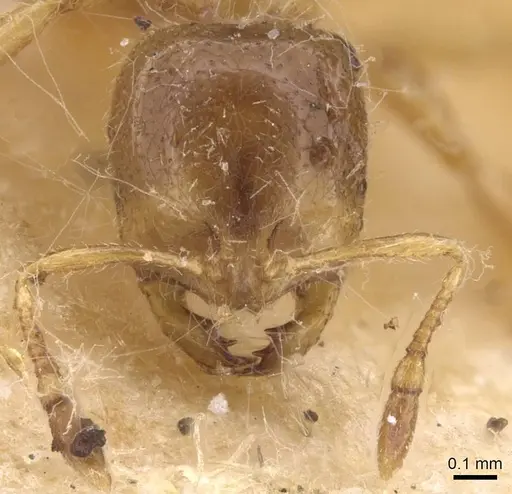
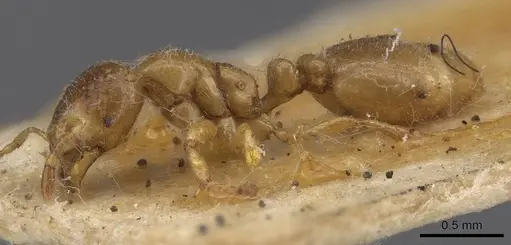
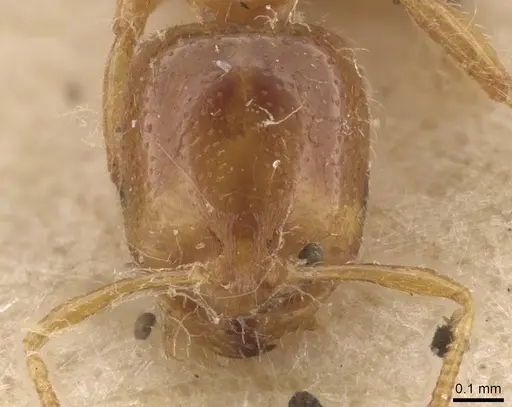
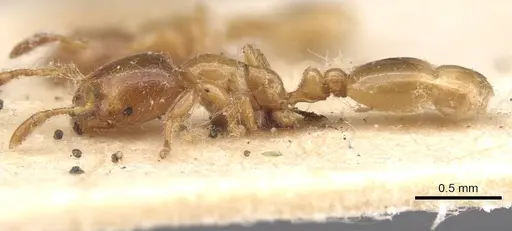
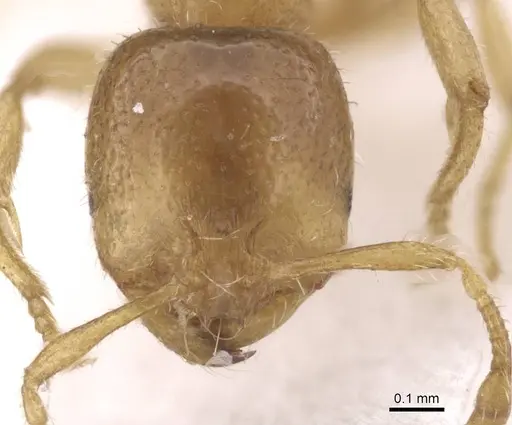
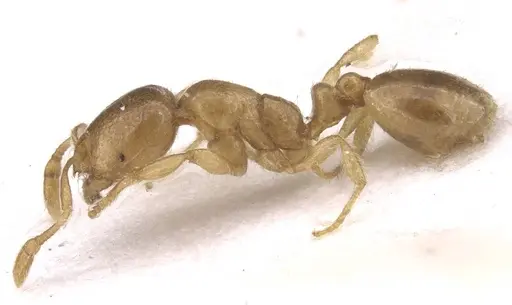
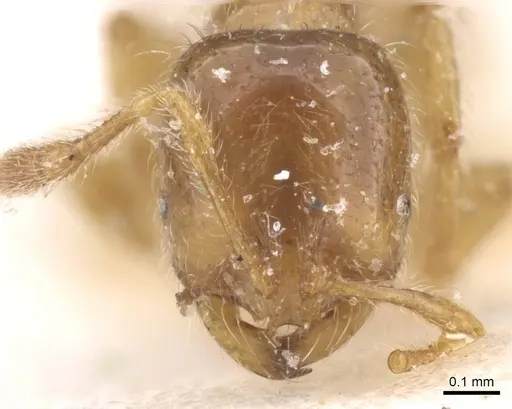
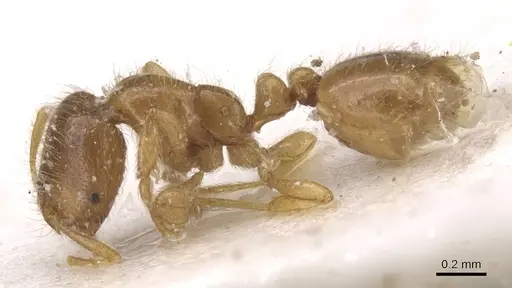
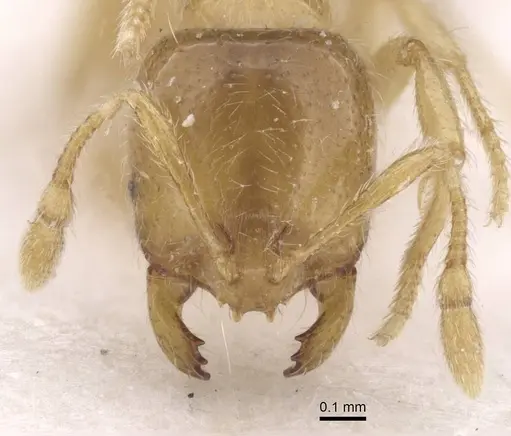
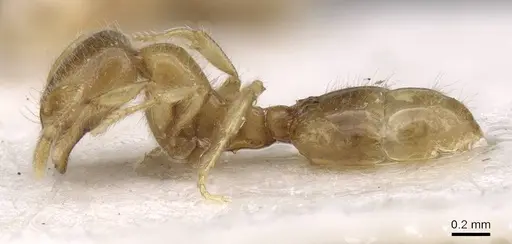
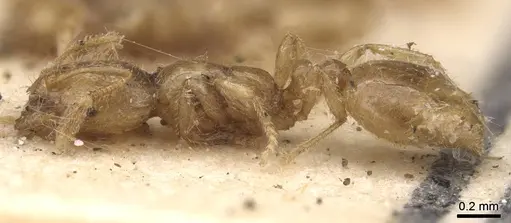
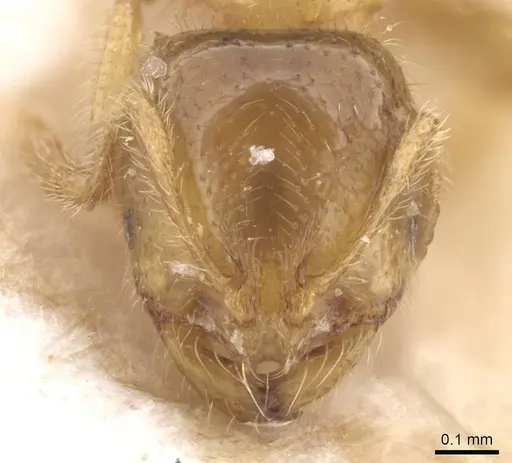
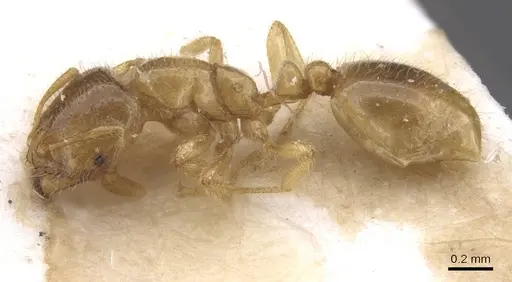
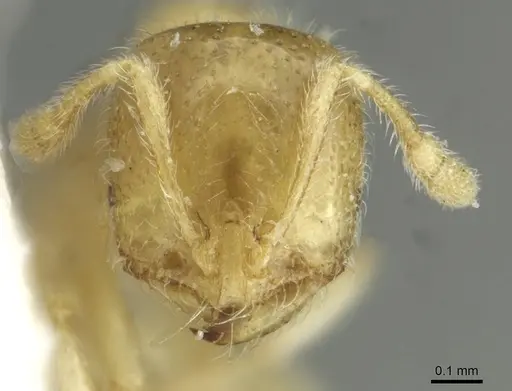
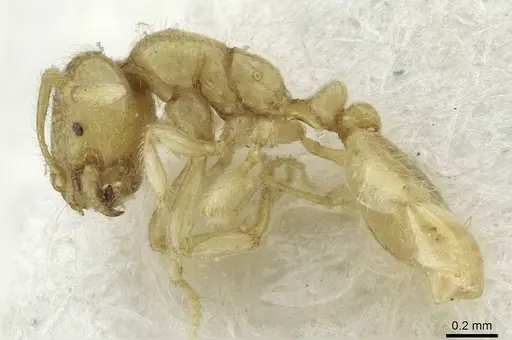
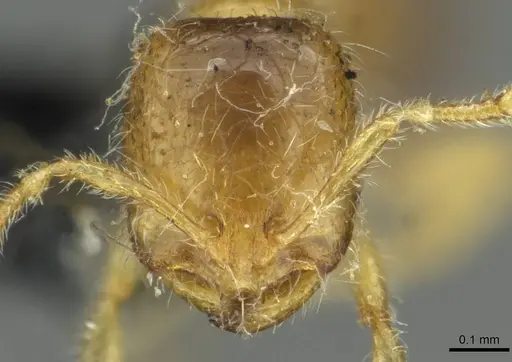
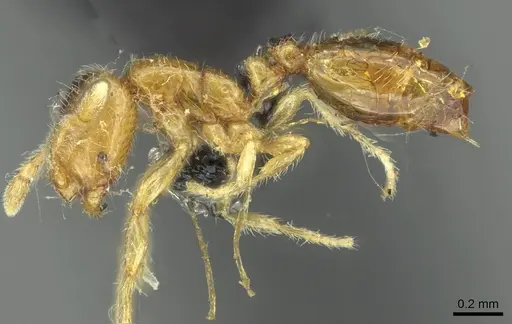
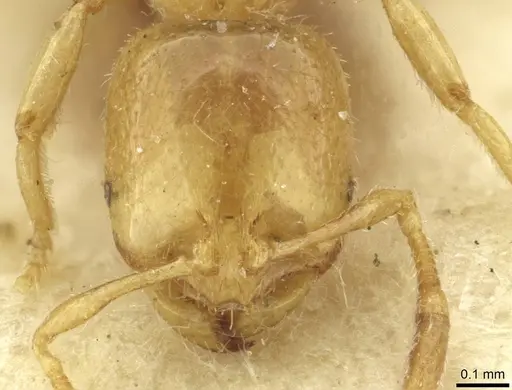
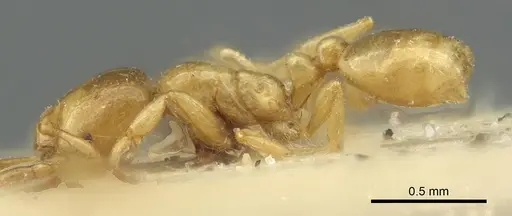
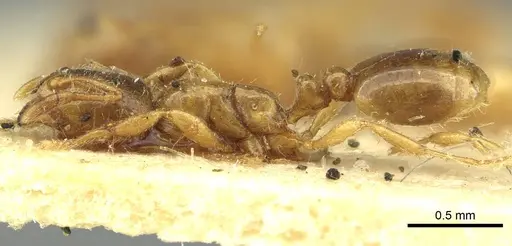
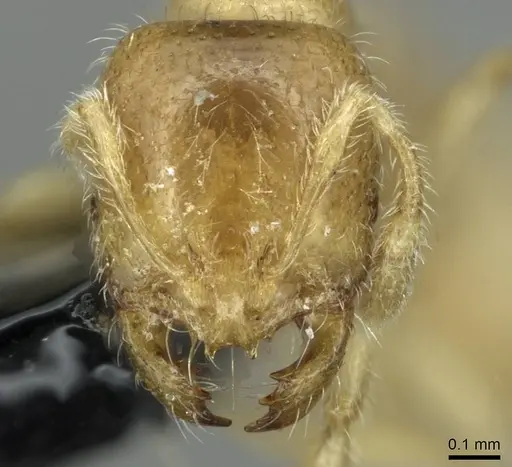
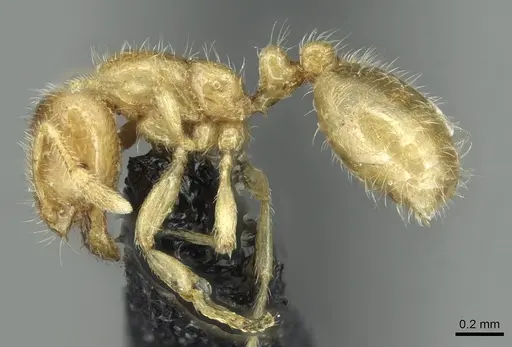
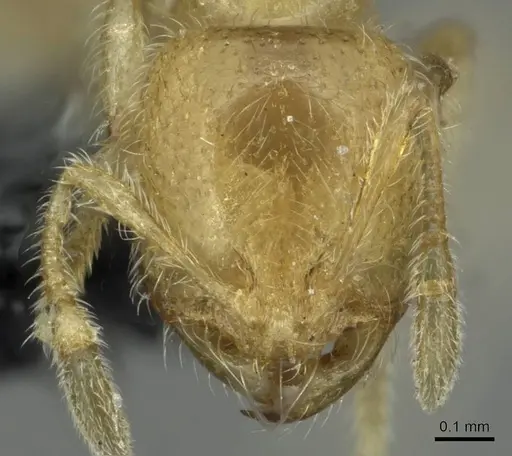
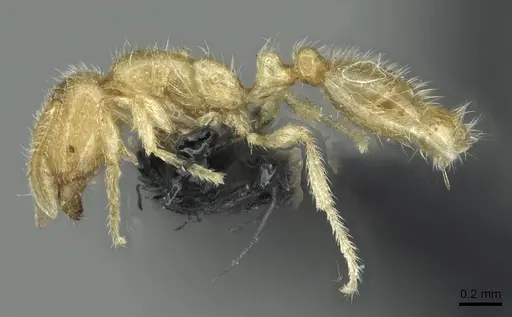
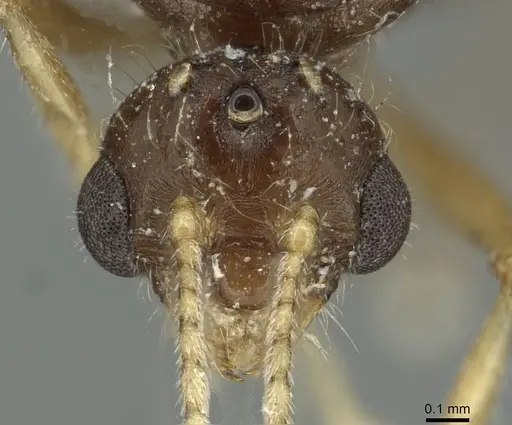
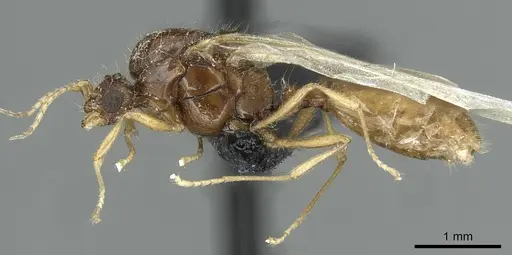
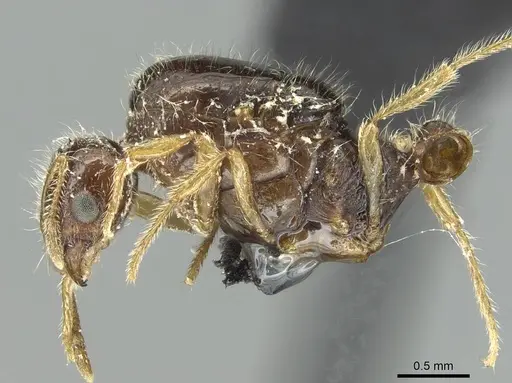
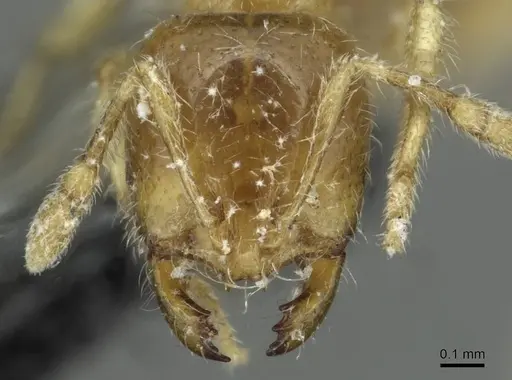
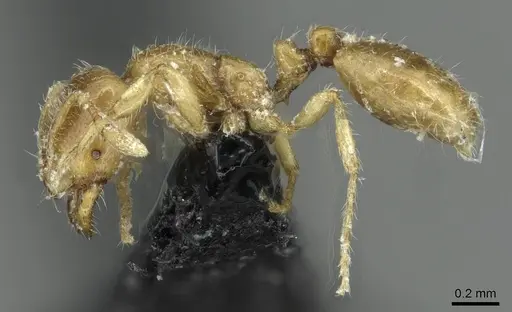
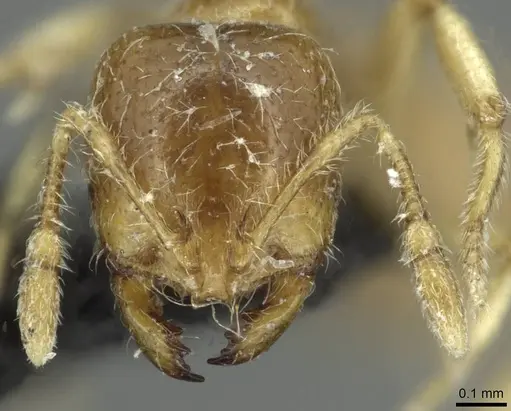
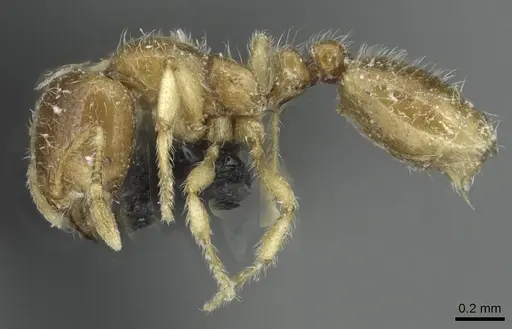
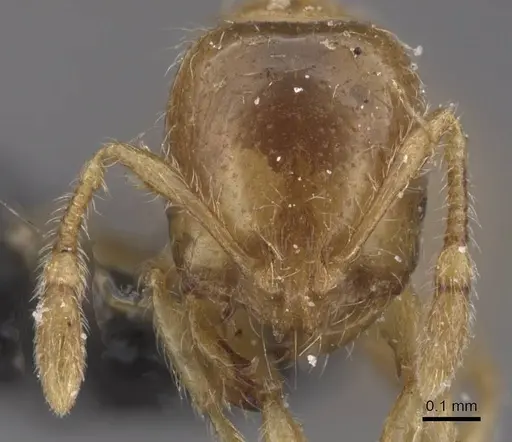
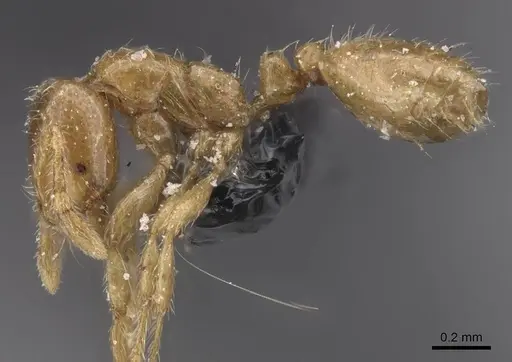
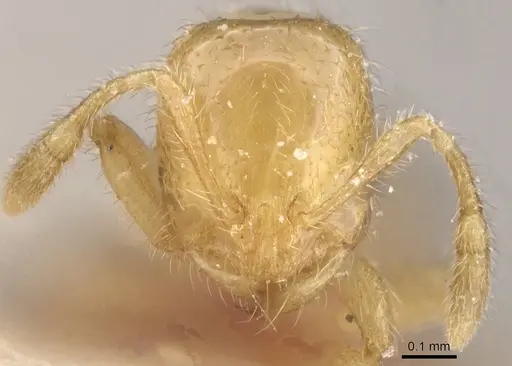
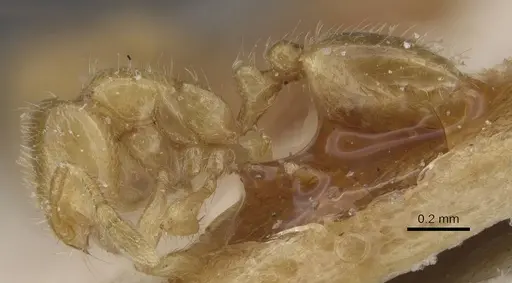
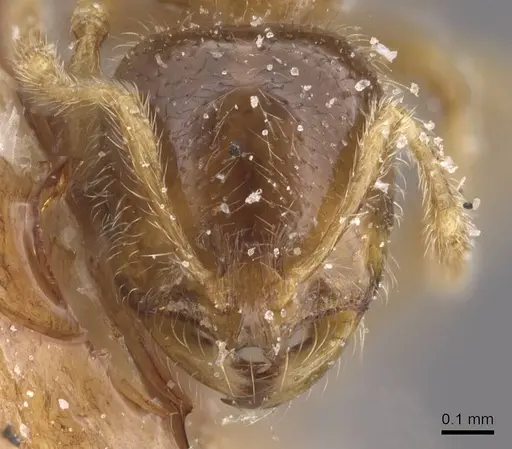
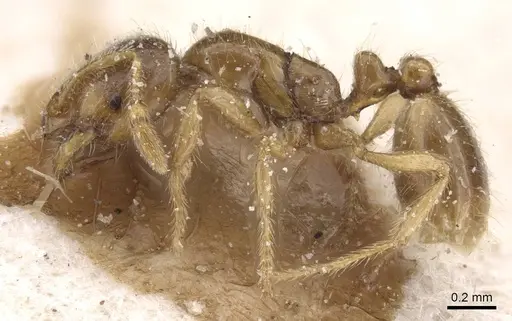
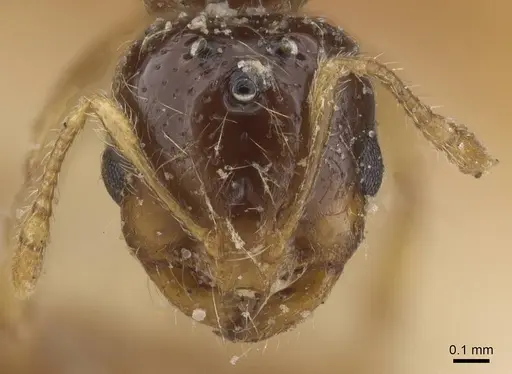
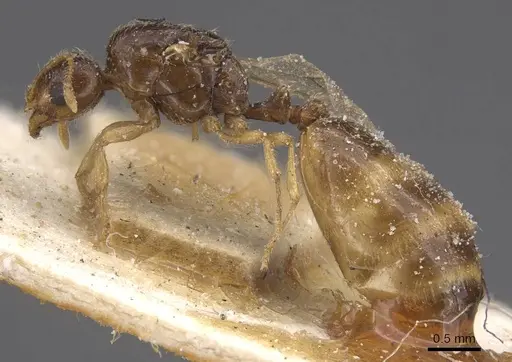
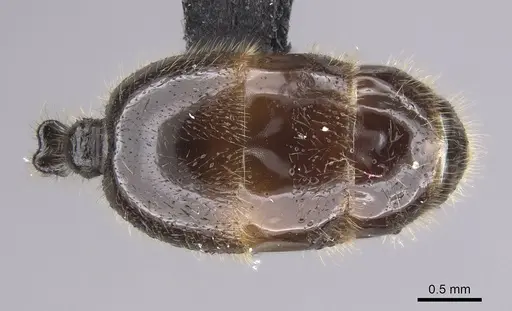
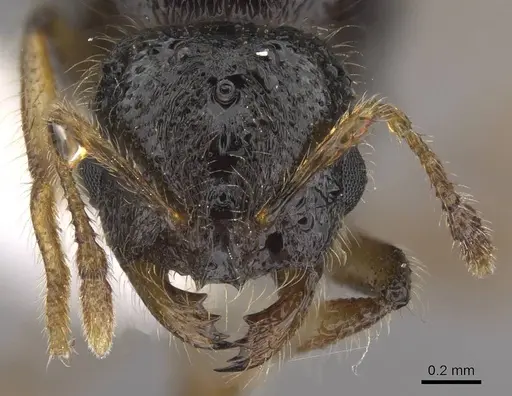
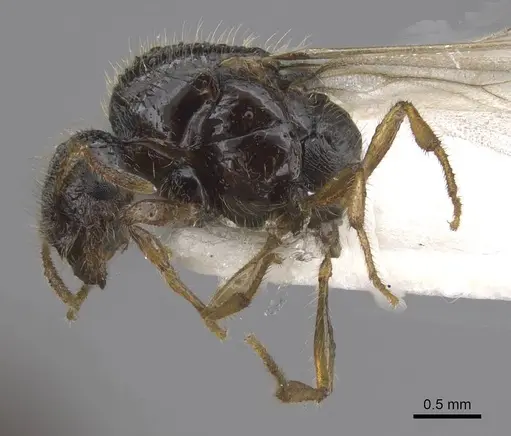
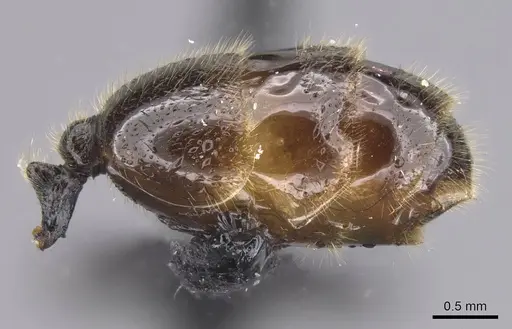
Solenopsis fugax is one of Europe's smallest ants, with workers measuring just 1.5-3 mm and queens reaching 5-6.5 mm . Workers are a pale yellow to yellowish-brown color, while queens are much larger with dark brown heads and thoraces . This species gets its common name from its kleptobiotic lifestyle - it builds narrow tunnels connecting to the nests of larger ants like Formica and Lasius, letting it slip in and steal brood and food . The passages are only about 1 mm in diameter, too small for host ants to follow . Despite its tiny size, it is remarkably aggressive and has a very effective sting that delivers alkaloid venom . What makes Solenopsis fugax interesting is its dual lifestyle - it can live as a kleptobiotic parasite stealing from host colonies, or set up independent colonies hunting small soil arthropods and tending root aphids for honeydew . Colonies are polygynous (multiple queens) and can grow quite large, with thousands of workers . This species is widespread across Europe, from southern England and Sweden east to Central Asia and Japan .
Quick Summary
- Difficulty: Medium
- Origin & Habitat: Native to the Palaearctic region, found across Europe, Northwest Africa, Anatolia, Central Asia, and east to Japan [7][4]. In the wild, it lives in warm, dry, open habitats like limestone grasslands, sandy areas, rocky meadows, and steppe [8][9]. It nests in soil, often under stones, and is commonly found near the nests of larger ant species [10][8].
- Colony Type: Polygynous, multiple queens per nest [7][5]. Colonies can be very populous, sometimes with thousands of workers. The species shows lestobiotic behavior, often nesting close to larger ant species, but can also set up independent colonies.
- Size & Growth:
- Queen: 5-6.5 mm [1][5]
- Worker: 1.5-3 mm [1][2]
- Colony: Up to several thousand workers [5][7]
- Growth: Slow
- Development: Approximately 5-6 months (166 days) based on lab observations [11] (Development is slow compared to many ants. The claustral founding period is extended, and queens need warm conditions to finish development before winter [12].)
- Antkeeping:
- Temperature: Keep colonies around 22-24°C. This warmth-loving species needs warm nest sites to complete brood development [5][12]. A heating cable on one side can create a useful gradient.
- Humidity: Low to moderate. This xerothermic species prefers dry conditions, think warm, sandy soil rather than damp. Let the nest substrate dry out partially between waterings [8].
- Diapause: Yes, requires a winter rest period. In temperate regions, hibernate at 5-10°C from November to March [11]. Alates appear in autumn, mated females overwinter before laying eggs in spring.
- Nesting: Best kept in test tubes for founding, then moved to Y-tong or naturalistic setups with fine sand/soil. The key is providing substrate they can excavate their narrow tunnels. Avoid compact or wet substrates [3][2].
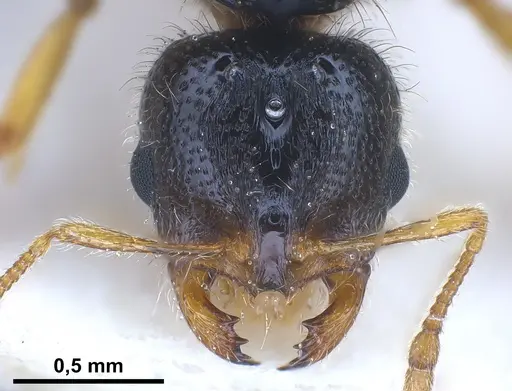
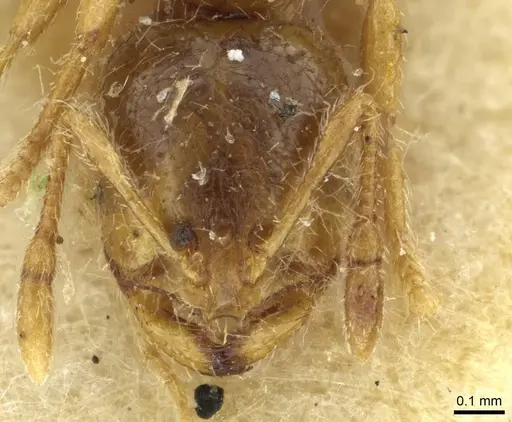
- Behavior: Solenopsis fugax is a challenging species to keep. Workers are tiny and nearly blind, with only 3-9 ommatidia in their compound eyes [5][13]. They live strictly underground and rarely come to the surface except during nuptial flights. Despite their small size, they are extremely aggressive and will attack ants much larger than themselves. They use alkaloid venom from their sting to repel host ants when raiding nests [3]. Escape prevention is critical due to their tiny size, use fluon on all edges and fine mesh (at least 0.5 mm) on any ventilation. They are not suitable for beginners because of their specific housing needs and slow growth.
- Common Issues: escape prevention is critical, workers are tiny and can squeeze through small gaps [5], slow growth means colonies take many months to build up, which can discourage beginners, colonies may fail if kept too cold or too damp, wild-caught colonies can carry the fungal parasite Myrmicinosporidium durum [13], without a host species, you need to provide small live prey consistently
Nuptial Flight Activity Analysis 696 observations
Flight Activity by Hour 696 observations
Solenopsis fugax nuptial flight activity peaks around 13:00 during the late morning to early afternoon. Activity is spread across a 8-hour window (11:00–18:00). Times may be influenced by human observation patterns.
Housing and Nest Setup
For founding colonies, use a standard test tube with a water reservoir. Keep the tube warm (22-24°C) and in darkness, as these ants avoid light [13]. Once the colony reaches about 20-30 workers, you can move it to a small formicarium. The key to success is providing substrate they can dig in. A mix of fine sand and soil works well, letting them create their characteristic narrow tunnels. Avoid compact clay substrates. Y-tong (AAC) nests with narrow chambers can also work, but give them some excavatable area. Escape prevention is absolutely critical, these ants are tiny. Apply fluon to all rim edges and use fine mesh (0.5 mm) on any ventilation. Even small gaps you think are safe can lead to escapes.
Feeding and Diet
In the wild, Solenopsis fugax is primarily predatory on small arthropods and steals brood from host ant colonies [3][4]. They also attend root aphids for honeydew [8]. In captivity, offer small live prey like springtails, fruit flies, and tiny pieces of mealworm. Their mandibles are very small, so they can only handle tiny prey. For sugar sources, offer diluted honey or sugar water, but acceptance is unpredictable. Some colonies take honeydew substitutes readily, others ignore sweet liquids entirely. Always provide a protein source (small insects) as the main food. Feed small amounts every 2-3 days and remove uneaten prey after 24 hours.
Temperature and Seasonal Care
This warmth-loving species needs temperatures in the low-to-mid 20s Celsius for good brood development [5][12]. Keep the nest area at 22-24°C, with a slight gradient if possible. A heating cable on part of the nest can help, but avoid direct contact with the water reservoir. Like most temperate species, Solenopsis fugax needs a winter dormancy period. From November to March, move the colony to a cool place (5-10°C) like an unheated garage or refrigerator. Reduce disturbance during this time and keep the substrate slightly moist but not wet. When you return them to warmth in spring, the queen will resume egg-laying [11].
Understanding Their Unique Lifestyle
One of the most interesting parts of Solenopsis fugax biology is its kleptobiotic relationship with other ants. Workers build narrow galleries (about 1 mm wide) that connect to the nests of larger species like Formica and Lasius [3][5]. Through these tunnels, they reach the host's brood chambers and steal eggs, larvae, and food. What makes this work is their chemical warfare, they secrete alkaloid substances from their poison gland that repel host workers [3]. When the larger ants try to chase them, they simply retreat into passages too narrow for the hosts to follow. In captivity, you don't need a host colony, they will thrive as independent predators. But this behavior explains why they are called 'thief ants' in many languages (Diebsameise in German, diefmier in Dutch) [7][5].
Growth and Development
Solenopsis fugax develops slowly compared to many ants. Under laboratory conditions, egg to worker takes about 166 days (roughly 5-6 months) [11]. This slow growth is typical of Strategy T species, those that need warm sites with limited time to finish colony founding before winter [12]. Queens are claustral: they seal themselves in after mating and live entirely on stored fat until their first workers appear [12]. The first workers (nanitics) are very small but fully functional. Colonies grow gradually, and it may take a few years to reach several hundred workers. Be patient, consistent warmth and good nutrition will maximize growth, but there's no shortcut around their natural timeline.
Frequently Asked Questions
How long does it take for Solenopsis fugax to produce first workers?
Expect about 5-6 months (166 days) from egg to first worker under optimal conditions [11]. That's quite slow, so patience is essential. The exact timing depends on temperature, warmer conditions (22-24°C) will speed things up a bit.
Can I keep Solenopsis fugax in a test tube setup?
Yes, test tubes work well for founding colonies. Use a standard test tube with a water reservoir, keep it warm (22-24°C), and place it in darkness since these ants avoid light. Once the colony reaches 20-30 workers, move it to a small formicarium with excavatable substrate.
Do Solenopsis fugax need a host ant colony?
No, they don't need a host. In the wild they are kleptobiotic, but they can live entirely independently as small predators in captivity [7][8]. Just provide small live prey and they will hunt and feed normally.
How big do Solenopsis fugax colonies get?
Mature colonies can reach several thousand workers [5][7]. But growth is slow, it often takes a few years to reach several hundred workers. With proper care, colonies can live for many years.
What do Solenopsis fugax eat?
They are primarily predatory on small arthropods. Offer small live prey like springtails, fruit flies, and tiny mealworm pieces. They may also accept diluted honey or sugar water sometimes, but protein (insects) should be the main food source [3][4].
Do Solenopsis fugax need hibernation?
Yes, they need a winter rest period. In temperate climates, hibernate at 5-10°C from November to March [11]. Keep the substrate slightly moist during hibernation and minimize disturbance. Return to warmth in spring.
Are Solenopsis fugax good for beginners?
No, this species is not recommended for beginners. Their tiny size makes escape prevention tricky, they have specific temperature and humidity needs, and their slow growth can be frustrating [5]. Also, they require small live prey, which is harder to provide than the sugar water most beginners use.
Why is it called the Thief Ant?
They build narrow tunnels into the nests of larger ant species and steal their brood and food, the passages are too small for host ants to follow [3][5]. They also use chemical secretions (alkaloids) to repel host workers during raids. This kleptobiotic behavior gives them their common name in many languages.
How do I prevent Solenopsis fugax from escaping?
Excellent escape prevention is essential. Apply fluon (insect barrier) to all rim edges and openings. Use fine mesh (0.5 mm or smaller) on any ventilation. Check all connections between outworld and nest. These ants are among the smallest in Europe and can squeeze through gaps that seem insignificant [5].
When is the nuptial flight of Solenopsis fugax?
The nuptial flight of Solenopsis fugax typically occurs From August to September.
What time of day does Solenopsis fugax fly?
The nuptial flight of Solenopsis fugax peaks around 13:00 during the late morning to early afternoon, with most activity between 11:00 and 18:00. Times may be influenced by human observation patterns.
Report an Issue
The current care sheet is based fully on literature. See inconsistencies, or something that's incorrect? Please , it will be resolved after review from an admin. Contributing to the blogs tab also helps providing information, to make us be able to further improve the caresheets. Thank you for your support!
References

This caresheet is licensed under CC BY-SA 4.0 .
Community Blogs
ANTWEB1041289
View on AntWeb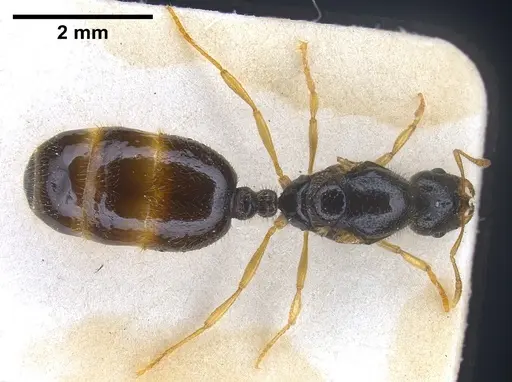
ANTWEB1041290
View on AntWeb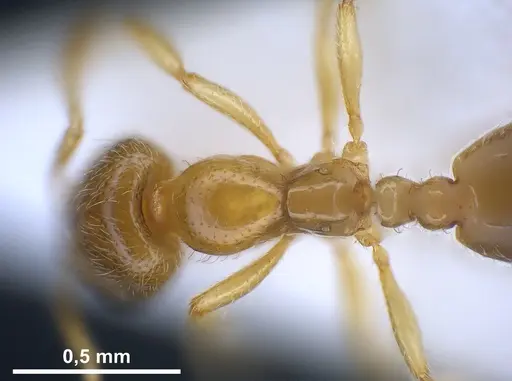
CASENT0106291
View on AntWeb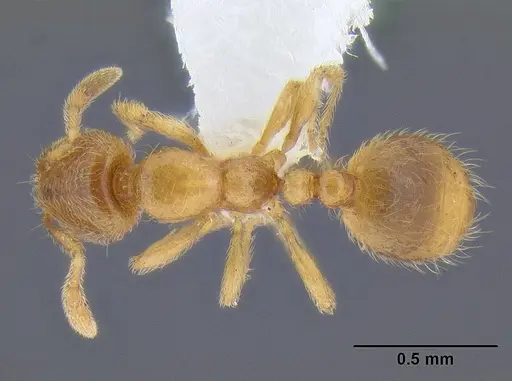
CASENT0173147
View on AntWeb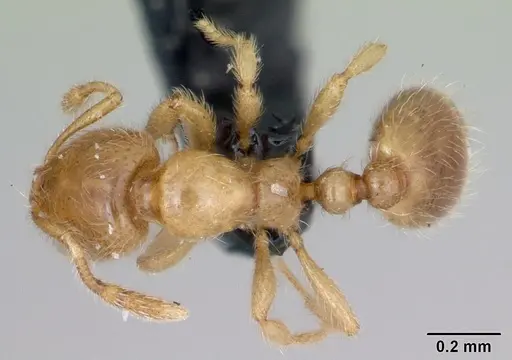
CASENT0173182
View on AntWeb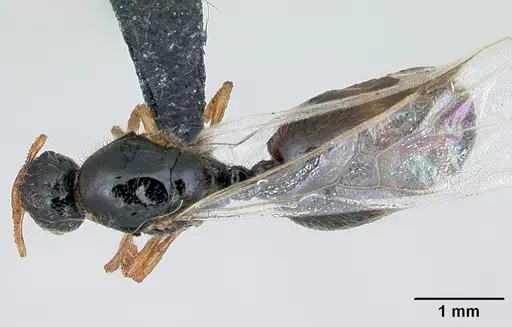
CASENT0913598
View on AntWeb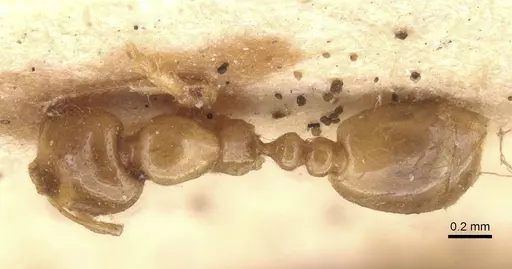
CASENT0913599
View on AntWeb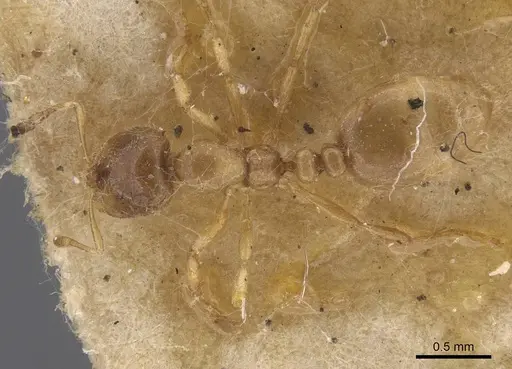
CASENT0913600
View on AntWeb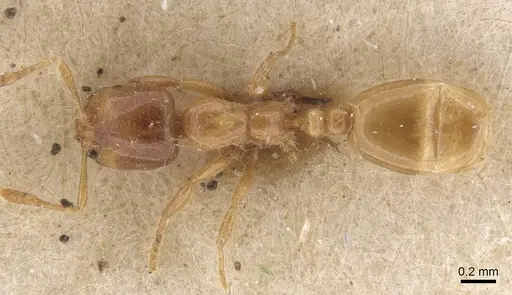
CASENT0913601
View on AntWeb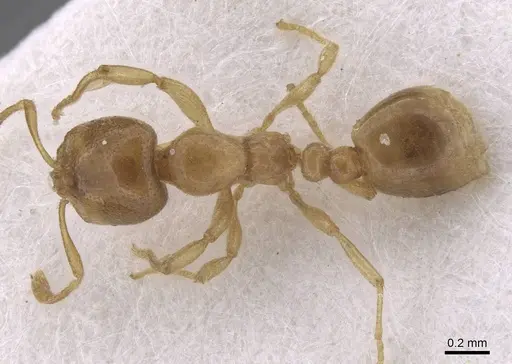
CASENT0913602
View on AntWeb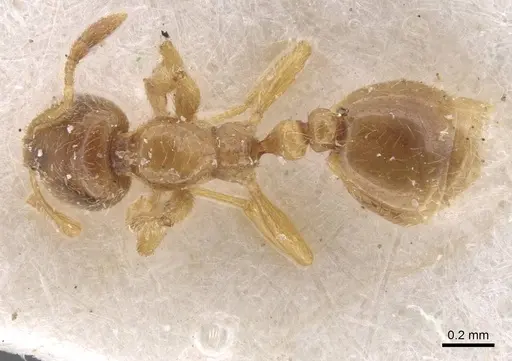
CASENT0913603
View on AntWeb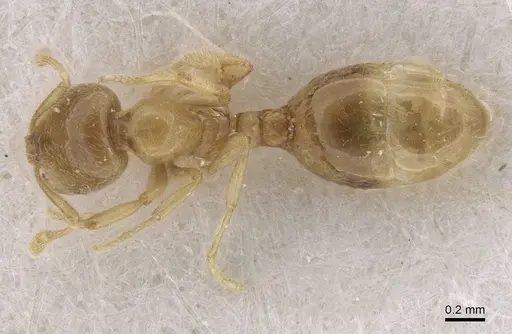
CASENT0913604
View on AntWeb
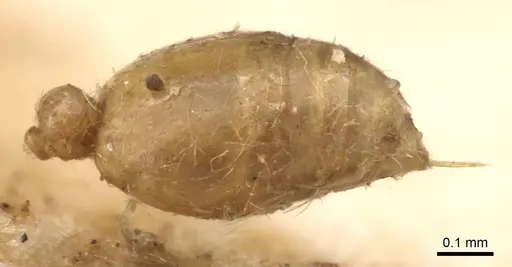
CASENT0913605
View on AntWeb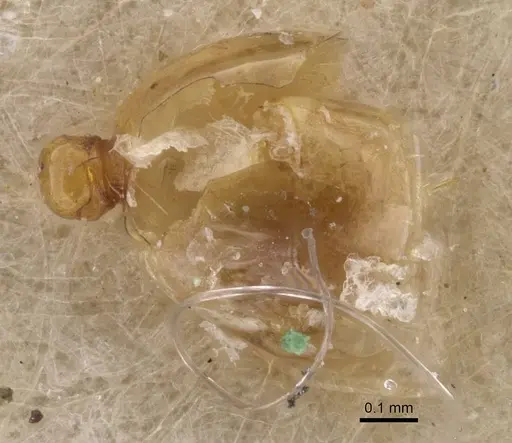
CASENT0913606
View on AntWeb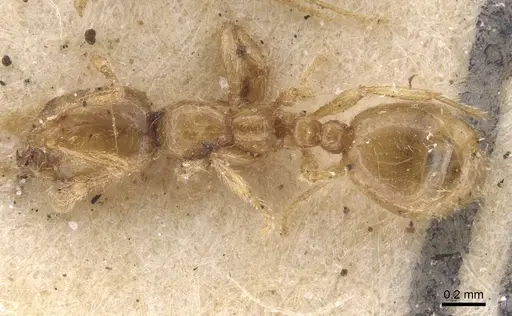
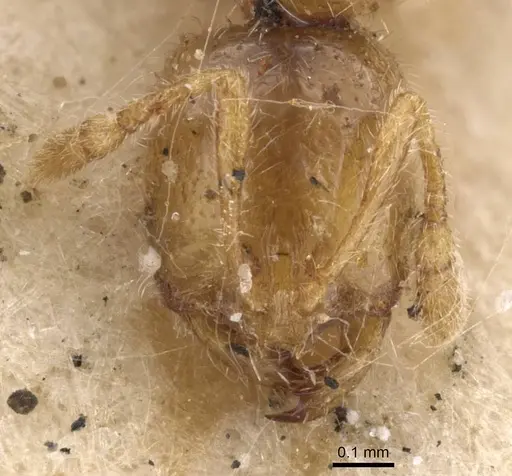
CASENT0913607
View on AntWeb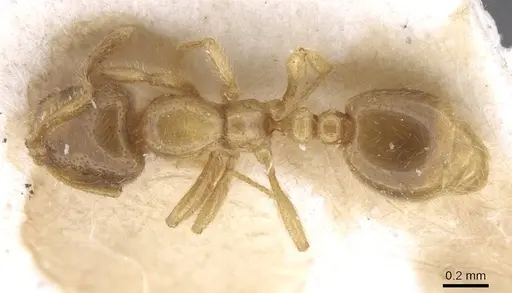
CASENT0913647
View on AntWeb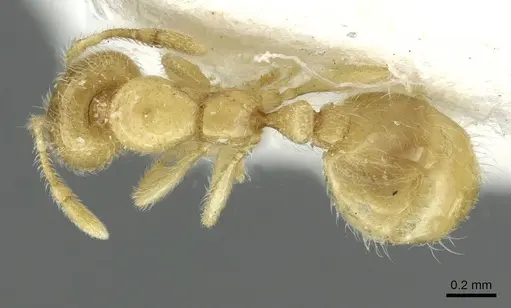
CASENT0913648
View on AntWeb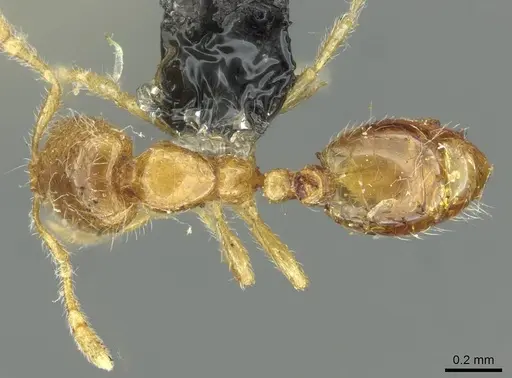
CASENT0913649
View on AntWeb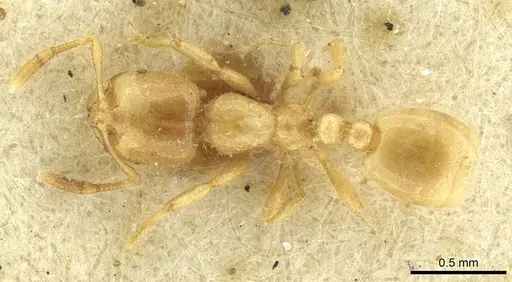
CASENT0913650
View on AntWeb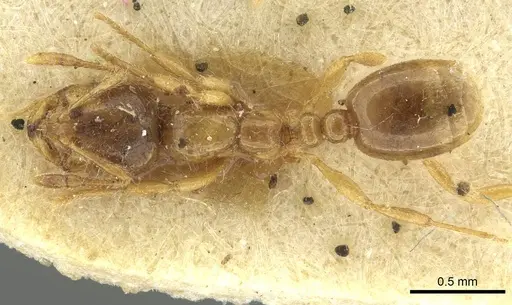
CASENT0913773
View on AntWeb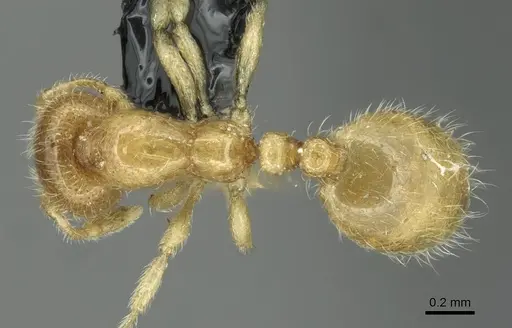
CASENT0913774
View on AntWeb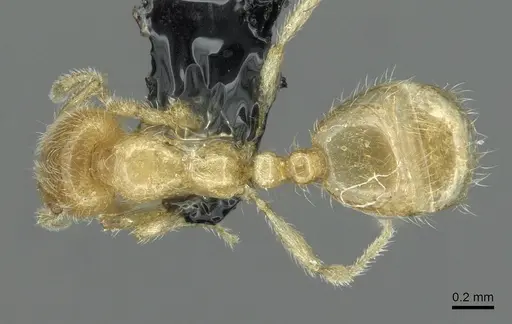
CASENT0913775
View on AntWeb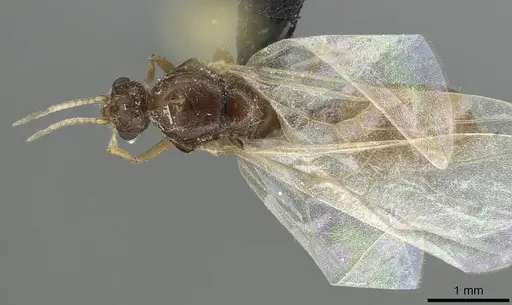
CASENT0913776
View on AntWeb
CASENT0913777
View on AntWeb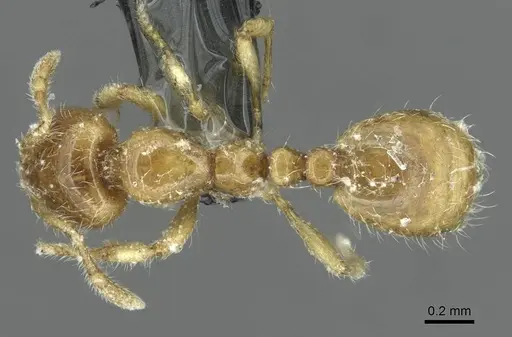
CASENT0913778
View on AntWeb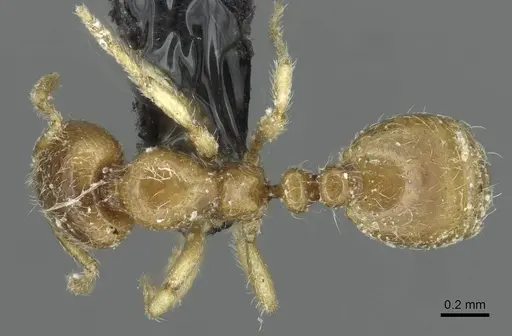
CASENT0913885
View on AntWeb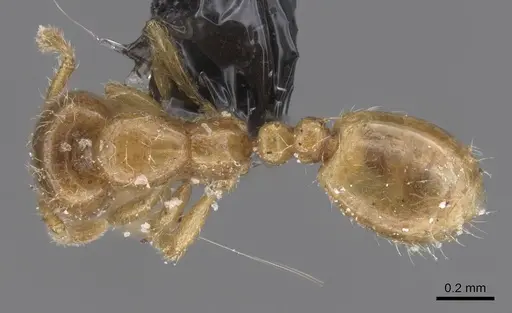
CASENT0913886
View on AntWeb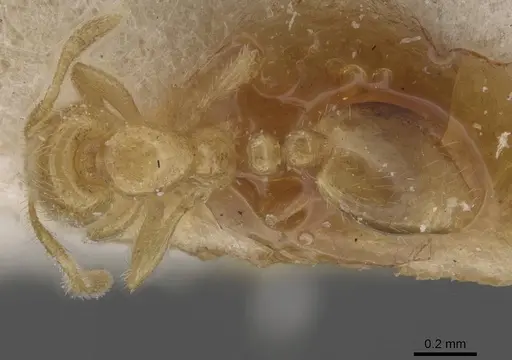
CASENT0913888
View on AntWeb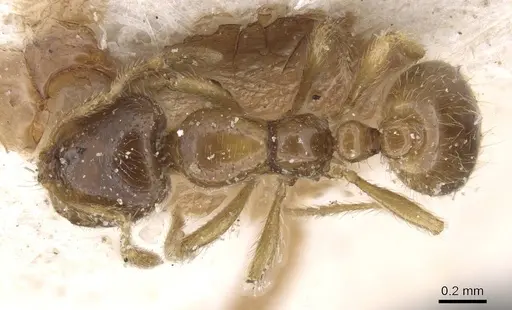
CASENT0913889
View on AntWeb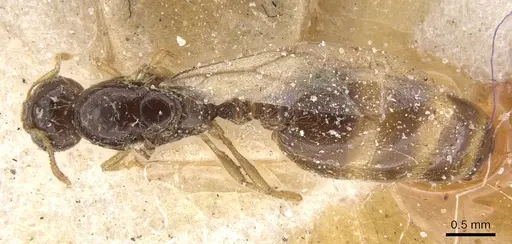
CASENT0915417
View on AntWeb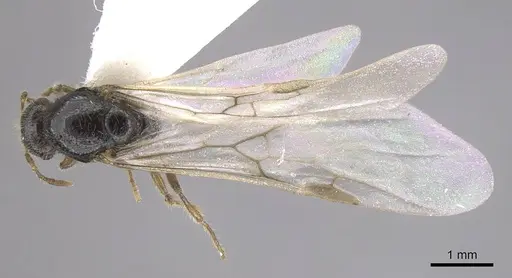
Literature
Loading distribution map...Loading products...