
Solenopsis elhawagryi
- Sci. Name
- Solenopsis elhawagryi
- Tribe
- Solenopsidini
- Subfamily
- Myrmicinae
- Author
- Sharaf & Aldawood, 2012
- Distribution
- Found in 1 countries
Introduction
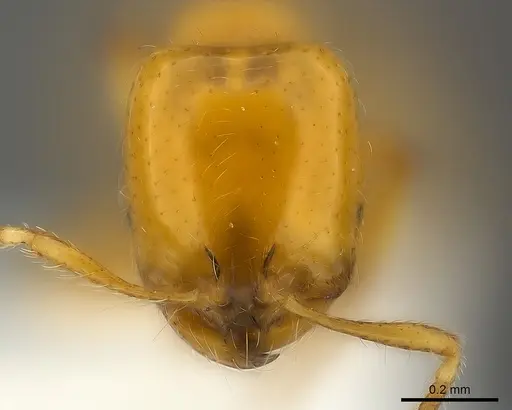
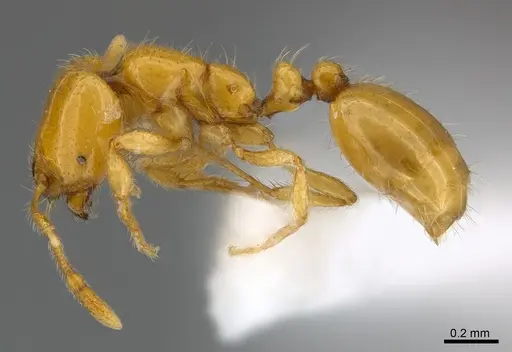
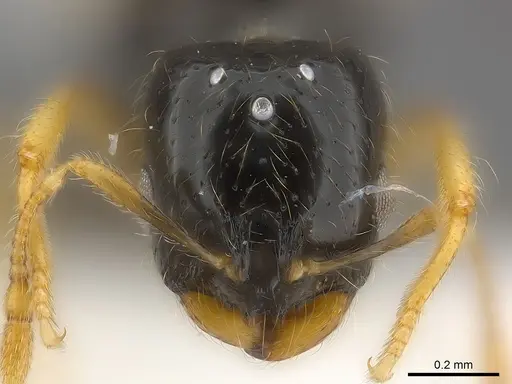
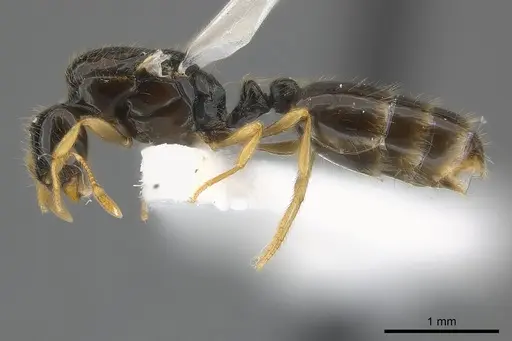
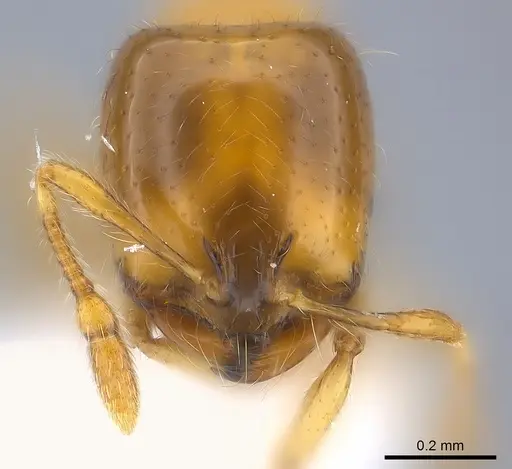
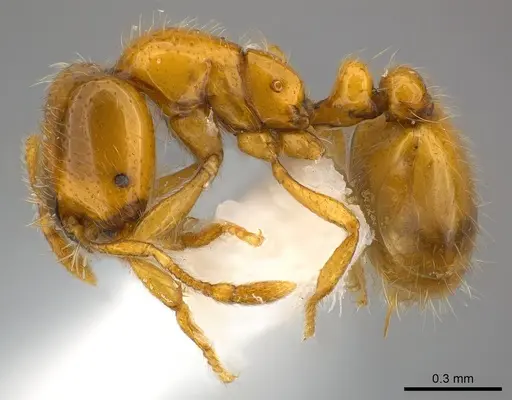
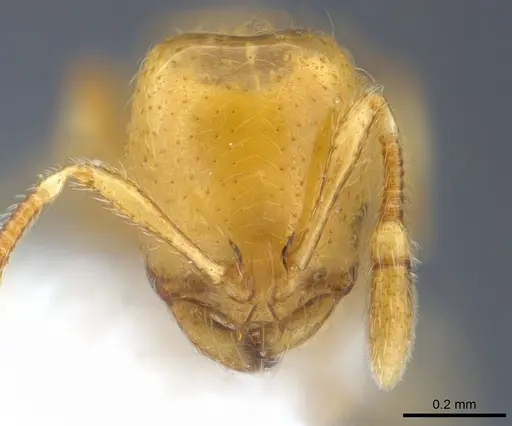
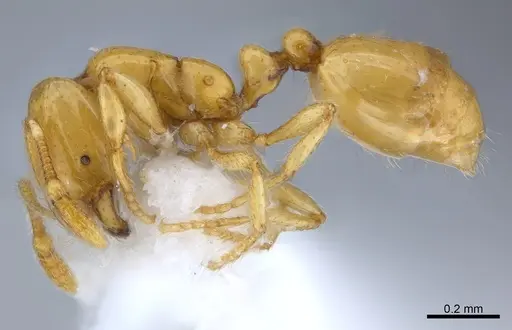
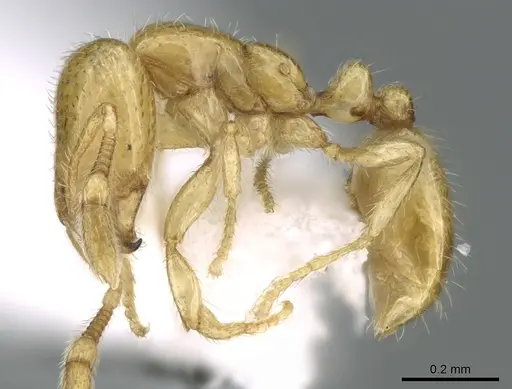
Solenopsis elhawagryi is a tiny thief ant described in 2012 from a single nest in Saudi Arabia. Workers come in two sizes (polymorphic): majors measure 1.87-2.62 mm and are yellow with a brownish-yellow head and brown markings on the abdomen, while minors are 1.55-1.82 mm and mostly yellow . Queens are much larger at 4.30 mm and dark brown with yellowish legs and antennae . This species is known only from its type locality - a forest at 1,931 m elevation in Al Baha Province - and has never been found anywhere else despite intensive surveys . Because of this extreme rarity, almost nothing is known about its biology or care in captivity.
Quick Summary
- Difficulty: Expert
- Origin & Habitat: Known only from Elqamh Park forest in Al Baha Province, southwestern Saudi Arabia, at 1,931 m elevation. The area has many water pools, humid soil after the rainy season, and native vegetation including Acacia trees and Juniperus procera [1].
- Colony Type: The only known nest contained tens of workers and two alate queens, but whether they co‑operated or were mother‑daughter is unknown. Colony structure is unconfirmed.
- Size & Growth:
- Queen: 4.30 mm [1]
- Worker: Major workers: 1.87-2.62 mm, minor workers: 1.55-1.82 mm [1]
- Colony: Only the type nest has been collected, it held 'tens' of workers [1]
- Growth: Unknown
- Development: Unknown, no captive data exists for this species (Related Solenopsis species often develop in 4-8 weeks at warm temperatures, but this is just an estimate.)
- Antkeeping:
- Temperature: Unknown. The high‑elevation type locality (1,931 m) suggests a cooler climate than lowland Arabia. Aim for 22-26 °C and watch how the colony responds [1].
- Humidity: The natural habitat has humid soil, especially after rains. Keep the nest substrate moderately moist without making it waterlogged, and offer a moisture gradient.
- Diapause: Unknown, no overwintering data exists. The elevation hints at a possible cool period, but this is not confirmed.
- Nesting: The wild nest was under a stone on loose soil beside an Acacia tree. In captivity, use a shallow soil chamber, a Y‑tong block, or a plaster nest. Do not use acrylic nests.
- Behavior: Like all Solenopsis, they have a sting but it’s harmless to people because of their tiny size. No foraging workers were ever seen near the wild nest, so they may be secretive or nocturnal [1]. Their size (under 3 mm) means you must use very fine mesh or tight lids to prevent escapes.
- Common Issues: no one has ever kept this species in captivity, there are zero care protocols, it may be legally restricted due to its extremely limited range, tiny size makes escape prevention critical, standard barriers often fail, diet acceptance is unknown, start with small live prey and sugar sources, the only known colony had only 'tens' of workers, suggesting naturally small colonies
Species Discovery and Rarity
Sharaf and Aldawood described Solenopsis elhawagryi in 2012 from a single nest found under a stone in Elqamh Park, Saudi Arabia’s Al Baha Province, at 1,931 m [1]. Despite extensive searching in the surrounding Asir Mountains, no other colonies have ever been found. The species is named after Professor Magdi El‑Hawagry in recognition of his work on regional insects [1].
Identification and Morphology
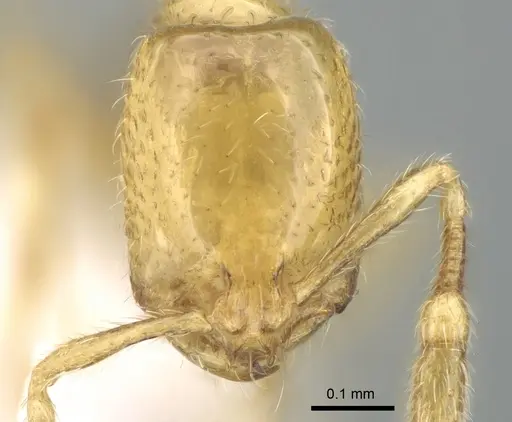
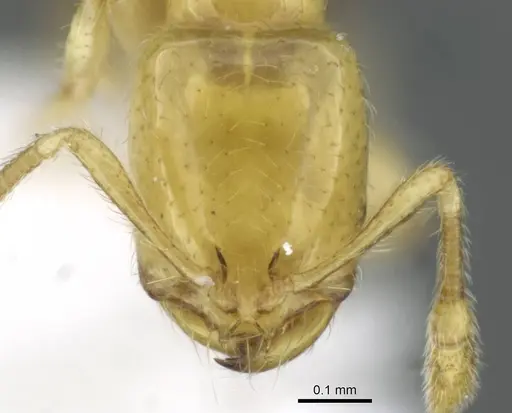
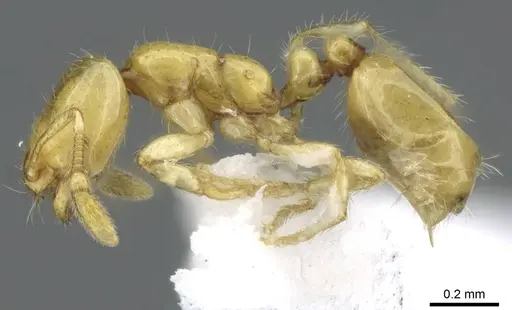
You can tell Solenopsis elhawagryi from other Arabian Solenopsis by its color and tiny eyes. Major workers have a brownish‑yellow head with the area in front of the eyes yellowish, and the rear edge of the first abdomen segment is brown [1]. The eyes are very small, with only 4-5 lens units (ommatidia), compared to 7 in the similar S. omana [1]. All castes have a tooth‑like projection on the underside of the postpetiole (the second waist segment) [2]. Minor workers are paler and more slender, while queens are dark brown, nearly black, and have large eyes with over 25 ommatidia [1].
Natural Habitat and Nesting
The type locality is Elqamh Park, a forest with many water pools and soil that stays humid after the rainy season [1]. Plants there include Acacia origena, Acacia negrri, Solanum species, and Juniperus procera. The nest was under a stone on loose soil next to a large old Acacia tree, and was collected on 17 May 2010 [1]. It contained tens of major and minor workers plus two alate queens. No foraging workers were ever seen nearby, so the ants probably stay hidden or only come out at night [1]. Other ants in the same habitat include Crematogaster chiarinii, Monomorium mayri, Monomorium salomonis, Tetramorium sericeiventre, and Lepisiota obtusa [1].
Related Species and Taxonomy
Solenopsis elhawagryi is most closely related to Solenopsis omana (Oman/UAE) and Solenopsis dentata (Israel) [1]. All three share a central pair of stout teeth on the front of the head, a high rounded petiole node, and a tooth‑like projection on the postpetiole. Molecular work shows it groups with other Eurasian Solenopsis and is separate from the Saudi species S. saudiensis [2].
Keeping This Species - Important Considerations
Do not try to keep Solenopsis elhawagryi. It has never been kept in captivity, and it may be legally restricted because it is known from only one location. If you somehow obtain a colony (extremely unlikely), document everything. Provide a test tube or Y‑tong nest with moderately moist substrate, keep temperatures around 22-26 °C, and offer small live prey (e.g., fruit flies) and sugar water. Because the workers are under 3 mm, use very fine mesh or airtight lids. But all of this is purely speculative, there is no published care information.
Frequently Asked Questions
Can I keep Solenopsis elhawagryi as a pet?
No. This species was described only in 2012 from a single site and has never been kept in captivity. It may also be legally restricted because it is so rare [1].
How big do Solenopsis elhawagryi colonies get?
Unknown. The only nest found contained 'tens' of workers, so they probably stay small, but we have no real data [1].
What do Solenopsis elhawagryi ants eat?
Not studied. Like other thief ants, they probably scavenge tiny insects and drink honeydew. In captivity, try fruit flies and diluted honey, but start with very small portions.
What temperature do Solenopsis elhawagryi need?
Not confirmed. The type locality is at 1,931 m, so the climate is cooler than lowland Arabia. A safe starting range is 22-26 °C, and you should adjust based on their behavior [1].
How long do Solenopsis elhawagryi take to develop from egg to worker?
Unknown, no one has bred this species in captivity. Related Solenopsis take about 4-8 weeks, but that is just a guess.
Where is Solenopsis elhawagryi found?
Only at Elqamh Park in Al Baha Province, southwestern Saudi Arabia, at about 1,931 m elevation. It has never been found anywhere else despite thorough searching [1].
Is Solenopsis elhawagryi endangered?
Its conservation status has not been formally assessed, but it is known from just one location and may be endemic. Treat any specimens with caution and respect local laws [1].
Can I keep multiple queens together?
Not known. The type nest had two alate queens, but we do not know if they were cooperating or if one was a daughter. Do not try to combine unrelated queens without data [1].
Do Solenopsis elhawagryi need hibernation?
Unknown, no data exists. The high elevation suggests they might experience a cool winter, but it is not confirmed.
Report an Issue
The current care sheet is based fully on literature. See inconsistencies, or something that's incorrect? Please , it will be resolved after review from an admin. Contributing to the blogs tab also helps providing information, to make us be able to further improve the caresheets. Thank you for your support!
References

This caresheet is licensed under CC BY-SA 4.0 .
Community Blogs
CASENT0217360
View on AntWeb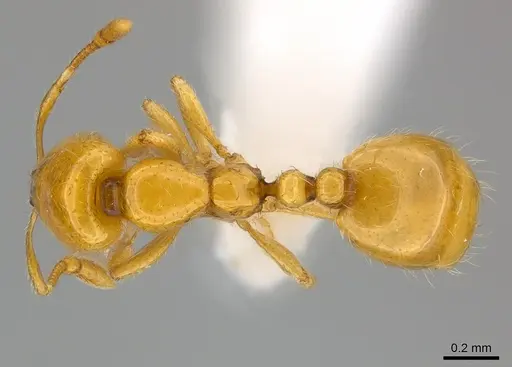
CASENT0217361
View on AntWeb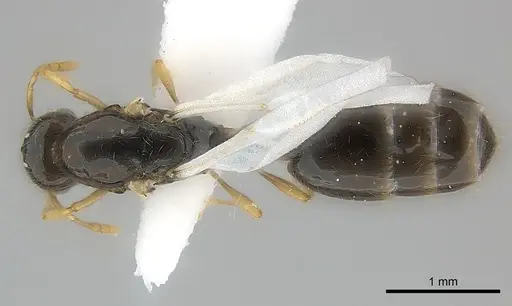
CASENT0217365
View on AntWeb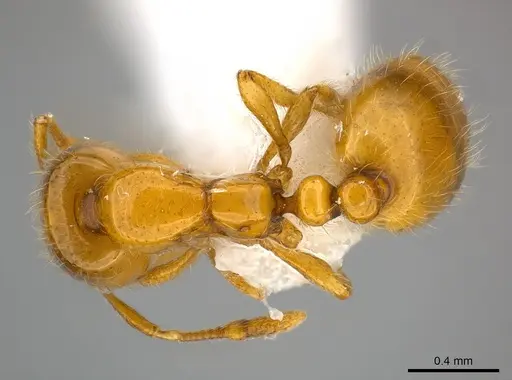
CASENT0217366
View on AntWeb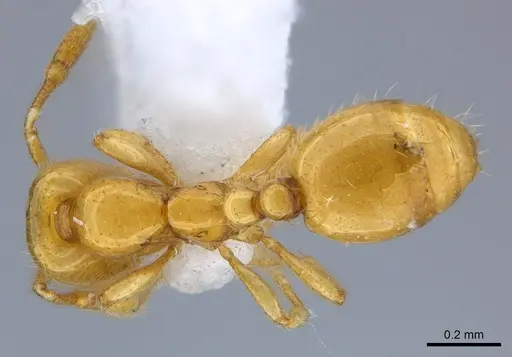
CASENT0906429
View on AntWeb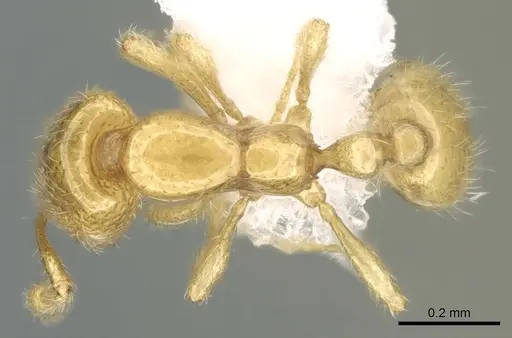
CASENT0911240
View on AntWeb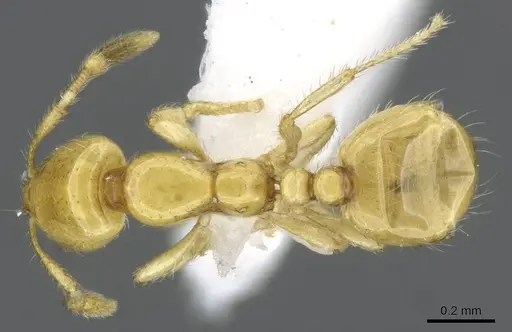
Literature
Loading distribution map...Loading products...