
Solenopsis clytemnestra
- Sci. Name
- Solenopsis clytemnestra
- Tribe
- Solenopsidini
- Subfamily
- Myrmicinae
- Author
- Emery, 1896
- Distribution
- Found in 5 countries
Introduction
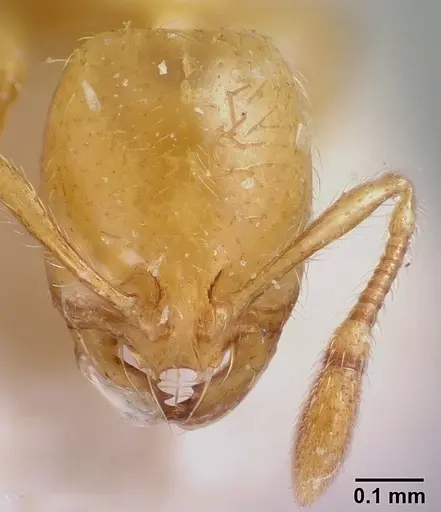
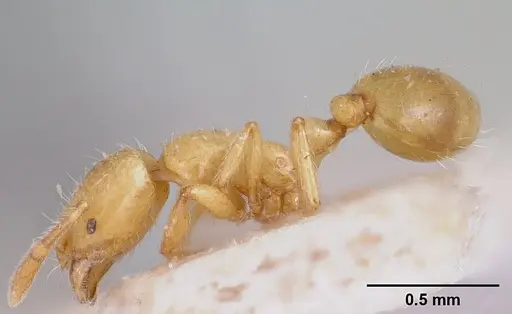
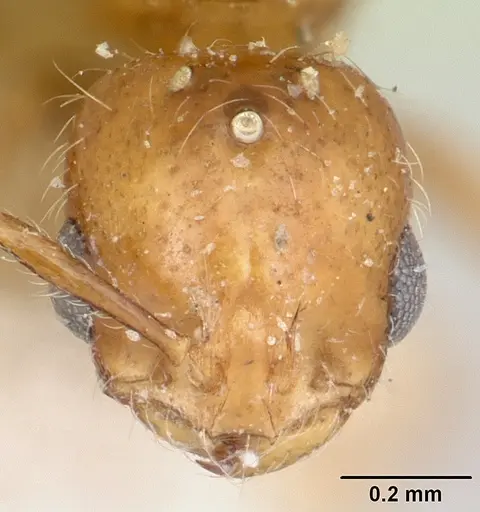
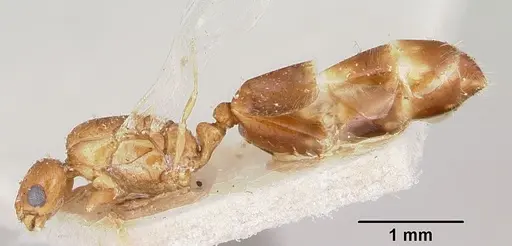
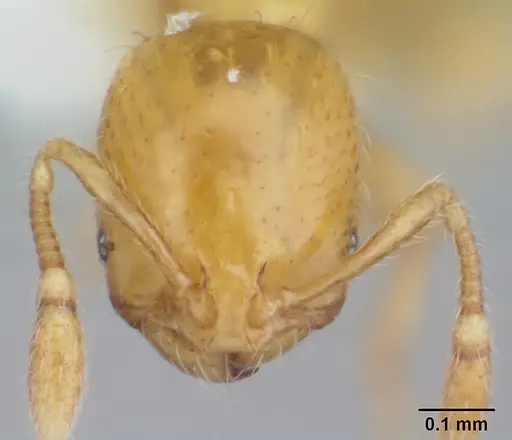
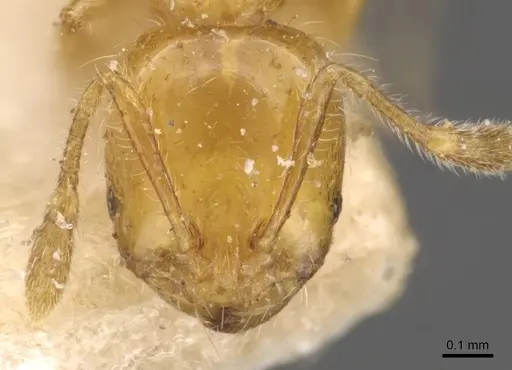
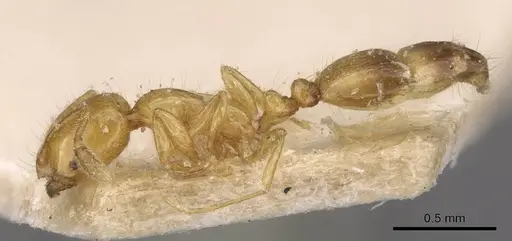
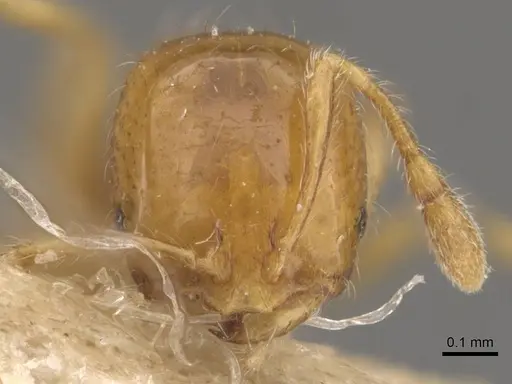
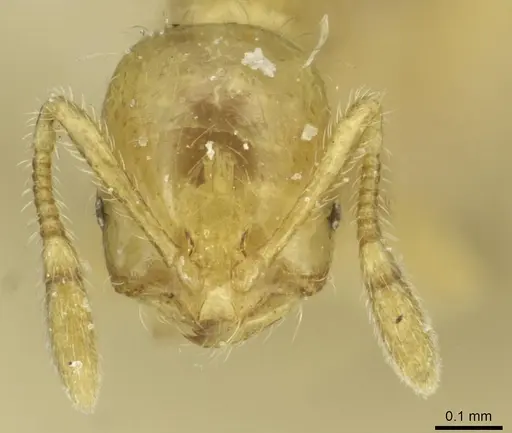
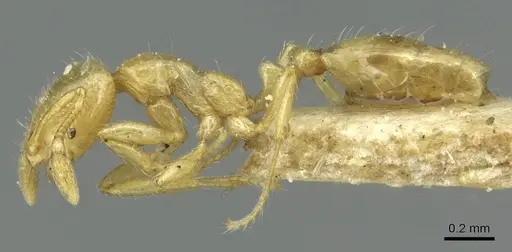
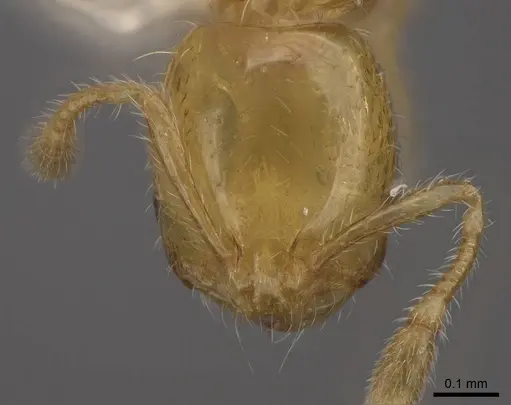
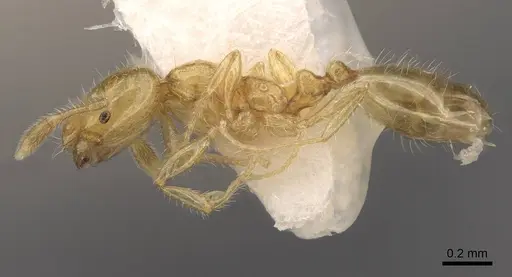
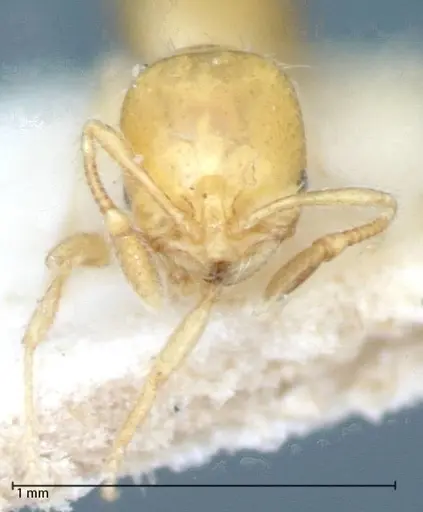
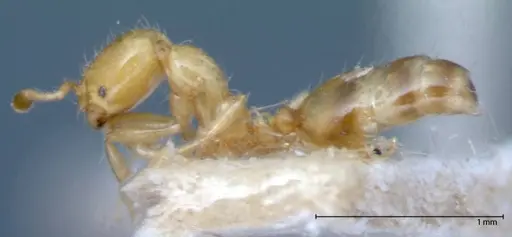
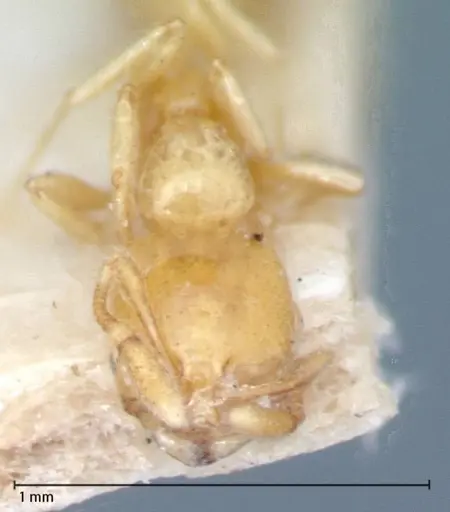
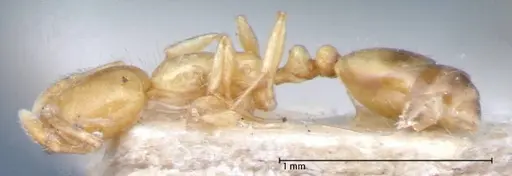
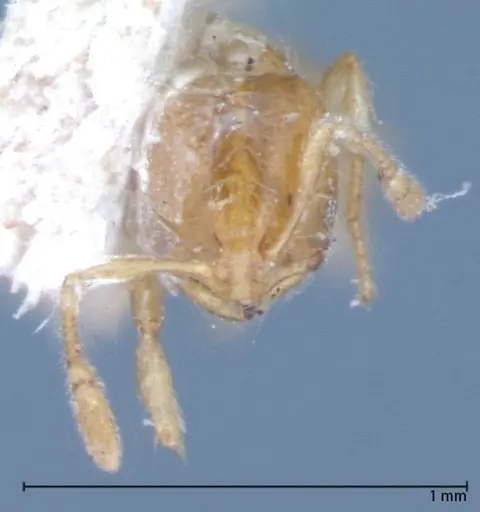
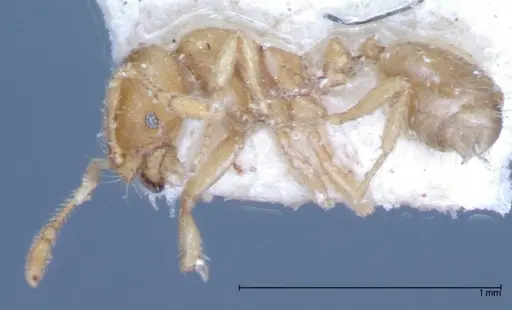
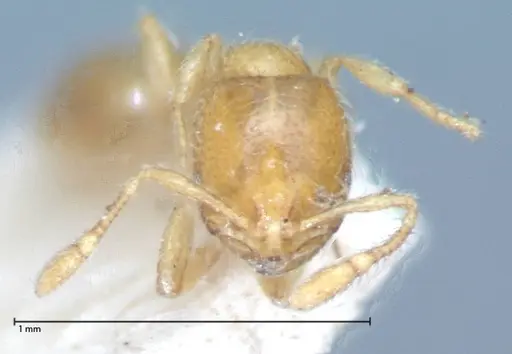
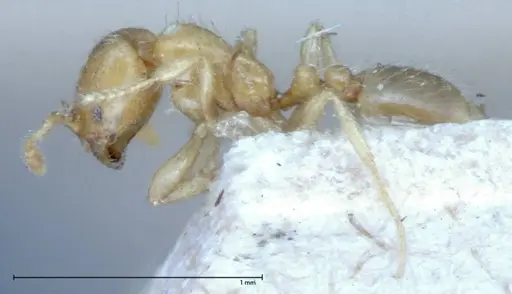
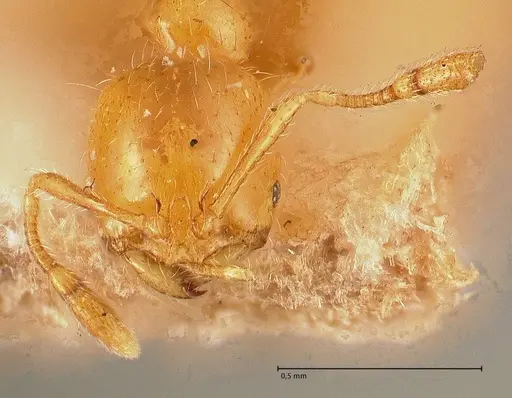
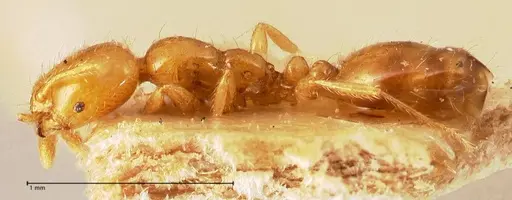
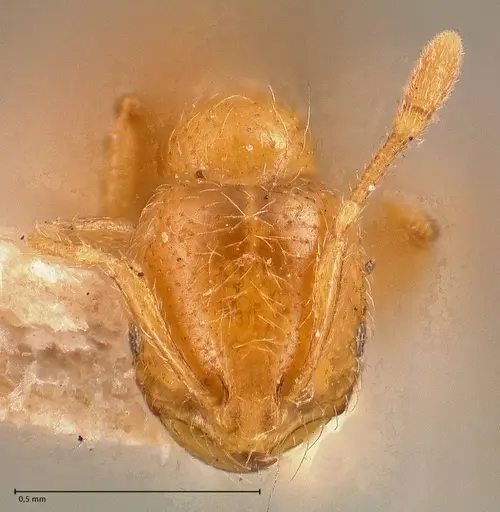
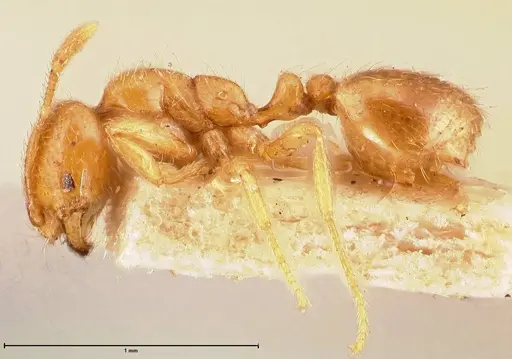
Solenopsis clytemnestra is a small thief ant from the Solenopsis molesta species complex, found across the Neotropical region including Argentina, Bolivia, Brazil, and Paraguay . Workers are 1.56-2.01 mm long and range from pale yellow to dark brown, while queens are 4.68 mm and golden brown . This species is easily recognized by its unusually large propodeal spiracle, a key diagnostic feature . They live in leaf litter and soil in wet subtropical forests, cloud forests, and campo cerrado . As soil omnivores, they build underground nests and are known for aggressive behavior and mass recruitment to food sources .
Quick Summary
- Difficulty: Medium
- Origin & Habitat: Neotropical region, Argentina, Bolivia, Brazil, and Paraguay. Found in wet subtropical forest at 750-900 m elevation in Tucumán, Argentina, and in a variety of habitats: shaded lawns, pastures, humid subtropical forests, and campo cerrado in Paraguay. In Bolivia, they occur in yungas forest, montane evergreen forest, and cloud forest [1][2][3].
- Colony Type: Unconfirmed, based on related Solenopsis species, likely monogyne (single queen) [1].
- Size & Growth:
- Queen: 4.68 mm [1][2]
- Worker: 1.56-2.01 mm [1][2]
- Colony: Unknown, related Solenopsis species can reach several hundred to a few thousand workers [4].
- Growth: Moderate, typical for small Myrmicinae
- Development: 6-8 weeks (estimated from related Solenopsis species) (Specific development data for this species is not available.)
- Antkeeping:
- Temperature: Keep at 24-28°C. As a Neotropical species from subtropical regions, they prefer stable warmth. A heating cable on one side of the nest creates a useful gradient. Avoid temperatures below 20°C [1].
- Humidity: Moderate to high. In nature, they live in humid leaf litter and soil. Keep the nest substrate consistently moist but not waterlogged, and provide a moisture gradient so ants can choose their preferred area [1][2].
- Diapause: No, this Neotropical species does not require hibernation. Keep warm temperatures year-round [1].
- Nesting: In the wild they nest in twigs, rotting wood, and leaf litter [1][2]. For captivity, use a naturalistic setup with moist soil substrate, or a plaster or Y‑tong (AAC) nest with small chambers. Because workers are tiny, make sure all nest entrances are tight. Avoid acrylic nests, which lack the right moisture properties.
- Behavior: Thief ants are named for their habit of raiding other ant colonies for brood and food. Workers are small but aggressive, and they will mass‑recruit to defend resources. They have a functional stinger that can deliver a noticeable pinch. Escape prevention is critical, workers can fit through gaps smaller than 1 mm, so use fine mesh (≤0.5 mm) and seal all connections. They are mainly nocturnal but will forage anytime food is available [1][2][4].
- Common Issues: escape prevention is critical, 1.5-2 mm workers squeeze through tiny gaps, use fine mesh and tight seals, aggressive toward other ant colonies, keep them separate from other species, small size makes handling and colony transfers tricky, soil nests need constant moisture but also good ventilation to prevent mold, unknown colony structure, do not assume polygyny without evidence
Housing and Nest Setup
Solenopsis clytemnestra is a soil‑dwelling ant that naturally nests in twigs, rotting wood, and leaf litter in humid forests [1][2]. For captivity, a naturalistic setup with moist soil works best, mix potting soil with sand and keep it damp but not waterlogged. Alternatively, use a plaster or Y‑tong (AAC) nest with narrow chambers scaled to their tiny size. Do not use acrylic nests, as they lack the right moisture retention. Because workers are only 1.56-2.01 mm, escape prevention must be excellent: seal all connections with fine mesh (0.5 mm or smaller) and use fluon or a water moat around the outworld. Keep the nest dark and provide a cover [1].
Feeding and Diet
As thief ants, Solenopsis clytemnestra are omnivores that exploit a wide range of food. In the wild they raid other ant colonies for brood and food, and they tend aphids for honeydew [4]. In captivity, offer sugar water or honey as a steady energy source, and protein from small insects like fruit flies, pinhead crickets, or mealworms. They recruit heavily to sweet liquids. Feed protein 2-3 times per week and keep sugar water available constantly. Remove leftovers after 24-48 hours to avoid mold. Their small size means even tiny prey is suitable [4][1].
Temperature and Seasonal Care
This Neotropical species needs warm conditions year‑round. Keep the nest at 24-28°C with a slight gradient so workers can choose their preferred spot [1]. Use a heating cable on one side, but avoid drying out the substrate. Do not hibernate them, they have no diapause requirement. Sudden temperature drops can stress the colony. Room temperature in a heated home is usually fine, but use a thermometer to check [1][2].
Colony Development and Growth
Queens are 4.68 mm long [1][2]. Their founding behavior is unknown, there is no data on whether they are claustral, semi‑claustral, or parasitic in the wild. Keepers should assume a typical founding period without disturbing the queen. Based on related Solenopsis species, the first workers (nanitics) may appear 6-8 weeks after the eggs are laid, but this is an estimate. Colony growth is moderate and mature colonies likely reach several hundred to a few thousand workers [4].
Behavior and Defense
Solenopsis clytemnestra behaves like other thief ants: it is aggressive, territorial, and raids the colonies of other ants [4]. Workers mass‑recruit to food and will defend their nest with a sting (typical of Myrmicinae). Although small, their sting is noticeable. They forage mainly at night but can be active any time. The biggest risk is escape, workers can fit through gaps as small as 0.5 mm, so excellent barrier protection is mandatory. Check all seals regularly [1].
Frequently Asked Questions
Can I keep Solenopsis clytemnestra in a test tube?
Test tubes work for founding, but long term they need a more naturalistic setup with soil because they are soil‑dwelling. Ensure escape‑proof sealing if using tubes [1][2].
How long does it take for Solenopsis clytemnestra to produce first workers?
Based on related Solenopsis species, first workers (nanitics) appear about 6-8 weeks after laying, but this is an estimate. Do not disturb the queen during founding [1][2].
Are Solenopsis clytemnestra good for beginners?
They are rated Medium difficulty. They need warm temperatures year‑round and very good escape prevention. Their aggressive nature and moisture requirements make them better for keepers with some experience [1][2].
What do Solenopsis clytemnestra eat?
They are omnivores: honey or sugar water for energy, and small insects (fruit flies, pinhead crickets, mealworms) for protein. Feed protein 2-3 times per week and keep sugar water available always [4][1].
How big do Solenopsis clytemnestra colonies get?
Exact size is unknown, but related Solenopsis thief ants can reach several hundred to a few thousand workers. They are not among the very largest Solenopsis [4].
Do Solenopsis clytemnestra need hibernation?
No, they are Neotropical and do not require hibernation. Keep them warm (24-28°C) all year [1][2].
Why are my Solenopsis clytemnestra escaping?
Their tiny size (1.5-2 mm) lets them squeeze through any gap over about 0.5 mm. Use fine mesh, tight lids, and fluon on outworld rims. Check all connections regularly [1].
Can I keep multiple Solenopsis clytemnestra queens together?
The colony structure is unconfirmed, but most related Solenopsis are monogyne. Keeping unrelated queens together is not recommended, they are likely to fight [1].
What temperature should I keep Solenopsis clytemnestra at?
Keep nest temperature at 24-28°C. Use a heating cable on one side to create a gradient. Avoid dropping below 20°C [1][2].
Report an Issue
The current care sheet is based fully on literature. See inconsistencies, or something that's incorrect? Please , it will be resolved after review from an admin. Contributing to the blogs tab also helps providing information, to make us be able to further improve the caresheets. Thank you for your support!
References

This caresheet is licensed under CC BY-SA 4.0 .
Community Blogs
CASENT0103197
View on AntWeb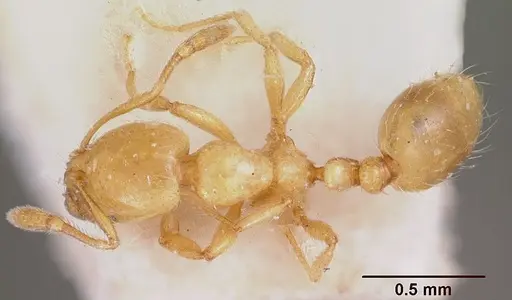
CASENT0103198
View on AntWeb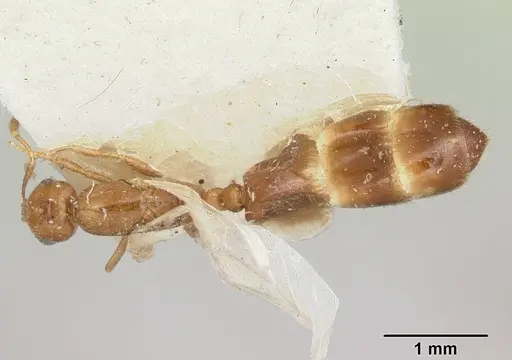
CASENT0178131
View on AntWeb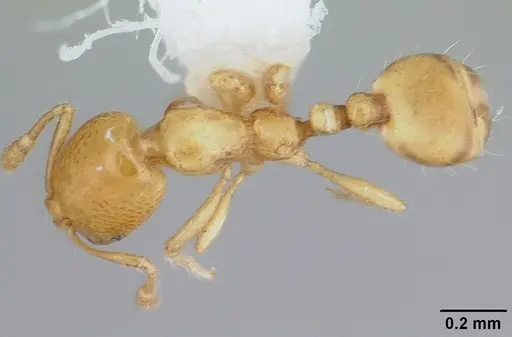
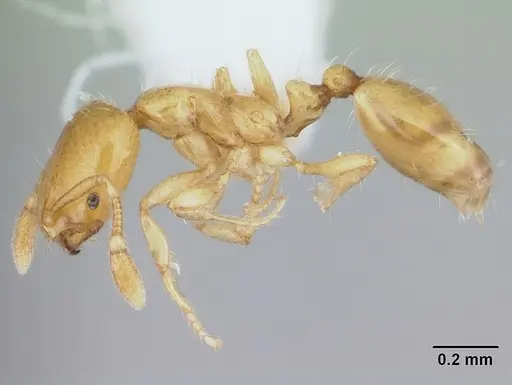
CASENT0904628
View on AntWeb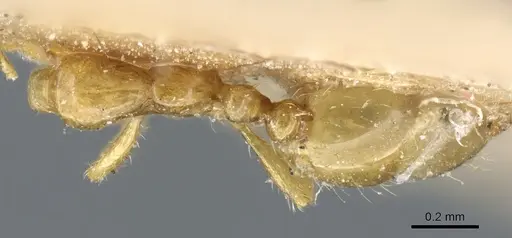
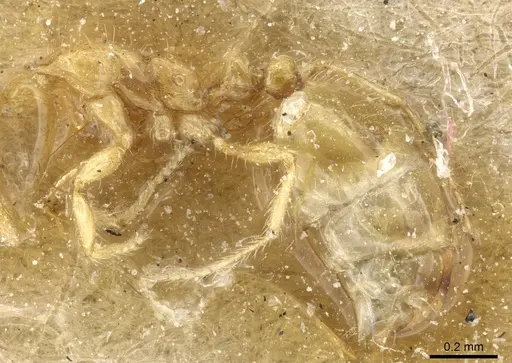
CASENT0908821
View on AntWeb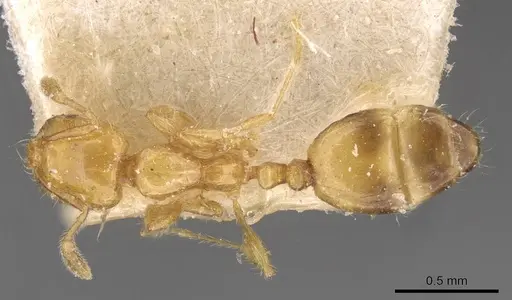
CASENT0908824
View on AntWeb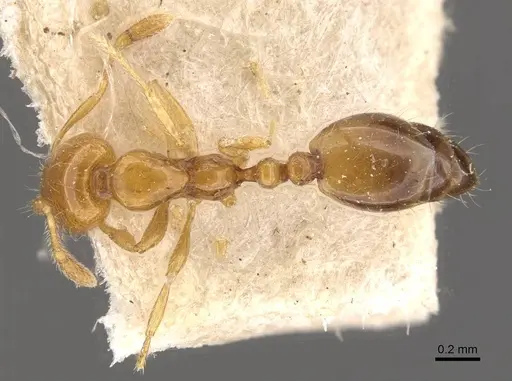
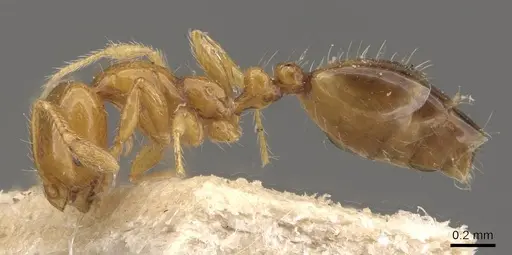
CASENT0913927
View on AntWeb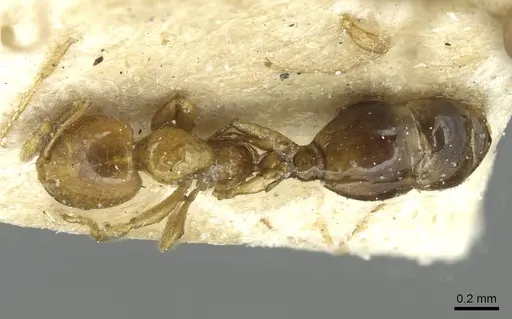
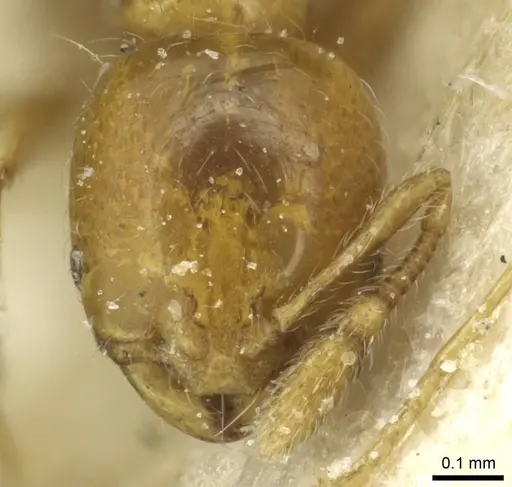
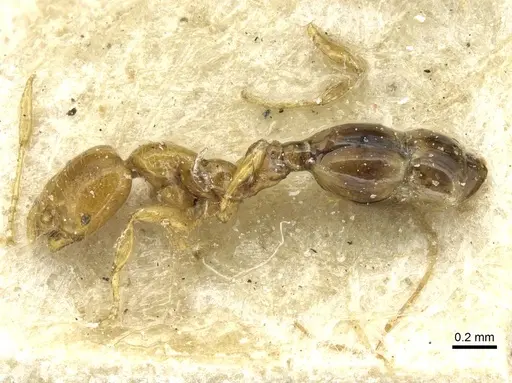
CASENT0913935
View on AntWeb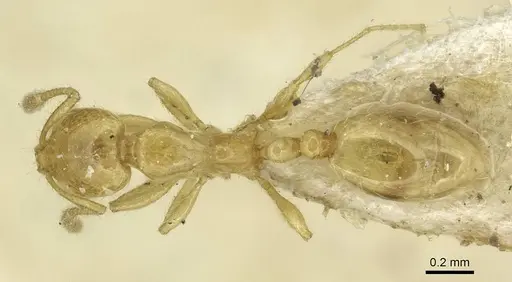
CASENT0923113
View on AntWeb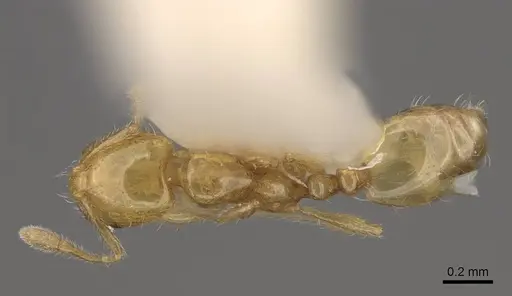
FOCOL0063-1
View on AntWeb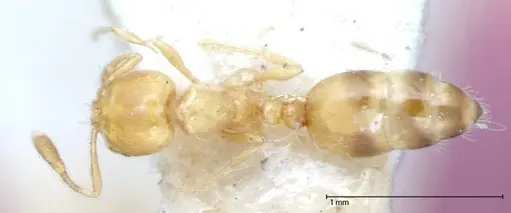
FOCOL0063-2
View on AntWeb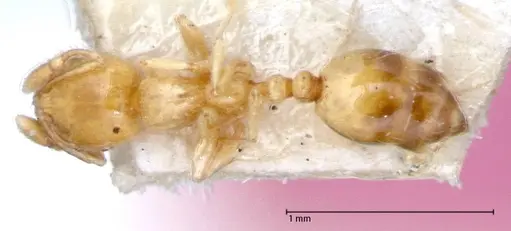
FOCOL0064-1
View on AntWeb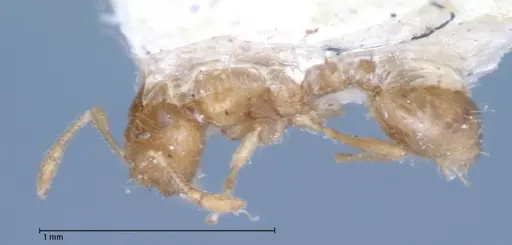
FOCOL0064-2
View on AntWeb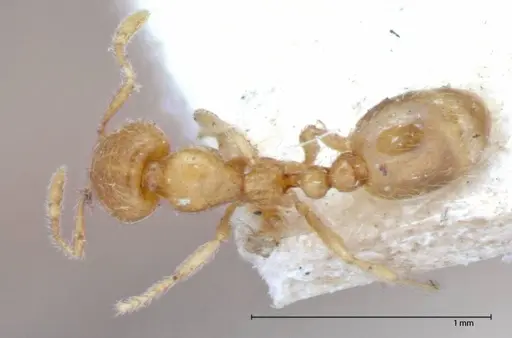
FOCOL0706
View on AntWeb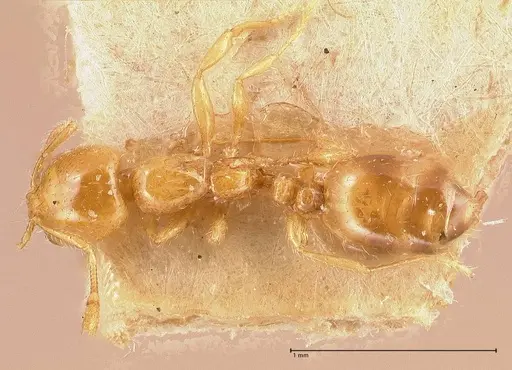
FOCOL0707
View on AntWeb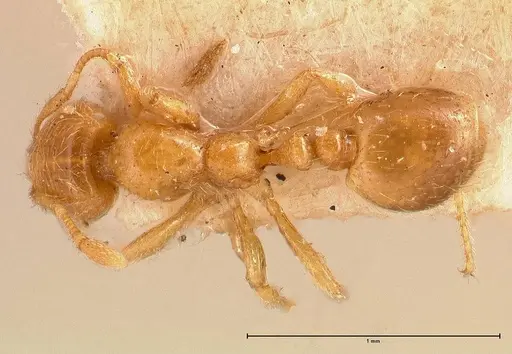
Literature
Loading distribution map...Loading products...