
Solenopsis castor
- Sci. Name
- Solenopsis castor
- Tribe
- Solenopsidini
- Subfamily
- Myrmicinae
- Author
- Forel, 1893
- Distribution
- Found in 3 countries
Introduction
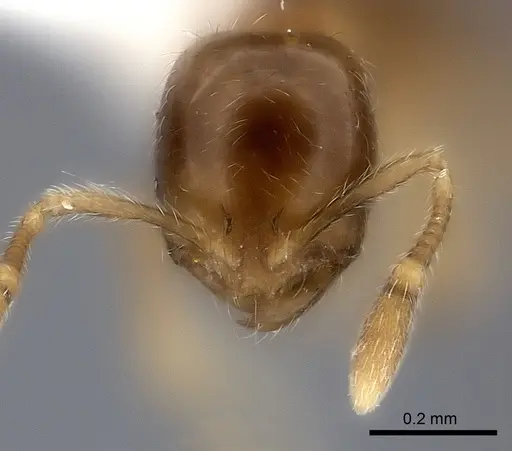
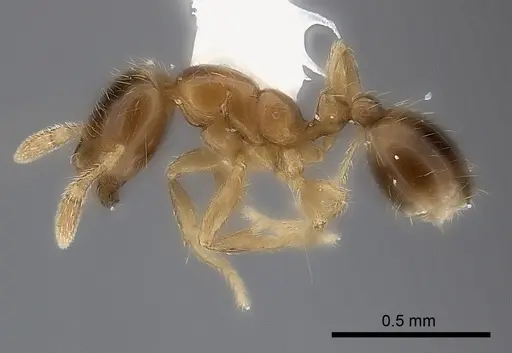
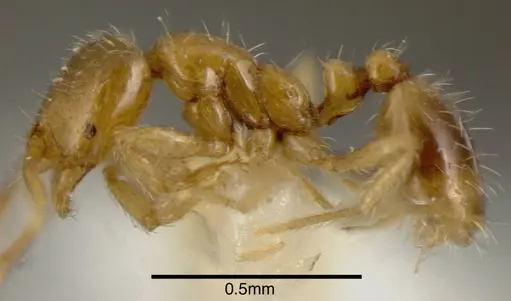
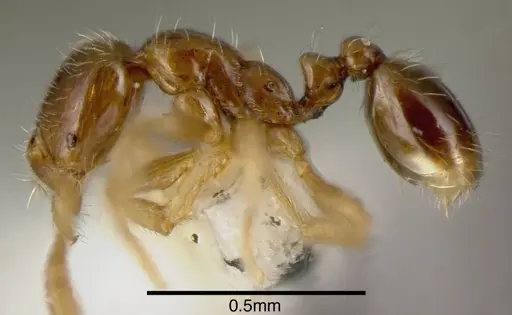
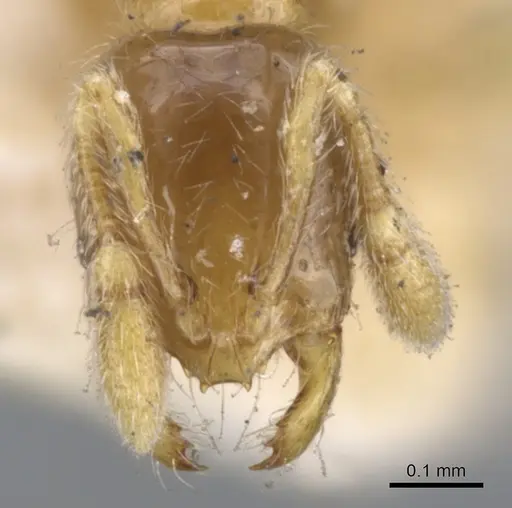
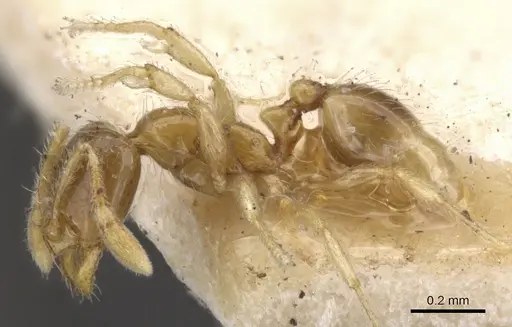
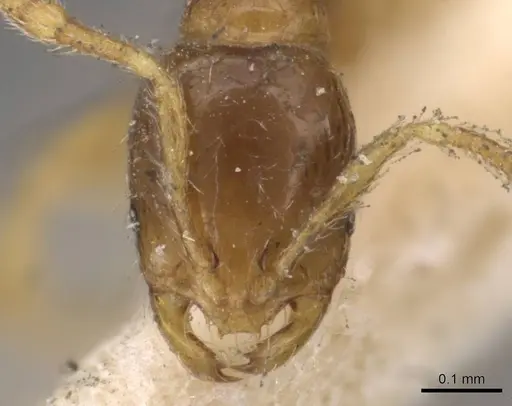
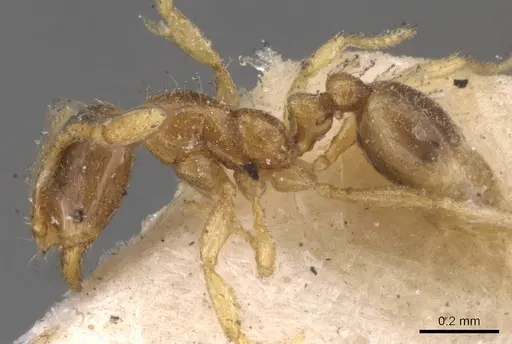
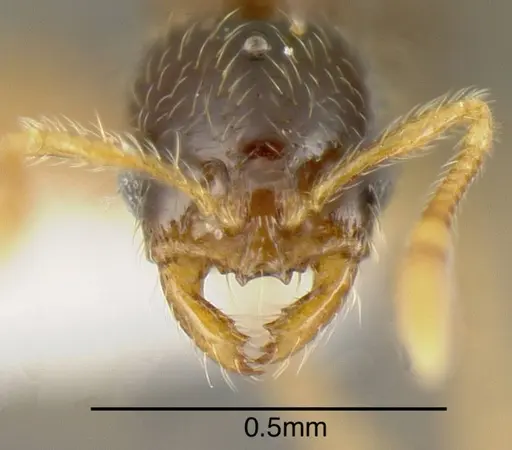
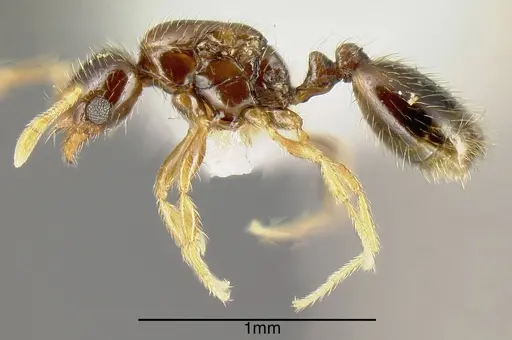
Solenopsis castor is a tiny thief ant measuring just 1.32-1.50 mm for workers and 2.88-3.72 mm for queens . Workers are dark brown in Mexico and Central America, transitioning to medium brown in Caribbean populations, with yellowish legs and antennae that stand out against their dark bodies . The species belongs to the Solenopsis molesta species complex, these ants are called thief ants because they often nest near other ant species and steal food and brood from their neighbors . This species ranges from Mexico (Colima) south through Central America to Panama, with scattered populations across Caribbean islands including St. Vincent, Grenada, and Dominica, plus Bolivia in South America . They nest on the soil and under stones in tropical forest areas, living in the leaf litter layer where they forage . Like other members of the tribe Solenopsidini, they have a functional stinger and can deliver a painful sting for their size.
Quick Summary
- Difficulty: Medium
- Origin & Habitat: Tropical regions of Mexico, Central America, Caribbean islands, and Bolivia. Nests on soil and under stones in tropical forest litter [1][2].
- Colony Type: Unknown. No colony structure data is available for this species.
- Size & Growth:
- Queen: 2.88-3.72 mm [1][2]
- Worker: 1.32-1.50 mm [1][2]
- Colony: Unknown. No colony size data for this species.
- Growth: Unknown. Estimated moderate based on related litter-dwelling Solenopsis species, but unconfirmed.
- Development: Unknown. Estimated 5-8 weeks at 24-28°C based on related Solenopsis species, but unconfirmed for this species. (Development details are unconfirmed. The tropical distribution suggests faster development than temperate species.)
- Antkeeping:
- Temperature: Keep at 24-28°C, inferred from the tropical lowland forest habitat [1]. Provide a gentle heat gradient so the colony can self-regulate. Avoid prolonged temperatures below 20°C.
- Humidity: High humidity suitable for forest litter. Keep the substrate consistently moist but not waterlogged. Provide a moisture source like a water tube or dampened Y-tong block.
- Diapause: No. Tropical species do not require hibernation. Maintain warm temperatures year-round.
- Nesting: Miniature setups work best. Use Y-tong (AAC) or plaster nests with chambers sized for tiny ants. Test tubes are fine for founding. Seal all gaps with fine mesh (0.5 mm or smaller) to prevent escapes.
- Behavior: Shy and reclusive, these litter-dwelling ants avoid light and prefer dark, humid spaces. They forage individually rather than in trails. Workers are small enough to squeeze through standard escape barriers, so fine mesh is essential. They can sting (Solenopsidini tribe) but rarely show aggression toward keepers. Escape prevention is critical due to their minute size.
- Common Issues: tiny size makes escapes likely without fine mesh barriers, workers can squeeze through gaps larger ants cannot., colonies can drown in open water reservoirs, use narrow tubes or damp sponges instead., mold problems if humidity is too high without ventilation, balance moisture and airflow., stress from excessive light and disturbance, keep the nest covered and minimize handling., unknown founding behavior may complicate care, do not assume claustral founding, observe the queen closely.
Housing and Nest Setup
Because Solenopsis castor workers are only 1.3-1.5 mm, standard ant keeping setups need modification. Y-tong (AAC) nests work well if you use fine mesh to prevent escapes, these tiny ants can squeeze through gaps that larger ants cannot [1]. Plaster nests with small chambers are another good option. Avoid setups with large, open water reservoirs as these tiny ants can easily drown. Test tube setups work for founding colonies, but use small-diameter tubes and ensure the cotton plug is tight. Place the nest in a dark area or cover it with something opaque to reduce stress from light exposure. These ants prefer to stay hidden in humid, dark spaces matching their forest floor habitat [1].
Feeding and Diet
No specific dietary data for Solenopsis castor is recorded in the research. Based on the habits of related thief ants, they likely accept small protein sources and sugar. In captivity, offer small insects like fruit flies, pinhead crickets, and tiny arthropods. They can be fed sugar water, honey, or diluted honey water as an energy source. Given their tiny size, prey items should be appropriately small, fruit flies and springtails are ideal. Feed small amounts of protein every 2-3 days, replacing uneaten food before it molds. Sugar should be available constantly in a small container that won't drown the workers. Remove any moldy food immediately to prevent colony health issues.
Temperature and Seasonal Care
Maintain temperatures between 24-28°C year-round. These are tropical ants from lowland forests in Mexico, Central America, and the Caribbean, so they do not require hibernation or cooling periods [1]. A heating cable on one side of the nest creates a temperature gradient allowing the colony to self-regulate. Place the heat source on top of the nest, not underneath, to avoid drying out the moisture system. Room temperature in the low-to-mid 20s°C is acceptable if your home stays consistently warm. Avoid temperatures below 20°C for extended periods as this can slow or stop brood development.
Humidity Management
Keep the nest environment humid to match their tropical forest litter habitat [1]. Use a water tube or moisture system in the nest to maintain humidity. The substrate should feel damp but never waterlogged, standing water kills colonies through drowning and mold. Mist the outworld occasionally but avoid direct misting of the nest. Good ventilation is essential to prevent mold while maintaining humidity. If you see condensation constantly dripping inside the nest, reduce moisture. If the nest appears dry and workers are clustering at the water tube, increase moisture.
Escape Prevention
This is critical for Solenopsis castor due to their minute size. Workers are only 1.3-1.5 mm, smaller than many ant species and capable of squeezing through standard barrier gaps [1]. Use fluon (ant barrier) on container rims and ensure all enclosure lids fit tightly. If using test tubes, wrap parafilm around the lid connection point. Fine mesh (0.5 mm or smaller) is essential for any ventilation holes. Check enclosures daily during founding and when colonies are small. A single escaped worker can be nearly impossible to find in a room.
Colony Development
Solenopsis castor queens measure 2.88-3.72 mm, making them larger than the tiny workers [1][2]. Founding behavior is unconfirmed, typical Solenopsis are claustral, but this has not been documented for this species. If claustral, the queen would seal herself in a small chamber and raise the first brood on stored fat reserves without foraging. Expect first workers (nanitics) in an estimated 5-8 weeks at optimal temperatures of 24-28°C, based on related Solenopsis. Nanitic workers will be very small. Colony size at maturity is unknown.
Frequently Asked Questions
How long does it take for Solenopsis castor to have first workers?
Unknown specifically for this species. Based on typical Solenopsis development, the first workers (nanitics) appear roughly 5-8 weeks after egg laying at 24-28°C, but this has not been confirmed for Solenopsis castor.
Can I keep Solenopsis castor in a test tube?
Yes, test tubes work well for founding colonies. Use a small-diameter tube and ensure the cotton plug is packed tightly. Add a second water tube once the colony has around 10-15 workers. Cover the tube with something opaque to reduce light stress. Watch for escapes at the cotton plug.
What do Solenopsis castor ants eat?
No specific feeding data exists for this species. Based on related thief ants, they likely accept small protein sources like fruit flies, pinhead crickets, and tiny arthropods. Sugar sources like honey water or sugar water are also accepted.
Are Solenopsis castor good for beginners?
They are medium difficulty. The main challenges are escape prevention (they are very tiny) and maintaining proper humidity. If you can handle small ants carefully, they are manageable. Their small size and need for fine mesh make them slightly more challenging than larger species.
How big do Solenopsis castor colonies get?
Unknown. No colony size records exist for this species. Based on their tiny size and litter-dwelling habits, they likely form small colonies, but this is speculative.
Do Solenopsis castor need hibernation?
No, they are tropical ants from Mexico, Central America, and the Caribbean. They do not require hibernation. Keep them warm (24-28°C) year-round.
Why are my Solenopsis castor escaping?
They are extremely small (1.3-1.5 mm) and can squeeze through tiny gaps. Use fluon on all rims, ensure lids fit tightly, and use fine mesh (0.5 mm or smaller) for any ventilation. Check enclosures daily and seal any gaps you find.
When should I move Solenopsis castor to a formicarium?
Move them when the test tube becomes crowded or the water tube runs dry. For this tiny species, a small Y-tong or plaster nest with miniature chambers works well. Do not move too early, wait until you have at least 30-50 workers.
Can I keep multiple Solenopsis castor queens together?
Not recommended. Colony structure is unknown, it might be monogyne or polygyne, but combining queens is risky and often leads to fighting. Keep single queens unless you observe tolerance in the wild.
Report an Issue
The current care sheet is based fully on literature. See inconsistencies, or something that's incorrect? Please , it will be resolved after review from an admin. Contributing to the blogs tab also helps providing information, to make us be able to further improve the caresheets. Thank you for your support!
References

This caresheet is licensed under CC BY-SA 4.0 .
Community Blogs
CASENT0217930
View on AntWeb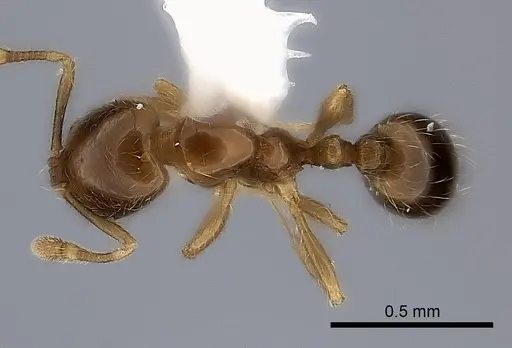
CASENT0636193
View on AntWeb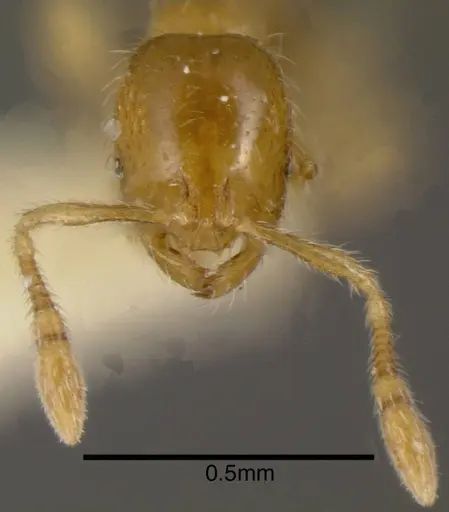
CASENT0636194
View on AntWeb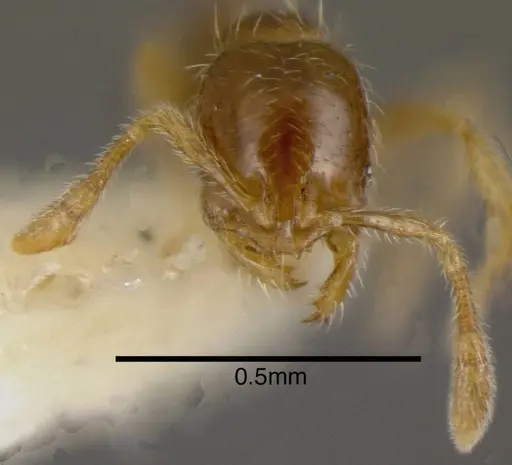
CASENT0902344
View on AntWeb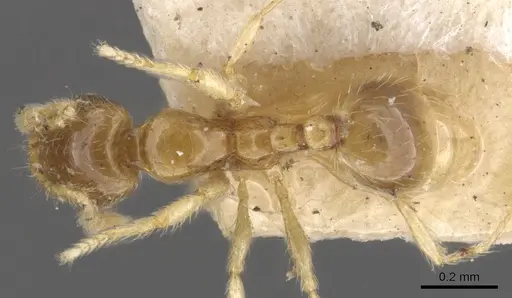
CASENT0908819
View on AntWeb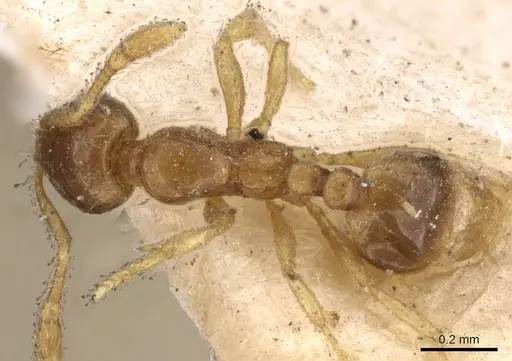
INBIOCRI001237585
View on AntWeb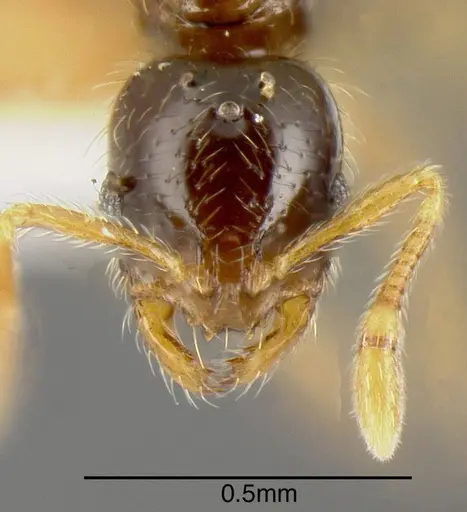
Literature
Loading distribution map...Loading products...