
Solenopsis brevicornis
- Sci. Name
- Solenopsis brevicornis
- Tribe
- Solenopsidini
- Subfamily
- Myrmicinae
- Author
- Emery, 1888
- Distribution
- Found in 7 countries
Introduction
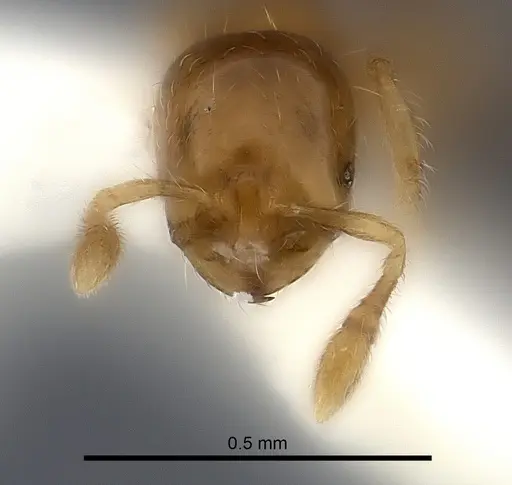
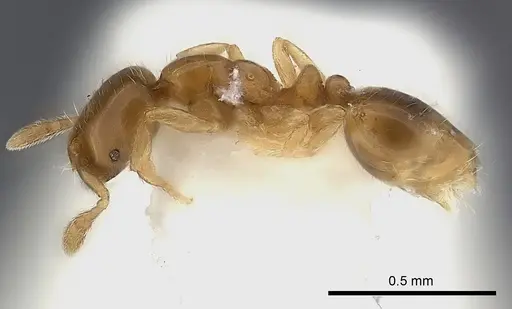
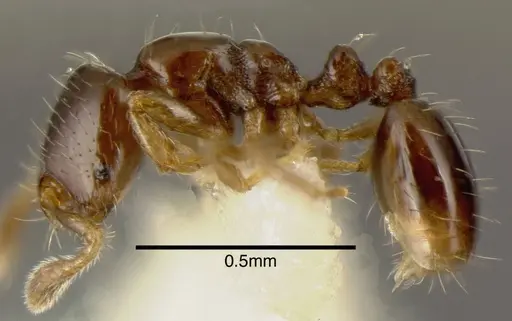
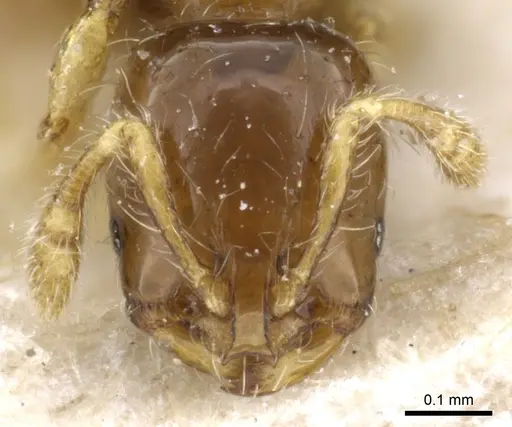
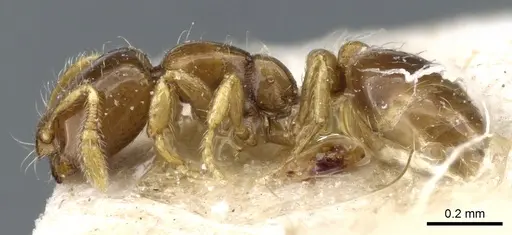
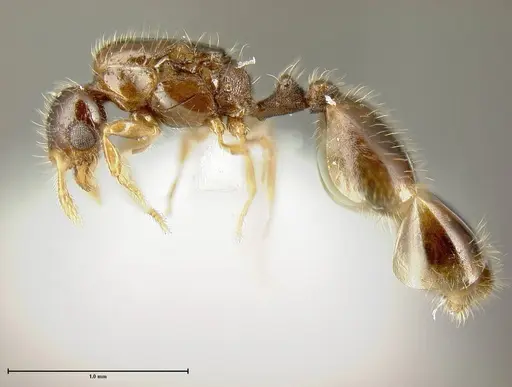
Solenopsis brevicornis is a tiny thief ant. Workers measure just 1.20-1.32 mm , making them one of the smaller ant species you'll come across. They are a uniform yellow or brown color with a short scape (antenna base) and short funiculus segments that help tell them apart from similar ants . Their head is slightly longer than wide, and they have roughened sculpturing on the sides of the thorax and petiole . These ants belong to the Solenopsis brevicornis species complex and are found across the Neotropical region, from Mexico south to Brazil . They've been recorded in countries including Guatemala, Costa Rica, Panama, Colombia, Paraguay, French Guiana, and Guadeloupe . In the wild, they live in riparian tropical rainforest, tropical rainforest, and disturbed tropical rainforest, usually in clay soil at elevations from 11 to 1400 meters . They are litter-dwelling ants, meaning they spend most of their time in the layer of dead leaves and debris on the forest floor .
Quick Summary
- Difficulty: Medium
- Origin & Habitat: Neotropical region from Mexico to Brazil, including Guatemala, Costa Rica, Panama, Colombia, Paraguay, French Guiana, and Guadeloupe. Found in riparian tropical rainforest soil, tropical rainforest, and disturbed tropical rainforest clay soil at elevations of 11-1400 m [1][2].
- Colony Type: Colony structure is not directly documented in the literature. Based on patterns in other Solenopsis species, colonies are likely monogyne (single queen), but polygyny (multiple queens) cannot be ruled out. Ergatoid (wingless) replacement queens have not been recorded for this species.
- Size & Growth:
- Queen: Unknown in available literature, inferred from related Solenopsis species (probably around 3-4 mm)
- Worker: 1.20-1.32 mm [1]
- Colony: Unknown, typically thief ant colonies reach several hundred workers, but no specific data exists for this species
- Growth: Moderate, estimated based on tropical litter-dwelling ants
- Development: Estimated 5-8 weeks at warm tropical temperatures (24-28°C), based on similar small Myrmicinae species (Development time is an estimate. Warmer temperatures within a safe range may speed up growth.)
- Antkeeping:
- Temperature: Keep at warm tropical conditions, roughly 24-28°C. These ants come from rainforest habitats [1]. Provide a slight gradient so workers can choose cooler areas around 22°C. Avoid long periods below 20°C.
- Humidity: High humidity is crucial, keep the substrate consistently moist but not waterlogged. These litter-dwelling rainforest ants need damp conditions. Aim for the nest area to feel like damp forest soil, with some drier spots for foraging.
- Diapause: No, this is a tropical species that does not need hibernation. Keep warm and stable all year.
- Nesting: They naturally nest in soil and leaf litter [1]. In captivity, a naturalistic setup with a moist soil/peat mixture works well, or a Y-tong (AAC) or plaster nest with high humidity. Chambers must be scaled to their tiny 1.2 mm size.
- Behavior: These are shy, non-aggressive ants that prefer to avoid fights. They are not defensive and their tiny sting is negligible to humans. However, they are good at escaping tiny gaps, use fine mesh barriers. They show typical thief ant behavior: foraging for small prey and possibly raiding neighboring ant colonies for food. Active mainly in the litter layer.
- Common Issues: escape prevention is critical, at 1.2 mm they can squeeze through very small gaps, use fine mesh (0.5 mm or tighter) and seal all connections, humidity management is tricky, too dry and the colony declines, too wet and mold takes over, founding phase is slow, claustral queens (if that is their method) may take weeks to months to raise the first workers, wild-caught colonies may carry parasites that can wipe them out in captivity, overheating above 32°C can be lethal
Housing and Nest Setup
Because these ants are so tiny (1.2 mm workers), you need to block any small gaps. Use fine mesh with openings no larger than 0.5 mm. A naturalistic setup with a moist soil/peat mixture works well since they naturally nest in forest litter and clay soil [1]. Keep the substrate damp but not soaked. A Y-tong (AAC) or plaster nest with high humidity is also suitable, but make sure the chambers are sized for their tiny bodies. They don't need a huge outworld, a small foraging area with damp substrate is enough. Just be sure to seal everything tightly.
Temperature and Humidity Management
Solenopsis brevicornis comes from tropical rainforests, so they need warmth and humidity [1]. Keep the temperature around 24-28°C, with a slight gradient for the ants to choose. You can create this with a heating cable on one side of the nest. Avoid temperatures below 20°C for long periods. For humidity, keep the substrate damp, like a squeezed-out sponge. Don't let water pool, but don't let it dry out either. You can mist the nest occasionally, but a water reservoir or moist substrate is better for stable humidity. Watch for mold, which means it's too wet.
Feeding and Diet
Like other Solenopsis, these ants are omnivorous but lean towards protein. In captivity, offer tiny live prey such as fruit flies, springtails, and small crickets. They may also take protein-based liquid foods, but their mouthparts are very small. A small drop of honey or sugar water can be given occasionally, but protein should be the main food. Feed small amounts every 2-3 days and remove uneaten food to prevent mold. Their name 'thief ant' comes from their habit of raiding other ant colonies for food and brood, in captivity you might see them being competitive foragers, but they are too small to attack larger ants. [1]
Colony Founding and Growth
Founding behavior has not been directly observed, but based on other Solenopsis, the queen is likely claustral, she seals herself in a small chamber and survives on her fat reserves until the first workers emerge. This founding period can take 1-3 months. Be patient and don't disturb the queen. Once nanitic (first) workers appear, the colony grows slowly at first. Growth rate is probably moderate, and the colony may eventually reach several hundred workers. Interestingly, males have never been collected in the wild [1], which suggests unusual reproductive biology, perhaps ergatoid males or queens can reproduce without males.
Behavior and Temperament
These ants are shy and non-aggressive. They will flee rather than fight, and their sting is too small to bother humans. They forage mainly in the litter layer, searching for small insects and honeydew. They may try to sneak into other ant nests to steal food, typical thief ant behavior. Communication is through chemical trails. They are most active when it's warm, but in stable tropical conditions they can forage day and night. Their small size makes them vulnerable to larger predators, so they stay hidden. [1]
Seasonal Care
As a tropical species from near the equator, Solenopsis brevicornis does not need hibernation [1]. Keep warm conditions all year. If your room temperature drops in winter, use a heating mat or cable to maintain 24-28°C. Humidity should stay high year-round, but you may need to check water reserves more often in winter if heating dries the air. There is no expected seasonal slowdown.
Escape Prevention
Despite being only 1.2 mm, these ants can escape through incredibly small gaps. Use fine mesh (0.5 mm or tighter) on all vents. Apply Fluon or a similar barrier around the edges of the outworld. Seal all connections between nest and outworld with tape or other barriers. Check for new gaps regularly. A line of baby powder mixed with alcohol (or a commercial ant barrier) around the foraging area adds extra protection. [1]
Frequently Asked Questions
How long does it take for Solenopsis brevicornis to raise first workers?
Based on related Solenopsis species, expect 1-3 months from founding to the first nanitic workers. The founding queen (if claustral) relies on stored fat reserves. Avoid disturbing her during this time.
What do Solenopsis brevicornis ants eat?
They are omnivorous but need plenty of protein. Offer small live prey like fruit flies, springtails, and tiny crickets. A drop of honey or sugar water can be given occasionally, but protein should be the main food. Feed every 2-3 days.
Are Solenopsis brevicornis good for beginners?
They are medium difficulty. Their small size and high humidity needs require attention, but they are not aggressive and don't need hibernation. Best for keepers who have successfully kept at least one colony.
What temperature do Solenopsis brevicornis need?
Keep them at 24-28°C, like their tropical rainforest home. A gradient with a cooler area around 22°C is helpful. Avoid dropping below 20°C or going above 32°C.
How big do Solenopsis brevicornis colonies get?
Colony size is not documented specifically. Based on similar thief ants, they likely reach several hundred workers. They are not among the largest Solenopsis species.
Can I keep Solenopsis brevicornis in a test tube?
Test tubes can work for founding, but they may quickly become cramped. A naturalistic setup with moist soil or a small Y-tong/plaster nest is better long-term. Be ready to move them when the colony grows beyond a few dozen workers.
Do Solenopsis brevicornis need hibernation?
No, this tropical species does not need hibernation. Keep warm and stable all year. Temperature drops can harm the colony.
Why are my Solenopsis brevicornis escaping?
They are tiny and can slip through very small gaps. Use fine mesh (0.5 mm or tighter), apply Fluon barriers, and seal all connections. Check regularly for new gaps.
What humidity do Solenopsis brevicornis need?
High humidity, keep the substrate consistently moist but not waterlogged. They are litter-dwelling rainforest ants that need damp conditions. Watch for mold as a sign of too much moisture.
When should I move Solenopsis brevicornis to a formicarium?
Move them when the founding setup becomes cramped (typically 30-50 workers). Make sure the new setup can maintain high humidity, naturalistic or plaster nests are good choices.
Are Solenopsis brevicornis aggressive?
No, they are shy and non-aggressive. They avoid confrontation and prefer to hide. Their small size makes them vulnerable, so they rely on stealth.
Report an Issue
The current care sheet is based fully on literature. See inconsistencies, or something that's incorrect? Please , it will be resolved after review from an admin. Contributing to the blogs tab also helps providing information, to make us be able to further improve the caresheets. Thank you for your support!
References

This caresheet is licensed under CC BY-SA 4.0 .
Community Blogs
CASENT0178140
View on AntWeb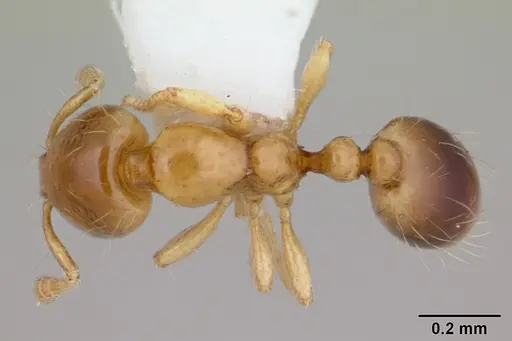
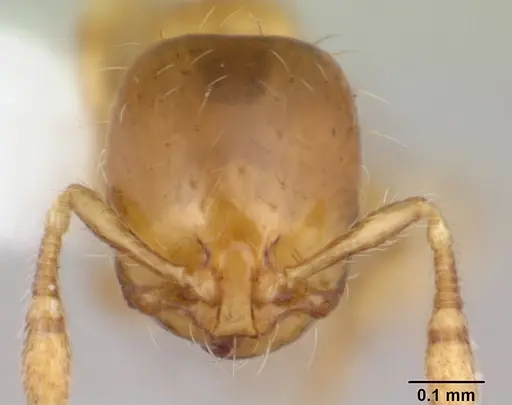
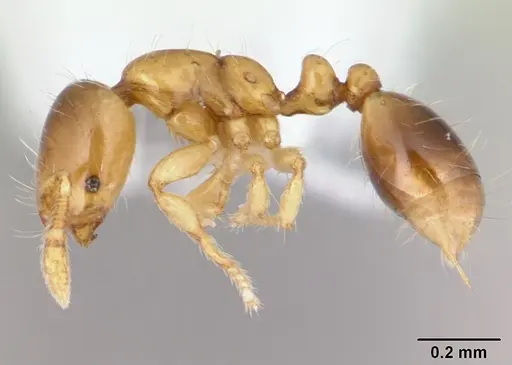
CASENT0217929
View on AntWeb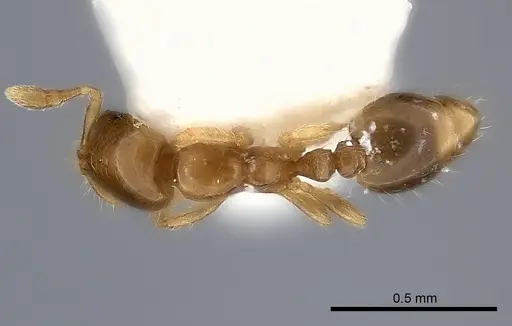
CASENT0636192
View on AntWeb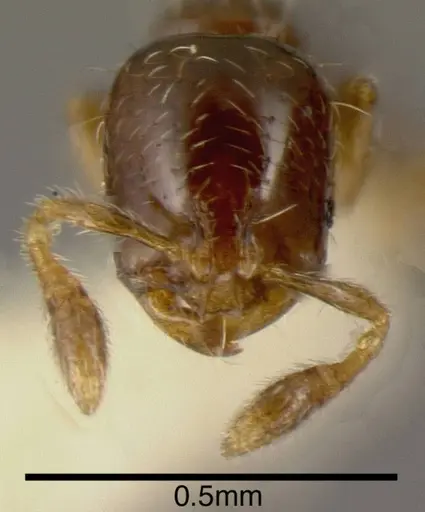
CASENT0904626
View on AntWeb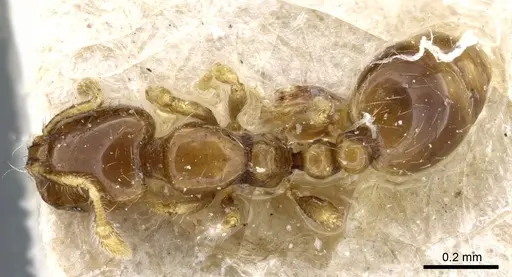
CASENT0913879
View on AntWeb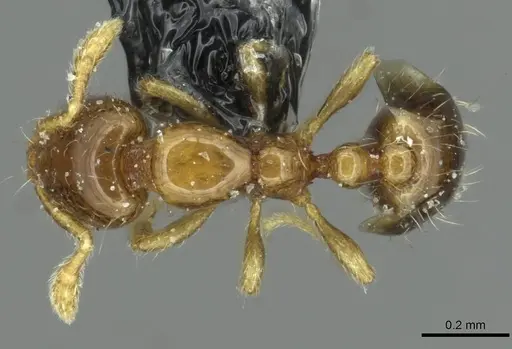
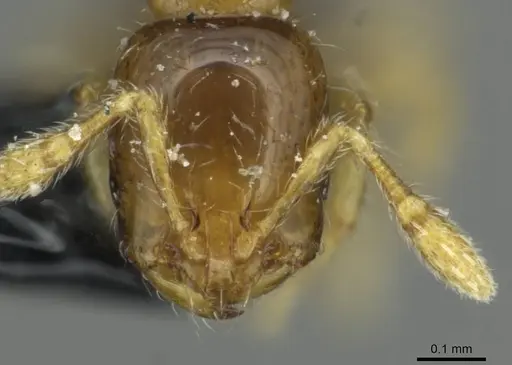
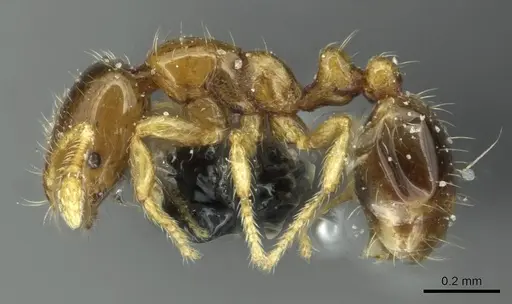
CASENT0913880
View on AntWeb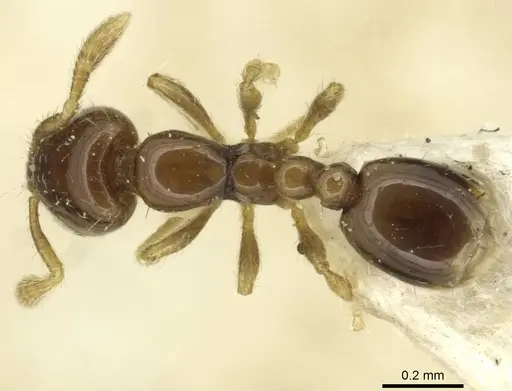
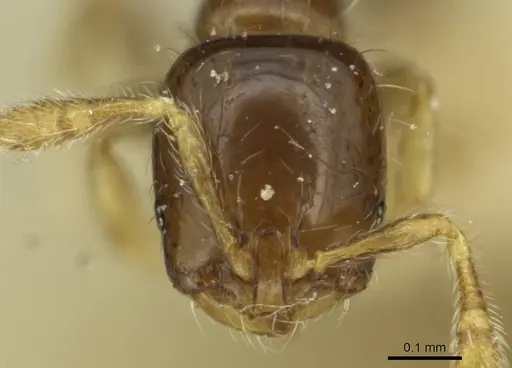
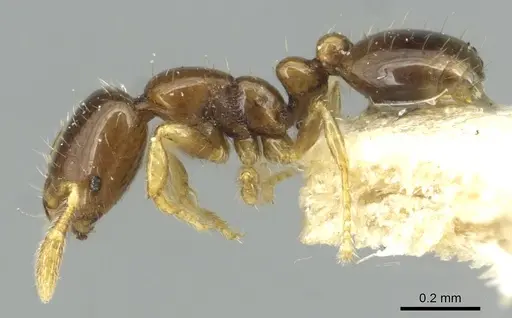
ECOFOG-IT14-0058-97
View on AntWeb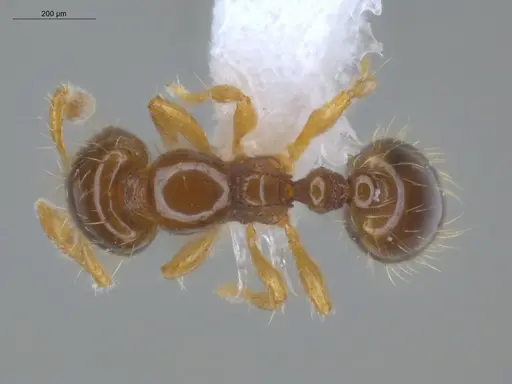
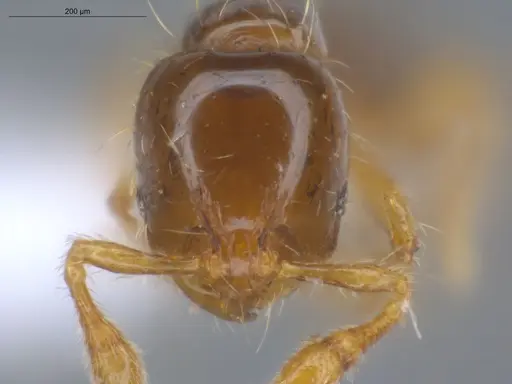
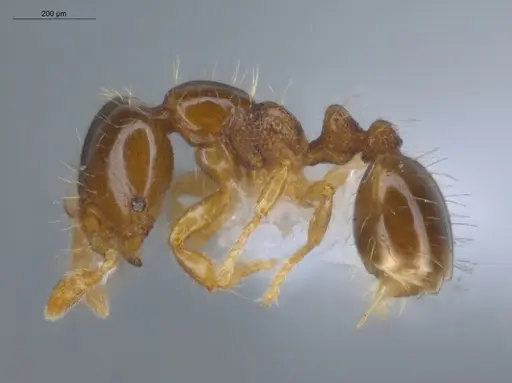
INBIOCRI001282327
View on AntWeb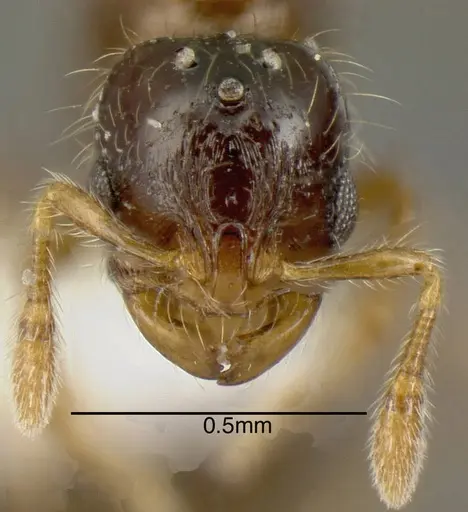
Literature
Loading distribution map...Loading products...