
Solenopsis altinodis
- Sci. Name
- Solenopsis altinodis
- Tribe
- Solenopsidini
- Subfamily
- Myrmicinae
- Author
- Forel, 1912
- Distribution
- Found in 3 countries
Introduction
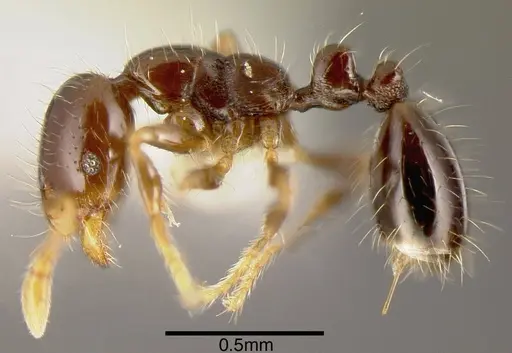
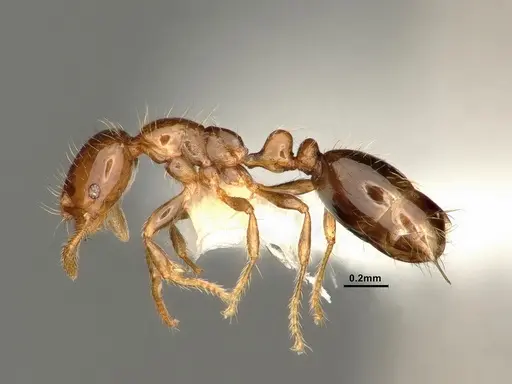
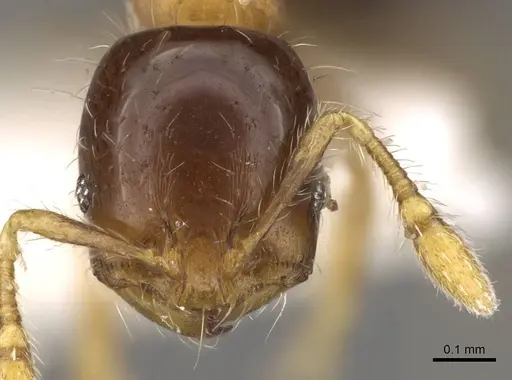
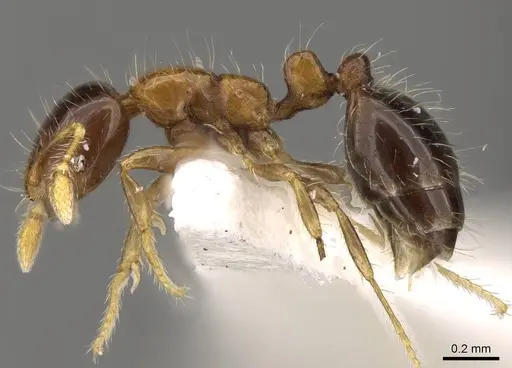
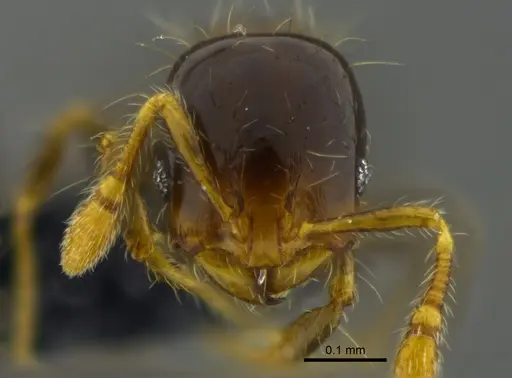
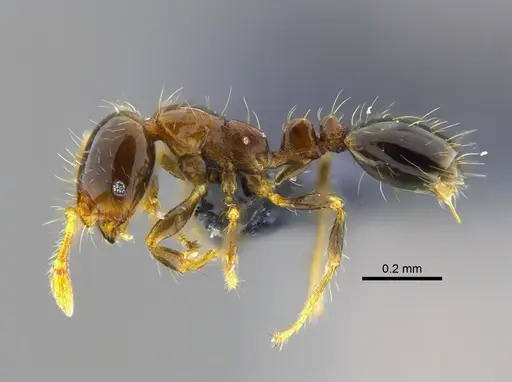
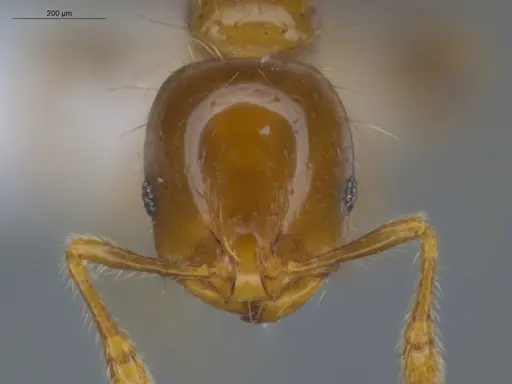
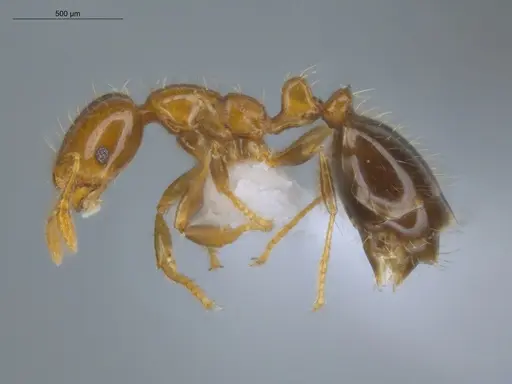
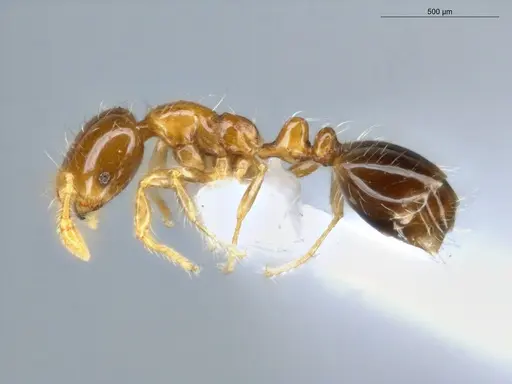
Solenopsis altinodis is a tiny thief ant, part of the Solenopsis wasmannii species complex. Workers measure just 1.56-1.80 mm in total length . They are bicolored - the head and mesosoma are golden yellow, while the gaster is dark brown . Their eyes are relatively large with 10-12 ommatidia, and the petiole (the narrow waist) is about as wide as it is tall when viewed from the side, with a rounded front edge . The whole body is covered in coarse, erect hairs about 0.1 mm long . This species is found across the Neotropical region from Costa Rica to Venezuela, including Colombia, Guyana, French Guiana, Suriname, and Trinidad . It lives in ridge forest litter at low elevations (e.g.,110 m in Colombia) and nests in the ground alongside Tachigalia ants - but not inside the plant petioles . Notably, it destroys colonies of Coccidotrophus and Eunausibius scale insects that it associates with . It forages actively on vegetation and shows a vigorous aggressive response when defending resources like Heliconia flowers . Only the worker caste has been described - queens and males are unknown .
Quick Summary
- Difficulty: Medium
- Origin & Habitat: Neotropical lowland rainforest. Found in ridge forest litter in Costa Rica at 110 m elevation, ground nests alongside Tachigalia ants in Venezuela, and on vegetation in Trinidad and Colombia [1].
- Colony Type: Unconfirmed, only workers have been described, the queen and male are unknown [1].
- Size & Growth:
- Queen: Unknown, queen not described [1]
- Worker: 1.56-1.80 mm [1]
- Colony: Unknown, no data available
- Growth: Unknown, no data available
- Development: Unknown, no direct data. Related small tropical Solenopsis species may take 4-6 weeks at 24-28°C, but this is speculative. (Direct data unavailable. Queen and male unknown, so captive breeding documentation does not exist.)
- Antkeeping:
- Temperature: As a tropical species from lowland Neotropical forests, keep at 24-28°C. Avoid temperatures below 20°C. Use a gentle gradient with a heating cable on one side [1].
- Humidity: Moderate to high. They inhabit tropical forest litter, so keep the nest substrate consistently moist but not waterlogged. Provide a water tube or drop of water on cotton.
- Diapause: No, as a tropical species, they do not require hibernation. Keep temperatures stable year-round.
- Nesting: They naturally nest in soil and ground litter. In captivity, a test tube setup works well for small colonies. For larger colonies, use a Y-tong (AAC) or plaster nest with narrow chambers scaled to their tiny 2 mm size. Avoid large open spaces. Escape prevention is critical, use fine mesh and tight-fitting barriers.
- Behavior: They are aggressive and defensive. On Heliconia flowers they showed a vigorous aggressive response (level 3) when disturbed [3]. They are active foragers on vegetation, collecting resources, patrolling, and even nesting in flower parts [3]. As thief ants, they may steal food from other nests and reportedly destroy scale insect colonies for food [1]. Their tiny size means excellent escape prevention is essential, they squeeze through standard gaps, so use fluon barriers and fine mesh.
- Common Issues: escape prevention is critical due to their tiny size (under 2 mm), standard gaps and cotton plugs are not enough., tropical temperature needs, they stress below 24°C and do not tolerate cold., aggressive behavior, they can sting (mild to humans) and will defend food/nest vigorously, making handling with other species unwise., queen and male unknown, captive breeding is not documented, wild colonies are the only source., small size makes them vulnerable to drowning in water tubes, use thin cotton or small tubes.
Appearance and Identification
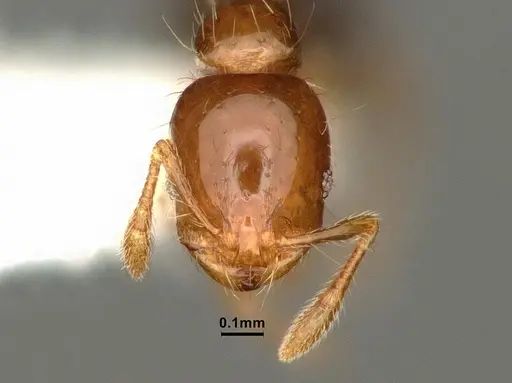
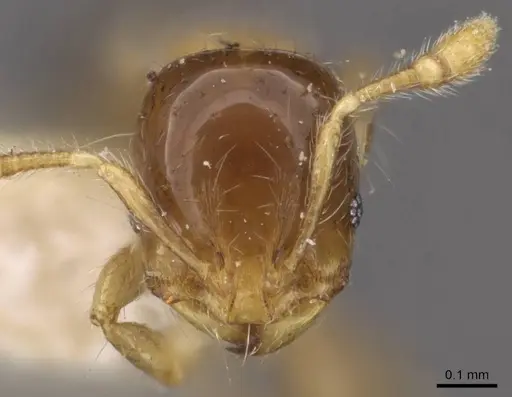
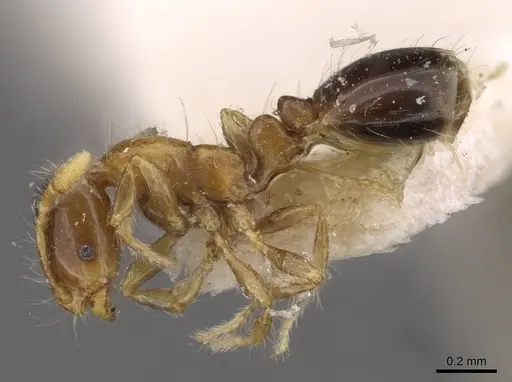
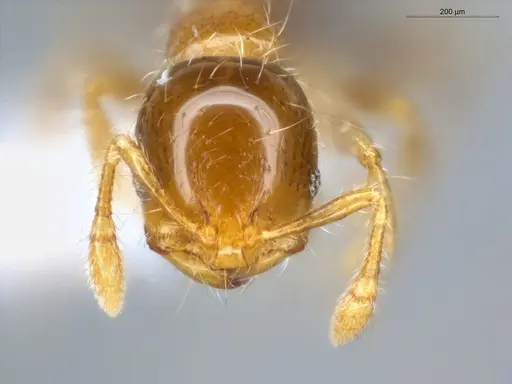
Solenopsis altinodis is one of the smallest ant species you might keep, with workers measuring 1.56-1.80 mm in total length [1]. They are bicolored: the head and mesosoma are golden yellow, while the gaster is dark brown [1]. Their eyes are relatively large for their size, containing about 10-12 ommatidia [1]. The front edge of the clypeus (the plate above the mouth) lacks teeth, and the clypeal carinae form a distinctive inward turn [1]. The petiole is roughly as wide as it is tall when seen from the side, with the front edge rounded and lower than the back edge [1]. The body is covered with coarse, erect hairs about 0.1 mm long, giving them a slightly fuzzy look under magnification [1]. In top view, the petiole is laterally compressed and narrower at the front [1].
Natural History and Relationships
This species lives in an unusual relationship with Tachigalia ants, it nests in the ground alongside their colonies, but not inside the plant petioles where Tachigalia typically live [1]. It has also been found with the beetles Coccidotrophus and Eunausibius, and it actively destroys their colonies, likely for food or honeydew [1]. In Venezuela, it forages on vegetation, and in Costa Rica it was collected from ridge forest litter at 110 m elevation [1]. At Heliconia hirsuta flowers, it is a common visitor, collecting resources, tending to the flowers, and even nesting in the inflorescences [3]. When disturbed, they respond with a vigorous aggressive response (level 3) [3].
Temperature and Care
Solenopsis altinodis comes from the tropical lowland forests of Central and South America, so it needs warm, stable temperatures [1]. Aim for 24-28°C. Avoid placing the enclosure near air conditioning, drafts, or windows with direct sun that can overheat. Use a small heating cable on one side of the nest to create a gradient. Do not heat from underneath, as it may dry out the substrate too quickly. Since they are tropical, they do not need hibernation, keep temperatures consistent year-round.
Housing and Nesting
Because of their tiny size (under 2 mm), housing must be escape-proof. Start a new colony in a standard test tube with water and a cotton plug, the dark, humid environment suits them well. For established colonies, use a Y-tong (AAC) or plaster nest with narrow chambers scaled to their size. Avoid tall or open spaces that make them feel exposed. They naturally nest in soil and ground litter, so adding a thin layer of moist sand or clay can encourage tunneling. Escape prevention is critical: use fine mesh on all ventilation, apply fluon to the inner edges of the outworld, and check seals regularly. Standard test tube cotton may not stop them, consider using a tight-fitting lid or extra layer of fine mesh over the opening. [1]
Feeding and Diet
Like other thief ants, Solenopsis altinodis is probably omnivorous with a taste for protein and sugar. In the wild, they forage on vegetation and are known to destroy colonies of Coccidotrophus and Eunausibius scale insects, likely to eat them or steal their honeydew [1]. They have also been seen collecting from flowers [3]. In captivity, offer small live prey like fruit flies, pinhead crickets, or tiny mealworms. Provide sugar water, honey, or diluted honeydew. Because they are small, cut prey into appropriately sized pieces. Feed protein 2-3 times a week and keep a constant sugar source available. Remove uneaten food after 24-48 hours to prevent mold. Always provide fresh water in a shallow dish with cotton or in a narrow tube to prevent drowning.
Behavior and Temperament
Don't let their tiny size fool you, Solenopsis altinodis is an aggressive ant. When observed on Heliconia flowers, they showed a vigorous aggressive response (level 3) to intruders, actively attacking and driving them away [3]. They are alert and quick to mobilize workers to defend food or the nest. They can sting (common to Solenopsidini), but the sting is mild to humans, their main threat is overwhelming small enemies through numbers. In captivity, keep them isolated from other ant species and avoid disturbing the nest unnecessarily. Their small size means they can escape through the tiniest cracks, so always work inside a secondary tray when maintaining the colony.
Frequently Asked Questions
How long does it take for Solenopsis altinodis to develop from egg to worker?
Exact development time is unconfirmed for this species. Based on related small tropical Solenopsis species, expect approximately 4-6 weeks from egg to first worker at optimal tropical temperatures (24-28°C). However, the queen has never been described, so captive breeding experience is not available.
What do Solenopsis altinodis ants eat?
They are omnivorous. In the wild they forage on vegetation and are known to attack and destroy colonies of Coccidotrophus and Eunausibius scale insects, likely for food or honeydew [1]. They will accept small live prey (fruit flies, pinhead crickets) and sugar sources like honey, sugar water, or honeydew.
Can I keep multiple queens of Solenopsis altinodis together?
Not recommended, the colony structure of this species is unconfirmed as the queen has never been described. Attempting to combine unfamiliar queens could lead to fighting.
Are Solenopsis altinodis good for beginners?
This species is rated Medium difficulty. While their small size and tropical temperature needs are manageable, the fact that the queen has never been described means captive breeding is not documented, keepers may only be able to acquire wild colonies. Escape prevention also requires careful attention.
What temperature do Solenopsis altinodis need?
Keep them at 24-28°C. They are tropical ants from lowland Neotropical forests, so they require warmth and stability. Do not expose them to temperatures below 20°C [1].
How big do Solenopsis altinodis colonies get?
Colony size is unknown, only the worker caste has been described, and no published data on colony size exists [1].
Why are my Solenopsis altinodis escaping?
Their tiny size (1.56-1.80 mm) allows them to fit through the smallest gaps. Use excellent escape prevention: tight-fitting lids, fine mesh on ventilation, fluon barriers, and secondary containment. Check seals regularly, even standard test tube cotton may not be sufficient.
Do Solenopsis altinodis need hibernation?
No, as a tropical species from the Neotropical region, they do not require hibernation. Keep temperatures stable and warm (24-28°C) year-round.
What makes Solenopsis altinodis different from other thief ants?
They are bicolored with a golden yellow body and dark brown gaster, which sets them apart from many related species. They also have an unusual ecology: they live in ground nests alongside Tachigalia ants and actively destroy colonies of Coccidotrophus and Eunausibius scale insects [1].
When will Solenopsis altinodis get their first workers?
Since the queen has never been described, captive founding is not documented. If you obtain a wild colony, development from egg to worker is estimated at 4-6 weeks at tropical temperatures, but this is based on related species and may not be accurate.
Report an Issue
The current care sheet is based fully on literature. See inconsistencies, or something that's incorrect? Please , it will be resolved after review from an admin. Contributing to the blogs tab also helps providing information, to make us be able to further improve the caresheets. Thank you for your support!
References

This caresheet is licensed under CC BY-SA 4.0 .
Community Blogs
CASENT0636190
View on AntWeb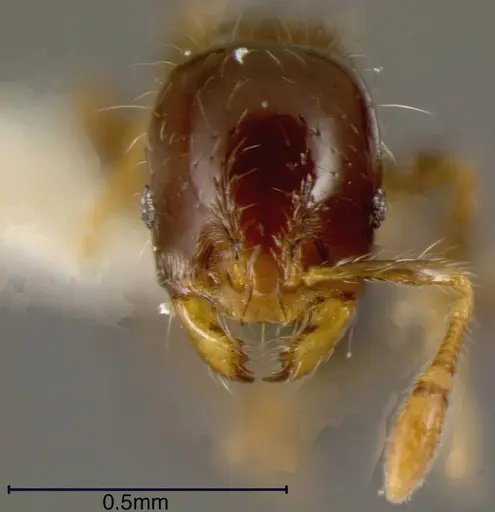
CASENT0884328
View on AntWeb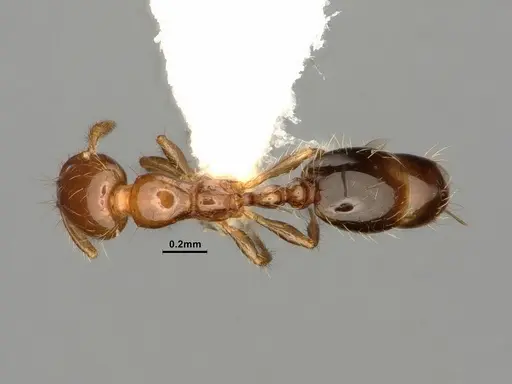
CASENT0908808
View on AntWeb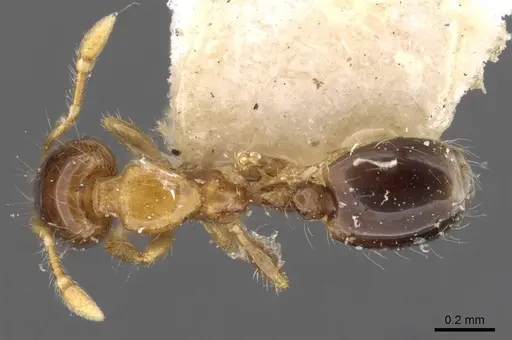
CASENT0914173
View on AntWeb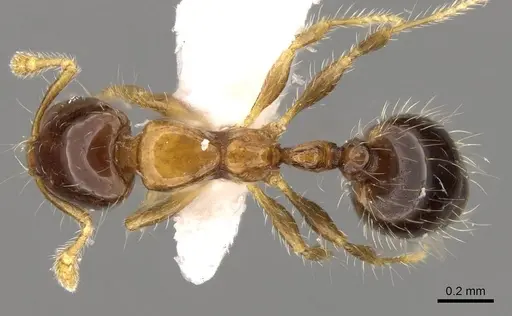
CBUMAGENT42014
View on AntWeb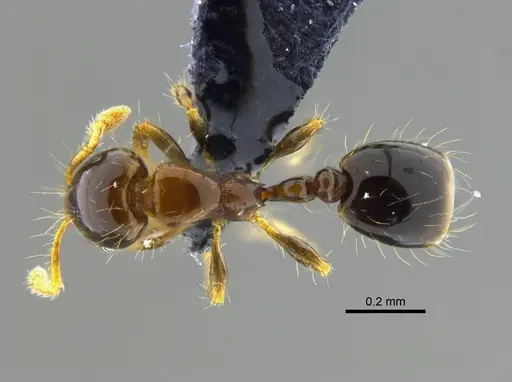
ECOFOG-OI17-0150-03
View on AntWeb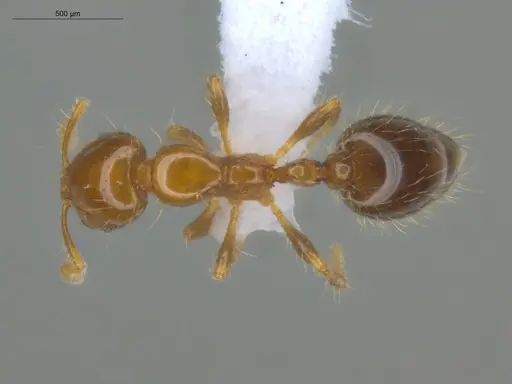
ECOFOG-SG17-0086-03
View on AntWeb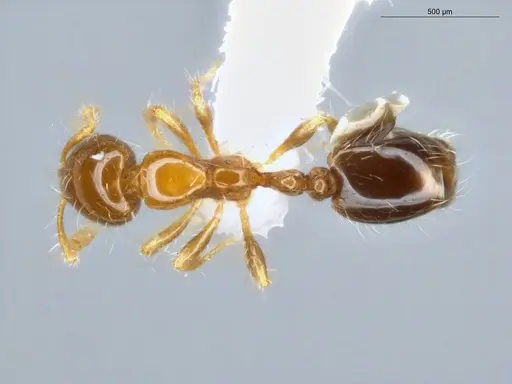
Literature
Loading distribution map...Loading products...