
Sericomyrmex mayri
- Sci. Name
- Sericomyrmex mayri
- Tribe
- Attini
- Subfamily
- Myrmicinae
- Author
- Forel, 1912
- Distribution
- Found in 10 countries
Introduction
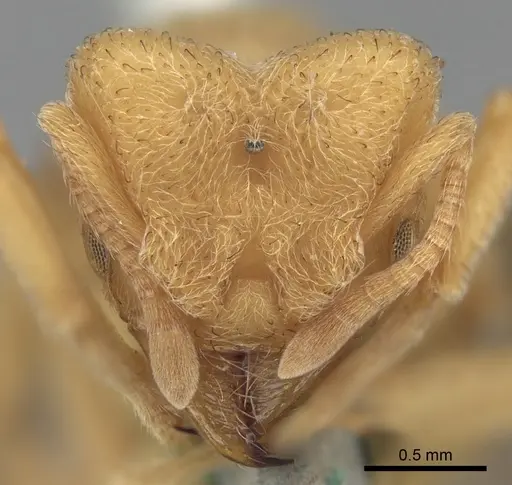
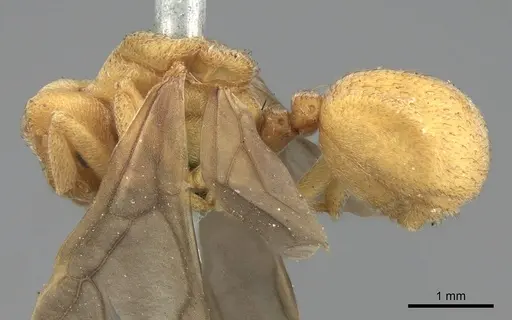
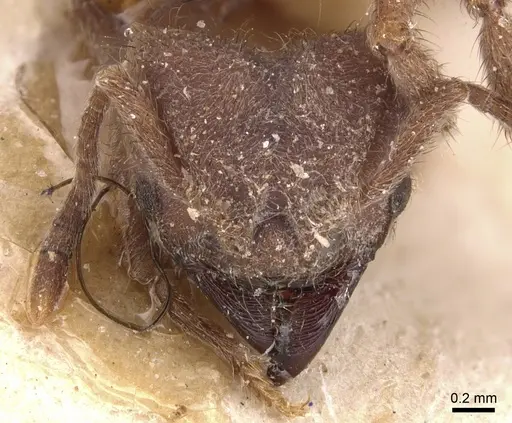
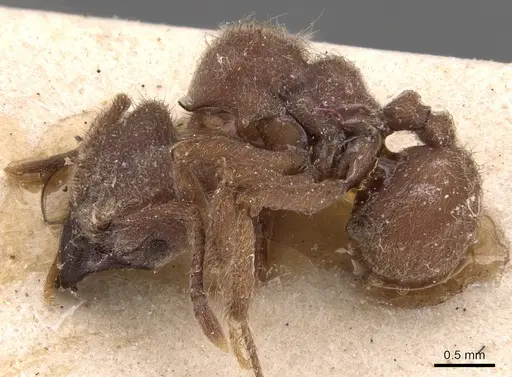
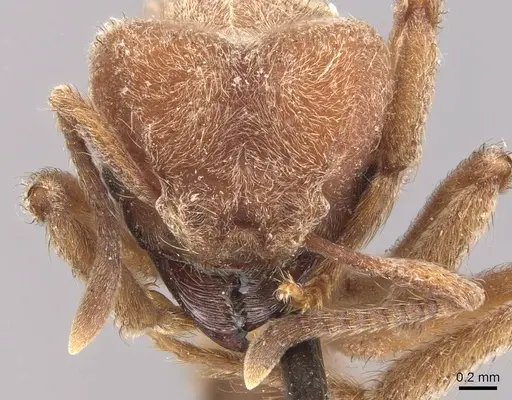
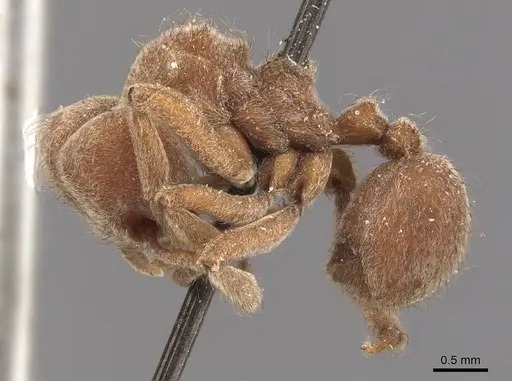
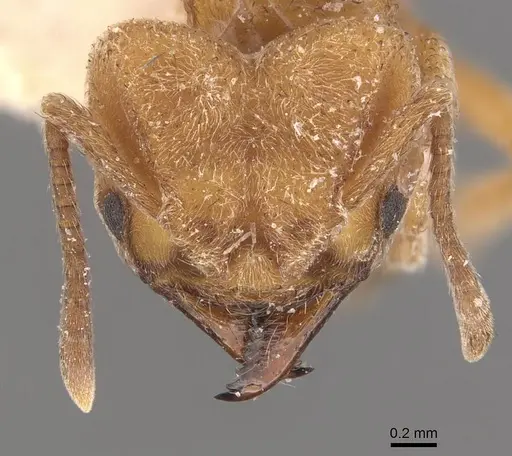
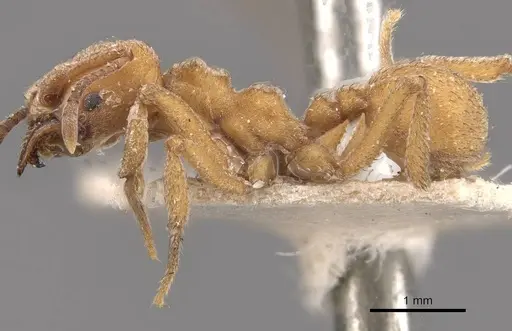
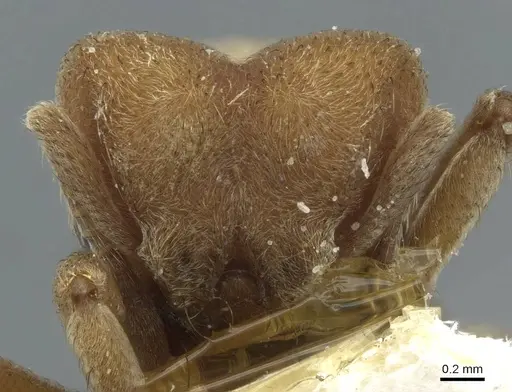
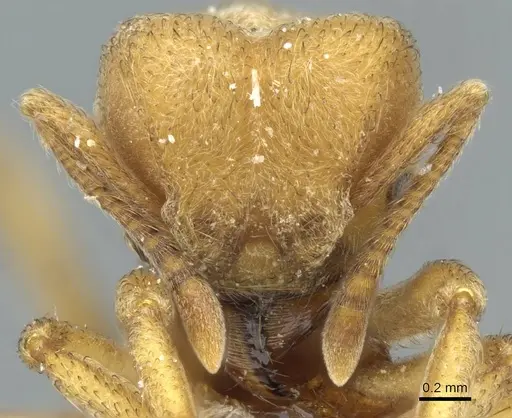
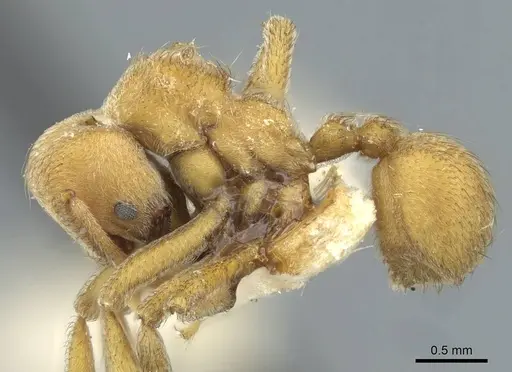
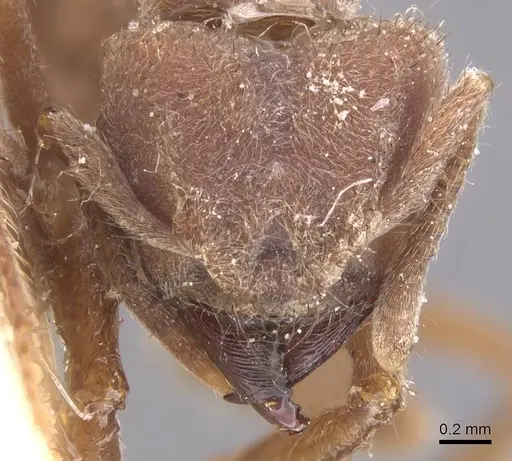
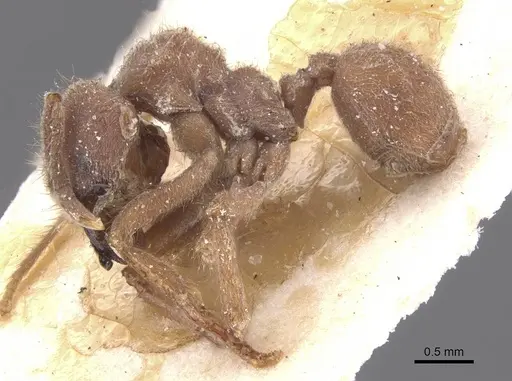
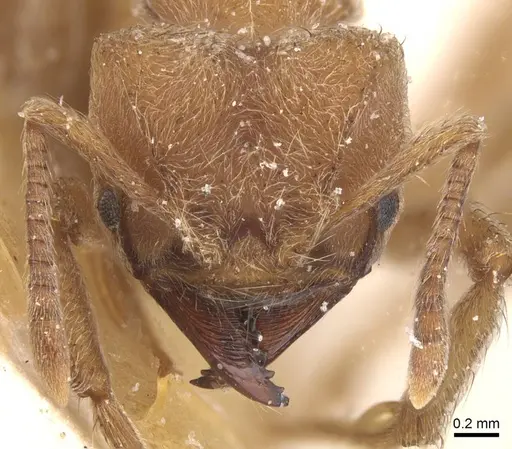
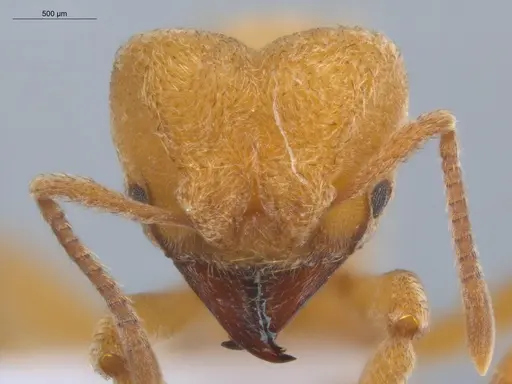
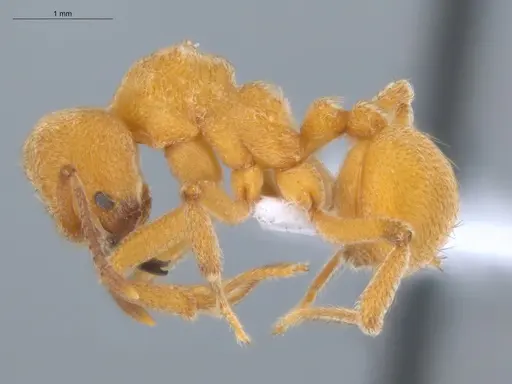
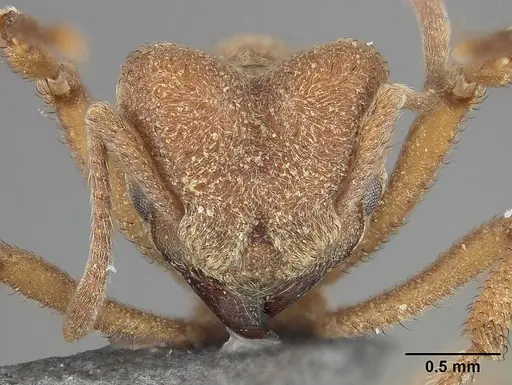
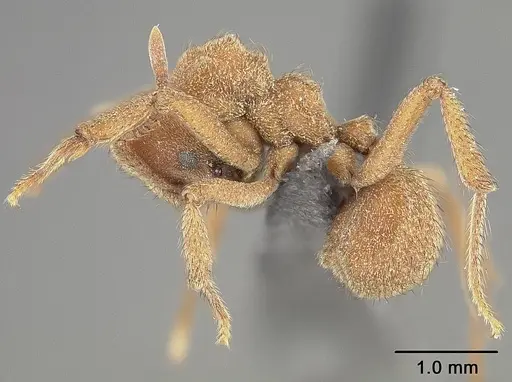
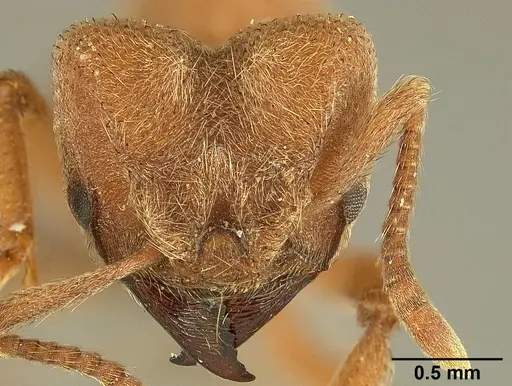
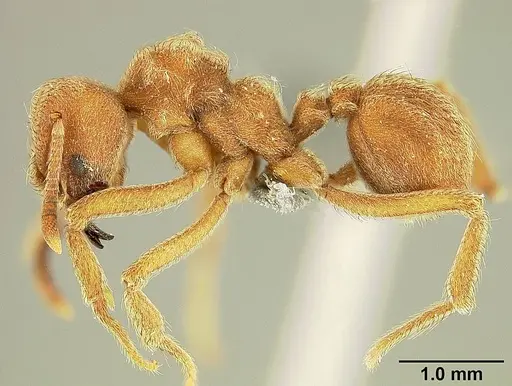
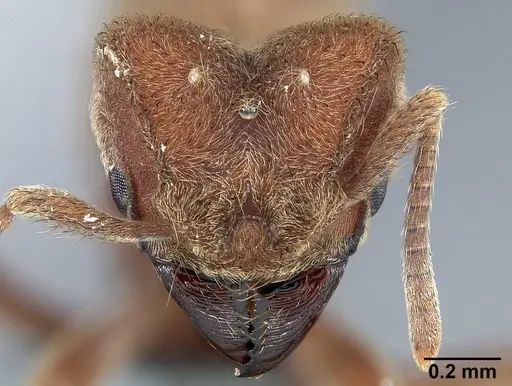
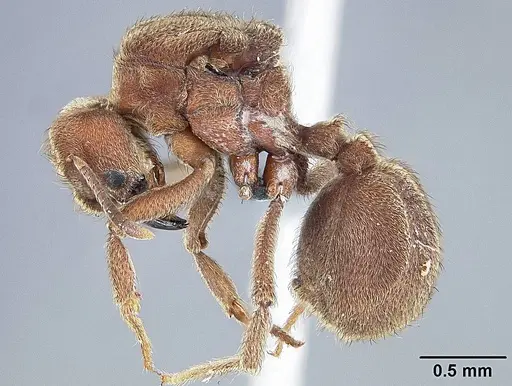
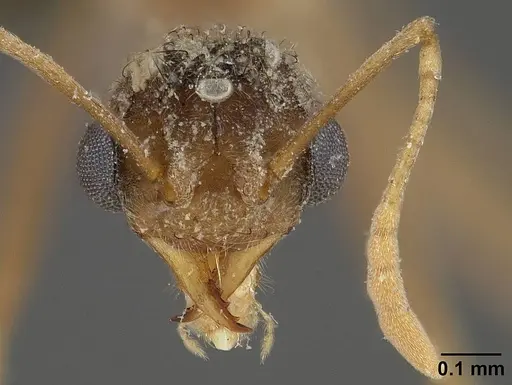
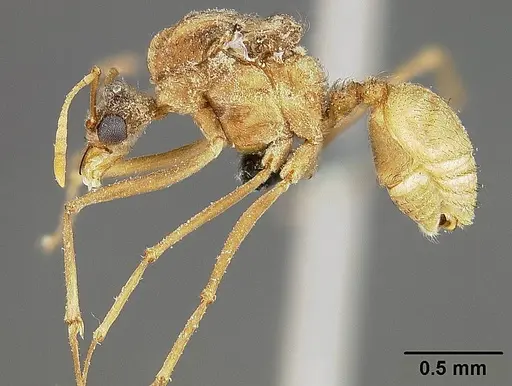
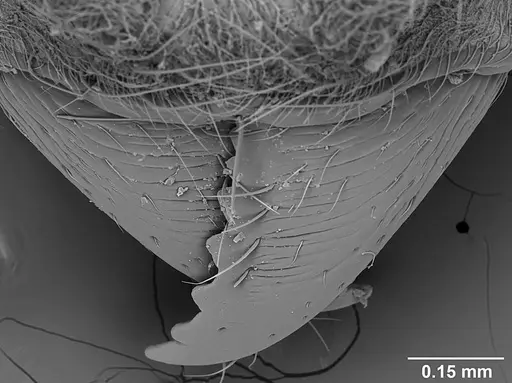
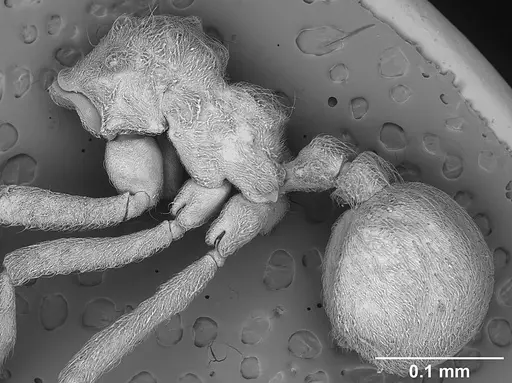
Sericomyrmex mayri is a large fungus-farming ant species found throughout northern South America, from Colombia to Bolivia and Brazil. Workers are relatively large for the genus, with a distinctive broad head, narrow frontal lobes, and usually striate mandibles. The gaster lacks prominent dorsal carinae but has well-developed lateral carinae. These ants are unique among Sericomyrmex for having external waste middens where they deposit exhausted fungus garden material, and they show distinct escape behavior when disturbed, running immediately rather than freezing like other species . Colonies are polygynous, with 0–3 queens per colony, and can grow quite large, wild colonies contain up to 6642 individuals, and one lab colony produced over 55,000 ants over 11 years .
Quick Summary
- Difficulty: Expert
- Origin & Habitat: Northern South America including Colombia, Ecuador, Brazil, Peru, Guyana, Suriname, French Guiana, Trinidad and Tobago, and Venezuela. Found in primary and secondary rainforest, dry forest, Atlantic and riparian forest, cerrado, cerradão, agricultural habitat, and pasture at elevations from 5–1033 m [2][1].
- Colony Type: Polygynous colonies with 0–3 queens documented in wild colonies. Queens are large for the genus [2][1].
- Size & Growth:
- Queen: Size data unavailable, described as a large species within the genus. Queens are visibly larger than workers [1].
- Worker: Size data unavailable, workers are small – ensure escape-proofing with gaps no larger than 1 mm. They are the largest within Sericomyrmex but still tiny [1].
- Colony: Up to 6642 individuals in wild colonies, one lab colony produced over 55,000 ants over 11 years [2].
- Growth: Moderate
- Development: Unknown – no specific development data available for this species (Based on related fungus-farming ants, expect development of several months. One documented colony lived nearly 11 years in captivity [2].)
- Antkeeping:
- Temperature: Keep at 24–28°C. As a tropical species from northern South America, they require warm conditions. Avoid temperatures below 20°C [2].
- Humidity: High humidity required – these ants inhabit rainforest and forest edge habitats. Keep the nest substrate consistently moist but not waterlogged. Provide a humidity gradient so ants can choose their preferred zone.
- Diapause: No – as a tropical species, they do not require hibernation. Maintain consistent warm temperatures year-round [2].
- Nesting: In the wild, they nest in soil with a characteristic 2.5 cm tall mound entrance and chambers 10–32 cm deep, with 1–18 chambers. In captivity, a naturalistic setup with deep soil (at least 10–15 cm) or a plaster/Y‑tong/3D‑printed nest with moisture chambers works well. Provide deep substrate for chamber construction and include an external waste midden area [2].
- Behavior: Sericomyrmex mayri is a fungus-farming ant that cultivates a specific fungal symbiont (Clade B5) for nutrition [3]. Workers forage primarily alone but will form short, dense columns near the nest entrance. They are crepuscular and nocturnal, active during twilight and night hours. Unlike other Sericomyrmex species that freeze when disturbed, S. mayri workers immediately attempt to escape – this is a key identification characteristic in the field [2]. They possess a functional stinger, but it is not medically significant to humans. Because they are small ants, escape prevention is critical – ensure there are no gaps larger than 1 mm in the setup.
- Common Issues: fungal symbiont maintenance is critical – these ants cannot survive without their specific fungal cultivar [3]., colony collapse can occur if the fungal garden dies, requires careful attention to temperature and humidity., large colony size means they need significant space and resources as they grow – plan for up to several thousand ants., nocturnal activity pattern means most keeper interaction happens in evening hours., queens may show initial aggression toward each other during colony founding – monitor carefully.
Fungus Farming and Diet
Sericomyrmex mayri belongs to the 'lower attine' fungus-farming ants and cultivates a specific fungal symbiont belonging to Clade B5 [3]. Unlike leaf-cutting ants (Atta and Acromyrmex) that cut fresh vegetation, these ants likely feed their fungus with detritus, dead plant material, or insect remains. This is a key thing to know for captive care – you cannot simply feed these ants standard ant foods. The fungal garden is the primary food source, and workers must be provided with appropriate organic material to sustain it. In captivity, you may experiment with small amounts of dead plant material, fruit pieces, or very small insect fragments, but success depends on maintaining a healthy fungal colony. The fungal garden requires consistent moisture and warm temperatures to thrive [3][2]. Interestingly, no Pseudonocardia bacteria have been detected in this species via qPCR, suggesting the ant may rely on other mechanisms for garden protection .
Nest Setup and Housing
In the wild, S. mayri builds nests in soil with 1–18 chambers located 10–32 cm deep. The characteristic nest entrance is a small soil mound about 2.5 cm high [2]. Chamber dimensions average 5–13 cm height by 5.5–17 cm width, with volumes ranging from 368–1158 cm³ per chamber [2]. For captivity, a naturalistic setup with deep soil (at least 10–15 cm) allows them to construct chambers naturally. Alternatively, a plaster or Y‑tong nest with moisture chambers can work, but provide enough depth for natural chamber-building behavior. Include an external waste midden area – these ants are unique among Sericomyrmex for maintaining dedicated waste disposal areas outside the nest, typically 50 cm from the entrance [2].
Temperature and Seasonal Care
As a tropical species from northern South America, Sericomyrmex mayri requires warm temperatures year-round. Maintain the nest area at 24–28°C with minimal fluctuations. Temperatures below 20°C can be harmful and may stress the colony and its fungal symbiont [2]. Use a heating cable or mat on one side of the nest to create a gentle gradient, placing it on top of the nest to avoid drying. No hibernation or diapause is required or recommended – these ants are active throughout the year in their natural range. Monitor humidity closely, as heating elements can dry out the substrate quickly.
Colony Dynamics and Growth
Sericomyrmex mayri colonies are polygynous, meaning they accept multiple queens. Wild colonies have been documented with 0–3 functional queens [2]. This differs from many ant species where colonies have a single queen, and it affects how you might establish a colony in captivity. Colonies can grow extremely large – one lab colony produced over 55,000 individuals during an 11-year lifespan, including approximately 2500 alate females and 16,300 males [2]. The queen has a documented lifespan of up to 11 years, making these potentially long-lived colonies with proper care [4]. Growth rate is moderate and depends heavily on maintaining a healthy fungal garden.
Foraging and Activity Patterns
Workers are primarily crepuscular and nocturnal, becoming active during twilight and night hours [2]. They mostly forage alone but will form short, dense foraging columns near the nest entrance when food is abundant. This is important to note for feeding schedules – expect most activity in the evening and night. When disturbed, unlike other Sericomyrmex species that freeze, S. mayri workers immediately attempt to escape [2]. This escape behavior is a key field characteristic that helps distinguish this species. Provide feeding opportunities in the evening to match their natural activity patterns.
Waste Management
A unique behavior documented in S. mayri is the use of external waste middens [2]. These are dedicated areas outside the nest where workers deposit exhausted fungus garden material and other waste. In the wild, these middens are located about 50 cm from the nest entrance, and workers visit them every 1–2 minutes during active periods [2]. In captivity, providing a designated waste area can help maintain colony hygiene. The waste midden contents in wild colonies have included live diptera and coleoptera larvae, mites, and dead workers. This behavior is the first recorded external waste midden for the genus Sericomyrmex.
Frequently Asked Questions
Can I keep Sericomyrmex mayri in a test tube?
Test tubes are not suitable for S. mayri. These are large, polygynous colonies that can grow to thousands of individuals and need deep soil for chamber construction. A naturalistic setup with at least 10–15 cm of substrate or a large formicarium with moisture chambers is necessary [2].
What do Sericomyrmex mayri ants eat?
S. mayri is a fungus-farming ant that cultivates a specific fungal symbiont (Clade B5). The fungus is their primary food source – they do not eat typical ant foods. You must provide organic material (dead plant matter, small fruit pieces, insect fragments) for the fungus to grow on. Do not attempt to keep this species without a healthy fungal garden [3].
How long does it take for Sericomyrmex mayri to produce first workers?
Exact development time is unknown for this species. Based on related lower attine fungus-farming ants, expect several months from egg to worker. One documented colony lived nearly 11 years, indicating these can be long-lived with proper care [2].
Can I keep multiple Sericomyrmex mayri queens together?
Yes – wild colonies naturally have multiple queens (0–3 documented). This is a polygynous species, so multiple queens can coexist in the same colony. However, introduce queens carefully if starting a new colony, as initial aggression can occur [2].
Are Sericomyrmex mayri good for beginners?
No – this is an expert-level species. They require specialized fungus-farming care, maintenance of a specific fungal symbiont, high humidity, warm temperatures, and can grow to massive colony sizes. They are not suitable for beginners [3][2].
Do Sericomyrmex mayri need hibernation?
No – S. mayri is a tropical species from northern South America and does not require hibernation. Maintain consistent warm temperatures (24–28°C) year-round. Temperatures below 20°C can be harmful [2].
How big do Sericomyrmex mayri colonies get?
Very large – wild colonies contain up to 6642 individuals. One documented lab colony produced over 55,000 individuals during its 11-year lifespan. Be prepared for substantial space requirements as the colony grows [2].
Why are my Sericomyrmex mayri dying?
The most common cause is fungal garden collapse. These ants depend entirely on their fungal symbiont, which requires specific temperature (24–28°C), high humidity, and appropriate organic material to survive. Other causes include temperature stress (below 20°C), excessive drying, or poor nutrition. Ensure the fungal garden is healthy before concerned about the ants themselves [3][2].
When do Sericomyrmex mayri alates emerge?
One documented colony produced approximately 2500 alate females and 16,300 males during an 11-year period. Exact timing is not well-documented, but alate production occurs in established, mature colonies over multiple years [2].
What temperature is ideal for Sericomyrmex mayri?
Keep the nest at 24–28°C. This tropical species requires warm conditions year-round. Use a heating cable on one side of the nest to create a gradient, and monitor with a thermometer. Avoid temperatures below 20°C [2].
Report an Issue
The current care sheet is based fully on literature. See inconsistencies, or something that's incorrect? Please , it will be resolved after review from an admin. Contributing to the blogs tab also helps providing information, to make us be able to further improve the caresheets. Thank you for your support!
References

This caresheet is licensed under CC BY-SA 4.0 .
Community Blogs
CASENT0281770
View on AntWeb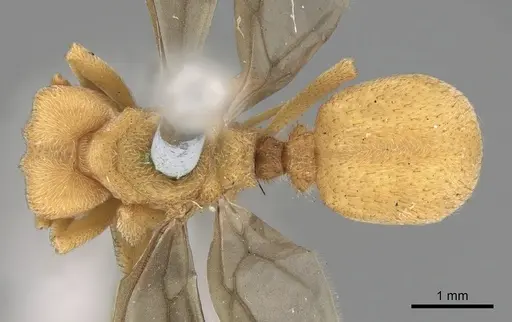
CASENT0904989
View on AntWeb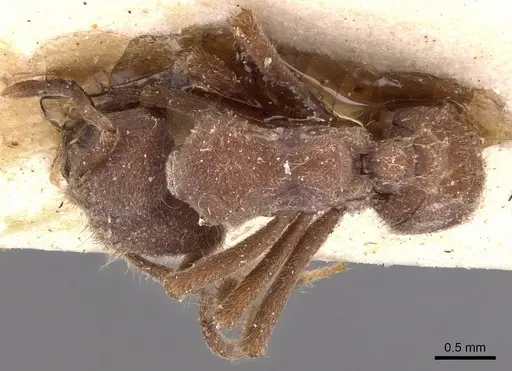
CASENT0909370
View on AntWeb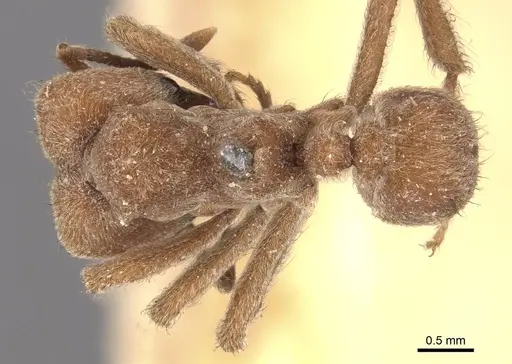
CASENT0909372
View on AntWeb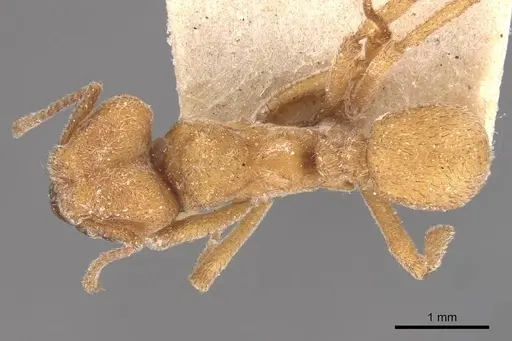
CASENT0911236
View on AntWeb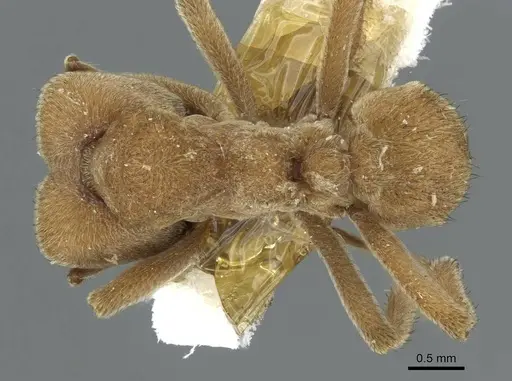
CASENT0911237
View on AntWeb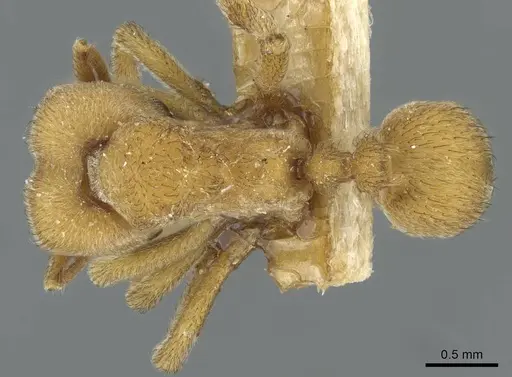
CASENT0912516
View on AntWeb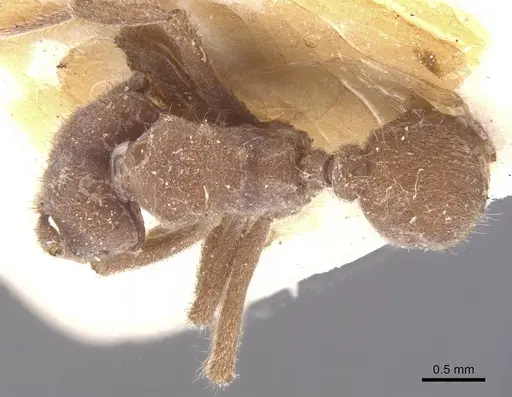
CASENT0912517
View on AntWeb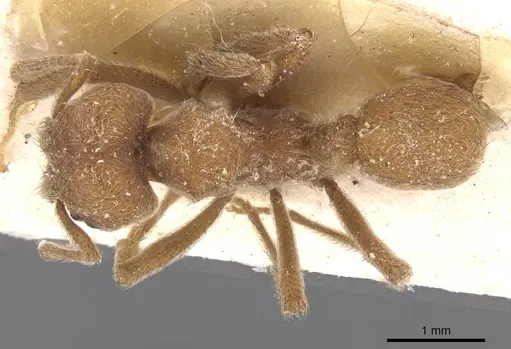
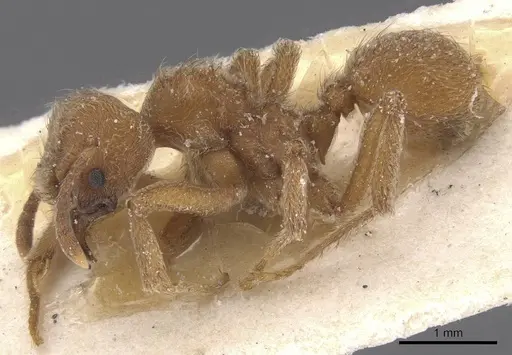
CBUMAGENT41870
View on AntWeb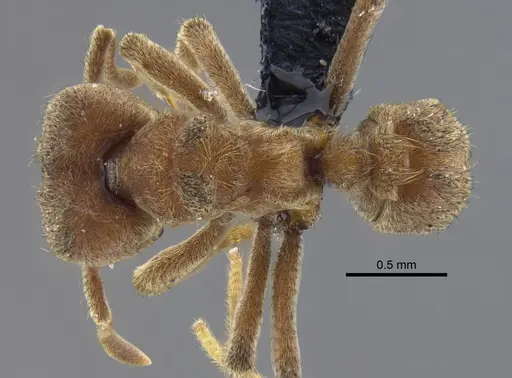
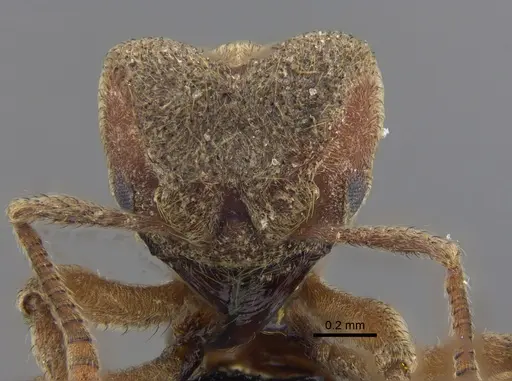
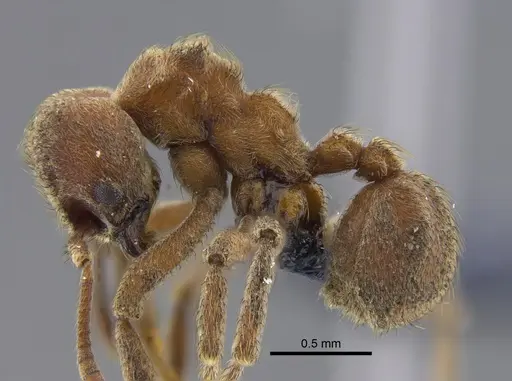
ECOFOG-MI15-0186-18
View on AntWeb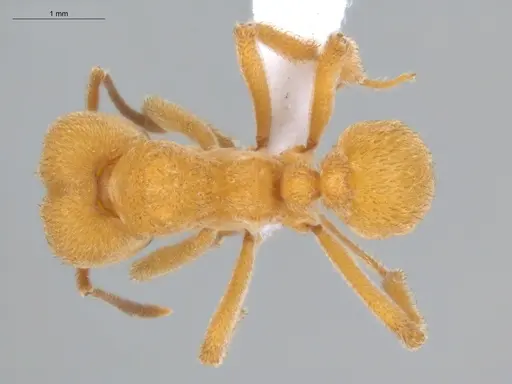
USNMENT00444066
View on AntWeb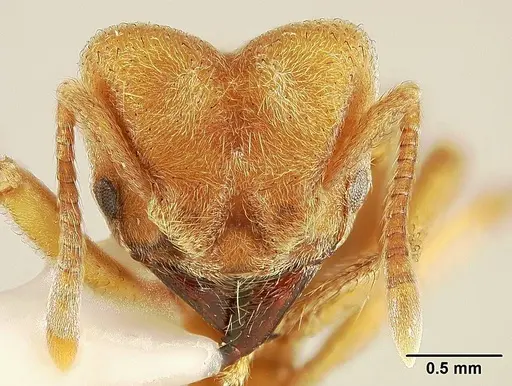
USNMENT01124309
View on AntWeb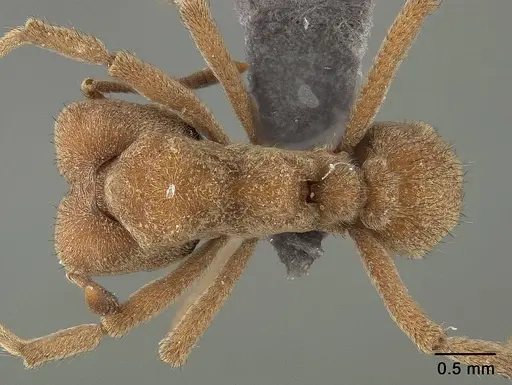
USNMENT01125151
View on AntWeb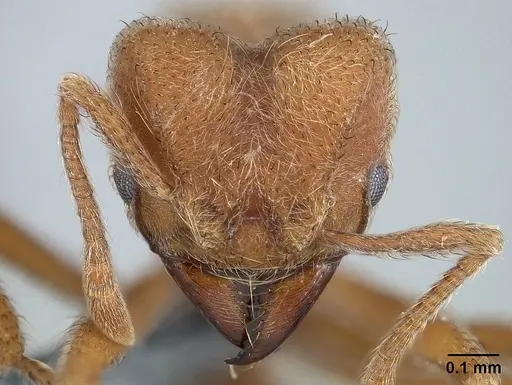
USNMENT01125171
View on AntWeb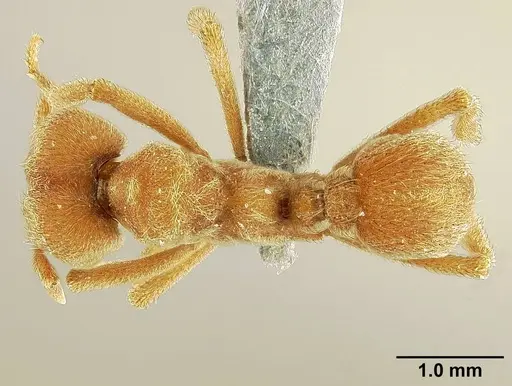
USNMENT01125172
View on AntWeb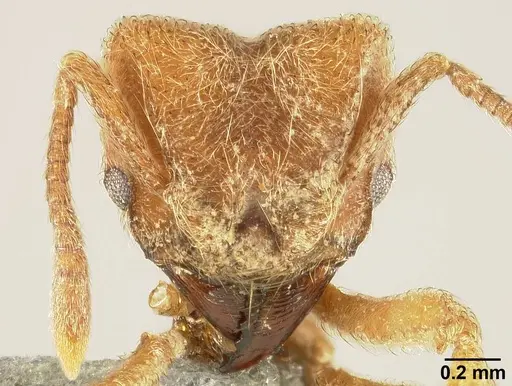
USNMENT01126007
View on AntWeb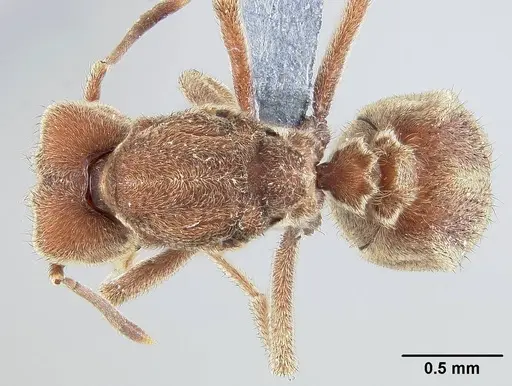
USNMENT01126022
View on AntWeb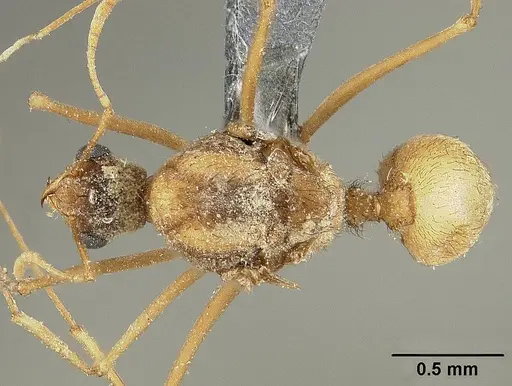
USNMENT01126227
View on AntWeb
USNMENT01126229
View on AntWeb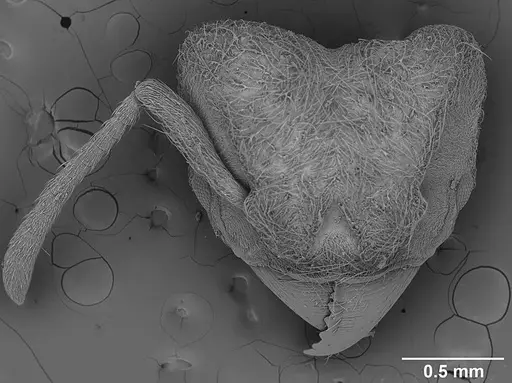
USNMENT01126230
View on AntWeb
Literature
Loading distribution map...Loading products...