
Sericomyrmex lutzi
- Sci. Name
- Sericomyrmex lutzi
- Tribe
- Attini
- Subfamily
- Myrmicinae
- Author
- Wheeler, 1916
- Distribution
- Found in 1 countries
Introduction
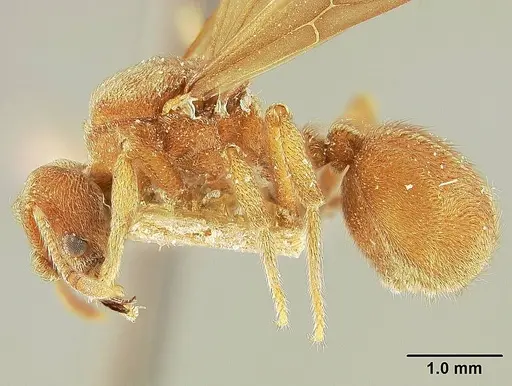
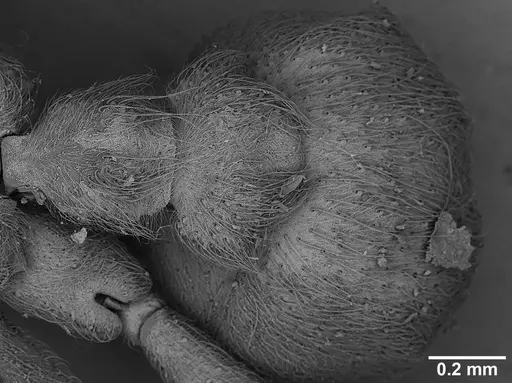
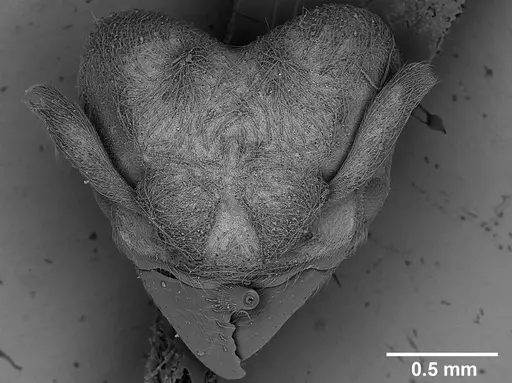
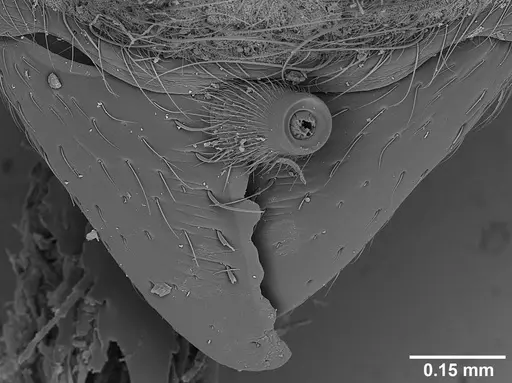
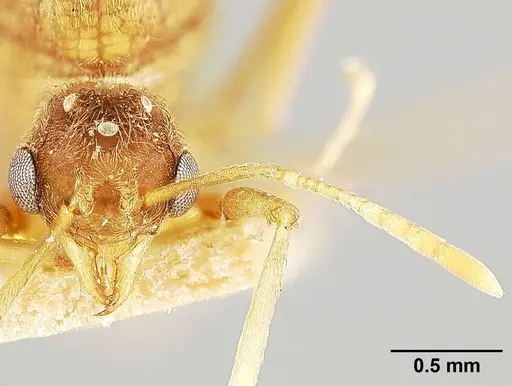
Sericomyrmex lutzi is a large fungus-farming ant from the genus Sericomyrmex, tribe Attini. Workers have a mesosoma length of 1.38-1.68 mm , making them one of the larger species within the genus. They have a distinct deep notch at the back of the head, smooth, glossy mandibles, and narrow, triangular frontal lobes . This species is endemic to the Guiana Highlands, known only from two mountain plateaus (tepuis) in Guyana: Mt. Roraima and Mt. Ayanganna, where they inhabit primary rainforest at about 732 m elevation . As a fungus-farming ant, Sericomyrmex lutzi cultivates a specialized fungus garden for food instead of hunting prey or collecting honeydew. This makes their care fundamentally different from most ant species - they need a substrate that supports fungal growth. The species is closely related to Sericomyrmex mayri but can be told apart by its deeper head notch, smooth mandibles, and weaker ridges on the first segment of the gaster . Because of their tiny wild range (only two tepuis), this species is rare both in nature and in captivity.
Quick Summary
- Difficulty: Expert
- Origin & Habitat: Guyana, endemic to the tepuis (mountain plateaus) of the Guiana Highlands, specifically Mt. Roraima and Mt. Ayanganna. Found in primary rainforest at approximately 732 m elevation [1][2].
- Colony Type: Unknown. Colony structure has not been documented for this species. Most Sericomyrmex species studied appear to have single-queen colonies, but this is not confirmed.
- Size & Growth:
- Queen: size data unavailable (mesosoma length 2.08 mm from a single specimen) [1]
- Worker: size data unavailable (mesosoma length 1.38-1.68 mm) [1]
- Colony: Unknown, no colony size data available for this species
- Growth: Unknown, no development data available
- Development: Unknown, estimated 6-10 weeks based on typical Attini patterns at optimal warm temperatures (around 25°C), but this is a rough guess [1]. (Development timeline has not been studied for this species. The estimate above is inferred from related fungus-farming ants.)
- Antkeeping:
- Temperature: Warm conditions expected based on tropical rainforest origin. Start around 24-27°C with a slight gradient. Avoid temperatures below 20°C [2].
- Humidity: High humidity required, think damp rainforest floor. Keep the fungus substrate consistently moist but not waterlogged. Aim for a humidity gradient that keeps the nest chamber damp but not saturated [2].
- Diapause: Unknown, no data on overwintering behavior. Given their tropical origin, they likely do not require a true diapause but may reduce activity during cooler periods.
- Nesting: In captivity, you need a setup that accommodates a fungal garden. A deep soil chamber (at least 3-4 cm) works well, or a Y-tong/plaster nest with a large chamber for fungus cultivation. Avoid acrylic nests. The nest should allow the ants to tend their fungus garden.
- Behavior: Peaceful fungus-farming ants. They possess a functional sting (common to Myrmicinae) but it is not medically significant. They are not aggressive and focus on cultivating their fungal garden rather than defending territory. Escape risk is moderate, they are small (head width ~1.2 mm) and can climb smooth surfaces, so use standard barrier methods. They are slow-moving and docile.
- Common Issues: Fungus garden failure is the primary risk, without healthy fungus, the colony will starve. The fungus requires specific moisture levels and organic matter to thrive., Humidity management is critical, too dry and the fungus dies, too wet and mold becomes a problem., Limited availability, this species is rarely available in the antkeeping hobby due to its restricted wild distribution., Unknown colony structure means you may not know if your queen is mated or if the colony is functional., Temperature sensitivity, being from a stable tropical environment, they may be sensitive to temperature fluctuations.
Fungus Farming Basics
Sericomyrmex lutzi belongs to the tribe Attini, the fungus-farming ants. Unlike most ant species that hunt prey or collect honeydew, these ants cultivate a specialized fungus garden for food. They feed almost exclusively on the fungal mycelium they grow, making their care fundamentally different from keeping predatory or sugar-feeding ants [1].
In captivity, you will need to provide a substrate (typically a mixture of soil and organic material) that can support fungal growth. The ants will plant fungal fragments and tend them, feeding the fungus small pieces of organic matter. The health of your colony depends entirely on maintaining a healthy fungus garden. Do not expect these ants to thrive on typical ant foods like sugar water or insects alone, the fungus is their primary food source.
Housing and Nest Setup
Housing Sericomyrmex lutzi requires a setup that accommodates both the ants and their fungus garden. A naturalistic formicarium with a deep soil chamber (at least 3-4 cm deep) works well, as this provides space for the fungus to develop. The substrate should be a moist, organic-rich mixture that supports fungal growth.
Y-tong or plaster nests with a large central chamber can also work, but you will need to add a separate fungus cultivation chamber. Whatever setup you choose, ensure it maintains high humidity without becoming waterlogged. Include a water reservoir or moisture gradient so the ants can regulate humidity within their fungus area. No specific nest architecture data for Sericomyrmex lutzi exists, but related species nest in soil chambers.
Temperature and Humidity Requirements
Being from the tropical primary rainforests of the Guiana Highlands, Sericomyrmex lutzi requires warm and humid conditions. Maintain temperatures in the range of 24-27°C, with a slight gradient allowing the ants to choose their preferred spot. Avoid temperatures below 20°C, as this species is adapted to the stable warm conditions of its mountain plateau habitat [2].
Humidity is critical, keep the fungus garden substrate consistently moist but not waterlogged. Use a water reservoir connected to the nest chamber or regular misting to maintain moisture. However, avoid standing water or waterlogging, as this promotes mold that can destroy the fungus garden.
Feeding the Fungus Garden
Instead of feeding the ants directly, you feed the fungus. Provide small pieces of organic matter to the fungus garden, this can include dead leaves, small pieces of fruit, seeds, or other plant material. The ants will process this and add it to their fungus garden.
Avoid providing large prey items or sugar sources, as these are not part of their natural diet. The ants consume the fungal mycelium that grows on the organic matter you provide. Monitor the fungus garden's health, if it turns dark or stops growing, something is wrong with the substrate conditions. No specific feeding data for Sericomyrmex lutzi exists, but this general Attini diet applies.
Origin and Distribution
Sericomyrmex lutzi has one of the most restricted distributions of any ant species. It is known only from two locations in Guyana: Mt. Roraima (the type locality, where the original specimens were collected in 1911) and Mt. Ayanganna, both tepuis (mountain plateaus) in the Pakaraima Mountains on the border of Guyana, Venezuela, and Brazil [1][2].
This makes the species a true endemic to the Guiana Highlands, an area famous for its unique and endemic flora and fauna. The only known specimens were collected at approximately 732 m elevation in primary rainforest [2]. This restricted distribution means Sericomyrmex lutzi is unlikely to ever be common in the antkeeping hobby, and wild collection should be avoided given its limited range.
Frequently Asked Questions
How do I keep Sericomyrmex lutzi ants alive?
The key to keeping Sericomyrmex lutzi alive is maintaining a healthy fungus garden. These ants don't eat typical ant food, they cultivate fungus for nutrition. You need a moist, organic substrate that supports fungal growth, high humidity, and warm temperatures (24-27°C). Without a thriving fungus garden, the colony will starve [2].
What do Sericomyrmex lutzi eat?
Sericomyrmex lutzi eats fungus, not typical ant foods. You provide small organic matter (dead leaves, fruit pieces, seeds) to the fungus garden, and the ants cultivate fungal mycelium on this material. The ants then consume the fungus. Do not offer sugar water, honey, or insects as primary food, these are not part of their diet [1].
What temperature do Sericomyrmex lutzi ants need?
Keep them warm at 24-27°C. Being from tropical rainforest in the Guiana Highlands, they need stable warm conditions. Avoid temperatures below 20°C. A heating cable on one side of the nest can create a gradient if your room temperature is lower [2].
Are Sericomyrmex lutzi good for beginners?
No. This is an expert-level species due to their specialized fungus-farming biology. They require precise humidity control, a proper fungus substrate, and warm conditions. Most antkeepers should start with easier species like Lasius, Camponotus, or Messor.
How big do Sericomyrmex lutzi colonies get?
Colony size is unknown, no data exists on maximum colony size for this species. Based on related Sericomyrmex species, colonies likely reach several hundred workers at most, as fungus-farming ants typically maintain smaller colonies than predatory species.
Where is Sericomyrmex lutzi found in the wild?
Sericomyrmex lutzi is endemic to the Guiana Highlands of Guyana, known only from Mt. Roraima and Mt. Ayanganna. These are tepuis, isolated mountain plateaus with unique ecosystems. The species has only been collected in primary rainforest at about 732 m elevation [1][2].
Can I keep multiple Sericomyrmex lutzi queens together?
Unknown, colony structure has not been documented for this species. Most Sericomyrmex species appear to be single-queen colonies, but this is not confirmed for Sericomyrmex lutzi. Do not attempt combining unrelated queens without specific knowledge of their social structure.
How long does it take for Sericomyrmex lutzi to develop from egg to worker?
Unknown, no development data exists for this species. Based on typical Attini development patterns, expect approximately 6-10 weeks from egg to worker at optimal warm temperatures (around 25°C), but this is a rough estimate [1].
Why is my Sericomyrmex lutzi colony dying?
The most likely cause is fungus garden failure. Check that the substrate is moist but not waterlogged, humidity is high, and temperature is warm (24-27°C). If the fungus turns dark or stops growing, the colony will starve. Also check for mold, which can destroy the fungus garden.
Report an Issue
The current care sheet is based fully on literature. See inconsistencies, or something that's incorrect? Please , it will be resolved after review from an admin. Contributing to the blogs tab also helps providing information, to make us be able to further improve the caresheets. Thank you for your support!
References

This caresheet is licensed under CC BY-SA 4.0 .
Community Blogs
MCZ121421139
View on AntWeb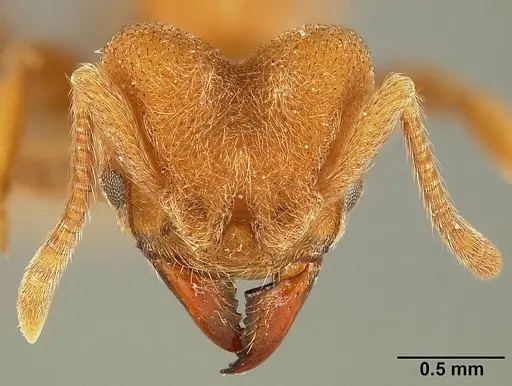
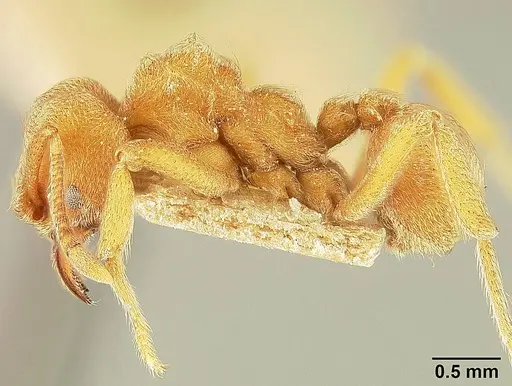
MCZ91121139
View on AntWeb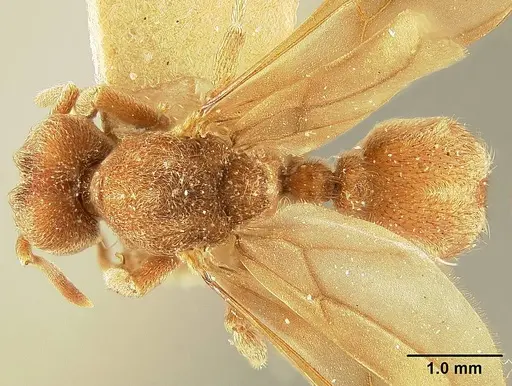
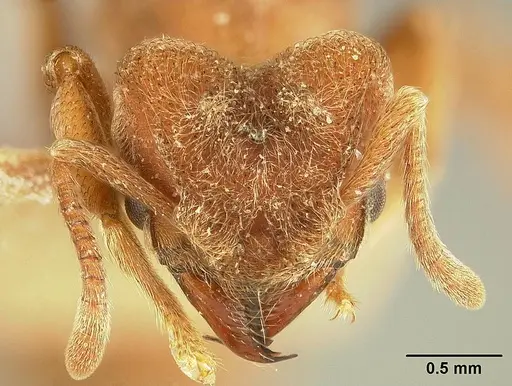
USNMENT00445053
View on AntWeb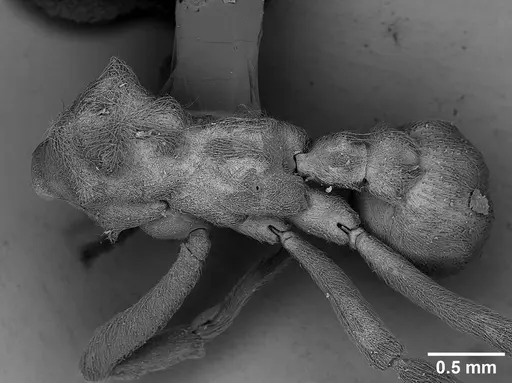
USNMENT01126226
View on AntWeb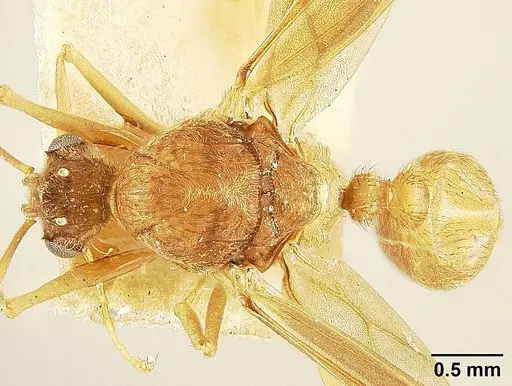
Literature
Loading distribution map...Loading products...