
Sericomyrmex bondari
- Sci. Name
- Sericomyrmex bondari
- Tribe
- Attini
- Subfamily
- Myrmicinae
- Author
- Borgmeier, 1937
- Distribution
- Found in 9 countries
Introduction
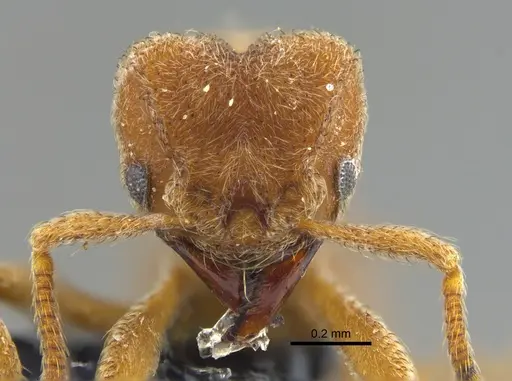
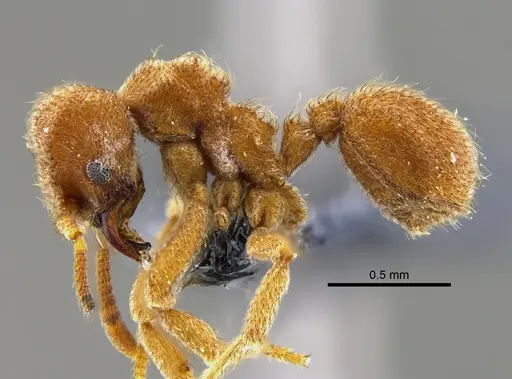
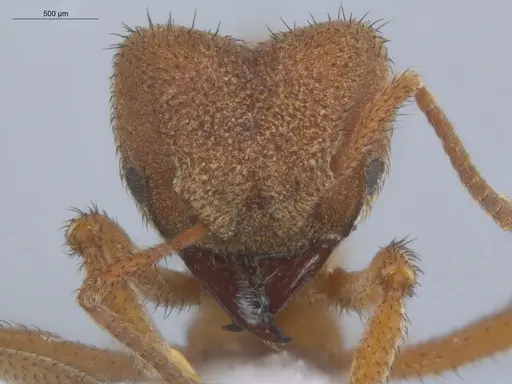
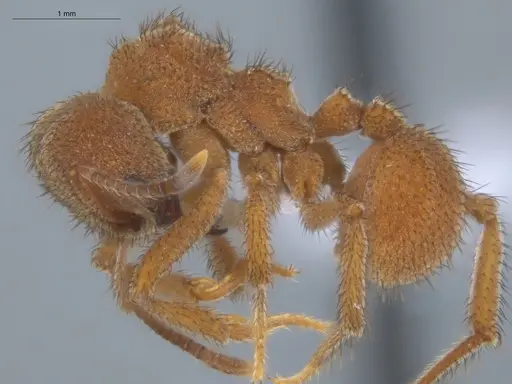
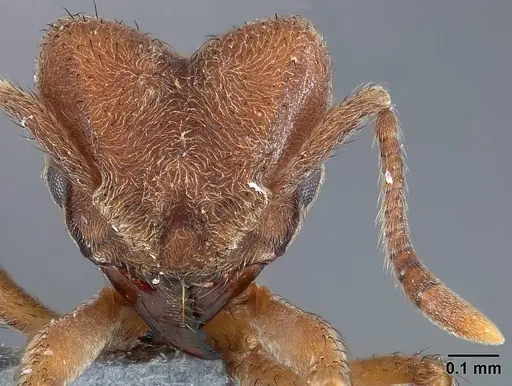
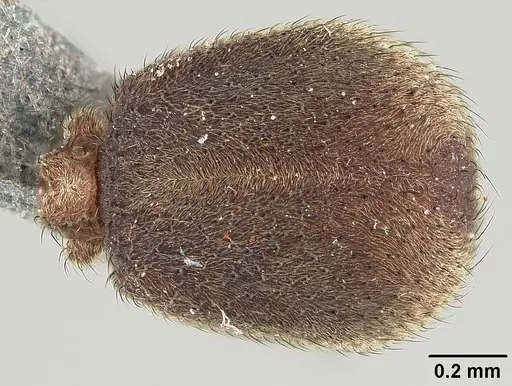
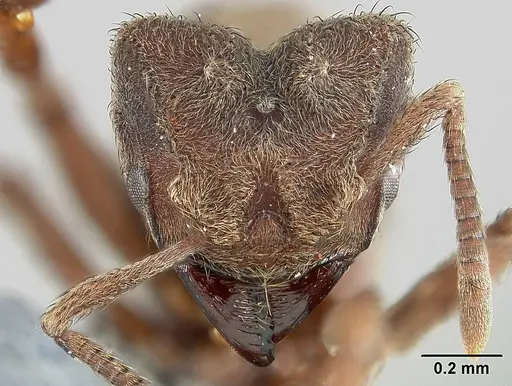
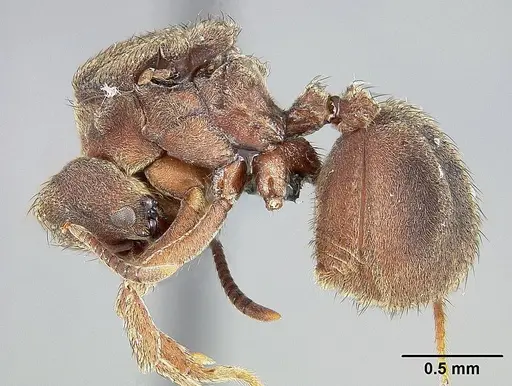
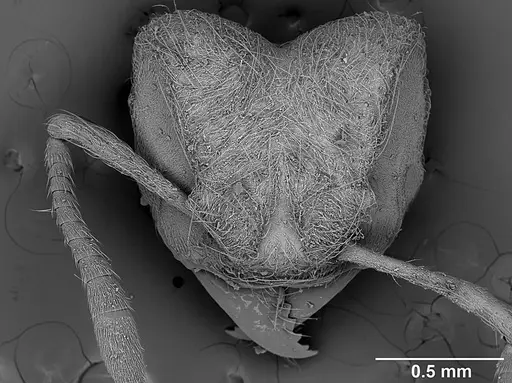
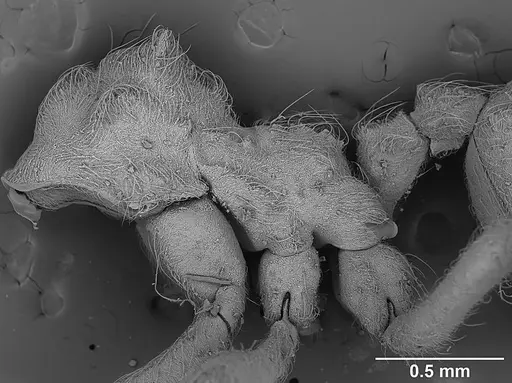
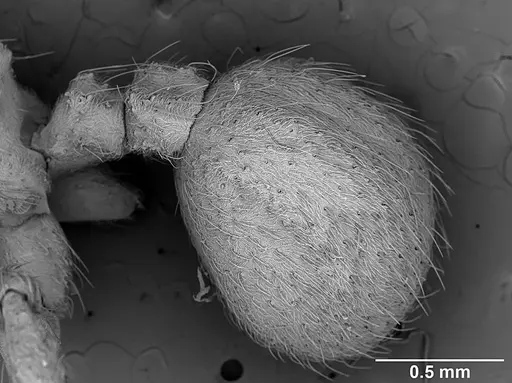
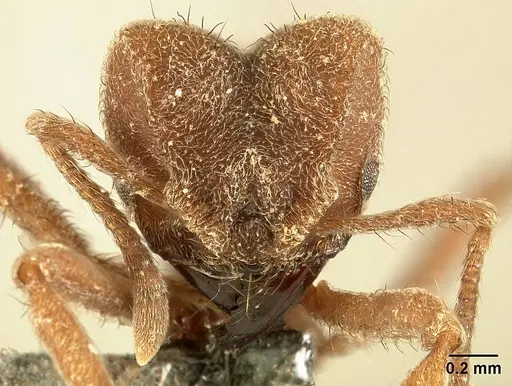
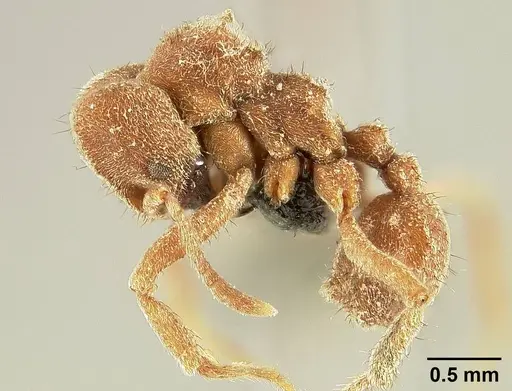
Sericomyrmex bondari is a large fungus-farming ant from the Amazon region. You can identify them by their thick, dark hairs covering the whole body - a unique feature among Sericomyrmex species . They belong to the "lower agriculture" group of fungus-farming ants, meaning they grow fungus for food but don't cut leaves like their leaf-cutter cousins (Atta) . Body size data is unavailable from the literature, but they are described as a large species . These ants live across northern South America, including Brazil, Bolivia, Colombia, Ecuador, French Guiana, Guyana, Peru, and Suriname . Their natural home is rainforest, but they also turn up in mountain forest, restinga forest, forest edges, semi-open spots, and even cacao farms . They nest in the soil with a small mound entrance. Like all Attini fungus-farmers, their main food is the fungus they cultivate - not the leaves or flowers they carry back .
Quick Summary
- Difficulty: Medium
- Origin & Habitat: Amazon region of South America, Brazil, Bolivia, Colombia, Ecuador, French Guiana, Guyana, Peru, and Suriname. Found in primary and secondary rainforest, mountain forest, restinga forest, forest edge, semi-open habitats, and cacao plantations at elevations from 5-1700m (mean 325m) [4][3].
- Colony Type: Single-queen or two-queen colonies. Natural nests contain 1-2 queens,826-864 workers, and about 917-969 total individuals including brood [4].
- Size & Growth:
- Queen: Size data unavailable (no total body length measurements in literature). Described as large for the genus [1].
- Worker: Size data unavailable (no total body length measurements in literature). Described as large for the genus [1].
- Colony: 917-969 total individuals (826-864 workers) per colony [4]
- Growth: Moderate, fungus-farming ants typically grow more slowly than generalists because they must establish and maintain their fungal garden.
- Development: Unknown, likely 8-12 weeks based on typical Attini patterns at warm tropical temperatures (Development times for fungus-farmers are generally longer than many common ants. The estimate assumes stable heat and adequate moisture.)
- Antkeeping:
- Temperature: Keep warm and stable, roughly 24-28°C. These are tropical rainforest ants, so a slight gradient is helpful. Avoid letting it drop below 22°C for long [4].
- Humidity: Keep the nest substrate consistently moist but not waterlogged. The fungus garden needs high ambient humidity. Mist the outworld occasionally and provide a water reservoir in the nest.
- Diapause: Unknown, tropical species likely do not need true hibernation, but may slow down during cooler months.
- Nesting: Soil-nesting species. A naturalistic setup with deep, moist substrate (10-15 cm) works well. Use plaster, Y-tong (AAC), or 3D-printed nests with a dedicated fungus garden area. Wild nests have 2-3 chambers, each 5-9 cm tall and 8.5-12 cm wide [4]. Test tubes are only for founding, not mature colonies.
- Behavior: Generally docile fungus-farming ants. Workers forage mostly alone but sometimes form short foraging columns near the nest entrance [5]. They collect flowers, fresh leaves, and dry leaves to feed their fungus [4]. As Attini ants, they have a functional stinger (though less potent than fire ants). They may bite if threatened. Escape risk is moderate, standard barrier precautions like Fluon on rims will stop them.
- Common Issues: fungus garden collapse, the cultivar can die if conditions get too dry or temperatures swing too much, slow growth, fungus-farmers develop more slowly than many species, which can test your patience, humidity management, keeping the substrate moist without causing mold takes practice, feeding the fungus, you need to offer small flowers, leaf fragments, or fruit regularly, not just sugar water, limited availability, colonies are hard to find in the hobby
Housing and Nest Setup
Sericomyrmex bondari nests in soil, so you need to give them space for a fungus garden. In the wild, nests have 2-3 chambers buried 14-23 cm deep, each about 5-9 cm tall and 8.5-12 cm wide [4]. For captivity, use a naturalistic setup with a deep soil layer (at least 10-15 cm) or a plaster/Y-tong/3D-printed nest with a dedicated chamber for the fungus. The nest entrance in nature is a small soil mound about 23×18 cm with an opening of 0.5-1.5 cm [4].
Because they farm fungus, you need to provide organic material for the fungus to eat, small flower pieces, leaf fragments, or fruit work well. The fungus garden is the colony's food source, so keeping it healthy is the most important thing. Don't use test tubes for established colonies, they're too cramped and don't give the fungus room to grow.
Feeding and the Fungus Garden
These ants are fungus farmers. Their main food is the fungus they cultivate, not the plant material they bring in. Workers collect small flowers, fresh leaves, and dry leaves from foraging and carry them back to feed the fungus [4]. The fungus breaks down the plant matter, and the ants eat the fungal structures.
In captivity, you need to supply organic material regularly, small pieces of flowers, fruit, or leaf litter are good. The fungus they grow is specific, so don't expect it to spread to new containers by itself. Some keepers offer different organics and let the colony choose. Avoid feeding too much sugar or protein because that can mess up the fungus. Always provide fresh water.
Temperature and Humidity
These are tropical rainforest ants from the Amazon, so they need warmth and moisture. Keep the temperature in the 24-28°C range, stable warmth is more important than exact numbers. Below 22°C, activity drops and the fungus garden might suffer. Put a heating cable on one side of the nest to make a gradient, but don't let it dry out the nest.
Humidity should be high. Keep the nest substrate consistently moist but not waterlogged. Mist the outworld now and then, and make sure the nest has a water reservoir. For fungus farmers, getting the moisture right is key, too dry kills the fungus, too wet causes mold. A damp naturalistic setup works better than a dry acrylic nest for this species. [4]
Behavior and Colony Dynamics
Sericomyrmex bondari colonies are small compared to leaf-cutters, reaching about 900-1000 total individuals [4]. Natural nests have 1-2 queens [4]. Workers mostly forage alone but may form short foraging columns near the nest entrance when food is plentiful [5].
They are generally docile and not aggressive. Like other Attini, they have a functional stinger, but it's less potent than fire ants and they rarely use it on humans. They defend by biting if threatened. Because they're not tiny, escape isn't a big problem, but use Fluon on rims and secure lids anyway. The colony will build a fungus garden in one or more chambers and expand as it grows.
Frequently Asked Questions
How long does it take for Sericomyrmex bondari to raise their first workers?
Exact development time isn't confirmed, but based on related fungus-farming ants, expect 8-12 weeks from egg to worker at 24-28°C. Fungus farmers grow slower than generalists because they need to establish the fungal garden first.
What do Sericomyrmex bondari eat?
They are fungus farmers, the fungus is their main food. Workers collect flowers, fresh leaves, and dry leaves to feed the fungus [4]. In captivity, give small flowers, leaf fragments, or fruit. Sugar water or pure protein is only a supplement, the fungus does the real work.
Can I keep multiple Sericomyrmex bondari queens together?
Natural colonies can have 1-2 queens living together [4], but that's within an established colony, not multiple founding queens. Combining unrelated foundresses hasn't been studied, so it's not recommended. If you get a colony with two queens, keep them together, otherwise assume single-queen housing.
Are Sericomyrmex bondari good for beginners?
This species is medium difficulty. Fungus-farming ants need more care than regular ants, you have to keep the fungus garden healthy with the right moisture, temperature, and food. Beginners might struggle with that. It's better to start with a hardier species like Lasius or Camponotus before trying fungus farmers.
How big do Sericomyrmex bondari colonies get?
Mature colonies reach around 900-1000 total individuals, with 826-864 workers plus queens and brood [4]. That's smaller than leaf-cutters but big for a fungus-farming species.
Do Sericomyrmex bondari need hibernation?
Diapause needs are unconfirmed. Since they're tropical, they likely don't need true hibernation. Keep them at room temperature (24-26°C) year-round. They may slow down in cooler months, but that's normal.
Why is my Sericomyrmex bondari colony declining?
The most common cause is fungus garden collapse, if the fungus dies, the colony starves. This happens when conditions get too dry, temperatures change too much, or you feed the wrong stuff. Check that temperatures are stable in the 24-28°C range and the substrate stays moist. Avoid messing with the fungus garden area too much.
What is the best nest type for Sericomyrmex bondari?
A naturalistic setup with deep, moist substrate is best because it mimics their soil-nesting habit and gives space for chamber building and fungus growth. Plaster, Y-tong (AAC), or 3D-printed nests with a dedicated fungus chamber also work if you keep humidity high. Don't use test tubes for established colonies, they're too small.
Report an Issue
The current care sheet is based fully on literature. See inconsistencies, or something that's incorrect? Please , it will be resolved after review from an admin. Contributing to the blogs tab also helps providing information, to make us be able to further improve the caresheets. Thank you for your support!
References

This caresheet is licensed under CC BY-SA 4.0 .
Community Blogs
CASENT0104985
View on AntWeb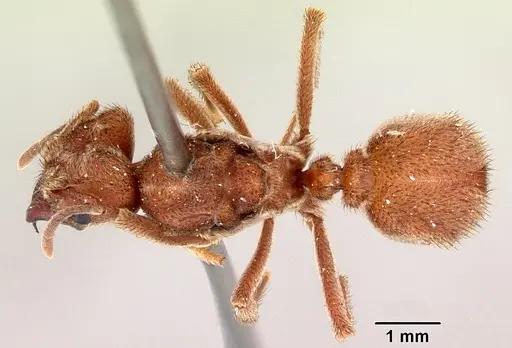
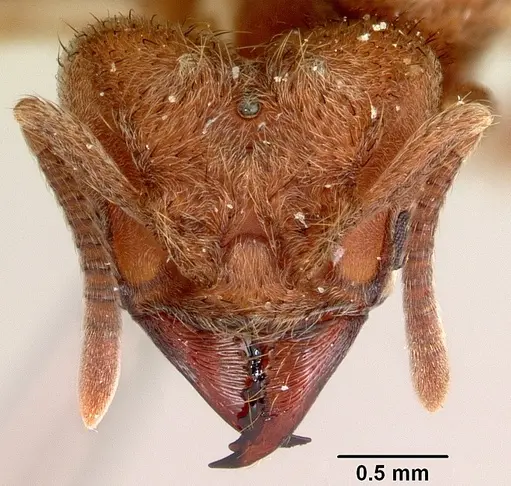
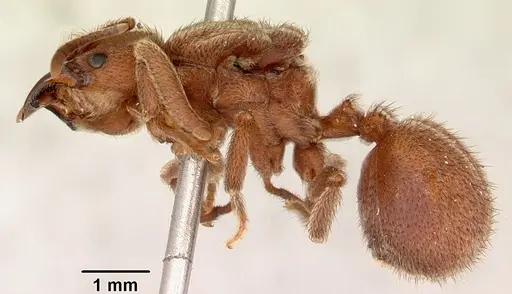
CBUMAGENT41950
View on AntWeb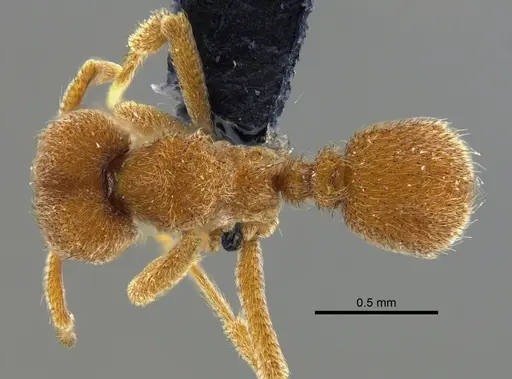
ECOFOG-IT14-0444-16
View on AntWeb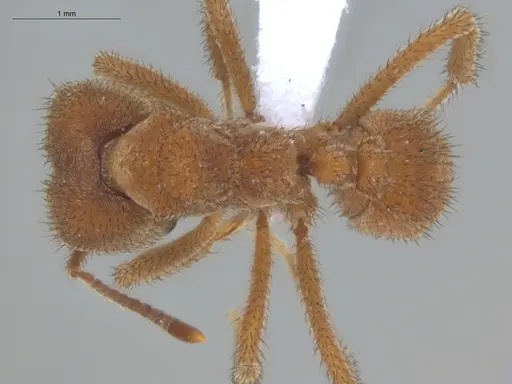
USNMENT01125207
View on AntWeb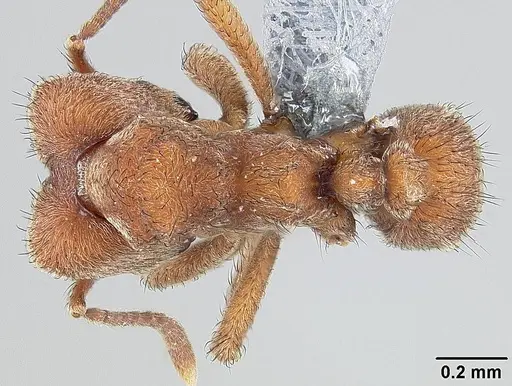
USNMENT01125803
View on AntWeb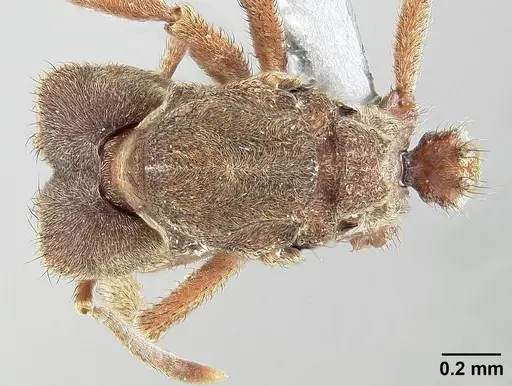
USNMENT01125807
View on AntWeb
USNMENT01125813
View on AntWeb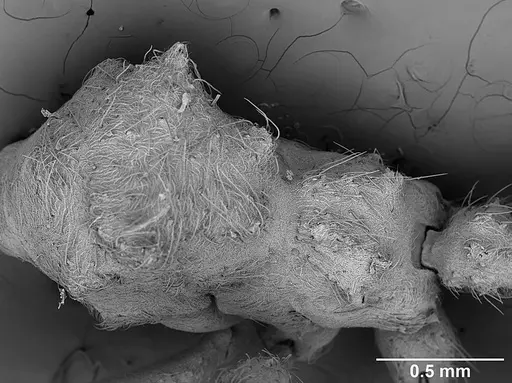
USNMENT01125823
View on AntWeb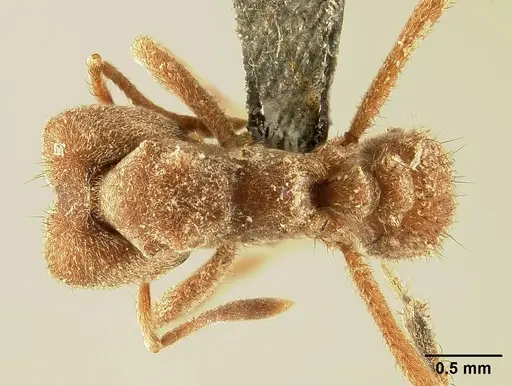
Literature
Loading distribution map...Loading products...