
Rogeria tonduzi
- Sci. Name
- Rogeria tonduzi
- Tribe
- Solenopsidini
- Subfamily
- Myrmicinae
- Author
- Forel, 1899
- Distribution
- Found in 5 countries
Introduction
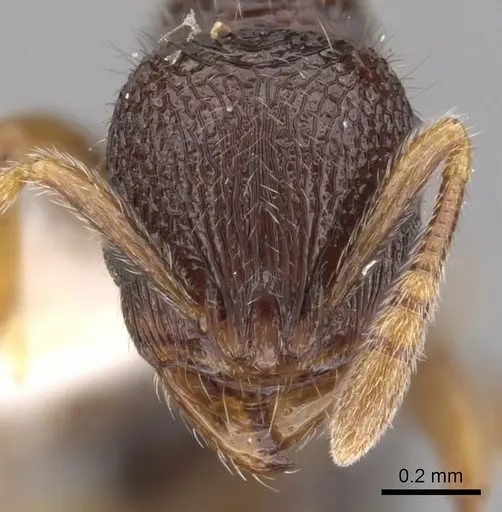
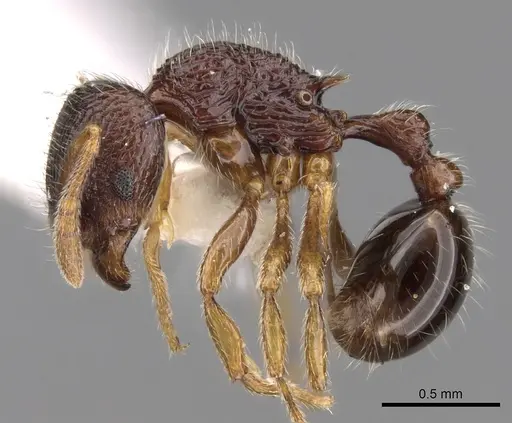
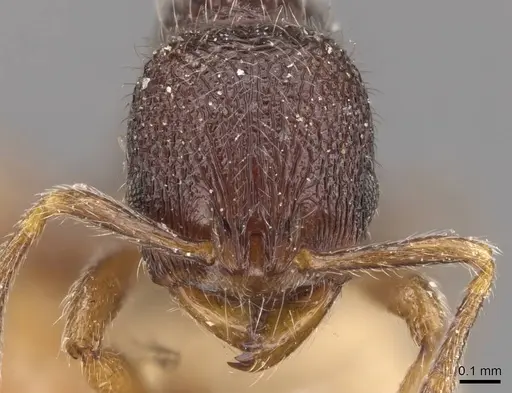
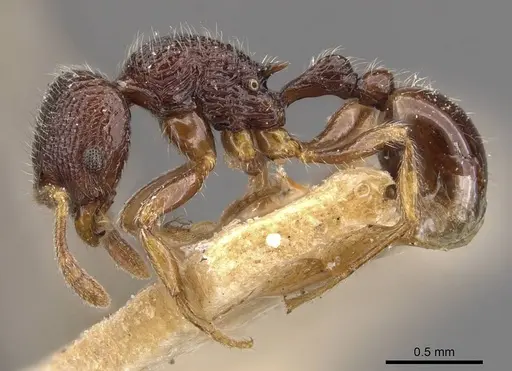
Rogeria tonduzi is a tiny, shiny black ant species native to Central America, primarily found in Costa Rica at low elevations . Workers measure just 3.0–3.2 mm, making them one of the smaller ant species in the hobby. They have large oval eyes and distinctive long propodeal spines . The species is cryptic by nature, living in leaf litter and vegetation in lowland tropical forests. One notable observation involved a worker found inside a Cyphomyrmex nest, suggesting possible opportunistic nesting behavior or a loose association with other myrmicine ants . Queens have been collected but remain undescribed, and males have never been documented .
Quick Summary
- Difficulty: Expert
- Origin & Habitat: Central America – primarily Costa Rica (0–100 m elevation), with additional records from Guatemala, Honduras, Nicaragua, Mexico, Ecuador, and French Guiana [1][2]. Found in leaf litter and low vegetation in tropical lowland areas. One nest was discovered in a cacao tree with a distinctive tubular entrance covered in white 'fuzz' [1].
- Colony Type: Colony structure is unconfirmed. Queens have been collected but not described, and males have never been observed [1].
- Size & Growth:
- Queen: Unknown – queens have been collected but not described [1]
- Worker: 3.0–3.2 mm (TL) [1]
- Colony: Unknown
- Growth: Unknown
- Development: Unknown – no species-specific data available (Development timeline has not been studied for this species. Keep warm and stable (24–28 °C) to support growth, but timing is speculative.)
- Antkeeping:
- Temperature: As a lowland tropical species, keep warm and stable (24–28 °C) year‑round. Avoid prolonged temperatures below 22 °C [1].
- Humidity: Keep nest substrate consistently moist but not waterlogged – these ants naturally live in leaf litter where moisture is constant [1]. Provide a water reservoir to maintain stable humidity.
- Diapause: No – as a tropical species from low elevations, they do not require hibernation. Maintain warm conditions year‑round [1].
- Nesting: Small, tight chambers work best for their tiny size. They naturally nest in leaf litter, under bark, and in small cavities. Use Y‑tong (AAC) or plaster nests with fine chambers. Avoid large open spaces. One wild nest was found in a cacao tree with a tubular entrance [1].
- Behavior: These ants are cryptic and secretive, spending most of their time hidden in the nest or leaf litter. They are not aggressive and rarely venture into the open. Workers are small but active foragers, likely hunting small micro‑arthropods. Escape prevention is critical due to their tiny size – they can squeeze through standard test tube openings. Use fine mesh barriers (≤0.5 mm) and tight‑fitting lids. They possess a functional stinger (Solenopsidini tribe), but due to their size it is likely mild.
- Common Issues: tiny size makes escapes likely without fine mesh barriers (≤0.5 mm), high humidity needs can lead to mold if ventilation is poor, wild‑caught colonies may suffer stress and high mortality, queens and colonies are extremely difficult to obtain, very limited species‑specific care information forces heavy reliance on genus‑level inference
Housing and Nest Setup
Due to their tiny size, Rogeria tonduzi requires careful housing. Use nests with small, tight chambers – standard test tubes may be too large and allow workers to get lost. Y‑tong (AAC) or plaster nests with fine chambers work well. The nest should have a water reservoir to maintain humidity without frequent misting. Because they are cryptic leaf‑litter ants, include some substrate or debris in the outworld to give them cover. Escape prevention is critical – use fine mesh (at least 0.5 mm) on all openings and ensure lids fit tightly. A small outworld is preferable to prevent workers from wandering and becoming lost or dying away from the colony [1].
Feeding and Diet
Rogeria tonduzi is likely a predatory species that hunts small micro‑arthropods in nature, as is typical for the tribe Solenopsidini. Feed small live prey such as springtails, fruit flies, and other tiny insects. They may accept protein gels and honey/sugar water as supplements, though this is not confirmed. Feed small amounts of protein 2–3 times per week, removing any uneaten prey within 24 hours to prevent mold. Given their tiny size, prey items should be appropriately scaled – even fruit fly larvae may be large for them. Observe feeding behavior and adjust portions accordingly. Sugar sources can be offered occasionally but should not be the primary food.
Temperature and Humidity
As a lowland tropical species from Costa Rica, Rogeria tonduzi requires warm and humid conditions. Maintain temperatures between 24–28 °C year‑round. Avoid prolonged exposure below 22 °C, as this can weaken the colony. Use a heating cable on one side of the nest if room temperature is insufficient, placing it on top to create a gentle warmth gradient. Humidity should remain high – keep the nest substrate consistently moist but not waterlogged, mirroring the constant moisture of leaf litter. Use a water reservoir in the nest setup to maintain stability. Adequate ventilation is necessary to prevent mold while preserving humidity [1].
Colony Establishment
Establishing colonies is challenging due to limited information. Queens have been collected but never described scientifically, and males have never been documented [1]. Founding colonies may be difficult to obtain. If you acquire a queen, house her in a small setup with high humidity and tropical temperatures. The founding chamber should be small and dark, mimicking the protected microhabitats they naturally use. Growth rate is unknown – be patient and avoid disturbing the queen during the founding period. Wild‑caught colonies may have higher mortality due to collection stress, so acquiring established colonies from other keepers is preferable when possible.
Behavior and Temperament
Rogeria tonduzi is a cryptic, secretive species that avoids open spaces. Workers are small and not particularly aggressive, though they possess a stinger (Solenopsidini tribe). They are likely more defensive when threatened rather than proactively aggressive. In the wild, they live in leaf litter and low vegetation, foraging among debris for small prey. They are not active on the surface and will retreat into the nest when disturbed. Their large eyes suggest they may be more visually oriented than many ground‑dwelling ants. In captivity, they establish quiet, hidden colonies that are fascinating to observe in their underground activity. They are not suitable for keepers who want visible, active ants outside the nest.
Frequently Asked Questions
How long does it take for Rogeria tonduzi to produce first workers?
The exact timeline is unknown – no species‑specific data are available. Based on related Solenopsidini species, development may take 6–8 weeks at tropical temperatures (24–28 °C), but this is a rough estimate [1].
Can I keep Rogeria tonduzi in a test tube setup?
Standard test tubes may be too large for these tiny ants – workers are only 3.0–3.2 mm and can become lost or stressed in large spaces. Small Y‑tong or plaster nests with fine chambers are more appropriate. If using test tubes, use very small‑diameter tubes and ensure the cotton barrier is tight.
What do Rogeria tonduzi eat?
They are likely predatory on small micro‑arthropods, as typical for Solenopsidini. Feed small live prey such as springtails, fruit flies, and other tiny insects. They may accept protein gels and sugar water as supplements, though this is not confirmed for this species.
Are Rogeria tonduzi good for beginners?
No – this species is rated as expert difficulty and is not recommended for beginners. Limited species‑specific care information, tiny size requiring specialized housing, high humidity needs, and difficulty obtaining colonies make this a challenging species. Start with more established species like Lasius or Messor before attempting Rogeria.
Do Rogeria tonduzi need hibernation?
No – as a lowland tropical species from Costa Rica, they do not require hibernation. Maintain warm, stable temperatures (24–28 °C) year‑round. Extended periods below 22 °C can be harmful to the colony [1].
How big do Rogeria tonduzi colonies get?
Colony size is unknown – no documented estimates exist for this species. Based on their cryptic leaf‑litter lifestyle and tiny worker size, they likely maintain modest populations, but exact numbers are speculative.
Why are my Rogeria tonduzi dying?
Common causes include: temperature too low (keep above 22 °C), humidity too low or too high (aim for stable moisture with good ventilation), escape through tiny gaps (use fine mesh), stress from wild collection, or insufficient small live prey. Their cryptic nature means they are sensitive to environmental changes.
Can I keep multiple queens together?
This is unknown – colony structure has not been documented for this species. Queens have been collected but never described, and males have never been found. It is unknown whether they are monogyne or polygyne. Do not attempt combining unrelated queens without specific evidence.
Where is Rogeria tonduzi found in the wild?
They are native to Central America, primarily Costa Rica at elevations of 0–100 m. Additional records exist from Guatemala, Honduras, Nicaragua, Mexico, Ecuador, and French Guiana. They live in leaf litter and low vegetation in tropical lowland forests [1][2].
Report an Issue
The current care sheet is based fully on literature. See inconsistencies, or something that's incorrect? Please , it will be resolved after review from an admin. Contributing to the blogs tab also helps providing information, to make us be able to further improve the caresheets. Thank you for your support!
References

This caresheet is licensed under CC BY-SA 4.0 .
Community Blogs
CASENT0280815
View on AntWeb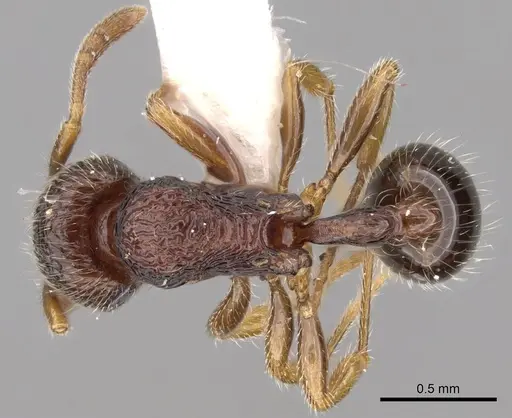
CASENT0909069
View on AntWeb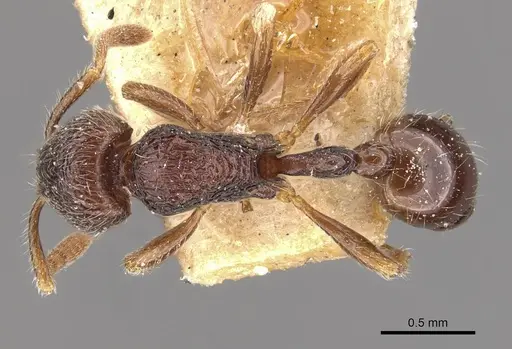
Literature
Loading distribution map...Loading products...