
Rogeria procera
- Sci. Name
- Rogeria procera
- Tribe
- Solenopsidini
- Subfamily
- Myrmicinae
- Author
- Emery, 1896
- Distribution
- Found in 2 countries
Introduction
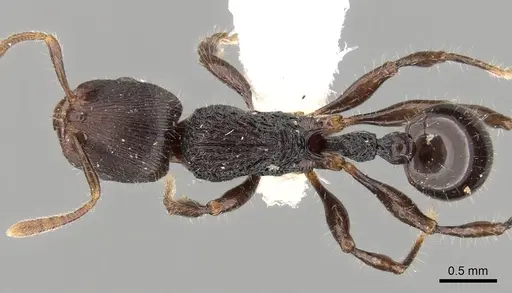
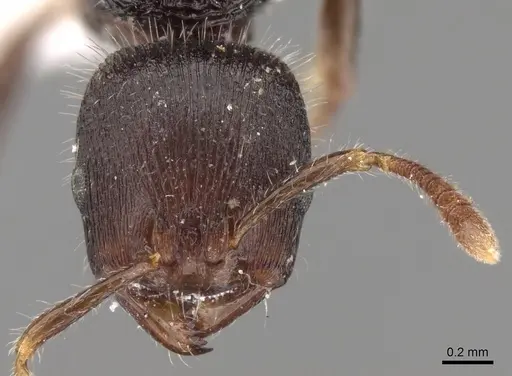
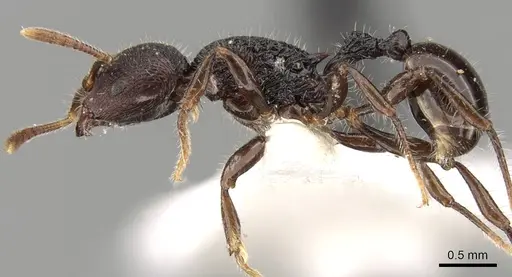
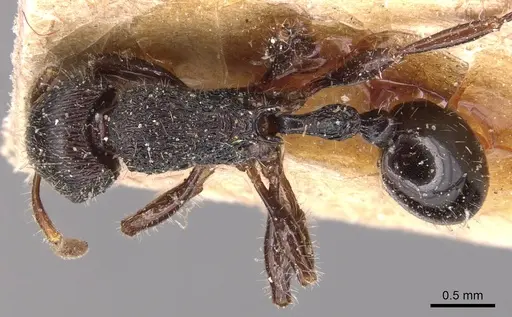
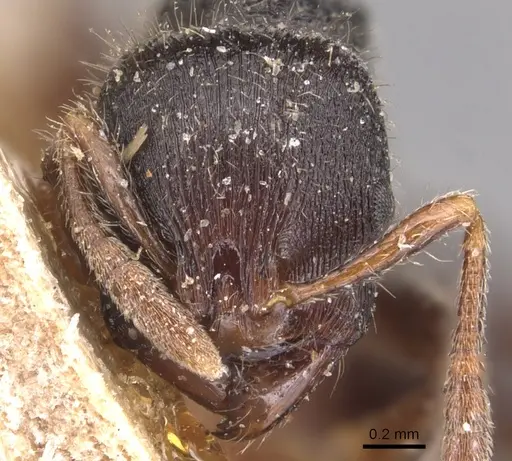
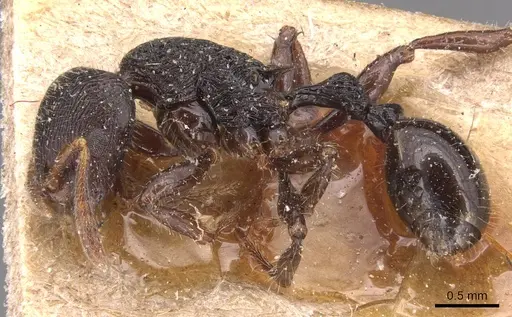
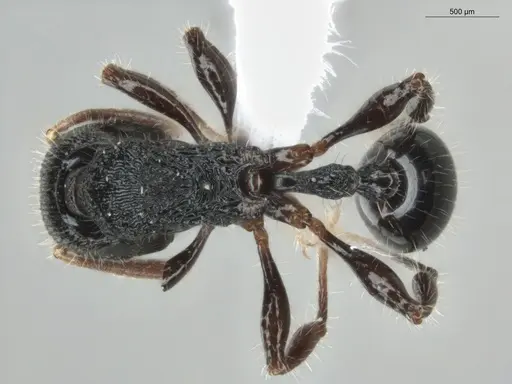
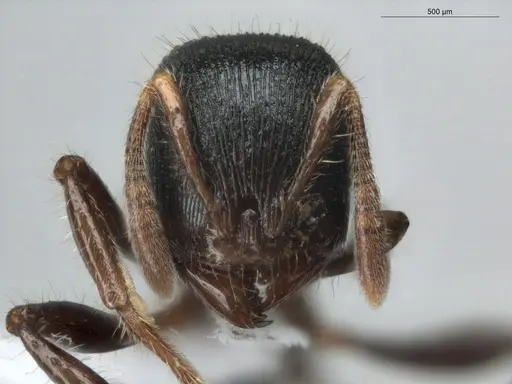
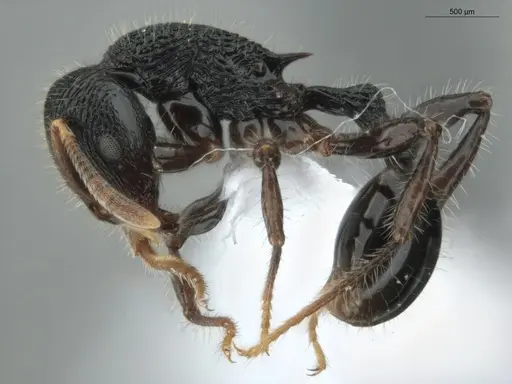
Rogeria procera is a small ant from the Myrmicinae subfamily, tribe Solenopsidini. Workers are 4.5–5.4 mm in total length, with large eyes, long propodeal spines, and a dark brown to black mesosoma and waist while the legs and sometimes gaster are lighter brown . The head has distinct longitudinal carinae, and the area behind the eyes is smooth and shiny . This species is known from Brazil, Guyana, Colombia, and northern Argentina, usually collected in lowland tropical habitats like white sand savannah and rocky leaf litter at around 300 m elevation . The biggest challenge for keepers is that almost nothing is known about Rogeria procera in the wild – no queen has ever been described, colony structure is unknown, and no nesting or feeding habits are recorded . You'll be experimenting from scratch, adapting care based on your own observations.
Quick Summary
- Difficulty: Expert
- Origin & Habitat: Tropical South America – Brazil (Pará, Amazonas), Guyana, Colombia (Guaviare), and northern Argentina. Found in lowland white sand savannah and rocky leaf litter at 306 m elevation [3][2].
- Colony Type: Unknown – only the worker caste has been described, queens and males are unknown [1].
- Size & Growth:
- Queen: Unknown – queen never described [1]
- Worker: 4.5–5.4 mm total length (TL) [1]
- Colony: Unknown – no colony data exists [2]
- Growth: Unknown
- Development: Unknown – no development data exists for this species (Based on related Solenopsidini, one might expect 4–8 weeks at tropical temperatures, but this is entirely estimated.)
- Antkeeping:
- Temperature: Start around 24–28 °C and watch the colony’s response. As a tropical lowland species, they likely prefer warm conditions [3]. Adjust based on activity levels.
- Humidity: Moderate to high – collection from savannah and leaf litter suggests they tolerate some drying but need consistent moisture. Keep the substrate moist but allow it to dry out a bit between waterings.
- Diapause: Unknown – tropical species may not need hibernation, but a slight winter cooling period (20–22 °C) could be tried.
- Nesting: Probably best in naturalistic setups with soil or leaf litter. They’ve been found in Winkler samples from rocky leaf litter, so ground-level microhabitats are likely [3]. Y‑tong or plaster nests with fine chambers are an option, but you’ll need to experiment.
- Behavior: Behavior is unstudied. As a Solenopsidini member, they may hunt small arthropods. Their large eyes hint at some visual capability. Escape prevention should be standard – workers are 4.5–5.4 mm, so normal barriers work, but check for small gaps.
- Common Issues: no established care protocols – you’ll need to learn through experimentation, queen absence means you cannot start a colony from a found queen, wild‑caught workers may carry parasites or diseases, tropical humidity requirements can promote mold in captive setups, unknown development timeline makes growth unpredictable
Why Rogeria procera Is an Expert-Only Species
Rogeria procera is one of the few ant species with absolutely no published biological data – the queen has never been described, colony structure is unknown, and no wild colony observations exist [2]. Even difficult species like some Camponotus or Ponerinae typically have at least a few field notes. Here, you will be pioneering the husbandry from scratch: founding method, preferred humidity, diet acceptance – everything must be discovered through careful observation and experimentation. This makes Rogeria procera suitable only for experienced keepers who have raised multiple species through full life cycles and can spot subtle signs of colony stress. Beginners should pick species with established care guides.
Also, because no queen is known, you can’t start a colony from a found queen. Any specimens in the hobby would be wild‑caught workers, bringing risks like parasites, diseases, and uncertain long‑term survival.
Housing and Nest Setup
Based on collection records, Rogeria procera seems to live in ground‑level microhabitats in tropical savannah and forest edges. They’ve been captured with pitfall traps in white sand savannah and in Winkler samples of varillal (rocky leaf litter) at about 300 m elevation [3]. This suggests they like humid but not waterlogged conditions with access to decomposing organic matter.
For housing, a naturalistic setup with a soil‑sand mix works well – it lets you create moisture gradients and watch natural behavior. Y‑tong or plaster nests are also fine, as long as the chambers match the workers’ size (4.5–5.4 mm). Test tubes may not be ideal given the unknown founding requirements. Provide several nest options and see where the colony settles.
Feeding and Diet
As a member of Solenopsidini (fire ants, Wasmannia), Rogeria likely preys on small arthropods. However, no direct feeding observations exist [1]. Start with a varied diet: small live prey like fruit flies, pinhead crickets, and mealworms for protein, plus sugar water, honey, or honeydew for carbohydrates. Because the exact nutritional needs are unknown, variety is crucial. Keep a feeding journal – note what’s accepted and how the colony responds (activity level, brood production). This personal data can help fill the knowledge gap.
Temperature and Seasonal Care
Rogeria procera comes from tropical lowlands in Brazil, Guyana, Colombia, and Argentina, so warm conditions are likely. Based on their range and typical Solenopsidini preferences, aim for 24–28 °C [3]. Create a temperature gradient (e.g., with a heating cable on one side of the nest) so the colony can self‑regulate. Watch where workers cluster and adjust accordingly.
Regarding diapause – tropical ants usually don’t need a true hibernation, but a slight winter cooling to 20–22 °C might simulate natural seasonal change. This is speculative, observe your colony’s annual activity patterns.
Handling and Observation Challenges
Working with Rogeria procera requires patience and careful record‑keeping. Because no protocols exist, you must become your own researcher. Document everything: feeding acceptance, temperature preferences (where workers cluster), humidity responses, and any unusual behaviors.
Use soft brushes instead of forceps when handling – the ants are 4.5–5.4 mm, delicate, and easily damaged. Watch for stress signs: workers fleeing the nest, unusual lethargy, or brood abandonment. Photography and detailed notes are especially valuable for this species. Share your observations with ant communities or, if you see novel behaviors, consider contacting myrmecologists studying Rogeria.
Frequently Asked Questions
How do I start a Rogeria procera colony?
This is complicated because no queen has ever been described for this species. Unlike most ants, you cannot catch a founding queen – any available specimens would be wild‑caught workers, which are very hard to establish long‑term. This makes acquiring and maintaining this species extremely challenging even for experienced keepers.
Are Rogeria procera ants good for beginners?
No. Rogeria procera is definitively not for beginners. Nothing is known about its biology – no queen, no colony structure, no care protocols. Every aspect of husbandry must be discovered through experimentation. Beginners should start with well‑documented species like Lasius niger, Camponotus, or Tetramorium caespitum.
What do Rogeria procera ants eat?
Unknown specifically, but based on its tribe Solenopsidini (fire ants, Wasmannia), it likely accepts small live prey and sugar sources. Start with fruit flies, pinhead crickets, mealworms, and sugar water or honey. Document acceptance carefully – variety is essential since no dietary data exists.
What temperature should I keep Rogeria procera at?
Based on its tropical South American distribution (Brazil, Guyana, Colombia), start around 24–28 °C. Provide a temperature gradient so the colony can choose. This is an estimate – no thermal studies exist for this species, so observation is key.
Do Rogeria procera ants need hibernation?
Unknown. As a tropical species, it likely does not require true hibernation. Some keepers try a slight winter cooling to 20–22 °C to mimic seasonal variation, but this is speculative. Watch the colony’s annual activity patterns to decide.
How big do Rogeria procera colonies get?
Unknown. No colony size data exists. Related Solenopsidini range from small colonies (a few dozen workers) to huge supercolonies (fire ants). Without any field observations, any estimate would be pure speculation.
Can I keep multiple Rogeria procera queens together?
Unknown. No queen has ever been described, so any discussion of multi‑queen arrangements is purely speculative. Colony founding behavior cannot be addressed at all.
What size nest do Rogeria procera ants need?
Workers are 4.5–5.4 mm, so chambers should be appropriately sized but standard small‑ant nests work. Based on collection from leaf litter and soil, naturalistic setups with substrate may be best. Y‑tong or plaster nests with fine chambers are also options. Be prepared to experiment since nothing is known about their nesting preferences.
Why is so little known about Rogeria procera?
This species is known only from occasional worker specimens collected in scattered locations across South America. No colony, queen, or male has ever been found. It may have small, cryptic colonies or be genuinely rare. The scientific literature has no biological observations to draw from.
Report an Issue
The current care sheet is based fully on literature. See inconsistencies, or something that's incorrect? Please , it will be resolved after review from an admin. Contributing to the blogs tab also helps providing information, to make us be able to further improve the caresheets. Thank you for your support!
References

This caresheet is licensed under CC BY-SA 4.0 .
Community Blogs
Literature
Loading distribution map...Loading products...