
Rogeria lirata
- Sci. Name
- Rogeria lirata
- Tribe
- Solenopsidini
- Subfamily
- Myrmicinae
- Author
- Kugler, 1994
- Distribution
- Found in 5 countries
Introduction
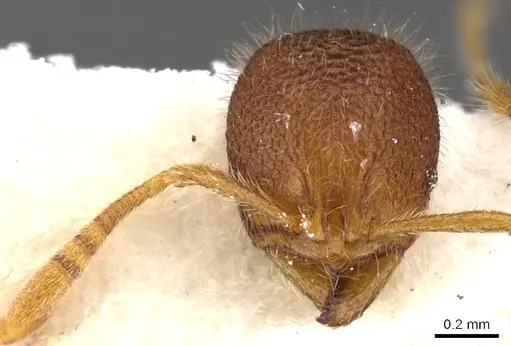
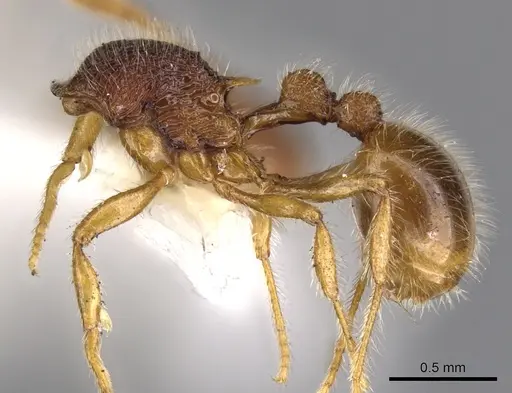
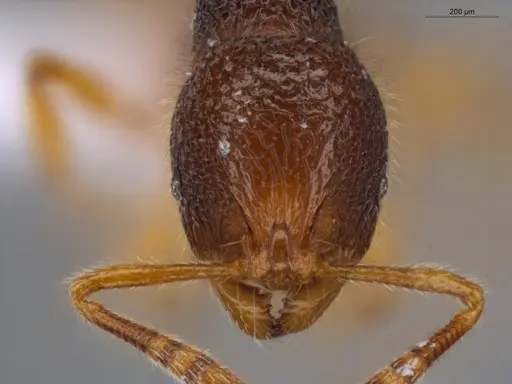
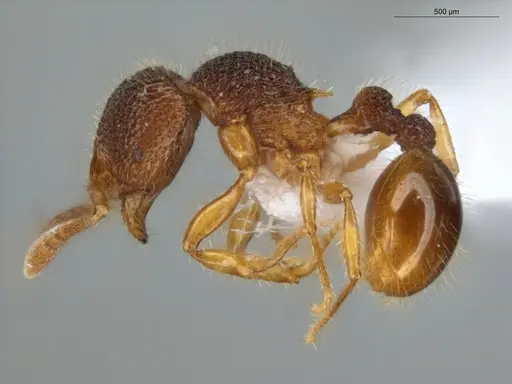
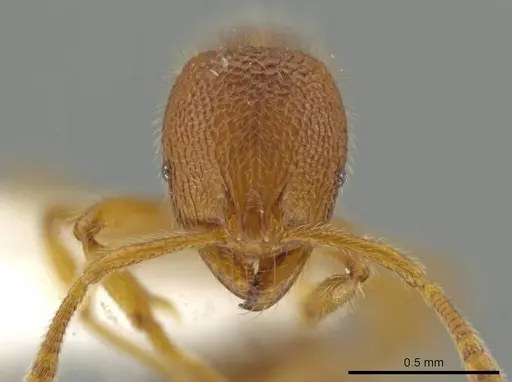
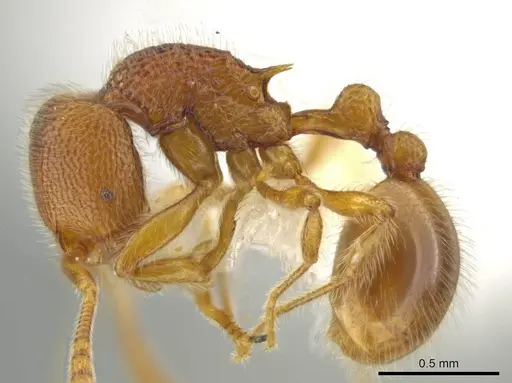
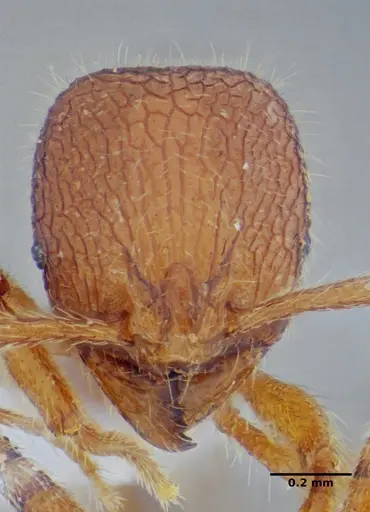
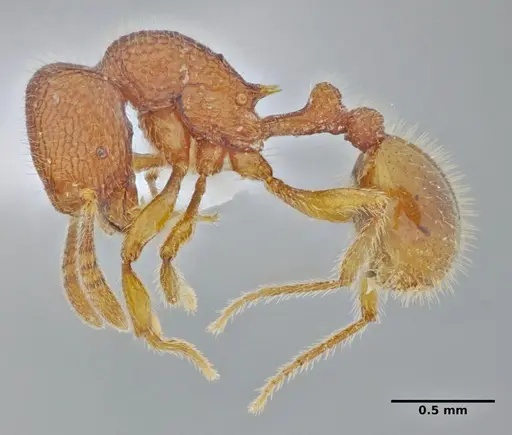
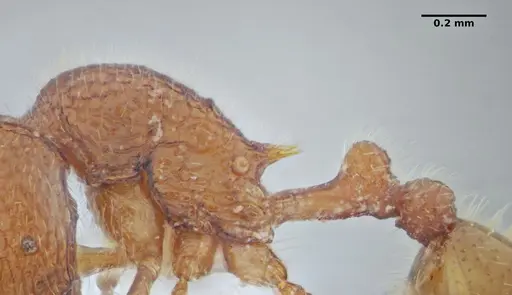
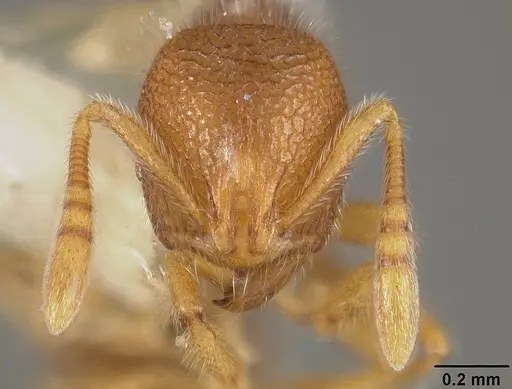
Rogeria lirata is a tiny leaf-litter ant native to tropical South America, ranging from Colombia and Guyana through Brazil to Peru and Trinidad . Workers measure 2.6-3.4mm (total length) and are reddish-yellow with distinctive raised ridges (rugae) on the sides of their mesosoma and a dense covering of erect hairs on their dorsal surfaces . Queens are larger, at 3.6-3.7mm . The species name ‘lirata’ refers to these characteristic ridges, which resemble the furrows left by a plow . These ants live in forest leaf-litter in the Amazon basin and surrounding tropical regions, making them a true litter-dwelling species . Males have never been collected, so their reproductive biology remains unknown .
Quick Summary
- Difficulty: Medium
- Origin & Habitat: Tropical South America, found in Amazon rainforest regions of Brazil, Colombia, French Guiana, Guyana, Peru, and Trinidad and Tobago. Inhabits forest leaf-litter in lowland tropical rainforest, collected via Winkler extraction from leaf litter samples [1][4].
- Colony Type: Colony structure is unconfirmed. Based on being in the Solenopsidini tribe, it is likely monogyne (single queen), but this has not been directly documented.
- Size & Growth:
- Queen: 3.6-3.7mm (total length) [3]
- Worker: 2.6-3.4mm (total length) [3]
- Colony: Unknown, typical of leaf-litter ants, likely under a few hundred workers
- Growth: Moderate, inferred from typical Solenopsidini patterns
- Development: Unconfirmed, estimated 6-8 weeks based on related Solenopsidini at tropical temperatures (Development timeline is unconfirmed for this species. Related Solenopsidini typically develop from egg to worker in 6-8 weeks at 24-27°C.)
- Antkeeping:
- Temperature: Keep at 24-27°C, these are tropical ants from lowland Amazon rainforest [1]. Use a heating cable on one side of the nest to create a gentle gradient.
- Humidity: High humidity, keep nest substrate moist but not waterlogged. They live in rainforest leaf-litter where conditions are consistently damp [4]. Provide good ventilation to prevent mold.
- Diapause: No, being a tropical species, they do not require hibernation. Maintain consistent tropical conditions year-round [1].
- Nesting: Y-tong (AAC) or plaster nests work well for these tiny ants. They prefer tight chambers scaled to their small size. A test tube works for founding, but use a smaller diameter tube to prevent escape. A naturalistic setup with leaf litter and soil also mimics their habitat.
- Behavior: Shy, cryptic ants that stay hidden in leaf-litter and tight spaces. They are not aggressive and will avoid confrontation. As tiny leaf-litter ants, escape prevention is critical, they can squeeze through standard gaps. They likely forage individually through the leaf-litter layer. As Solenopsidini, they have a functional stinger but rarely use it defensively.
- Common Issues: escape prevention is critical due to their very small size, use fine mesh and tight-fitting lids, high humidity requirements can lead to mold if ventilation is poor, slow colony growth may frustrate beginners expecting rapid development, wild-caught colonies may carry parasites from leaf-litter environments, test tube setups must have properly sized water reservoirs, too much water can drown tiny colonies
Housing and Nest Setup
Rogeria lirata is a tiny leaf-litter ant that needs properly scaled housing [3]. Y-tong (AAC) nests work well because they provide the tight chambers and passages these small ants prefer. Plaster nests are another good option as they hold humidity well. Avoid large, open spaces, these ants feel safest in tight, snug chambers. For the outworld, keep it simple with a small foraging area. Escape prevention is critical: use fine mesh on any ventilation holes and check all connections for gaps. A test tube setup works for founding, but you may need a smaller diameter tube than standard due to their tiny size. Some keepers add a small piece of damp cotton or substrate to help maintain humidity in the founding setup [1][4].
Temperature and Humidity
As tropical ants from the Amazon basin, Rogeria lirata needs warm, humid conditions [1]. Keep temperatures in the range of 24-27°C, this matches their natural environment in lowland tropical rainforest. Temperature stability is important, avoid drafts and major fluctuations. For humidity, aim for high levels. These ants live in leaf-litter where conditions are consistently damp but not waterlogged [4]. Use a water reservoir in your nest setup and mist the outworld occasionally, but allow the substrate surface to dry slightly between mistings to prevent mold. A small water tube connected to the nest helps maintain constant moisture. Never let the nest dry out completely, these tropical ants are not drought-tolerant.
Feeding and Diet
Diet is not documented for this species, but based on related Solenopsidini ants, Rogeria lirata is likely omnivorous with a preference for small protein sources. Offer small live prey such as springtails, fruit flies, and other tiny insects. They will probably accept sugar water or honey as well, though offer it in very small amounts given their size. Feed small portions, these tiny ants cannot consume large prey items. A feeding schedule of small protein offerings 2-3 times a week with constant access to sugar water works well. Remove any uneaten prey after 24-48 hours to prevent mold. Their small size means even a single fruit fly is a substantial meal for a founding colony. Observe your colony's acceptance and adjust accordingly.
Colony Development
Queens are 3.6-3.7mm and workers 2.6-3.4mm [3]. The development timeline is unconfirmed for this species, but based on related Solenopsidini ants, expect 6-8 weeks from egg to first worker at optimal tropical temperatures (24-27°C). First workers (nanitics) will likely be smaller than full-sized workers. Colony growth is typically slow initially, these are not fast-growing ants. Be patient during the founding phase. Males have never been collected, suggesting nuptial flights may be infrequent or occur in a way that standard sampling misses [3]. Colony size is unknown, but leaf-litter ants usually remain small.
Behavior and Temperament
Rogeria lirata is a shy, cryptic species that prefers to stay hidden within the nest and leaf-litter layer. They are not aggressive and will not defend their nest actively. Their small size and cryptic lifestyle mean they are rarely seen foraging in the open. When disturbed, they may retreat deeper into their nesting area rather than engage. They are not known to sting readily, though as Solenopsidini they possess a functional stinger. Their escape risk is high due to their tiny size, even standard test tube setups may have gaps they can squeeze through. Always use fine mesh and check all connections for gaps. They are best observed through the nest walls rather than in active open foraging.
Seasonal Care
As a tropical species from the Amazon basin, Rogeria lirata does not require hibernation or diapause [1]. Maintain consistent tropical conditions year-round. Temperature should remain stable between 24-27°C throughout the year. Humidity should also stay consistently high. Avoid any cooling periods or drying that might simulate seasonal changes. These ants are adapted to year-round warm, humid conditions in their natural habitat. If your room temperature drops below 24°C in winter, use a small heating setup to maintain warmth. The key is stability, these ants do not tolerate environmental fluctuations well.
Frequently Asked Questions
How long does it take for Rogeria lirata to produce first workers?
The development timeline is unconfirmed for this species, but based on related Solenopsidini ants, expect 6-8 weeks from egg to first worker at optimal temperatures of 24-27°C. Be patient during founding, colony growth is typically slow initially.
What size colony does Rogeria lirata reach?
Colony size is not documented, but based on typical leaf-litter ant patterns, it likely remains small, probably under a few hundred workers. These are not large colony builders.
Can I keep multiple Rogeria lirata queens together?
Colony structure is unconfirmed for this species. Based on typical Solenopsidini patterns, they are likely single-queen (monogyne) colonies. Combining unrelated queens is not recommended as it has not been documented and could result in aggression.
What do Rogeria lirata ants eat?
Their diet is not documented, but based on related Solenopsidini they are likely omnivorous. Offer small live prey (springtails, fruit flies) and sugar water or honey. Feed small portions 2-3 times per week with constant access to sugar sources. Remove uneaten prey promptly.
Are Rogeria lirata good for beginners?
They are rated medium difficulty. Their small size and high humidity needs make them more challenging than common species like Lasius or Camponotus. They require excellent escape prevention and stable tropical conditions. Beginners may find them challenging but rewarding once established.
What temperature do Rogeria lirata ants need?
Keep them at 24-27°C. These are tropical ants from the Amazon basin and need warm, stable temperatures. Use a heating cable on one side of the nest to create a gentle gradient. Avoid temperatures below 24°C or major fluctuations [1].
Do Rogeria lirata need hibernation?
No, they do not require hibernation. As tropical ants from the Amazon basin, they need year-round warm, humid conditions. Maintain consistent temperatures between 24-27°C throughout the year [1].
Why are my Rogeria lirata escaping?
Their very small size (2.6-3.4mm workers) means they can squeeze through tiny gaps that larger ants cannot. Use fine mesh on all ventilation, check lid seals thoroughly, and ensure there are no gaps in connections between the nest and outworld. Escape prevention is critical for this species.
When should I move Rogeria lirata to a formicarium?
Wait until the colony has at least 20-30 workers before moving to a formicarium. Test tubes work well for founding colonies. A Y-tong or plaster nest with appropriately sized chambers works well once the colony is established. They prefer tight chambers scaled to their tiny size.
Report an Issue
The current care sheet is based fully on literature. See inconsistencies, or something that's incorrect? Please , it will be resolved after review from an admin. Contributing to the blogs tab also helps providing information, to make us be able to further improve the caresheets. Thank you for your support!
References

This caresheet is licensed under CC BY-SA 4.0 .
Community Blogs
CASENT0900957
View on AntWeb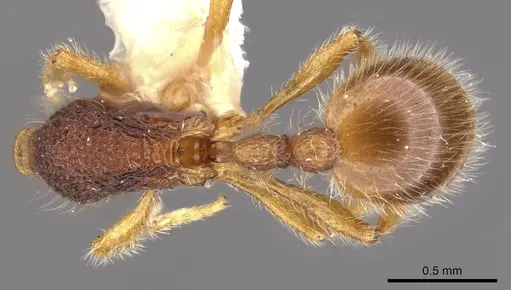
ECOFOG-GAL18-0008-17
View on AntWeb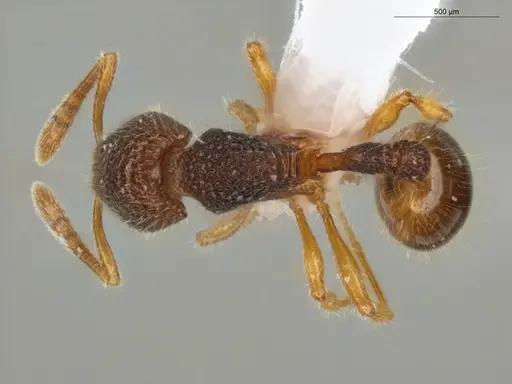
JTLC000015173
View on AntWeb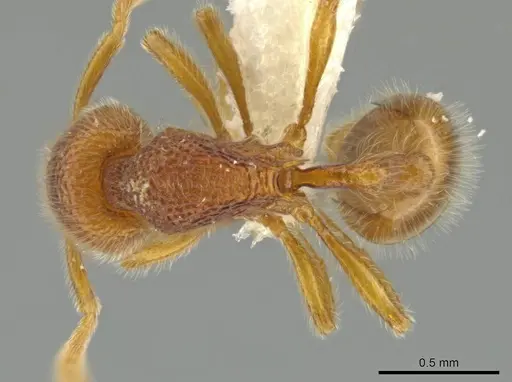
UFV-LABECOL-000774
View on AntWeb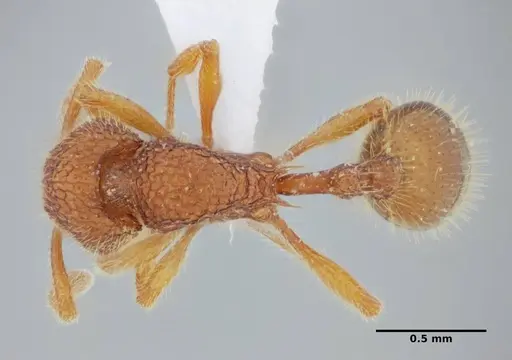
USNMENT00442161
View on AntWeb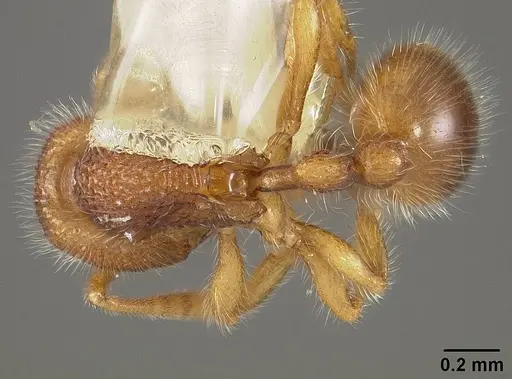
Literature
Loading distribution map...Loading products...