
Rogeria germaini
- Sci. Name
- Rogeria germaini
- Tribe
- Solenopsidini
- Subfamily
- Myrmicinae
- Author
- Emery, 1894
- Distribution
- Found in 4 countries
Introduction
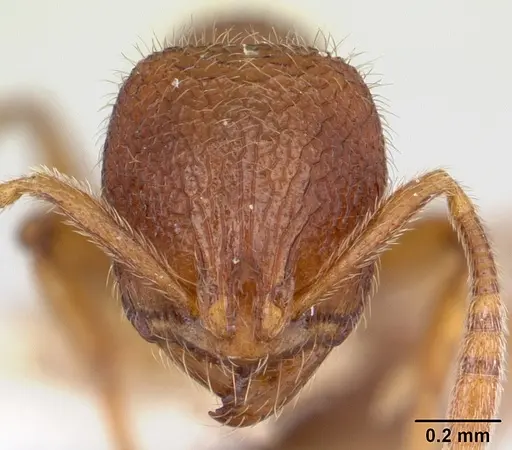
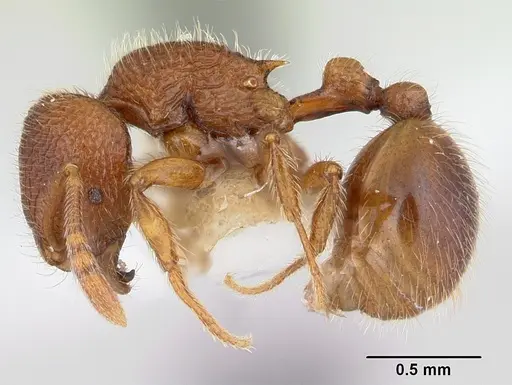
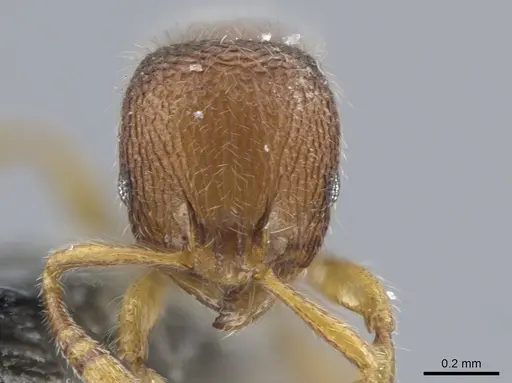
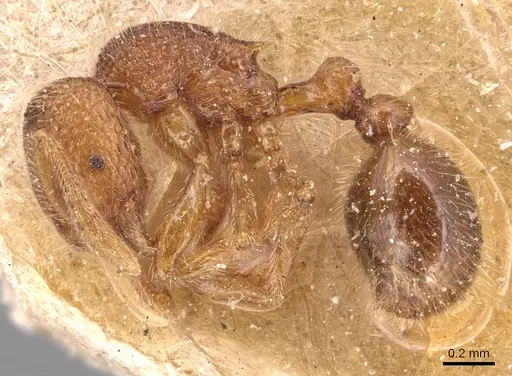
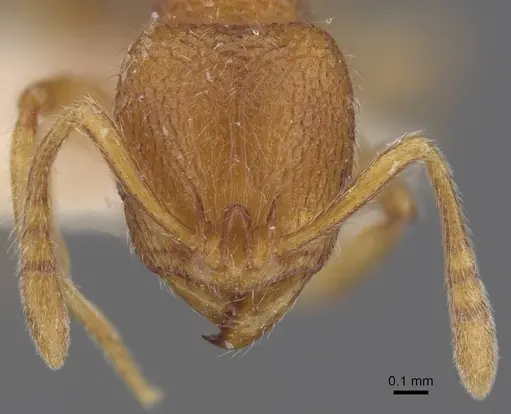
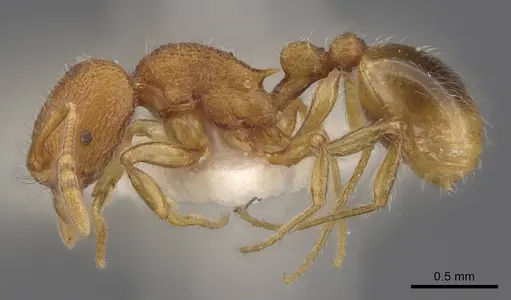
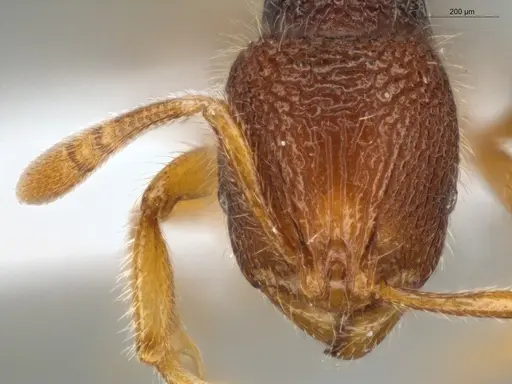
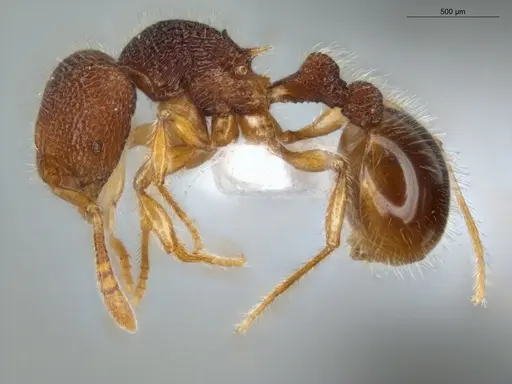
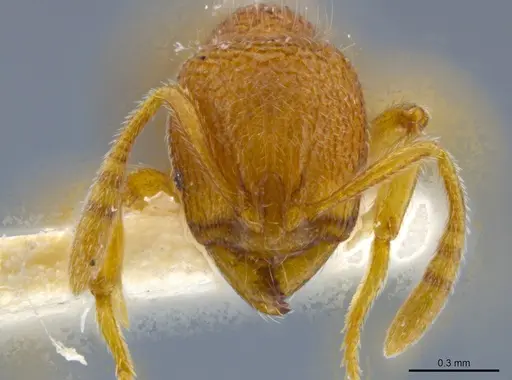
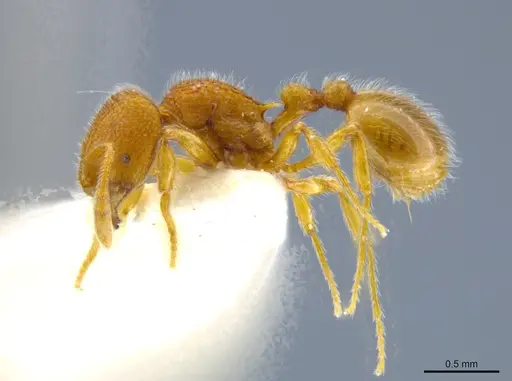
Rogeria germaini is a tiny ant from southern Brazil and Paraguay, with records also from Argentina and French Guiana . Workers are 2.7–3.5 mm, making them one of the smallest ants you might keep. They are brownish-yellow to brown, with a darker gaster, and have a distinct median tooth on the clypeal apron . Queens are larger at about 4.1 mm . These ants are cryptic omnivores that nest in soil and leaf litter on the forest floor . They are most often collected using Winkler traps from sifted leaf litter in rainforests . Their small size and secretive habits make them a challenging species best suited for experienced keepers.
Quick Summary
- Difficulty: Hard
- Origin & Habitat: Southern Brazil and Paraguay, with additional records from Argentina and French Guiana [1][3]. Inhabits pristine rainforest leaf litter and rotting wood [1][2].
- Colony Type: Colony structure is not well documented. Likely single-queen (monogyne) based on typical genus patterns, but this has not been confirmed.
- Size & Growth:
- Queen: ~4.1 mm [1] – from a single specimen.
- Worker: 2.7–3.5 mm [1]
- Colony: Unknown – likely under 100 workers based on cryptic, litter-dwelling habits.
- Growth: Likely slow to moderate.
- Development: 6–10 weeks (estimated – based on related Solenopsidini species). (Direct studies are lacking, development likely depends on stable warmth and humidity.)
- Antkeeping:
- Temperature: Keep at 22–26 °C – tropical forest ants that need stable warmth. Provide a gentle gradient.
- Humidity: High humidity is critical. Keep nest substrate consistently moist (damp, not waterlogged) with good ventilation to prevent mold.
- Diapause: Unlikely – as a tropical species, no true diapause. Activity may drop during dry periods, but maintain stable conditions year-round.
- Nesting: Naturalistic setups with moist soil and leaf litter work best. Test tubes are fine for founding. Y‑tong or plaster nests with very small chambers can be used, but the ants may prefer tight, enclosed spaces.
- Behavior: Shy and cryptic. Workers avoid confrontation and prefer to flee than fight. They possess a weak sting apparatus [1], but it is not considered a threat to humans. Foraging is solitary through leaf litter. Their tiny size (2.7–3.5 mm) makes escape prevention essential – standard barriers must be checked for gaps.
- Common Issues: escape prevention is critical – their small size lets them slip through gaps that hold back larger ants., colonies grow slowly and stay small, which may disappoint keepers expecting rapid expansion., high humidity needed can cause mold if ventilation is poor., wild‑caught colonies may have parasites or fail to adapt to captive conditions., their cryptic nature means you rarely see them, leading some keepers to think the colony is dead.
Housing and Nest Setup
For such tiny ants, test tubes work well for founding colonies. Use damp cotton to maintain humidity without flooding. Watch for gaps – even small openings can let workers escape. As the colony grows, shift to a naturalistic setup: a shallow container filled with moist soil and leaf litter. This mimics their forest floor habitat and lets them nest as they would in the wild [2]. You can add rotting wood or bark for extra nesting spots. Avoid large open spaces – these ants feel safe in tight, enclosed areas. Good escape prevention is non‑negotiable: apply Fluon on rims and use fine mesh ventilation.
Feeding and Diet
Rogeria germaini is omnivorous [2]. In the wild they hunt tiny insects and scavenge organic matter in leaf litter. In captivity, offer small protein sources such as fruit flies, tiny mealworms, or small crickets – prey no larger than the workers themselves. Occasional sugar water or honey is also accepted. Feed small amounts several times a week rather than large meals, because colonies stay small. Remove uneaten food after 24–48 hours to prevent mold.
Temperature and Humidity
As tropical forest ants, they need warmth and high humidity. Keep temperatures between 22–26 °C. A heating cable on one side creates a gradient so they can choose. Avoid drops below 20 °C or above 30 °C. Humidity is critical: keep the nest substrate damp (not waterlogged). Misting or a small water reservoir works well, but balance with ventilation to stop mold. Provide a slightly drier area in the outworld as a retreat option.
Colony Growth and Expectations
Be ready for slow growth. Rogeria germaini colonies likely peak under 100 workers – typical for cryptic litter ants. The first nanitics may take a few months to appear, and growth is gradual. Do not overfeed or expand the setup too quickly, small colonies stress easily. Because they are tiny and secretive, you may rarely see them. That is normal. Enjoy the subtlety rather than expecting large, visible foraging trails.
Behavior and Temperament
These are shy, non‑aggressive ants. Their sting apparatus is weak [1] and they prefer to flee over fighting. Foraging is solitary – workers search leaf litter alone, not in trails. Their tiny size (2.7–3.5 mm) and secretive nature mean they are best for keepers who appreciate quiet observation. They are not a species for those wanting interactive or highly visible colonies.
Finding and Acquiring Colonies
Rogeria germaini is rarely available in the hobby – mostly from specialized South American dealers or field collected. Expect small colonies if you find any. Wild‑caught colonies may have parasites or struggle to adapt – quarantine carefully. Always check local laws, in some parts of their range (e.g., Brazil) collecting native ants may be restricted. Never release this species outside its native range.
Frequently Asked Questions
How long does it take for Rogeria germaini to produce first workers?
Estimated 6–10 weeks from egg to worker at 22–26 °C. This is based on related Solenopsidini species, not direct study. Be patient – founding may take several months.
Are Rogeria germaini good for beginners?
No. This is an advanced species. Their tiny size makes escape prevention hard, they need high humidity, colonies grow slowly, and they are rarely available. Beginners should start with larger, more forgiving genera like Lasius or Camponotus.
What do Rogeria germaini eat?
They are omnivores [2]. Accept small protein sources like fruit flies, tiny mealworms, and small crickets. Occasionally offer sugar water or honey. Prey must be small enough for workers (2.7–3.5 mm) to handle. Remove uneaten food after 24–48 hours to prevent mold.
How big do Rogeria germaini colonies get?
Colony size is not well documented, but based on similar cryptic litter ants, colonies likely stay under 100 workers even when mature. They do not form large colonies.
Do Rogeria germaini need hibernation?
No. As a tropical species, they do not require diapause. Keep stable warm temperatures year-round. Activity may slow during dry seasons, but that is normal.
What is the best nest type for Rogeria germaini?
A naturalistic setup with moist soil and leaf litter works best, replicating their forest floor habitat. Test tubes are fine for founding. Y‑tong nests may have chambers too large – use very small chambers if you try that type.
Why can't I see my Rogeria germaini ants?
That is normal. They are cryptic, secretive ants that spend most of their time hidden in the nest or foraging quietly through leaf litter. Unlike larger ants, they rarely form visible trails or stay in the open. Their small size also makes them hard to spot.
How do I prevent Rogeria germaini from escaping?
Excellent escape prevention is critical. Their tiny 2.7–3.5 mm size lets them slip through gaps that hold back larger ants. Apply Fluon on all rim edges, use fine mesh for ventilation, and check all connections regularly. Even small gaps in test tube setups can allow escapes.
Can I keep multiple Rogeria germaini queens together?
This has not been documented. Based on typical genus patterns, single-queen colonies are likely. Combining unrelated queens is not recommended as it has not been studied and may cause aggression.
Report an Issue
The current care sheet is based fully on literature. See inconsistencies, or something that's incorrect? Please , it will be resolved after review from an admin. Contributing to the blogs tab also helps providing information, to make us be able to further improve the caresheets. Thank you for your support!
References

This caresheet is licensed under CC BY-SA 4.0 .
Community Blogs
CASENT0178168
View on AntWeb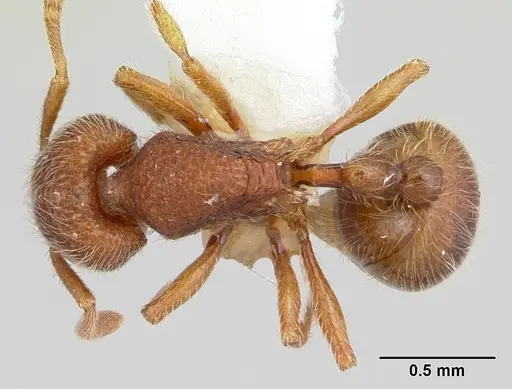
CASENT0651462
View on AntWeb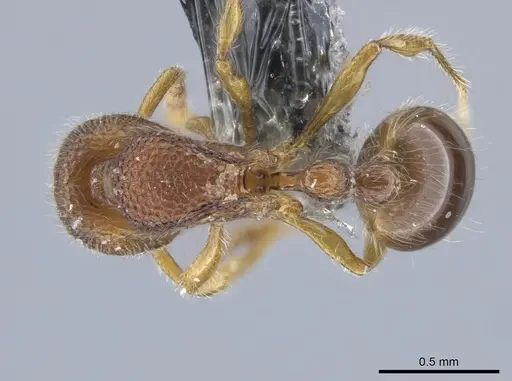
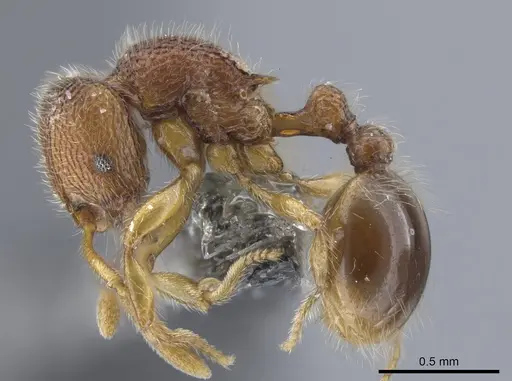
CASENT0904778
View on AntWeb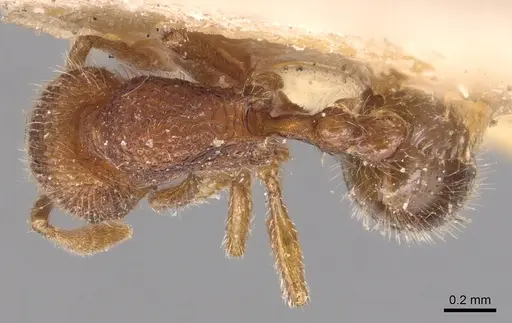
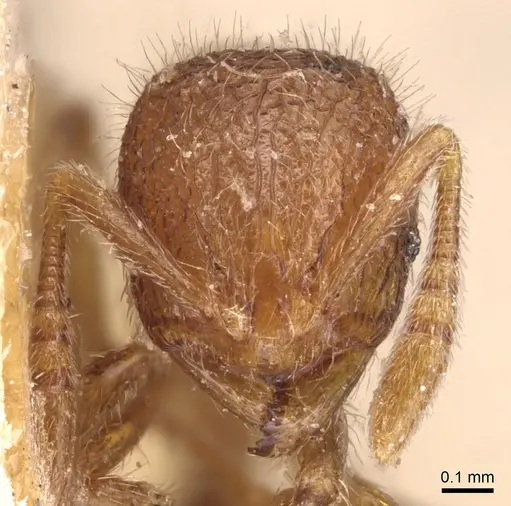
CASENT0913967
View on AntWeb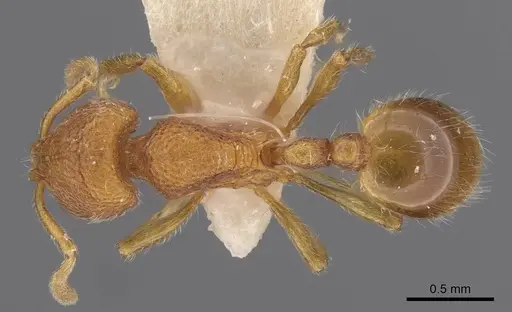
ECOFOG-MI15-0093-38
View on AntWeb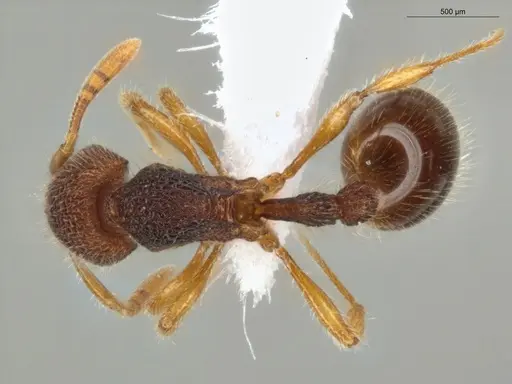
MCZ-ENT00649707
View on AntWeb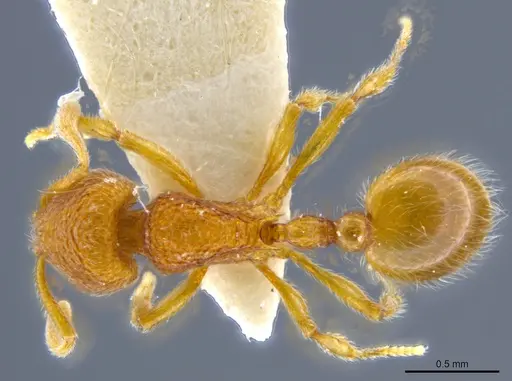
Literature
Loading distribution map...Loading products...