
Rogeria cuneola
- Sci. Name
- Rogeria cuneola
- Tribe
- Solenopsidini
- Subfamily
- Myrmicinae
- Author
- Kugler, 1994
- Distribution
- Found in 6 countries
Introduction
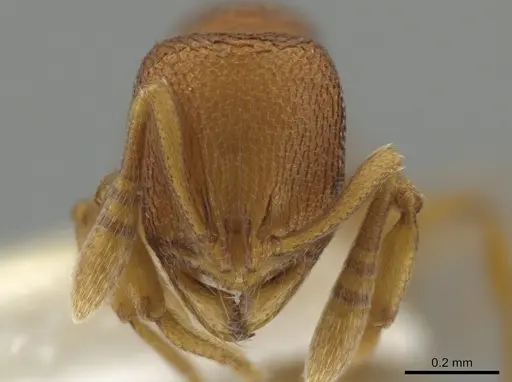
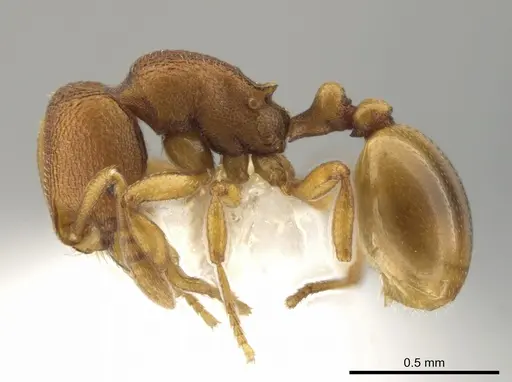
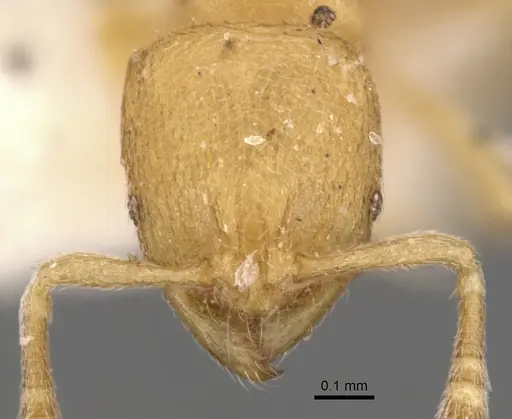
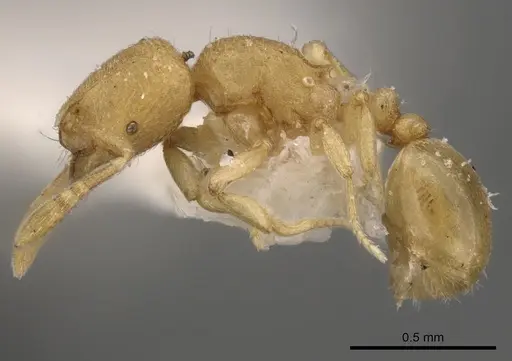
Rogeria cuneola is a tiny ant species native to Central America. Workers measure 2.0-2.3 mm and queens 2.3-2.5 mm . These ants belong to the subfamily Myrmicinae and tribe Solenopsidini, which means they have functional stingers. Workers have a distinctive appearance with strong microareolate sculpture on the head and mesosoma that makes their surface appear opaque, and they possess a well-developed sting apparatus with acute lancets . The species gets its name 'cuneola' (Latin for small wedge) from the distinctive wedge-shaped postpetiolar sternum visible in side view . These ants are cryptic leaf-litter dwellers found throughout Belize, Costa Rica, Guatemala, Honduras, Mexico, and Nicaragua in rainforests and mesic forests . They are typically collected through berlesate sampling of leaf litter and rotten wood, reflecting their ground-dwelling nature and preference for dark, humid microhabitats .
Quick Summary
- Difficulty: Medium
- Origin & Habitat: Native to Central America (Belize, Costa Rica, Guatemala, Honduras, Mexico, Nicaragua) in rainforests and mesic forests, both primary and secondary growth. One specimen was found in Yucatán thorn forest [1].
- Colony Type: Unconfirmed, no data on colony structure.
- Size & Growth:
- Antkeeping:
- Temperature: Maintain warm tropical temperatures (likely 24-28°C) based on natural rainforest habitat [1]. Avoid drops below 20°C. Provide a temperature gradient in the nest if possible.
- Humidity: High humidity is essential, these ants live in damp leaf litter and rotten wood in rainforests. Keep the nest substrate consistently moist but not waterlogged. Provide a water source in the outworld [1].
- Diapause: No, being a tropical species, they do not require hibernation. Maintain warm conditions year-round [1].
- Nesting: A naturalistic setup with moist substrate works best. These ants prefer tight, humid chambers similar to their natural leaf-litter environment. Use a mix of soil and rotting wood, topped with leaf litter. A test tube setup can work for founding if placed in a humid container [1].
- Behavior: These are shy, cryptic ants that prefer to stay hidden in the leaf litter layer. Workers are not aggressive but will use their sting if threatened. They are ground-dwelling and likely forage individually through the substrate rather than on open surfaces. Escape prevention is critical due to their tiny size, they can easily slip through standard barriers. They are most active in humid, dark conditions [2][1].
- Common Issues: escape prevention is critical due to their very small size, use fine mesh on all ventilation holes., high humidity requirements can lead to mold if ventilation is poor., slow colony growth may frustrate beginners expecting rapid expansion (growth rate is unknown)., wild-caught colonies may contain parasites that can devastate captive populations (no specific data)., difficulty observing them due to cryptic behavior, they spend most time hidden in substrate.
Housing and Nest Setup
Rogeria cuneola requires a setup that recreates their natural leaf-litter habitat [2][1]. A naturalistic terrarium-style formicarium works best, fill with moist substrate (a mix of soil and rotting wood fragments) and add leaf litter on top. This gives them the dark, humid microhabitats they naturally inhabit [1]. The substrate should be consistently moist but never waterlogged, aim for the texture of a damp forest floor.
Test tubes can work for founding colonies if kept in a humid environment, but these ants prefer to move through substrate rather than climb glass. If using a test tube, place it in a larger container with moist substrate to create a humidity gradient. Whatever setup you choose, ensure excellent escape prevention, their tiny size means they can slip through gaps that larger ants cannot. Use fine mesh on any ventilation holes.
Feeding and Diet
Diet has not been studied for this species. Based on related Solenopsidini, they likely feed on small arthropods and sugar sources. Offer tiny live prey like fruit flies, springtails, or pinhead crickets. They may accept diluted honey or sugar water occasionally, but protein should be the main food source. Feed small amounts every few days and remove any uneaten prey to prevent mold in the humid setup. [1]
Temperature and Humidity
These are tropical ants requiring warm, humid conditions [1]. Maintain temperatures between 24-28°C for optimal colony health and brood development. They can tolerate slightly cooler temperatures (down to around 22°C) but may become less active. Avoid temperature drops below 20°C.
Humidity is perhaps more critical than temperature. Their natural habitat in rainforest leaf litter is constantly humid [1]. Keep the nest substrate moist and provide a water source. However, balance this with adequate ventilation to prevent mold growth. A hygrometer near the nest can help you monitor conditions, aim for 70-80% humidity if possible.
Behavior and Observation
Rogeria cuneola is a cryptic species that prefers to stay hidden within the substrate layer [2][1]. You will not see dramatic foraging runs or major activity on open surfaces. Instead, watch for workers moving slowly through the leaf litter or along the edges of the nest chamber. This secretive behavior is natural for these ants.
The workers possess a functional stinger, though given their tiny size, the sting is unlikely to be painful to humans. Colonies are not aggressive toward keepers but will retreat deeper into the substrate when threatened. Patience is key, much of their behavior happens out of direct view.
Frequently Asked Questions
How long does it take for Rogeria cuneola to produce first workers?
No data is available. Based on other tiny tropical Myrmicinae, development may take several weeks at warm temperatures, but this is speculative.
Can I keep Rogeria cuneola in a test tube setup?
Test tubes can work for founding queens if placed in a humid environment (e.g., inside a larger container with moist substrate). However, these ants prefer to move through substrate, so a naturalistic setup is preferable long-term [1].
What do Rogeria cuneola eat?
Diet is unstudied. Based on related Solenopsidini, they likely feed on small insects and sugar sources. Offer tiny prey like fruit flies, springtails, or pinhead crickets, and occasionally diluted honey or sugar water.
Are Rogeria cuneola good for beginners?
They are considered medium difficulty. Their small size and high humidity requirements make them more challenging than common beginner species. They are best suited for antkeepers who can maintain stable humid conditions.
How big do Rogeria cuneola colonies get?
Colony size is not documented. No estimates are available.
Do Rogeria cuneola need hibernation?
No, being a tropical species from Central American rainforests, they do not require hibernation. Maintain warm temperatures (24-28°C) year-round [1].
Why are my Rogeria cuneola always hiding?
This is normal behavior, they are cryptic leaf-litter ants that prefer dark, humid environments [2][1]. They will spend most of their time within the substrate, which is how they live in nature. You may only see them when they venture to foraging areas.
When should I move Rogeria cuneola to a formicarium?
If starting with a test tube colony, wait until the colony has at least a small worker force and is actively foraging. Consider moving to a naturalistic setup that better matches their leaf-litter habitat preferences.
What temperature is best for Rogeria cuneola?
Keep them warm at 24-28°C. This matches their natural tropical rainforest habitat. Avoid temperatures below 20°C.
Report an Issue
The current care sheet is based fully on literature. See inconsistencies, or something that's incorrect? Please , it will be resolved after review from an admin. Contributing to the blogs tab also helps providing information, to make us be able to further improve the caresheets. Thank you for your support!
References

This caresheet is licensed under CC BY-SA 4.0 .
Community Blogs
CASENT0640606
View on AntWeb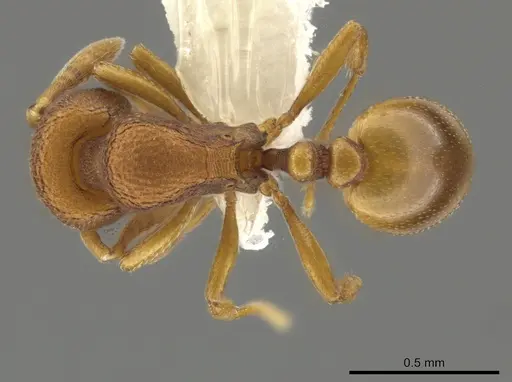
CASENT0900959
View on AntWeb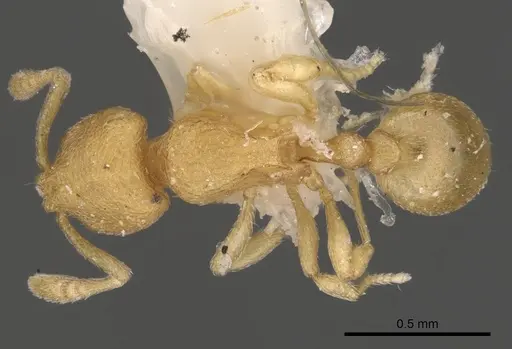
Literature
Loading distribution map...Loading products...