
Rogeria ciliosa
- Sci. Name
- Rogeria ciliosa
- Tribe
- Solenopsidini
- Subfamily
- Myrmicinae
- Author
- Kugler, 1994
- Distribution
- Found in 4 countries
Introduction
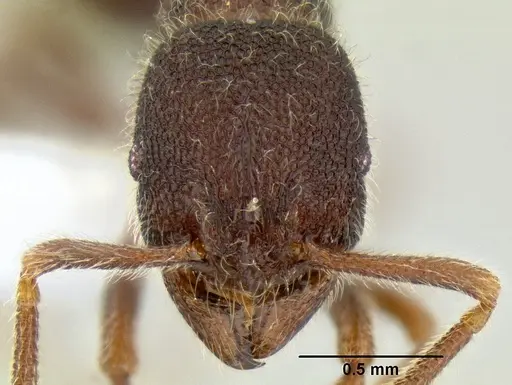
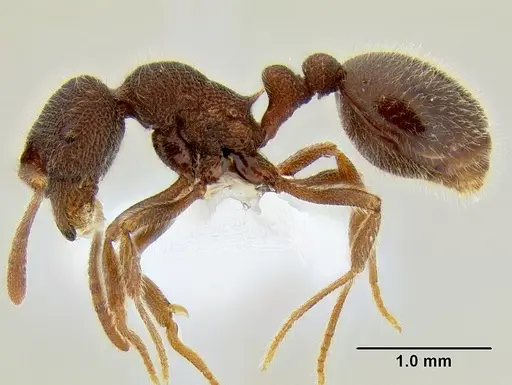
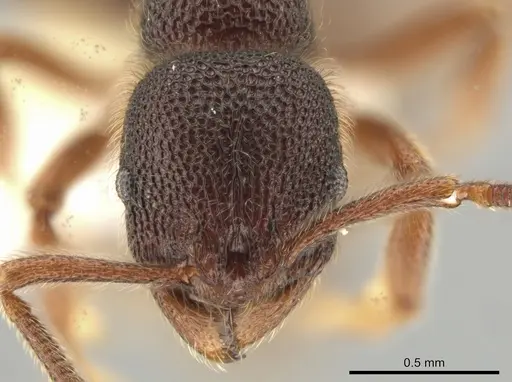
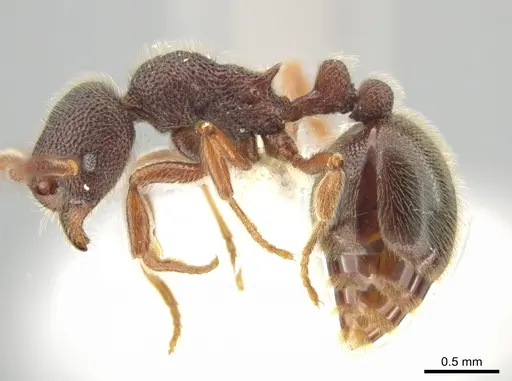
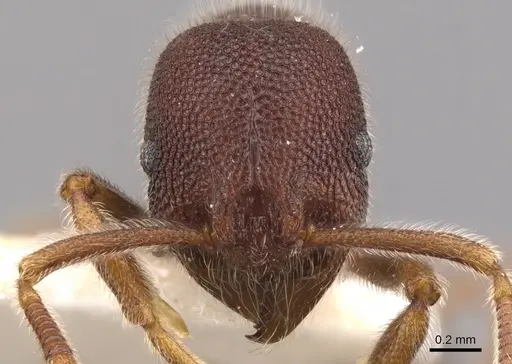
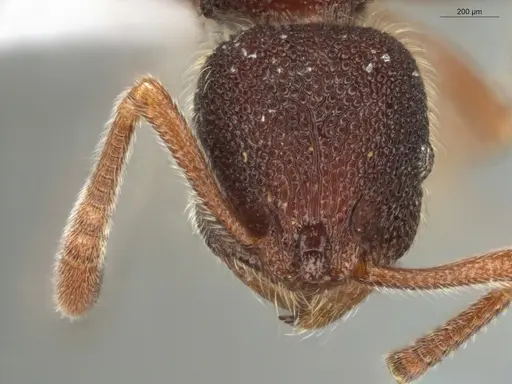
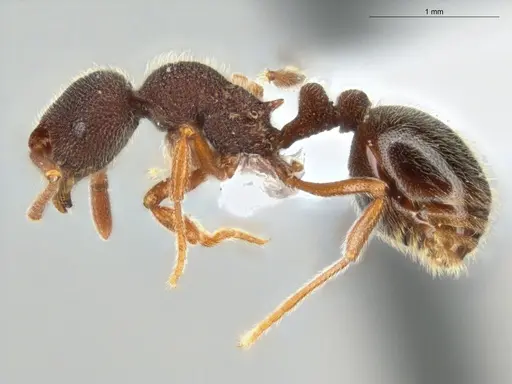
Rogeria ciliosa is a small, cryptic ant species belonging to the Myrmicinae subfamily, tribe Solenopsidini. Workers measure 4.1-4.8mm and have a distinctive rusty-brown coloration with a dense covering of long, flexible hairs that give the species its name (ciliosa means 'hairy' in Latin) . Queens are slightly larger at 5.3mm . This species is characterized by long propodeal spines (over 0.20mm) that are strongly inclined and diverging. The mandibles have 7-9 teeth, and the body shows areolate (honeycomb-like) sculpture . Only known from a handful of collections in the Amazonian basin of Ecuador and the Orinocan basin of Venezuela, with additional records from French Guiana and Pará, Brazil . First described by Kugler (1994) based on type material from Ecuador and Venezuela .
Quick Summary
- Difficulty: Expert
- Origin & Habitat: Native to lowland rainforests of the Amazonian basin (Ecuador) and Orinocan basin (Venezuela), with records from French Guiana and Pará, Brazil. Found in leaf litter and rotting wood in tropical rainforest environments at elevations around 250m [3][4].
- Colony Type: Unconfirmed colony structure. Based on limited collections, likely monogyne (single queen) like other Solenopsidini species.
- Size & Growth:
- Queen: 5.3mm (single specimen measured) [1]
- Worker: 4.1-4.8mm [1]
- Colony: Unknown, no colony data available. Based on similar litter-dwelling Solenopsidini, likely small colonies of dozens to a few hundred workers.
- Growth: Unknown, no development data available. Estimated as moderate based on genus patterns.
- Development: Unconfirmed. Based on similar small Myrmicinae, estimated 6-10 weeks at optimal temperature. (No direct development data exists for this species. Estimates based on related Solenopsidini patterns.)
- Antkeeping:
- Temperature: Keep at 24-28°C, typical for tropical rainforest species. Use a heating cable on one side of the nest to create a gentle gradient if room temperature is below this range.
- Humidity: Requires high humidity, think damp forest floor. Keep the nest substrate consistently moist but not waterlogged. Provide a water tube for drinking water.
- Diapause: Unlikely, being a tropical species from lowland Amazon rainforest, they probably do not require a diapause period. Maintain stable warm conditions year-round.
- Nesting: In nature, they nest in leaf litter, rotting wood, and soil. In captivity, a small test tube setup or a small naturalistic setup with moist substrate works well. They are tiny and may escape through standard test tube cotton, use fine mesh barriers.
- Behavior: Behavior is poorly documented due to the species' rarity. Based on genus patterns, they are likely cryptic, slow-moving ants that forage in leaf litter and upper soil layers. They probably prey on small arthropods or scavenge, typical of Solenopsidini. Escape prevention is critical due to their very small size, they can squeeze through the tiniest gaps. Use excellent barrier methods like Fluon and fine mesh. As a member of the Myrmicinae subfamily, they possess a functional sting, but given their tiny size, it is not considered dangerous to humans.
- Common Issues: very limited availability, this species is rarely available in the antkeeping hobby due to few field collections, escape prevention is critical, tiny size means they can escape through standard cotton plugs and small gaps, no established feeding protocols, diet acceptance is unknown and must be determined experimentally, slow growth and small colony sizes mean colonies are fragile and sensitive to disturbances, humidity control is essential, being litter-dwelling, they dry out quickly in dry conditions
Natural History and Distribution
Rogeria ciliosa is one of the rarest ant species in the hobby, known only from a handful of collections in South America. The original description was based on specimens from Limoncocha in Ecuador's Napo Province and Campamento Rio Grande in Venezuela's Bolívar State [1]. Subsequent records have expanded the known range to include French Guiana and Pará state in Brazil, where they were collected in Marituba [2]. In Brazil, they have been found in both primary rainforest and areas with regeneration histories ranging from 4 to over 40 years, suggesting some tolerance for disturbed habitats [5]. All collections have come from leaf litter and rotting wood samples processed through Winkler traps, confirming they are litter-dwelling ants that rarely venture above the forest floor [6]. The species name 'ciliosa' refers to the distinctive dense covering of long, flexible hairs that covers much of the body [1].
Identification and Morphology
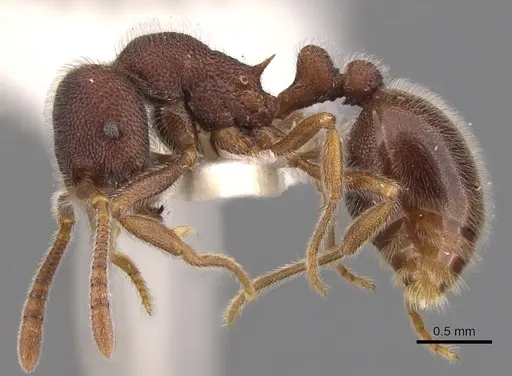
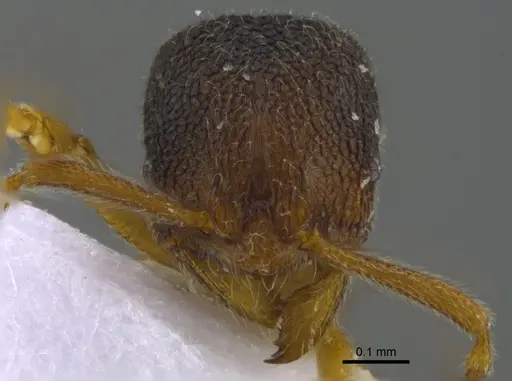
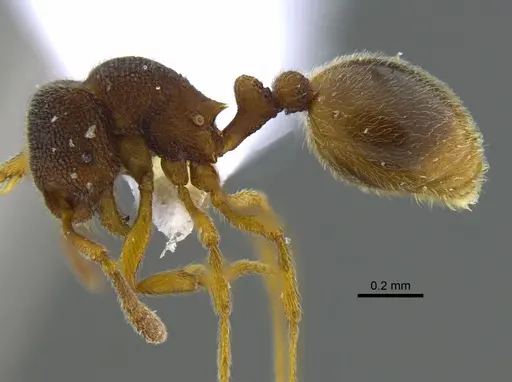
Workers of Rogeria ciliosa are small but distinctive, measuring 4.1-4.8mm in total length [1]. The most striking feature is the dense covering of long, flexuous (curved) hairs that covers the dorsal surface of the head, mesosoma, waist, and first segment of the gaster. The terminal segments of the gaster have even denser, stiffer hairs forming brush-like rings [1]. The propodeal spines are notably long, exceeding 0.20mm, and are strongly inclined and diverging from each other [1]. The body coloration is uniformly rusty-brown, with lighter yellowish-brown appendages. The mandibles have 7-9 teeth, and the clypeus lacks the apron-like projection seen in some related genera [1]. Queens are larger at 5.3mm and possess the normal queen characters including wing scars and larger eyes. Males have never been collected [1].
Housing and Nest Setup
Due to their tiny size and litter-dwelling habits, Rogeria ciliosa requires careful housing. A small test tube setup works well for founding colonies, but you must use excellent escape prevention, these ants are small enough to squeeze through standard cotton plugs. Consider using fine mesh barriers or Fluon on the rim. For established colonies, a small naturalistic setup with moist substrate (a mix of soil and rotting wood pieces) mimics their natural leaf litter environment. The nest area should remain consistently humid but not waterlogged. Provide a gradient from slightly drier areas (for foraging) to damper areas (for brood chambers). Because they are cryptic and slow-moving, avoid disturbing the nest frequently, they are sensitive to vibrations and may abandon brood if stressed.
Feeding and Diet
The diet of Rogeria ciliosa has not been documented, but based on their position in the Solenopsidini tribe, they are likely omnivorous predators or scavengers that forage in leaf litter. Related Solenopsidini often feed on small arthropods, honeydew, and dead insects. For captive care, offer small live prey items like springtails, fruit flies, or small mealworm pieces. Sugar water or honey can be offered occasionally, though acceptance is uncertain. Start with tiny prey items and observe feeding behavior. Because of their small size, food items should be appropriately scaled, anything larger than their head is likely ignored. Feed small amounts every few days and remove uneaten prey to prevent mold.
Temperature and Seasonal Care
As a tropical lowland rainforest species from the Amazon basin, Rogeria ciliosa requires warm, stable temperatures. Aim for 24-28°C, which matches their natural environment in Ecuador and Venezuela where annual temperatures remain consistently warm. Unlike temperate species, they do not require a winter diapause, maintaining stable conditions year-round is important. A heating cable placed on one side of the nest can create a gentle temperature gradient, allowing the ants to self-regulate. Avoid temperature fluctuations and drafts. Room temperature in most homes may be too cool, so consider using a small heat mat or heating cable, always placing heat sources on top of the nest rather than underneath to prevent excessive drying.
Challenges and Common Issues
Rogeria ciliosa presents several significant challenges for antkeepers. First, availability is extremely limited, this species is rarely, if ever, available in the antkeeping hobby due to the difficulty of collecting it in the wild and the lack of established captive colonies. Second, their tiny size makes escape prevention critical, standard test tube setups may require additional barriers like fine mesh or Fluon. Third, no established care protocols exist, so keepers must be prepared to experiment with feeding and humidity levels. Fourth, colonies likely remain small (dozens of workers rather than hundreds), making them fragile and sensitive to disturbances. Finally, their cryptic nature means they may spend considerable time hidden in the substrate, making observation difficult. Success with this species requires patience and careful attention to humidity and temperature stability.
Frequently Asked Questions
How long does it take for Rogeria ciliosa to develop from egg to worker?
The development timeline has not been documented for this species. Based on similar small Myrmicinae in the Solenopsidini tribe, estimated development is 6-10 weeks from egg to first worker at optimal temperature (around 26°C).
What do Rogeria ciliosa ants eat?
Their exact diet is unconfirmed. Based on related Solenopsidini species, they likely accept small live prey (springtails, fruit flies), small insect pieces, and possibly sugar sources. Start with tiny prey items and observe acceptance.
Are Rogeria ciliosa good for beginners?
No. This species is rated Expert difficulty due to extremely limited availability, tiny size requiring excellent escape prevention, lack of established care protocols, and the need for precise humidity and temperature control.
How big do Rogeria ciliosa colonies get?
Colony size is unconfirmed. Based on genus patterns and their cryptic, litter-dwelling lifestyle, colonies likely remain small, probably dozens to a few hundred workers at maximum.
Do Rogeria ciliosa need hibernation or diapause?
Unlikely. Being a tropical species from the Amazon lowland rainforests, they probably do not require a diapause period. Maintain stable warm conditions (24-28°C) year-round.
Can I keep multiple Rogeria ciliosa queens together?
Colony structure is unconfirmed. Based on typical Solenopsidini patterns, they are likely monogyne (single queen). Combining unrelated queens has not been documented and is not recommended.
What is the best nest type for Rogeria ciliosa?
A small test tube setup works for founding colonies, but ensure excellent escape prevention with fine mesh barriers. For established colonies, a small naturalistic setup with moist soil/rotting wood mimics their natural leaf litter habitat.
Where is Rogeria ciliosa found in the wild?
They are known from lowland rainforests in the Amazonian basin of Ecuador (Napo Province) and the Orinocan basin of Venezuela (Bolívar State), with additional records from French Guiana and Pará, Brazil. All collections come from leaf litter in tropical rainforest at around 250m elevation [3][4][2].
Why is Rogeria ciliosa so rarely available?
This species is known from only a handful of wild collections and has never been documented in the antkeeping hobby. Their cryptic, litter-dwelling habits and limited geographic range make them exceptionally difficult to locate and collect. No established captive breeding populations exist [1].
Report an Issue
The current care sheet is based fully on literature. See inconsistencies, or something that's incorrect? Please , it will be resolved after review from an admin. Contributing to the blogs tab also helps providing information, to make us be able to further improve the caresheets. Thank you for your support!
References

This caresheet is licensed under CC BY-SA 4.0 .
Community Blogs
CASENT0106268
View on AntWeb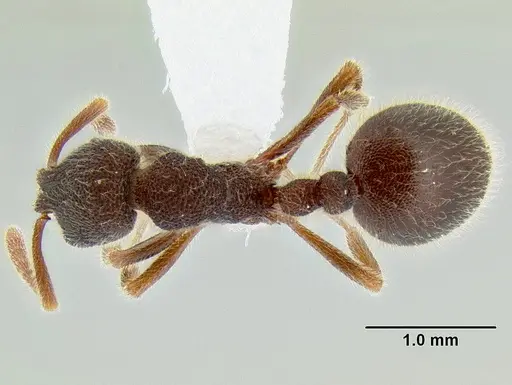
CASENT0646075
View on AntWeb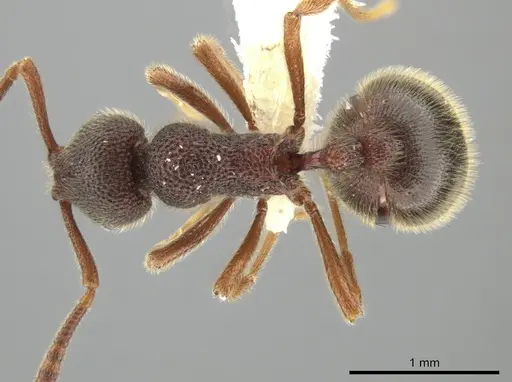
CASENT0900961
View on AntWeb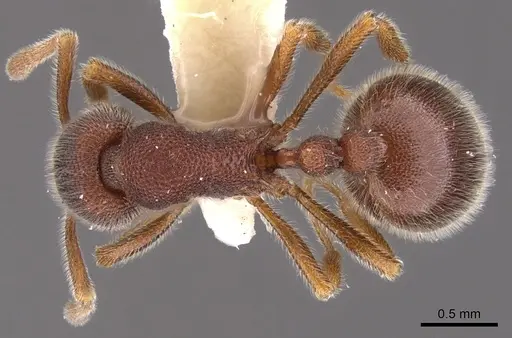
CBUMAGENT33966
View on AntWeb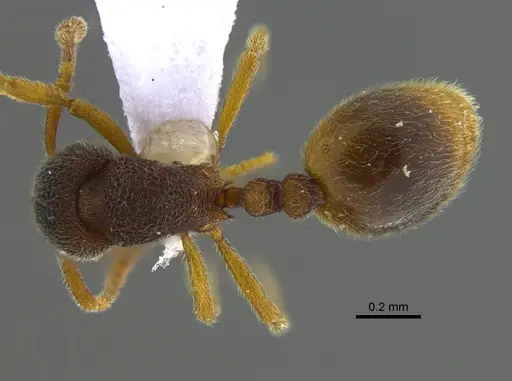
ECOFOG-MI15-0383-53
View on AntWeb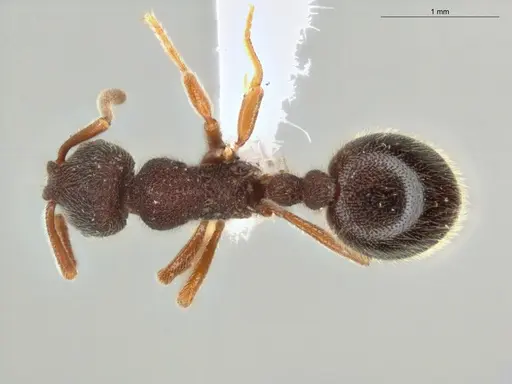
Literature
Loading distribution map...Loading products...