
Rogeria alzatei
- Sci. Name
- Rogeria alzatei
- Tribe
- Solenopsidini
- Subfamily
- Myrmicinae
- Author
- Kugler, 1994
- Distribution
- Found in 7 countries
Introduction
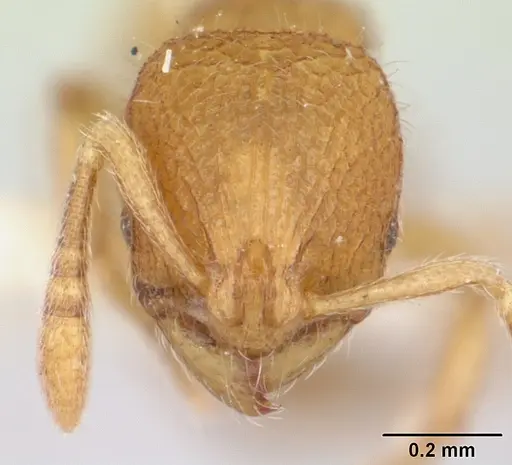
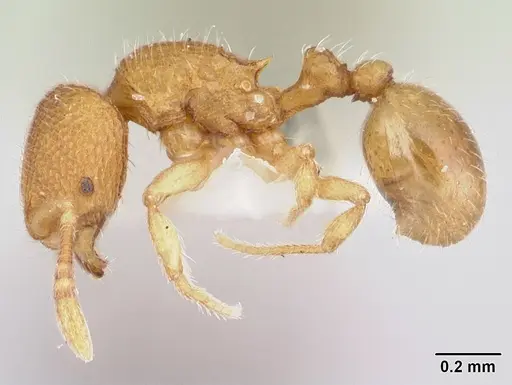
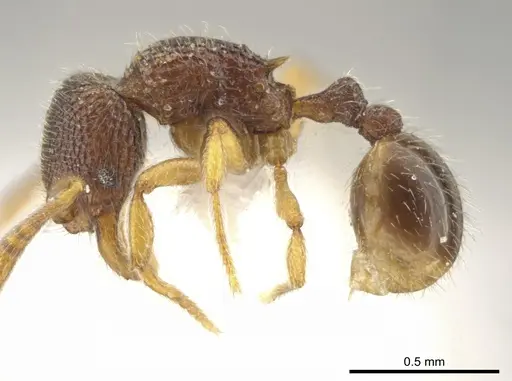
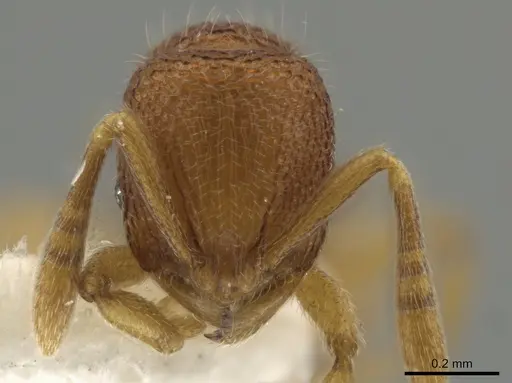
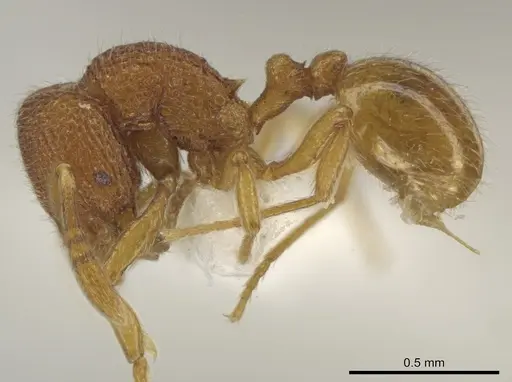
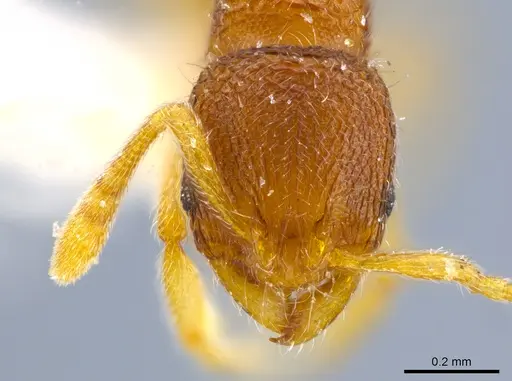
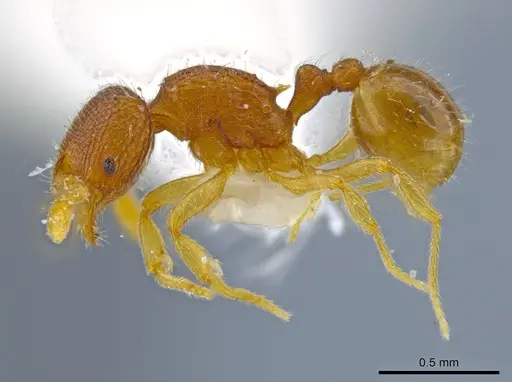
Rogeria alzatei is a tiny leaf-litter ant from the Neotropics. Workers are 1.9-2.5 mm total length, with a yellowish-brown to reddish-brown body and a darker head and gaster. Queens are slightly larger at 2.4-2.8 mm . This species has distinctive propodeal spines set at roughly right angles to the mesosoma, and fine decumbent to appressed hairs covering the head . They range from Panama through northern South America to Paraguay and eastern Brazil, including the Dominican Republic, and inhabit moist forests from sea level up to 1000 m elevation . What makes them unusual is the dramatic variation across their range, specimens from different regions differ in eye size, sculpture, and even mandible tooth counts, leading researchers to question whether this is a single species .
Quick Summary
- Difficulty: Hard
- Origin & Habitat: Native from Panama and the Dominican Republic south through northern South America to Paraguay and eastern Brazil [2][3]. Found in moist forests (sea level to 1000 m) and also in dry forest in the Dominican Republic [4]. Collected from leaf litter by Berlese and Winkler sampling.
- Colony Type: Colony structure is unknown. Only isolated workers and queens have been collected, no nest series have been documented. Males have never been found [1].
- Size & Growth:
- Queen: 2.4-2.8 mm [1]
- Worker: 1.9-2.5 mm [1]
- Colony: Unknown, likely small, typical of litter-dwelling ants.
- Growth: Unknown, no development data exists.
- Development: Unconfirmed, no studies exist for this species. (Based on similar small Myrmicinae, development likely takes several months at tropical temperatures.)
- Antkeeping:
- Temperature: Keep at 24-28°C with a cooler area around 22°C. They come from tropical forests, so room temperature alone is often too cold, use a small heating cable if needed.
- Humidity: High humidity is essential. Keep the nest substrate consistently damp (not waterlogged). They come from moist leaf litter, but also from dry forest in the Dominican Republic, so provide a gradient: one moist area and a drier zone. Good ventilation prevents mold[4].
- Diapause: Unlikely, tropical species do not require a true diapause. A slight winter temperature drop is fine if your room gets cooler.
- Nesting: These tiny ants feel secure in tight spaces. Use a test tube with a water reservoir for founding. For larger colonies, a small plaster or Y‑tong nest with narrow chambers works, or a thin layer of moist soil/coco fiber for natural burrowing. Never use acrylic nests. Escapes are a major risk due to their size, fine mesh on all openings.
- Behavior: Rogeria alzatei is shy and cryptic, they spend most of their time hidden in leaf litter or nest chambers. Workers move slowly and will flee rather than fight. As a member of Solenopsidini, they have a sting used for prey capture and defense, but against humans it is barely noticeable (tiny ant, tiny sting). Activity is greatest in evening and night. Because of their minute size, escape prevention is critical, they can squeeze through gaps you'd never see.
- Common Issues: extremely small size: escape risk is very high without fine mesh and tight seals., wild-caught colonies may fail to adapt or carry parasites, quarantine and observe for months., slow growth and small colony size make them vulnerable to stress., high humidity required, but poor ventilation causes mold and kills the colony., cryptic behavior: they may seem dead or inactive, this is normal, not a problem.
Housing and Nest Setup
Rogeria alzatei's tiny size means you need to scale everything down. A small test tube with a cotton-sealed water reservoir works great for founding. They prefer tight, dark spaces. For established colonies, use a small plaster or Y‑tong nest with narrow chambers, or a thin layer of damp soil/coco fiber in a small box where they can dig tunnels. Avoid large, open spaces, they feel unsafe. Escapes are a constant threat: use the finest mesh (paint strainer mesh works) on all ventilation holes, and seal any gaps with silicone or PTFE tape. Room temperature is often too cold, a heating cable set to 26°C on one side helps.
Feeding and Diet
In the wild they hunt small litter arthropods. In captivity, offer small live prey like springtails, fruit flies, and pinhead crickets. They also accept sugar water or diluted honey. Provide protein 2-3 times a week and a constant sugar source. Remove uneaten prey after 24 hours to prevent mold. Because the ants are so small, make sure prey is smaller than their head.
Temperature and Humidity
Keep them between 24-28°C with a cooler zone around 22°C. A small heating cable under one side of the nest creates a useful gradient. Humidity must be high: keep the nest substrate damp (but not soaking) and mist the outworld lightly if needed. Good ventilation is essential, stagnant, wet air leads to mold. They come from both moist and dry forest areas, so a gradient from wet to dry suits them [4][2].
Colony Establishment
Founding queens have never been observed in the wild, so we don't know if they are claustral or semi‑claustral. The best guess is to treat them like typical Myrmicinae: place a queen in a sealed test tube setup with a water reservoir and check only once a week. Disturbing them often leads to egg eating. After workers appear, introduce tiny prey. Growth will likely be very slow, expect only a handful of workers after many months. Patience is key. Wild‑caught queens may carry mites or other parasites, quarantine new colonies for several months.
Behavior and Observation
These ants are extremely shy. They spend most of their time in the nest or under leaf litter. Workers move slowly and rarely show aggressive behavior. Their sting (typical for Solenopsidini) is used for prey, but it's too small to bother humans. Activity picks up during evening and night. Because they are dark and tiny, use a magnifying glass or macro lens to watch them. Don't mistake their reclusive nature for illness, it's normal. They will not do dramatic foraging runs.
Frequently Asked Questions
How long does it take for Rogeria alzatei queens to raise their first workers?
Unconfirmed, no studies exist. Based on similar small Myrmicinae, expect 6-10 weeks from egg to worker at 26°C. Disturbing the queen often causes failure, so be patient.
What do Rogeria alzatei ants eat?
Small live prey like springtails, fruit flies, and micro‑arthropods also sugar water or diluted honey. Remove leftovers after 24 hours.
Can I keep Rogeria alzatei in a test tube?
Yes, a small test tube with a cotton water reservoir is ideal for small colonies. The tight space makes them feel secure. Ensure excellent escape prevention.
Are Rogeria alzatei good for beginners?
No, they are considered hard. Their tiny size, high escape risk, unknown founding behavior, and specific humidity needs make them challenging. They also grow slowly and are cryptic, which can be frustrating.
How big do Rogeria alzatei colonies get?
Unknown, likely a few hundred workers at most, typical of litter‑dwelling ants.
Do Rogeria alzatei need hibernation?
No, being tropical, they do not require true diapause. A slight winter temperature drop is fine if your room gets cooler.
Why are my Rogeria alzatei not moving much?
This is normal, they are shy, cryptic ants that stay hidden most of the time. They become more active at night. Low movement does not indicate illness unless you see dead ants.
When should I move my Rogeria alzatei to a formicarium?
Wait until the colony has at least 15-20 workers. They prefer tiny chambers, any nest must have passages no larger than a few millimeters. Moving too early is risky.
What temperature is best for Rogeria alzatei?
Keep them at 24-28°C with a cooler area around 22°C. Tropical ants need warmth, room temperature is usually too cold. Use a small heating cable if needed.
Report an Issue
The current care sheet is based fully on literature. See inconsistencies, or something that's incorrect? Please , it will be resolved after review from an admin. Contributing to the blogs tab also helps providing information, to make us be able to further improve the caresheets. Thank you for your support!
References

This caresheet is licensed under CC BY-SA 4.0 .
Community Blogs
CASENT0178167
View on AntWeb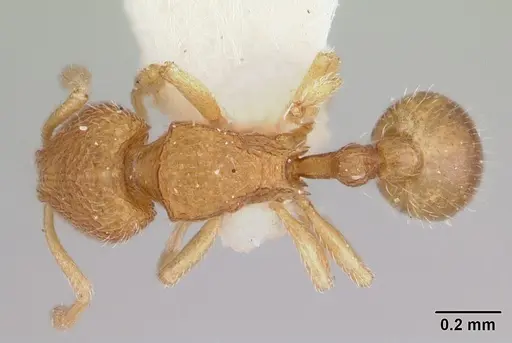
CASENT0635595
View on AntWeb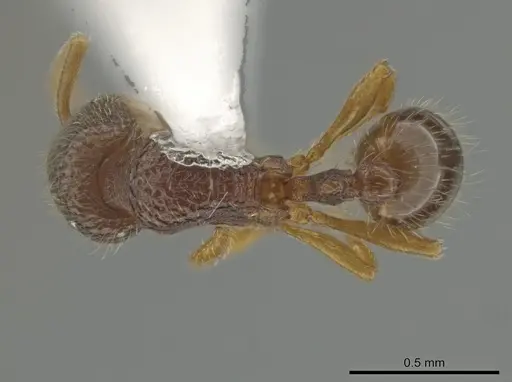
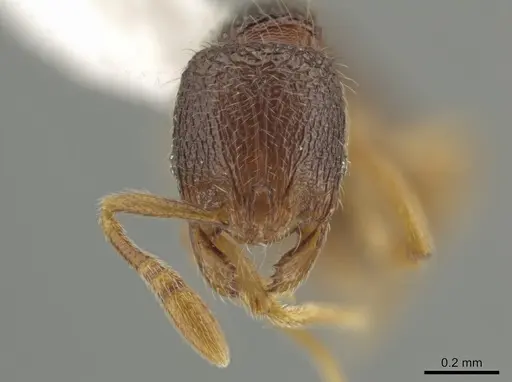
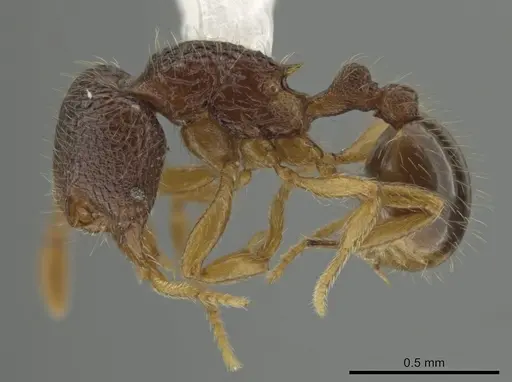
CASENT0643455
View on AntWeb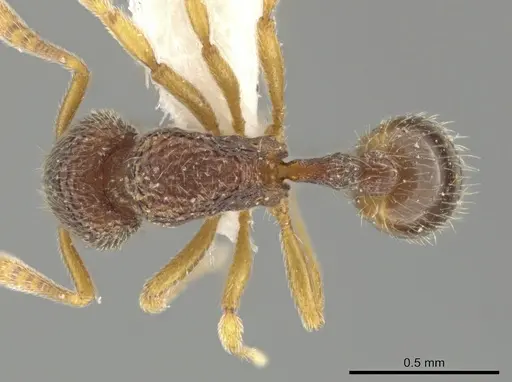
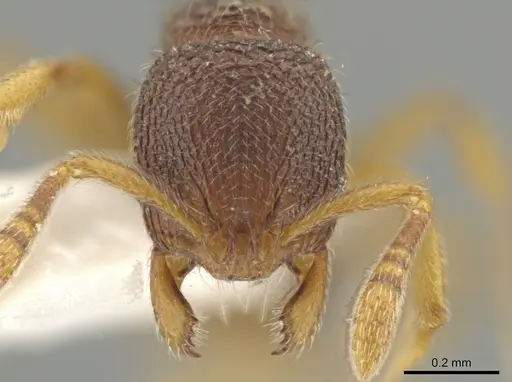
CASENT0649765
View on AntWeb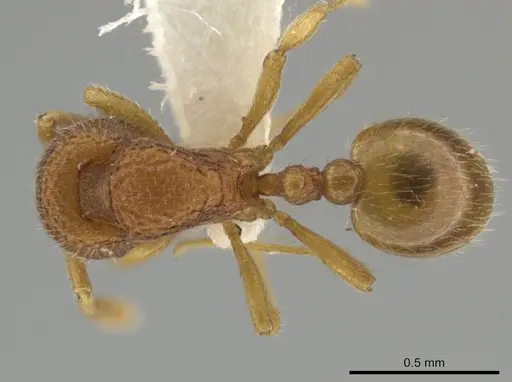
MCZ-ENT00036280
View on AntWeb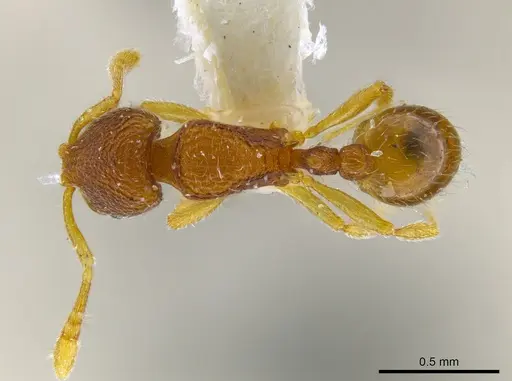
Literature
Loading distribution map...Loading products...