
Rhytidoponera turneri
- Sci. Name
- Rhytidoponera turneri
- Tribe
- Ectatommini
- Subfamily
- Ectatomminae
- Author
- Forel, 1910
- Distribution
- Found in 1 countries
Introduction
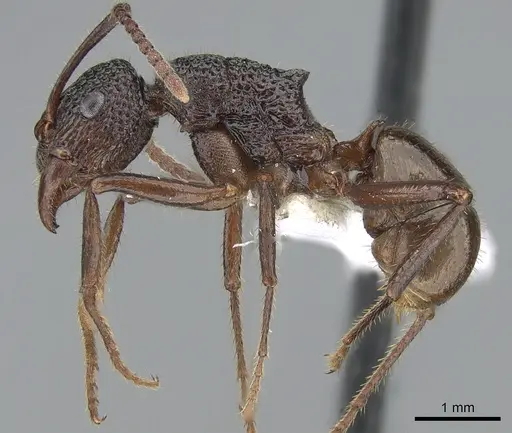
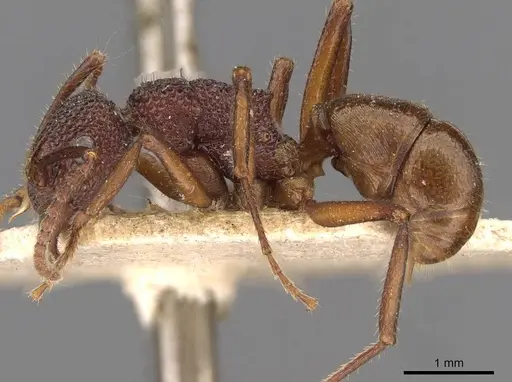
Rhytidoponera turneri is an Australian ant belonging to the subfamily Ectatomminae. As an ectatomminae, they possess a functional stinger they use to subdue prey and defend the colony. A distinguishing feature is their reflexed propodeum, where the rear part of the thorax angles downward . Worker size is unconfirmed but inferred from the Rhytidoponera genus (around 6-10mm). They are ground-nesting ants found in Australia, though specific habitat preferences are not documented.
Quick Summary
- Difficulty: Medium
- Origin & Habitat: Australia (specific habitat unknown), based on known range.
- Colony Type: Unconfirmed, no specific data on social structure. May form single-queen colonies based on genus patterns, but this is uncertain.
- Size & Growth:
- Queen: Unconfirmed, inferred from Rhytidoponera genus (estimated ~10-12mm).
- Worker: Inferred from Rhytidoponera genus, estimated 6-10mm.
- Colony: Unknown, no data available.
- Growth: Unknown, no data.
- Development: Unknown. (No species-specific data, development likely temperature-dependent.)
- Antkeeping:
- Temperature: No specific data. As a general starting point, maintain 22-26°C. Observe colony behavior and adjust. Use a heating cable on one side to create a gradient.
- Humidity: No specific data. Provide a gradient, keep part of the nest substrate moist and part dry. They likely prefer moderate humidity typical of Australian ground nests.
- Diapause: Unknown, if from temperate Australia, a mild winter rest period may be beneficial, but this is unconfirmed. Monitor colony activity and reduce feeding if they slow down in winter.
- Nesting: No specific data. Based on typical Rhytidoponera nesting habits, they likely prefer soil-based nests with compact substrate. Y-tong or plaster nests with narrow chambers may work. Provide a water source.
- Behavior: As an ectatomminae ant, Rhytidoponera turneri has a functional stinger. They are active predators that hunt small invertebrates. Aggression level is unknown, but they will likely defend their colony. Their small size (inferred ~6-10mm) means escape prevention is critical, use fine mesh and tight seals. Provide a naturalistic setup with soil substrate.
- Common Issues: they possess a functional stinger and can deliver a painful sting if handled., small size makes escape prevention challenging, any gaps or poor seals may lead to escapes., limited species-specific care data means keepers must rely on genus-level guidance and carefully observe colony behavior., over-watering or under-watering the nest can cause problems, aim for a moisture gradient.
Appearance and Identification
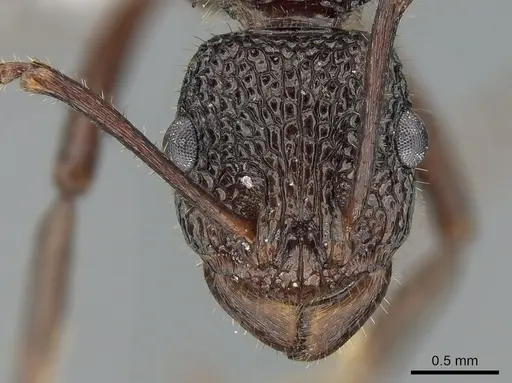
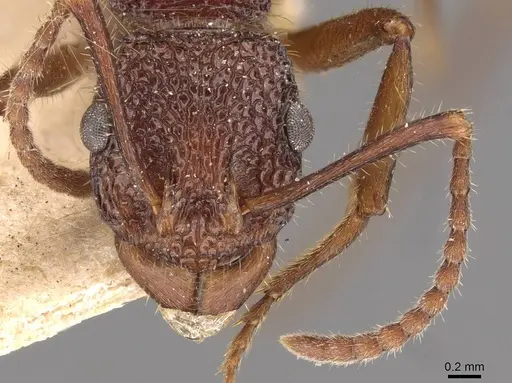
Rhytidoponera turneri is a medium-sized ant (inferred from genus) belonging to the subfamily Ectatomminae. The most distinctive feature is the reflexed propodeum, the rear portion of their thorax angles distinctly downward toward the abdomen [1]. This morphological trait helps distinguish them from other Australian ants. Workers have the robust, powerful build typical of Ectatomminae, with a clearly defined mesosoma and a relatively large gaster. Their coloration is typically dark brown to black. As an Ectatomminae species, they possess a functional stinger at the tip of their abdomen.
Housing and Nest Setup
No specific housing data exists for this species. Based on typical Rhytidoponera, provide a naturalistic setup with a soil or compact substrate layer. A Y-tong (AAC) nest or plaster nest with narrow chambers is a reasonable starting point. Excellent escape prevention is essential given their small size, use fine mesh (0.5mm or smaller) and smooth barriers like Fluon on outworld walls. Provide a water tube for drinking.
Feeding and Diet
As predatory ants, they likely feed on small invertebrates. Offer live prey like fruit flies, small crickets, or mealworms. They probably hunt and subdue prey with their stinger. Sugar sources may be accepted occasionally. Feed every few days and remove leftovers to prevent mold. Adjust based on colony size and consumption.
Temperature and Seasonal Care
No species-specific temperature data. Maintain a warm area around 22-26°C as a starting point. Use a heating cable on top of the nest to create a gradient. For diapause, since this species comes from temperate Australia, they may benefit from a winter rest period of 8-12 weeks at 10-15°C, but this is unconfirmed. Observe natural colony behavior, if they slow down in winter, reduce feeding and keep cool.
Behavior and Temperament
They have a functional stinger and may be moderately defensive. Foraging behavior is likely active and individual. Their small size requires good escape prevention. They are probably ground-dwelling and may be more active during warmer periods.
Frequently Asked Questions
Does Rhytidoponera turneri have a stinger?
Yes. As a member of the subfamily Ectatomminae, they possess a functional stinger. If threatened, they will sting, the sting is painful but not medically dangerous for healthy adults. Handle with care and avoid direct handling.
How long does it take for Rhytidoponera turneri to raise first workers?
The exact timeline is unknown for this species. No data is available.
Can I keep multiple Rhytidoponera turneri queens together?
This has not been documented for this species. Combining queens is not recommended without evidence they can coexist.
What do Rhytidoponera turneri ants eat?
They are predatory ants and likely feed on small invertebrates. Offer live or frozen insects like fruit flies, small crickets, and mealworms. Sugar sources like diluted honey may occasionally be accepted but protein should be the main food.
Do Rhytidoponera turneri ants need hibernation?
Possibly, but it is unconfirmed. If from temperate Australia, they may benefit from a mild winter rest period. Monitor colony activity and consider reducing temperature and feeding if they slow down in winter.
Are Rhytidoponera turneri good for beginners?
This species is rated as Medium difficulty due to limited captive breeding data. They require proper housing, escape prevention, and appropriate prey. They may be manageable for intermediate keepers willing to learn through observation.
How big do Rhytidoponera turneri colonies get?
Colony size is unknown for this species. No data is available.
When should I move Rhytidoponera turneri to a formicarium?
No species-specific data. In general, keep them in a test tube setup during founding. Consider moving when the water reservoir is depleted and the colony has enough workers to handle the new nest, but this is speculative.
Why are my Rhytidoponera turneri dying?
Common causes may include improper humidity, temperature extremes, or inadequate nutrition. Ensure proper general care and observe their behavior. Without species-specific data, troubleshooting relies on general ant-keeping principles.
Report an Issue
The current care sheet is based fully on literature. See inconsistencies, or something that's incorrect? Please , it will be resolved after review from an admin. Contributing to the blogs tab also helps providing information, to make us be able to further improve the caresheets. Thank you for your support!
References

This caresheet is licensed under CC BY-SA 4.0 .
Community Blogs
CASENT0281270
View on AntWeb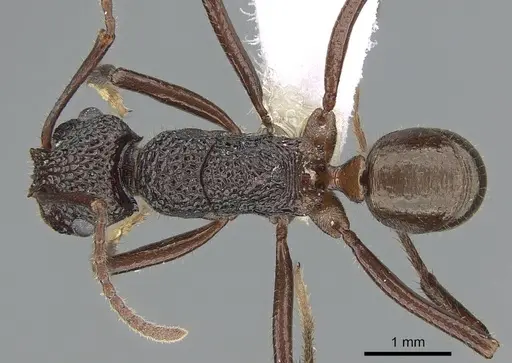
CASENT0907163
View on AntWeb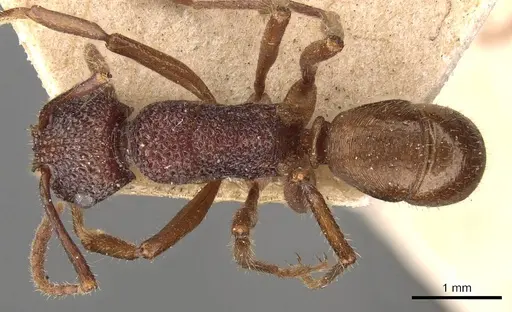
Literature
Loading distribution map...Loading products...