
Rhytidoponera terrestris
- Sci. Name
- Rhytidoponera terrestris
- Tribe
- Ectatommini
- Subfamily
- Ectatomminae
- Author
- Ward, 1984
- Distribution
- Found in 1 countries
Introduction
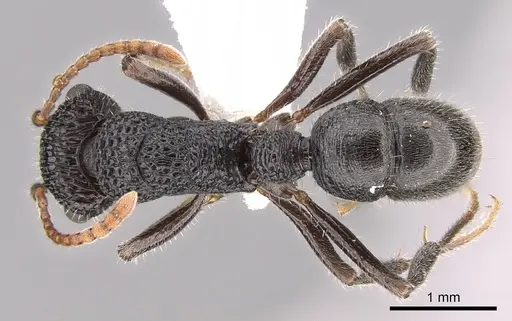
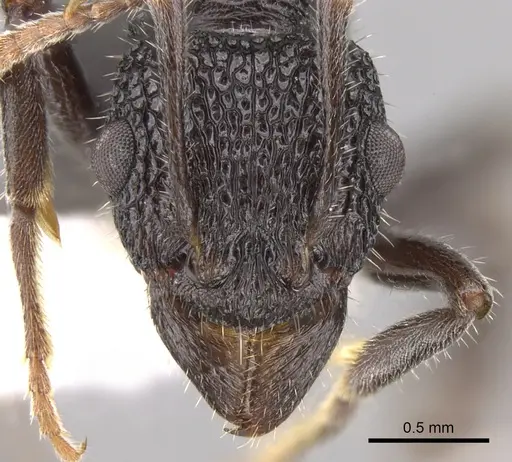
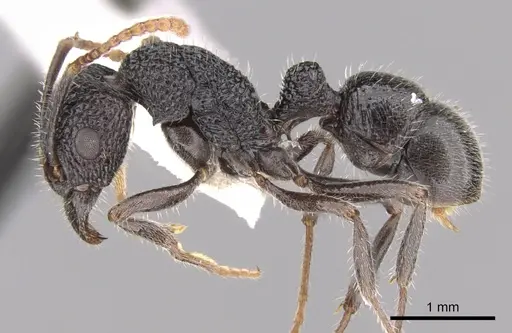
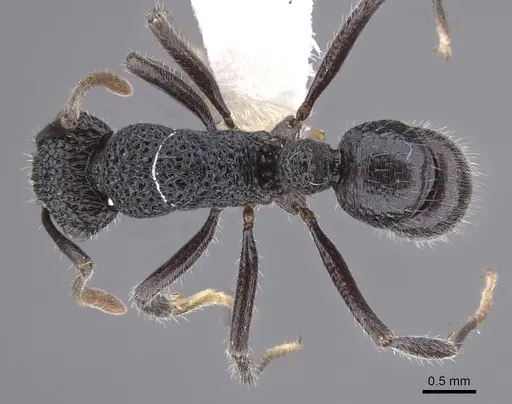
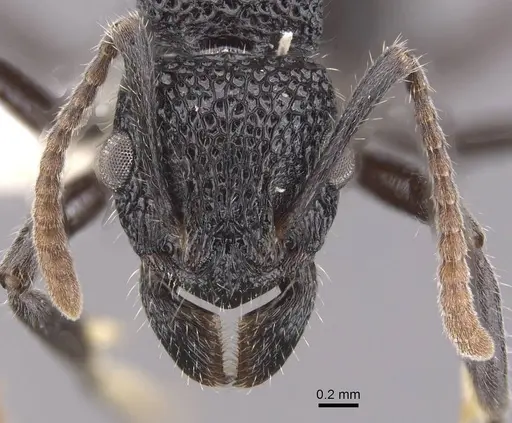
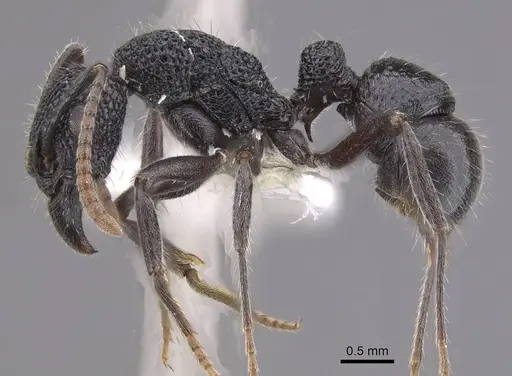
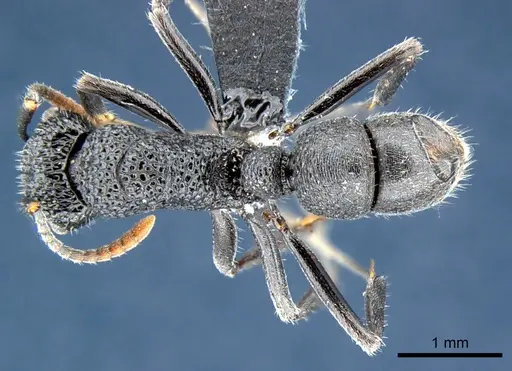
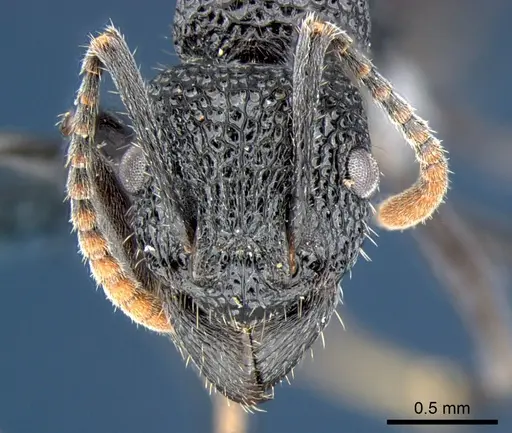
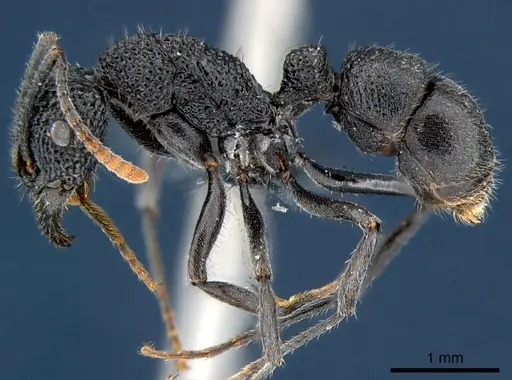
Rhytidoponera terrestris is a small to medium-sized ant native to New Caledonia and possibly Vanuatu in the southwestern Pacific. Workers are dark, often with a metallic shine, and have the grooved (striate) head sculpture typical of the genus. They belong to the subfamily Ectatomminae, which retains a functional sting. These ants nest in soil in rainforest habitats at elevations between 380-740 meters. The species was described by Ward in 1984,with type specimens collected from the Col d'Amieu Forest Station in New Caledonia.
Quick Summary
- Difficulty: Medium
- Origin & Habitat: New Caledonia and possibly Vanuatu. They nest in soil in rainforest habitats at elevations of 380-740 meters. [1][2]
- Colony Type: Colony structure is unconfirmed. Based on related Rhytidoponera species, they are likely monogyne (single queen), but this has not been documented for this species.
- Size & Growth:
- Queen: Size data unavailable. Inferred from related Rhytidoponera species, queens are larger than workers.
- Worker: Size data unavailable. Inferred from related Rhytidoponera species, workers are about 4-6 mm.
- Colony: Unknown. Related Rhytidoponera species may reach several hundred workers.
- Growth: Moderate, based on genus patterns
- Development: Unknown. Based on related Ectatomminae species, it may take 6-10 weeks at warm temperatures (estimate only). (No direct studies for this species. Use as a rough guide and adjust based on observation.)
- Antkeeping:
- Temperature: Keep at 22-26°C. Provide a gentle temperature gradient. Based on their tropical rainforest habitat, avoid temperatures below 18°C or above 30°C. [2]
- Humidity: High humidity, keep the nest substrate consistently moist but not waterlogged. Misting the nest area can help. [2]
- Diapause: Probably not required. Coming from a tropical climate, they likely do not need a winter diapause. They may slow down in cooler months but continue activity.
- Nesting: Start with a test tube setup. Once the colony grows, use a Y-tong (AAC), plaster, or soil nest with moist substrate. They prefer dark, humid chambers. [2]
- Behavior: Rhytidoponera terrestris is an opportunistic predator and scavenger. They have a functional sting and may use it defensively if the nest is disturbed. Workers are moderately active foragers. They are not aggressive toward humans but will protect their colony. Standard escape prevention works well.
- Common Issues: limited species-specific data means care is based on estimates, watch your colony closely and adjust, high humidity needs can lead to mold if ventilation is poor, tropical origin means they may struggle in cool, dry environments, predatory diet requires regular protein, lack of food can cause starvation, their sting can be painful if they are handled roughly
Housing and Nest Setup
For founding, a test tube setup works well: fill a test tube with water, plug it with a cotton ball, and give the queen a dark, humid chamber. Once the test tube becomes crowded, move the colony to a larger nest. Avoid acrylic nests, use Y-tong (AAC), plaster, or a naturalistic soil setup. The nest should retain moisture well. Provide a separate outworld for foraging. [2]
Feeding and Diet
They are likely omnivorous predators. Offer small live insects (fruit flies, small crickets, mealworms) as protein at least twice a week. Also provide sugar sources like honey water or sugar water, refreshed every few days. Remove uneaten prey after 24-48 hours to prevent mold. Always have fresh water available. [2]
Temperature and Humidity
Keep the nest warm (22-26°C). A heating cable on one side creates a gradient so the ants can choose. Avoid extremes. Humidity should be high, the nest substrate should feel moist but not soaked. Mist the foraging area if needed. Good ventilation helps prevent mold. [2]
Colony Development
Founding behavior is unconfirmed. In a test tube, the queen will likely lay eggs and raise the first workers without feeding (if she is claustral like related species, but this is not certain). The first brood may take 6-10 weeks to develop into workers at optimal temperature. Once the first workers emerge, they take over foraging and care. Colony growth is moderate, expect several months to have a noticeable colony. Be patient and avoid disturbing the nest. [2]
Behavior and Temperament
Workers are moderately active foragers. They have a functional sting and may use it defensively when the nest is disturbed. Handle them gently. They are not aggressive toward humans under normal conditions. Standard barrier methods work to prevent escapes. [2]
Frequently Asked Questions
How long does it take for Rhytidoponera terrestris to raise first workers?
Not documented for this species. Based on related ants, it may take 6-10 weeks at warm temperatures, but this is an estimate. Monitor your queen and be patient.
Can I keep multiple queens together?
Unknown. Since colony structure is unconfirmed, it's safest to keep queens separately unless you are experimenting. Combining unrelated queens may lead to fighting.
Do Rhytidoponera terrestris ants sting?
Yes, they have a functional sting, typical of the subfamily Ectatomminae. They can deliver a painful sting if threatened, but it is not medically significant for most people.
What do Rhytidoponera terrestris eat?
They are omnivorous predators. Offer small live insects (fruit flies, small crickets, mealworms) for protein at least twice a week. Also provide sugar water or honey water. Remove uneaten prey after 24-48 hours. Fresh water should always be available.
Are Rhytidoponera terrestris good for beginners?
Rated Medium difficulty. The lack of specific data means you'll need to rely on general antkeeping knowledge. They require high humidity and consistent warmth, which can be a challenge for absolute beginners. Their sting also means handling is not recommended.
Do Rhytidoponera terrestris need hibernation?
Unlikely. They come from tropical New Caledonia and Vanuatu, where temperatures are warm year-round. They probably do not need a true diapause, but may slow down in cooler months. No special hibernation setup is necessary.
When should I move my colony to a formicarium?
Keep them in a test tube during founding. Once the test tube becomes crowded (you see many workers and little space), move them to a larger nest like a Y-tong or plaster setup. Make sure the new nest is already humid before transferring.
How big do Rhytidoponera terrestris colonies get?
Not documented. Based on related Rhytidoponera species, mature colonies may reach several hundred workers. Growth is moderate, expect it to take a year or more to reach a large colony.
Why are my Rhytidoponera terrestris dying?
Common causes include: low humidity (needs moist substrate), temperatures outside 22-26°C, lack of protein, mold from poor ventilation, or stress from frequent disturbances. Check your setup and adjust. Wild-caught colonies may also have parasites.
Report an Issue
The current care sheet is based fully on literature. See inconsistencies, or something that's incorrect? Please , it will be resolved after review from an admin. Contributing to the blogs tab also helps providing information, to make us be able to further improve the caresheets. Thank you for your support!
References

This caresheet is licensed under CC BY-SA 4.0 .
Community Blogs
Literature
Loading distribution map...Loading products...