
Rhytidoponera tenuis
- Sci. Name
- Rhytidoponera tenuis
- Tribe
- Ectatommini
- Subfamily
- Ectatomminae
- Author
- Forel, 1900
- Distribution
- Found in 1 countries
Introduction
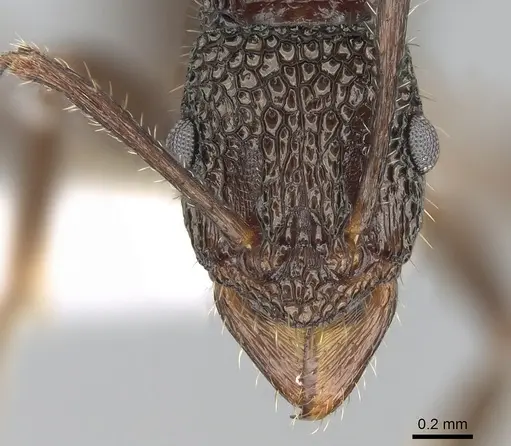
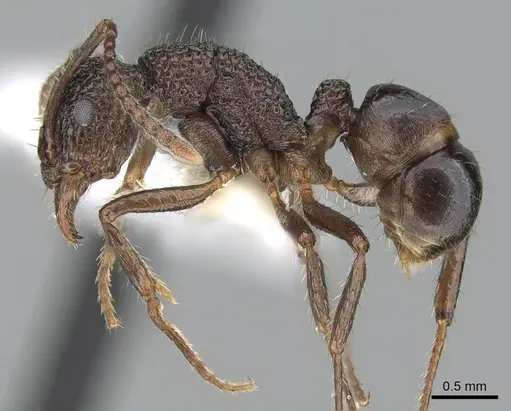
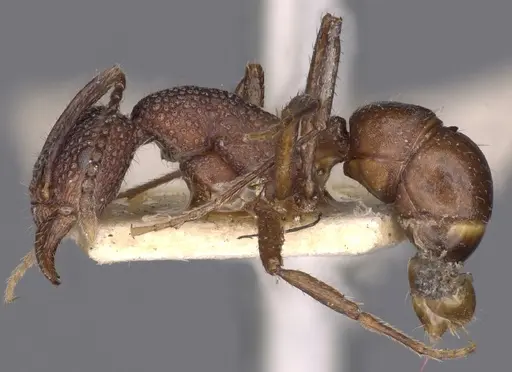
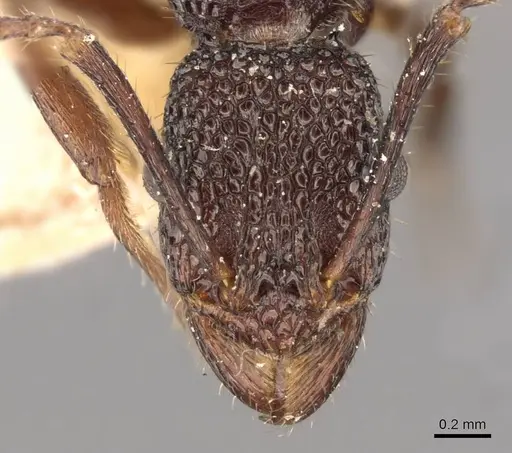
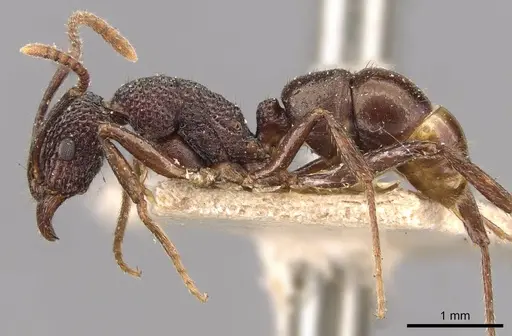
Rhytidoponera tenuis is a small, slim ant species native to North Queensland, Australia . It is found primarily in the Townsville/Cairns region . The first gastric tergite has feeble striations over dense background punctation . As a member of the subfamily Ectatomminae, it possesses a functional stinger and is capable of delivering a sting. No other specific biological or ecological details are documented for this species.
Quick Summary
- Difficulty: Medium
- Origin & Habitat: North Queensland, Australia (Townsville/Cairns region) [2]. Habitat specifics not documented, likely inhabits tropical/subtropical environments.
- Colony Type: Unknown. The genus Rhytidoponera includes both monogyne and polygyne species, but the social structure of this species has not been studied.
- Size & Growth:
- Queen: Size data unavailable.
- Worker: Small and slim [1], exact body length not recorded.
- Colony: Unknown.
- Growth: Unknown.
- Development: Unknown. (No data available on development rates or timeline.)
- Antkeeping:
- Temperature: Based on tropical origin, likely requires warm conditions (estimated 24-28°C), but this is not confirmed. A thermal gradient (warm side ~28°C, cool side ~24°C) is suggested as a starting point.
- Humidity: Unknown. Moderate humidity may be suitable, but this is speculative. Aim for nest substrate to be moist but not waterlogged, with a drier area for the ants to choose.
- Diapause: Unknown. Tropical origin suggests no diapause is required, but this is not studied. Keep warm year-round.
- Nesting: Unknown. Based on genus, likely nests in soil or under stones. In captivity, a naturalistic setup with moist soil or a Y-tong/plaster nest may be used experimentally. Ensure tight enclosures due to small size.
- Behavior: Little documented. Possesses a functional stinger (subfamily Ectatomminae). Likely an active forager. Temperament and specific escape risk are unknown. Handle carefully due to sting potential.
- Common Issues: very limited species-specific information makes care guidance uncertain, tropical origin suggests sensitivity to cold, but exact tolerances unknown, sting potential requires careful handling and respect, small size increases escape risk through tiny gaps
Housing and Nest Setup
No specific nest preferences have been documented for this species. Based on the genus, ants in the Rhytidoponera group often nest in soil or under stones. In captivity, a naturalistic setup with a soil substrate or a Y-tong/plaster nest may be used, but this is entirely experimental. Maintain warmth and moderate humidity, as might be expected for a tropical species. Ensure that the enclosure is escape‑proof because the workers are small.
Feeding and Diet
As a member of the subfamily Ectatomminae, this species is likely predatory, but its natural diet has not been studied. In captivity, offer small insects (e.g., fruit flies, pinhead crickets) and sugar water as a supplement. This advice is based on general antkeeping practices and may not meet the actual nutritional needs of this ant. Observe the colony’s response and adjust offerings accordingly.
Temperature and Seasonal Care
Based on its tropical origin in North Queensland, this ant likely requires warm conditions year‑round (estimated 24-28°C). They probably do not require hibernation, but this is not confirmed. A heating cable on one side of the nest can create a gradient. Cold stress may be harmful, but specific tolerances are unknown.
Handling and Safety
This species possesses a functional stinger (subfamily Ectatomminae). They may sting if threatened. Handle gently and avoid direct contact. Their small size means they can slip through very small gaps, use tight‑fitting lids and escape‑proof barriers.
Colony Development
Colony founding and development have not been documented for this species. Assuming a claustral founding method (typical of many Ectatomminae), a single queen would seal herself in a chamber and raise the first brood on stored reserves. Development time from egg to worker, growth rate, and mature colony size are all unknown. Success in captivity is uncertain.
Frequently Asked Questions
Can I keep Rhytidoponera tenuis in a test tube?
If a queen is being reared, a standard test‑tube setup (water reservoir with cotton plug) is commonly used for claustral founding. However, the founding method for this species is unconfirmed. Keep the tube warm and dark until the colony grows. This is speculative.
Does Rhytidoponera tenuis sting?
Yes, it can sting. As a member of the subfamily Ectatomminae, it has a functional stinger. The sting is likely painful but not dangerous for healthy humans. Avoid provoking the ants.
What do Rhytidoponera tenuis eat?
Little is known. They are probably predatory like most Ectatomminae. Offer small live or dead insects (e.g., fruit flies, small crickets) and sugar water. This is a guess based on related ants.
How long does it take for first workers to appear?
Unknown. No studies exist for this species. If founding occurs, development time is not documented.
Do Rhytidoponera tenuis need hibernation?
Probably not, because they originate from tropical North Queensland. However, this is not confirmed. Keep them warm year‑round.
Are Rhytidoponera tenuis good for beginners?
Difficulty is rated Medium, but because so little is known about this species, it is not recommended for beginners. Even experienced keepers will face uncertainty. Only attempt if you are prepared to experiment and possibly lose the colony.
How big do Rhytidoponera tenuis colonies get?
Unknown. There are no published records of colony size for this species.
When should I move them to a formicarium?
No specific guidelines exist. General practice is to wait until the test tube becomes crowded (maybe 15-20 workers), but the timing is your own judgment. Ensure the new nest provides warmth and moderate humidity.
Why is my colony not growing?
Because so little is known, every factor is speculative. Check that the temperature is warm (24-28°C), offer protein regularly, and maintain moderate humidity. If the queen is alive and laying, be patient. Lack of growth may simply reflect the species’ unknown biology.
Can I keep multiple queens together?
No data exists. The colony type is unconfirmed, so it is safest to assume single‑queen (monogyne) and keep them separate. Combining unrelated queens is risky.
Report an Issue
The current care sheet is based fully on literature. See inconsistencies, or something that's incorrect? Please , it will be resolved after review from an admin. Contributing to the blogs tab also helps providing information, to make us be able to further improve the caresheets. Thank you for your support!
References

This caresheet is licensed under CC BY-SA 4.0 .
Community Blogs
CASENT0281253
View on AntWeb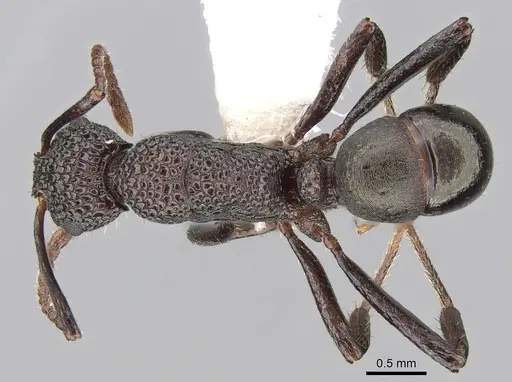
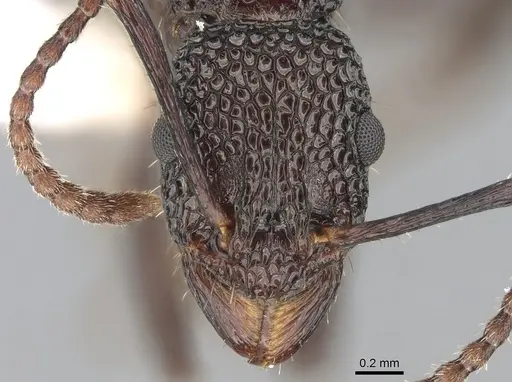
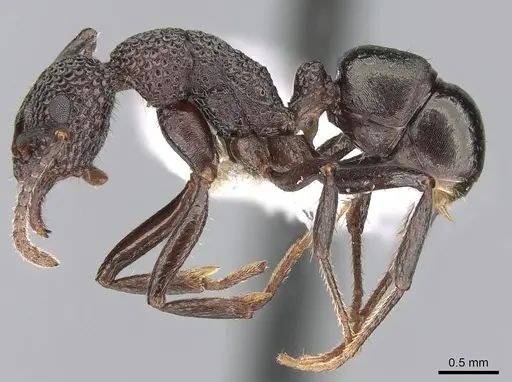
CASENT0281254
View on AntWeb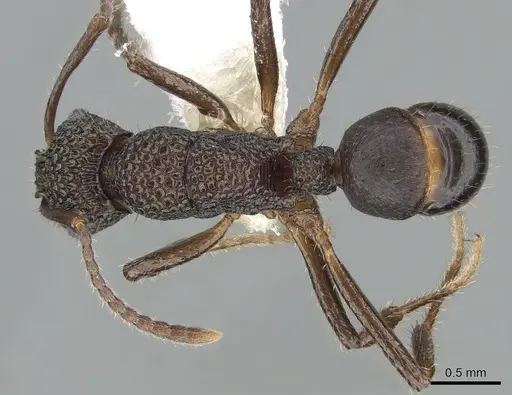
CASENT0900533
View on AntWeb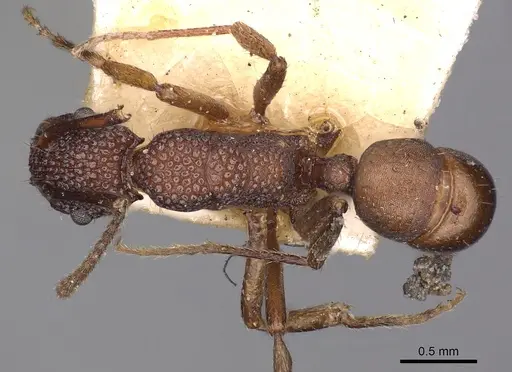
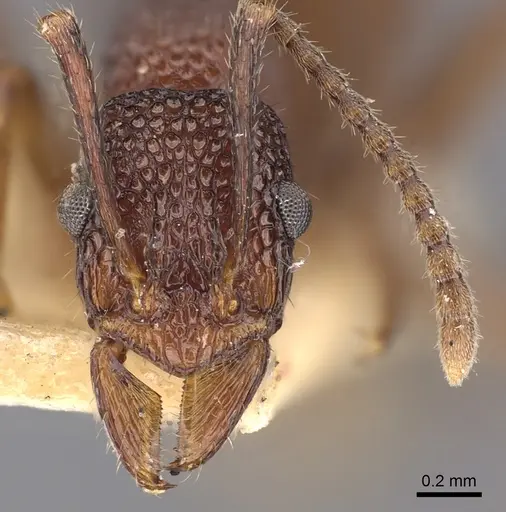
CASENT0907162
View on AntWeb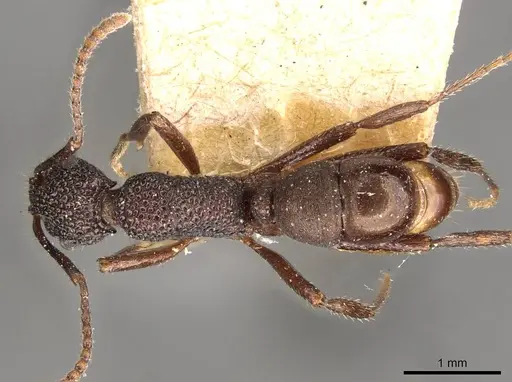
FOCOL2889
View on AntWeb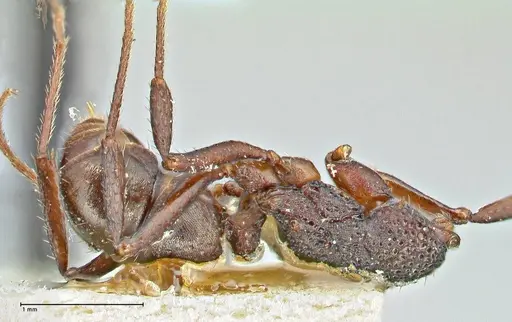
Literature
Loading distribution map...Loading products...