
Rhytidoponera subcyanea
- Sci. Name
- Rhytidoponera subcyanea
- Tribe
- Ectatommini
- Subfamily
- Ectatomminae
- Author
- Emery, 1897
- Distribution
- Found in 1 countries
Introduction
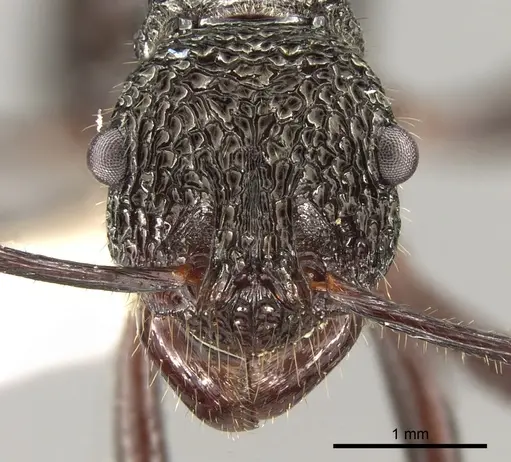
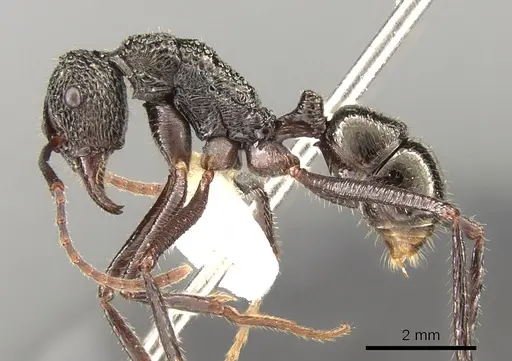
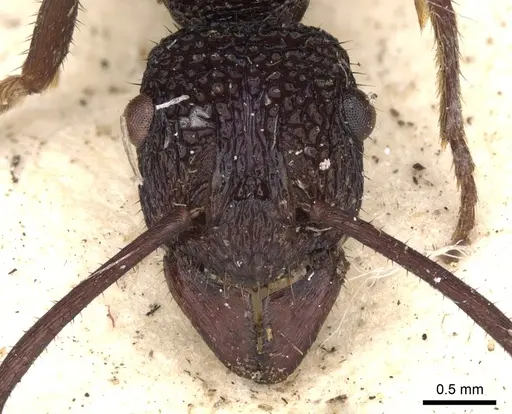
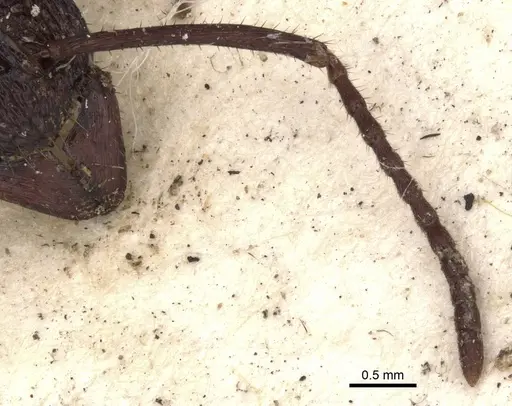
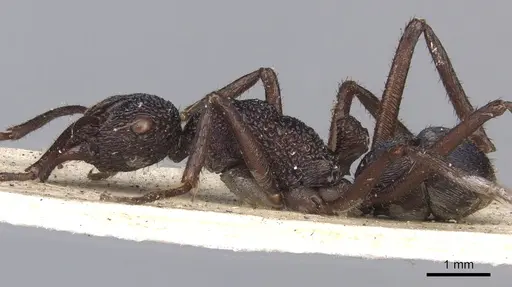
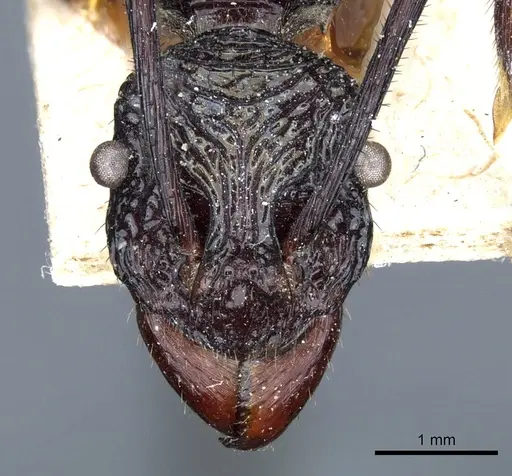
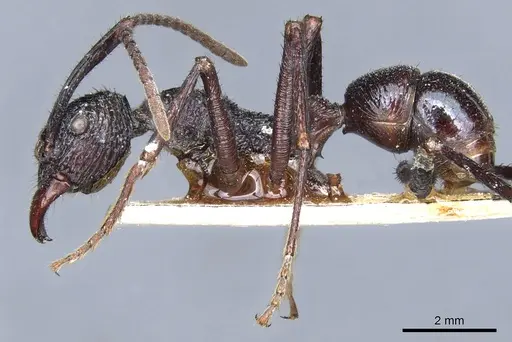
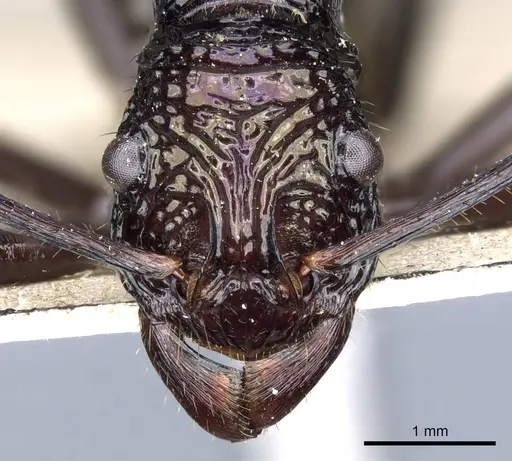
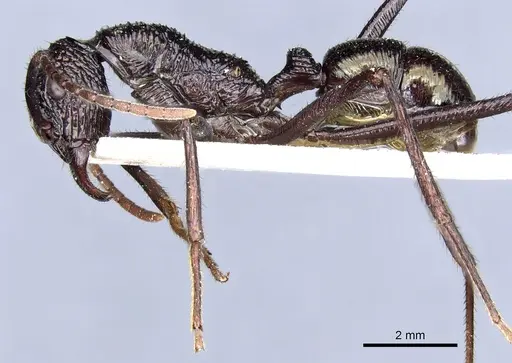
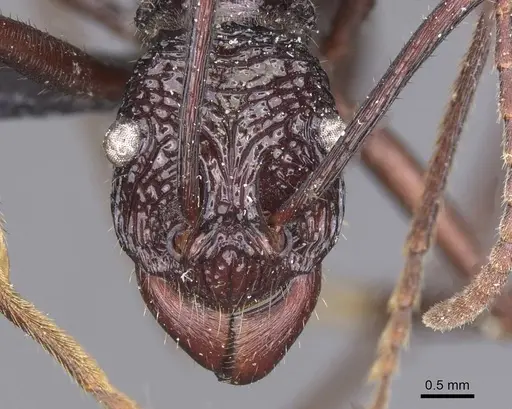
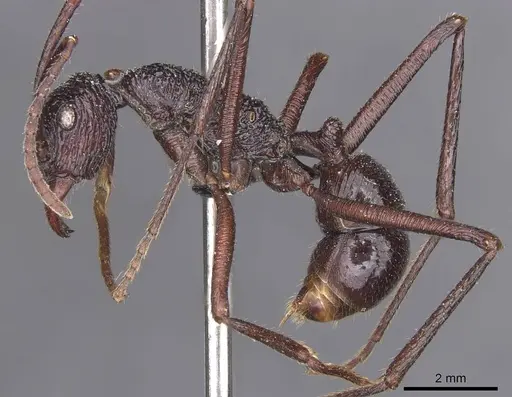
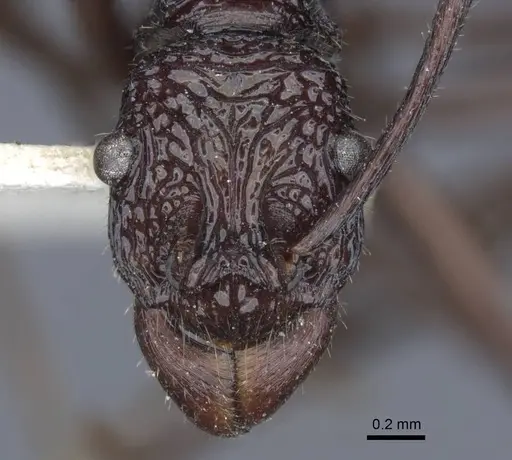
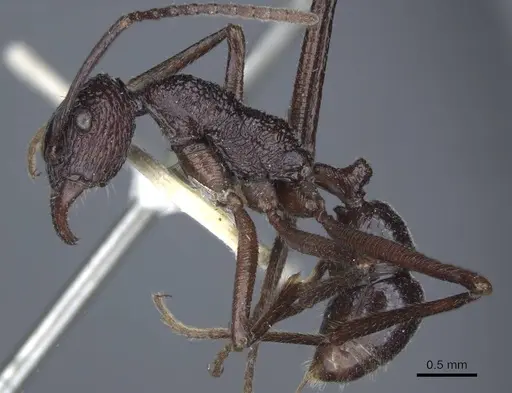
Rhytidoponera subcyanea is a large ponerine ant from the tropical forests of New Guinea and the Aru Islands in Indonesia . Workers measure 12-13.5 mm in total length . They have a dark brown body with a weak yellowish-bronze metallic sheen that can look greenish-blue under certain light . The head and body are covered in coarse, irregular wrinkles, and their eyes are large and hemispherical . This species belongs to the subfamily Ectatomminae, so it has a functional stinger. These ants live on the forest floor, where they hunt for prey .
Quick Summary
- Difficulty: Hard
- Origin & Habitat: Native to Papua New Guinea, the Aru Islands (Indonesia), and Irian Jaya [1]. Workers have been collected on the forest floor in tropical forests [2].
- Colony Type: Colony structure is not documented for this species. Based on related Rhytidoponera, they likely form single-queen (monogyne) colonies, but this is unconfirmed.
- Size & Growth:
- Queen: Not documented in available literature, likely similar to workers (12-14 mm) based on genus patterns.
- Worker: 12-13.5 mm [2]
- Colony: Unknown for this species.
- Growth: Moderate, inferred from tropical ponerine patterns.
- Development: Unknown, no published data for this species. (Development likely depends on warm, humid conditions.)
- Antkeeping:
- Temperature: Keep at 24-28°C, inferred from tropical lowland forest habitat. Room temperature (22-25°C) may work, but avoid prolonged drops below 20°C.
- Humidity: High humidity (70-85%) based on tropical forest floor habitat. Keep nest substrate consistently moist but not waterlogged.
- Diapause: No, this tropical species does not need hibernation. They stay active year-round if kept warm.
- Nesting: Likely nests in soil or under debris and logs on the forest floor. A naturalistic setup with deep, moist soil or a plaster nest with good humidity retention works well. Keep chambers dark.
- Behavior: Rhytidoponera subcyanea is a predatory ant with a functional sting. Workers are active hunters on the forest floor [2]. They are likely to defend their nest aggressively if disturbed. Due to their large size and strength, secure enclosures are essential. Their sting can cause pain similar to a bee sting, so handle with care.
- Common Issues: humidity is critical, too dry kills the colony, too wet causes mold, their sting is painful, use tools during maintenance, tropical species need steady warmth, cold drafts stress the colony, rare in the hobby, finding established colonies is difficult, require live prey regularly, need a reliable supply of insects
Housing and Nest Setup
Rhytidoponera subcyanea does best in a naturalistic terrarium with moist soil, leaf litter, and hiding spots like wood or bark. A plaster or solid nest that holds humidity also works. The nest area must be dark and kept consistently moist. Because workers are 12-13.5 mm [2], test tubes are too small for an established colony. The outworld needs a secure lid, these ants are strong and can push through loose fittings. Provide a shallow water dish.
Feeding and Diet
As a predatory ponerine, R. subcyanea needs a protein-rich diet of live insects. Offer small crickets, mealworms, or fruit flies. They may also accept dead prey if moved, but live prey triggers natural hunting behavior. Provide a sugar source like honey or sugar water for energy. Feed every 2-3 days and remove leftovers after 24 hours to prevent mold. A constant water source is essential.
Temperature and Heating
These tropical ants need warm conditions all year. Keep temperatures between 24-28°C. Room temperature (22-25°C) often works, but you may need a small heat mat during cooler periods. Use a thermometer and place heating on one side of the enclosure to create a gradient. Avoid hot spots that dry out the nest. Consistent warmth is more important than exact numbers.
Humidity Management
Aim for 70-85% humidity, typical of tropical forest floors. Keep the nest substrate moist like damp soil. Check daily and mist when the surface starts drying. A water dish helps with drinking and humidity. Avoid waterlogging, too much water causes mold and can drown brood. Good ventilation prevents stagnant air. Adjust frequency based on how fast the substrate dries.
Behavior and Temperament
Rhytidoponera subcyanea is an active, predatory ant with a functional stinger. Workers hunt individually on the forest floor [2]. They are likely to defend their nest and will sting if threatened. Their large eyes suggest they use vision when hunting. Move slowly during maintenance and avoid disturbing the nest directly. The sting is painful, treat it like a bee sting.
Colony Founding
Founding behavior has not been documented for this species. It is unknown whether queens are claustral or semi-claustral. Do not disturb a founding queen, stress can cause her to eat brood or leave the chamber. Keep the founding setup dark, humid, and vibration-free until the first workers appear.
Frequently Asked Questions
How long does it take for Rhytidoponera subcyanea to produce first workers?
Exact development time is unknown for this species. No published data is available. Keep the colony warm and humid, and check periodically for nanitic workers.
Do Rhytidoponera subcyanea ants sting?
Yes, they can sting. As a member of Ectatomminae, they have a functional stinger. The sting causes pain similar to a bee sting. Handle carefully and avoid provoking the colony.
What do Rhytidoponera subcyanea eat?
They are predators that need live protein prey, small crickets, mealworms, fruit flies. They may also take sugar water or honey for energy. Feed protein 2-3 times per week.
Can I keep multiple queens of Rhytidoponera subcyanea together?
This is not documented for this species. Based on typical Rhytidoponera patterns, they likely form single-queen colonies. Do not combine unrelated queens without evidence.
What temperature do Rhytidoponera subcyanea need?
Keep them at 24-28°C, as inferred from their tropical forest habitat. Room temperature (22-25°C) may be okay, but use a small heat source if your home is cooler.
How big do Rhytidoponera subcyanea colonies get?
Colony size is unknown for this species. Related Rhytidoponera can reach several hundred workers, but no specific data exists.
Do Rhytidoponera subcyanea need hibernation?
No, they do not need hibernation. As a tropical species from Papua New Guinea, they stay active year-round if kept warm.
Are Rhytidoponera subcyanea good for beginners?
They are rated as hard difficulty because their care requirements are poorly documented, they are rare in the hobby, and they have a painful sting. Not recommended for beginners.
What humidity level do Rhytidoponera subcyanea need?
High humidity (70-85%). Keep the nest substrate moist like damp forest soil. A water dish in the outworld also helps.
Where is Rhytidoponera subcyanea found in the wild?
In Papua New Guinea, the Aru Islands (Indonesia), and Irian Jaya [1]. They live in tropical forests on the forest floor [2].
When do Rhytidoponera subcyanea nuptial flights occur?
Nuptial flight timing is not documented for this species. As a tropical species, they may breed year-round, but this is unconfirmed.
How do I set up a nest for Rhytidoponera subcyanea?
Use a naturalistic setup with moist soil or a plaster nest that retains humidity. Keep the nest dark and humid. Workers are 12-13.5 mm [2], so chambers must be large enough.
Report an Issue
The current care sheet is based fully on literature. See inconsistencies, or something that's incorrect? Please , it will be resolved after review from an admin. Contributing to the blogs tab also helps providing information, to make us be able to further improve the caresheets. Thank you for your support!
References

This caresheet is licensed under CC BY-SA 4.0 .
Community Blogs
CASENT0281334
View on AntWeb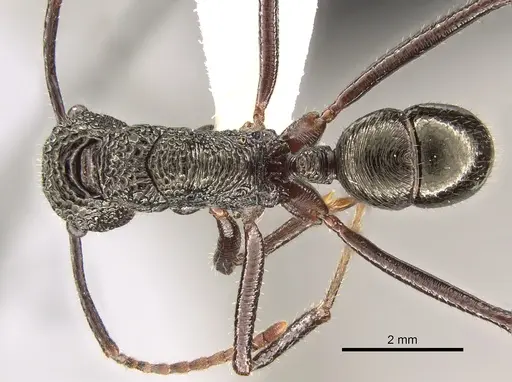
CASENT0901370
View on AntWeb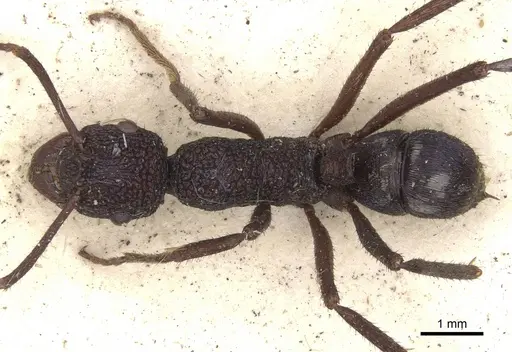
CASENT0903816
View on AntWeb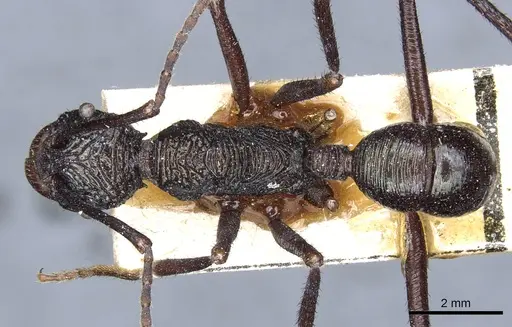
CASENT0903817
View on AntWeb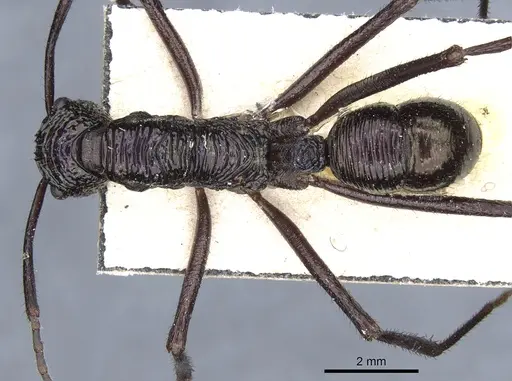
CASENT0915145
View on AntWeb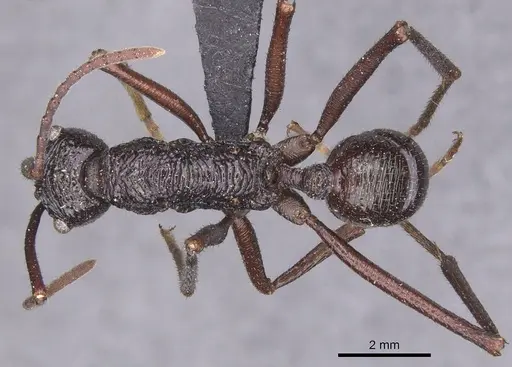
CASENT0916802
View on AntWeb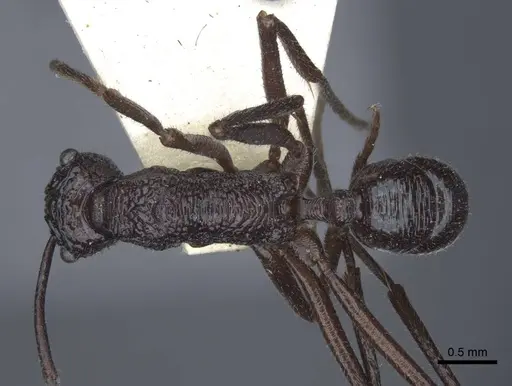
Literature
Loading distribution map...Loading products...