
Rhytidoponera scaberrima
- Sci. Name
- Rhytidoponera scaberrima
- Tribe
- Ectatommini
- Subfamily
- Ectatomminae
- Author
- Emery, 1895
- Distribution
- Found in 1 countries
Introduction
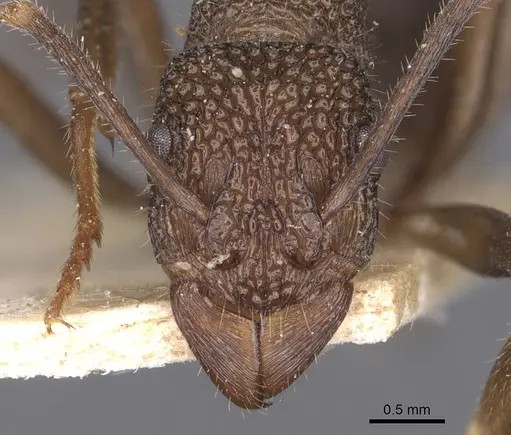
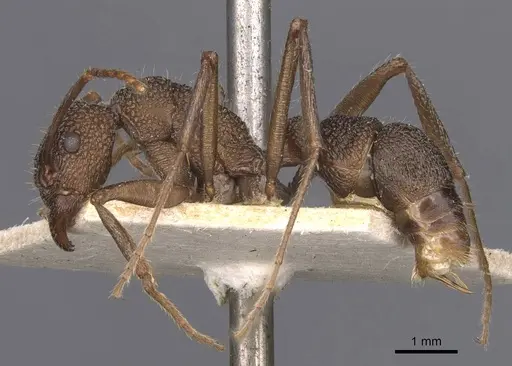
Rhytidoponera scaberrima is an Australian ant from the subfamily Ectatomminae. It was first described from Queensland, Australia (Mount Bellenden Ker) and is only known from the Australasian region . The only published ecological data classifies it as a Torresian (northern tropical) species with an Opportunist functional group, meaning it can handle disturbed habitats . As an ectatommine, it has a functional stinger [subfamily default]. Colony structure, queen presence, and size details are largely unknown – most information comes from genus-level patterns, so care advice is best treated as tentative.
Quick Summary
- Difficulty: Medium
- Origin & Habitat: Queensland, Australia, in the Torresian biogeographic region (northern tropical and subtropical zones) [2]. It appears to tolerate disturbed areas [2].
- Colony Type: Unknown. Rhytidoponera genus includes both monogyne and polygyne species, but no specific data exists for R. scaberrima.
- Size & Growth:
- Queen: Size data unavailable
- Worker: Size data unavailable
- Colony: Unknown – no estimates from research. Related Rhytidoponera species can reach several hundred workers, but this is purely speculative.
- Growth: Unknown – no data available
- Development: Unknown – no reliable data for this species. Estimates from other Ectatomminae range 6–10 weeks, but this should not be taken as fact. (No direct development data exists for R. scaberrima.)
- Antkeeping:
- Temperature: Unknown – no specific data. As a tropical Queensland species, likely warm (low‑mid 20s°C), but start at 24–26°C and observe. Heating one side can create a gradient.
- Humidity: Unknown – no specific data. Likely moderate to high based on tropical habitat. Keep nest substrate damp but not waterlogged, provide a moisture gradient.
- Diapause: Unlikely – as a tropical Torresian species, probably no true diapause. Keep warm year‑round, if activity drops in cooler months, that's normal.
- Nesting: Unknown – no specific nest-site data. Rhytidoponera often nest in soil or under stones. A naturalistic setup with soil/loam or a Y‑tong/plaster nest with moisture retention should work. Provide a water reservoir.
- Behavior: Predatory and likely moderately aggressive – typical of Rhytidoponera. Uses a functional stinger for defense and prey capture. Escape risk: unknown, assume they can climb smooth surfaces. Use fluon or oil barrier.
- Common Issues: almost no species‑specific care data – most advice is guesswork based on genus, require live prey regularly – may be picky or need constant supply, sting can be painful – handle with care, avoid grabbing workers, wild‑caught colonies may have parasites or unknown stress factors, very little known about colony founding – queen rearing success uncertain
Housing and Nest Setup – Based on Inferences
Since no specific nest preferences are published for Rhytidoponera scaberrima, you'll need to experiment. Start with a plaster or Y‑tong nest with a damp area and a dry area. The nest chambers should be big enough for ~6 mm workers (if those are the size, actual size unknown). Provide a foraging arena (outworld) with a barrier to prevent escape – use fluon or a mineral‑oil rim. Because the species is likely tropical, keep the nest warm (24–28 °C is a safe guess). Monitor the colony's behaviour: if they cluster near the heat source, adjust the gradient.
Feeding and Diet – Based on Ectatomminae Patterns
Like most ectatommines, R. scaberrima is predatory. Offer small live prey: fruit flies, pinhead crickets, mealworms, or small roach nymphs. They also need sugar – provide honey water or sugar solution (change daily). The 'Opportunist' functional group label suggests they are adaptable foragers, so they may accept dead insects too [2]. Feed 2–3 times per week, remove uneaten prey after 24 h. Always supply a clean water source.
Temperature and Seasonal Care – Best Guesses
No published data on temperature requirements. Based on the Torresian distribution (northern Queensland), keep them warm (24–28 °C) year‑round. A heating mat or cable under half the nest creates a gradient. Avoid sudden drops below 20 °C. Diapause is not expected, but if activity decreases during winter, that may be normal. Don't force hibernation.
Behavior and Handling – Known from Genus
Rhytidoponera scaberrima possesses a functional sting and will use it if threatened. Handle colonies gently – avoid touching workers directly. Use soft forceps or a paintbrush for moving workers. They are active, predatory foragers that likely recruit nestmates to large prey. Colony defense is typical: alarm pheromones and aggressive postures. Unknown whether they have gamergates or ergatoid queens – this needs research.
Frequently Asked Questions
How long does it take for Rhytidoponera scaberrima to produce first workers?
Unknown. No development data exists for this species. Estimates from related Ectatomminae suggest 6–10 weeks at warm temperatures, but this is pure guesswork.
Do Rhytidoponera scaberrima ants sting?
Yes – they belong to the subfamily Ectatomminae, which has a functional sting. It can be painful, so handle with care.
What do Rhytidoponera scaberrima eat?
They are predatory – offer small live prey (fruit flies, crickets, mealworms). Also accept sugar sources. Protein is the main dietary need.
Can I keep multiple queens together?
Unknown. The genus Rhytidoponera includes both monogyne and polygyne species, but no data exists for R. scaberrima. Do not attempt without verified information.
Are Rhytidoponera scaberrima good for beginners?
Medium difficulty. The lack of species‑specific data makes this a challenging choice for beginners – successful husbandry will require careful observation and adaptability.
Do Rhytidoponera scaberrima need hibernation?
No – as a tropical species from Queensland, it likely does not require diapause. Keep warm year‑round.
How big do Rhytidoponera scaberrima colonies get?
Unknown. No published colony size data. Related Rhytidoponera can reach several hundred workers, but this is not confirmed.
What temperature and humidity do Rhytidoponera scaberrima need?
No firm data. Aim for 24–28 °C and moderate to high humidity. Keep the nest substrate damp but not waterlogged. Provide a moisture gradient.
Report an Issue
The current care sheet is based fully on literature. See inconsistencies, or something that's incorrect? Please , it will be resolved after review from an admin. Contributing to the blogs tab also helps providing information, to make us be able to further improve the caresheets. Thank you for your support!
References

This caresheet is licensed under CC BY-SA 4.0 .
Community Blogs
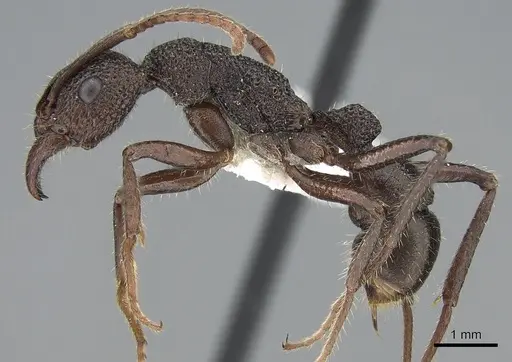
CASENT0281267
View on AntWeb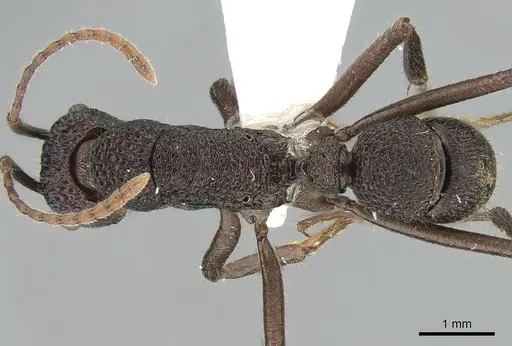
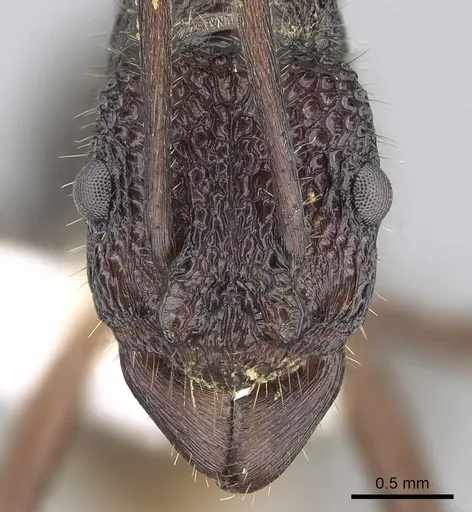
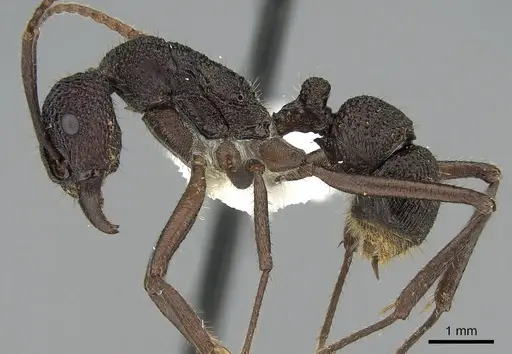
CASENT0281268
View on AntWeb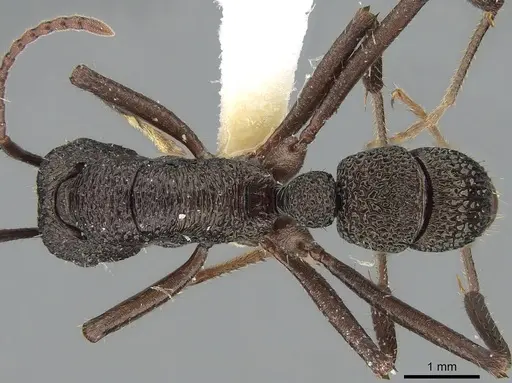
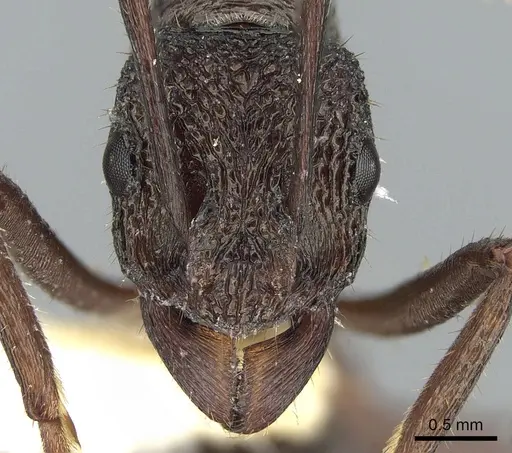
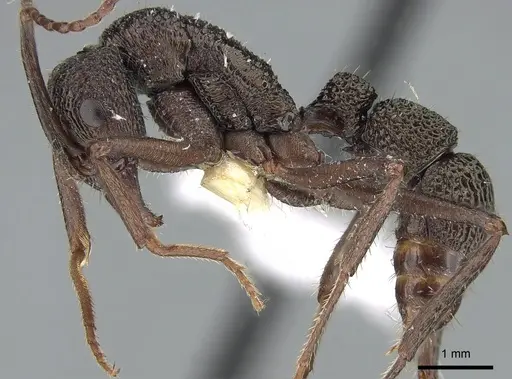
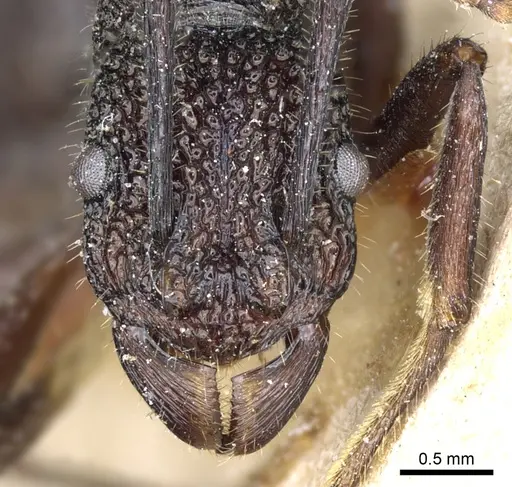
CASENT0281269
View on AntWeb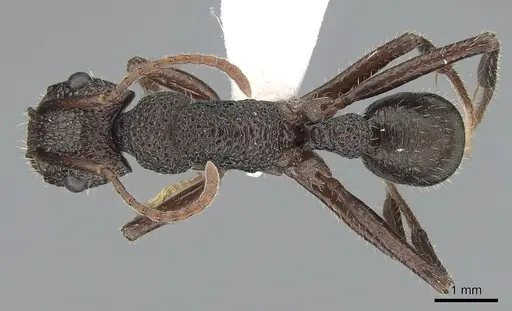
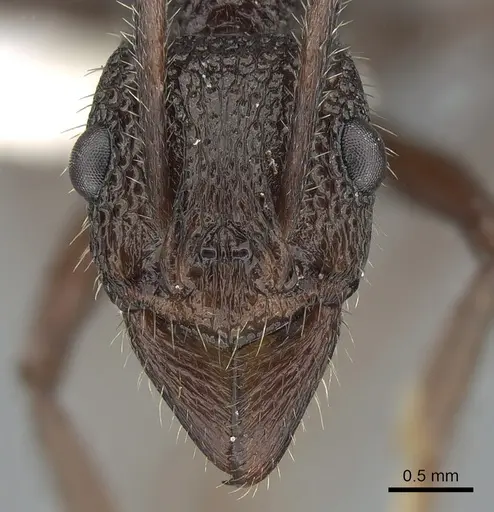
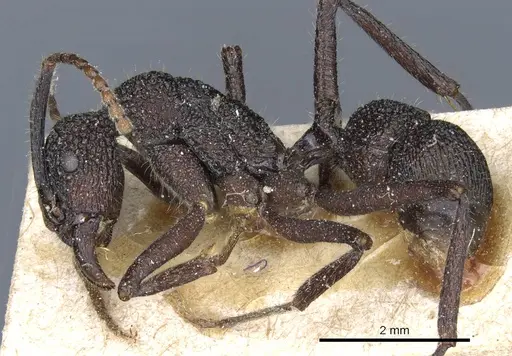
CASENT0903827
View on AntWeb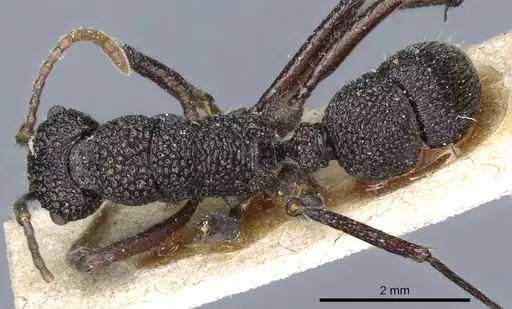
CASENT0907146
View on AntWeb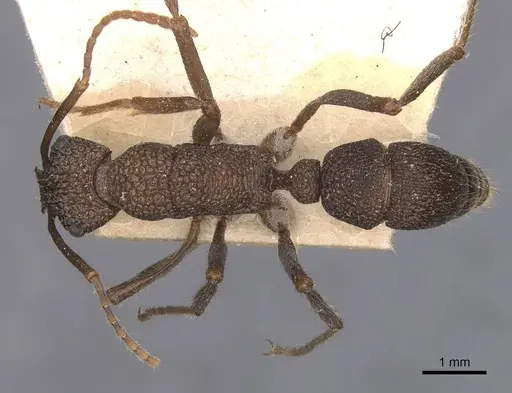
Literature
Loading distribution map...Loading products...