
Rhytidoponera pulchella
- Sci. Name
- Rhytidoponera pulchella
- Tribe
- Ectatommini
- Subfamily
- Ectatomminae
- Author
- Emery, 1883
- Distribution
- Found in 1 countries
Introduction
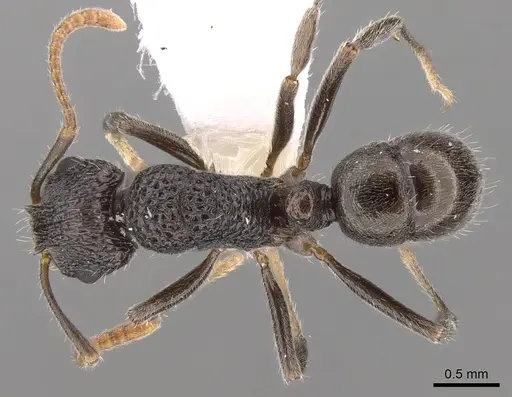
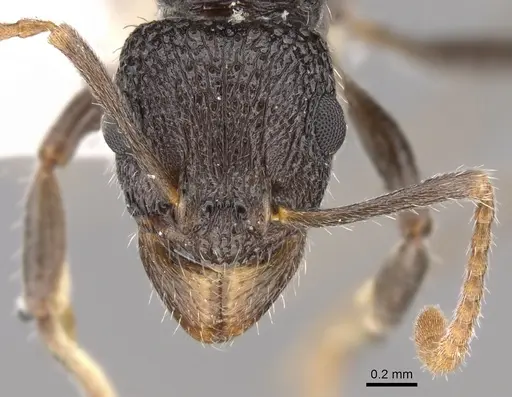
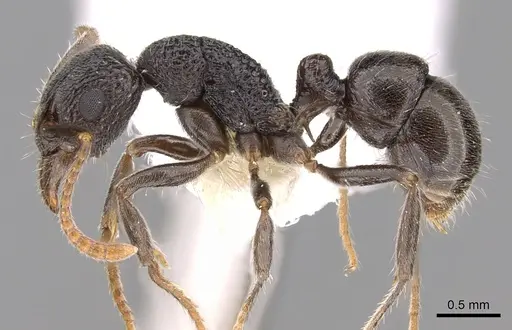
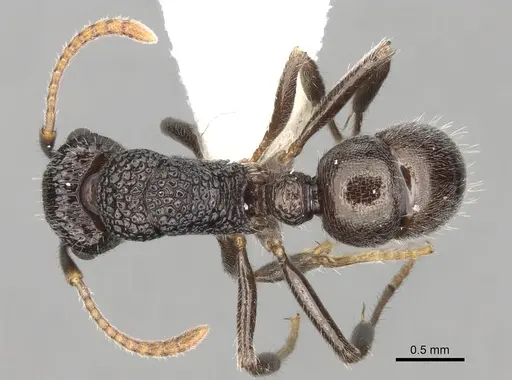
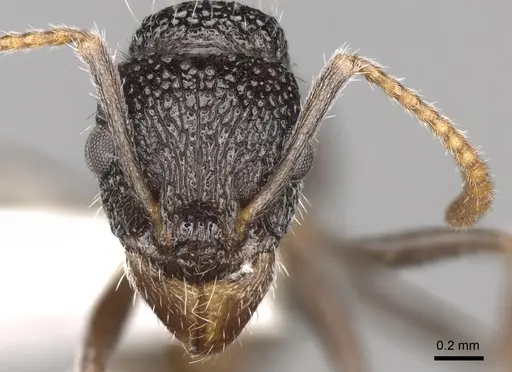
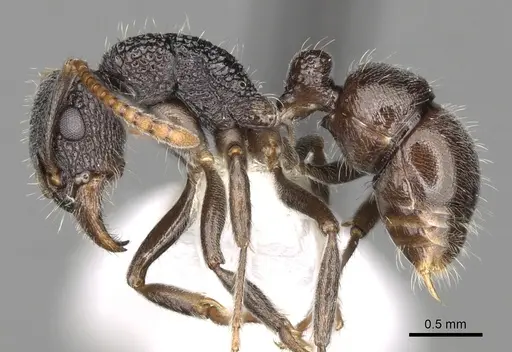
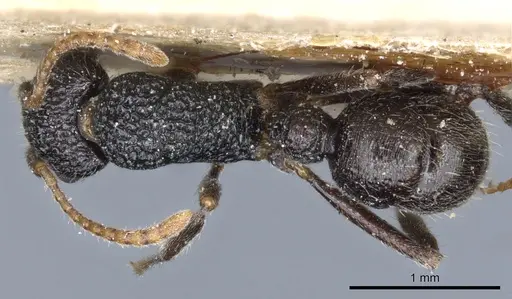
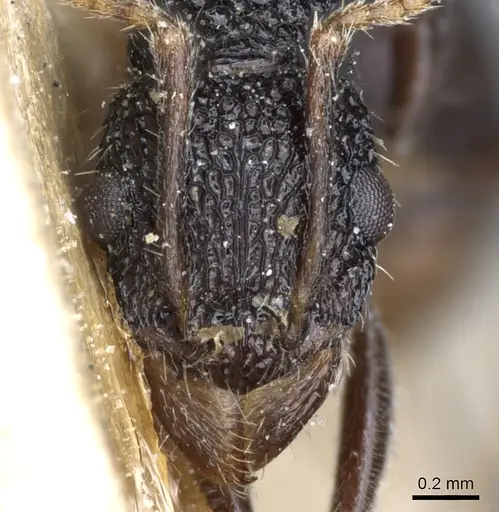
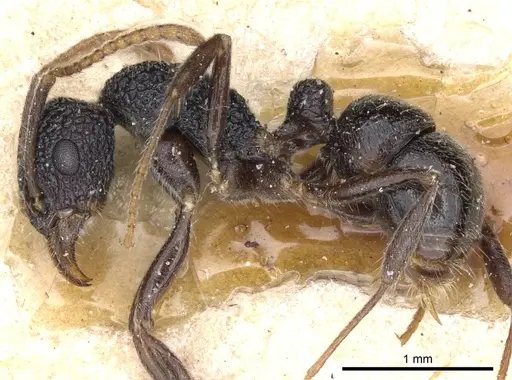
Rhytidoponera pulchella is a small ant species native to New Caledonia, an island in the South Pacific . Workers were first described by Emery in 1883,with males later described in 1914 . The species was revised by Ward in 1984,confirming its status within the genus Rhytidoponera . As a member of the subfamily Ectatomminae, these ants have a functional sting they can use for defense. This species is poorly studied, so most care advice is inferred from related species.
Quick Summary
- Difficulty: Expert
- Origin & Habitat: New Caledonia, a tropical island in the South Pacific [1]. The island has diverse habitats from coastal areas to montane forests, with warm, humid conditions year-round [2].
- Colony Type: Colony structure is unconfirmed. Based on typical Rhytidoponera patterns, colonies are likely monogyne (single queen), but this hasn't been confirmed for this species.
- Size & Growth:
- Queen: Estimated 6-8 mm based on genus patterns [2].
- Worker: Estimated 4-6 mm based on genus patterns [2].
- Colony: Unknown for this species. Related Rhytidoponera species typically form colonies of up to several hundred workers [2].
- Growth: Moderate, estimated based on related tropical Ectatomminae species.
- Development: Unknown, estimated 6-10 weeks based on related tropical species [2]. Exact timing has not been documented. (Development time is unconfirmed. Tropical Ectatomminae generally develop faster than temperate species, but actual data for this species is lacking.)
- Antkeeping:
- Temperature: Unknown, as a tropical species, likely prefers warm, stable conditions. A good starting range is 24-28°C. Provide a slight gradient to allow workers to self-regulate.
- Humidity: High humidity is likely. Keep the nest substrate consistently moist but not waterlogged. Provide a moisture gradient so ants can choose their preferred conditions. Avoid letting the nest dry out completely.
- Diapause: No, as a tropical species, Rhytidoponera pulchella does not require hibernation. Keep warm year-round.
- Nesting: Based on typical Rhytidoponera nesting preferences, they likely nest in soil or rotting wood. In captivity, use a naturalistic setup with moist substrate, or a Y-tong (AAC) or plaster nest with good moisture retention. Avoid completely dry nests.
- Behavior: Rhytidoponera pulchella workers are active foragers with moderate aggression. They have a functional sting and may sting if handled roughly. Escape risk is low for their size (4-6 mm), but standard fluon barriers on outworld rims are recommended. They are likely day-active and will hunt small invertebrates and collect sugar sources.
- Common Issues: tropical species may decline if temperatures drop below 22°C consistently, keep stable warmth., high humidity requirements can lead to mold if ventilation is poor, ensure good airflow., limited documentation means colony establishment may require trial and error., sting can be painful if ants are provoked, handle with care., unknown founding behavior may make queen rearing challenging.
Temperature and Care
Exact temperature preferences for Rhytidoponera pulchella are unknown. As a tropical species from New Caledonia, it likely needs stable warmth. A good starting range is 24-28°C. Provide a temperature gradient within the nest so workers can choose their preferred zone. If room temperature drops below 22°C, use a heating cable on one side of the nest. Avoid large fluctuations. This species does not require a winter cooling period. [1]
Humidity and Water Requirements
High humidity is essential for this tropical species. Aim to keep the nest substrate consistently moist, it should feel damp but not waterlogged. Provide a water source in the outworld (e.g., a test tube with a cotton plug). Good ventilation is important to prevent mold, but avoid drafts that dry out the nest. A moisture-retaining substrate (like a soil-sand mix) or a Y-tong/plaster nest with a hydration chamber works well. Monitor for condensation and adjust ventilation as needed. [1]
Feeding and Diet
Based on typical Rhytidoponera and Ectatomminae feeding habits, these ants are likely omnivorous with a preference for protein. Offer small live prey such as fruit flies, pinhead crickets, or small mealworms 2-3 times per week. Provide sugar sources (honey water or sugar water) continuously. Remove uneaten prey after 24 hours to prevent mold. Since this species is poorly documented, be prepared to experiment with different foods. [1]
Nesting Preferences
Rhytidoponera species typically nest in soil or rotting wood. For captive care, a naturalistic setup with moist substrate (a mix of soil and sand) is ideal. Alternatively, use a Y-tong (AAC) nest or plaster nest with a hydration chamber. The nest should be dark and undisturbed. Avoid completely dry nests or tall vertical setups. Provide a small outworld for foraging and waste disposal. [1]
Behavior and Temperament
Rhytidoponera pulchella workers are active foragers that hunt small invertebrates and collect sugar sources. They have a functional sting and may sting if provoked, so handle with care. Workers are moderately aggressive in defending the nest but not overly territorial. Standard escape prevention (fluon on outworld rims) is recommended. Colonies are likely moderate in size and day-active. [1]
Colony Establishment
Since Rhytidoponera pulchella is poorly documented, colony establishment requires patience. If you catch a wild queen, her founding behavior is unknown. Provide a test tube setup with moist cotton and keep her warm (24-28°C) in darkness. Do not disturb her. If she rears workers, they will be nanitics smaller than normal. Once the colony has 10-20 workers, gradually introduce small prey. Growth is likely moderate. If buying an established colony, ensure it has been kept in conditions similar to what you provide. [1]
Frequently Asked Questions
How long does it take for Rhytidoponera pulchella to develop from egg to worker?
The exact development time is unknown for this species. Based on related tropical Ectatomminae, it likely takes 6-10 weeks at 24-28°C. Nanitics (first workers) are smaller than mature workers.
Do Rhytidoponera pulchella ants sting?
Yes. As members of the subfamily Ectatomminae, they have a functional sting and can deliver a painful sting if provoked. Handle gently. The sting is not medically significant for most people.
What temperature do Rhytidoponera pulchella ants need?
Exact temperature data is lacking. As a tropical species, they likely prefer 24-28°C. If your room is cooler, provide a gentle heat source. No winter cooling is needed.
Are Rhytidoponera pulchella good for beginners?
No. This species is poorly documented and requires high humidity and stable warmth. It is best for experienced keepers familiar with tropical species.
How big do Rhytidoponera pulchella colonies get?
Colony size is unconfirmed. Based on related species, they likely reach several hundred workers. Growth is moderate.
Do Rhytidoponera pulchella need hibernation?
No. As a tropical species, they do not require hibernation. Keep them warm all year.
What do Rhytidoponera pulchella ants eat?
Based on typical genus preferences, they are omnivorous. Offer small live insects (fruit flies, small crickets) several times a week, plus a sugar source.
Can I keep multiple Rhytidoponera pulchella queens together?
The colony structure is unknown. It is best to assume single-queen colonies. Do not combine unrelated queens.
What humidity level do Rhytidoponera pulchella ants need?
High humidity is essential. Keep the nest substrate consistently moist but not waterlogged. Use a moisture-retaining substrate or a hydrating nest.
When should I move Rhytidoponera pulchella to a formicarium?
Wait until the colony has at least 30-50 workers to move from a test tube to a larger nest.
Why is my Rhytidoponera pulchella colony declining?
Common causes: temperatures below 22°C, low humidity, lack of protein, mold from poor ventilation, or frequent disturbance. Check and adjust these factors.
Is Rhytidoponera pulchella aggressive?
They have moderate aggression and will sting if threatened. They are not particularly territorial but should be handled with care.
Report an Issue
The current care sheet is based fully on literature. See inconsistencies, or something that's incorrect? Please , it will be resolved after review from an admin. Contributing to the blogs tab also helps providing information, to make us be able to further improve the caresheets. Thank you for your support!
References

This caresheet is licensed under CC BY-SA 4.0 .
Community Blogs
Literature
Loading distribution map...Loading products...