
Rhytidoponera opaciventris
- Sci. Name
- Rhytidoponera opaciventris
- Tribe
- Ectatommini
- Subfamily
- Ectatomminae
- Author
- Ward, 1984
- Distribution
- Found in 1 countries
Introduction
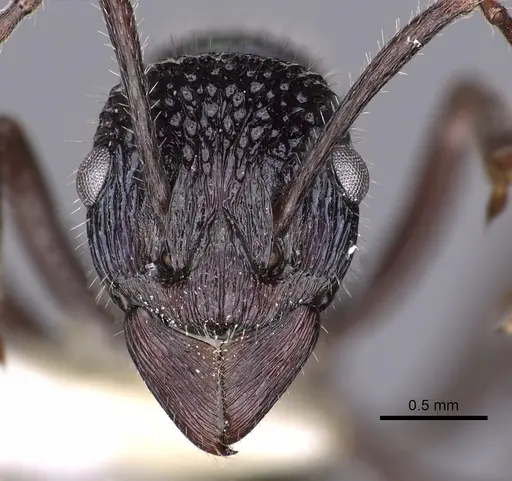
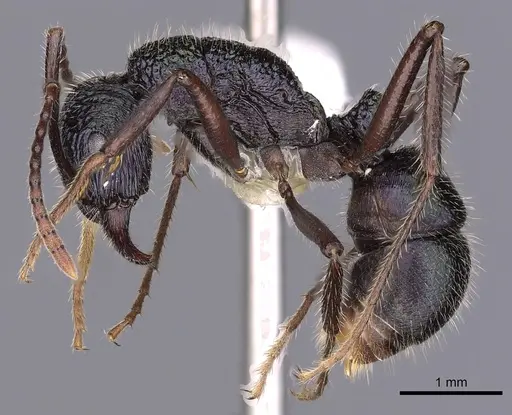
Rhytidoponera opaciventris is a small ant species from New Caledonia, an island in the southwestern Pacific. Workers are dark, with a slight metallic sheen typical of the genus. The species was described by Ward in 1984 based on specimens collected on Mt Panié, where ants were found nesting under stones in rainforest at elevations from 100m to over 750m . This ant is only known from New Caledonia, a biodiversity hotspot with unique ant fauna . They are ground nesters that prefer damp, shaded spots in the forest, likely tolerant of various altitudes within their range.
Quick Summary
- Difficulty: Medium
- Origin & Habitat: New Caledonia, specifically Mt Panié and surrounding rainforest areas at elevations of 100-750m. They nest under stones in humid, shaded forest floor environments [2][1].
- Colony Type: Colony structure is unconfirmed. Based on patterns in the Rhytidoponera genus, likely single-queen colonies (monogyne), with workers numbering in the low hundreds.
- Size & Growth:
- Queen: Size data unavailable, queens are not described in the literature. Inferred from genus: roughly 5-7mm, but this is an estimate [1].
- Worker: Size data unavailable, no specific measurements given for this species. Inferred from the genus Rhytidoponera: workers are typically 4-6mm [1].
- Colony: Unknown, inferred from the genus: likely several hundred workers at most [1].
- Growth: Moderate, inferred from tropical habitat and related species.
- Development: Estimated 6-8 weeks at tropical temperatures (24-28°C), based on typical Ectatomminae development patterns. Species-specific data not available. (Development timeline is estimated, monitor your colony and adjust as needed.)
- Antkeeping:
- Temperature: Keep warm and stable, roughly 24-28°C. These are tropical ants from New Caledonia and need consistently warm conditions. Avoid prolonged temperatures below 20°C. A slight gradient is fine [2][1].
- Humidity: High humidity is essential, think damp rainforest floor. Keep the nest substrate consistently moist but not waterlogged. Provide a water tube and mist occasionally. Balance moisture with ventilation to prevent mold [1].
- Diapause: No true diapause needed, New Caledonia has a mild tropical climate without cold winters. A slight temperature drop to 20-22°C during winter months is acceptable if your region has seasonal changes.
- Nesting: Natural nesting occurs under stones in rainforest soil. In captivity, use naturalistic setups (moist soil/sand mix with a flat cover), plaster nests, or Y-tong (AAC) nests that hold humidity well. Avoid open spaces, they prefer tight, enclosed chambers.
- Behavior: Calm and not overly aggressive. Workers are active foragers, likely hunting small invertebrates and collecting honeydew. They have a functional stinger (Ectatomminae can sting) and may use it defensively if threatened, but they are not quick to sting keepers. Escape risk is moderate, workers are 4-6mm, so standard test tube barriers work, but use a fluon barrier on enclosures for safety.
- Common Issues: high humidity can cause mold if ventilation is poor, balance moisture with airflow, tropical species may struggle if temperatures drop below 20°C for extended periods, wild-caught colonies from New Caledonia may carry parasites or diseases, quarantine new colonies, limited species-specific information means care is based on genus-level estimates, monitor closely and adjust, this species is rarely available in the antkeeping hobby, making sourcing difficult
Temperature and Care
As tropical ants from New Caledonia, Rhytidoponera opaciventris needs warm conditions to thrive. Aim for 24-28°C in the nest area, with a slight gradient so workers can choose a cooler spot if they want. This temperature range matches their natural rainforest habitat at Mt Panié [2][1].
Use a heating cable placed on top of the nest (not underneath, to avoid drying the substrate) or a heat mat on one side of the enclosure. Monitor with a digital thermometer at nest level. If your room is consistently in the mid-20s°C, extra heating may not be needed.
These ants are sensitive to cold, avoid prolonged temperatures below 20°C. A slight seasonal drop to around 20-22°C in winter is acceptable, but true diapause is not recommended given their tropical origin.
Humidity and Nesting
High humidity is critical. In their natural habitat, they live under stones in damp soil. In captivity, keep the nest substrate consistently moist, it should feel damp to the touch but not have standing water. A water tube connected to the nest helps maintain humidity through evaporation.
For nesting, naturalistic setups work well: a shallow container filled with a damp soil/sand mix (2-3cm deep) topped with a flat stone mimics their preferred under-stone spot. Plaster nests or Y-tong (AAC) nests that hold moisture are also good choices. Make sure the nest has tight chambers, they feel secure in enclosed spaces.
Balance humidity with good ventilation to prevent mold. Use small ventilation holes or mesh on the container lid. If you see mold, reduce moisture slightly and improve airflow. [1]
Feeding and Diet
Like other Rhytidoponera, this ant is likely omnivorous. In nature, they probably hunt small invertebrates and collect honeydew from insects. In captivity, offer a varied diet:
Protein sources: Small live prey such as fruit flies, pinhead crickets, or mealworms. Offer 2-3 times per week. Cut prey into pieces if needed due to their size.
Sugar sources: Sweet liquids like sugar water, honey, or ant sugar gels, provide a constant supply in a small dish or soaked cotton ball.
Fresh fruits: Small pieces of apple or banana may be accepted as extra sugar.
Remove uneaten prey after 24-48 hours to avoid mold. Adjust feeding frequency as the colony grows, founding queens need less food. [1]
Behavior and Temperament
These ants are generally calm and not aggressive. Workers go about their business without excessive territorial behavior. They are active foragers and will establish regular patterns when hunting for prey or collecting sugar.
They have a functional stinger (Ectatomminae feature) and may use it if handled roughly, but they rarely sting keepers unprovoked. The sting can be painful in related species, so handle with care.
For escape prevention, workers are 4-6mm, so standard test tube barriers are usually enough. But always use a fluon barrier on the outworld as a precaution, especially once the colony grows.
Colony Establishment
Founding behavior is unconfirmed, queens may or may not be claustral. If you start with a queen, provide a test tube setup with a water reservoir and keep it dark and undisturbed in a warm, humid spot. Do not disturb her until the first workers appear.
First workers (nanitics) may take 6-8 weeks to emerge at optimal temperatures, based on typical Ectatomminae development. Species-specific timing is not documented.
Once workers are active and foraging, you can connect the test tube to an outworld and start feeding regularly. Move to a larger nest when the colony reaches up to 50 workers and the test tube water is getting low. They do well in naturalistic setups or plaster/Y-tong nests that maintain humidity.
Frequently Asked Questions
How long does it take for Rhytidoponera opaciventris to produce first workers?
At optimal temperatures (24-28°C), expect first workers (nanitics) in roughly 6-8 weeks after the queen lays eggs. This is estimated from typical Ectatomminae development, species-specific timing is not documented.
Do Rhytidoponera opaciventris sting?
Yes, they can sting. As Ectatomminae, they have a functional stinger. However, they are not particularly aggressive and rarely sting unless handled roughly. The sting may be painful but is not dangerous to healthy humans.
What temperature do Rhytidoponera opaciventris need?
Keep them at 24-28°C. They are tropical ants from New Caledonia and need warm, stable conditions. Avoid temperatures below 20°C for extended periods [2][1].
Are Rhytidoponera opaciventris good for beginners?
They are rated as medium difficulty. They need warm, humid conditions that can be challenging to maintain consistently. If you have experience with tropical ant species, they can be rewarding.
How big do Rhytidoponera opaciventris colonies get?
Based on genus-level data, colonies likely reach several hundred workers. The maximum size is not specifically documented for this species [1].
What do Rhytidoponera opaciventris eat?
They are omnivorous. Offer small live prey (fruit flies, small crickets) 2-3 times per week, and provide a constant sugar source (sugar water, honey). They likely also collect honeydew in nature [1].
Do Rhytidoponera opaciventris need hibernation?
No true hibernation is needed. They come from tropical New Caledonia with a mild climate year-round. A slight temperature drop to 20-22°C during winter is acceptable if your region has seasonal changes [2][1].
Can I keep multiple queens together?
This has not been documented for this species. Based on typical Rhytidoponera patterns, single-queen colonies are most common. Combining unrelated queens is not recommended without evidence they can coexist.
When should I move my colony to a formicarium?
Move to a larger nest once the colony reaches up to 50 workers and the founding test tube's water reservoir is running low. They do well in naturalistic setups or plaster/Y-tong nests that maintain humidity.
Where is Rhytidoponera opaciventris found?
This species is endemic to New Caledonia. It was described from Mt Panié and surrounding rainforest areas at elevations of 100-750m [2][1].
Why are my Rhytidoponera opaciventris dying?
Common causes: temperatures below 20°C, too dry conditions, mold from excessive moisture without ventilation, or disturbance during founding. Check temperature and humidity first. Wild-caught colonies may also carry parasites.
Is Rhytidoponera opaciventris rare in the antkeeping hobby?
Yes, this species is not commonly available. It's endemic to New Caledonia and rarely traded. Sourcing may require specialized importers or breeders [2].
Report an Issue
The current care sheet is based fully on literature. See inconsistencies, or something that's incorrect? Please , it will be resolved after review from an admin. Contributing to the blogs tab also helps providing information, to make us be able to further improve the caresheets. Thank you for your support!
References

This caresheet is licensed under CC BY-SA 4.0 .
Community Blogs
CASENT0281318
View on AntWeb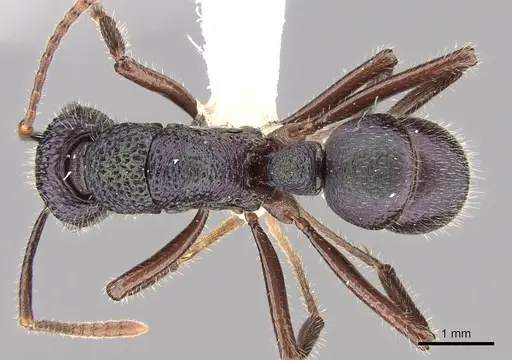
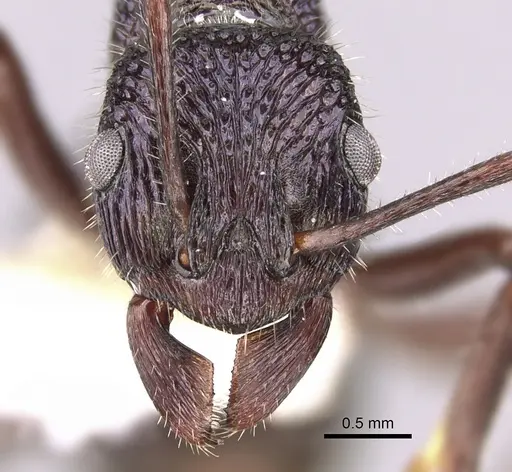
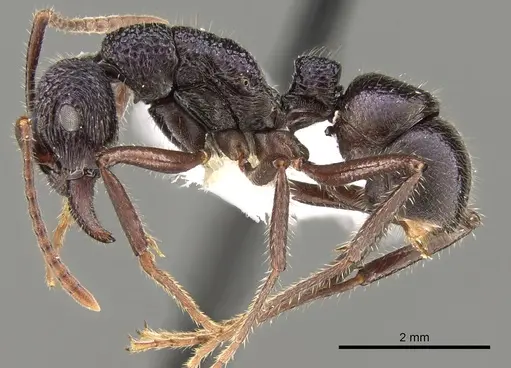
CASENT0900534
View on AntWeb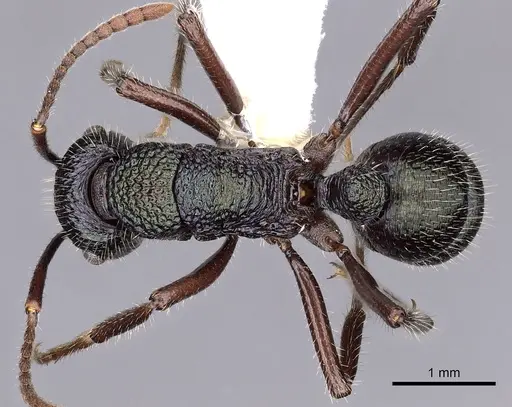
Literature
Loading distribution map...Loading products...