
Rhytidoponera numeensis
- Sci. Name
- Rhytidoponera numeensis
- Tribe
- Ectatommini
- Subfamily
- Ectatomminae
- Author
- André, 1889
- Distribution
- Found in 2 countries
Introduction
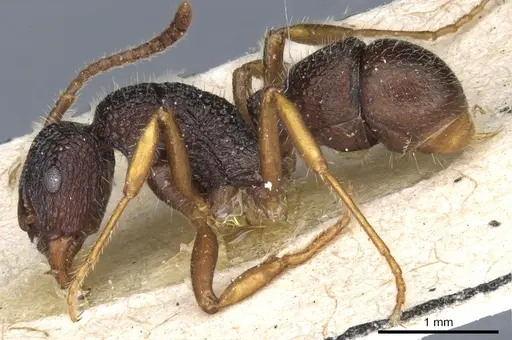
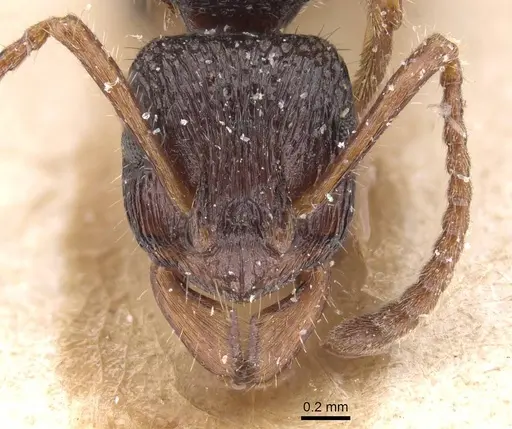
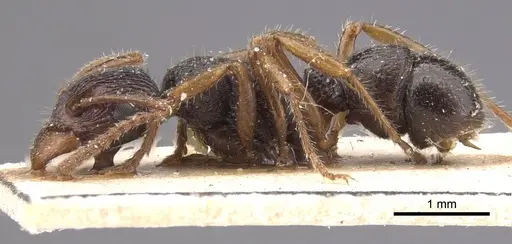
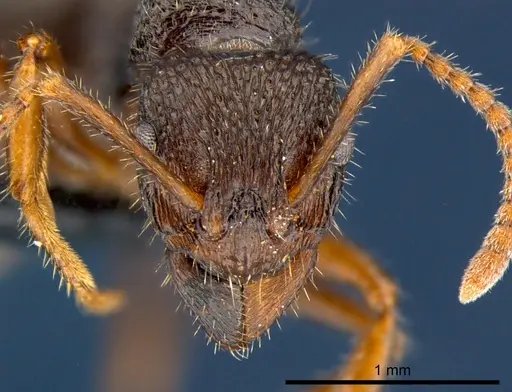
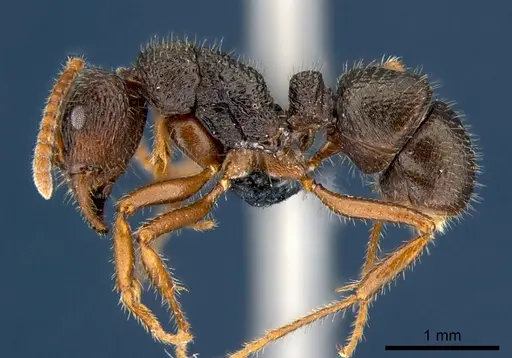
Rhytidoponera numeensis is a large ant species endemic to New Caledonia, a French territory in the South Pacific . Workers are 10–15 mm, making them among the larger ants on the island . The species was described by André in 1889 and later recognized as the senior synonym of Rhytidoponera acupuncta . It belongs to the subfamily Ectatomminae, a group known for predatory habits and functional stingers. In its native forest habitat, R. numeensis forages alone or in small groups of 4–10 workers and does not show up in large numbers on food baits . It faces competition from introduced species such as Wasmannia auropunctata, which has impacted New Caledonia's native ant communities.
Quick Summary
- Difficulty: Medium
- Origin & Habitat: New Caledonia. Found in forest environments across the island, including areas near Nouméa and Yaté [1][3].
- Colony Type: Unconfirmed. Based on typical Ectatomminae patterns, colonies are likely monogyne (single queen), but no specific data is available [2].
- Size & Growth:
- Queen: Size data unavailable. Based on worker size (10–15 mm [2]), queens are likely larger, estimated at ~12–16 mm from genus patterns.
- Worker: 10–15 mm [2]
- Colony: Up to several hundred workers (estimated from genus patterns) [2].
- Growth: Moderate
- Development: Estimated 8–12 weeks at optimal temperature (24–28°C), based on typical Ectatomminae development. (No specific data exists for this species. Development time is an estimate from related species.)
- Antkeeping:
- Temperature: Keep nest at 24–28°C. New Caledonia has a warm tropical climate, so these ants prefer stable warmth. A heating cable on one side creates a gradient (inferred from origin).
- Humidity: Moderate to high. Keep the nest substrate consistently moist but not waterlogged. Mist occasionally if needed (inferred from forest habitat).
- Diapause: Not required. New Caledonia lacks a true winter, so these ants likely remain active year-round (inferred from origin).
- Nesting: Likely nests in soil or under stones in the wild. In captivity, a naturalistic setup with soil substrate or a Y‑tong (AAC) nest works well. Provide a damp substrate for the founding stage.
- Behavior: Relatively calm but can sting (subfamily Ectatomminae has a functional stinger). They forage alone or in small groups of 4–10 workers, not in large trails [2]. Escape risk is high due to their size and climbing ability – use fluon or similar barriers. They defend their nest if disturbed.
- Common Issues: colonies may grow slowly, which can lead to overfeeding or unnecessary disturbance, sting can be painful – use gloves if sensitive and avoid provoking the colony, small colony size during founding makes them vulnerable to stress – minimize nest inspection, wild-caught colonies may carry parasites or disease, quarantine new colonies, low foraging activity is normal – do not mistake it for a problem
Housing and Nest Setup
Since little is known about the natural nesting preferences of Rhytidoponera numeensis, a naturalistic setup with soil substrate is recommended as a starting point. Y‑tong (AAC) or plaster nests are also suitable. Workers are 10–15 mm [2], so escape prevention is essential – use fluon or a similar barrier on the outworld walls. Start founding colonies in a test tube setup, then transition to a larger nest once the colony reaches about 20–30 workers. Keep the nest substrate moist but not waterlogged to mimic forest floor conditions.
Feeding and Diet
Based on typical Ectatomminae diet, these ants are likely omnivorous with a strong predatory streak. Feed protein sources (e.g., mealworms, crickets, roaches) 2–3 times per week and provide constant access to a sugar source (e.g., honey or sugar water). Since they forage alone or in small groups [2], they may not consume large amounts at once – adjust portions to avoid waste. Remove uneaten food after 24–48 hours to prevent mold. Always supply fresh water.
Temperature and Seasonal Care
Maintain nest temperature at 24–28°C. New Caledonia has a warm tropical climate, so these ants do not require hibernation. A heating cable placed on top of the nest (not underneath) can supply extra warmth if room temperature is below 24°C. Avoid prolonged exposure to temperatures below 18°C. During cooler months, activity may slow slightly but the colony should remain active year-round. Stable temperatures are important – avoid sudden fluctuations.
Behavior and Handling
Rhytidoponera numeensis is relatively calm but can deliver a painful sting if the nest is disturbed. Foraging occurs alone or in groups of 4–10 workers [2], not in the large trails seen in many ants. This means you will not see many workers at food baits – it's normal. Minimize disturbances, especially during the founding phase. Use gloves if you are sensitive to stings. These ants climb well, so always secure the outworld with a barrier.
Colony Development
Colony growth is moderate, typical of larger ant species. There are no specific studies on R. numeensis development, but based on related Ectatomminae, the egg‑to‑worker period is estimated at 8–12 weeks at 25–28°C. The queen likely lays eggs after mating and cares for the first brood without feeding (claustral founding is unconfirmed, but often the case in this subfamily). First workers (nanitics) will be smaller than mature workers. Be patient – the colony may take several years to reach several hundred workers.
Frequently Asked Questions
How long does it take for Rhytidoponera numeensis to produce first workers?
Estimates are based on related species – about 8–12 weeks at optimal temperature (24–28°C). No specific data for this species exists, so this is a rough guideline.
Does Rhytidoponera numeensis sting?
Yes, as a member of the subfamily Ectatomminae, it has a functional stinger and can deliver a painful sting if threatened. Handle with care and avoid disturbing the nest [2].
What do Rhytidoponera numeensis eat?
They are likely omnivorous. Offer protein (e.g., mealworms, crickets) 2–3 times a week and a constant sugar source (honey or sugar water). Since they forage alone or in small groups [2], use small amounts and remove leftovers [2].
Can I keep multiple queens together?
This is not recommended. Based on typical Ectatomminae patterns, the species is likely monogyne (single queen). Combining unrelated queens has not been studied and would probably lead to aggression.
What temperature do Rhytidoponera numeensis need?
Aim for 24–28°C. They come from a warm tropical island and do not need hibernation. A heating cable on top of the nest can help if your room is cooler.
How big do colonies get?
Probably moderate – up to several hundred workers. They are never found in large numbers on food baits in the wild [2], suggesting colonies stay on the smaller side compared to supercolonial species.
Are Rhytidoponera numeensis good for beginners?
They are rated Medium difficulty. Their moderate growth rate and specific temperature needs require patience. Their painful sting also means careful handling is needed.
Do they need hibernation?
No. New Caledonia has no true winter, so these ants remain active year-round. A slight slowdown in cooler months is possible, but no artificial diapause is required.
What size formicarium do they need?
Start with a test tube for founding. After the colony reaches 20–30 workers, move them to a small formicarium (e.g., Y‑tong or naturalistic setup). They do not need vast spaces – moderate chamber sizes work well.
Why are my ants not foraging much?
This is normal – Rhytidoponera numeensis forages alone or in small groups [2]. Even in a mature colony, you may see only a few workers at a time. Ensure food and water are available, and avoid overfeeding.
Report an Issue
The current care sheet is based fully on literature. See inconsistencies, or something that's incorrect? Please , it will be resolved after review from an admin. Contributing to the blogs tab also helps providing information, to make us be able to further improve the caresheets. Thank you for your support!
References

This caresheet is licensed under CC BY-SA 4.0 .
Community Blogs
CASENT0281311
View on AntWeb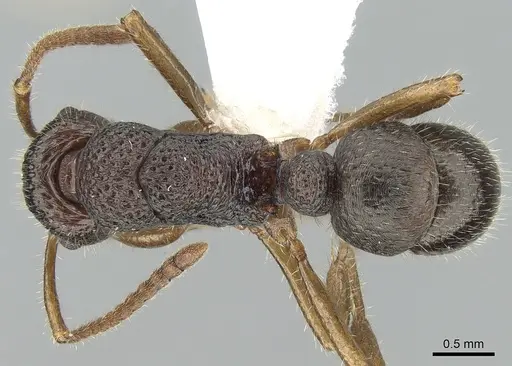
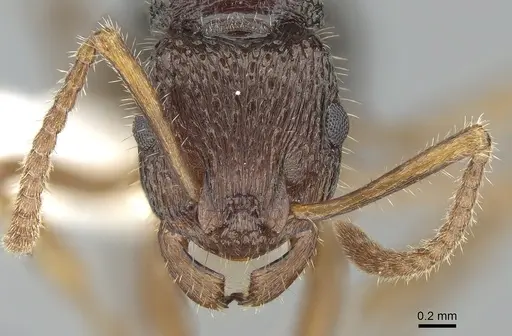
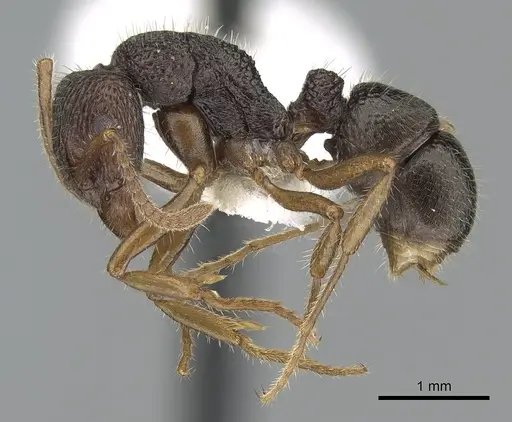
CASENT0281832
View on AntWeb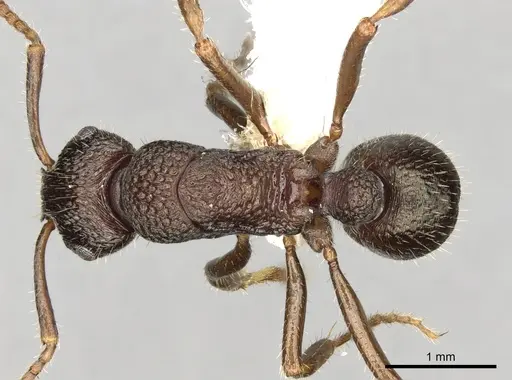
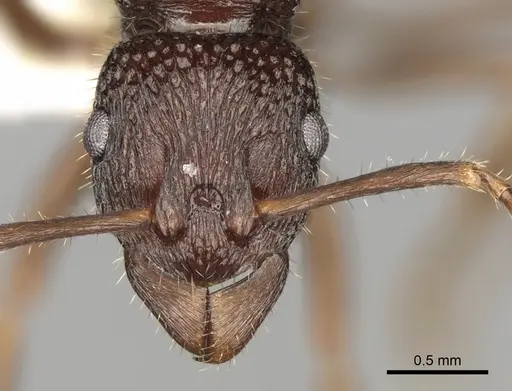
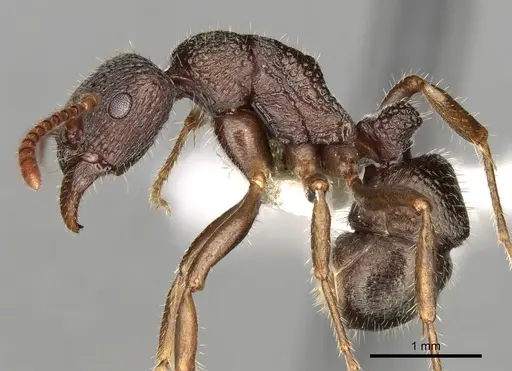
CASENT0903831
View on AntWeb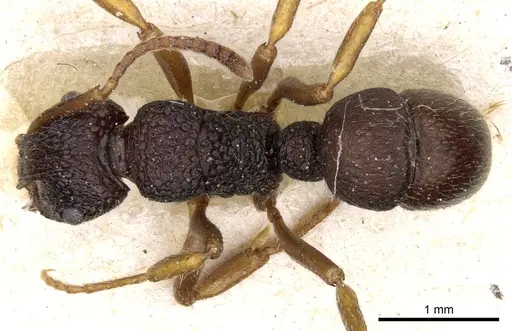
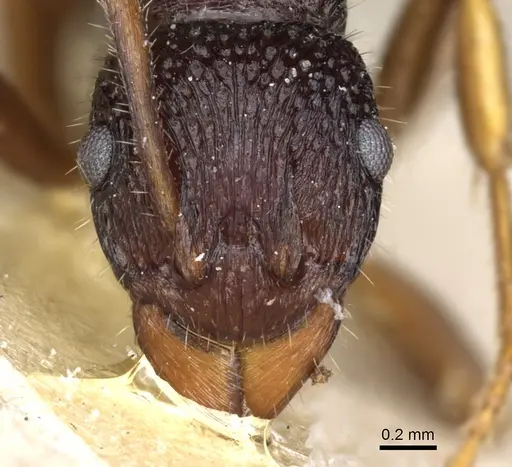
CASENT0915353
View on AntWeb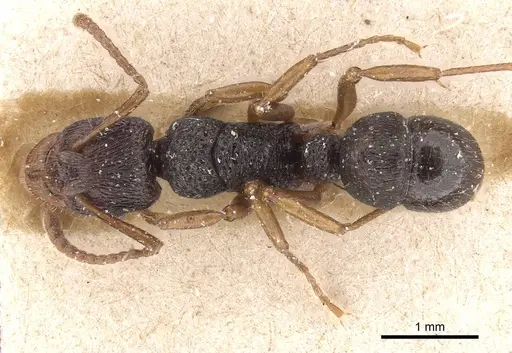
CSIRONC0119
View on AntWeb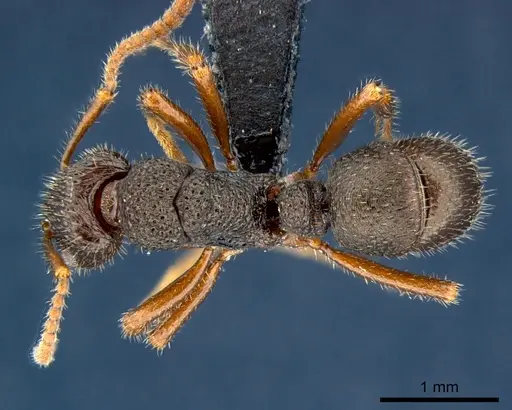
Literature
Loading distribution map...Loading products...