
Titan Pony Ant
Rhytidoponera mayri
- Sci. Name
- Rhytidoponera mayri
- Tribe
- Ectatommini
- Subfamily
- Ectatomminae
- Author
- Emery, 1883
- Common Name
- Titan Pony Ant
- Distribution
- Found in 1 countries
Introduction
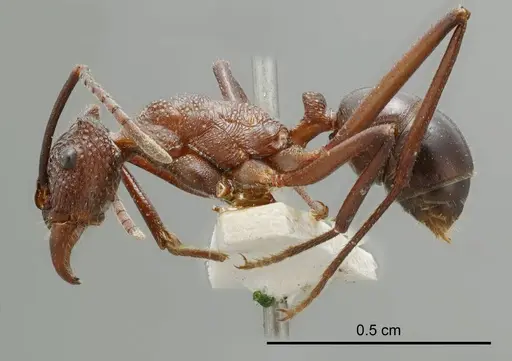
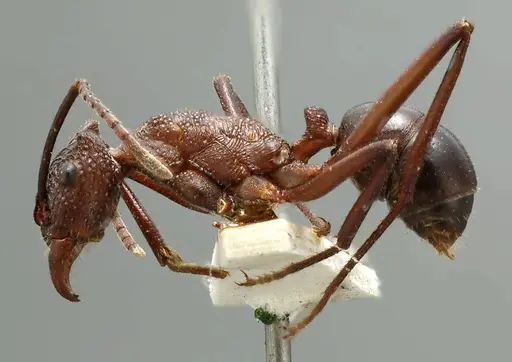
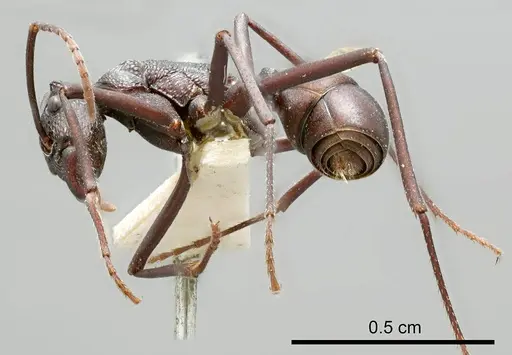
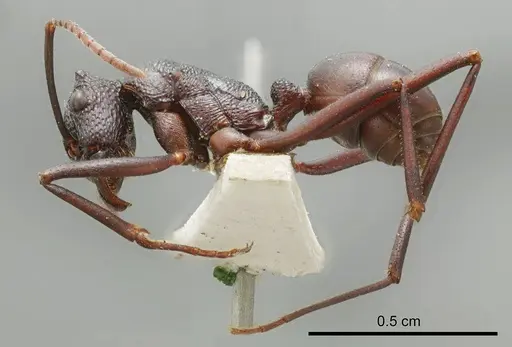
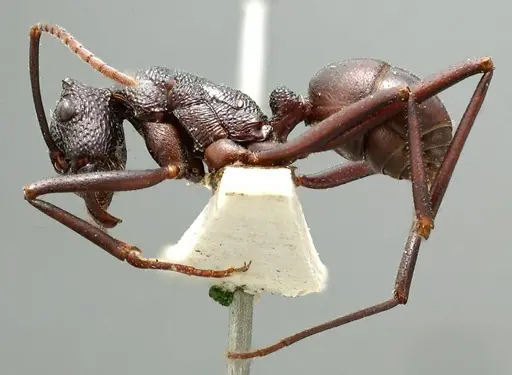
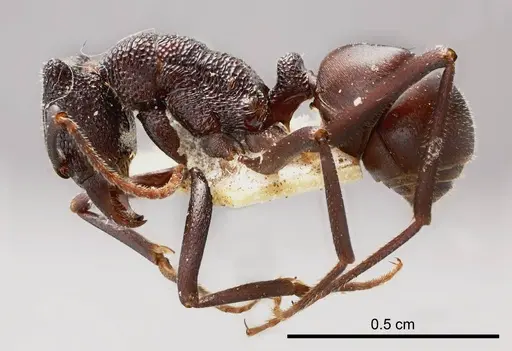
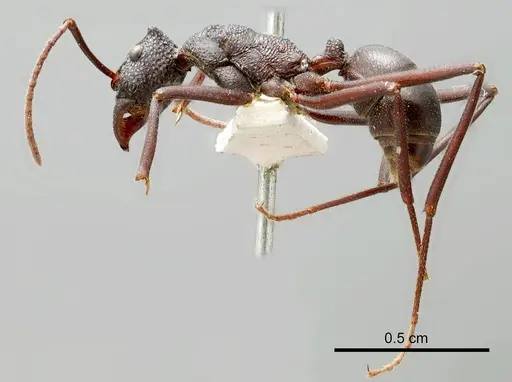
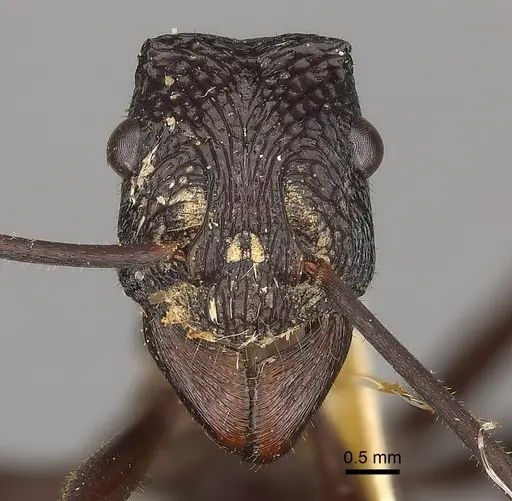
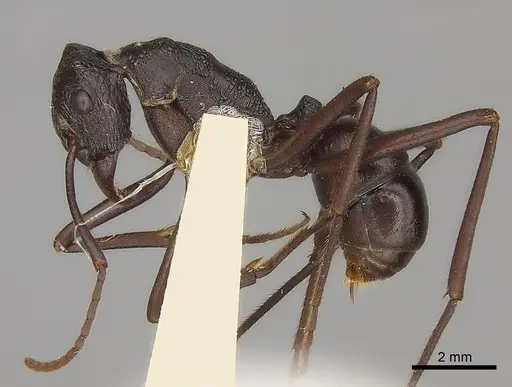
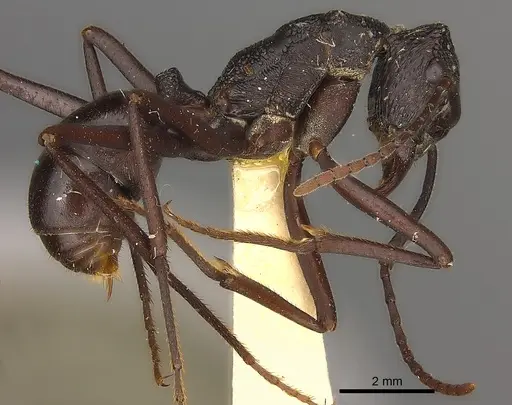
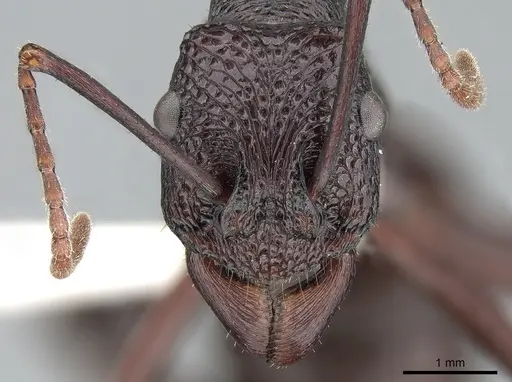
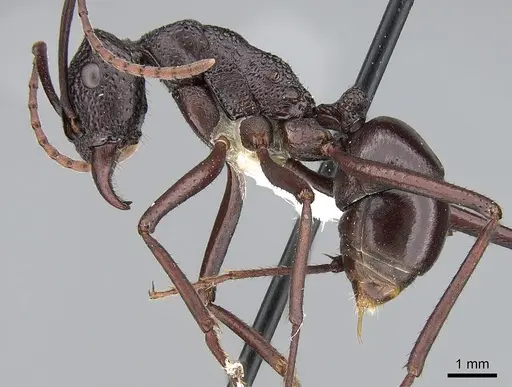
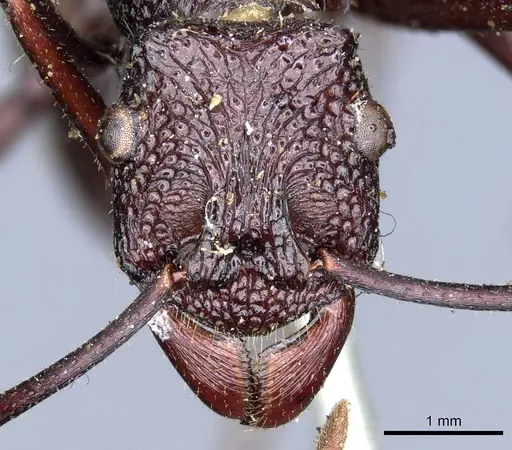
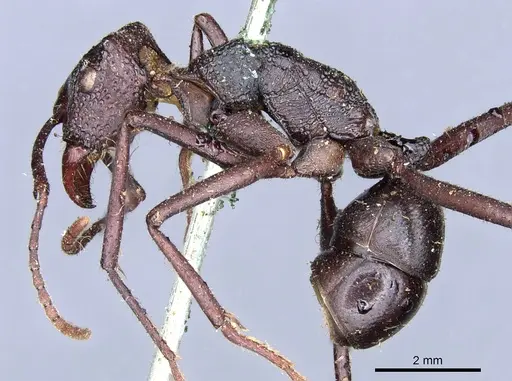
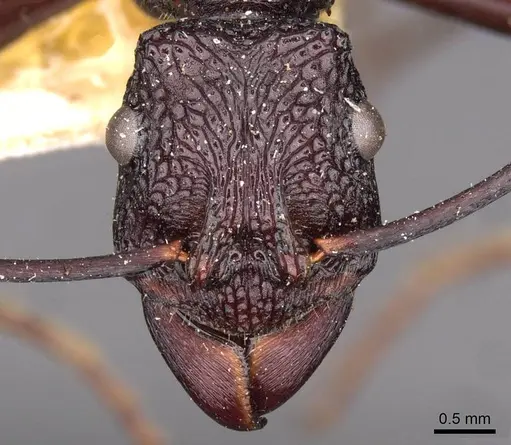
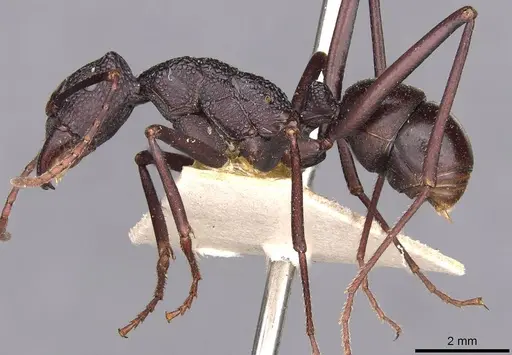
Rhytidoponera mayri is a large Australian ant easily recognized by the distinctive occipital cornicles (small horn-like projections) on the back of its head . Workers are robust and significantly larger than most Australian ants, earning them an 'extremely large species' designation . This species belongs to the subfamily Ectatomminae, meaning workers have functional stingers - something to keep in mind when handling. What makes Rhytidoponera mayri unusual is its social structure. Colonies are queenless, with reproduction handled by gamergates - workers that have become reproductive and can lay eggs . Multiple gamergates work together in each colony, and studies have been published under the name 'sp. 12' . Worker-worker relatedness is low (about 0.17), typical for polygynous colonies .
Quick Summary
- Difficulty: Medium
- Origin & Habitat: Native to Australia, widespread in the southeastern arid zone [6]. They inhabit semi-arid areas and construct distinctive 'volcano' style nests at the bases of shrubs [6]. Also found in the South-West Botanical Province [1].
- Colony Type: Queenless polygynous colonies, multiple gamergates (reproductive workers) replace a true queen. Studies show around 20±19 gamergates per colony [4]. Some sources suggest the queen caste may be retained but is not the primary reproductive [4]. This is a gamergate-based system where workers can become reproductive, unlike typical ant colonies with a single queen.
- Size & Growth:
- Queen: N/A, queenless species (gamergates are reproductive workers)
- Worker: Large, workers are described as extremely large [2] with distinctive occipital cornicles [1]
- Colony: Up to around 800 workers, with an average of 528±269 workers per colony [4]
- Growth: Moderate
- Development: Estimated 8-12 weeks at optimal temperature based on related Ponerine species, specific development timeline for this species has not been directly documented (Development times likely similar to other Rhytidoponera species, no specific studies on egg-to-worker timeline found)
- Antkeeping:
- Temperature: Keep at 24-28°C, these are arid-adapted Australian ants that prefer warmer conditions. Room temperature within this range works well. A slight heat gradient can be offered but is not required.
- Humidity: Low to moderate, semi-arid habitat means they prefer drier conditions. Keep substrate moderately dry with occasional moist patches. Avoid overly damp conditions that can cause mold.
- Diapause: Likely minimal or no true diapause, as an arid-zone species from Australia, they may have reduced activity in cooler months but probably don't require extended hibernation. Keep at room temperature year-round.
- Nesting: In the wild, they build 'volcano' nests in soil at shrub bases [6]. In captivity, use a deep soil layer (3-4 cm) for digging, or a Y-tong/plaster nest. Nest sites are long-lasting [3].
- Behavior: Moderately aggressive, they will use their stingers if threatened. As Ectatomminae, they have a functional sting (general subfamily knowledge). Handle with caution. Workers are active diurnal foragers and hunt prey. Colonies maintain internal harmony despite multiple gamergates. Escape risk is low due to large size, but standard barriers suffice. They construct volcano-style nests in the wild.
- Common Issues: queenless colonies can be confusing for keepers expecting a queen, gamergates are the reproductive workers and look identical to regular workers., multiple gamergates means colony dynamics are complex, don't be alarmed if you see several reproductive workers., no winged queens means limited dispersal, colonies don't produce alates, so you won't see nuptial flights., semi-arid nature means overwatering is a common mistake, keep conditions drier rather than wetter., stinger presence means they can sting, use caution during maintenance or transfers.
Understanding the Queenless Colony
Rhytidoponera mayri is a queenless ant species, meaning colonies don't have a traditional queen caste. Instead, reproduction is handled by gamergates, regular workers that have become reproductive and can lay eggs [3][4]. In Rhytidoponera mayri colonies, you'll find multiple gamergates working together, with studies showing around 20±19 gamergates per colony [4]. These gamergates are not morphologically distinct from regular workers, you won't be able to identify them by sight. Worker-worker relatedness is low (~0.17), typical for polygynous colonies [5]. For keepers, this means there's no single queen to die, the colony doesn't depend on one individual for survival. Note that some studies suggest the queen caste may be retained in this species [4], but the primary reproductive role is still performed by gamergates.
Housing and Nest Setup
In the wild, Rhytidoponera mayri builds distinctive 'volcano' style nests at the bases of shrubs in semi-arid Australian environments [6]. For captive care, a naturalistic setup works best, a formicarium with a deep soil layer (3-4 cm) allows them to create their own chambers. You can also use Y-tong (AAC) or plaster nests, but ensure adequate floor space for their moderately large colonies. Because they come from arid areas, keep the nesting area on the drier side. Nest sites are long-lasting [3], so once established, they may use the same nest for years. The outworld should be spacious enough for foraging, these are active hunters. Use standard escape prevention (e.g., fluon on the rim) though their large size makes them less likely to escape than tiny ants.
Feeding and Diet
Rhytidoponera mayri are predatory ants that actively hunt insects and other small prey. In captivity, they readily accept a variety of protein sources including mealworms, crickets, fruit flies, and other small insects. Offer protein foods 2-3 times per week, removing uneaten prey after 24 hours. They also likely accept sugar sources like honey water or sugar water, though this hasn't been specifically documented. Fresh water should always be available. Their predatory nature means they need regular protein, this is not a species that can survive on just sugar water. Feed appropriately sized prey (smaller than the workers). Specific dietary studies for this species are lacking, but Ponerine ants are generally carnivorous.
Temperature and Seasonal Care
Rhytidoponera mayri comes from semi-arid to arid regions of Australia [6], so they prefer warmer, drier conditions. Keep the nest area at 24-28°C, this temperature range supports normal colony activity and brood development. They can tolerate brief periods outside this range, but consistent temperatures in the low-to-mid 20s Celsius are ideal. As an arid-zone species, they likely don't require a true diapause or hibernation period. You may notice reduced activity during cooler months, but maintaining room temperature (around 22-24°C) year-round should keep them active. Avoid placing the nest in drafty areas or near air conditioning vents. A gentle heat gradient using a heating cable on one side of the nest can be offered but is not strictly necessary if your room temperature is within their preferred range.
Handling and Safety
Important: Rhytidoponera mayri belongs to the subfamily Ectatomminae, which means workers have functional stingers (general subfamily knowledge). Unlike many ants that have lost their stingers, these ants can deliver a painful sting if threatened or handled roughly. When working with this species, use caution, avoid provoking them with forceps or disturbing the nest unnecessarily. If you need to move them, allow them to walk onto a piece of paper or use gentle coaxing rather than grabbing. Their large size makes them easier to see and monitor than tiny ants, but the sting risk means they're not ideal for beginners who want to handle their ants frequently. The sting is reportedly painful but not dangerous to healthy humans, still, it's best to avoid being stung.
Colony Dynamics and Reproduction
One of the most interesting aspects of Rhytidoponera mayri is how colonies reproduce and grow. Since there are no winged queens, dispersal is limited, colonies likely reproduce through budding, where some workers and gamergates leave to establish a new nest [7]. This limited dispersal ability has been noted due to the lack of winged queens [7]. For keepers, this means you won't see nuptial flights or alates like you would with queen-right species. Instead, colony growth happens through the gamergates producing more workers. The colony size in the wild averages around 528 workers based on 12 colonies studied [4]. In captivity, expect moderate growth rates, they're not the fastest growing ants, but they're also not particularly slow. Multiple gamergates mean egg production can be steady once the colony is established. Studies have also documented migration between nests in the arid zone [7].
Frequently Asked Questions
Does Rhytidoponera mayri have a queen?
No, Rhytidoponera mayri is a queenless species. Instead of a traditional queen, colonies have gamergates, regular workers that have become reproductive and can lay eggs. Multiple gamergates work together in each colony [3][4]. Some studies suggest the queen caste may be retained but is not the primary reproductive [4].
Can Rhytidoponera mayri ants sting?
Yes, they can sting. As a member of the subfamily Ectatomminae, workers have functional stingers. Their sting is reportedly painful, though not dangerous to healthy humans. Handle with caution and avoid provoking them.
How big do Rhytidoponera mayri colonies get?
Colonies typically reach up to around 800 workers. Studies show an average of 528±269 workers per colony [4]. This is a moderately large colony size for a Ponerine ant.
What temperature do Rhytidoponera mayri ants need?
Keep them at 24-28°C. These are arid-adapted Australian ants that prefer warmer conditions [6]. Room temperature within this range works well, with a slight heat gradient being optional.
Do Rhytidoponera mayri need hibernation?
Probably not. As an arid-zone species from Australia, they likely don't require a true diapause period. They may show reduced activity in cooler months, but maintaining room temperature year-round should be fine.
What do Rhytidoponera mayri eat?
They are predatory Ponerine ants that hunt insects and small prey. Feed them protein sources like mealworms, crickets, and fruit flies 2-3 times per week. They likely also accept sugar sources like honey water. Fresh water should always be available. Specific dietary studies are lacking.
Are Rhytidoponera mayri good for beginners?
They are rated as medium difficulty. The queenless system can be confusing for those expecting a typical ant colony, and their sting means you need to handle them carefully. They are not ideal for complete beginners, but experienced antkeepers should find them manageable.
How do Rhytidoponera mayri colonies reproduce?
Since there are no winged queens, colonies reproduce through budding rather than nuptial flights. Some workers and gamergates leave to establish new nests [7]. This means limited dispersal ability compared to typical ants with winged queens.
What type of nest does Rhytidoponera mayri need?
A naturalistic setup with deep soil (3-4 cm) works well, mimicking their natural volcano-style nests at shrub bases [6]. Y-tong or plaster nests are also suitable. Keep the nesting area drier since they come from semi-arid habitats.
Why are they called 'queenless' ants?
Rhytidoponera mayri belongs to a group of ants that evolved to reproduce without a queen caste. Instead, regular workers (gamergates) take on reproduction. This is a rare social structure found in some Ponerine ant species [3][4].
Report an Issue
The current care sheet is based fully on literature. See inconsistencies, or something that's incorrect? Please , it will be resolved after review from an admin. Contributing to the blogs tab also helps providing information, to make us be able to further improve the caresheets. Thank you for your support!
References

This caresheet is licensed under CC BY-SA 4.0 .
Community Blogs
ANTWEB1008302
View on AntWeb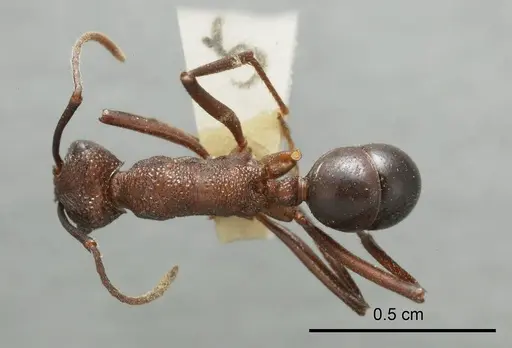
ANTWEB1008314
View on AntWeb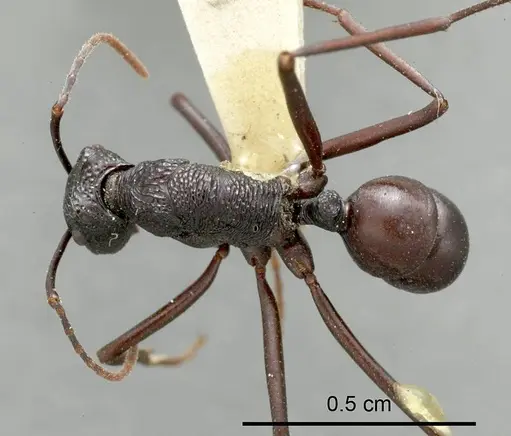
ANTWEB1008315
View on AntWeb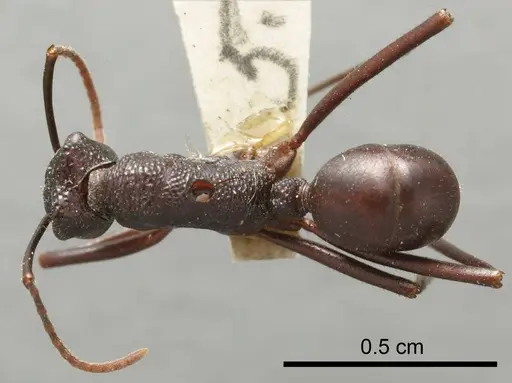
ANTWEB1008317
View on AntWeb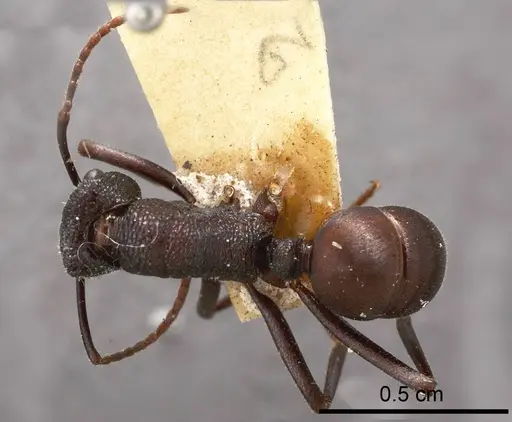
ANTWEB1008321
View on AntWeb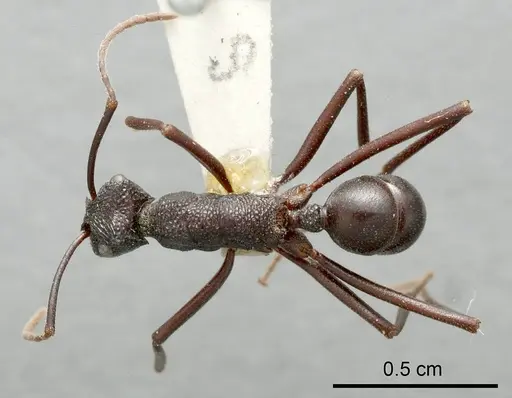
CASENT0217493
View on AntWeb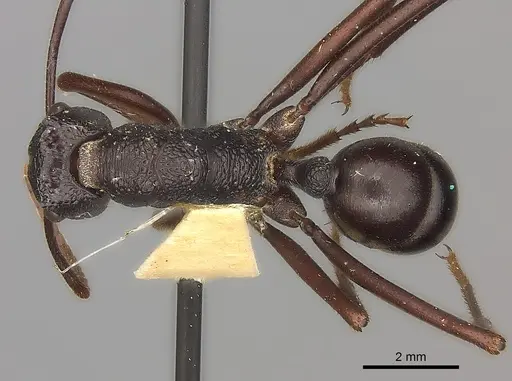
CASENT0281301
View on AntWeb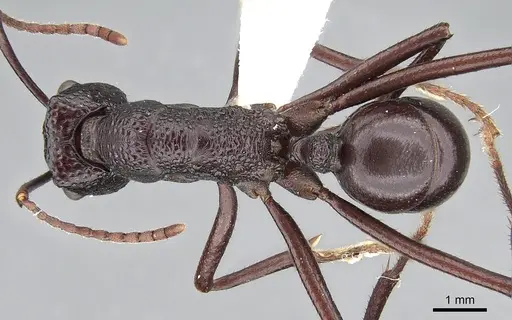
CASENT0903814
View on AntWeb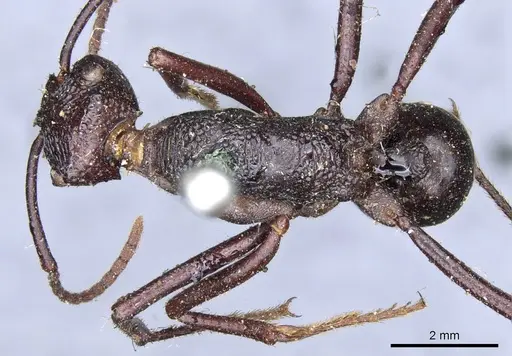
CASENT0907149
View on AntWeb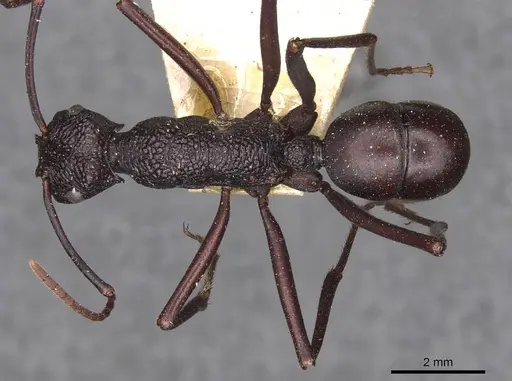
Literature
Loading distribution map...Loading products...