
Rhytidoponera insularis
- Sci. Name
- Rhytidoponera insularis
- Tribe
- Ectatommini
- Subfamily
- Ectatomminae
- Author
- Ward, 1984
- Distribution
- Found in 1 countries
Introduction
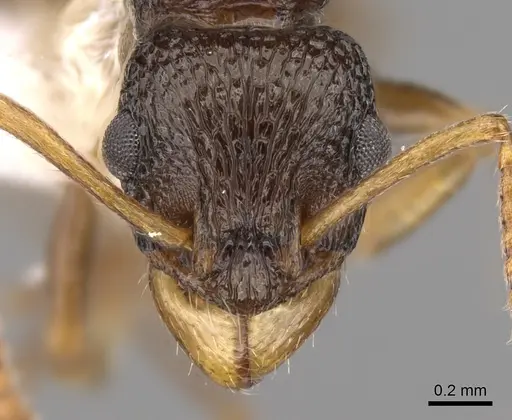
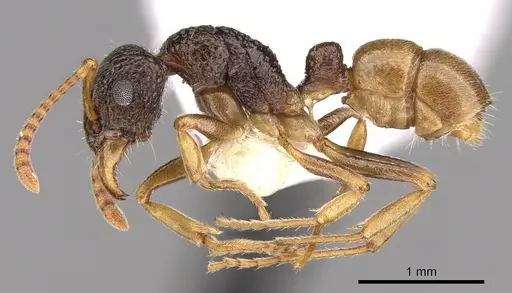
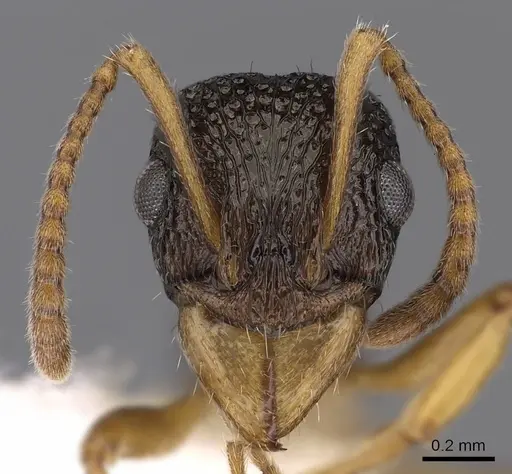
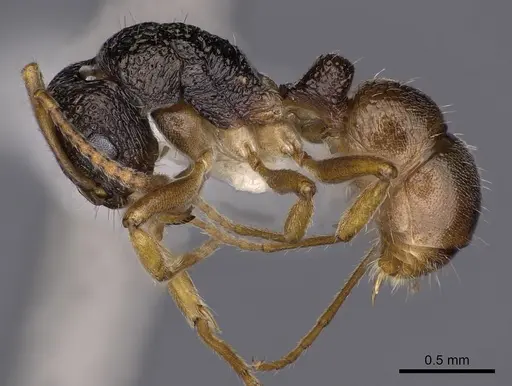
Rhytidoponera insularis is a small to medium-sized ant endemic to New Caledonia, known only from the Island of Pines (Ile des Pins). It was described by Ward in 1984 based on worker specimens collected from lowland rainforest at elevations under 15 meters . Workers possess a functional sting, characteristic of the subfamily Ectatomminae. Very little is known about this species in the wild or in captivity, as it has not been studied in detail. It is recorded only from New Caledonia .
Quick Summary
- Difficulty: Medium
- Origin & Habitat: Endemic to New Caledonia (Ile des Pins), found in lowland rainforest at elevations under 15 m [2][1].
- Colony Type: Unconfirmed, no data on social structure.
- Size & Growth:
- Queen: Unknown, queen caste not described in literature. Estimated ~5-7mm based on Rhytidoponera genus patterns.
- Worker: Size data unavailable, worker TL not given in available literature. Estimated ~4-6mm based on Rhytidoponera genus patterns.
- Colony: Unknown
- Growth: Unknown
- Development: Estimated 6-8 weeks based on typical Ectatomminae development patterns (No species-specific data available.)
- Antkeeping:
- Temperature: Inferred from tropical habitat: 24-28°C. Avoid prolonged temperatures below 20°C.
- Humidity: High humidity needed, inferred from rainforest habitat: keep substrate moist, aim for 70-85% relative humidity.
- Diapause: Unlikely, tropical origin suggests no winter diapause. A slight seasonal temperature drop may be tolerated but not required.
- Nesting: Not documented. Likely nests in rotting wood or soil in shaded rainforest areas. For captivity, use a naturalistic setup with high moisture retention (Y-tong, plaster, or soil substrate).
- Behavior: Workers are predatory and possess stingers. Likely diurnal foragers, moderately aggressive when disturbed. Small size means they can escape through tiny gaps, use fine mesh. General Ectatomminae behavior.
- Common Issues: high humidity requirement makes them prone to mold issues if ventilation is poor, escape prevention is critical due to small worker size, lack of published care information means starting parameters are estimates, wild-caught colonies may be difficult to establish due to unknown founding requirements, their stinger means they can deliver painful stings if handled roughly
Temperature and Care
Inferred from their tropical New Caledonian habitat, keep the colony at 24-28°C for optimal activity and brood development. A heating cable on one side of the nest creates a temperature gradient. Avoid temperatures below 20°C for extended periods. High humidity is essential, keep the nest substrate consistently moist but not waterlogged. Good ventilation is required to prevent mold, but avoid excessive airflow that dries out the nest. These are general recommendations for rainforest Ectatomminae and have not been directly tested for this species.
Feeding and Diet
As Ectatomminae, these ants are likely predatory or omnivorous. Offer small live prey such as fruit flies, pinhead crickets, or mealworms, along with sugar water or honey water. Protein can be offered 2-3 times per week. Remove uneaten prey after 24-48 hours to prevent mold. Since no specific dietary studies exist, observe colony preferences and adjust accordingly.
Nesting Preferences
Based on collection data, they inhabit lowland rainforest understory [1]. Likely they nest in rotting wood, under stones, or in moist soil. For captivity, use a naturalistic setup with moist substrate (soil mix, Y-tong, or plaster) that maintains high humidity. Keep the nest dark and scaled to colony size to avoid stressing the ants. Since no nest structure data is available, these are educated guesses.
Behavior and Temperament
Workers have functional stingers, which they likely use for predation and defense. They are probably moderately aggressive when disturbed. Their small size makes them agile climbers, so use fine mesh (0.5mm or less) to prevent escape. Foraging is likely individual or in small groups during warmer daylight hours. These traits are typical for Ectatomminae ants and have not been specifically observed for this species.
Frequently Asked Questions
Do Rhytidoponera insularis ants sting?
Yes, they possess a functional sting, typical for the subfamily Ectatomminae. The sting can be painful but is unlikely to be dangerously potent. Handle with care to avoid provoking the colony.
How long does it take for Rhytidoponera insularis to raise first workers?
Based on typical Ectatomminae development, expect approximately 6-8 weeks from egg to first worker at optimal temperature (24-28°C). This is an estimate, as development has not been directly studied for this species.
Can I keep Rhytidoponera insularis in a test tube setup?
A test tube setup is likely suitable for founding if the species uses a claustral or semi-claustral strategy (unknown). Ensure the water reservoir is sized to maintain high humidity without flooding. Cover the tube to reduce stress. As the colony grows, transition to a formicarium that supports high moisture.
What do Rhytidoponera insularis eat?
They are likely predatory or omnivorous. Offer small live prey and sugar water. Protein 2-3 times weekly is a good starting point. Adjust based on colony response.
Do Rhytidoponera insularis need hibernation?
Unlikely, due to their tropical origin, they probably do not require a winter diapause. A slight seasonal temperature drop (e.g., to 20-22°C) might be tolerated but is not necessary. Avoid cooling them dramatically.
Are Rhytidoponera insularis good for beginners?
This species is rated Medium difficulty, but the lack of published care information and specific high humidity requirements make it better suited for experienced keepers. Beginners should start with more documented species to learn basic care.
How big do Rhytidoponera insularis colonies get?
The maximum colony size is unknown. Based on typical Rhytidoponera patterns, colonies likely reach several hundred workers at most, but this is speculation.
Why are my Rhytidoponera insularis dying?
Common causes may include low humidity (keep substrate moist), temperatures below 20°C, poor ventilation causing mold, excessive disturbance, or stress from wild collection. Check these parameters first. Because care is not documented, close observation and adjustment are necessary.
When should I move my colony to a formicarium?
Once the colony outgrows the test tube (e.g.,20-30 workers and brood crowding), gradually connect a formicarium that maintains high humidity. Allow the ants to move voluntarily. There is no species-specific guidance, so base the move on general antkeeping practices.
Can I keep multiple queens together?
Not recommended, combining unrelated queens is not documented and would likely cause aggression. If you obtain a colony with multiple queens (unlikely given the species), separate them unless they appear to be a stable polygyne group. No data supports this practice.
Report an Issue
The current care sheet is based fully on literature. See inconsistencies, or something that's incorrect? Please , it will be resolved after review from an admin. Contributing to the blogs tab also helps providing information, to make us be able to further improve the caresheets. Thank you for your support!
References

This caresheet is licensed under CC BY-SA 4.0 .
Community Blogs
CASENT0281321
View on AntWeb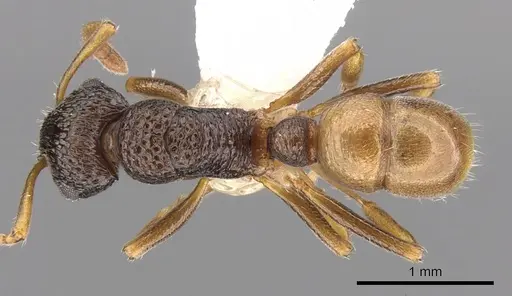
CASENT0900542
View on AntWeb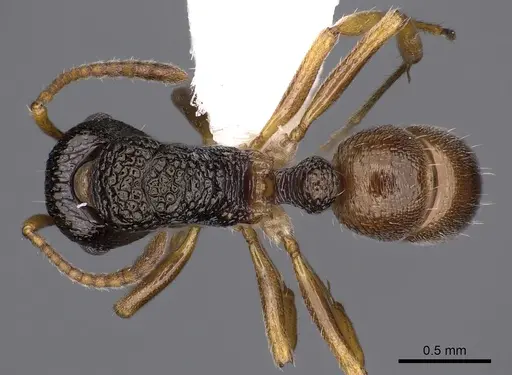
Literature
Loading distribution map...Loading products...